Loading subject page…


196,004 views

Video Summary: What Is Center of Mass Introduction
Why does a spinning football maintain its trajectory even when tumbling through the air during an NFL pass? The center of mass introduction explains this fascinating physics phenomenon that governs motion in everything from Olympic discus throws to NASA spacecraft trajectories. This fundamental concept treats complex objects as single point masses, simplifying how we analyze motion in American football, basketball shots, and engineering applications. Watch the full video on JoVE Coach to master this concept with expert-led visuals and step-by-step explanations.
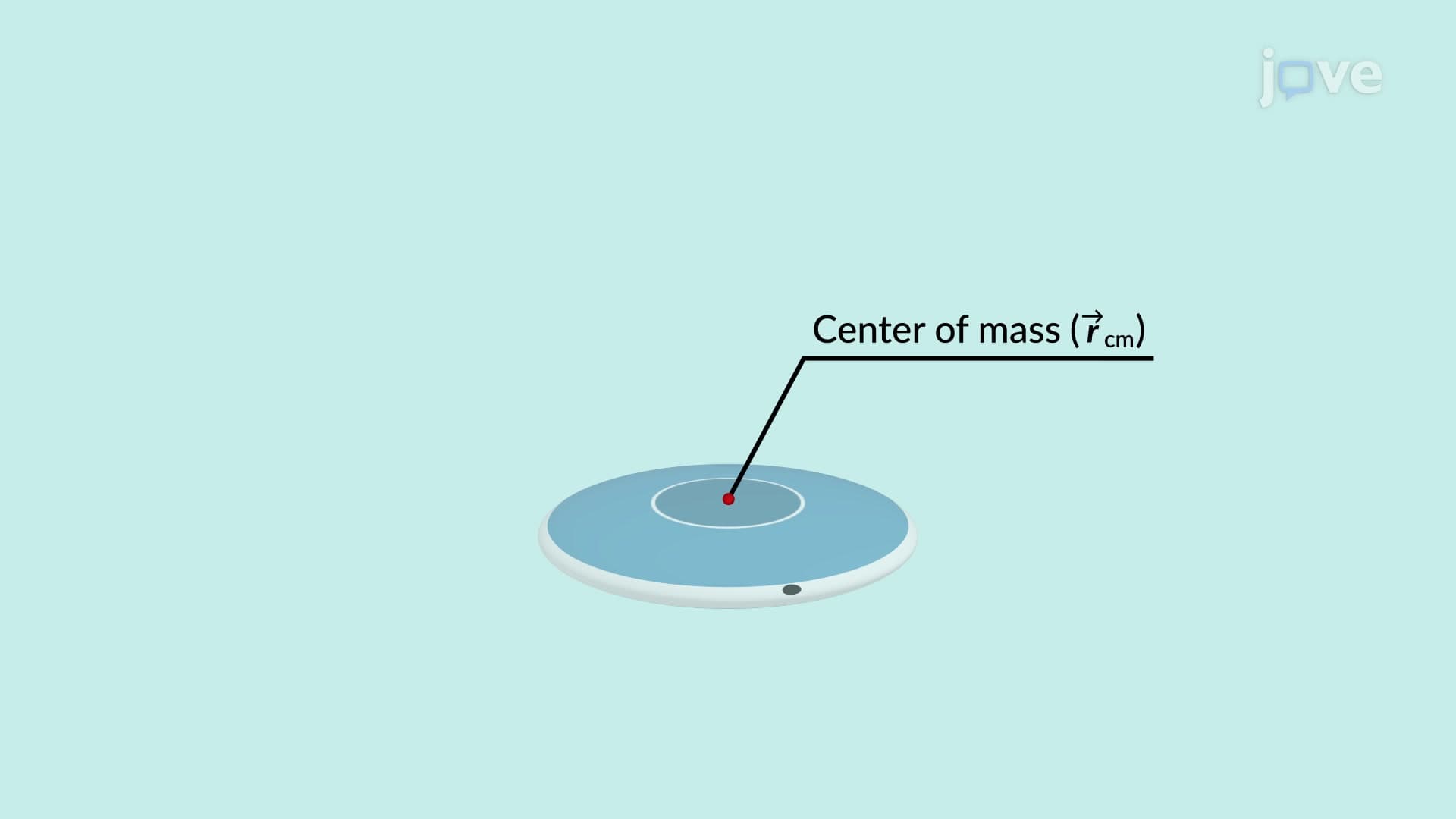
The center of mass introduction reveals one of physics' most elegant simplifications: any object, regardless of complexity, can be treated as a single point containing all its mass. This concept transforms seemingly impossible calculations into manageable problems, whether you're analyzing a gymnast's rotation during the Olympics or calculating satellite orbits for SpaceX missions.
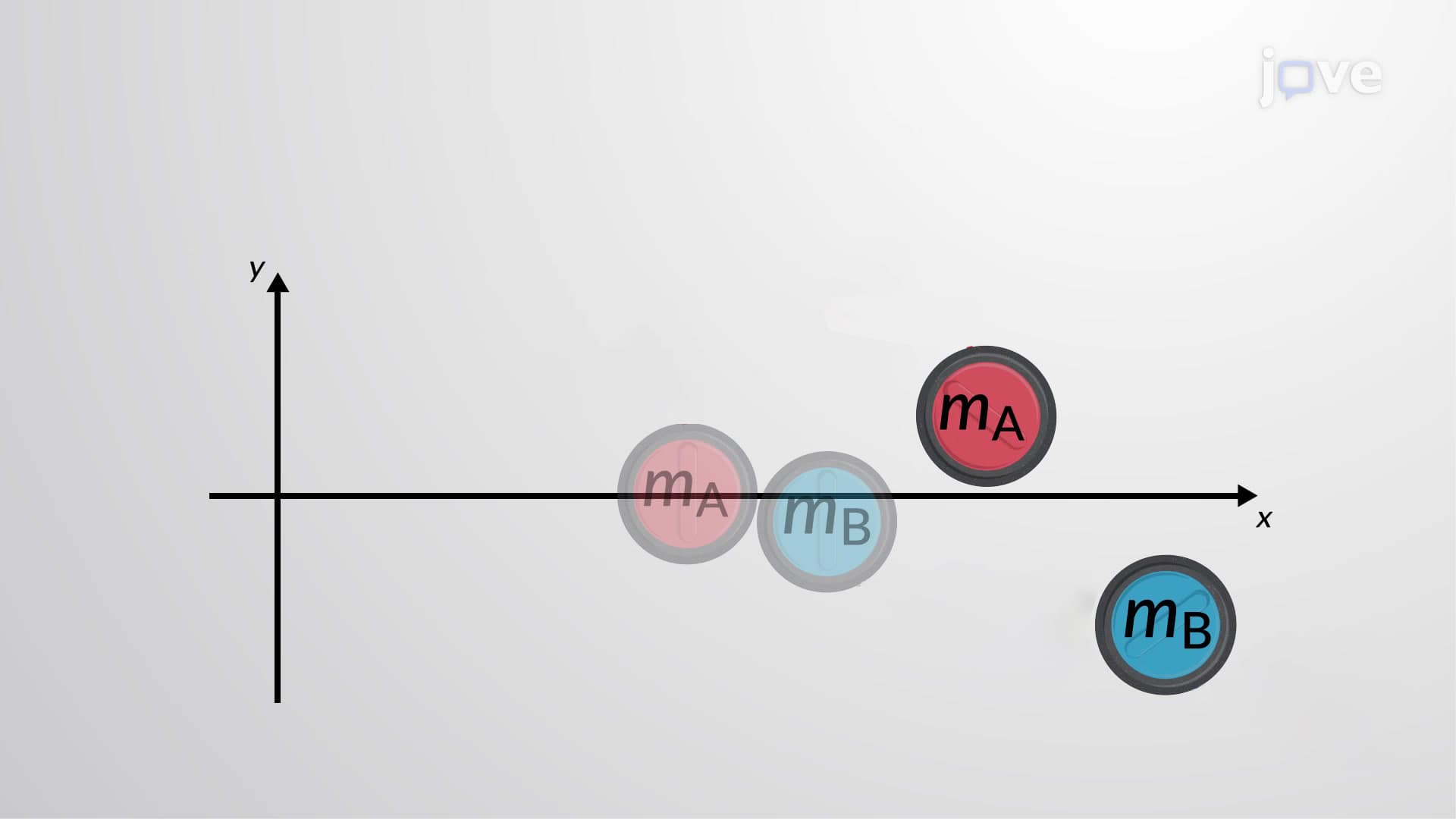
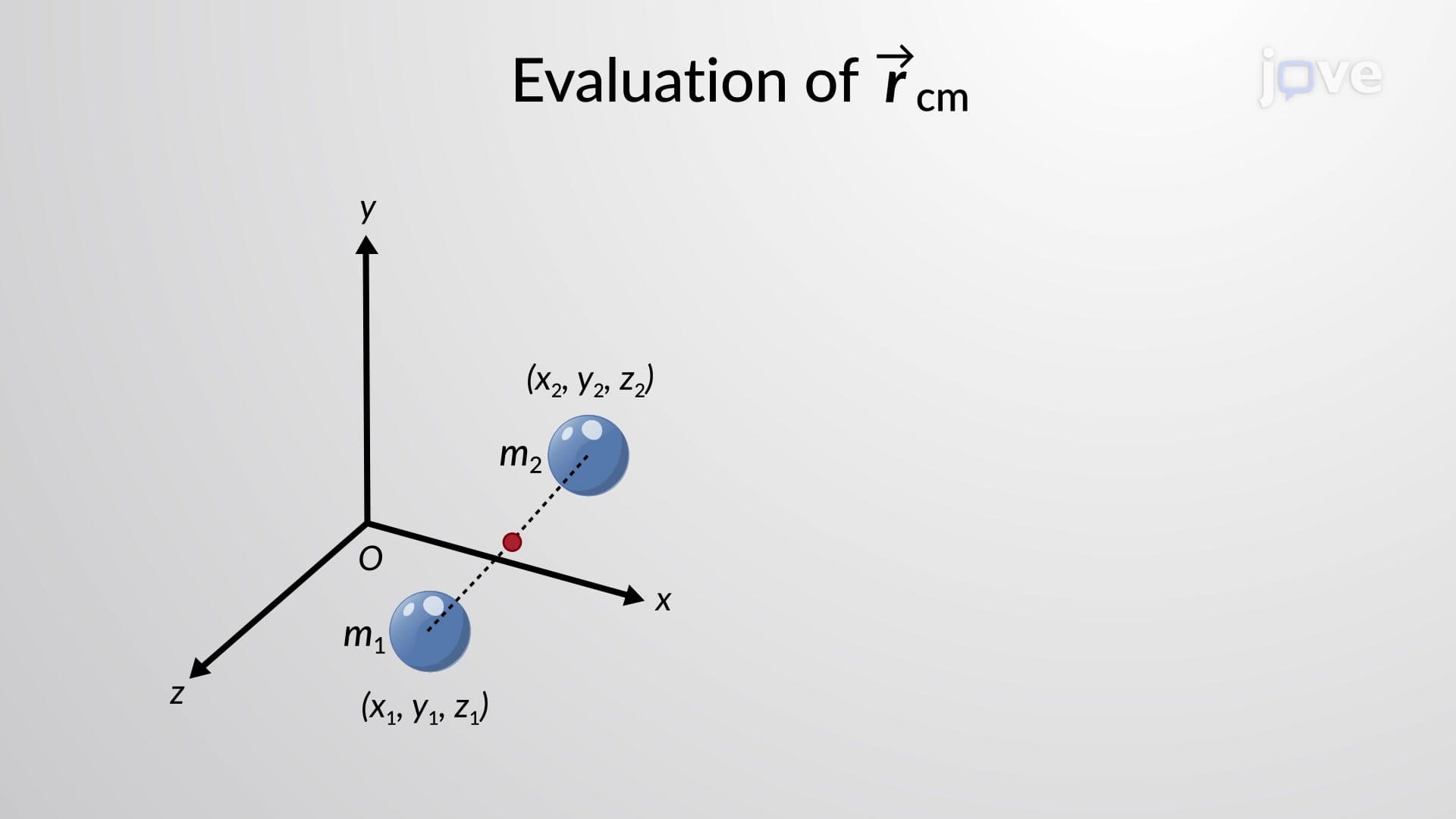
The center of mass position vector follows the formula: r(cm) = Σ(m(i) × r(i)) / M(total), where each particle's mass (m(i)) multiplies its position vector (r(i)), summed over all particles and divided by total mass. For coordinate systems, this becomes:
This mathematical framework appears frequently on AP Physics exams and college mechanics courses, particularly in problems involving composite objects or system analysis.
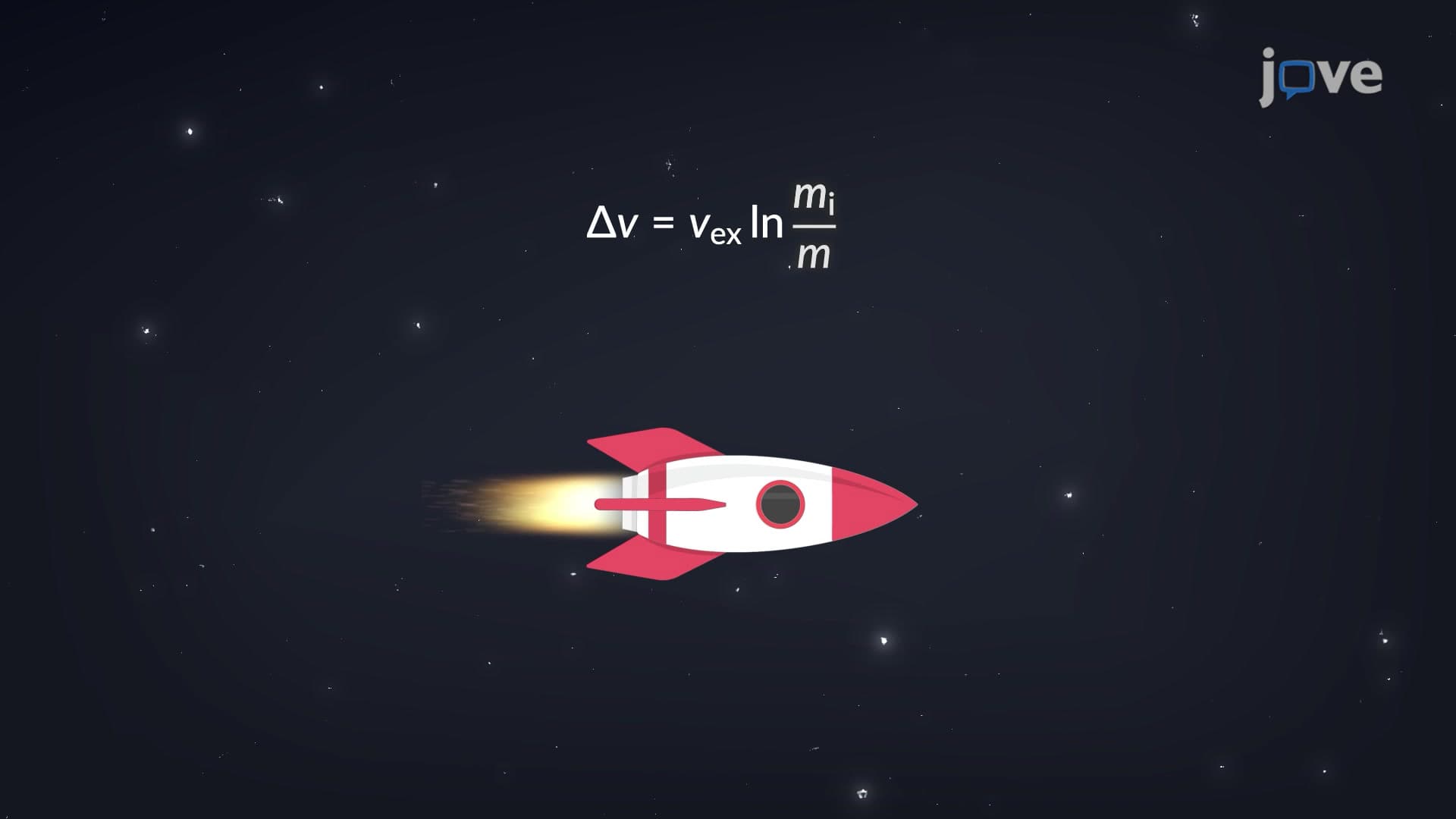
Consider a baseball pitcher's curveball: while the ball's surface points trace complex spiraling paths, the center of mass follows a predictable parabolic trajectory influenced only by gravity and air resistance. NASA engineers use identical principles when designing spacecraft trajectories-the International Space Station's center of mass determines its orbital path despite the complex arrangement of solar panels, modules, and equipment.
In American football, understanding center of mass explains why a quarterback's spiral pass maintains stability. The football's center of mass travels in a smooth arc while individual points on the ball rotate, creating the characteristic spiral motion that reduces air resistance and improves accuracy.
Students preparing for standardized tests like the SAT Subject Test in Physics or MCAT encounter center of mass problems regularly. Engineering programs at institutions like MIT, Stanford, and Georgia Tech emphasize these concepts in introductory mechanics courses, as they form the foundation for advanced topics including rotational dynamics, collision analysis, and structural engineering. The concept bridges theoretical physics with practical applications in aerospace, automotive, and robotics industries throughout the United States.
Related Micro-courses