14 Concepts
15 Concepts
14 Concepts
11 Concepts
16 Concepts
10 Concepts
15 Concepts
12 Concepts
19 Concepts
14 Concepts
14 Concepts
12 Concepts
24 Concepts
22 Concepts
15 Concepts
15 Concepts
17 Concepts
15 Concepts
13 Concepts
19 Concepts
12 Concepts
16 Concepts
13 Concepts
15 Concepts
12 Concepts
13 Concepts
18 Concepts
12 Concepts
22 Concepts
21 Concepts
13 Concepts
13 Concepts
14 Concepts
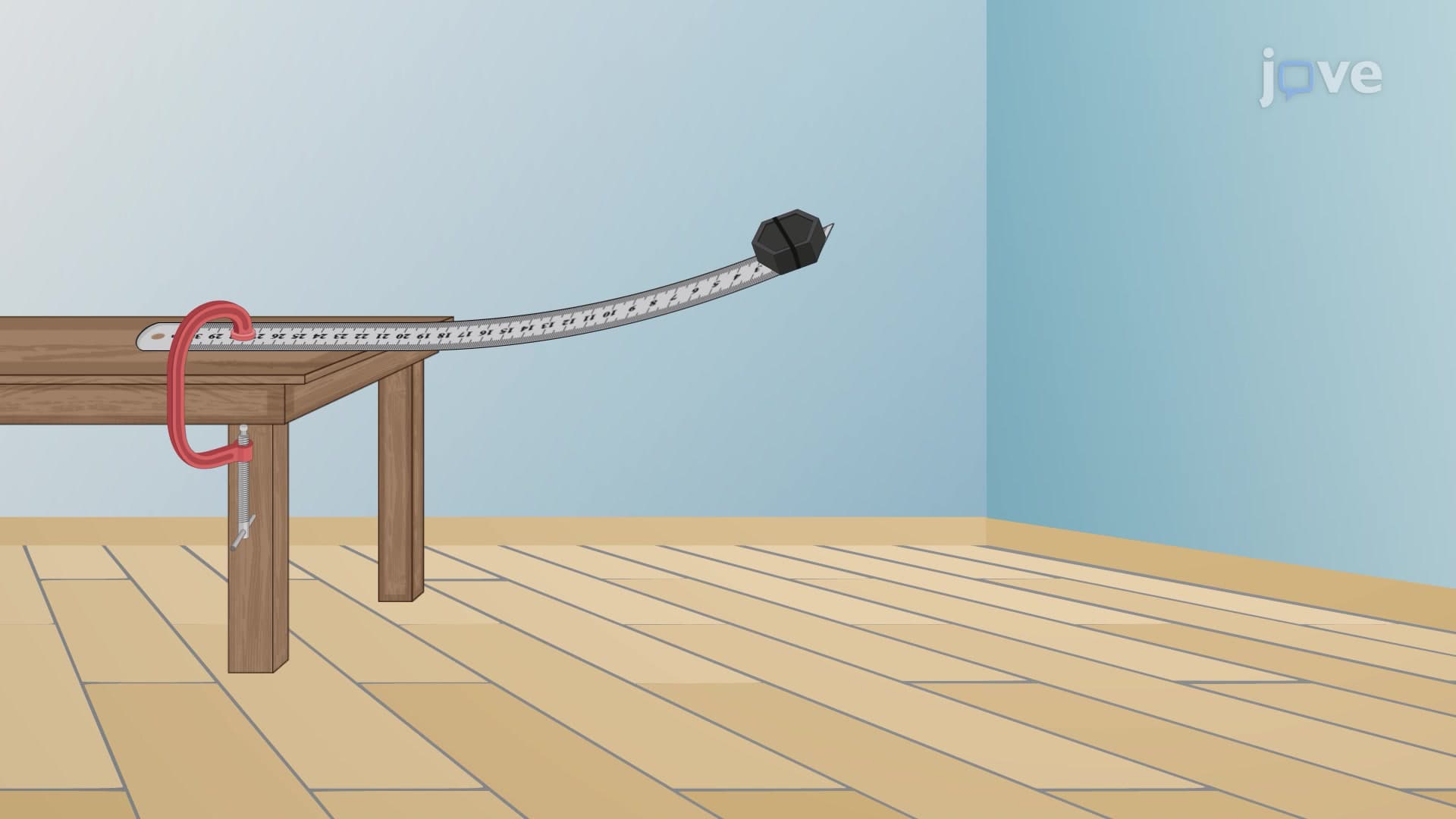
Oscillations are repetitive motions where objects move back and forth around an equilibrium position, forming the foundation for understanding vibrations in everything from car suspensions to earthquake-resistant building designs. This comprehensive course explores simple harmonic motion, energy conservation in oscillating systems, and real-world applications including pendulums, springs, and resonance phenomena. Through JoVE Coach's systematic approach, you'll master the mathematical relationships governing oscillatory motion and their practical applications in engineering and physics.
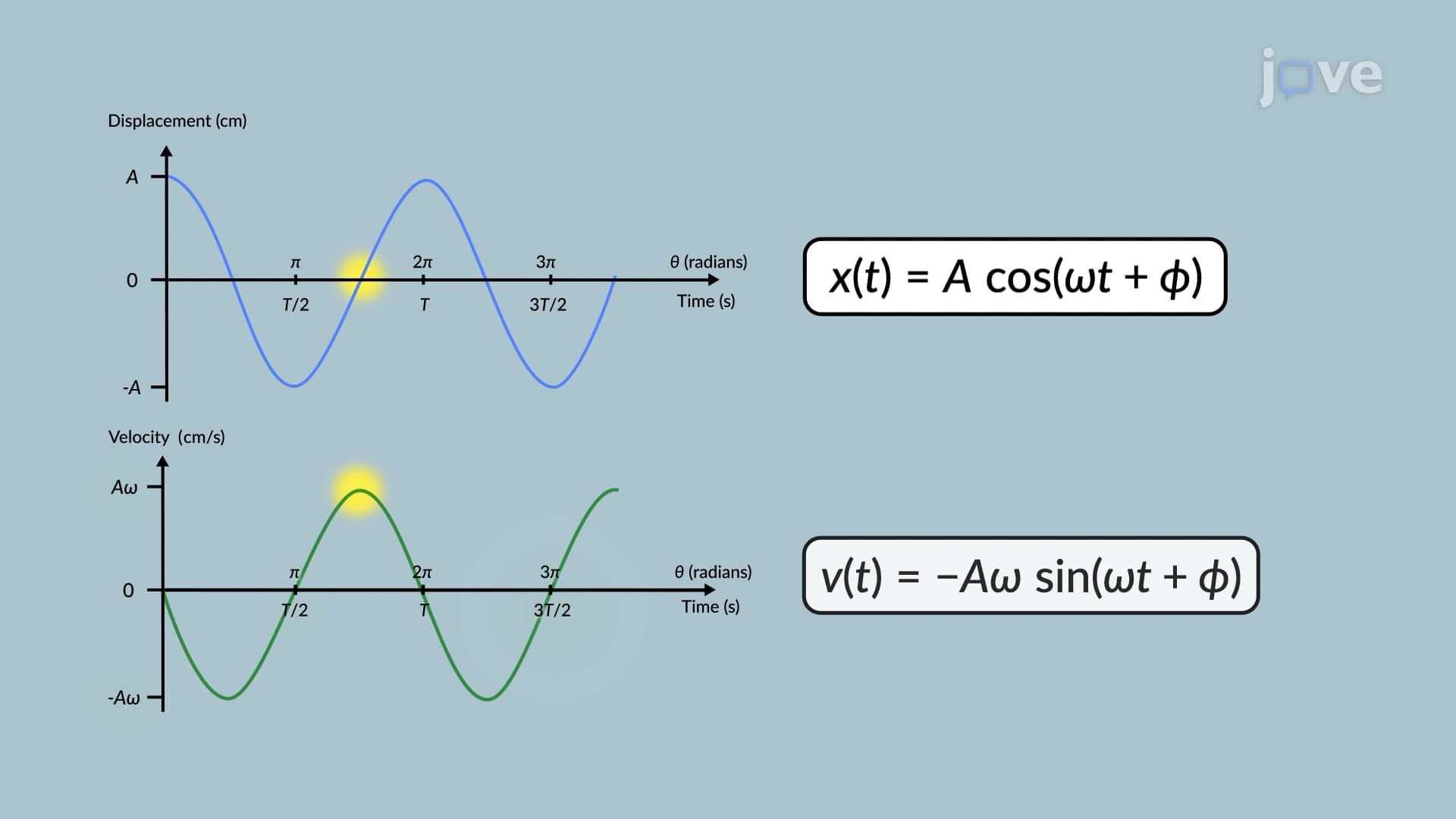
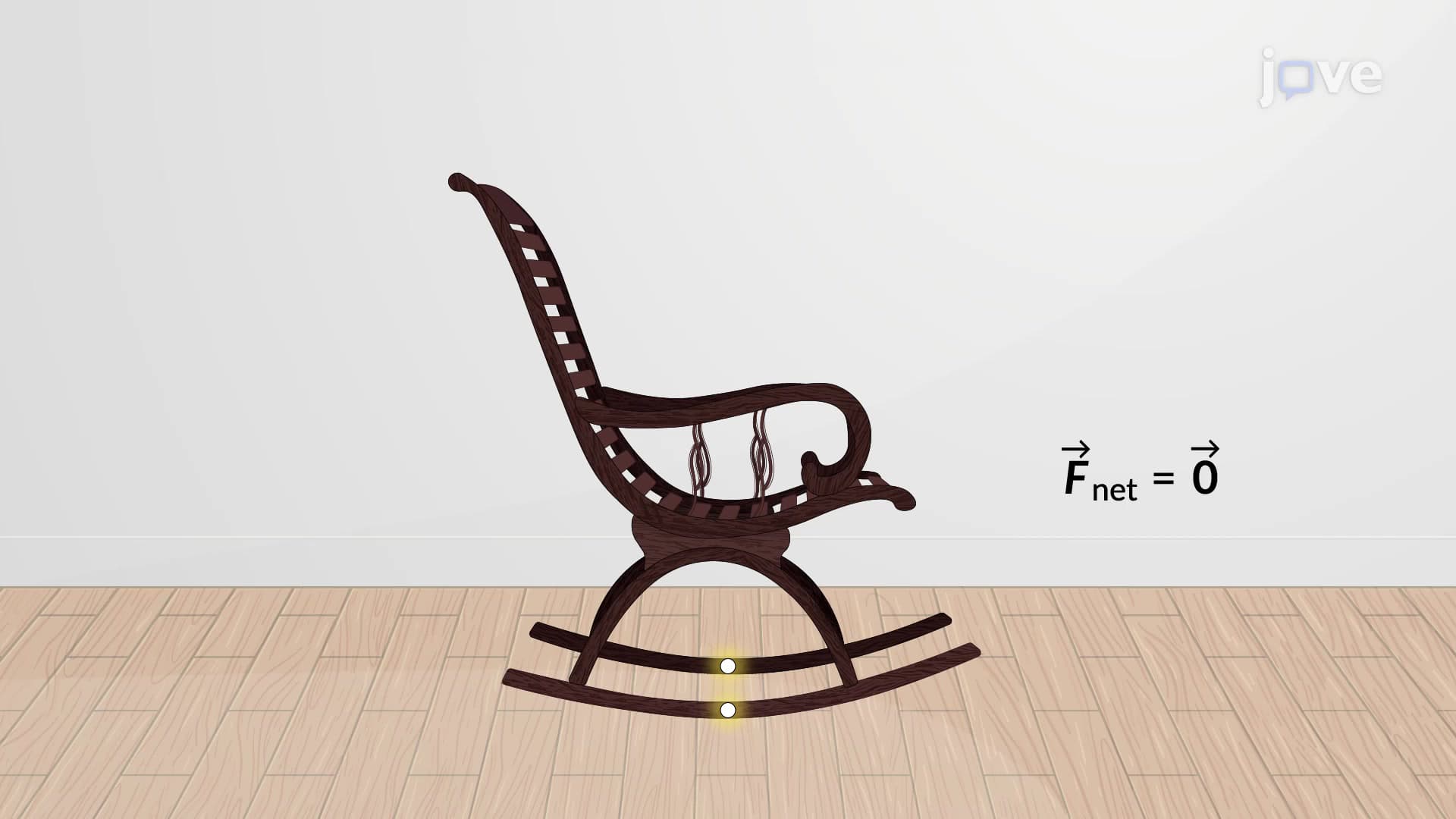
1. Simple Harmonic Motion Fundamentals Simple harmonic motion occurs when the restoring force on an object is proportional to its displacement from equilibrium position, following F = -kx. This creates sinusoidal motion patterns seen in systems like vibrating guitar strings, pendulum clocks, and car shock absorbers. The motion can be described using displacement equations involving amplitude, angular frequency, and phase relationships. Understanding these fundamentals helps explain why suspension bridges are designed with specific frequencies to avoid dangerous resonance conditions during wind storms.
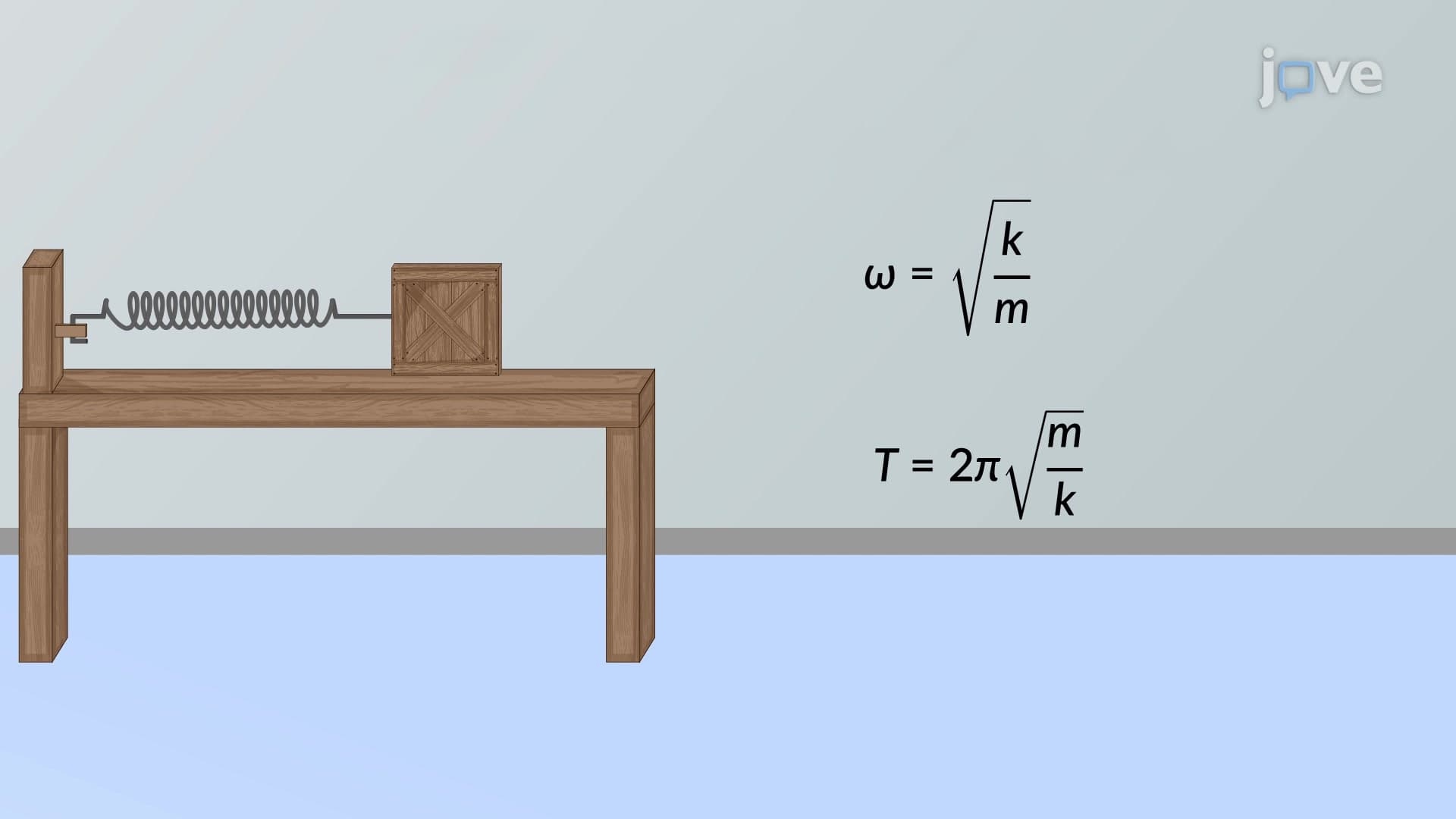
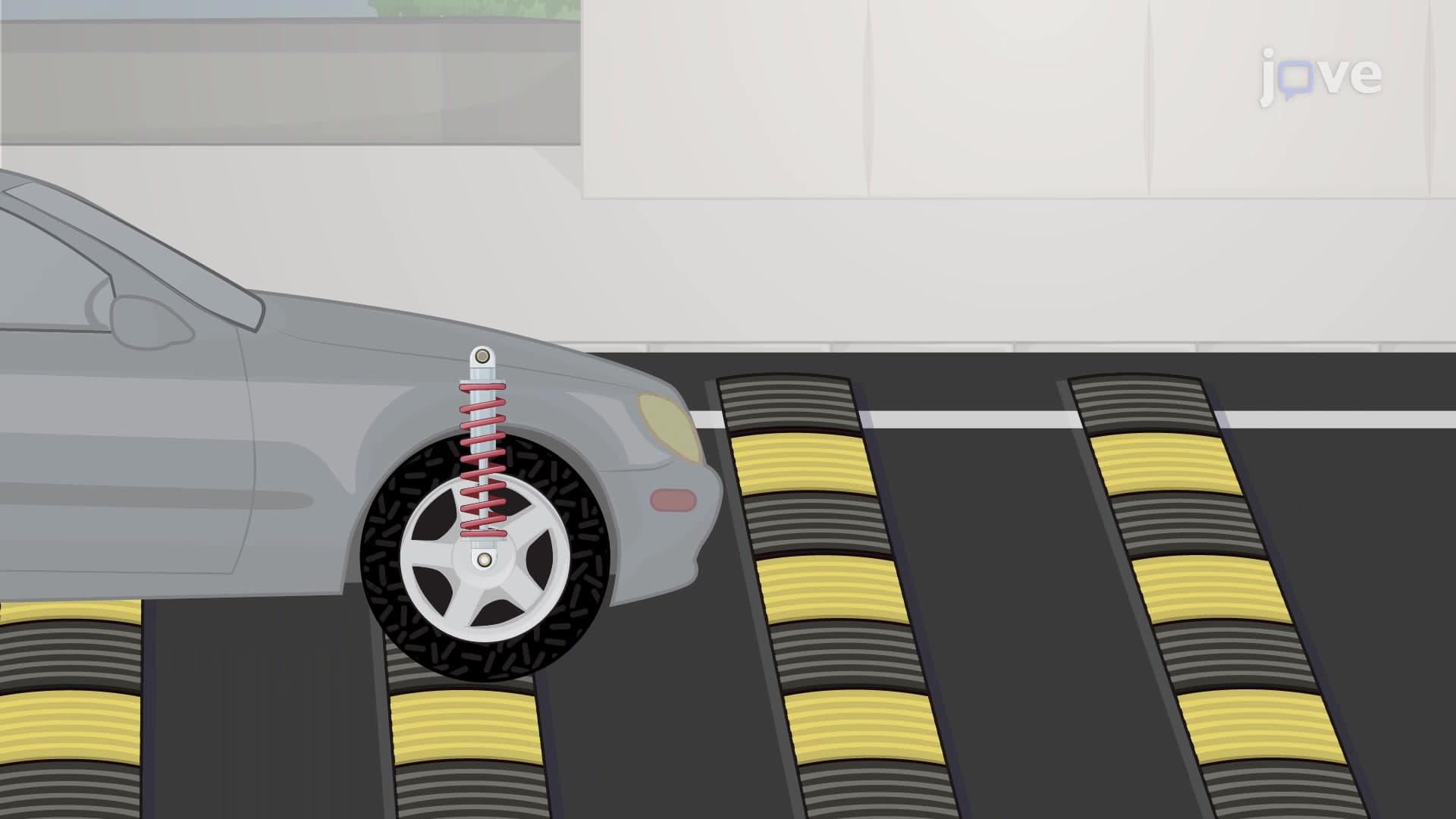
2. Spring-Mass System Analysis Spring-mass systems demonstrate linear simple harmonic motion where angular frequency depends on the spring constant and mass according to ω = √(k/m). Stiffer springs produce higher frequencies, while heavier masses create lower frequencies, explaining why bass guitar strings are thicker than treble strings. The period and frequency relationships help engineers design automotive suspension systems that provide smooth rides while maintaining vehicle control during various road conditions.
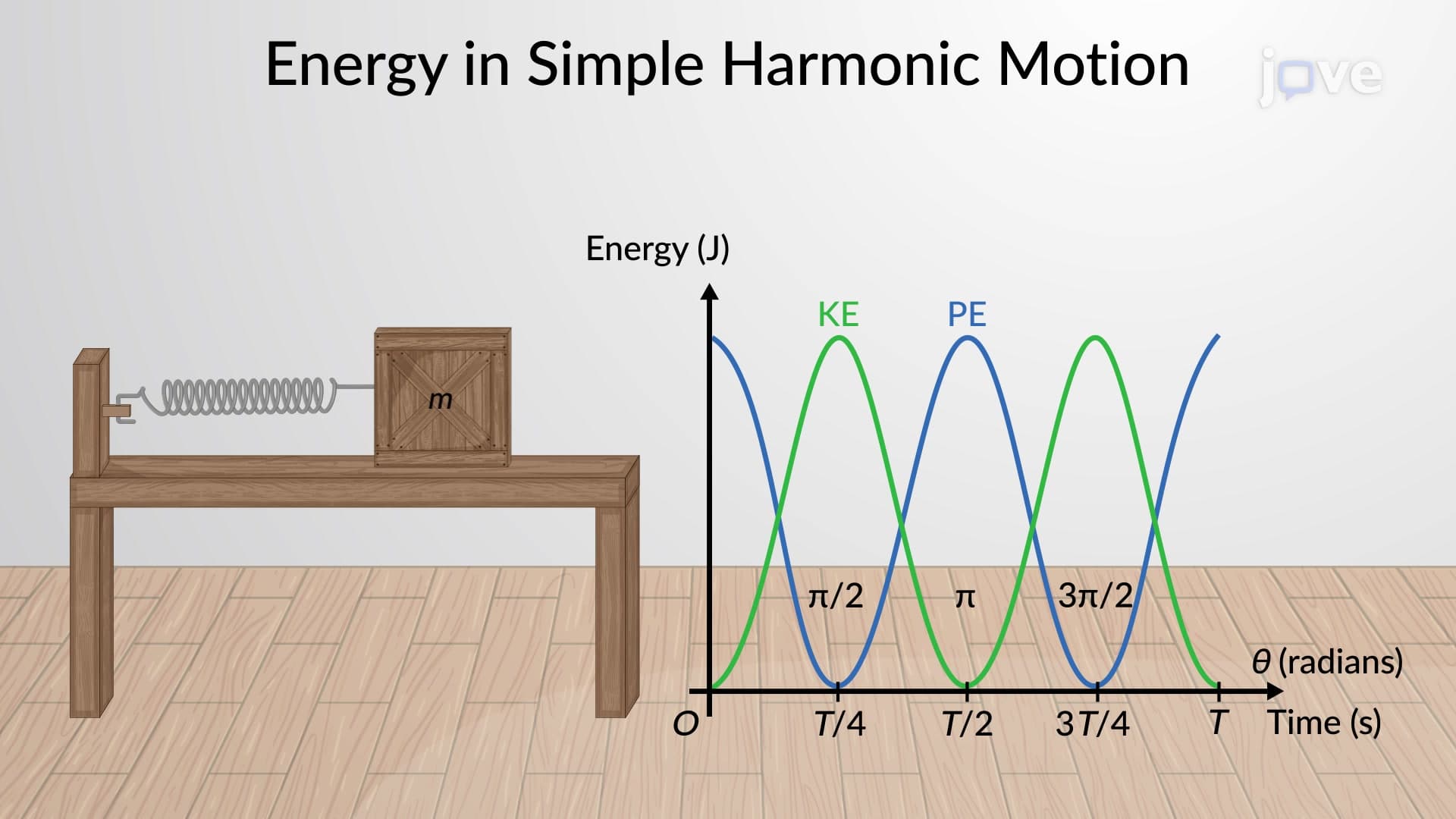
3. Energy Conservation in Oscillations In simple harmonic motion, total mechanical energy remains constant as kinetic and potential energy continuously interchange. Maximum kinetic energy occurs at equilibrium position, while maximum potential energy exists at maximum displacement points. This principle explains how pendulum clocks maintain consistent timekeeping and why trampolines store energy during compression to propel jumpers upward. Understanding energy relationships helps predict system behavior and calculate velocities at different positions.
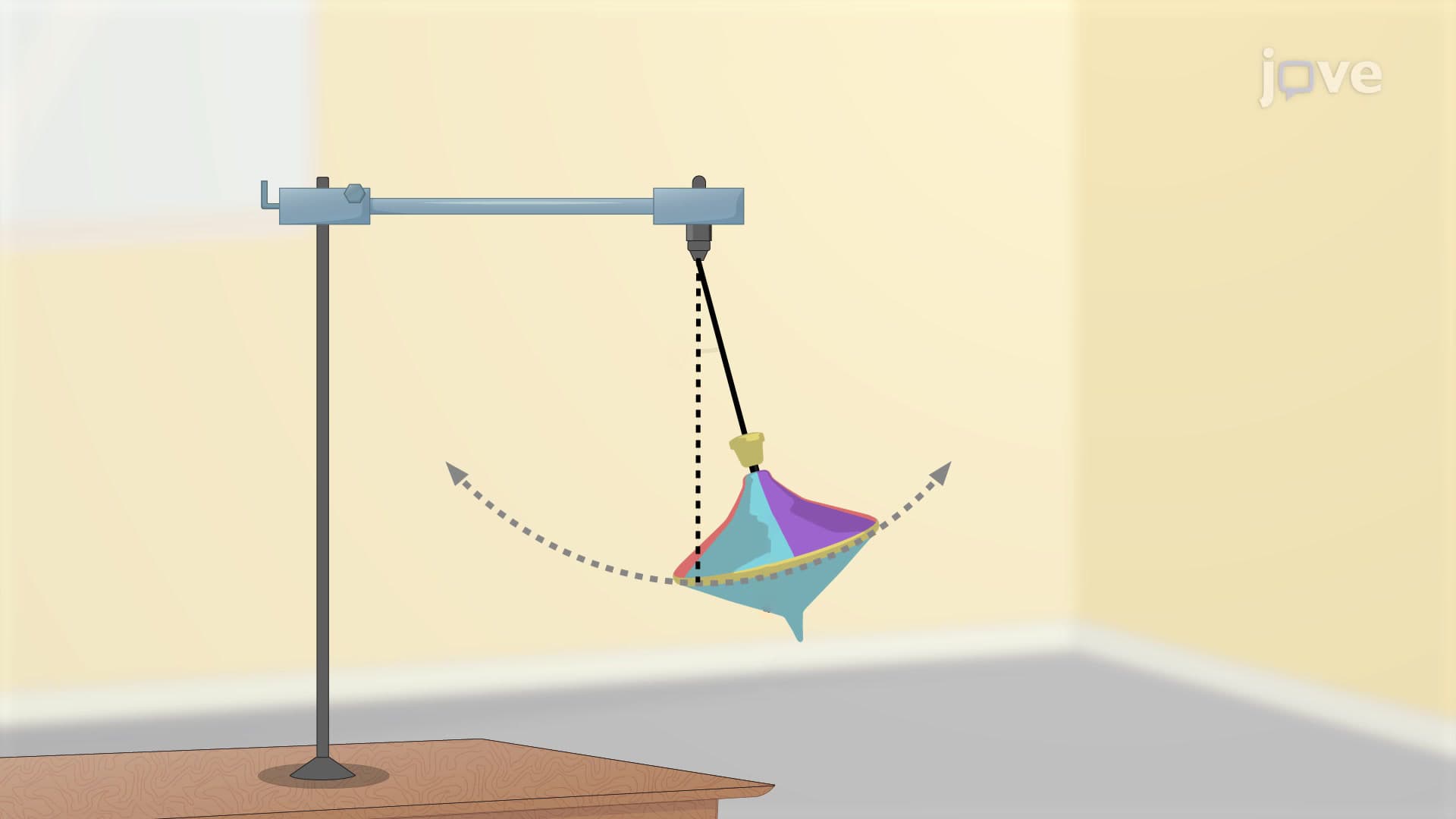
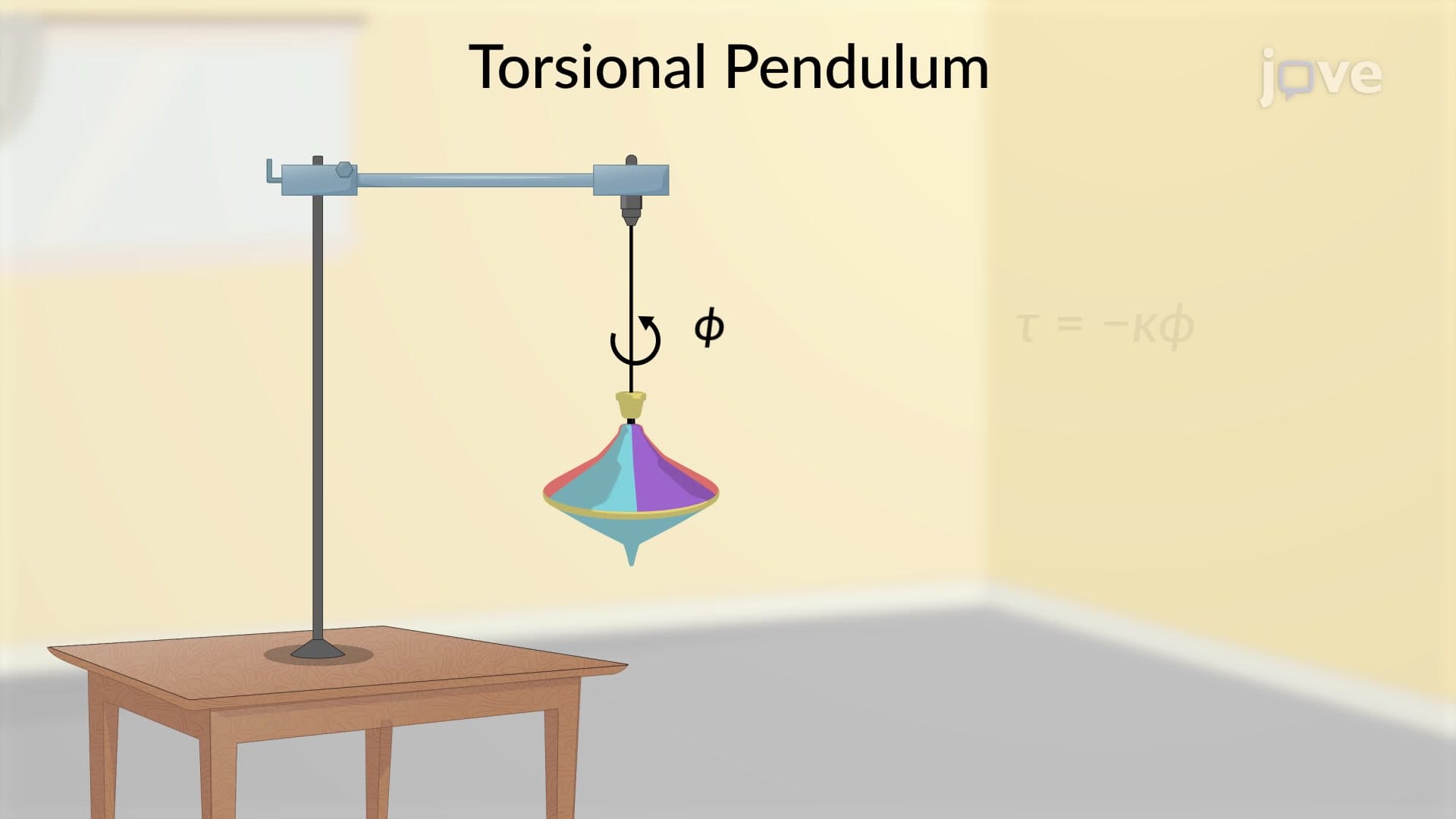
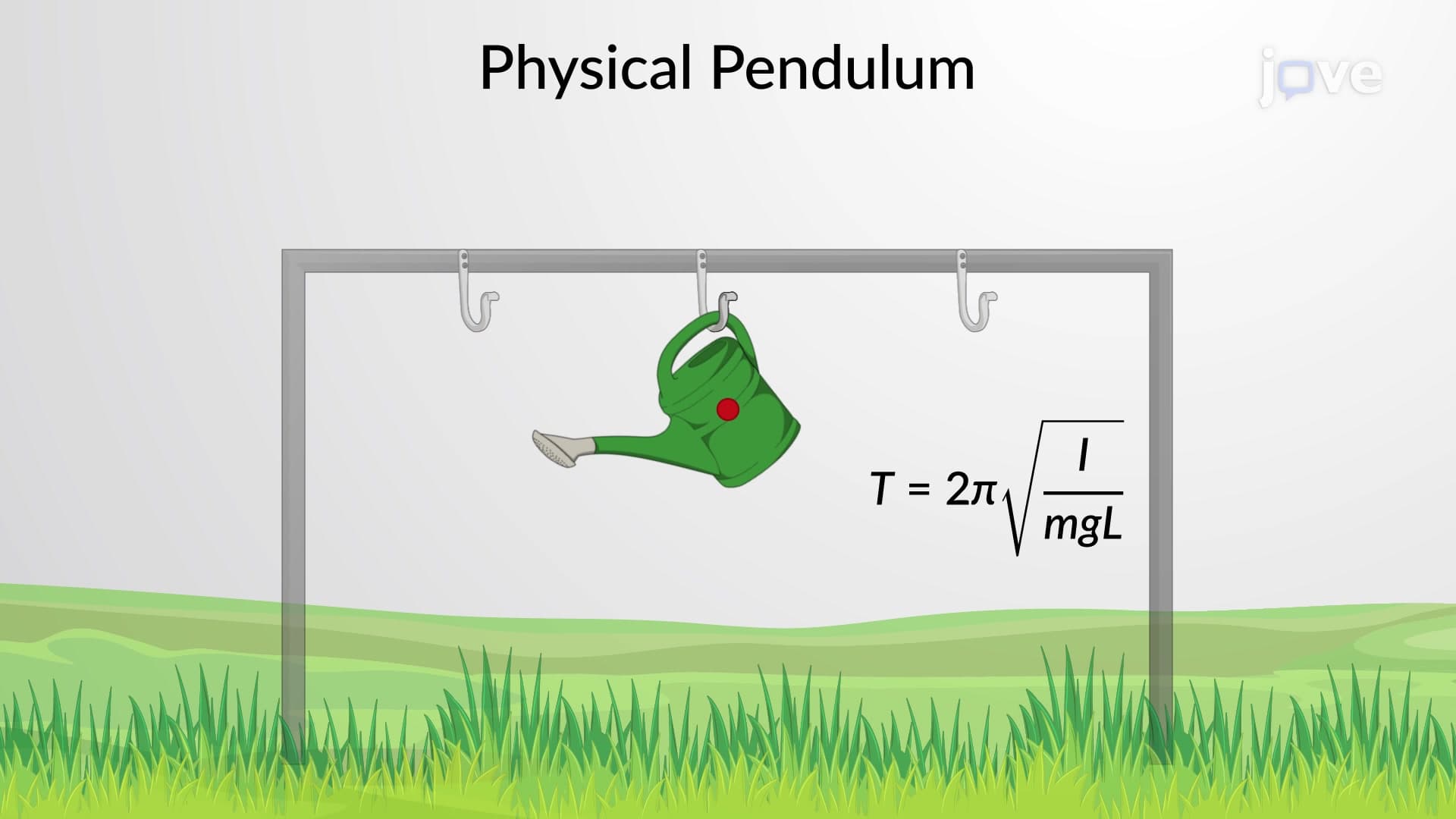
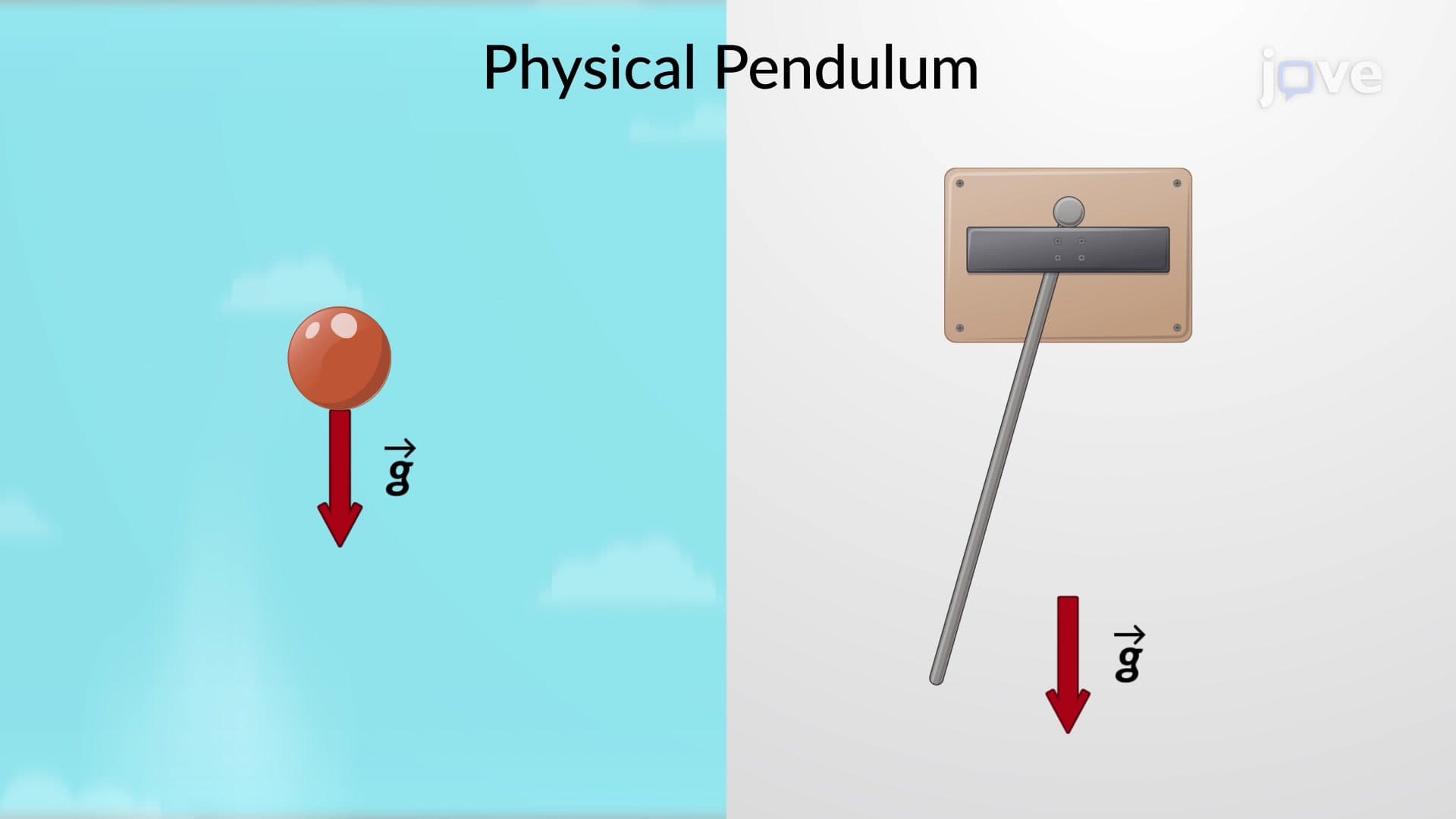
4. Pendulum Motion and Applications Simple pendulums demonstrate harmonic motion for small angular displacements, with period depending only on length and gravitational acceleration: T = 2π√(L/g). This relationship enabled historical timekeeping devices and modern applications in measuring Earth's gravitational field variations. Physical pendulums, like compound pendulums in grandfather clocks, extend these principles to real objects with distributed mass, requiring moment of inertia calculations for accurate period predictions.
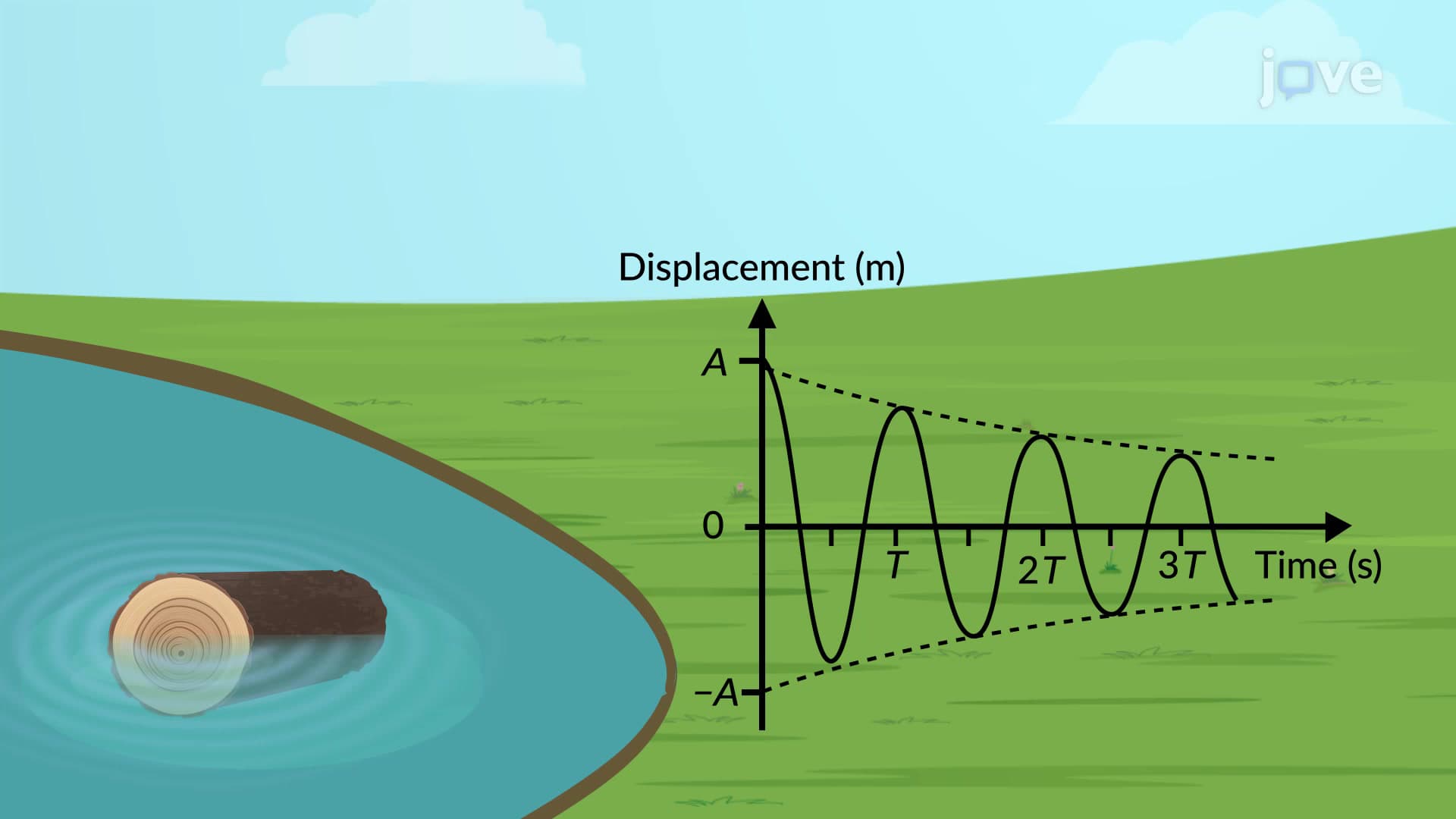
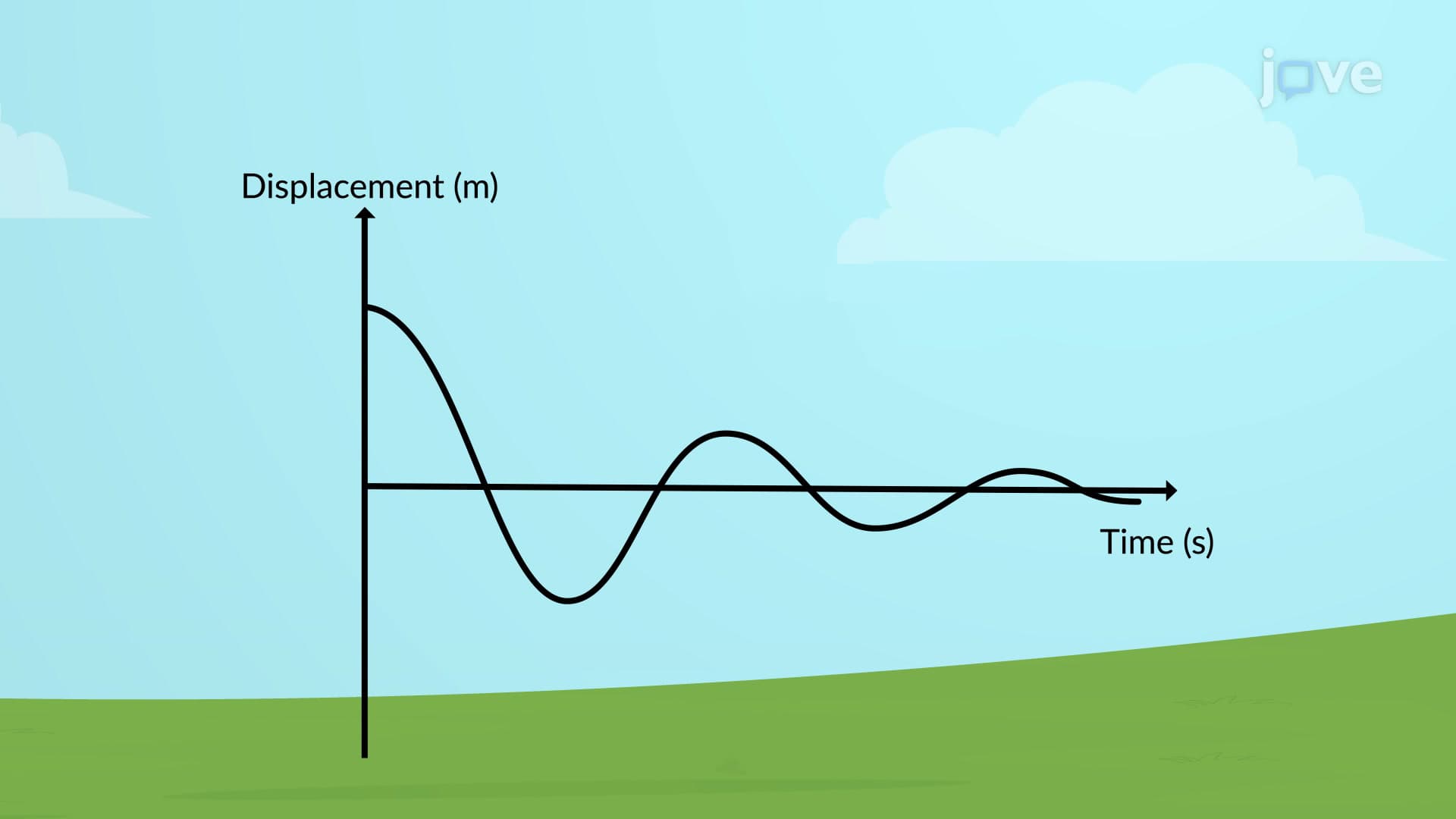
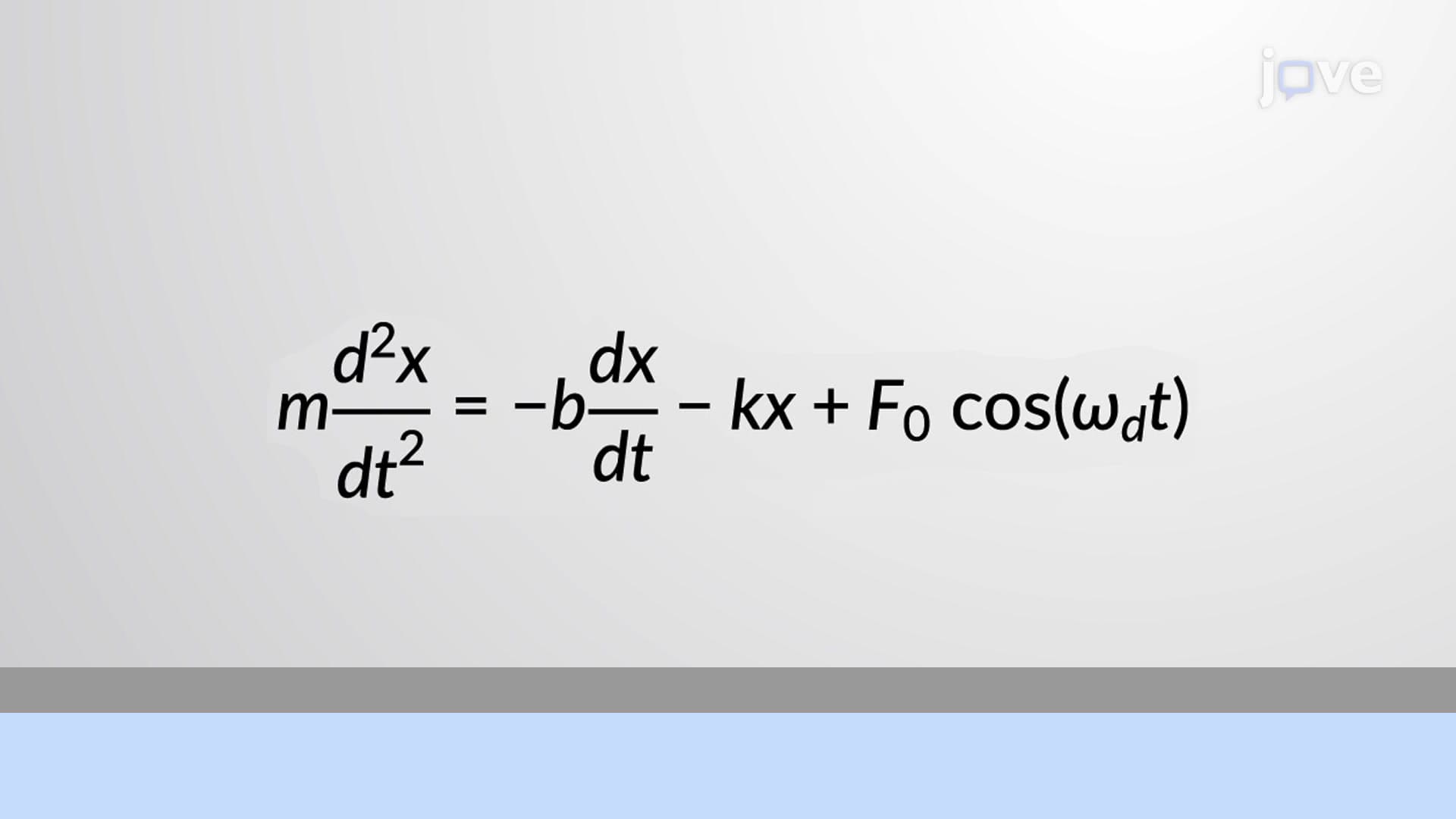
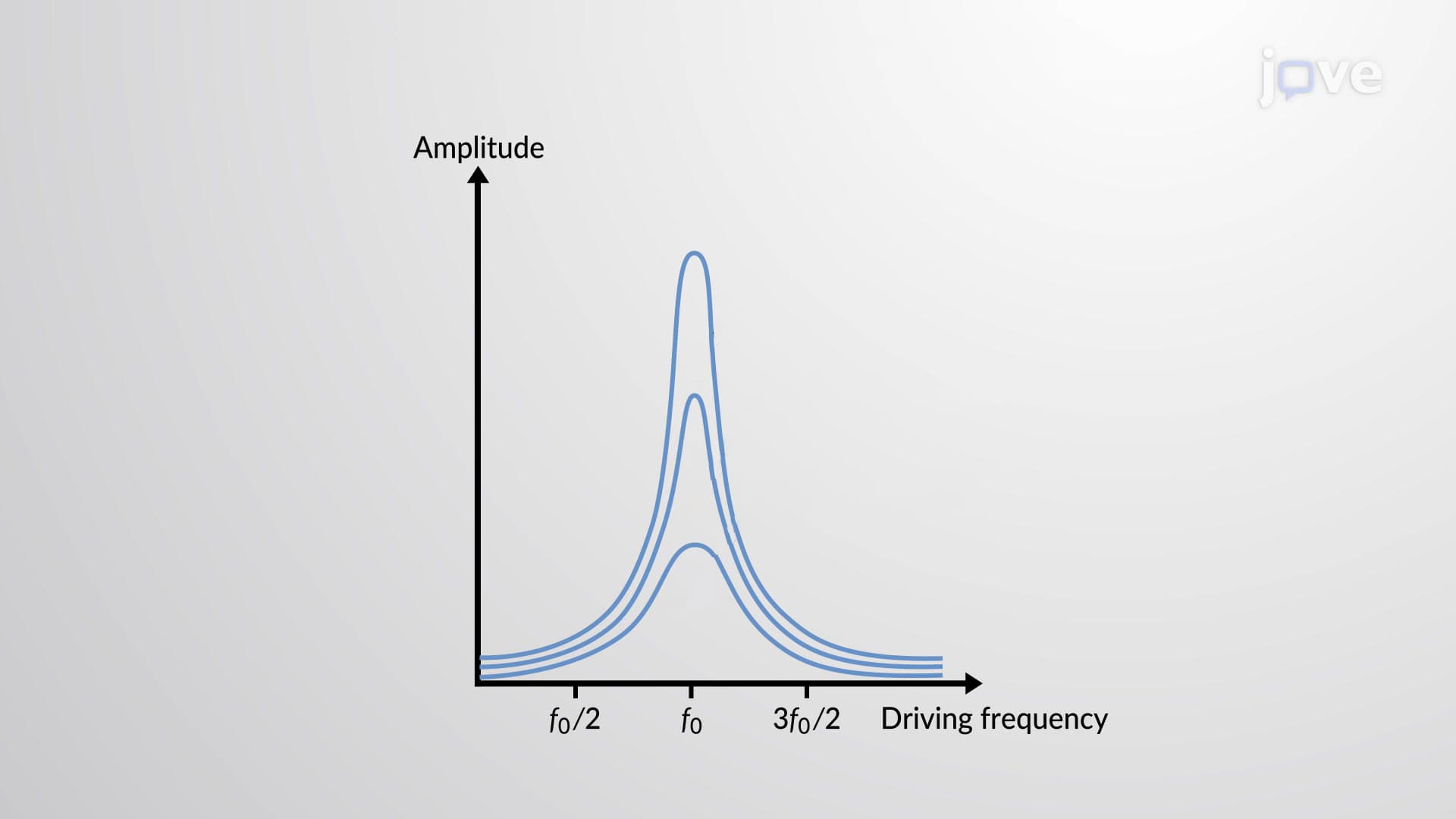
5. Damped and Forced Oscillations Real oscillating systems experience damping forces that gradually reduce amplitude over time, categorized as underdamped, critically damped, or overdamped conditions. Underdamped systems like playground swings eventually stop, while critically damped systems like car shock absorbers return quickly to equilibrium without overshooting. Forced oscillations occur when external periodic forces drive the system, potentially leading to resonance when driving frequency matches natural frequency.
6. Resonance Phenomena and Safety Resonance occurs when driving frequency equals natural frequency, causing dramatically increased amplitudes that can lead to system failure. Famous examples include the Tacoma Narrows Bridge collapse and opera singers breaking wine glasses with sustained notes. Engineers must carefully design structures to avoid resonant frequencies from expected forces like wind, earthquakes, or machinery vibrations. Understanding resonance helps explain both beneficial applications like musical instrument design and dangerous situations requiring prevention strategies.