Loading video…


 15 Concepts
 96.9K views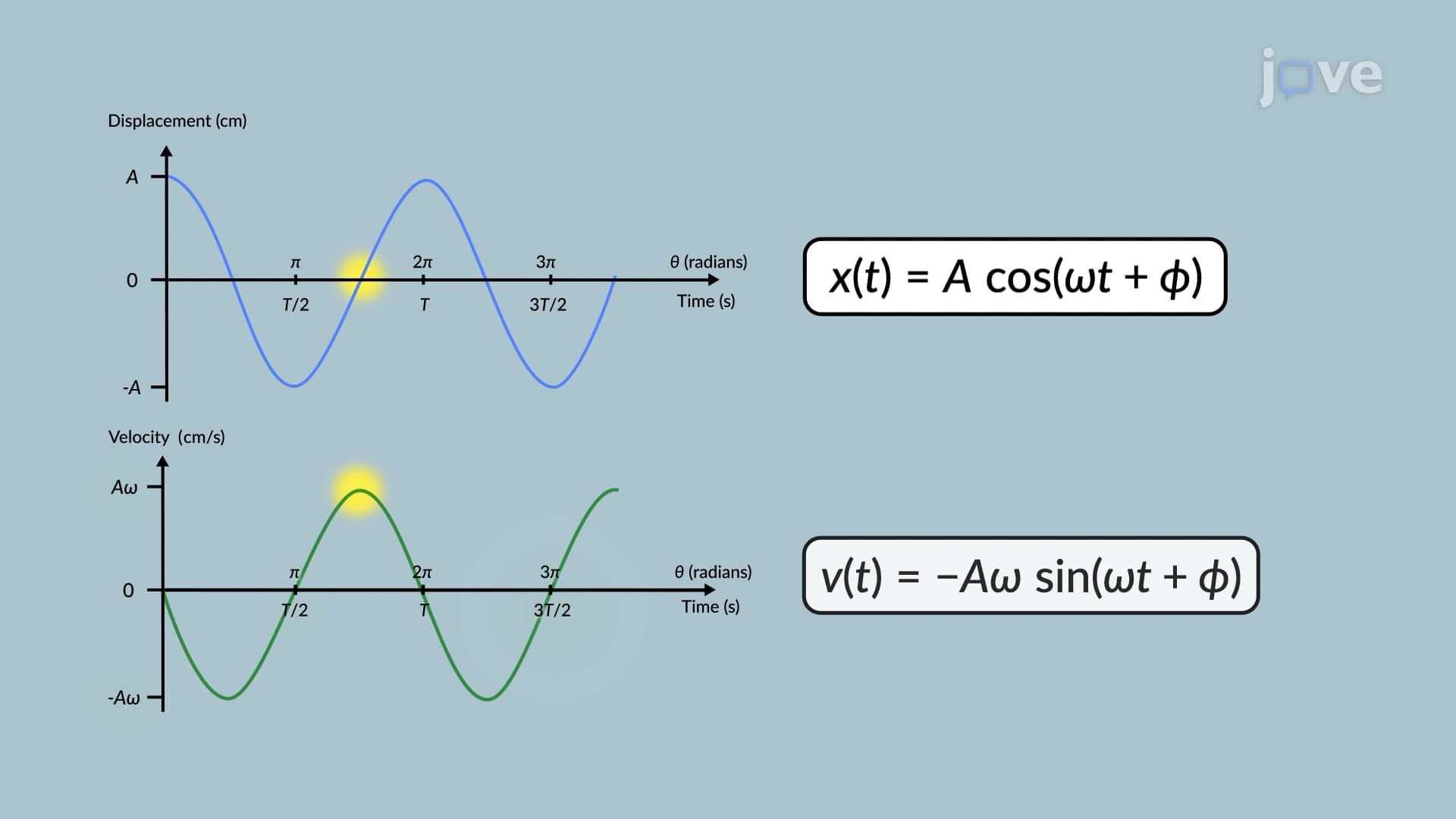

Video Summary: Characteristics of Simple Harmonic Motion Explained
Ever wonder why a playground swing moves back and forth in such a predictable pattern? The characteristics of simple harmonic motion govern this rhythmic movement, from pendulum clocks to earthquake-resistant skyscrapers in California. This fundamental physics concept describes how objects oscillate with sinusoidal displacement, velocity, and acceleration patterns that repeat in perfect mathematical harmony. Watch the full video on JoVE Coach to master this concept with expert-led visuals and step-by-step explanations.
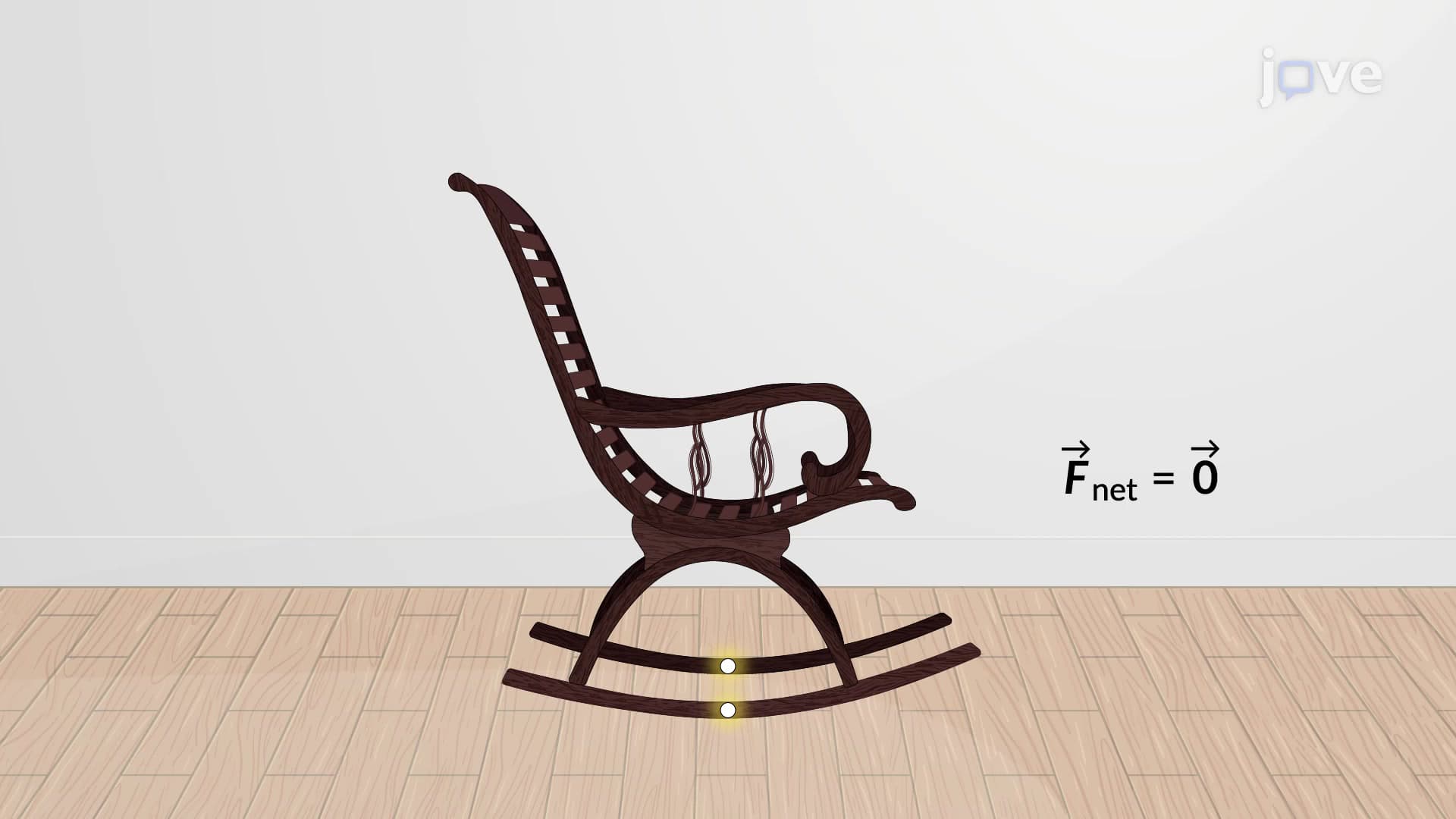
Simple harmonic motion represents one of nature's most elegant patterns, where objects oscillate back and forth around an equilibrium position with predictable mathematical precision. This motion occurs when a restoring force is proportional to displacement, creating the characteristic sinusoidal patterns that define oscillatory behavior.
The displacement equation x = A cos(ωt + φ) captures the essence of simple harmonic motion, where A represents amplitude, ω is angular frequency, and φ denotes initial phase. Students preparing for AP Physics or college mechanics courses must understand how velocity and acceleration derive from this fundamental equation through calculus.
Velocity follows v = -Aω sin(ωt + φ), creating a sine function that leads displacement by 90 degrees (π/2 radians). This phase relationship explains why objects moving through equilibrium position have maximum speed but zero displacement. Acceleration follows a = -Aω² cos(ωt + φ), directly opposing displacement and reaching maximum values at the turning points.
California's Transamerica Pyramid incorporates tuned mass dampers that use simple harmonic motion principles to counteract seismic vibrations. Similarly, the Tacoma Narrows Bridge reconstruction applied these concepts to prevent resonance-induced oscillations. Engineers designing suspension systems for vehicles, from Ford trucks to NASA spacecraft, rely on understanding phase relationships to optimize comfort and stability.
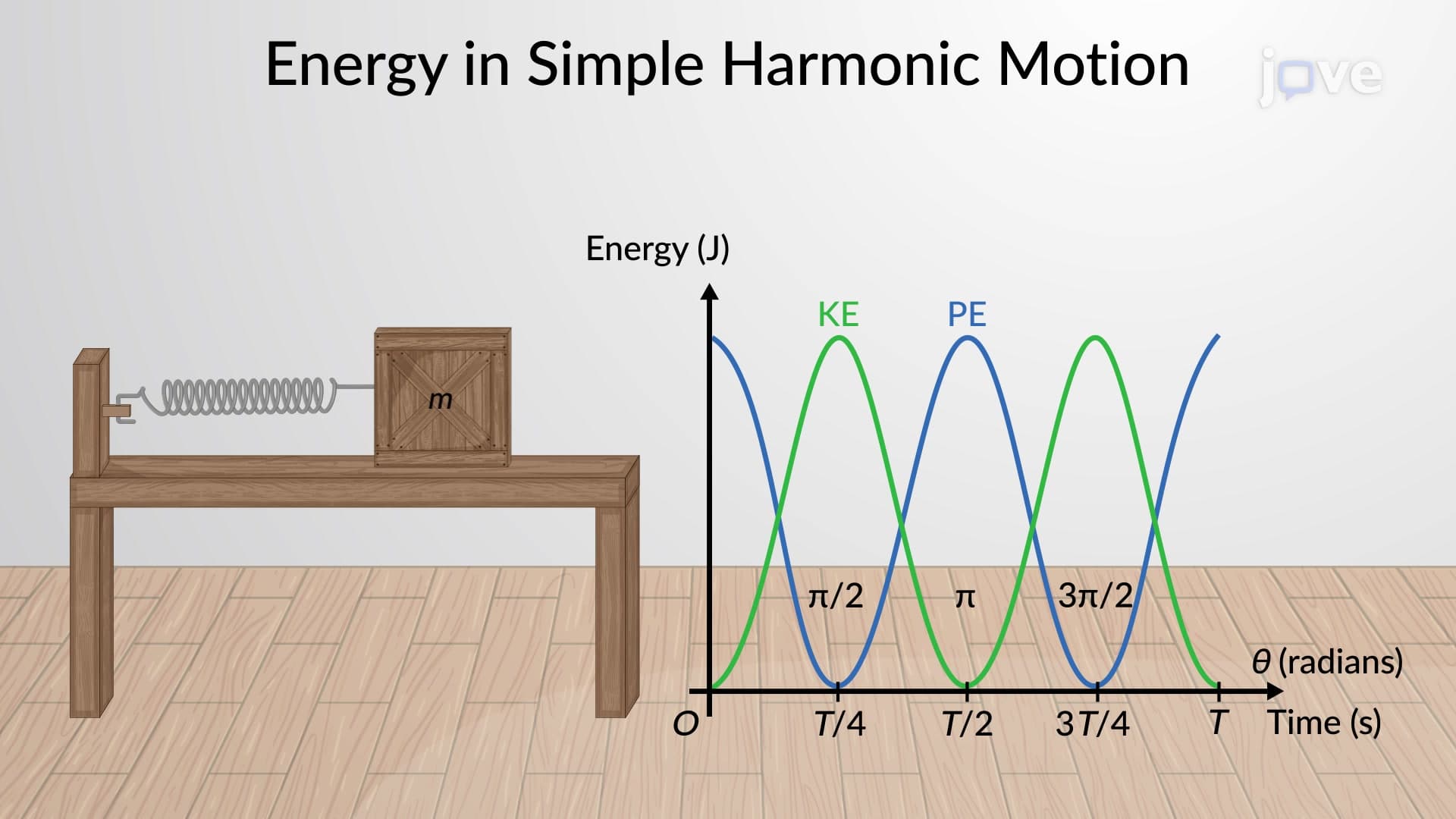
Throughout oscillation cycles, total mechanical energy remains constant while continuously transforming between kinetic and potential forms. At equilibrium, kinetic energy peaks while potential energy reaches zero. At maximum displacement, the reverse occurs, a principle crucial for solving MCAT physics problems and understanding molecular vibrations in chemistry applications.
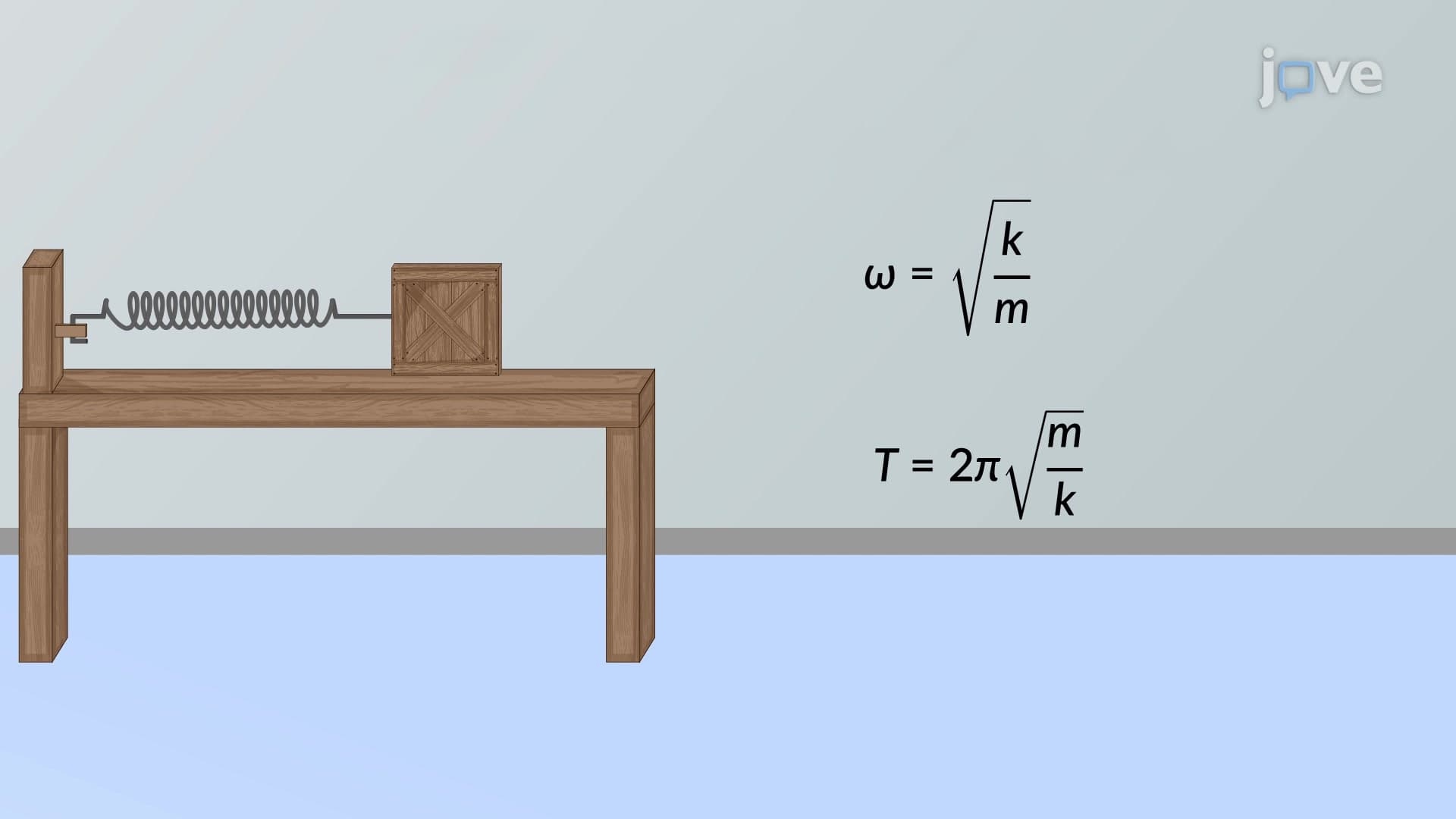
Students tackling college physics midterms should remember that frequency depends only on system properties (mass and spring constant), not amplitude, making simple harmonic motion uniquely predictable across different scales.
Related Micro-courses