Loading video…


 15 Concepts
 96.9K views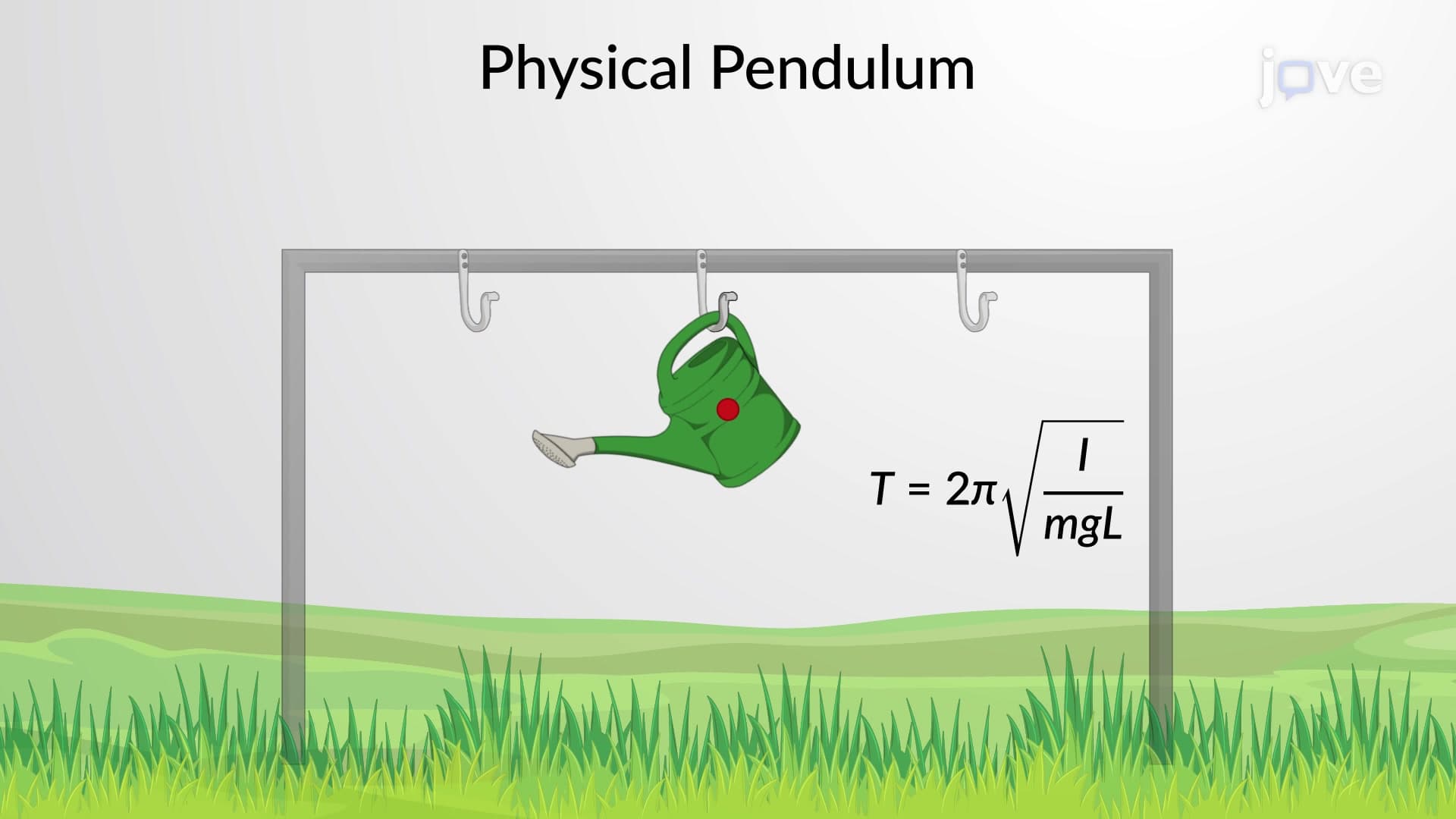

Video Summary: What Is Physical Pendulum
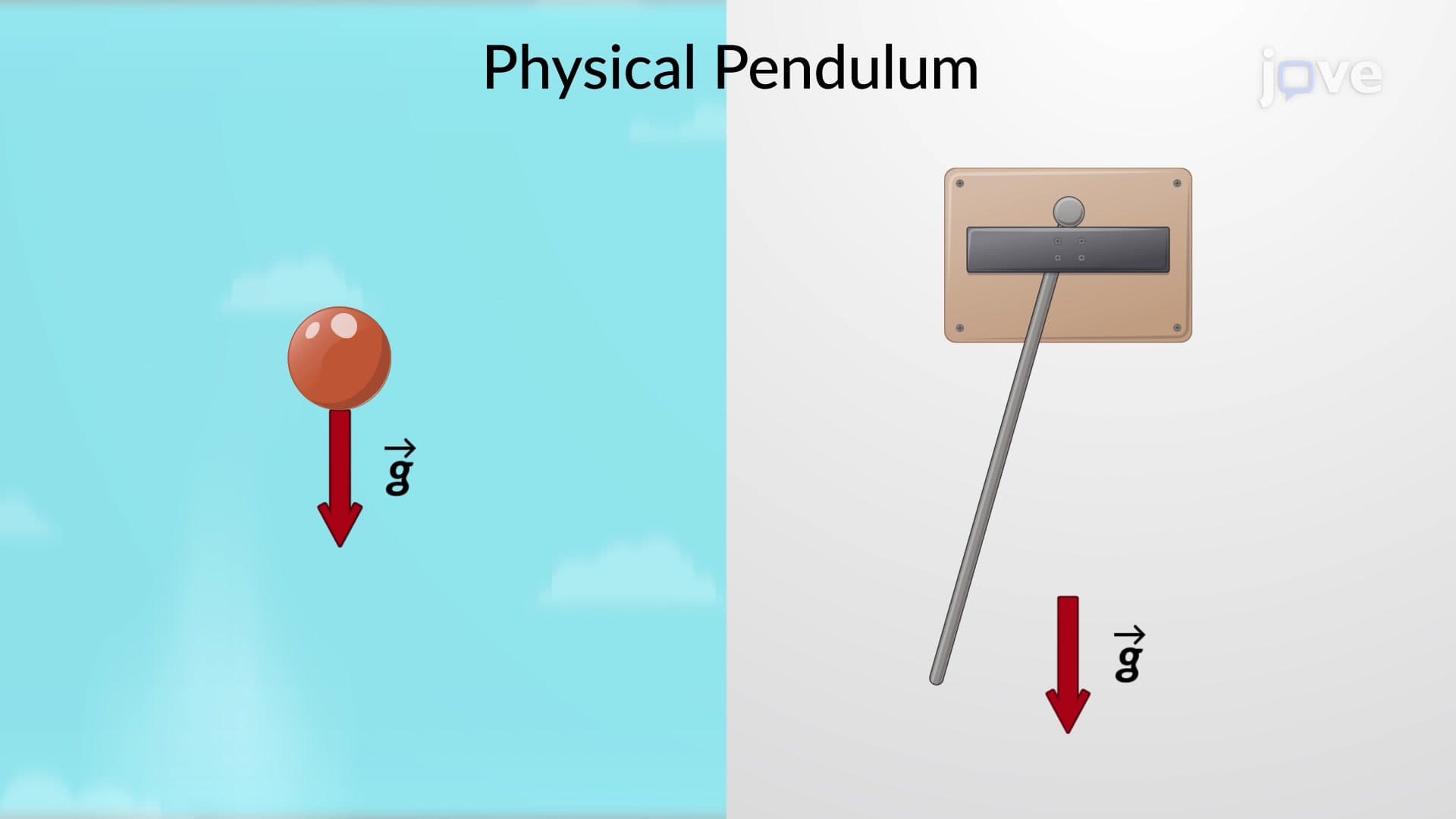
Ever wonder why a baseball bat swings differently than a simple string pendulum? A physical pendulum is any rigid object that oscillates about a fixed pivot point under the influence of gravity, like a swinging door or a metronome arm. Unlike simple pendulums where all mass concentrates at one point, physical pendulums have distributed mass that affects their motion. The classic watering can example demonstrates how real objects behave as physical pendulums in everyday situations. Watch the full video on JoVE Coach to master this concept with expert-led visuals and step-by-step explanations.
A physical pendulum represents one of the most practical applications of rotational dynamics and simple harmonic motion. Unlike the idealized simple pendulum where mass concentrates at a single point, physical pendulums involve extended objects with distributed mass that oscillate about a fixed axis. This concept bridges theoretical physics with real-world mechanical systems, making it essential for students preparing for AP Physics exams and college-level mechanics courses.
The fundamental principle relies on gravitational torque acting on the object's center of mass. When displaced from equilibrium, gravity creates a restoring torque that attempts to return the object to its lowest energy position. This torque equals τ = -mgL sin(θ), where m is mass, g is gravitational acceleration, L is the distance from pivot to center of mass, and θ is the angular displacement.
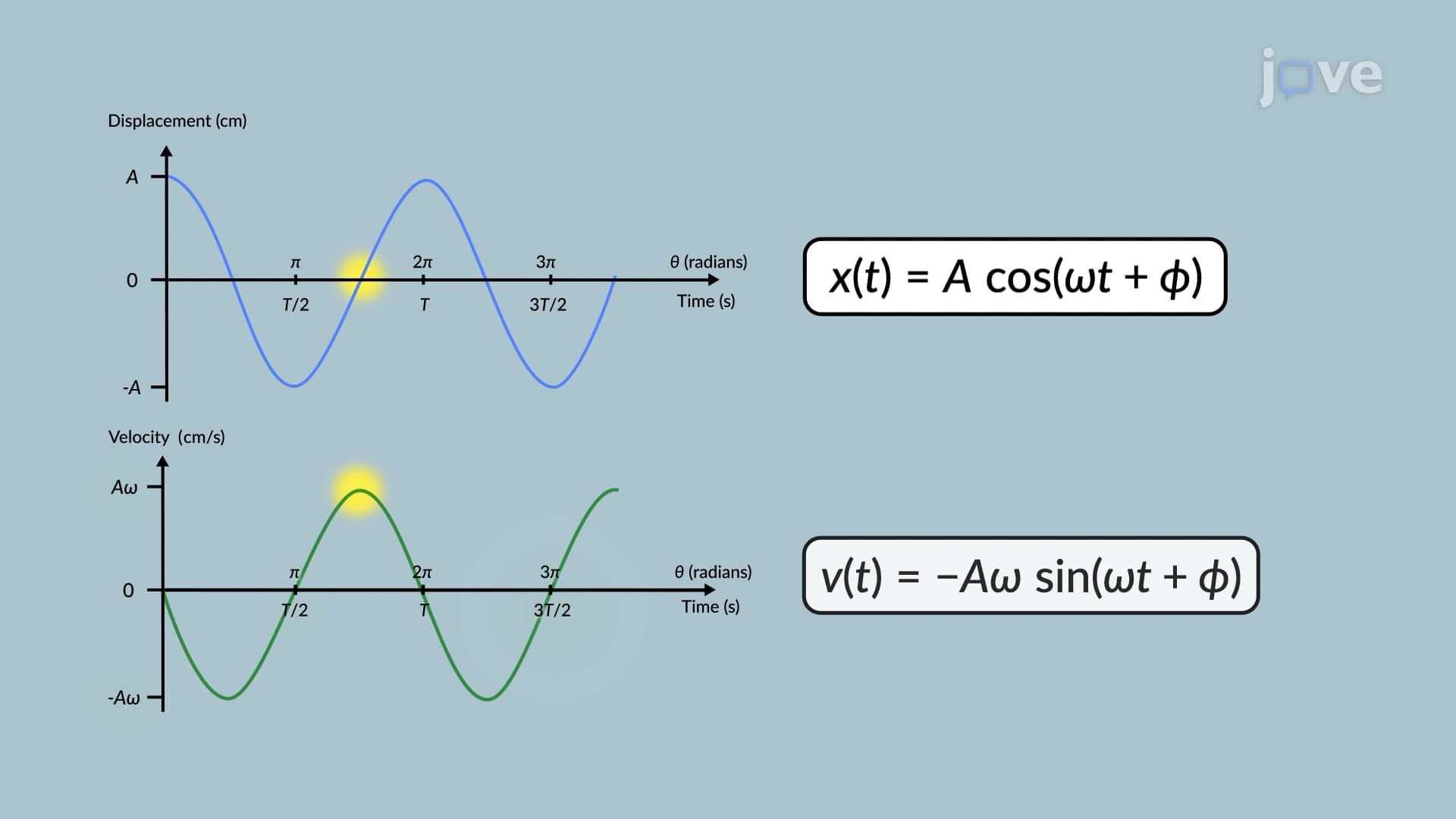
For small angular displacements, sin(θ) ≈ θ, allowing the restoring torque to be approximated as τ = -mgLθ. Using Newton's second law for rotation, τ = Iα, where I is the moment of inertia and α is angular acceleration. This yields the equation: Iα = -mgLθ, or α = -(mgL/I)θ.
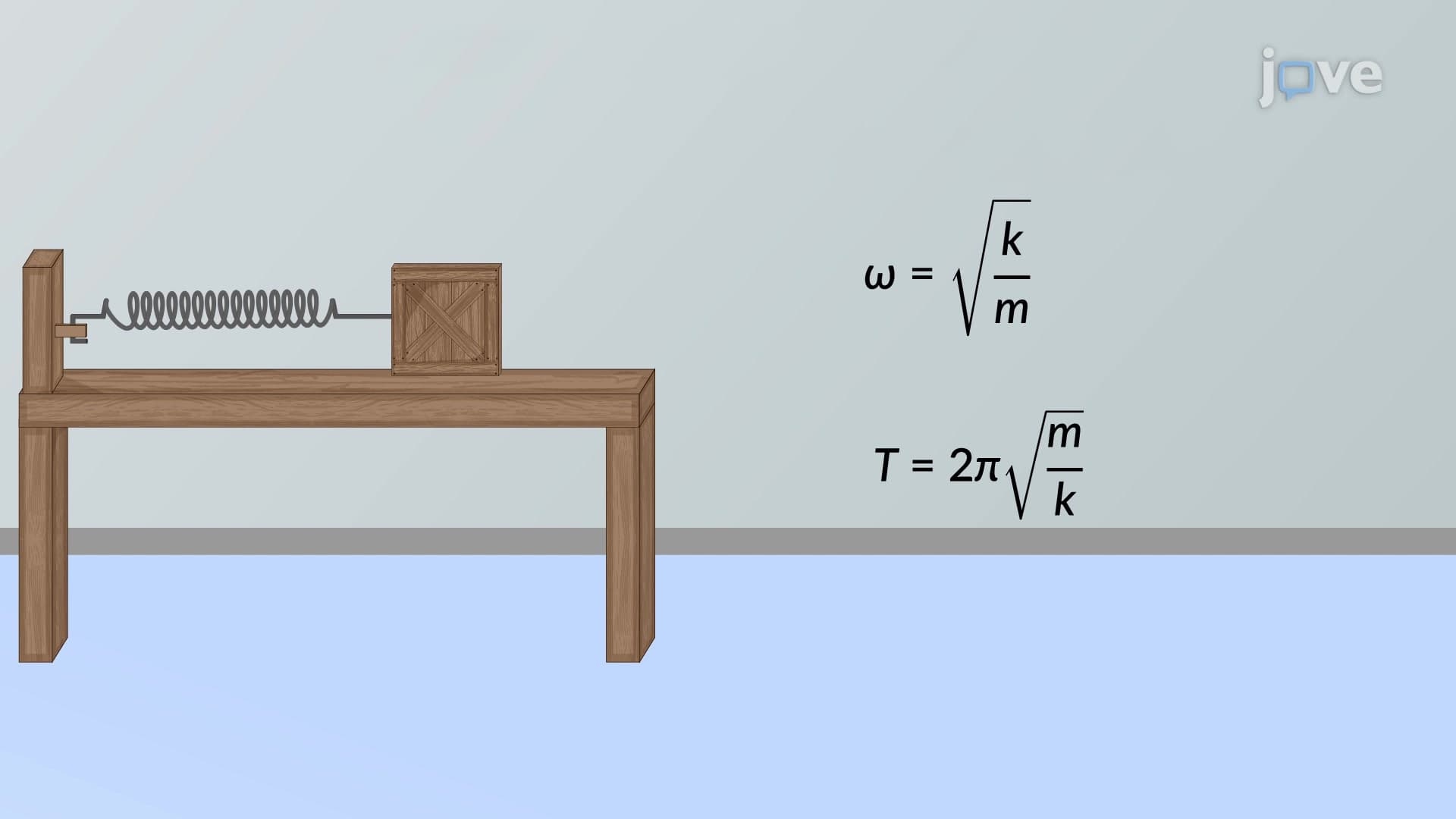
This form matches simple harmonic motion, giving us the angular frequency ω = √(mgL/I) and period T = 2π√(I/mgL). This formula shows how the period depends on the object's moment of inertia, mass distribution, and pivot point location-crucial relationships tested on MCAT physics sections and college physics exams.
Physical pendulums appear throughout American industry and daily life. Metronomes use physical pendulum principles to maintain precise musical timing. Construction cranes must account for physical pendulum effects when lifting loads. Even human walking involves physical pendulum motion of the legs.
In laboratory settings, physical pendulums serve as precision timing devices and help determine moments of inertia for irregular objects. This makes them valuable tools in engineering programs at institutions like MIT and Stanford, where students learn to apply these principles to mechanical design projects.
When the moment of inertia I = mL² (point mass at distance L), the physical pendulum formula reduces to the familiar simple pendulum result: T = 2π√(L/g). This connection helps students understand how physical pendulums represent the more general case, with simple pendulums as a special limiting situation. This relationship frequently appears on AP Physics C exams and serves as a bridge between introductory and advanced mechanics concepts.
Related Micro-courses