Loading subject page…


96,920 views

Video Summary: What are Types of Damping
Ever wonder why a car's shock absorbers don't bounce forever after hitting a pothole? The types of damping explain how oscillating systems lose energy and return to equilibrium. From automotive suspension systems in Ford F-150 trucks to seismic dampers in California skyscrapers, understanding what are types of damping reveals how engineers control unwanted vibrations. Three distinct damping conditions-underdamped, critically damped, and overdamped-determine whether a system oscillates with decreasing amplitude, returns to equilibrium without oscillation, or slowly creeps back to rest. Watch the full video on JoVE Coach to master this concept with expert-led visuals and step-by-step explanations.
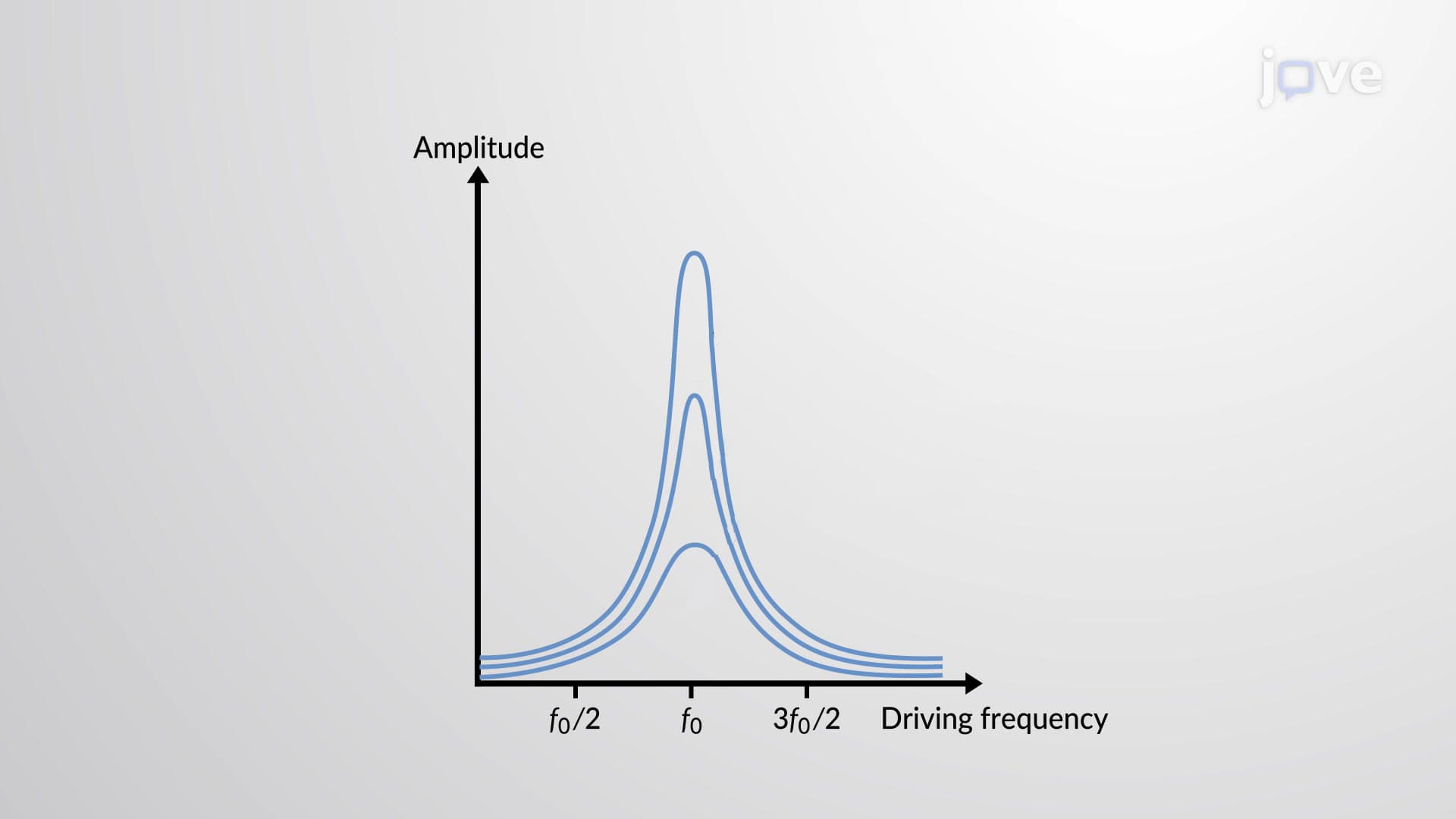
The types of damping represent three distinct ways oscillating systems lose energy and return to equilibrium. When any vibrating system experiences resistance-whether from air resistance, friction, or fluid viscosity-it exhibits damped motion. The classification depends on the relationship between the damping force and the system's natural tendency to oscillate.
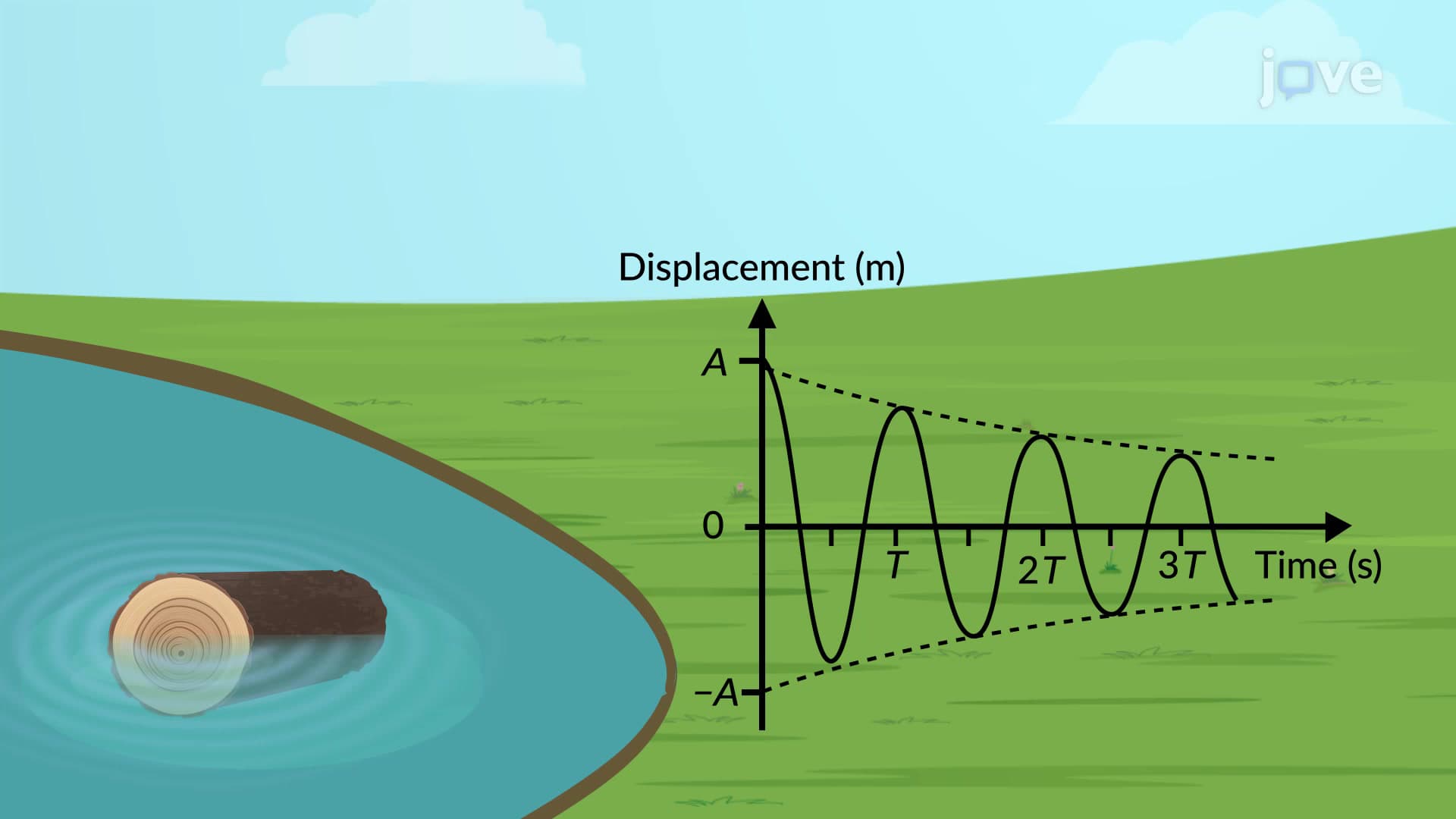
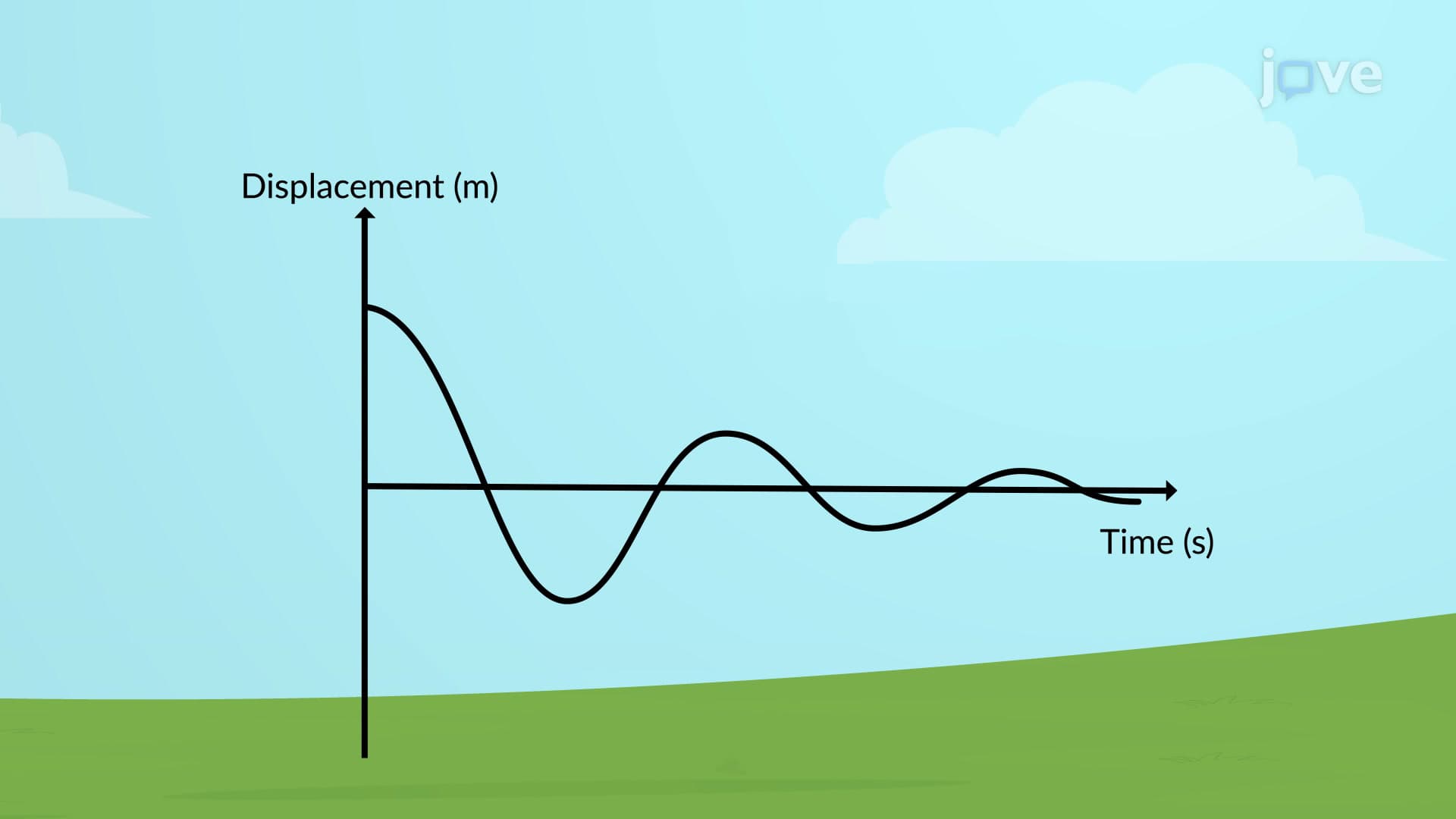
In underdamped conditions, the damping force is relatively weak compared to the restoring force. The system continues to oscillate, but each successive peak decreases in amplitude. Think of a playground swing gradually slowing down after being pushed, or a guitar string vibrating with decreasing volume after being plucked.
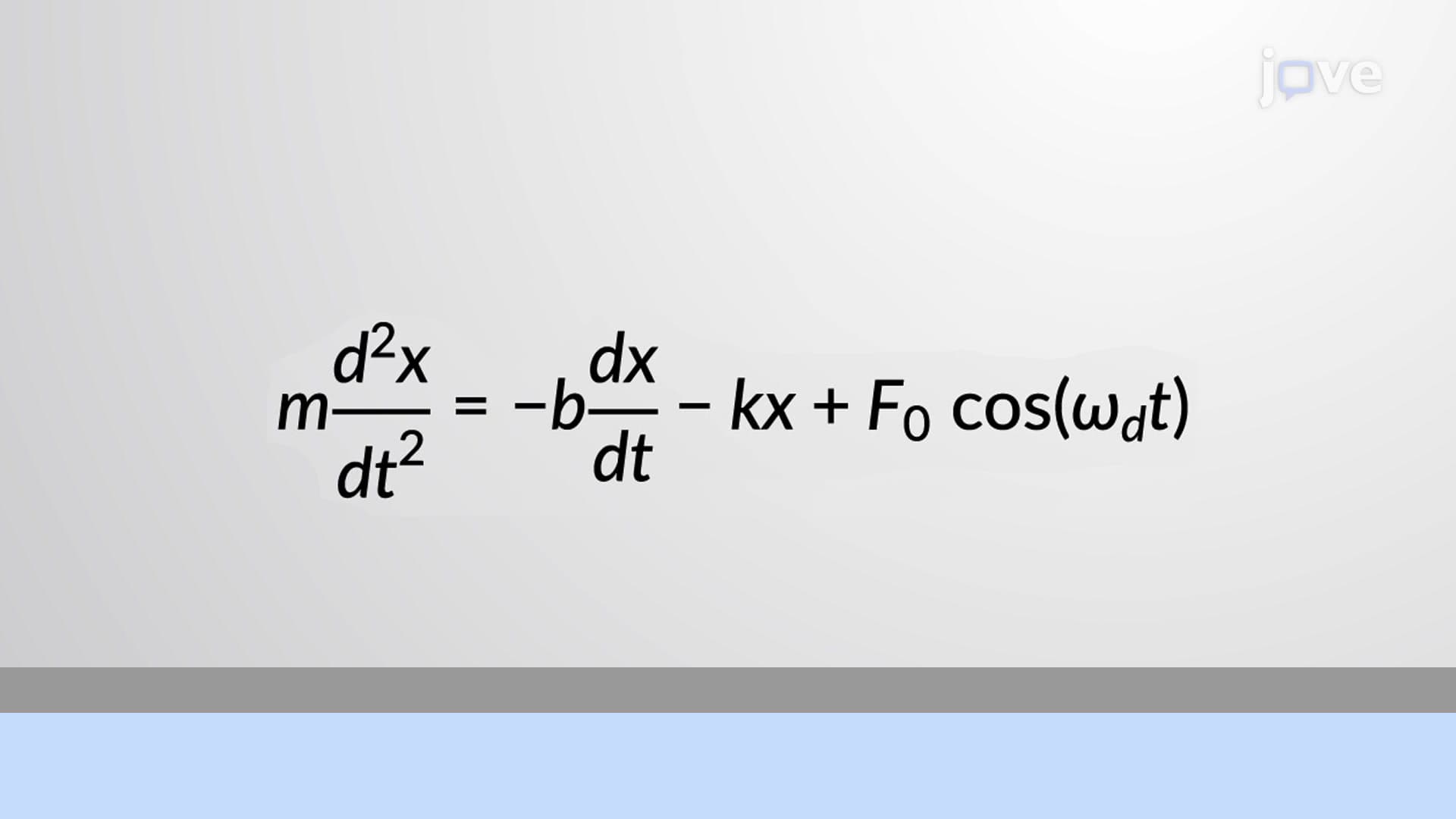
The mathematical signature involves a discriminant less than zero in the characteristic equation, producing complex roots with both real and imaginary components. The real part governs exponential decay, while the imaginary part determines the oscillation frequency. Students preparing for AP Physics or college mechanics courses should recognize that the angular frequency in underdamped motion is always less than the natural frequency.
Critical damping represents the threshold between oscillatory and non-oscillatory motion. The system returns to equilibrium as quickly as possible without overshooting. This condition occurs when the damping coefficient equals twice the product of mass and natural frequency.
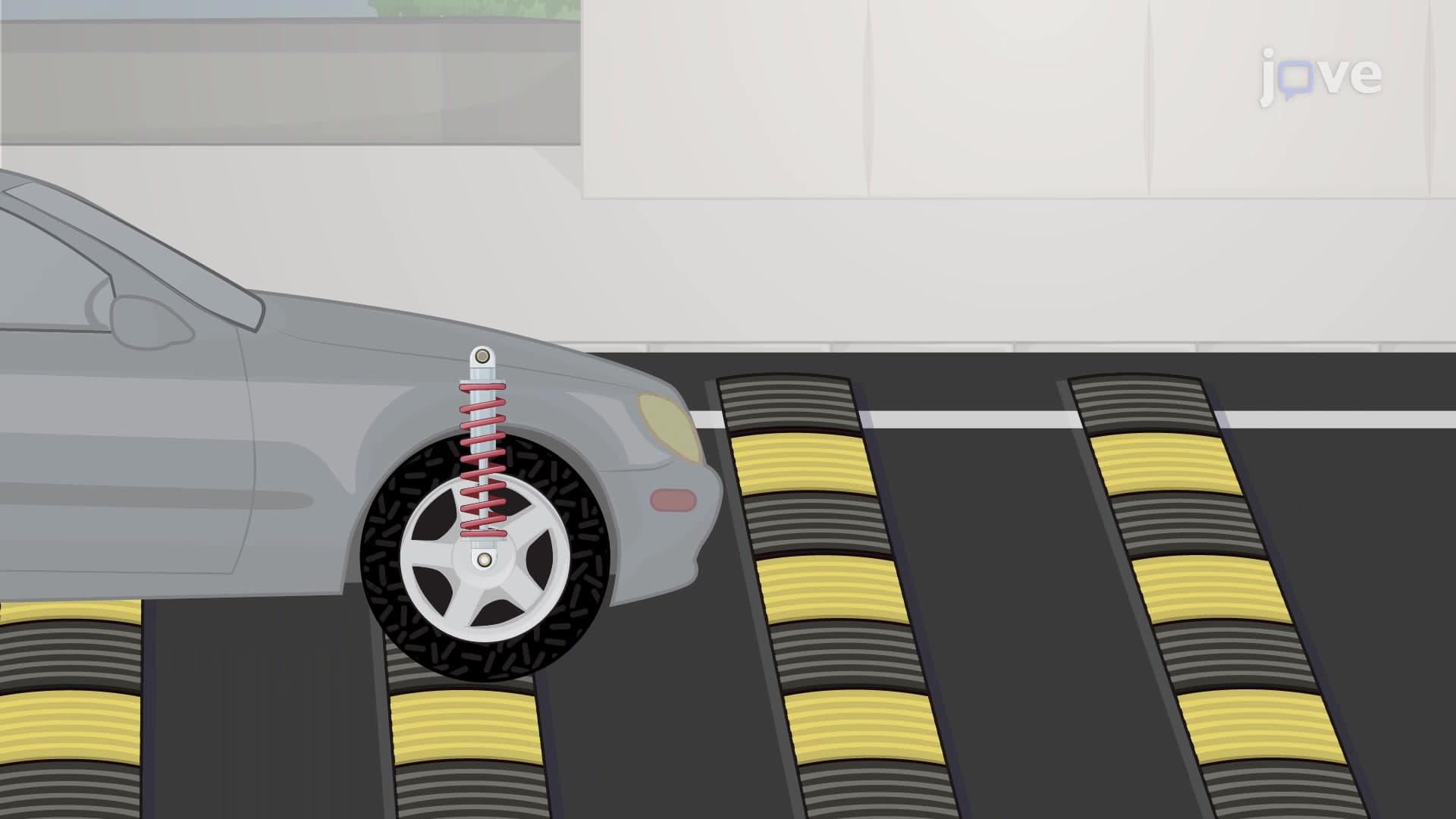
Engineers prize critical damping for applications requiring quick, stable responses. Modern car suspension systems aim for near-critical damping to provide smooth rides without excessive bouncing. In laboratory balances and measuring instruments, critical damping ensures rapid, accurate readings without oscillatory settling time.
When damping forces dominate, systems exhibit overdamped behavior. The return to equilibrium occurs slowly without any oscillation, like opening a heavy door with a pneumatic closer or watching thick honey settle in a jar.
Mathematically, overdamped systems have discriminants greater than zero, yielding two distinct real roots in the characteristic equation. Both exponential terms decay at different rates, with the slower decay determining the overall return time. Students often encounter overdamped scenarios in MCAT physics passages or college differential equations courses.
Understanding damping types proves crucial for structural engineers designing earthquake-resistant buildings in California, automotive engineers optimizing suspension systems for different road conditions, and aerospace engineers controlling spacecraft attitude systems. The choice between damping types depends on specific performance requirements: precision instruments need critical damping, while energy-absorbing systems might intentionally use overdamping for safety.
Related Micro-courses