Loading video…


 15 Concepts
 96.9K views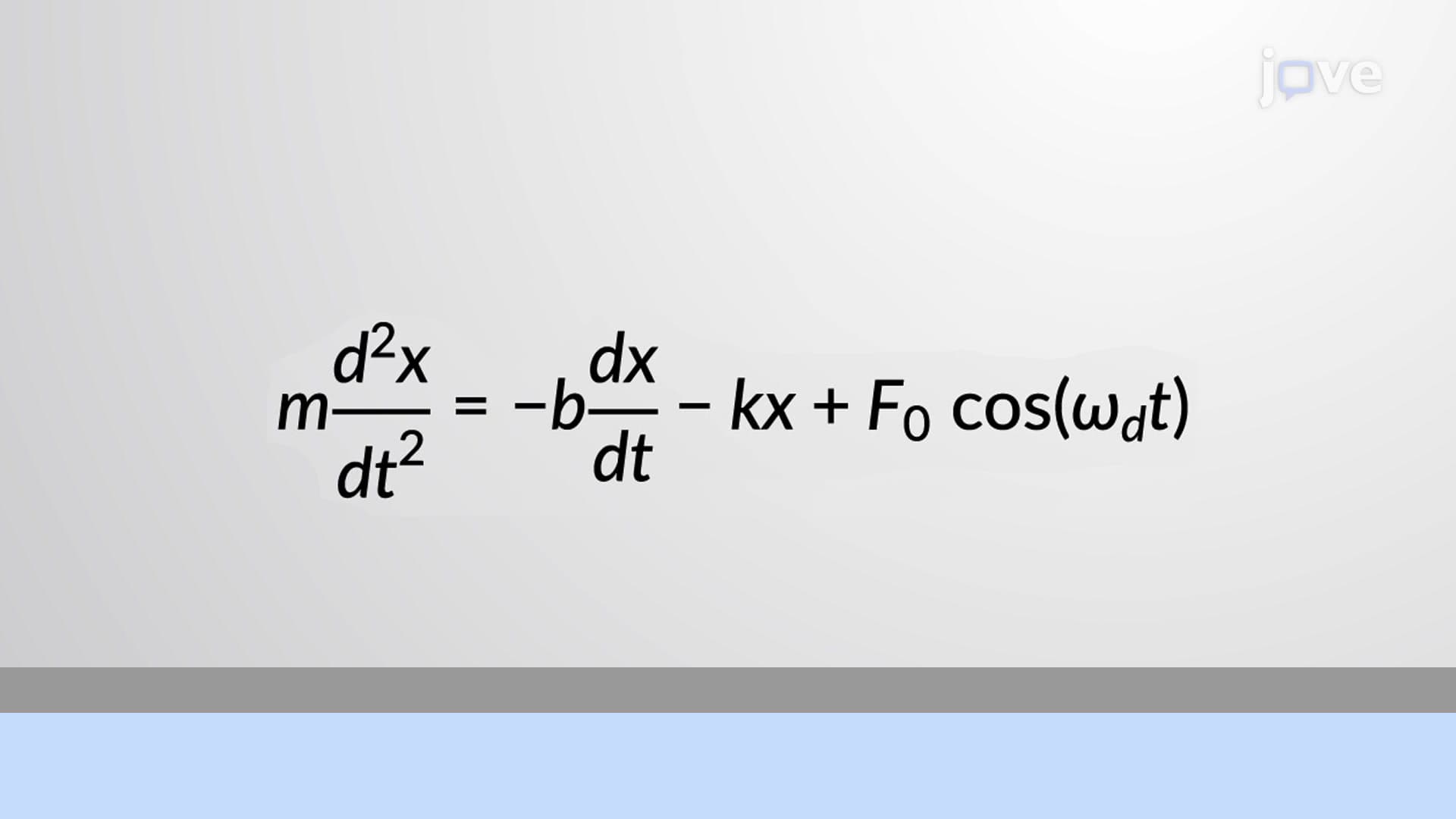

Video Summary: What are Forced Oscillations
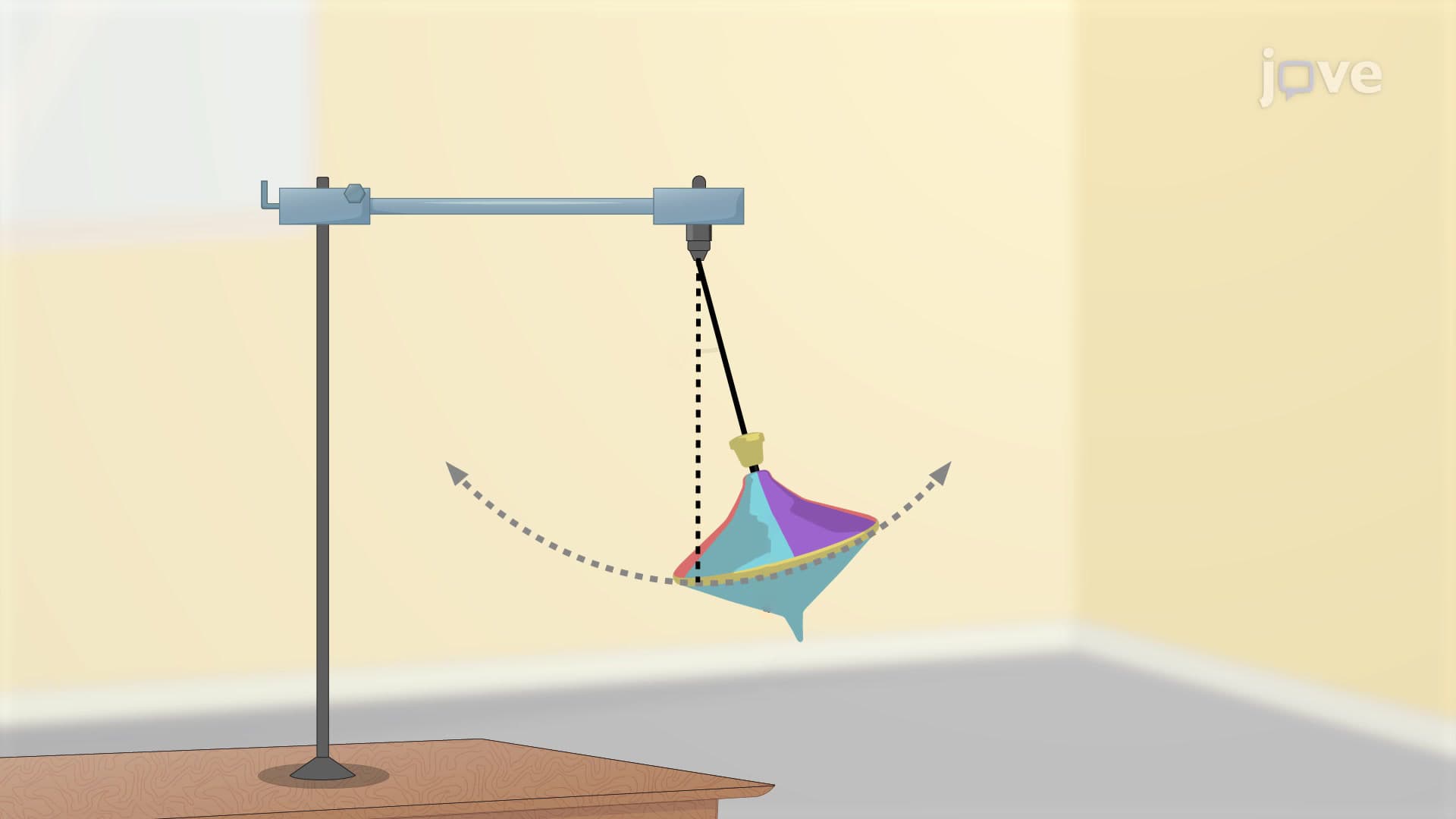
Ever notice how all the washing machines in a laundromat seem to shake together during the spin cycle? This phenomenon demonstrates forced oscillations, when an external driving force makes objects vibrate at frequencies different from their natural rhythm. Unlike free oscillations where a pendulum swings at its own natural frequency, forced oscillations occur when energy transfers from one oscillating system to another, as seen in coupled pendulum experiments commonly performed in US physics classrooms. Watch the full video on JoVE Coach to master this concept with expert-led visuals and step-by-step explanations.
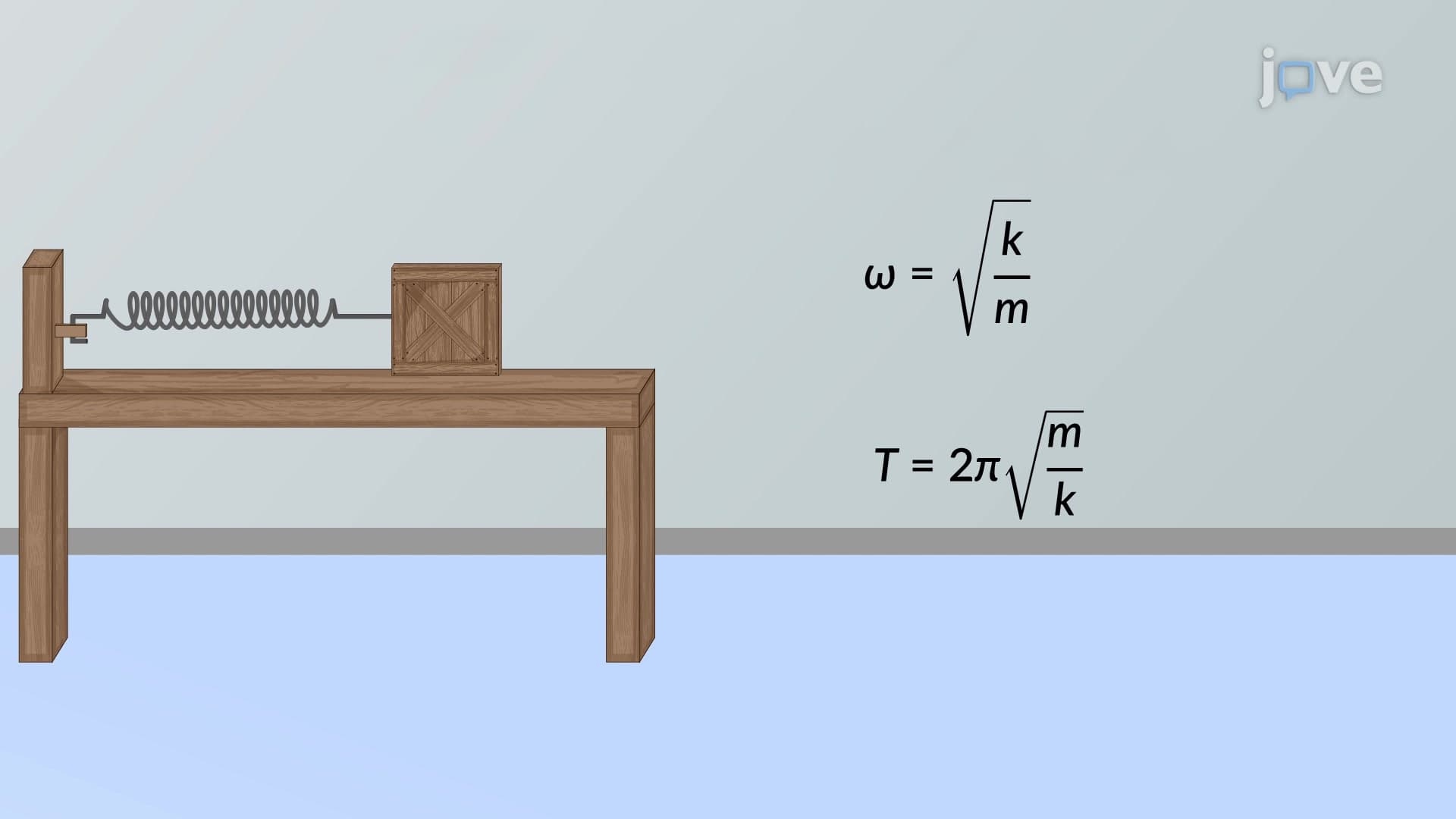
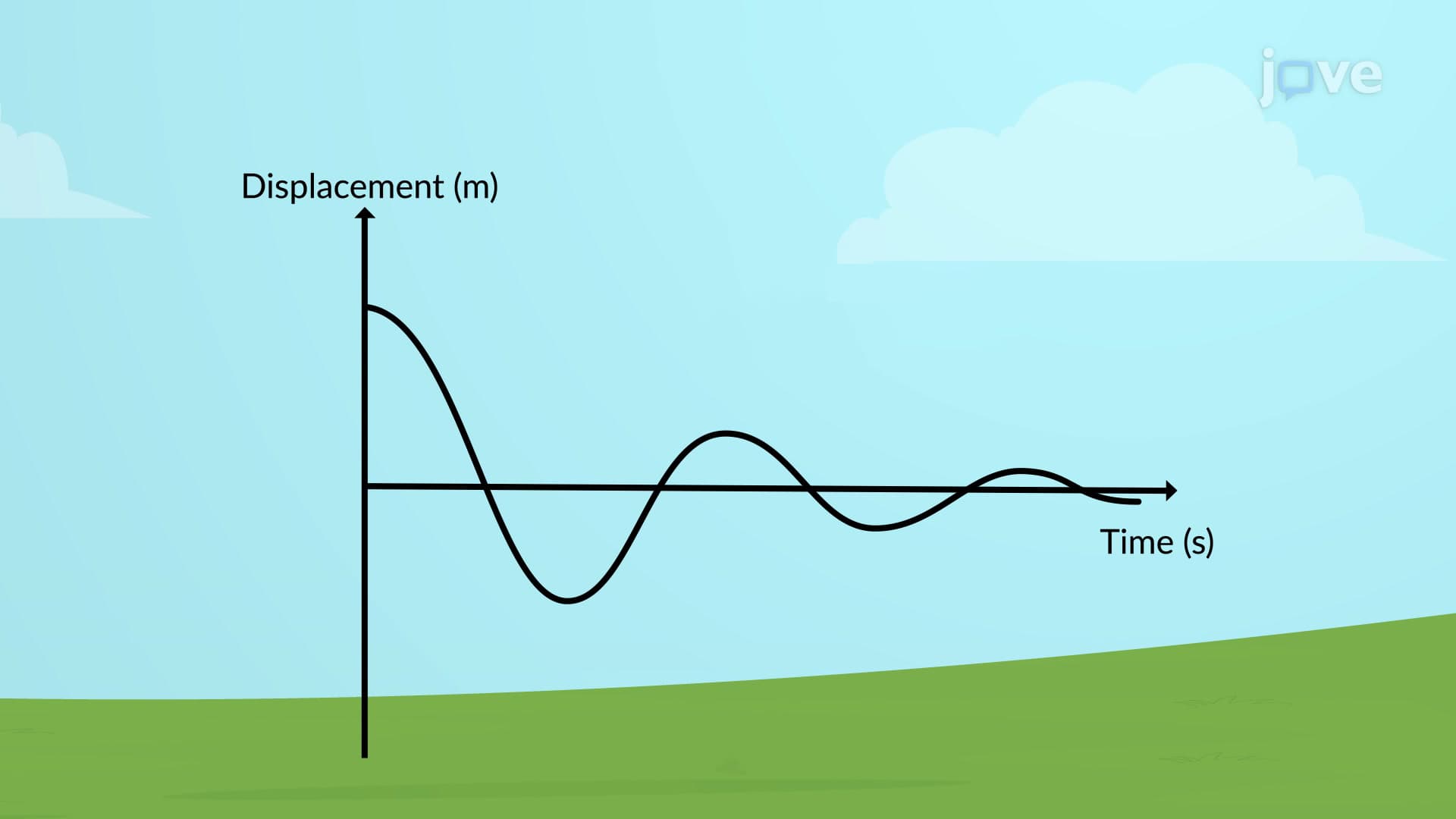
Forced oscillations represent one of the most important phenomena in physics and engineering, occurring whenever an external periodic force drives a system to oscillate at a frequency determined by that driving force rather than the system's natural frequency. Unlike free oscillations, where a system vibrates at its inherent natural frequency after an initial disturbance, forced oscillations maintain their motion through continuous energy input from an external source.
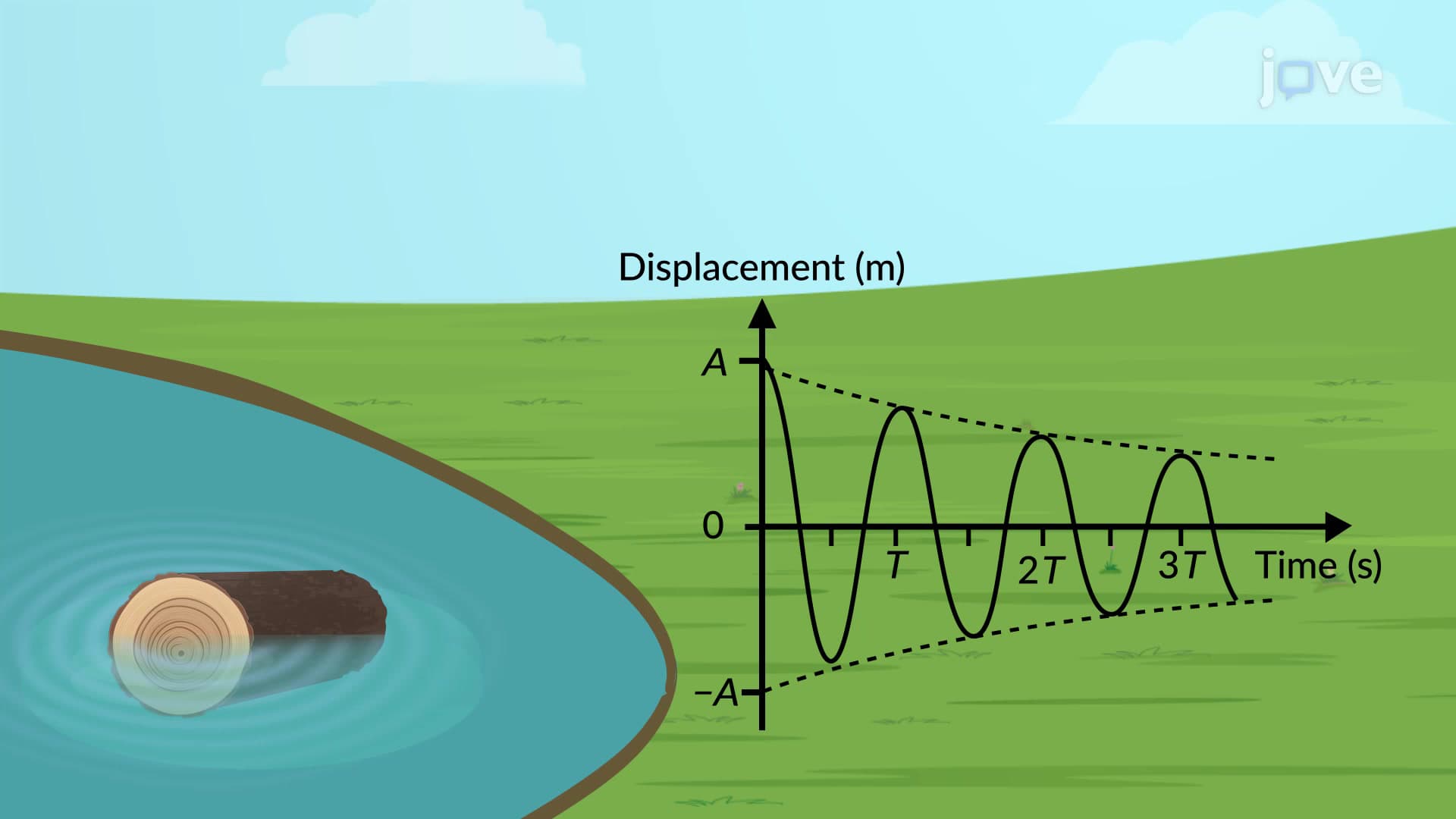
The fundamental distinction lies in energy flow: free oscillations gradually lose energy due to damping and eventually stop, while forced oscillations receive continuous energy replenishment from the driving force. This concept appears frequently on AP Physics exams and forms the foundation for understanding more complex phenomena like resonance, which students encounter in college-level physics courses.
The equation of motion for a forced oscillator builds upon the damped harmonic oscillator by adding a driving term: F(t) = F₀cos(ωt), where F₀ represents the amplitude of the driving force and ω is the driving angular frequency. This addition transforms the homogeneous differential equation into an inhomogeneous one, requiring students to solve for both transient and steady-state solutions.
In practical applications, the driving frequency rarely matches the system's natural frequency initially. This mismatch creates complex beating patterns and phase relationships that engineering students must master for courses like mechanical vibrations and structural dynamics. US engineering programs, particularly at institutions like MIT and Stanford, emphasize these concepts in their mechanical engineering curricula.
Forced oscillations manifest throughout American infrastructure and technology. The Tacoma Narrows Bridge collapse of 1940 resulted from wind-induced forced oscillations that reached catastrophic resonance. Modern skyscrapers in earthquake-prone areas like California incorporate damping systems specifically designed to control forced oscillations during seismic events.
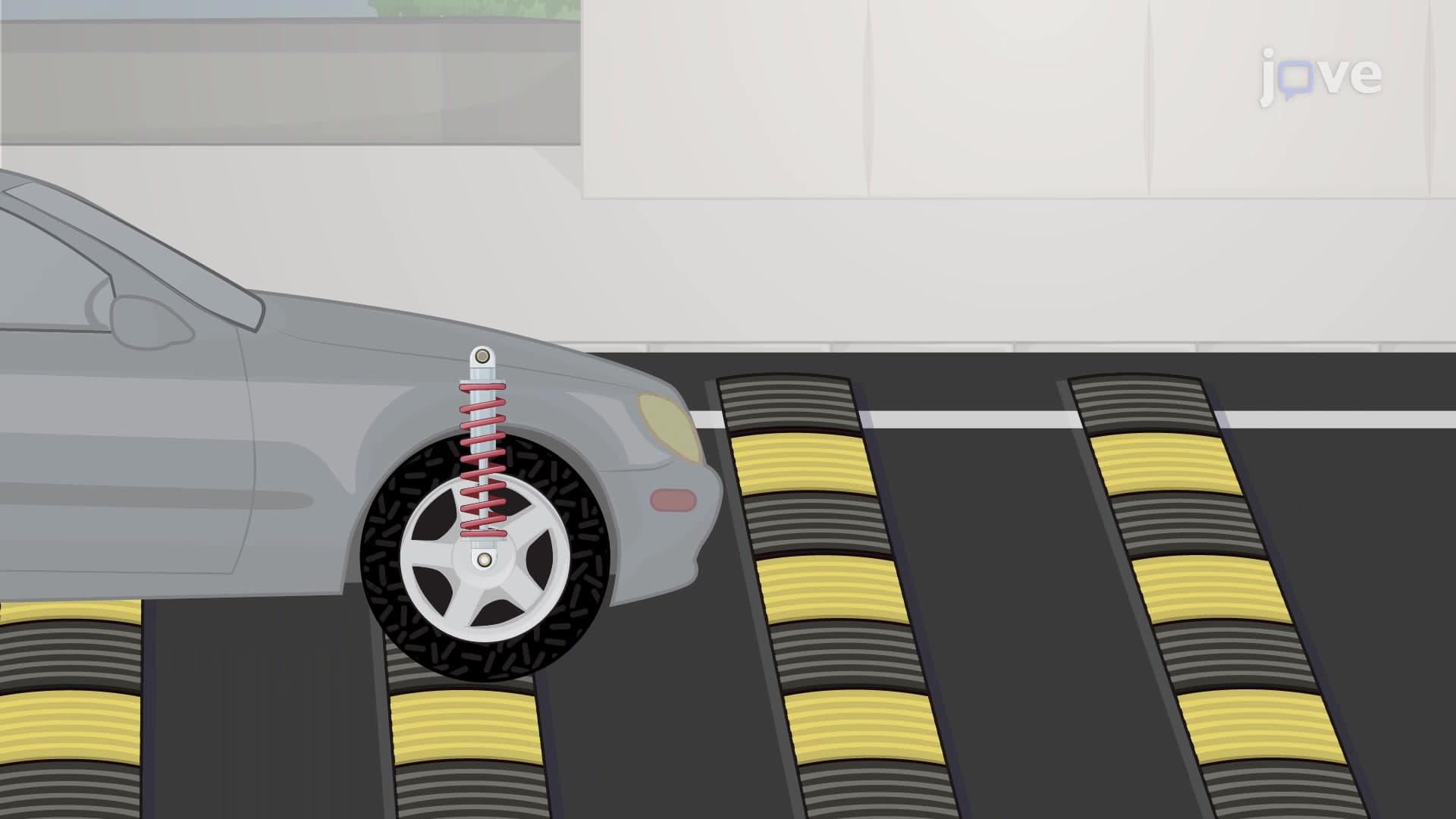
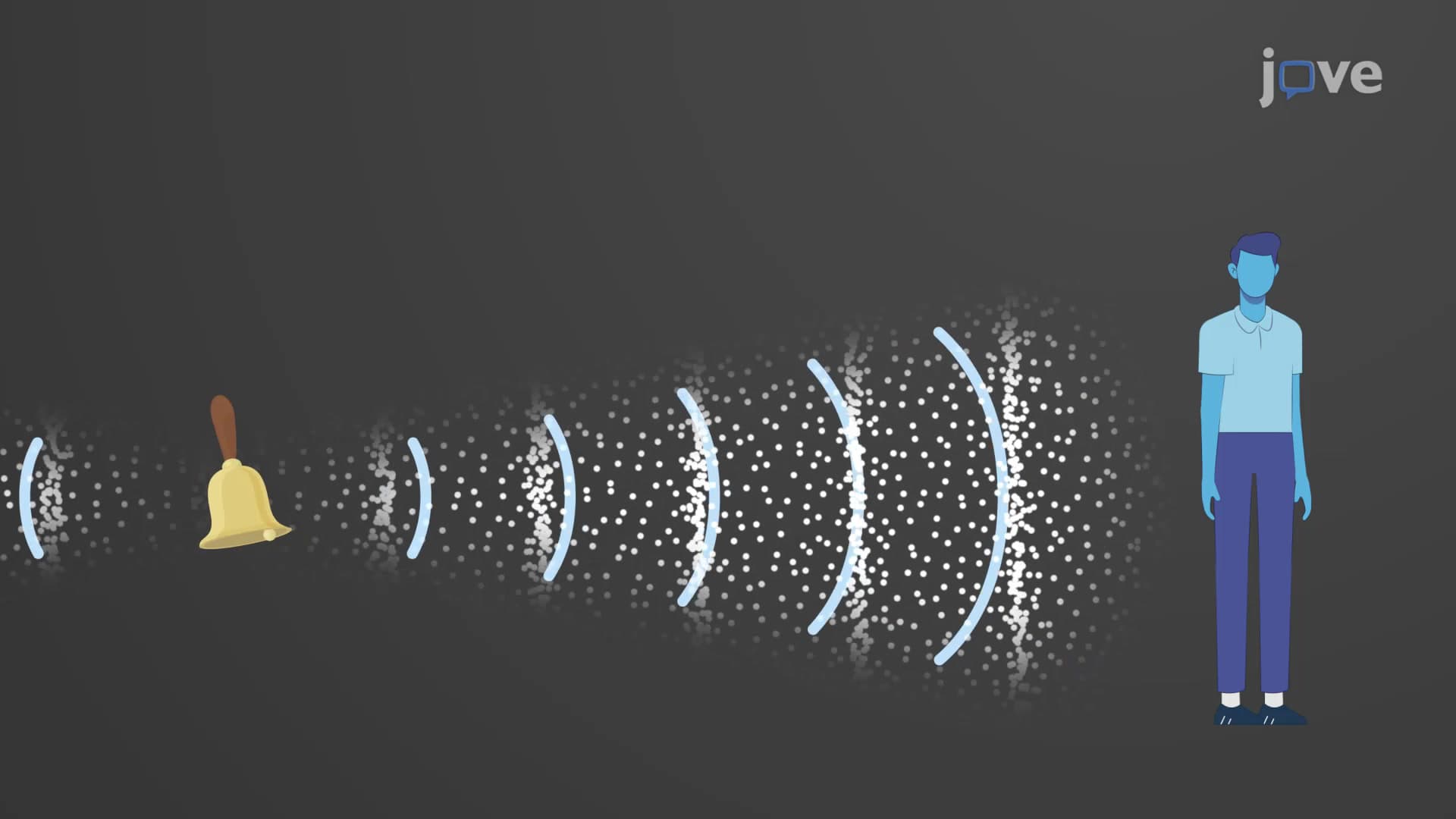
In everyday technology, forced oscillations drive the operation of speakers, where electromagnetic forces create controlled vibrations in cones to produce sound waves. Automotive engineers must consider forced oscillations when designing suspension systems to handle road irregularities while maintaining passenger comfort, a topic covered extensively in mechanical engineering programs at schools like the University of Michigan.
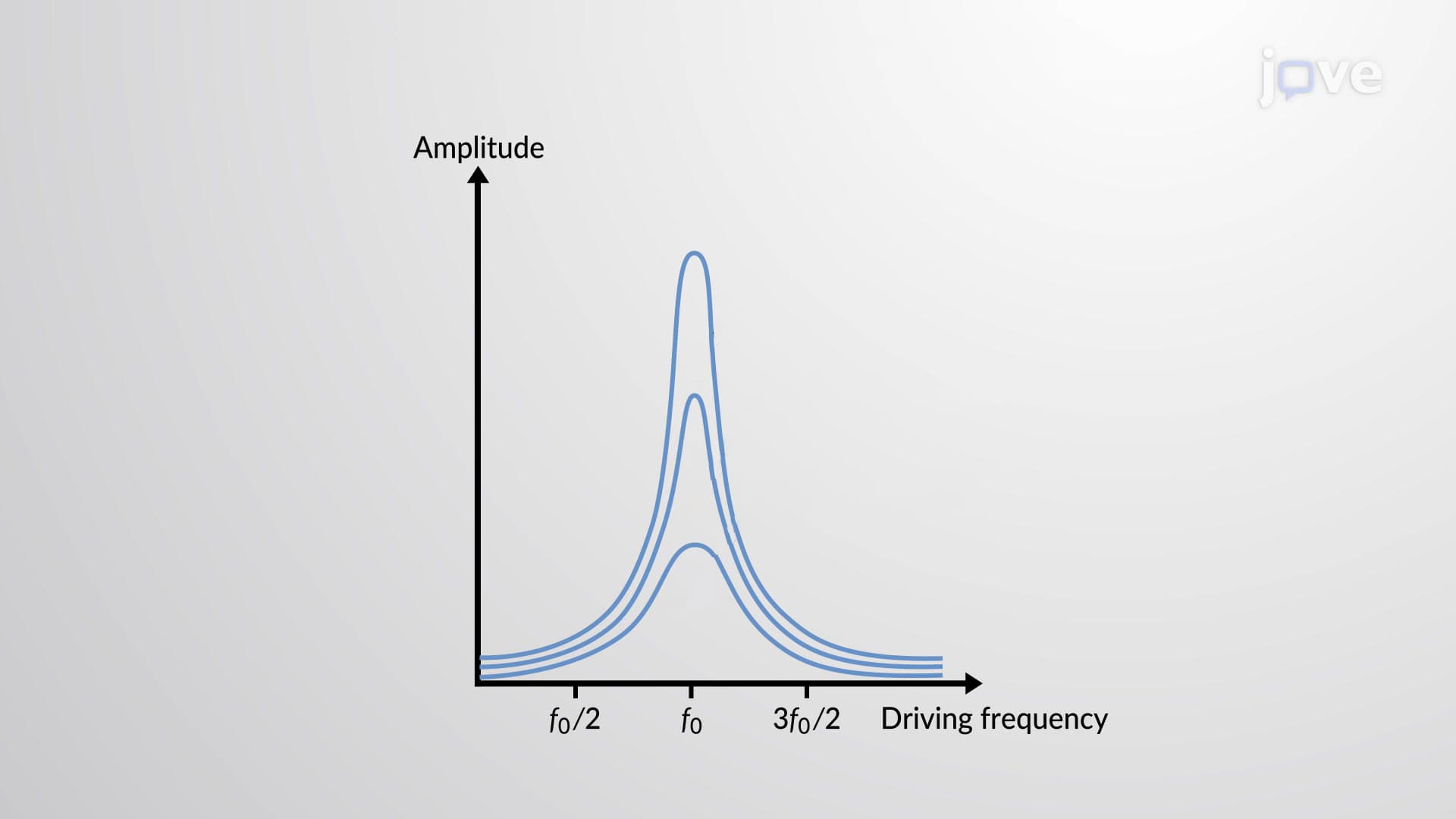
Different types of forced oscillations emerge based on the relationship between driving frequency and natural frequency. When the driving frequency is much lower than the natural frequency, the system responds in phase with the driving force. At very high driving frequencies, the system cannot keep up, resulting in out-of-phase motion with reduced amplitude.
The most critical case occurs when driving and natural frequencies approach equality, leading to resonance, a phenomenon that can be either beneficial (as in musical instruments) or destructive (as in structural failures). This understanding proves essential for students preparing for MCAT physics sections or advanced placement exams, where forced oscillation problems commonly appear in both theoretical and practical contexts.
Related Micro-courses