Loading video…


 15 Concepts
 96.9K views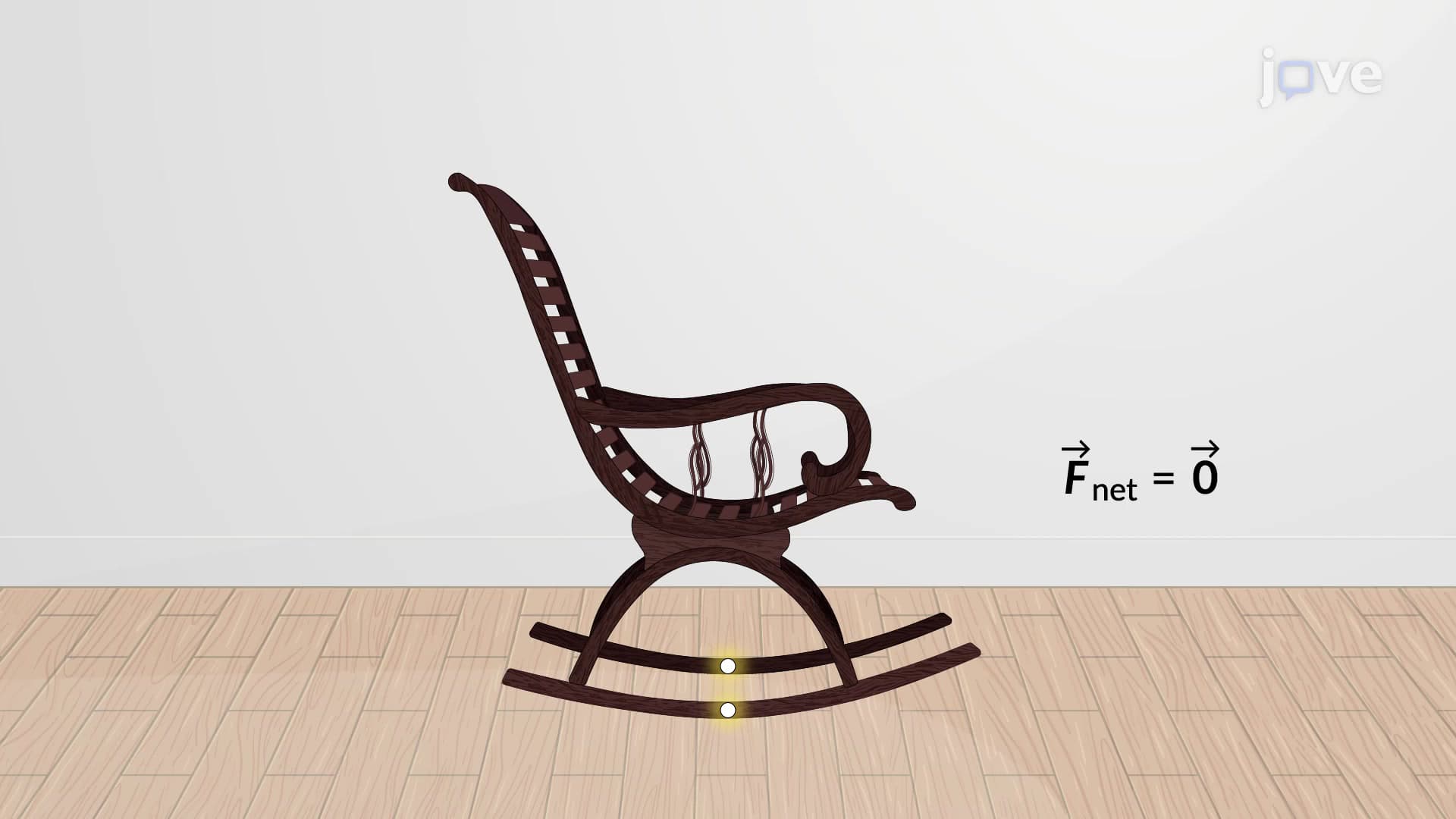

Video Summary: Oscillations About an Equilibrium Position Explained
Ever wondered why a playground swing naturally returns to its resting position after you jump off? Oscillations about an equilibrium position govern this fundamental behavior in physics, where objects like pendulums, springs, and even skyscrapers in earthquakes move back and forth around a central balance point. From the Golden Gate Bridge's sway-dampening systems to a metronome keeping perfect time, understanding how forces restore objects to their equilibrium position is crucial for engineering safety and musical precision. Watch the full video on JoVE Coach to master this concept with expert-led visuals and step-by-step explanations.
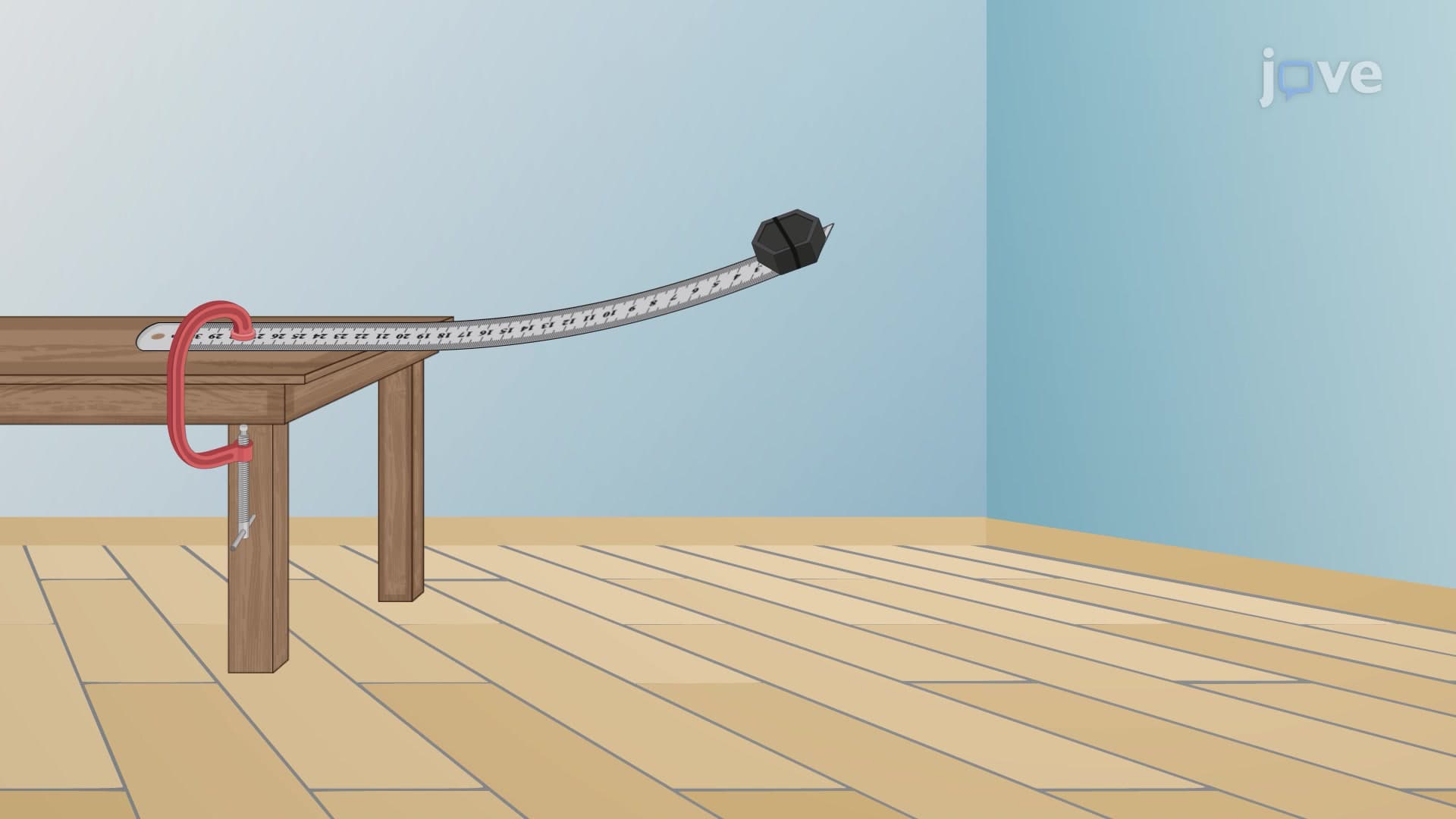
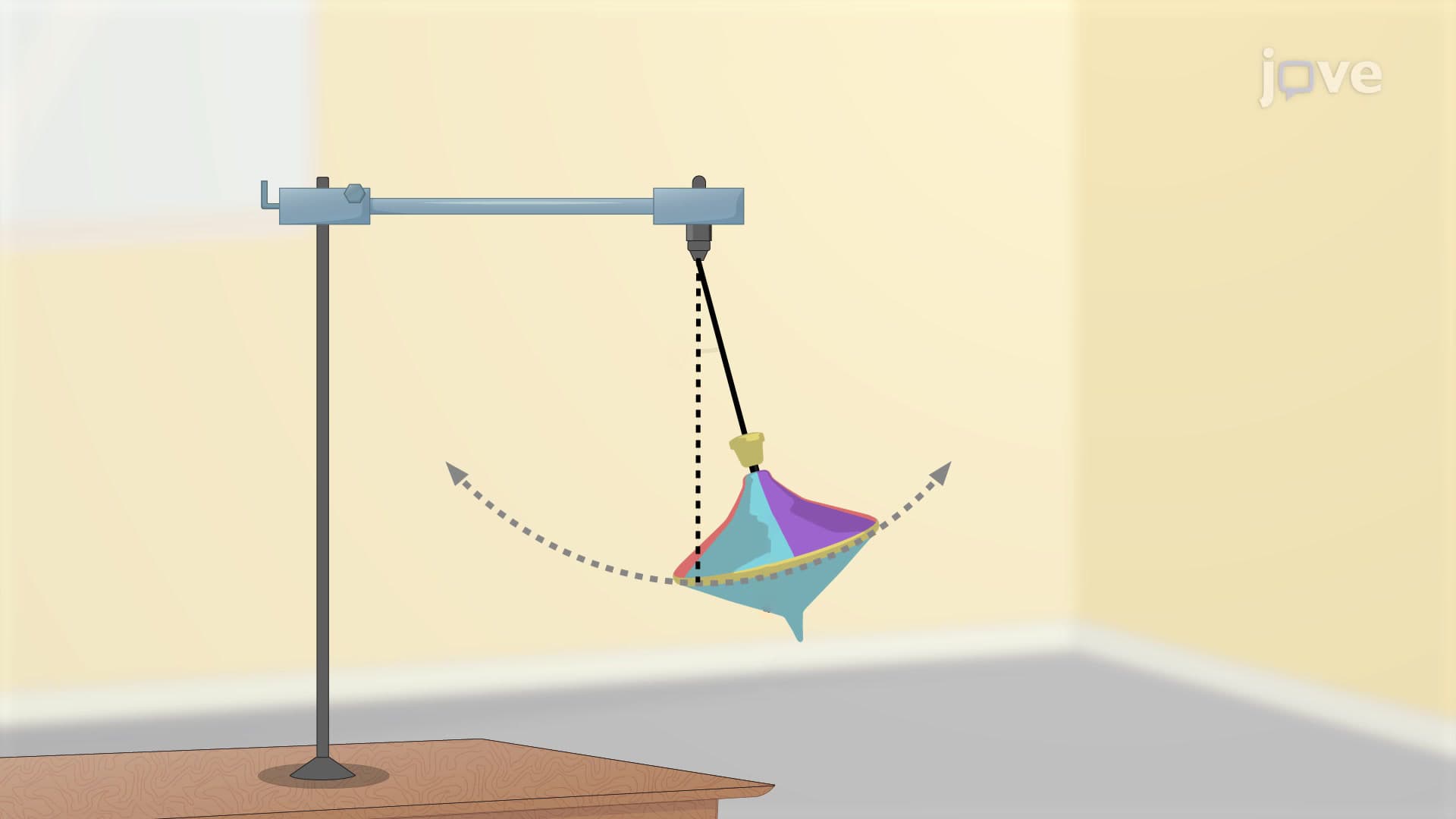
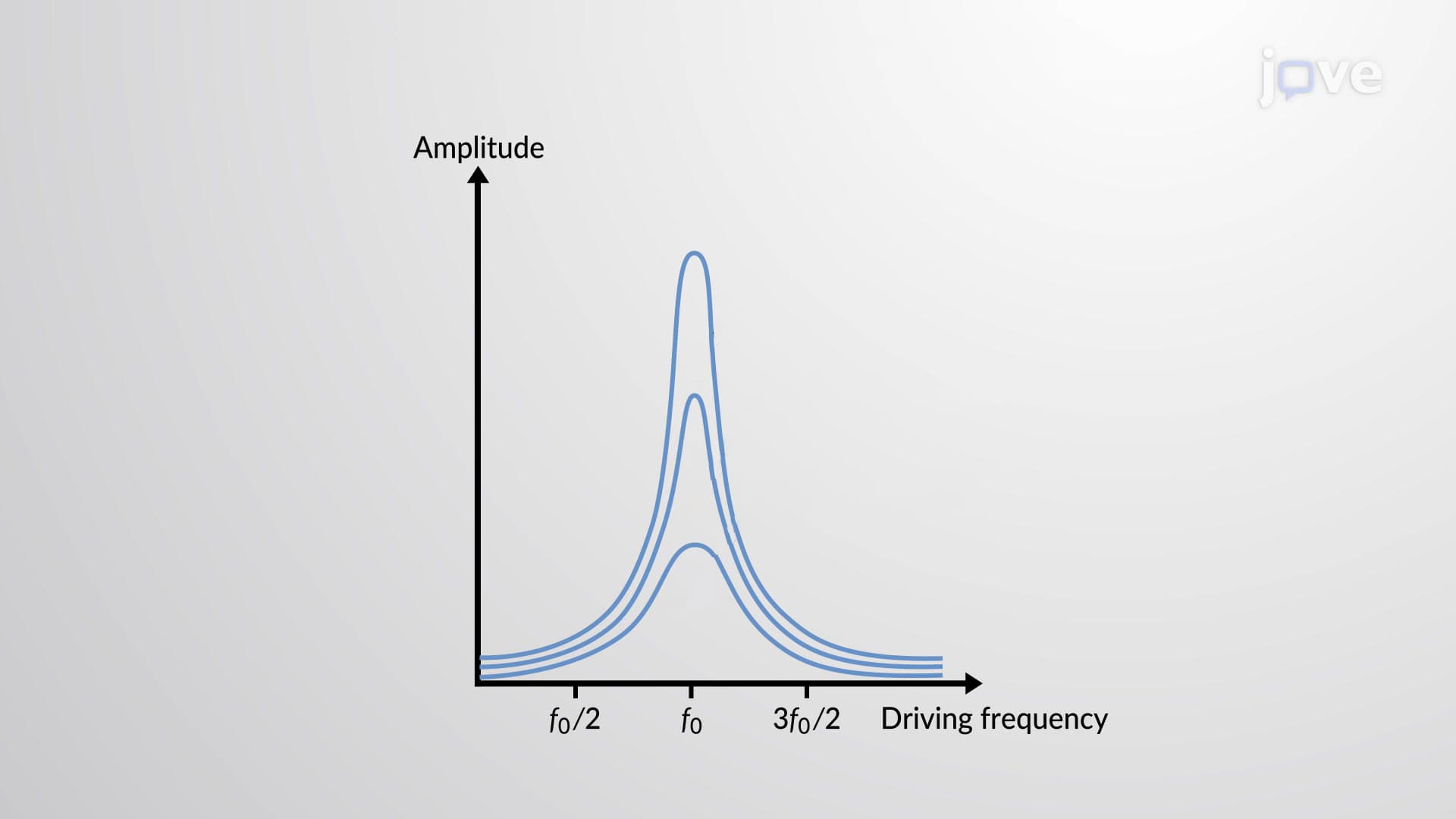
The concept of oscillations about an equilibrium position forms the backbone of mechanical physics and engineering design. An equilibrium position represents the point where all forces acting on an object are perfectly balanced, creating a state of rest. When displaced from this position, a restoring force acts to return the object to equilibrium, creating the back-and-forth motion we observe in pendulums, springs, and countless other systems.
This principle appears throughout the American educational system, from AP Physics courses to college-level mechanics. Students encounter these concepts when studying simple harmonic motion, where the restoring force is directly proportional to displacement-a relationship that appears frequently on standardized tests like the AP Physics exam and college entrance assessments.
Understanding equilibrium stability is essential for both academic success and real-world applications. In stable equilibrium, displacing an object results in a restoring force that pushes it back toward the original position. Think of a marble at the bottom of a bowl-no matter which direction you push it, gravity pulls it back to the center.
Conversely, unstable equilibrium occurs when displacement creates forces that push the object further from its original position. A pencil balanced on its tip demonstrates this perfectly: the slightest disturbance causes it to fall away from the balance point. This distinction is crucial for AP Physics students and appears frequently in college physics coursework, particularly when analyzing potential energy diagrams.
American engineers apply equilibrium principles in designing earthquake-resistant skyscrapers throughout California. The Transamerica Pyramid in San Francisco, for example, uses a flexible foundation system that allows controlled oscillations during seismic events while maintaining structural integrity through restoring forces.
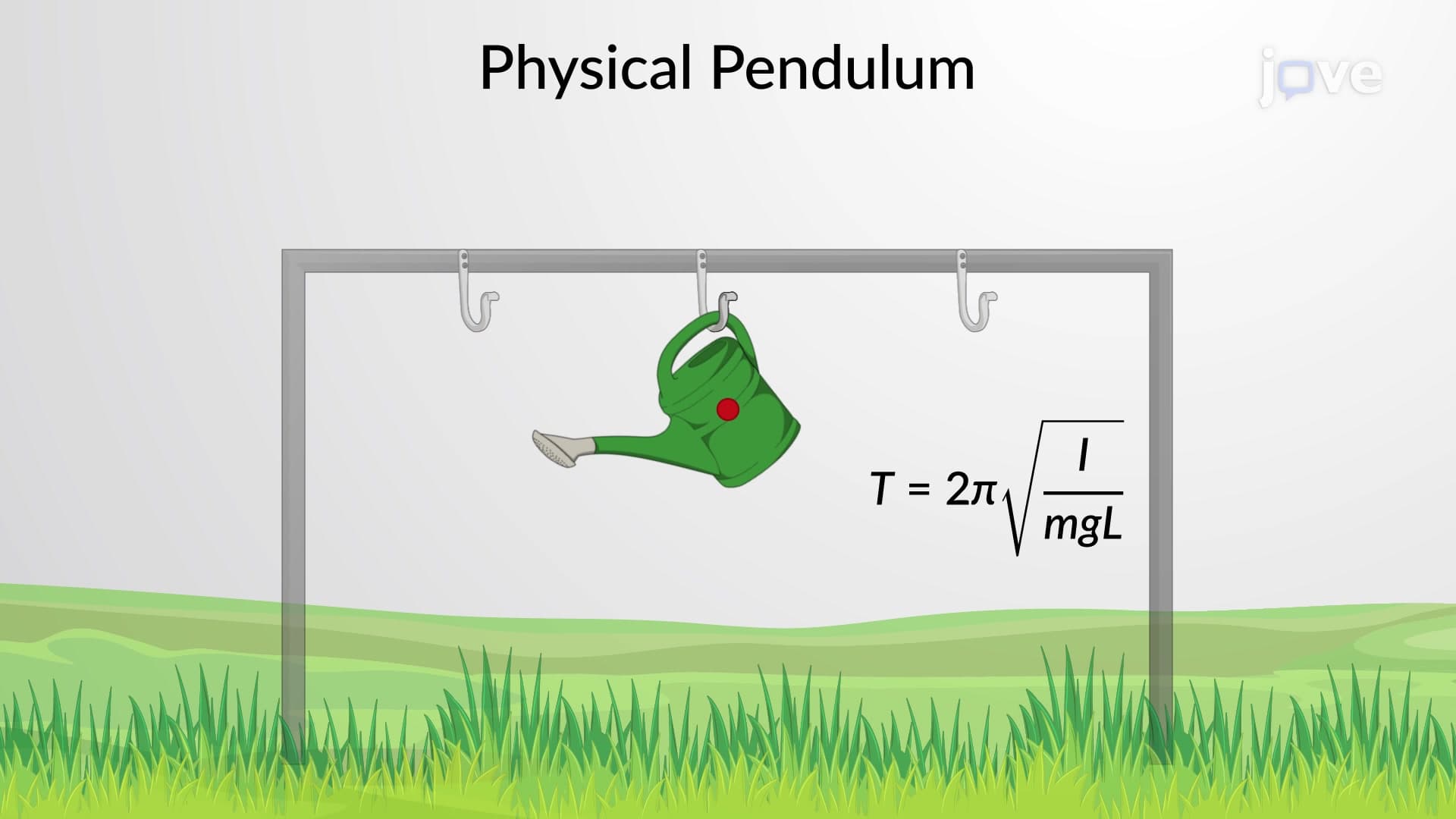
Similarly, the timing mechanisms in American-made grandfather clocks rely on pendulum oscillations about equilibrium positions to maintain accurate timekeeping. These applications demonstrate how theoretical physics concepts translate into practical solutions that affect daily life across the United States.
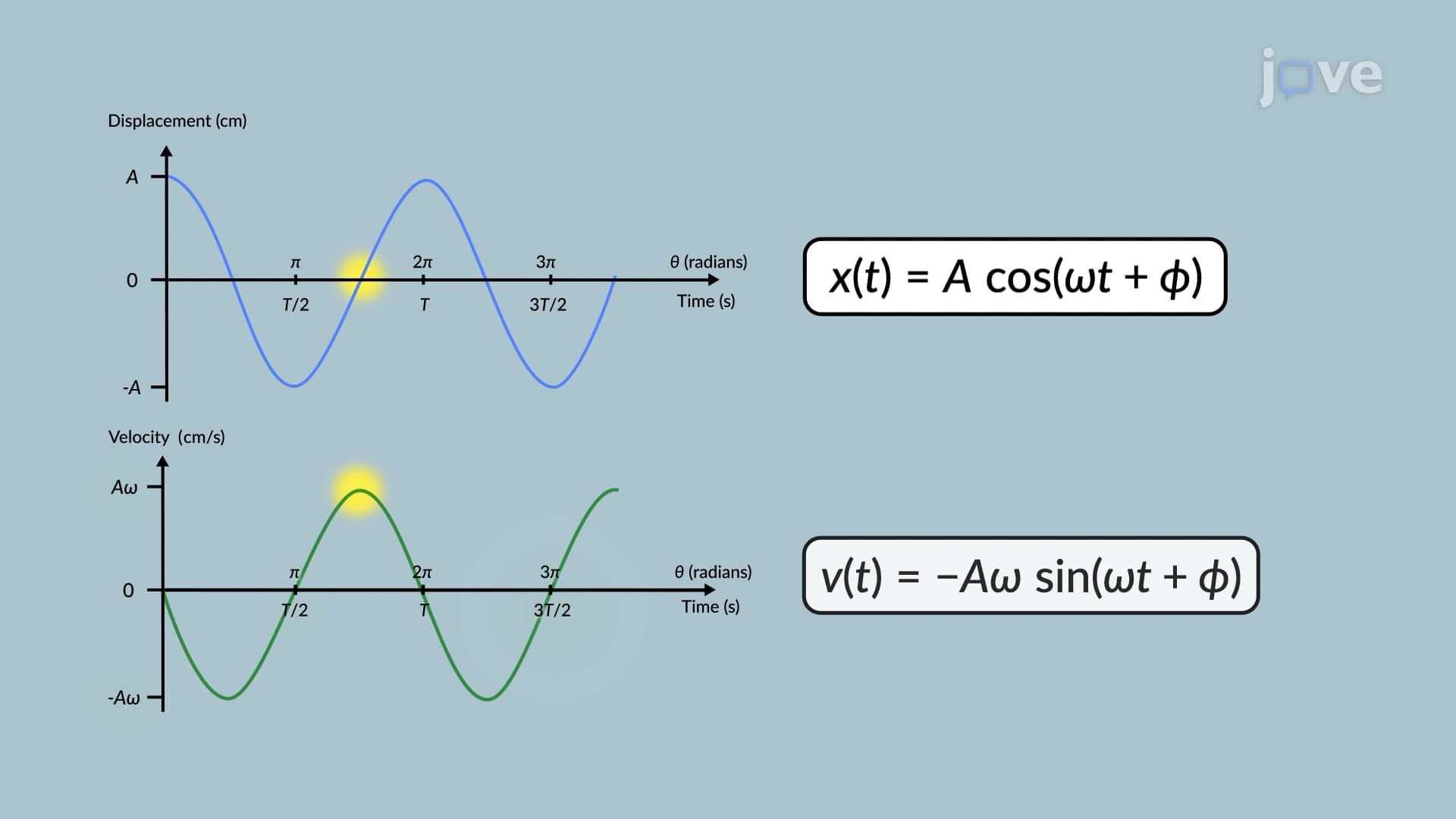
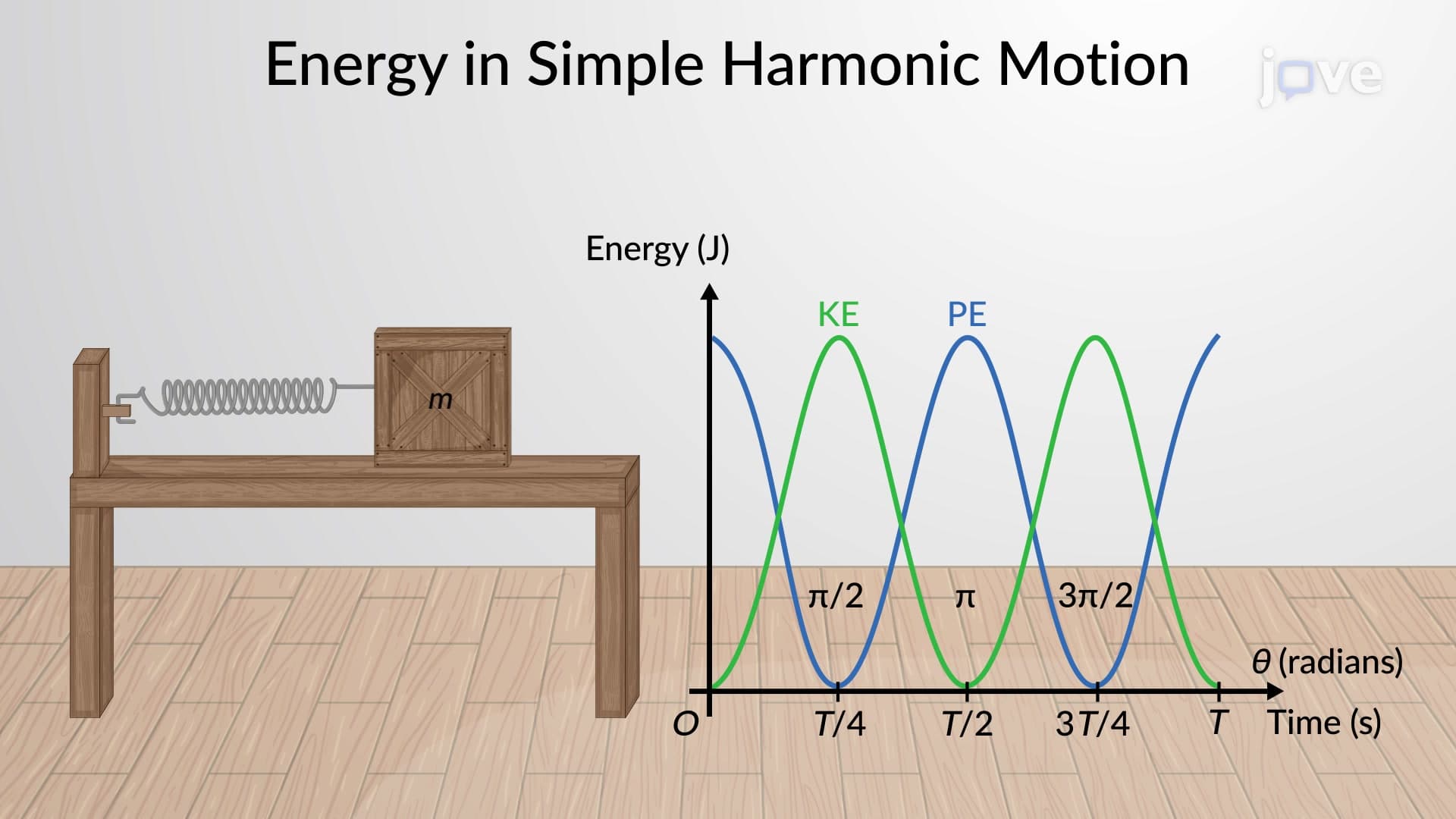
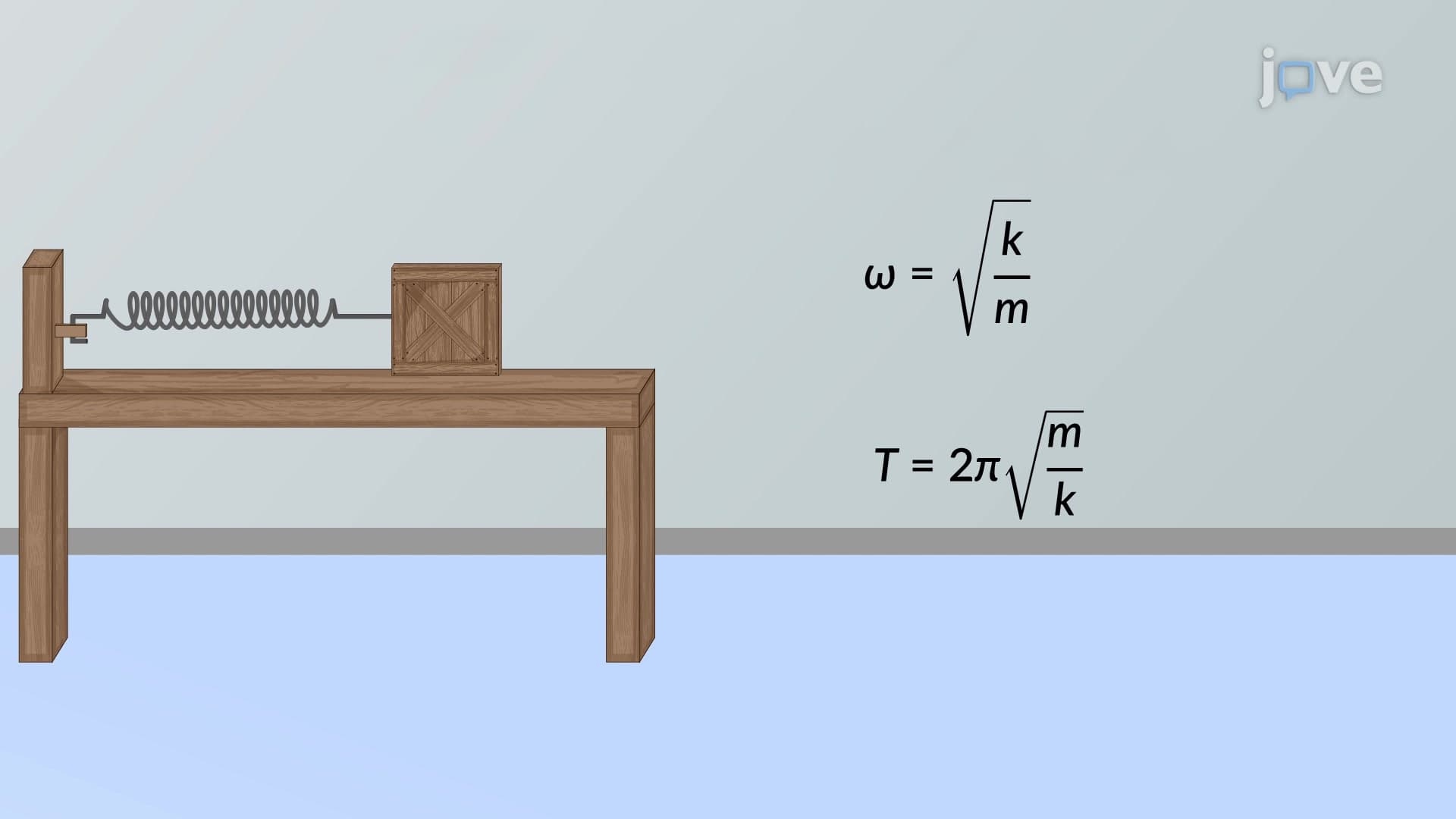
The mathematical description of oscillations involves analyzing force relationships and energy conservation. For simple harmonic motion, the restoring force follows F = -kx, where k represents the spring constant and x indicates displacement from equilibrium. This relationship appears consistently in college physics problems and standardized test questions.
Students preparing for the MCAT or advanced physics courses should master these mathematical relationships, as they form the foundation for understanding more complex oscillatory systems in biological and medical contexts.
Related Micro-courses