Loading video…


 15 Concepts
 96.9K views

Video Summary: What Is Simple Harmonic Motion
Why does a guitar string produce the same musical note each time you pluck it? Simple harmonic motion creates this predictable, repeating pattern that governs everything from pendulum clocks to earthquake-resistant skyscrapers in California. This fundamental physics concept describes oscillatory motion where the restoring force is directly proportional to displacement from equilibrium. Watch the full video on JoVE Coach to master this concept with expert-led visuals and step-by-step explanations.
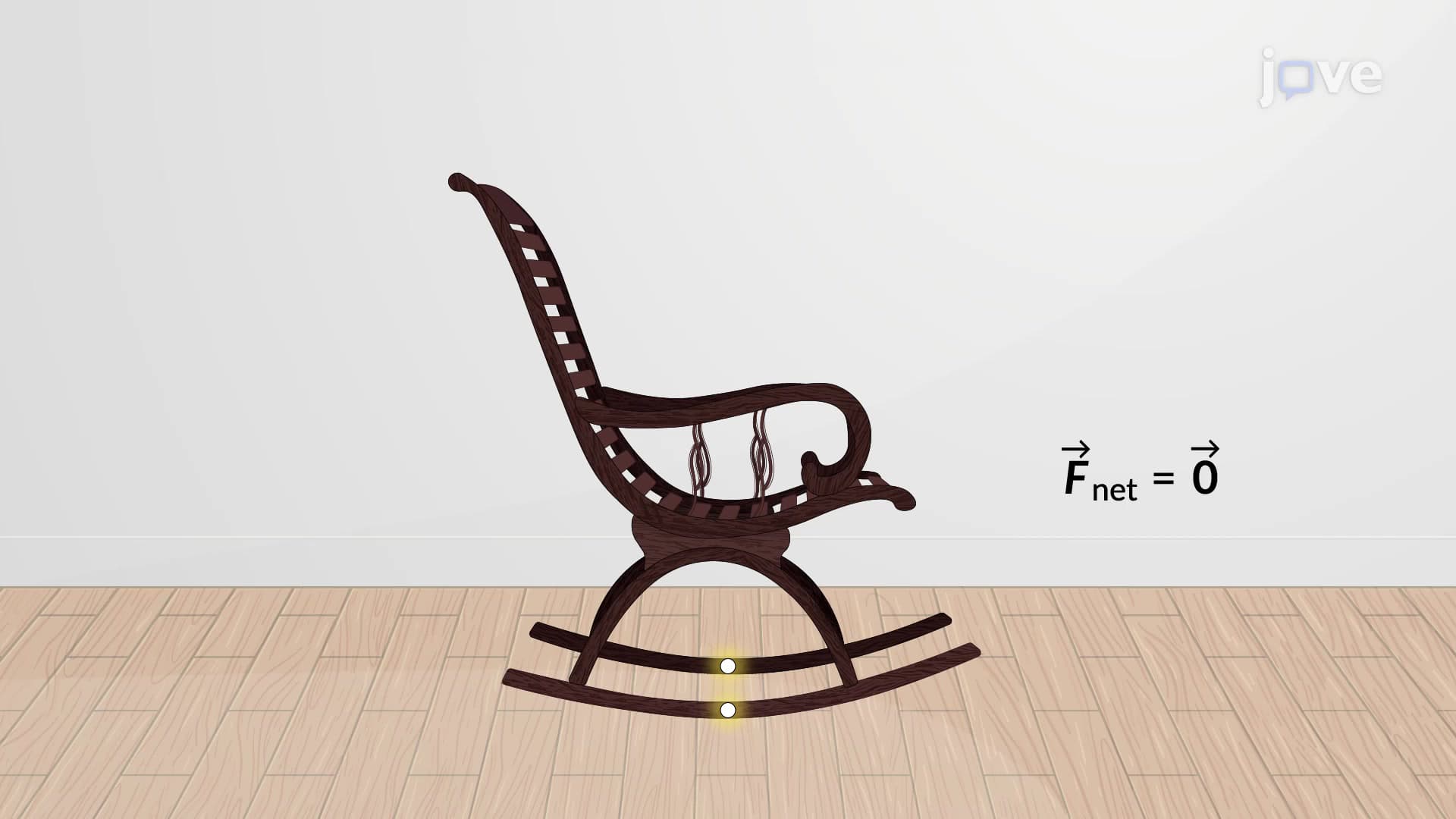
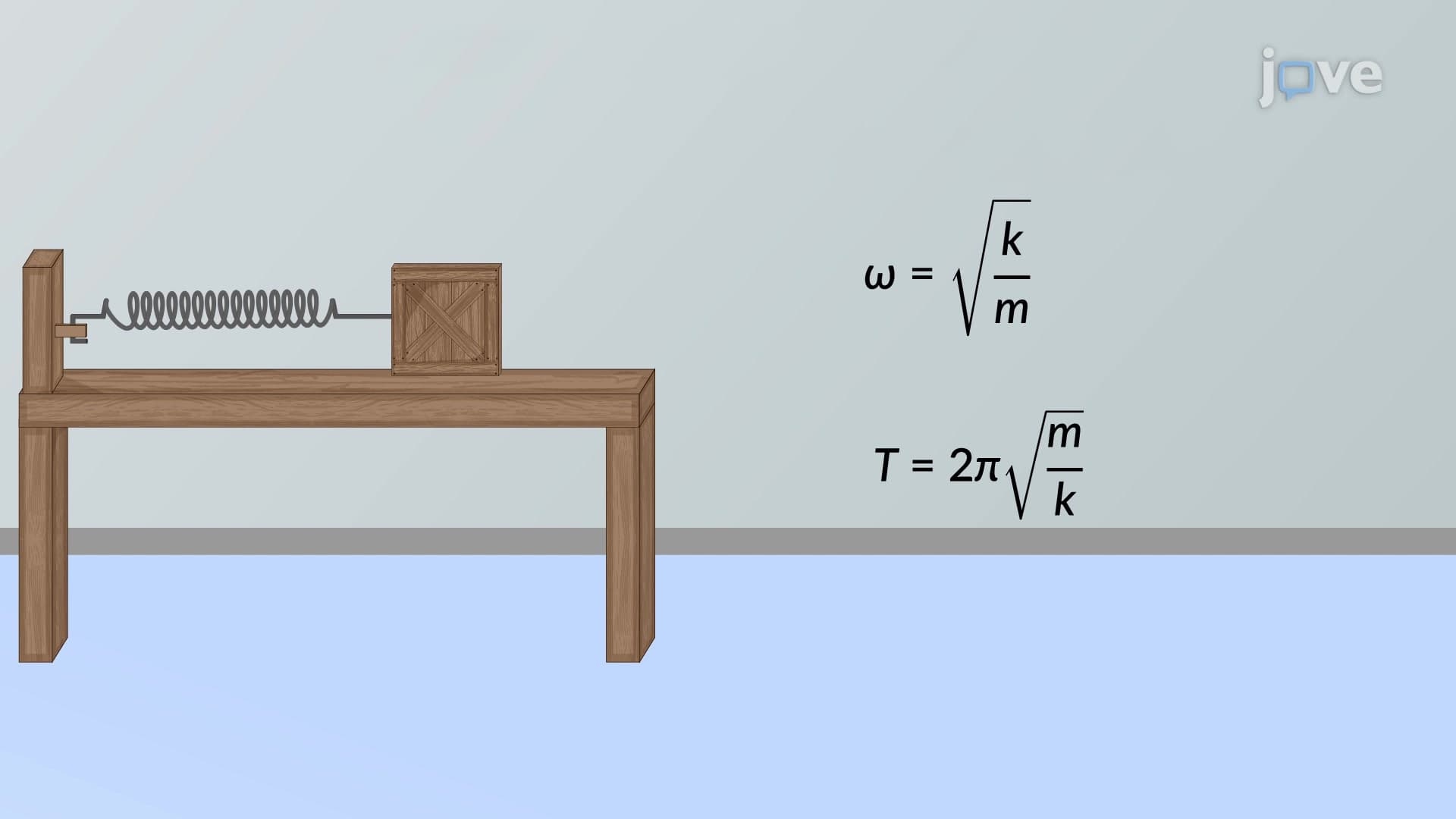
Simple harmonic motion represents one of physics' most elegant and universally applicable concepts. Unlike general periodic motion, simple harmonic motion occurs specifically when the restoring force acting on an object is directly proportional to its displacement from equilibrium and acts in the opposite direction. This creates a unique mathematical relationship: F = -kx, where k represents the spring constant and x represents displacement.
The negative sign indicates that the force always points toward the equilibrium position, creating the characteristic back-and-forth motion. This principle governs systems ranging from atomic vibrations in crystalline structures to the pendulum mechanisms in grandfather clocks found in American homes.
The simple harmonic motion definition encompasses several critical parameters that students encounter on AP Physics exams and college coursework. The amplitude (A) represents maximum displacement from equilibrium-think of how far you pull a playground swing before releasing it. Period (T) measures the time for one complete cycle, while frequency (f) counts cycles per second, with the relationship f = 1/T.
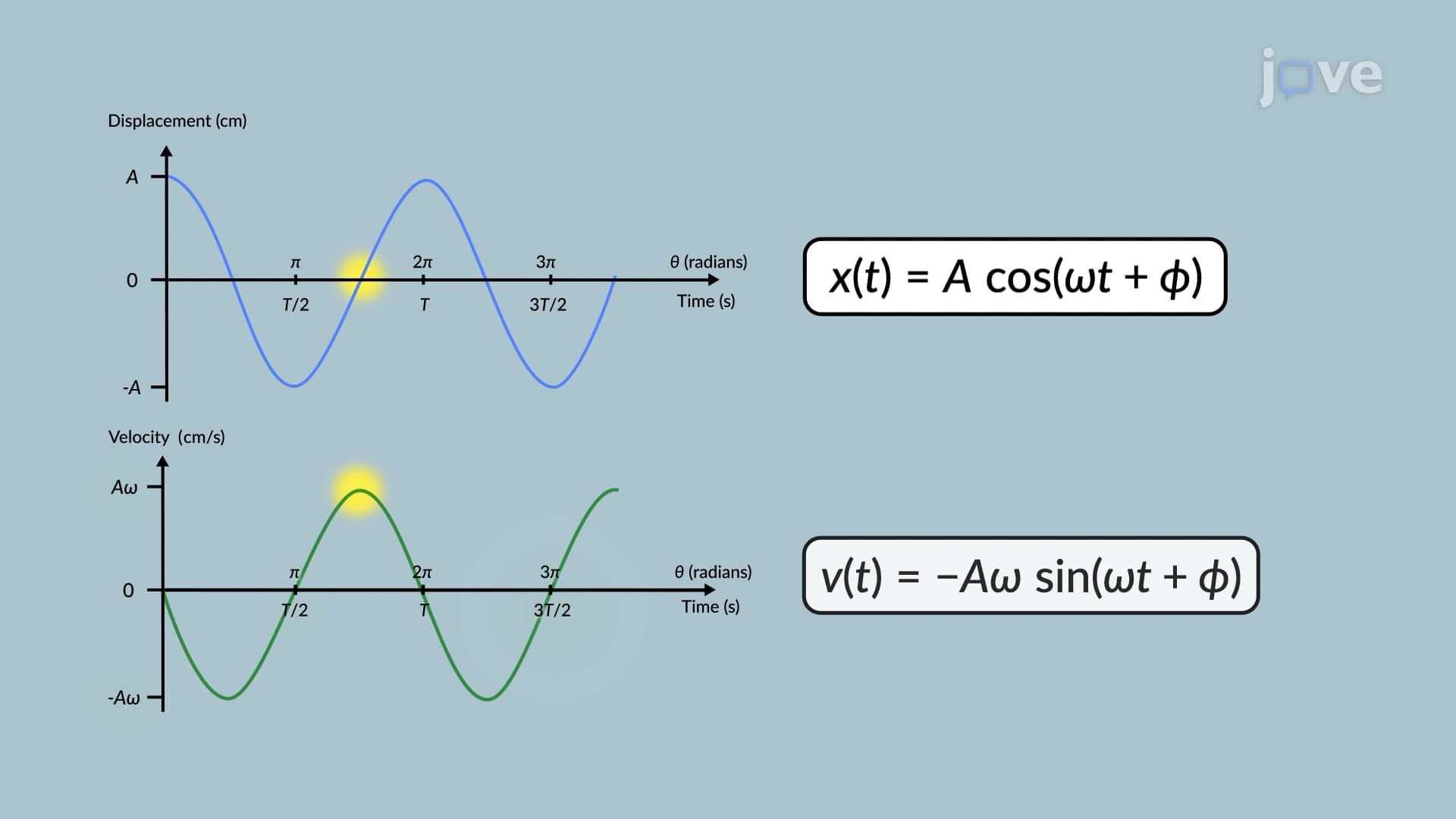
These parameters interconnect through the fundamental equation: x(t) = A cos(ωt + φ), where ω represents angular frequency and φ represents the phase constant. This mathematical description allows engineers to design everything from shock absorbers in American automobiles to seismometers monitoring California's San Andreas Fault.
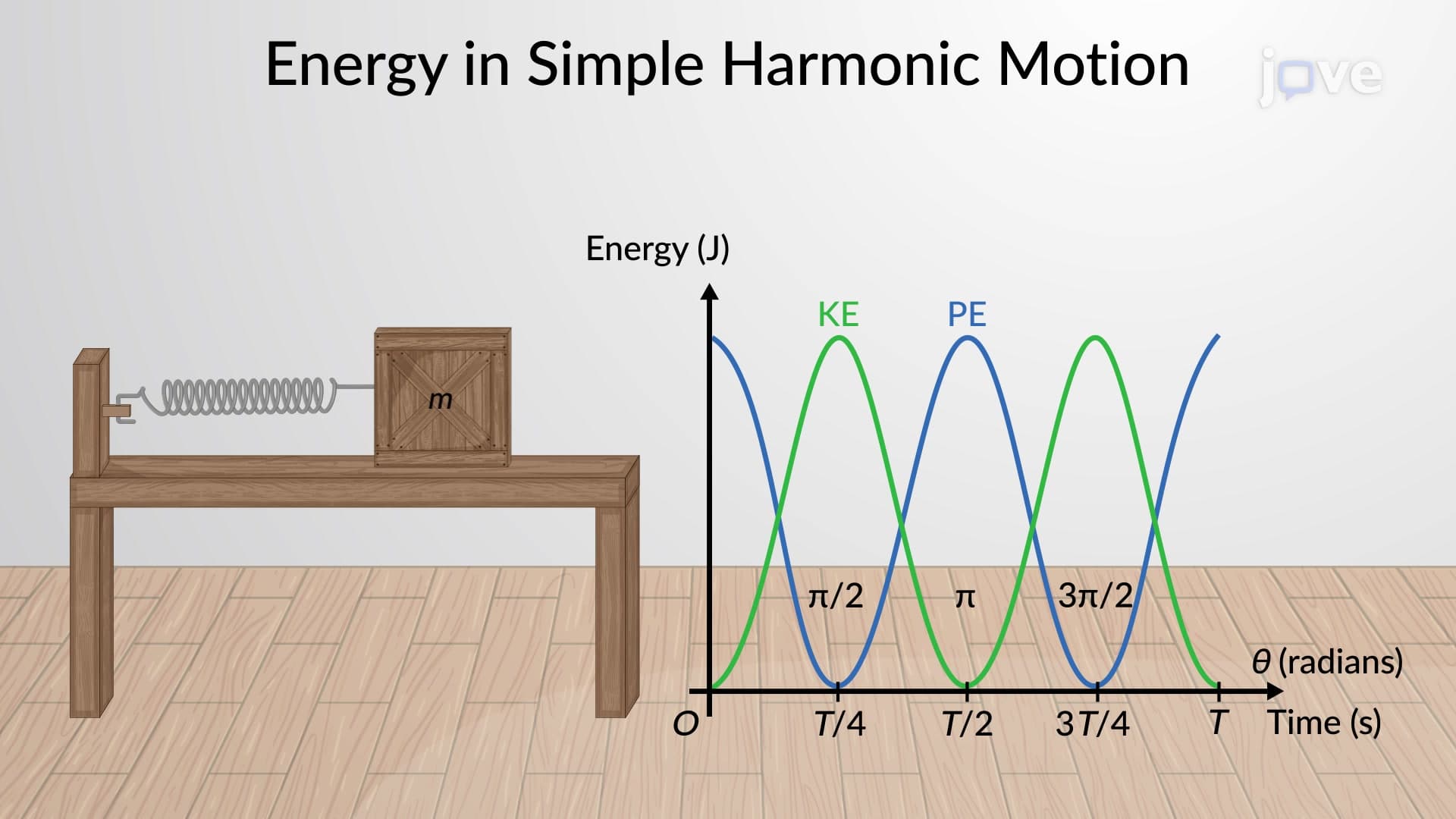
Energy conservation provides another lens for understanding simple harmonic motion basics. Total mechanical energy remains constant, continuously converting between kinetic energy (maximum at equilibrium) and potential energy (maximum at amplitude). This energy transformation creates the smooth, sinusoidal motion characteristic of these systems.
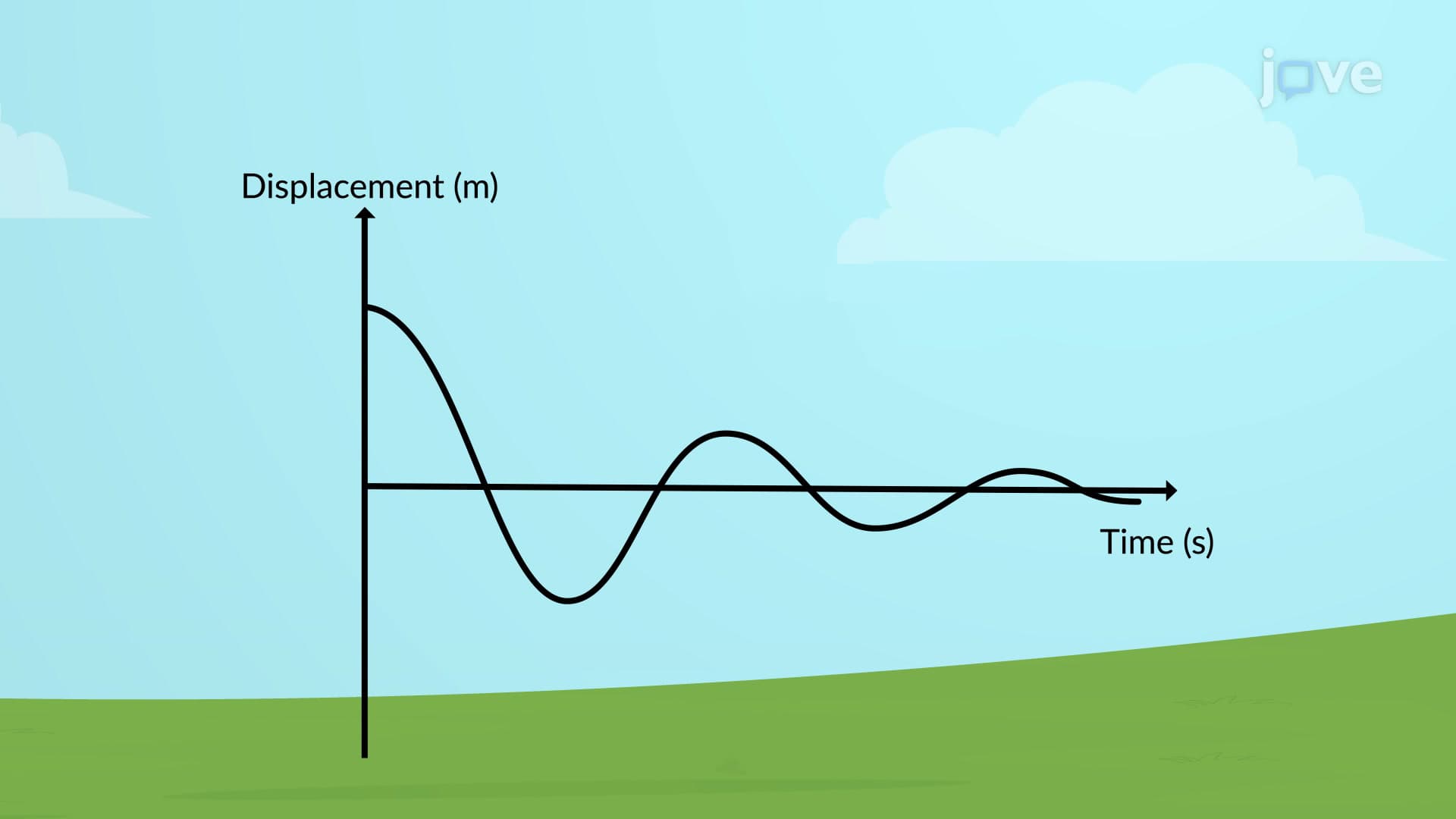
At equilibrium position, velocity reaches its maximum while potential energy equals zero. Conversely, at maximum displacement (amplitude), velocity becomes zero while potential energy peaks. This energy dance explains why a pendulum naturally returns to its starting position and why guitar strings eventually stop vibrating due to energy dissipation.
Understanding simple harmonic motion concepts proves essential for success on standardized tests including the MCAT physics section and AP Physics 1 exam. These assessments frequently test students' ability to identify simple harmonic motion conditions, calculate periods and frequencies, and analyze energy transformations.
Beyond academic success, this knowledge underlies numerous technological applications. Atomic force microscopes use cantilever oscillations to image surfaces at the nanoscale, while modern skyscrapers incorporate tuned mass dampers-essentially giant pendulums-to counteract wind-induced oscillations and ensure structural stability during seismic events.
Related Micro-courses