14 Concepts
15 Concepts
14 Concepts
11 Concepts
16 Concepts
10 Concepts
15 Concepts
12 Concepts
19 Concepts
14 Concepts
14 Concepts
12 Concepts
24 Concepts
22 Concepts
15 Concepts
15 Concepts
17 Concepts
15 Concepts
13 Concepts
19 Concepts
12 Concepts
16 Concepts
13 Concepts
15 Concepts
12 Concepts
13 Concepts
18 Concepts
12 Concepts
22 Concepts
21 Concepts
13 Concepts
13 Concepts
14 Concepts
Newton's laws of motion form the foundation of classical mechanics, explaining how forces affect object movement in our daily lives. From understanding why passengers feel pushed back during airplane takeoff to analyzing why objects fall at the same rate regardless of mass, these three fundamental principles govern motion in everything from car crashes to rocket launches. This comprehensive course uses JoVE Coach to explore force interactions, inertia, acceleration relationships, and action-reaction pairs through practical American examples and applications.
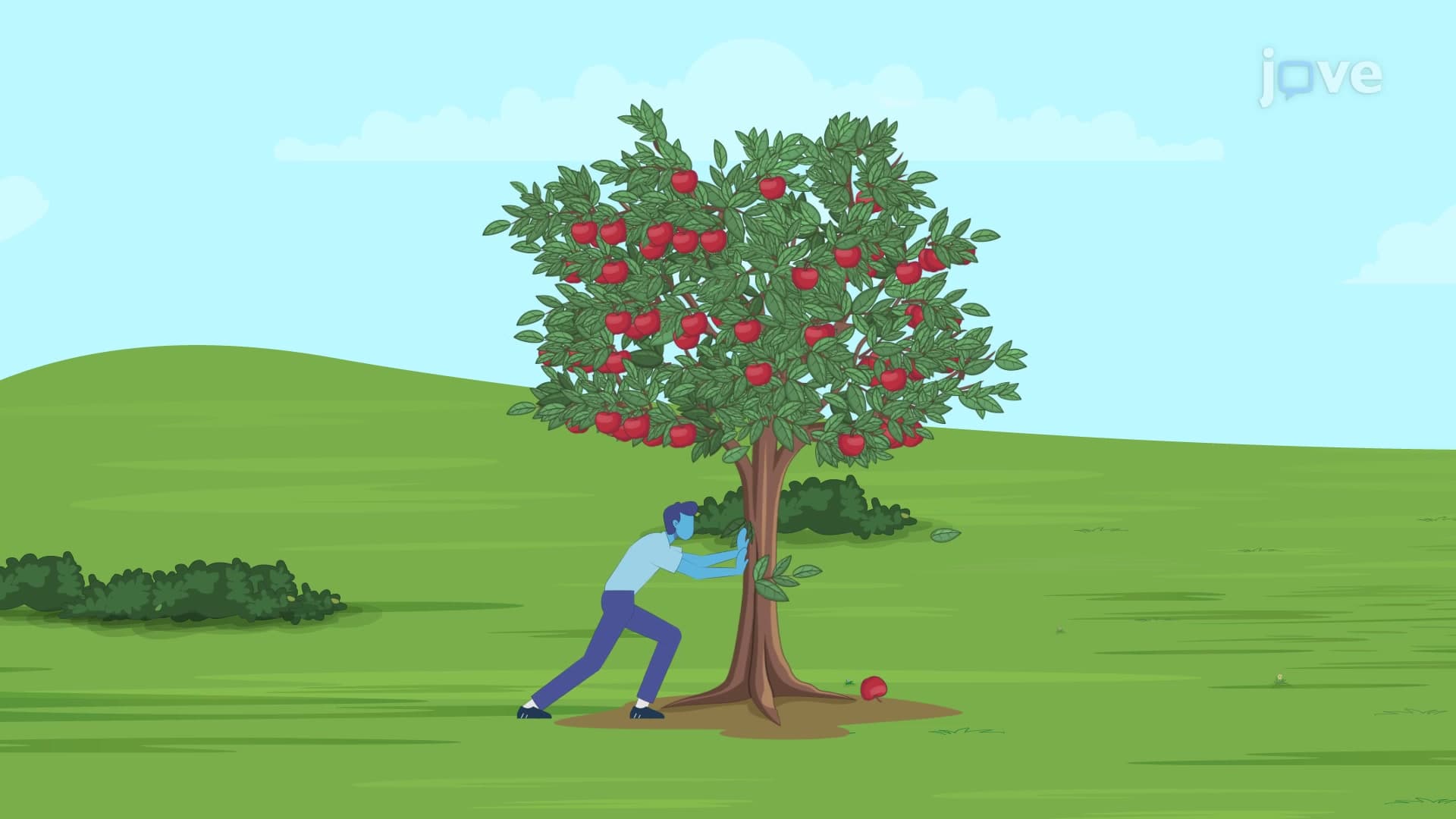
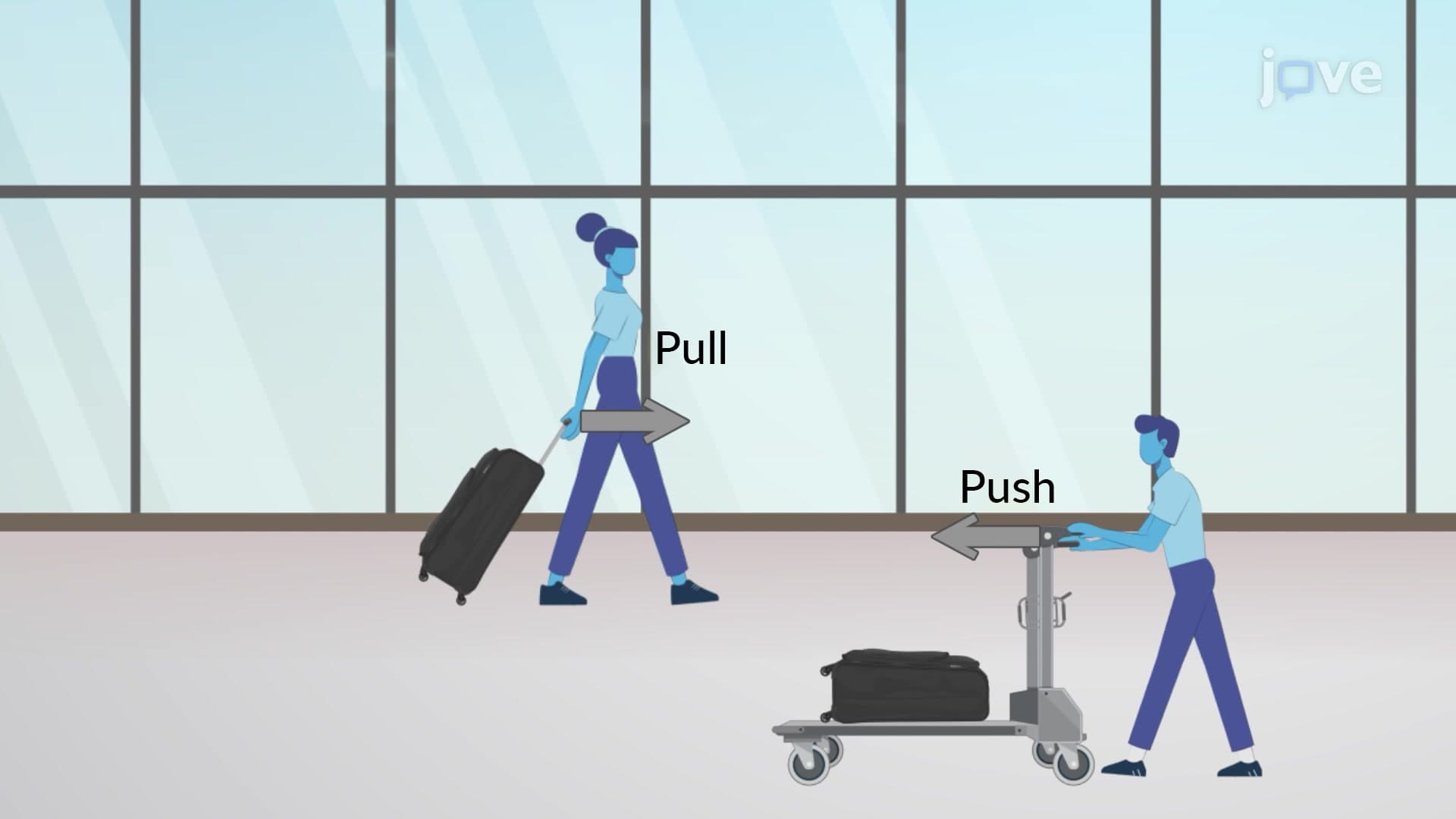
1. Force Fundamentals and Vector Nature: Force represents the push or pull interaction between objects, measured in newtons and expressed as vectors with both magnitude and direction. The superposition principle allows multiple forces to combine vectorially, while any single force can be resolved into horizontal and vertical components. Understanding gravitational force pulling fruits toward Earth's center and electromagnetic forces between charged particles demonstrates how these fundamental interactions shape our physical world.
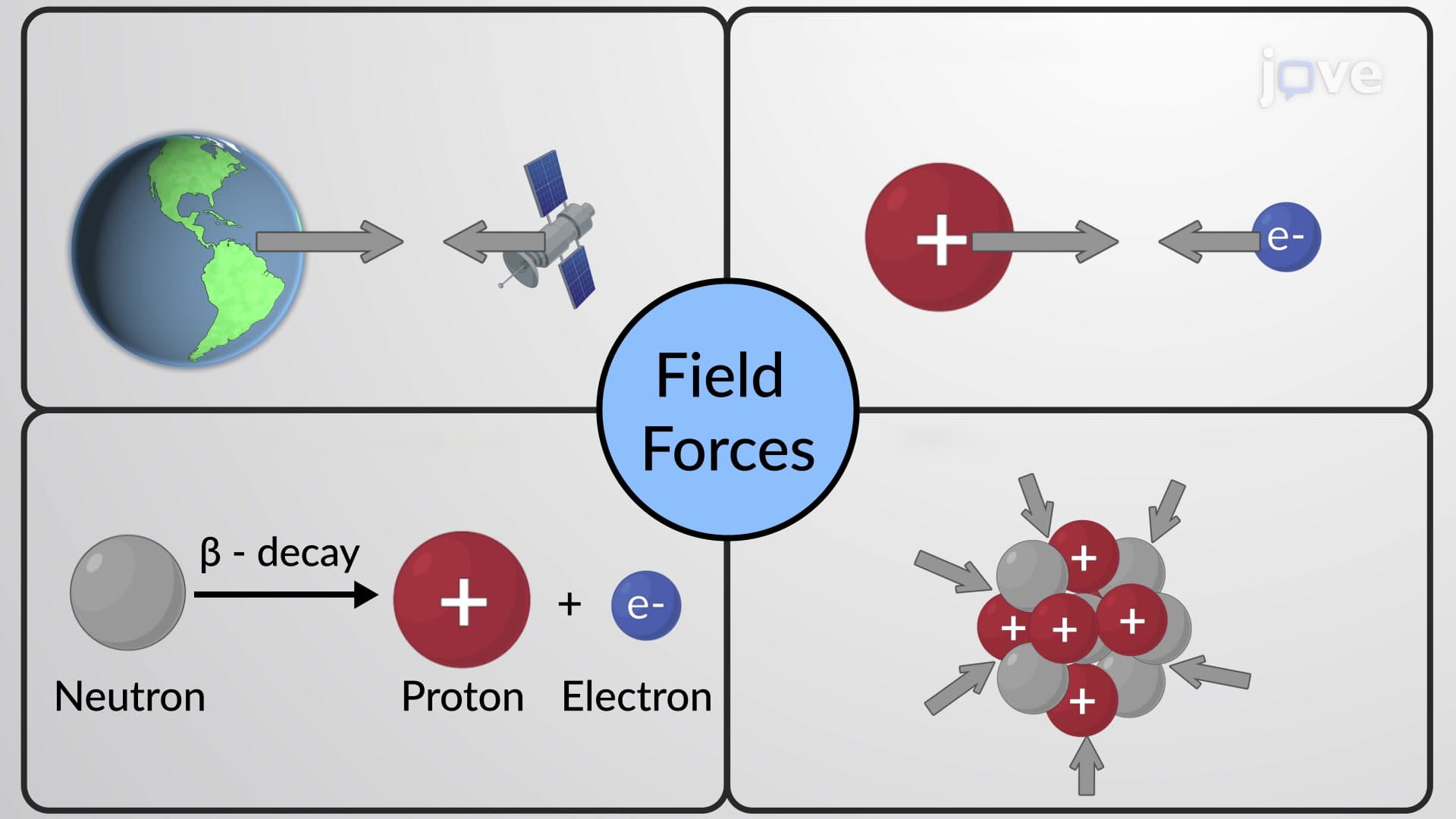
2. Contact Forces vs. Field Forces: Contact forces require physical touching, including normal forces preventing objects from occupying the same space, friction forces resisting sliding motion on surfaces, and tension forces transmitted through ropes and cables. Field forces act without direct contact, encompassing gravitational attraction between masses, electromagnetic interactions between charged particles, and nuclear forces binding atomic particles together within atoms.
3. Newton's First Law and Inertia: Objects at rest stay at rest, and objects in constant motion continue moving in straight lines unless acted upon by unbalanced external forces. Galileo's inclined plane thought experiment disproved ancient beliefs about natural tendencies to stop, showing that force isn't required to maintain motion. Inertia represents an object's resistance to changing its motion state, directly proportional to mass and explaining why heavier objects are harder to accelerate or stop.
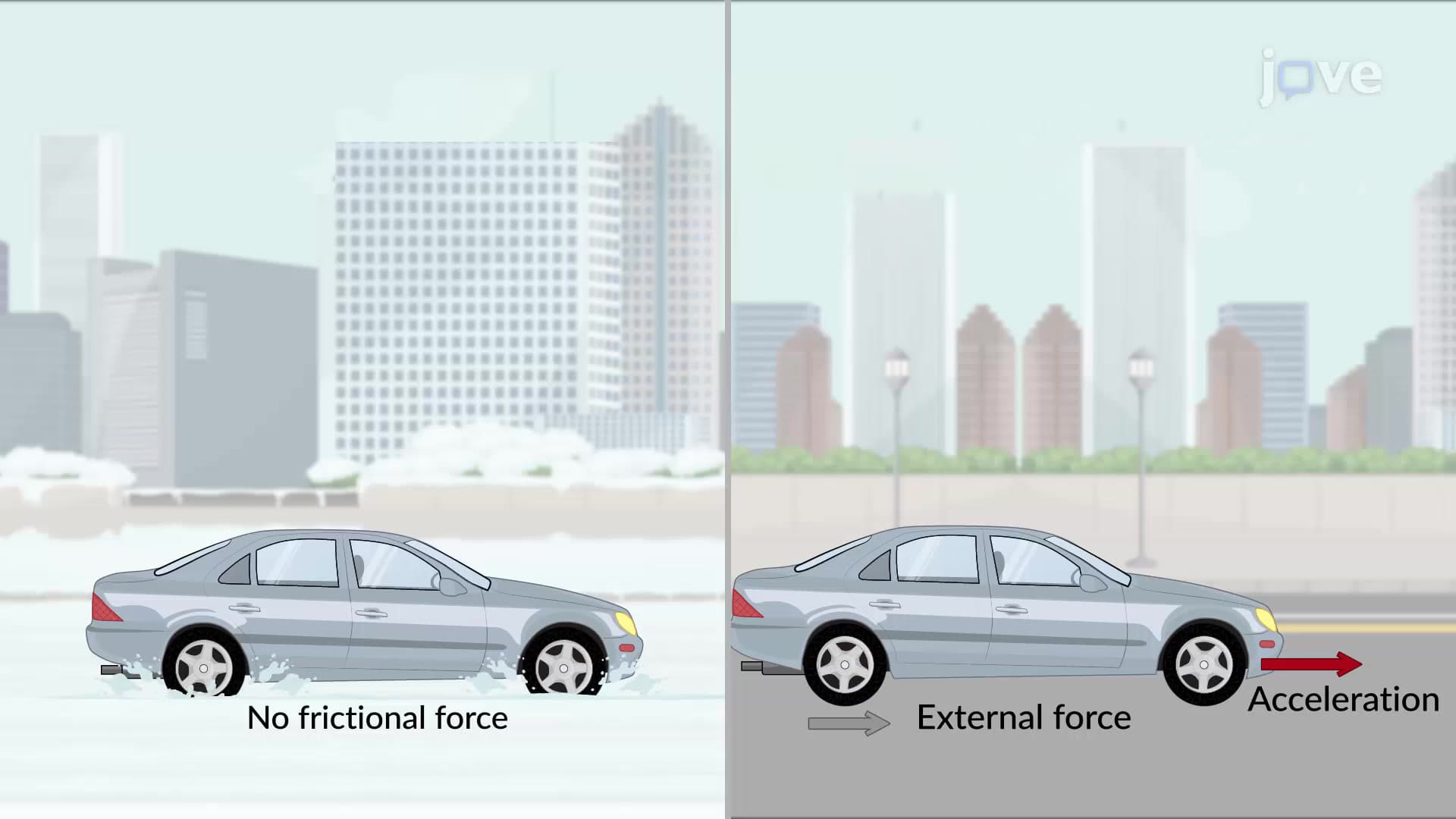
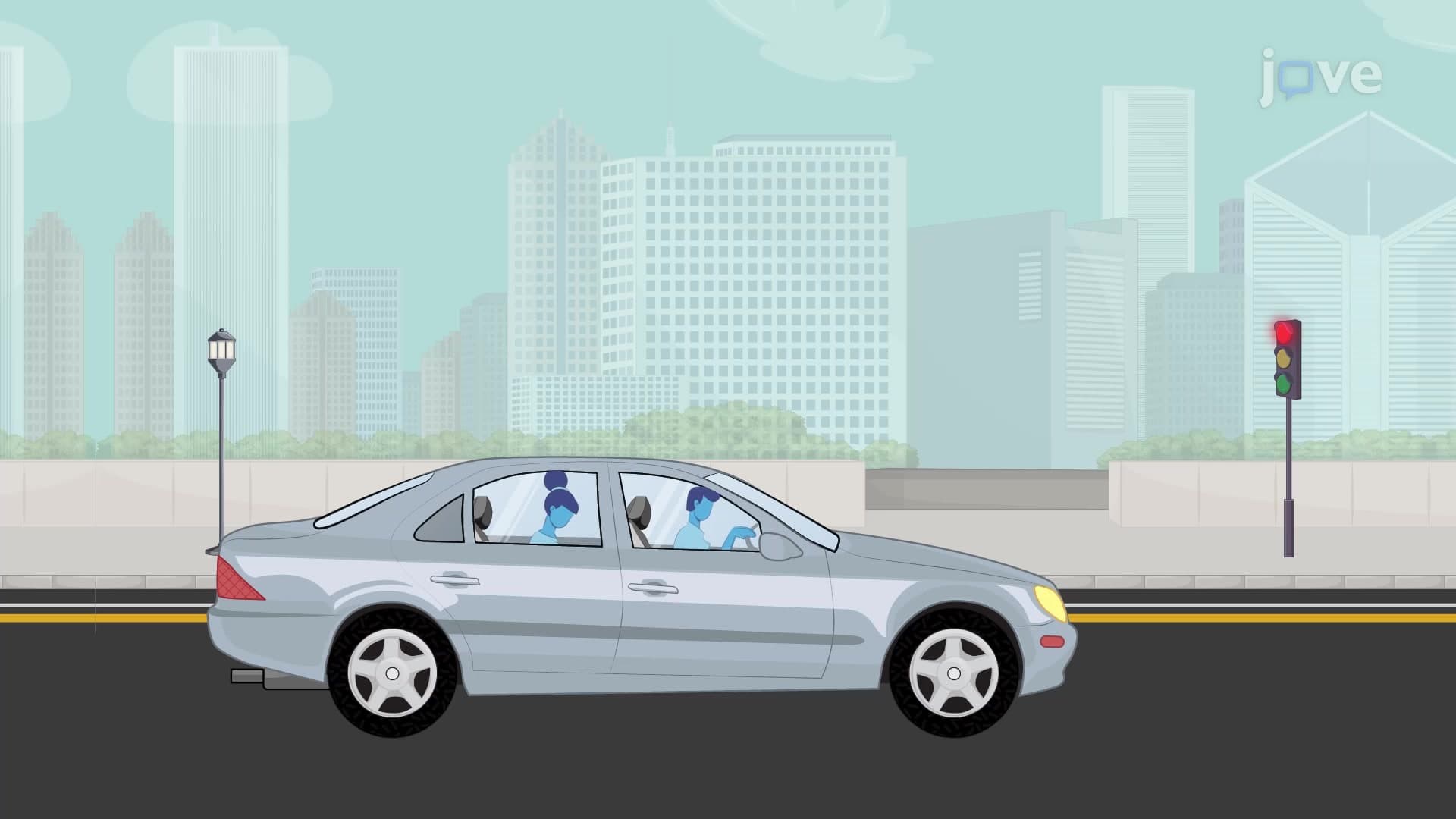
4. External vs. Internal Forces: Only external forces originating outside a system can change an object's motion state, like road friction propelling cars forward when wheels push against pavement. Internal forces exchange between system parts without causing overall acceleration, such as engine forces transferred through drive shafts and axles. Understanding this distinction explains why cars stuck on ice spin wheels without moving forward when external friction disappears.
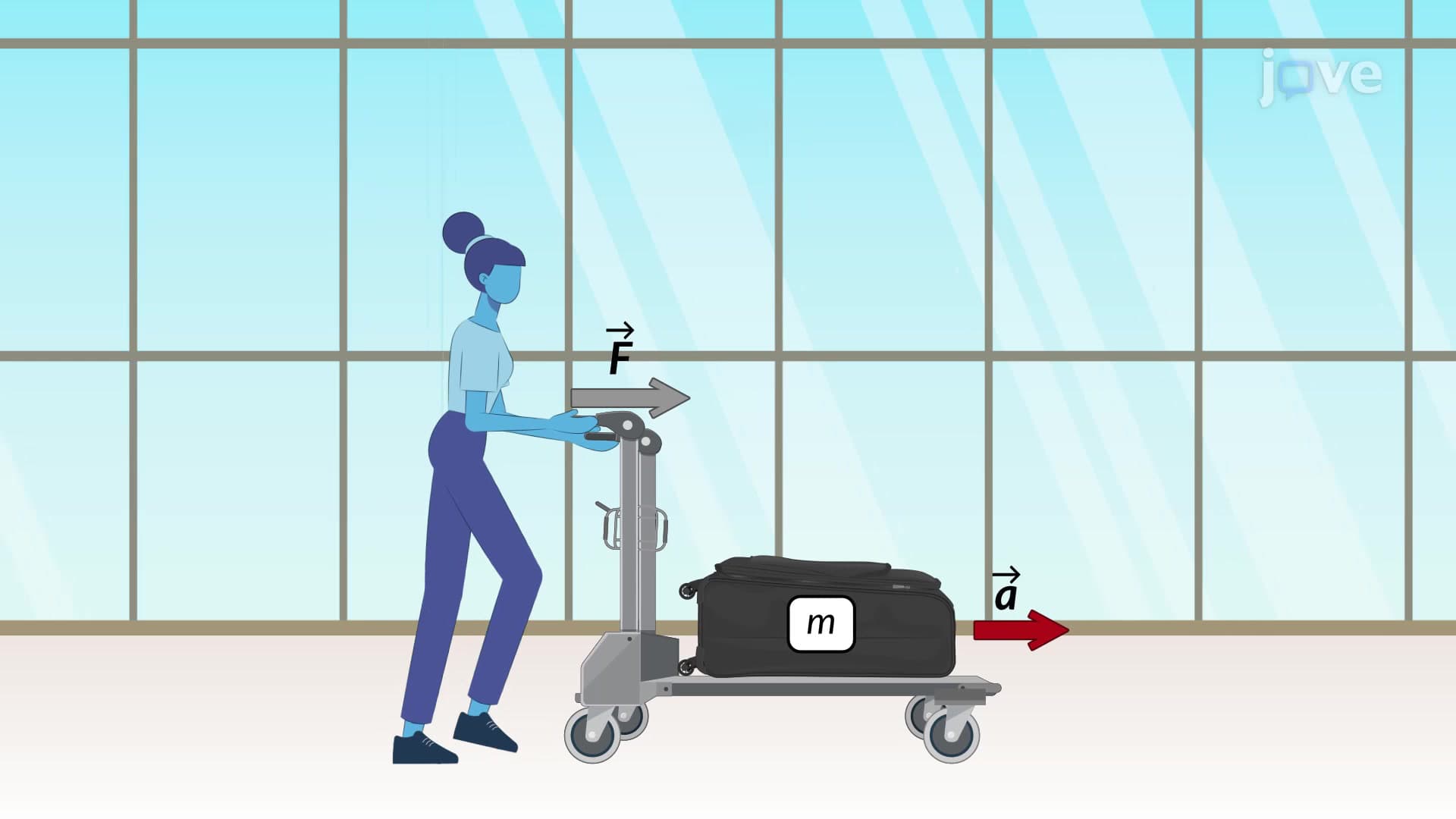
5. Newton's Second Law Applications: Net external force equals mass times acceleration (F = ma), establishing the quantitative relationship between force, mass, and acceleration. Pushing luggage carts demonstrates how greater forces produce faster acceleration, heavier loads require more force for the same acceleration, and stopping requires forces opposite to motion direction. This fundamental equation applies to all accelerating objects from falling apples to launching rockets.
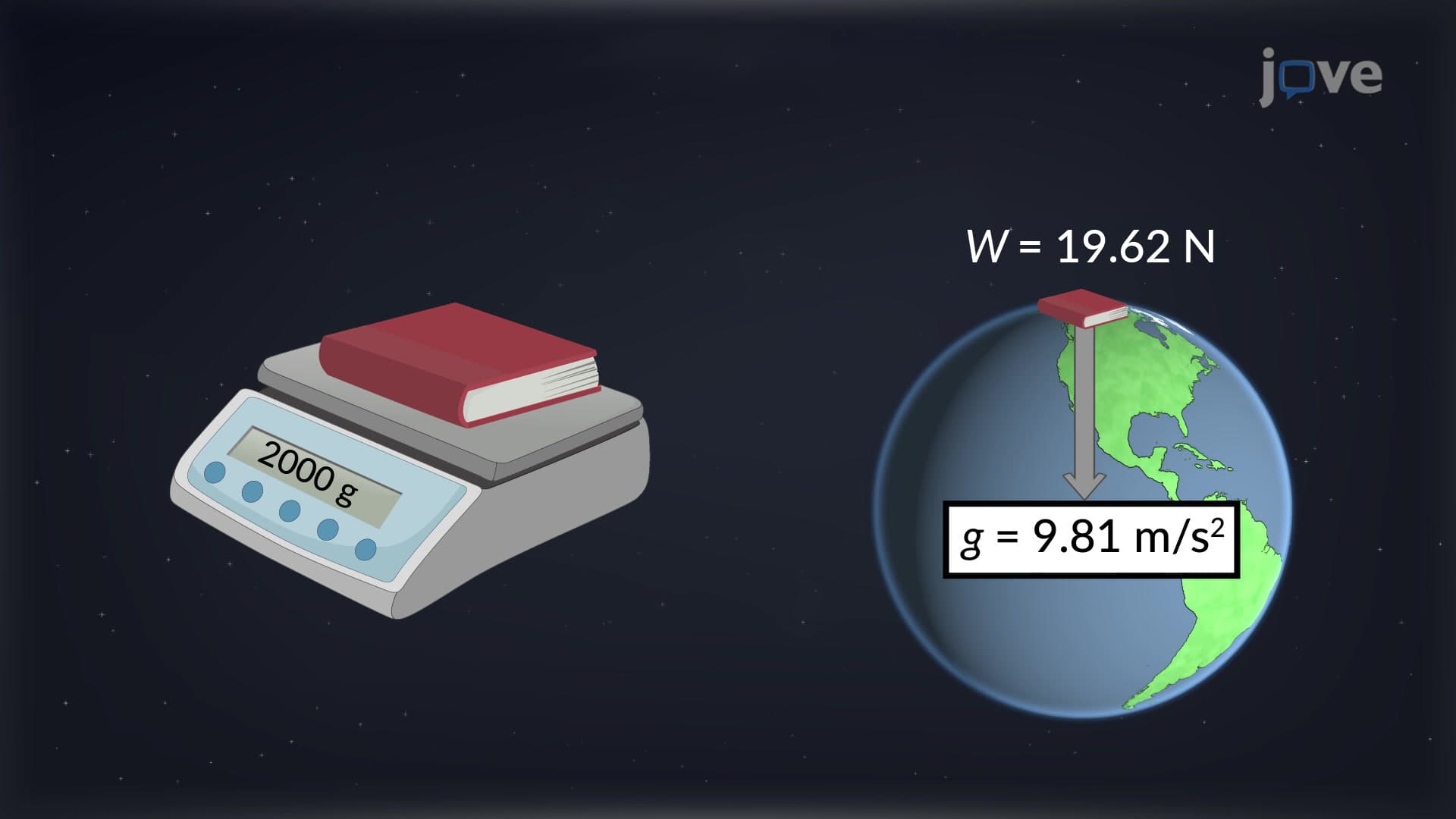
6. Mass vs. Weight Distinction: Mass measures the amount of matter in objects and remains constant regardless of location, while weight represents gravitational force varying with location strength. An astronaut's mass stays identical on Earth, Moon, or Mars, but their weight changes due to different gravitational accelerations. Weight equals mass times gravitational acceleration (W = mg), becoming zero only when gravitational forces are absent.
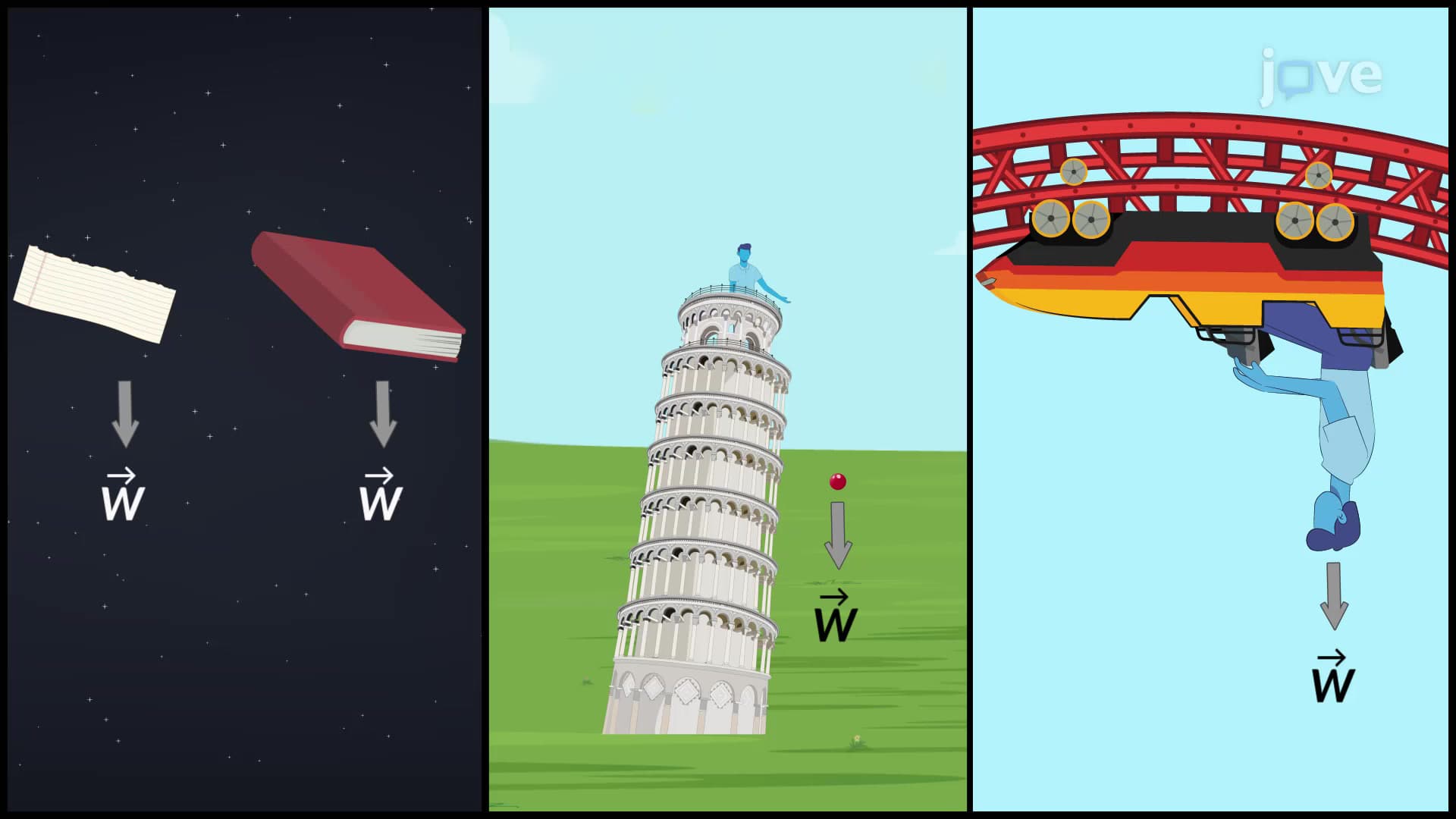
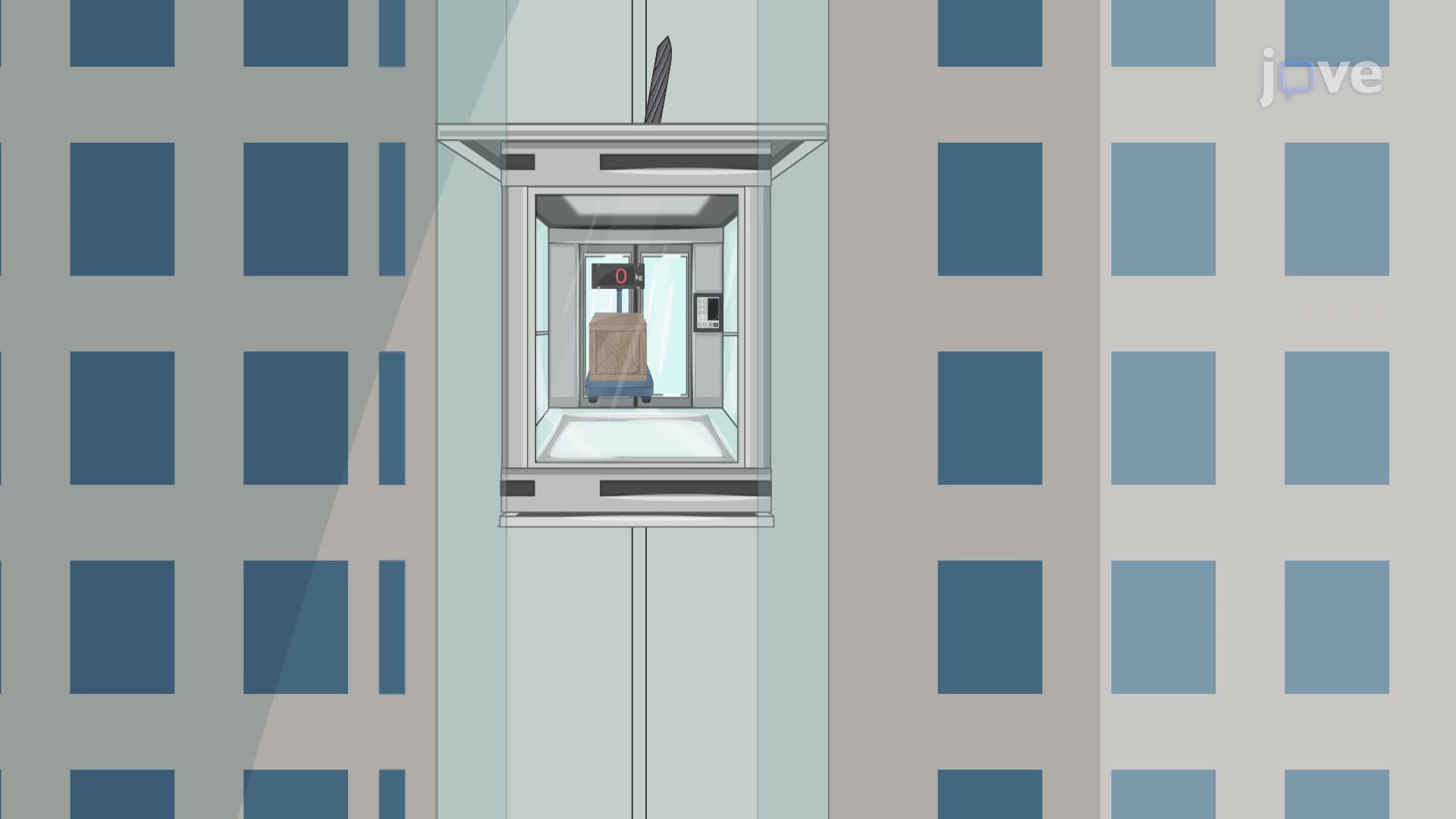
7. Weightlessness and Apparent Weight: True weightlessness occurs when only gravitational forces act on freely falling objects, like astronauts in orbit or roller coaster riders at loop peaks. Apparent weight changes occur in accelerating elevators, reading higher when accelerating upward and lower when accelerating downward. When elevator cables break, occupants experience apparent weightlessness as both person and scale fall together under gravity's influence.
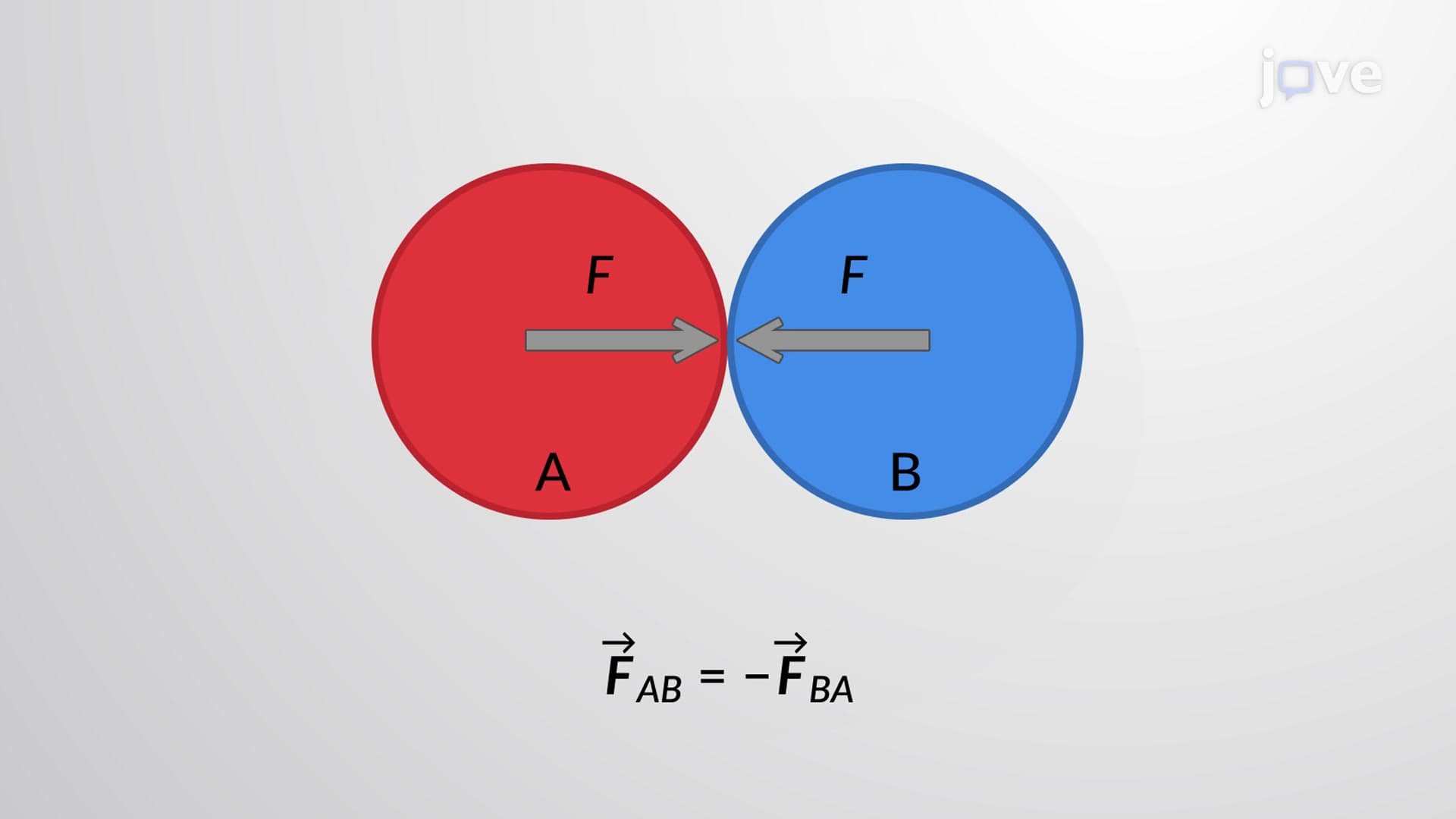
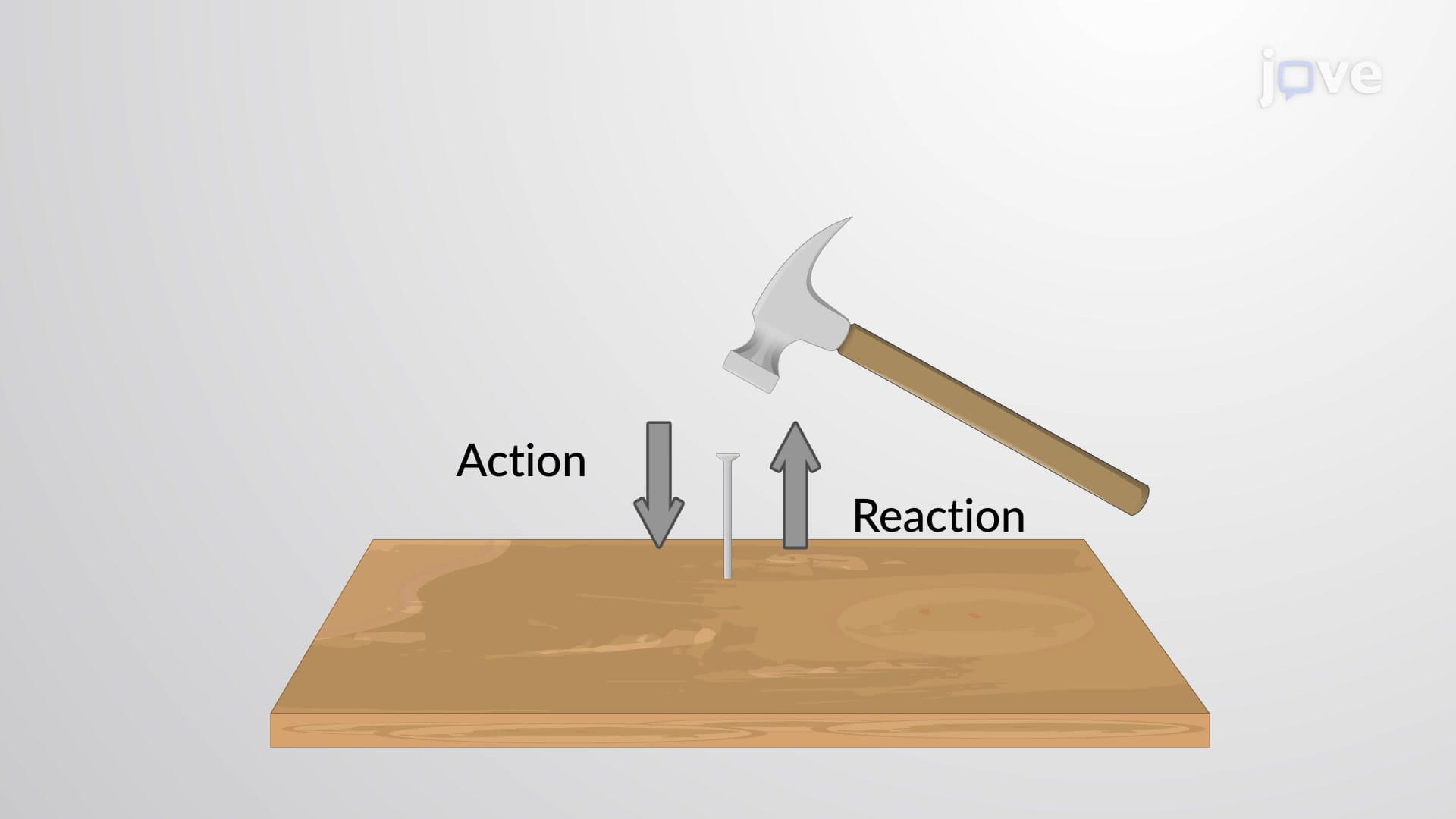
8. Newton's Third Law and Action-Reaction Pairs: Every action force produces an equal and opposite reaction force, but these paired forces always act on different objects simultaneously. Hammering nails demonstrates action forces driving nails deeper while reaction forces push hammers backward. Walking forward occurs because feet push backward against ground, generating forward reaction forces. These force pairs explain everything from rocket propulsion to why guns recoil when firing bullets.
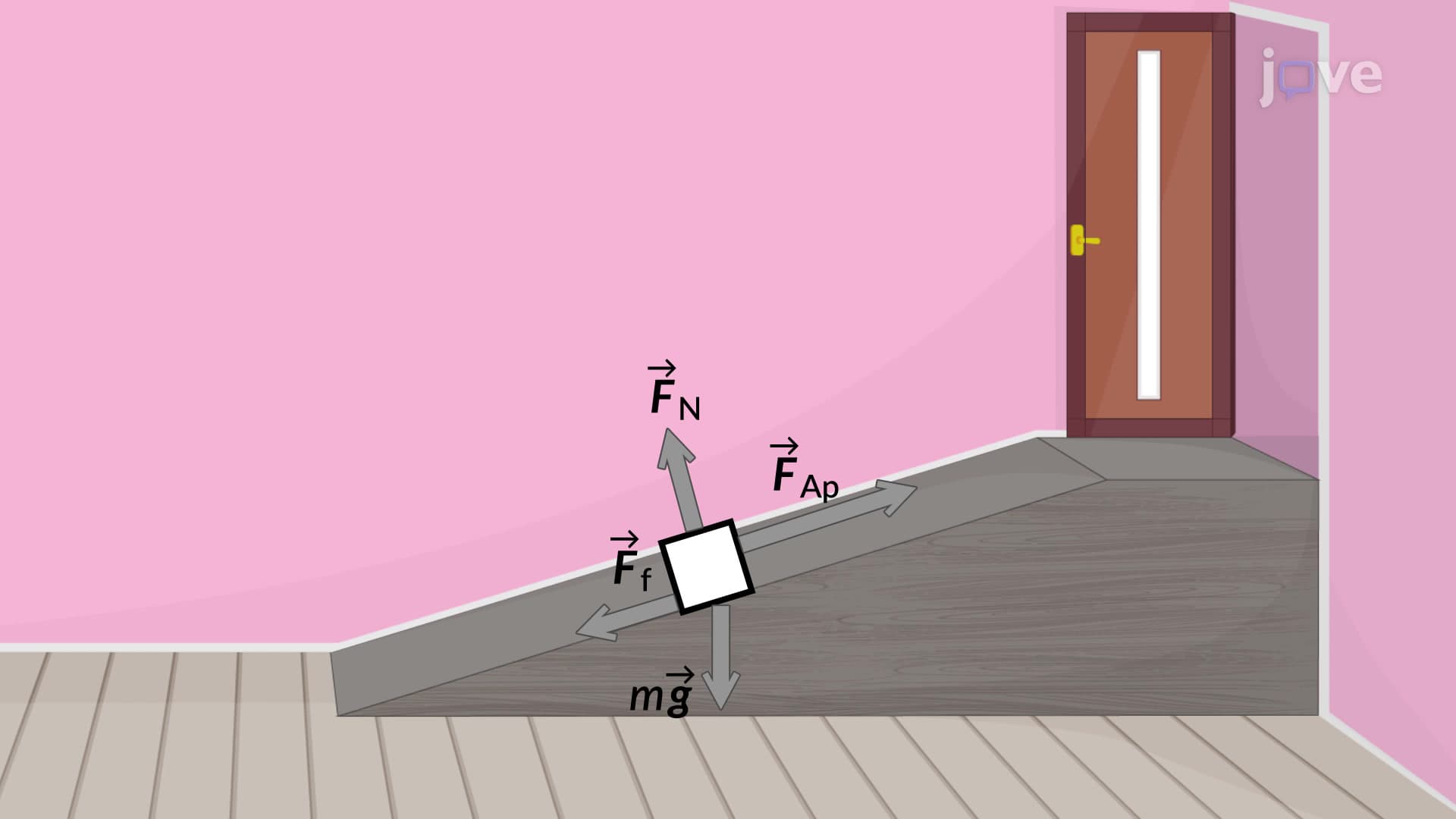
9. Free-Body Diagram Construction: These graphical representations visualize all forces acting on isolated objects, replacing complex shapes with simple squares, circles, or points. Arrow directions indicate force directions while arrow lengths represent force magnitudes. Only forces acting ON the system appear in diagrams, not forces exerted BY the system. Proper free-body diagrams for objects on inclined planes include gravitational, normal, friction, and applied forces.
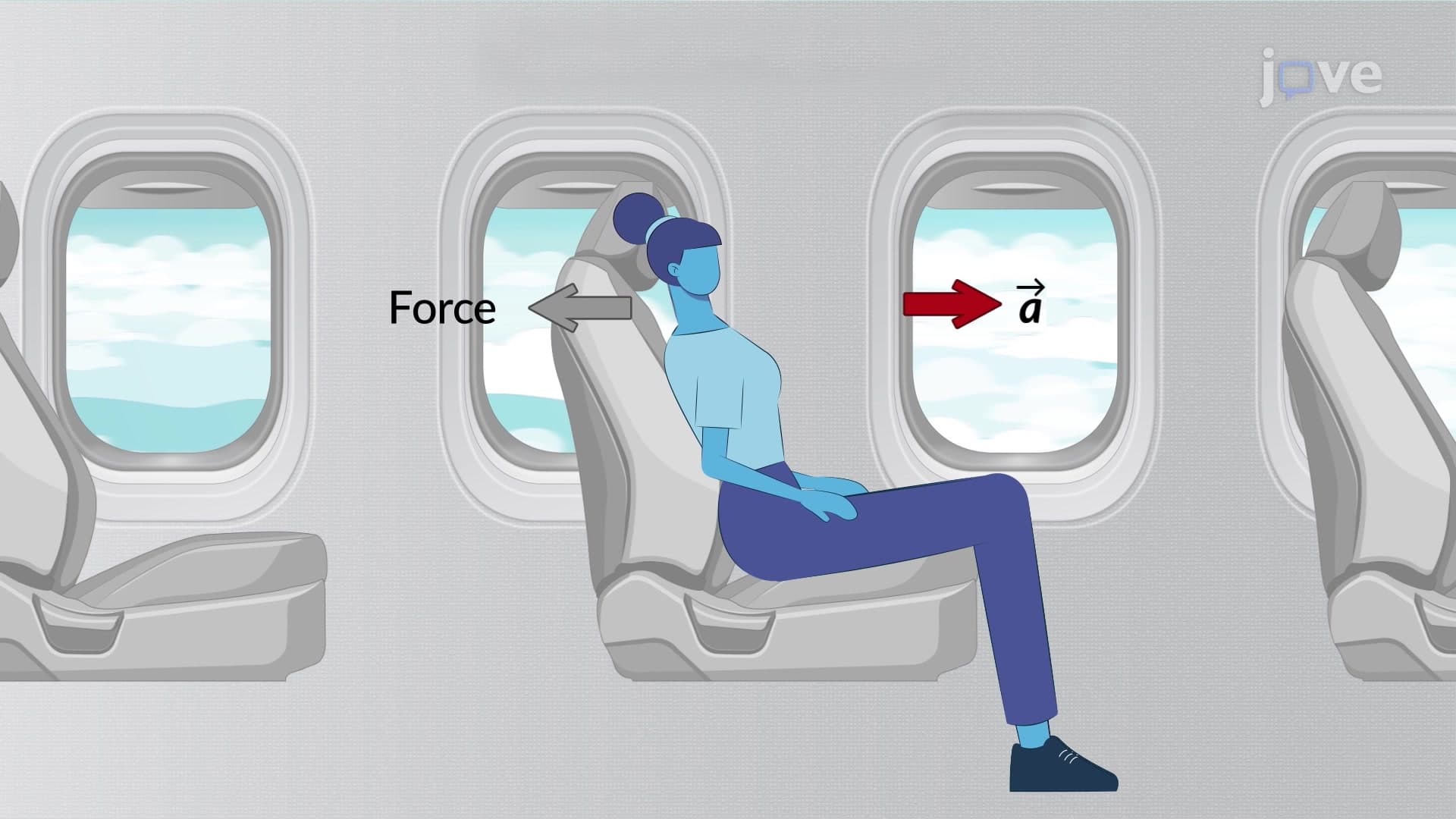
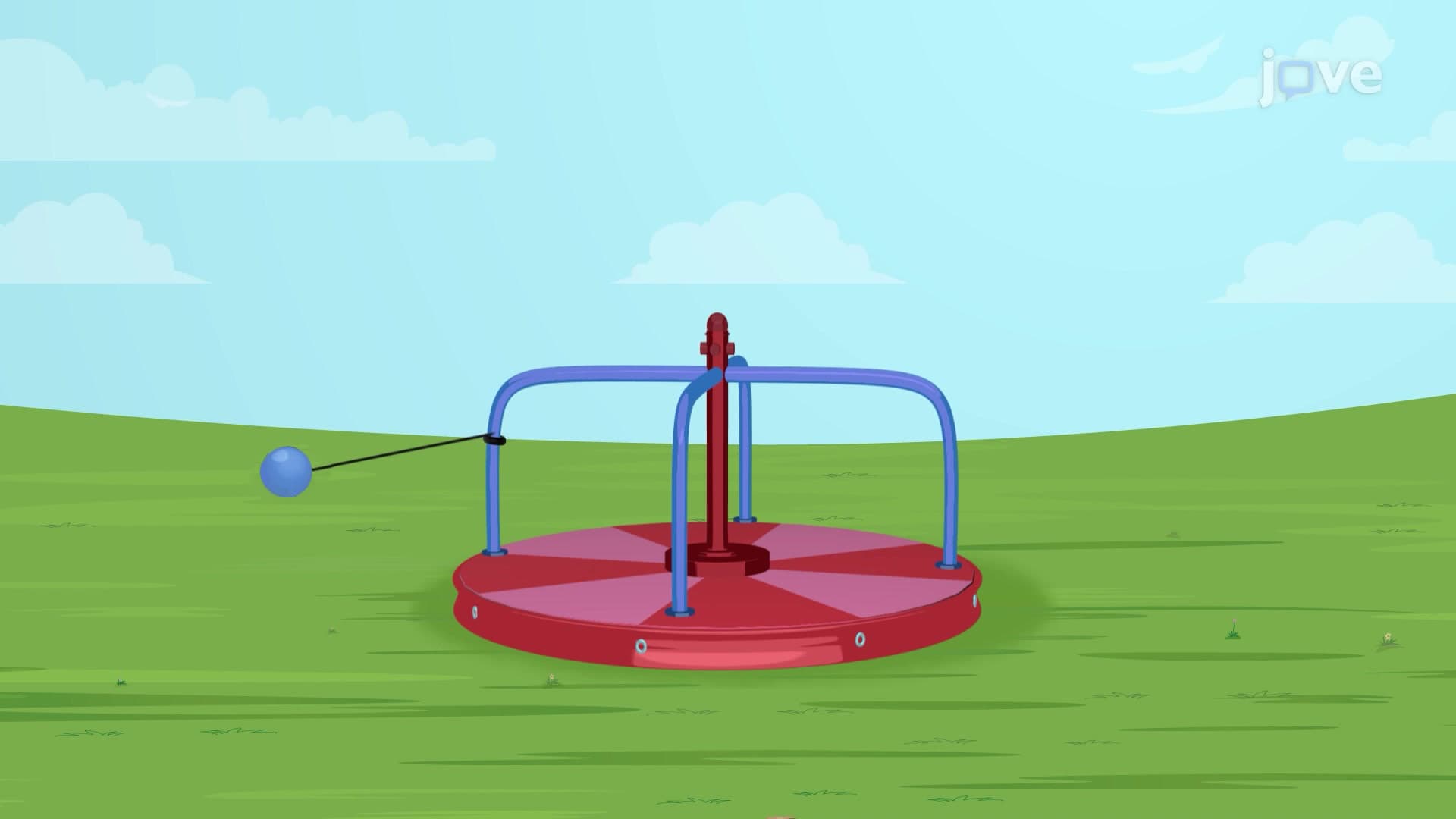
10. Reference Frames and Fictitious Forces: Inertial reference frames allow Newton's laws to hold true, like Earth's surface for most everyday motions despite slight rotation effects. Non-inertial frames accelerate relative to inertial frames, requiring fictitious forces to explain observed motion. Airplane passengers feel backward forces during takeoff due to their non-inertial reference frame, while centrifugal forces push objects outward in rotating systems like merry-go-rounds when viewed from rotating reference frames.