Loading video…


 16 Concepts
 274.8K views

Video Summary: Newtons First Law Application Explained
Ever wonder why a hockey puck glides across ice for so long after being hit? Newton's first law application explains this fascinating phenomenon through the principle of inertia. When a NASA spacecraft travels through the vacuum of space, it continues moving at constant velocity without fuel, demonstrating how objects resist changes to their motion. Newton's First Law Application Explained reveals why balanced forces keep objects at rest while unbalanced forces create motion. Watch the full video on JoVE Coach to master this concept with expert-led visuals and step-by-step explanations.
Newton's first law, also called the law of inertia, fundamentally describes how objects behave when forces act upon them. This principle states that an object at rest stays at rest, and an object in motion continues moving at constant velocity, unless acted upon by an unbalanced external force. The newton's first law application tutorial demonstrates this through careful analysis of force interactions and their effects on motion.
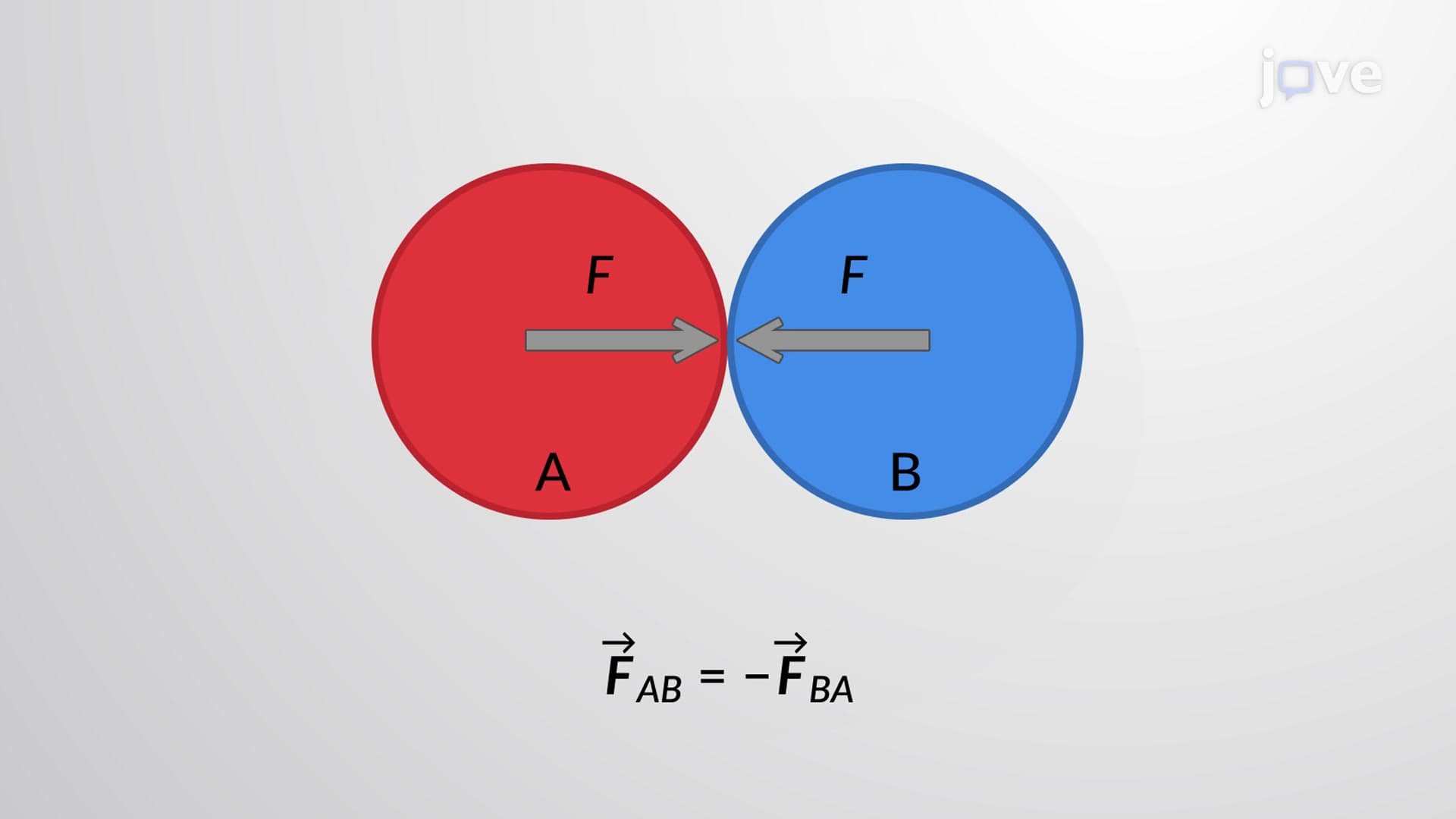
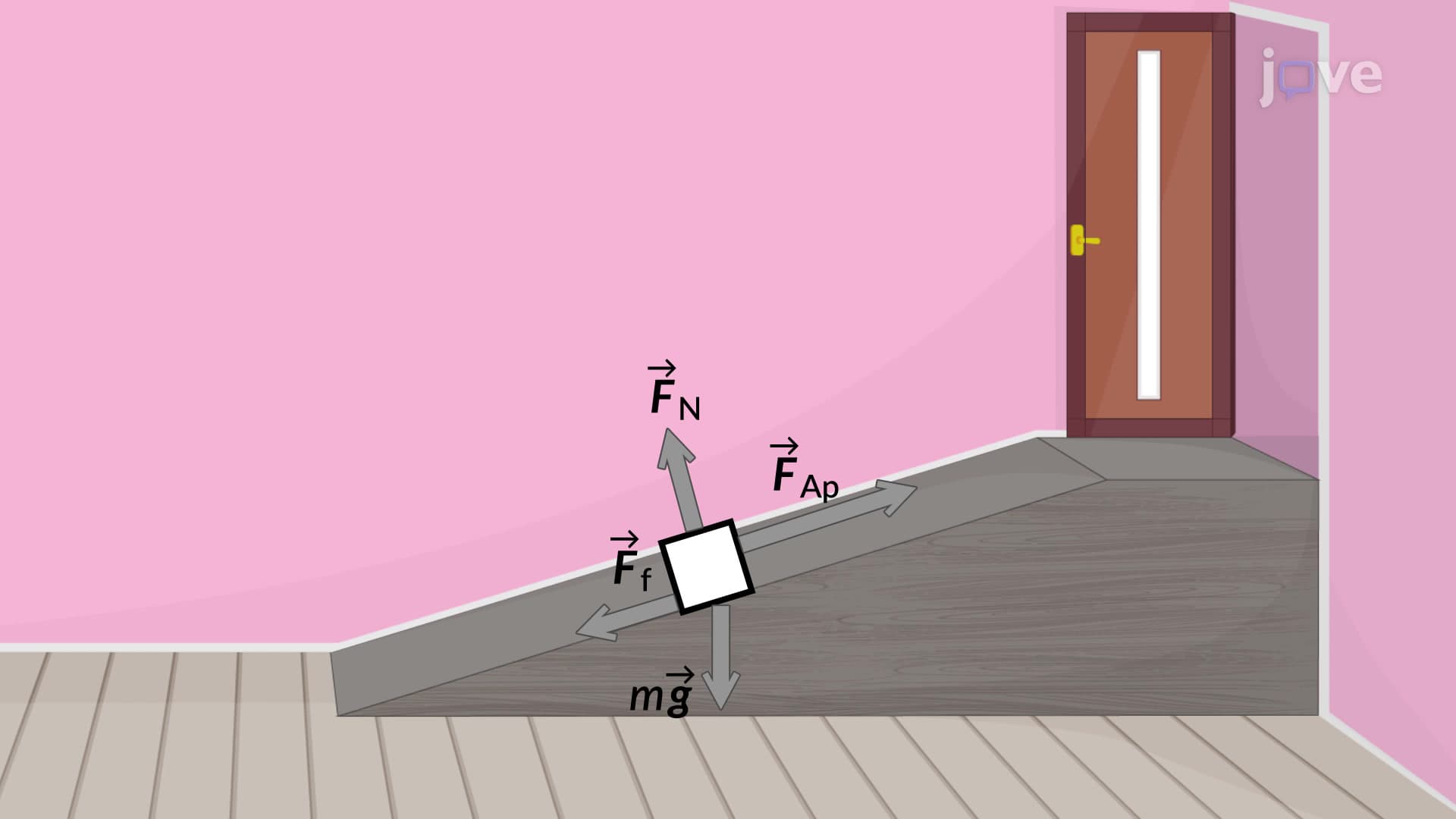
The concept of balanced forces is crucial for understanding newton's first law basics. When multiple forces act on an object simultaneously, their vector sum determines the object's motion. Consider a textbook resting on a desk: gravity pulls it downward with force mg, while the desk exerts an equal and opposite normal force upward. These balanced forces result in zero net force, maintaining the book's state of rest.
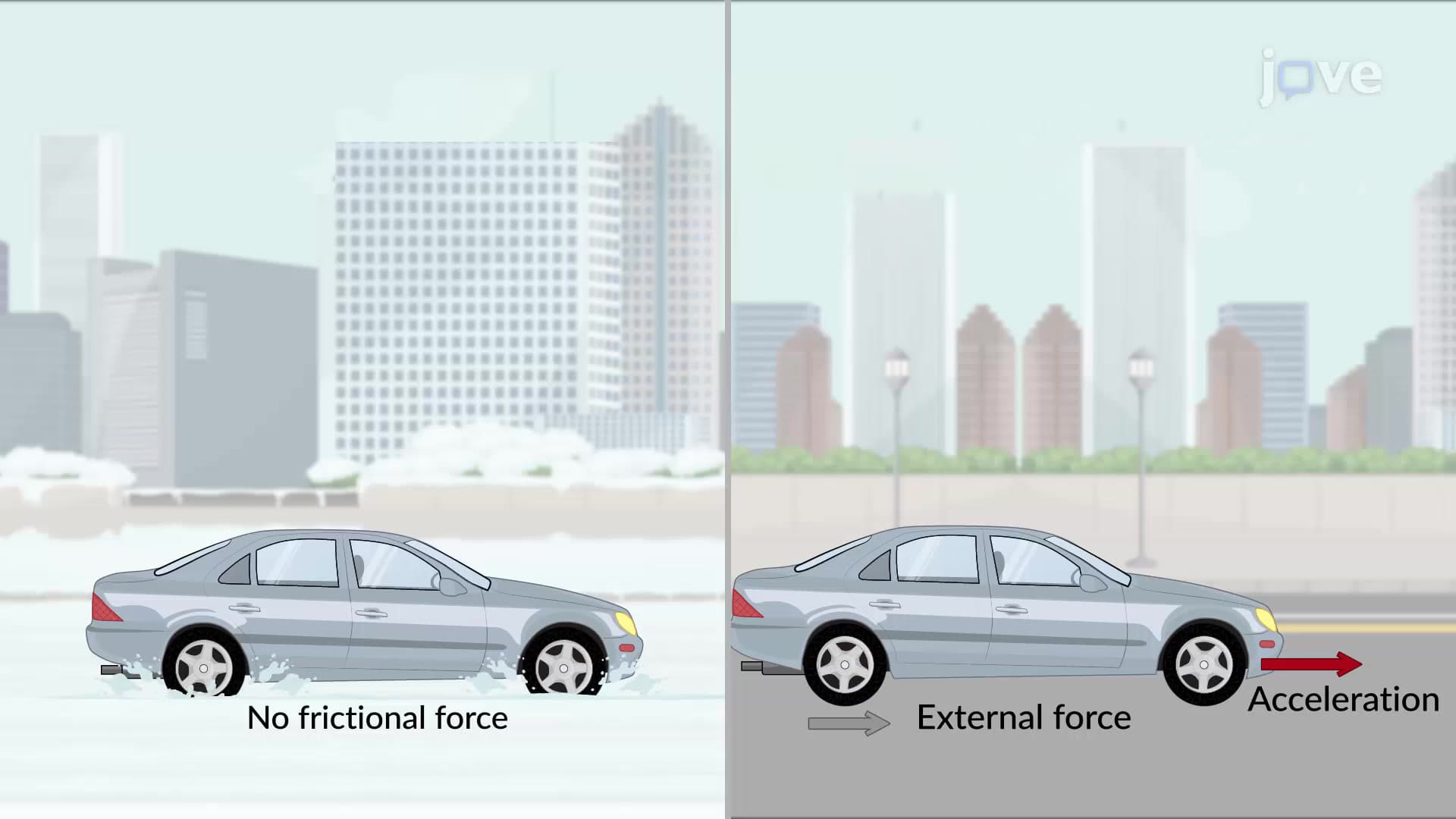
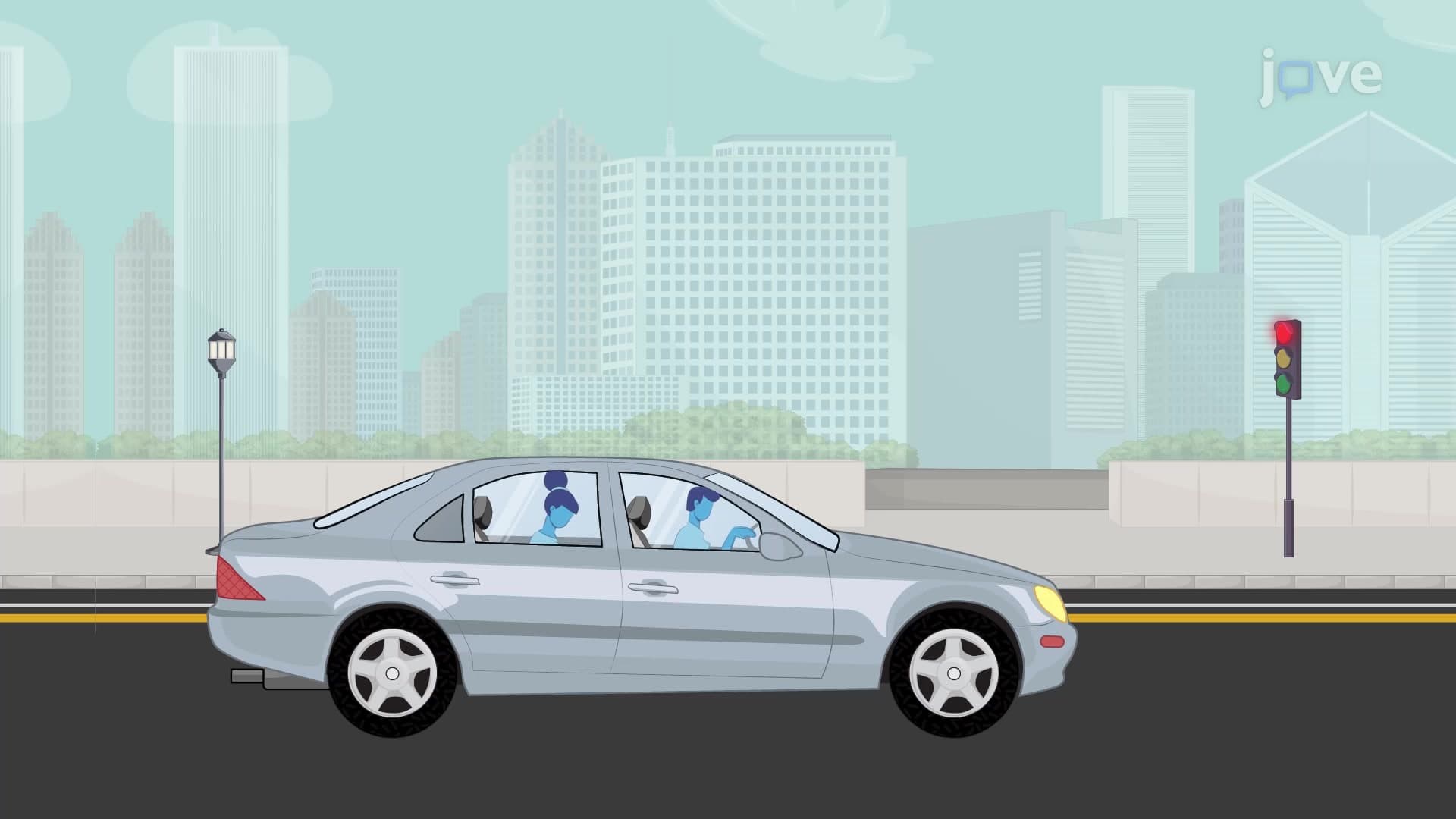
This equilibrium extends beyond stationary objects. A car traveling at constant 65 mph on a straight highway experiences balanced forces-the engine's forward thrust equals the combined backward forces of air resistance and rolling friction. Understanding how newton's first law application works requires recognizing that constant velocity motion also represents equilibrium.
Inertia quantifies an object's resistance to changes in motion, directly proportional to its mass. A bowling ball demonstrates greater inertia than a tennis ball-it requires more force to start rolling and more force to stop. This newton's first law application concept appears frequently on AP Physics exams, where students must calculate the forces needed to accelerate objects of different masses.
American football provides excellent real-world examples. A 300-pound linebacker has significantly more inertia than a 180-pound quarterback, making the linebacker harder to tackle but also harder to accelerate quickly. College physics courses often use sports analogies to help students grasp these relationships intuitively.
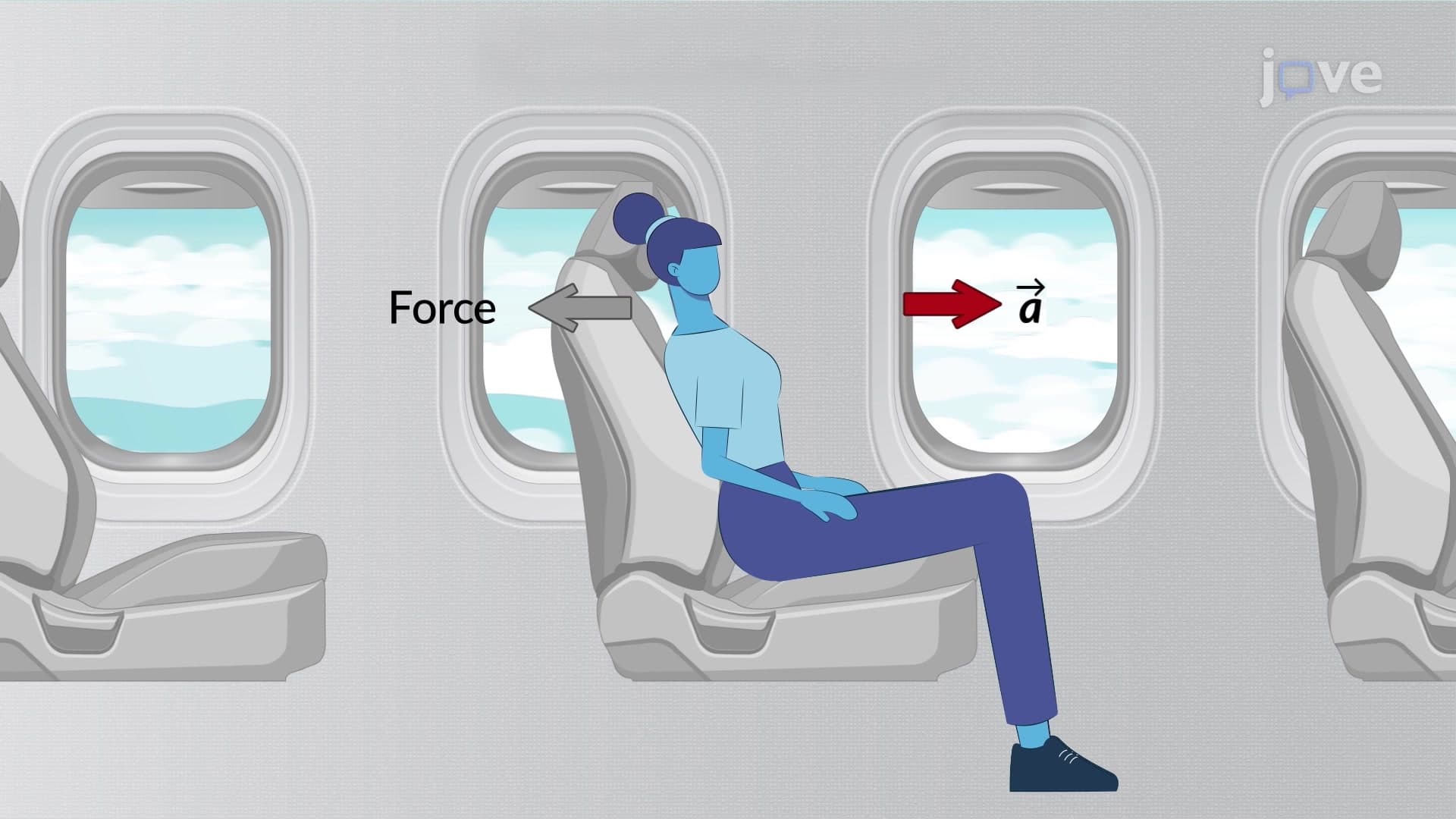
The newton's first law application study guide reveals numerous technological applications. Automotive safety systems rely heavily on inertia principles-seatbelts and airbags protect passengers whose bodies continue moving forward when vehicles suddenly decelerate. Modern cars include crumple zones designed to gradually reduce collision forces, extending the time over which momentum changes occur.
Space exploration showcases Newton's first law most dramatically. The Voyager spacecraft, launched in 1977, continue traveling through interstellar space without propulsion, demonstrating how objects maintain constant velocity in the absence of external forces. Understanding newton's first law application helps explain why spacecraft need minimal fuel for interplanetary travel once they escape Earth's gravitational influence.
Related Micro-courses