Loading video…


 16 Concepts
 274.9K views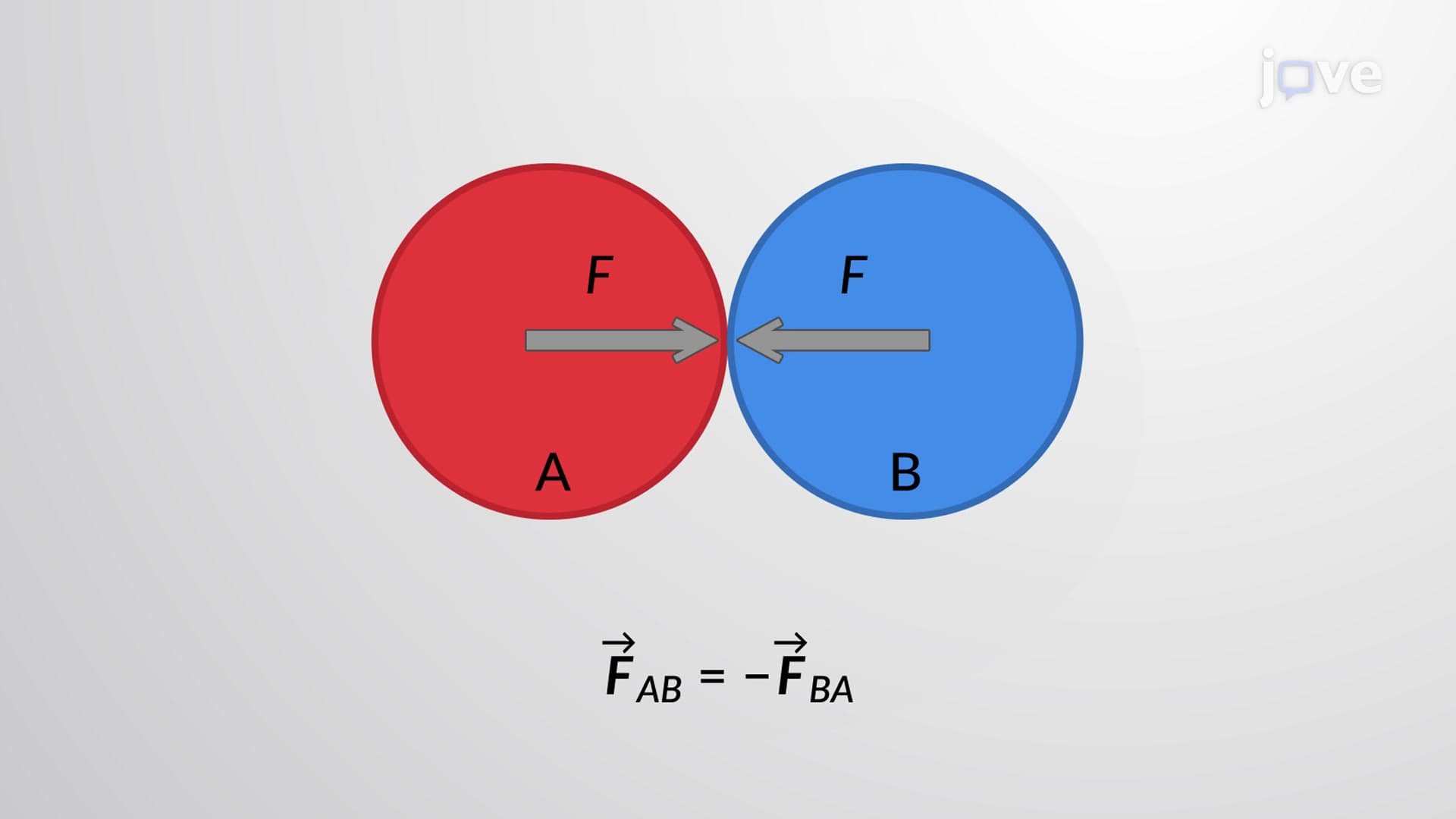

Video Summary: Newtons Third Law Introduction Explained
Ever wonder why a rocket blasts off into space or why you feel a jolt when jumping off a diving board? Newton's third law introduction reveals the fundamental principle behind these everyday phenomena. When NASA launches a Space Shuttle from Kennedy Space Center, the rocket engines push exhaust gases downward with tremendous force, and those gases simultaneously push the shuttle upward with equal force in the opposite direction. This action-reaction relationship governs every interaction in our universe, from walking across a room to collisions between cars. Watch the full video on JoVE Coach to master this concept with expert-led visuals and step-by-step explanations.
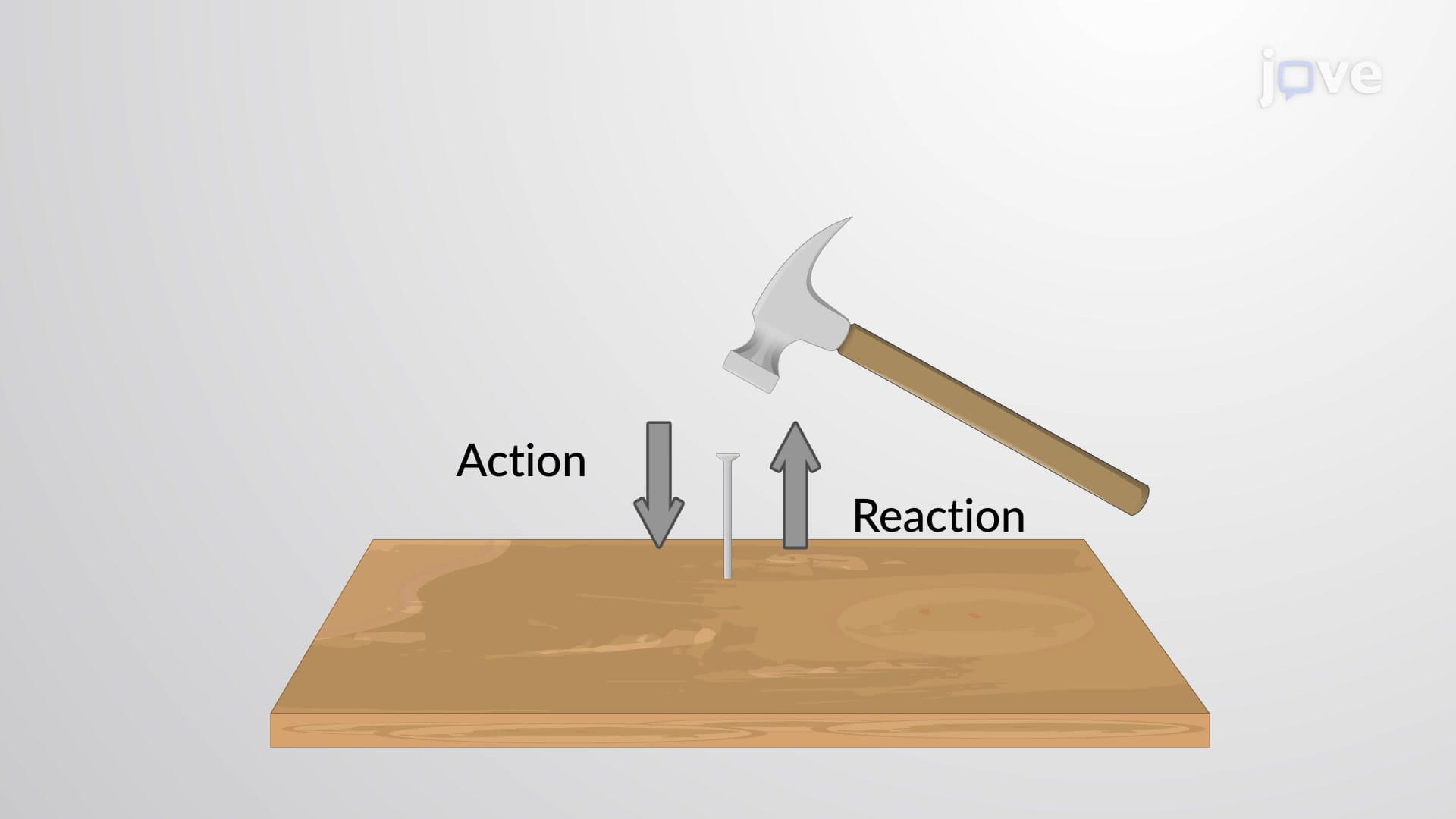
Newton's third law introduction forms the cornerstone of classical mechanics, establishing that forces in nature always occur in pairs. This law states that when object A exerts a force on object B, object B simultaneously exerts an equal magnitude force on object A in the opposite direction. The mathematical representation F(A on B) = -F(B on A) captures this relationship, where the negative sign indicates opposite directions rather than magnitude difference.
This principle differs fundamentally from Newton's first and second laws by focusing on the interaction between two objects rather than analyzing a single object's motion. The law applies universally, governing interactions from subatomic particles to planetary systems, making it essential for students preparing for AP Physics, SAT Subject Tests, and college-level physics courses.
The action-reaction concept manifests constantly in daily experiences. When you walk forward, your foot pushes backward against the ground (action), and the ground pushes your foot forward (reaction) with equal force. This ground reaction enables locomotion-without it, you'd slip as if walking on ice. Similarly, when a swimmer pushes water backward with their hands, the water pushes the swimmer forward with equal force.
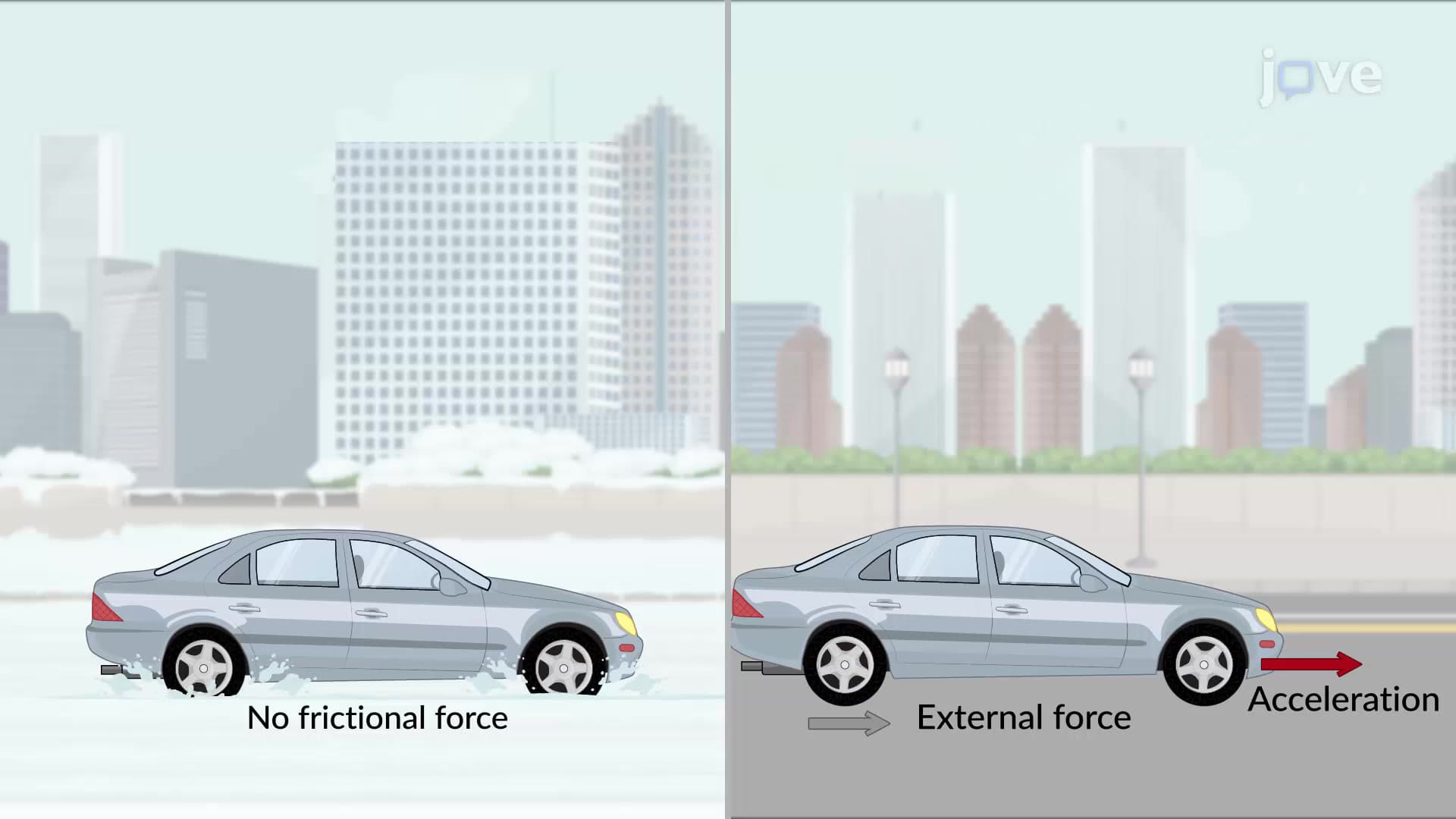
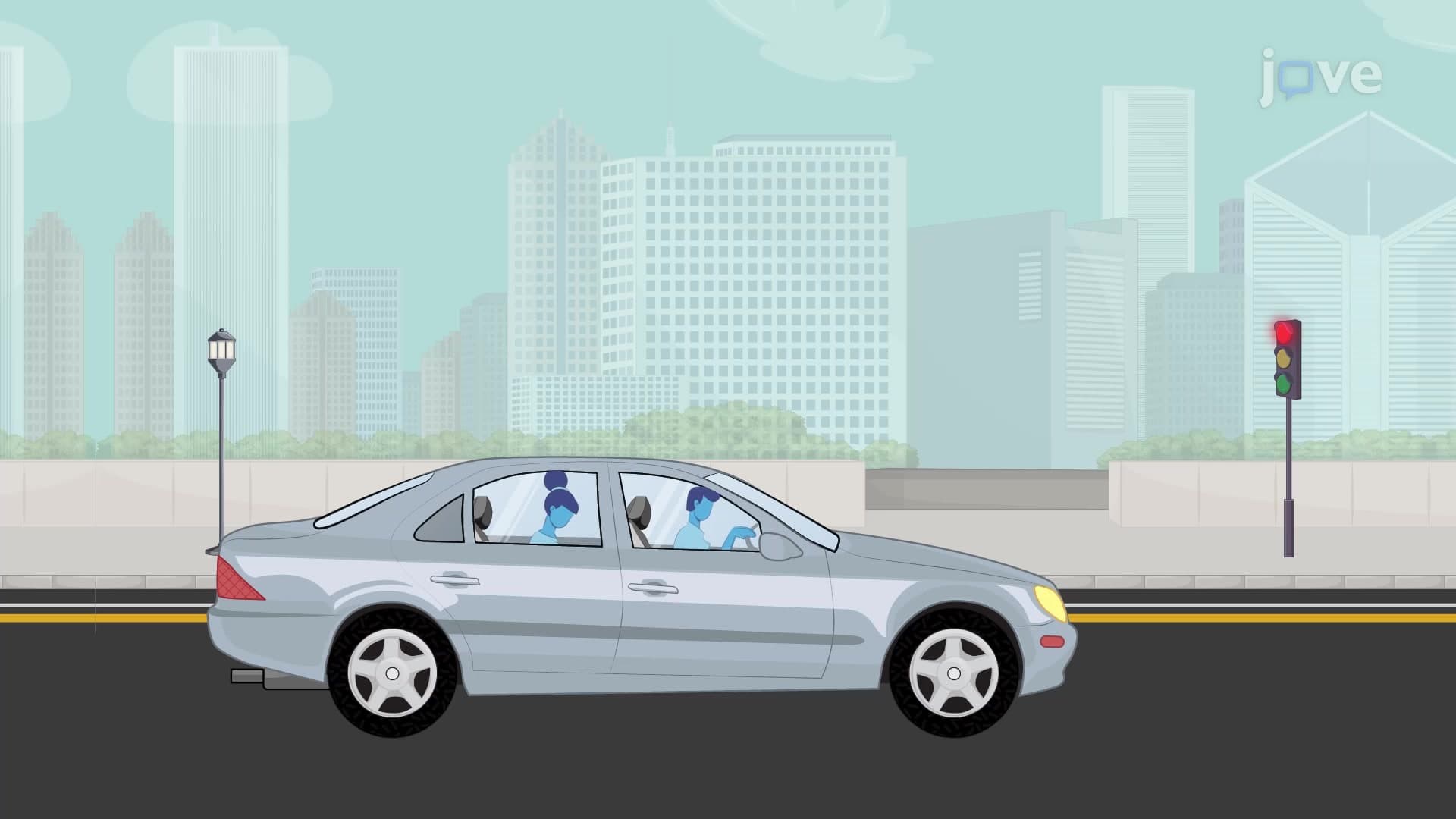
In automotive engineering, understanding these force pairs proves crucial. When a car accelerates, the tires push backward against the road surface, and the road pushes the car forward. The maximum acceleration depends on the friction between tires and pavement-a direct application students encounter in college physics problem sets and MCAT preparation.
Newton's third law governs both stationary and moving objects, making it vital for engineering analysis. In static situations, such as a book resting on a table, the book exerts a downward gravitational force on the table, while the table exerts an equal upward normal force on the book. These forces maintain equilibrium.
For dynamic systems, consider rocket propulsion used by SpaceX at Cape Canaveral. The rocket engine expels exhaust gases at high velocity (action), and the expelled gases push the rocket upward (reaction). This principle enables spacecraft to operate in the vacuum of space, where no external medium exists to "push against."
Students often struggle with identifying which objects experience action and reaction forces. Remember that these forces always act on different objects-never on the same object. When solving physics problems, draw separate force diagrams for each object involved in the interaction.
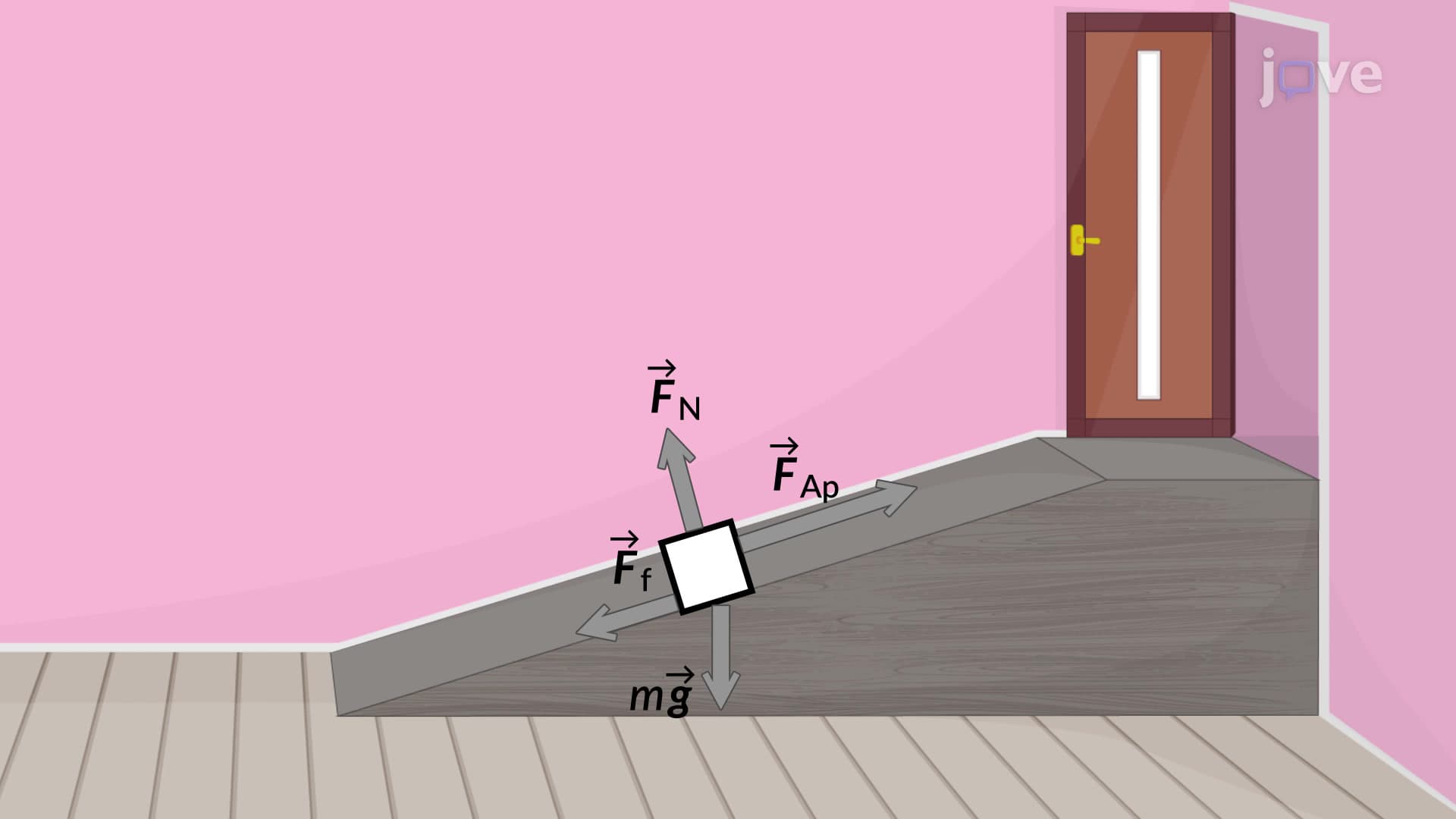
Common exam scenarios include analyzing tension forces in rope systems, collision problems in mechanics, and equilibrium situations in statics. For AP Physics and college midterms, practice identifying force pairs in complex systems involving multiple objects, springs, and inclined planes. This foundational understanding prepares students for advanced topics in engineering mechanics and helps build problem-solving confidence for standardized tests.
Related Micro-courses