Loading video…

 16 Concepts
 274.8K views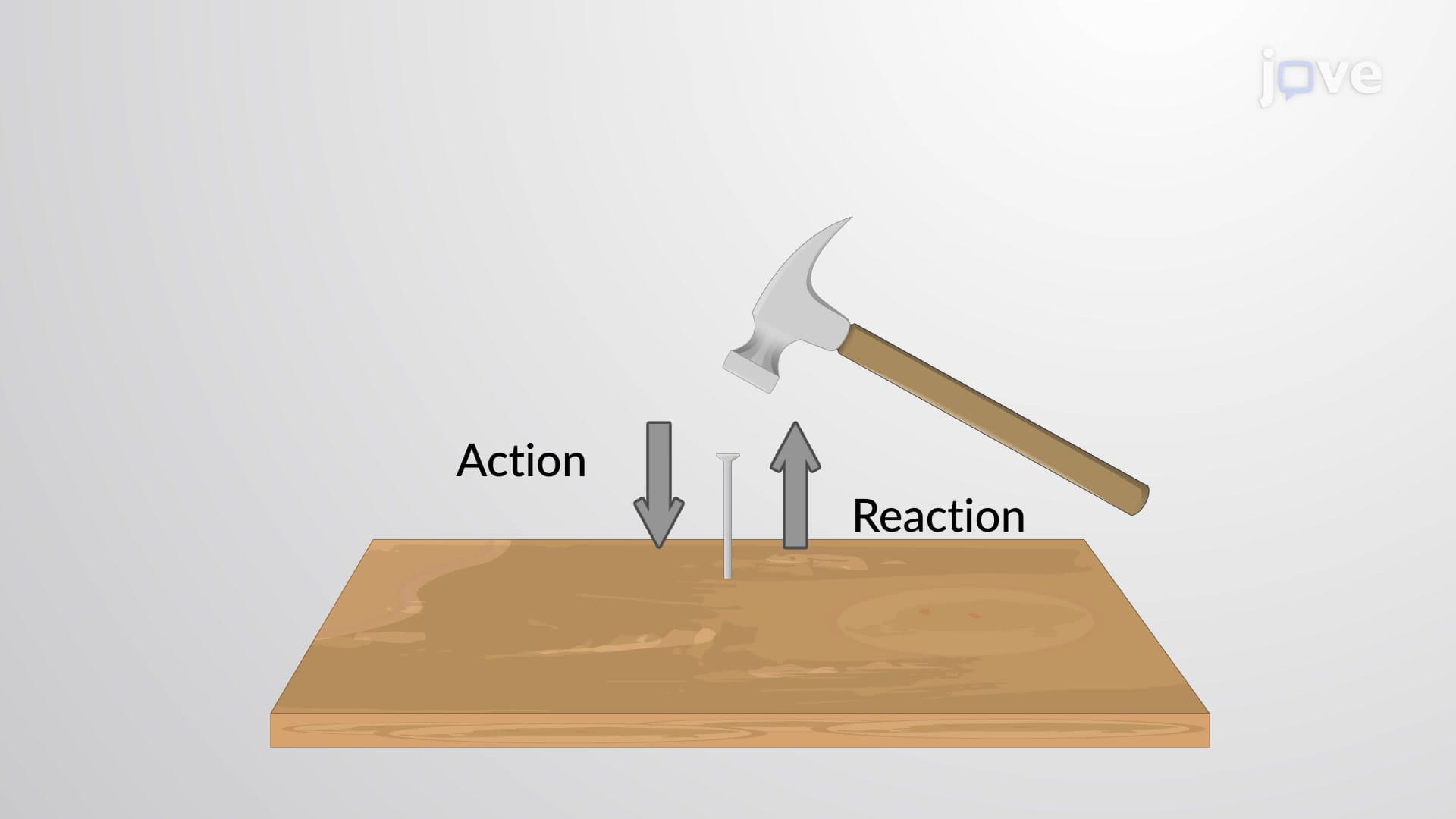

Video Summary: Newtons Third Law Examples Explained
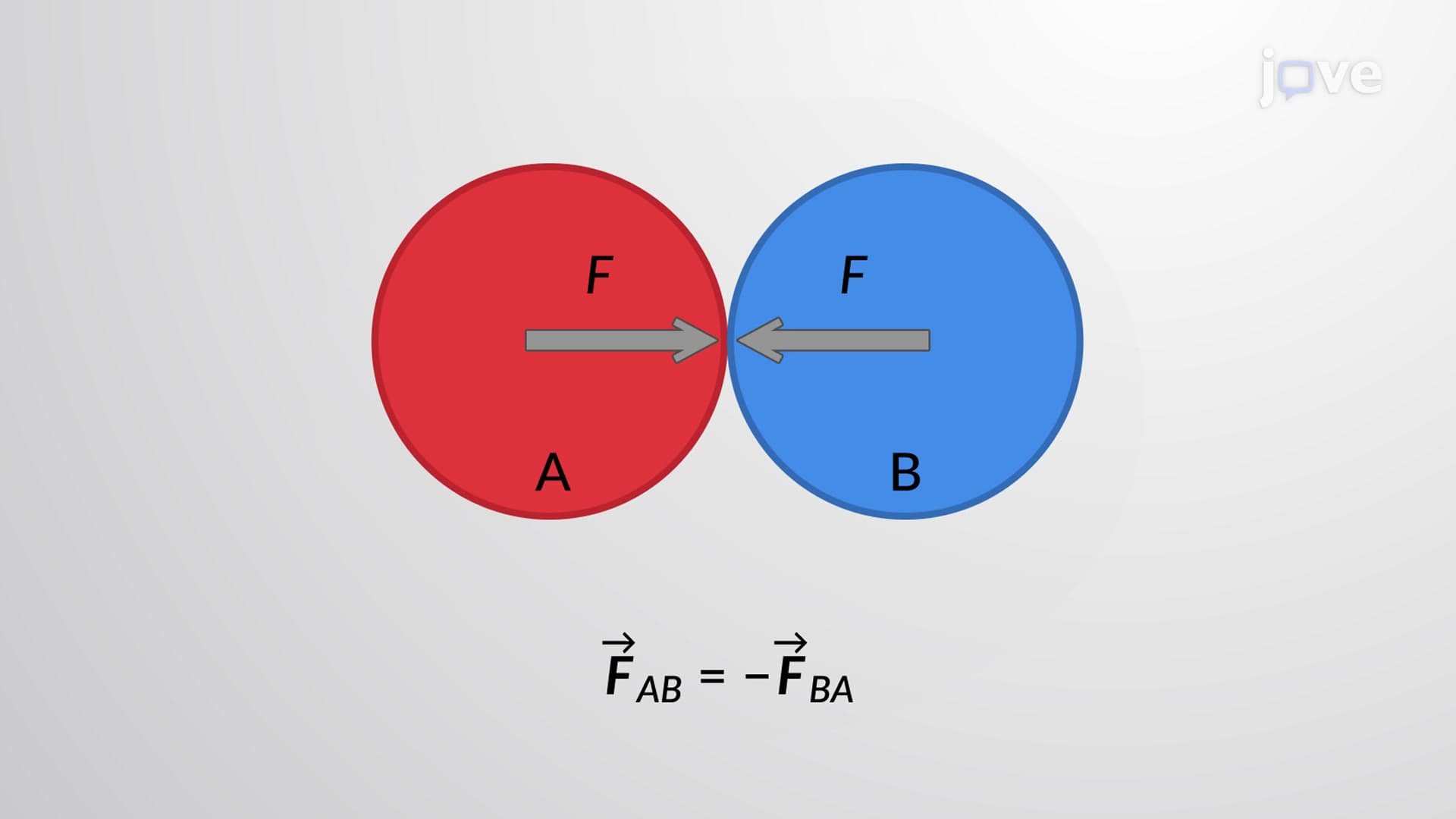
Ever wonder why your hand stings when you slap a table hard? Newton's third law examples reveal that the table pushes back with equal force! This fundamental physics principle states that every action creates an equal and opposite reaction, from NASA rocket launches propelling astronauts into space to simple everyday interactions. Understanding Newton's Third Law Examples Explained helps students grasp how forces always come in pairs, acting on different objects simultaneously. Watch the full video on JoVE Coach to master this concept with expert-led visuals and step-by-step explanations.
Newton's third law represents one of physics' most intuitive yet frequently misunderstood principles. When you walk across your high school gymnasium floor, your foot pushes backward against the floor with each step. Simultaneously, the floor pushes forward on your foot with identical force magnitude, propelling you forward. This action-reaction pair operates continuously, though we rarely notice the floor's "response" to our movement.
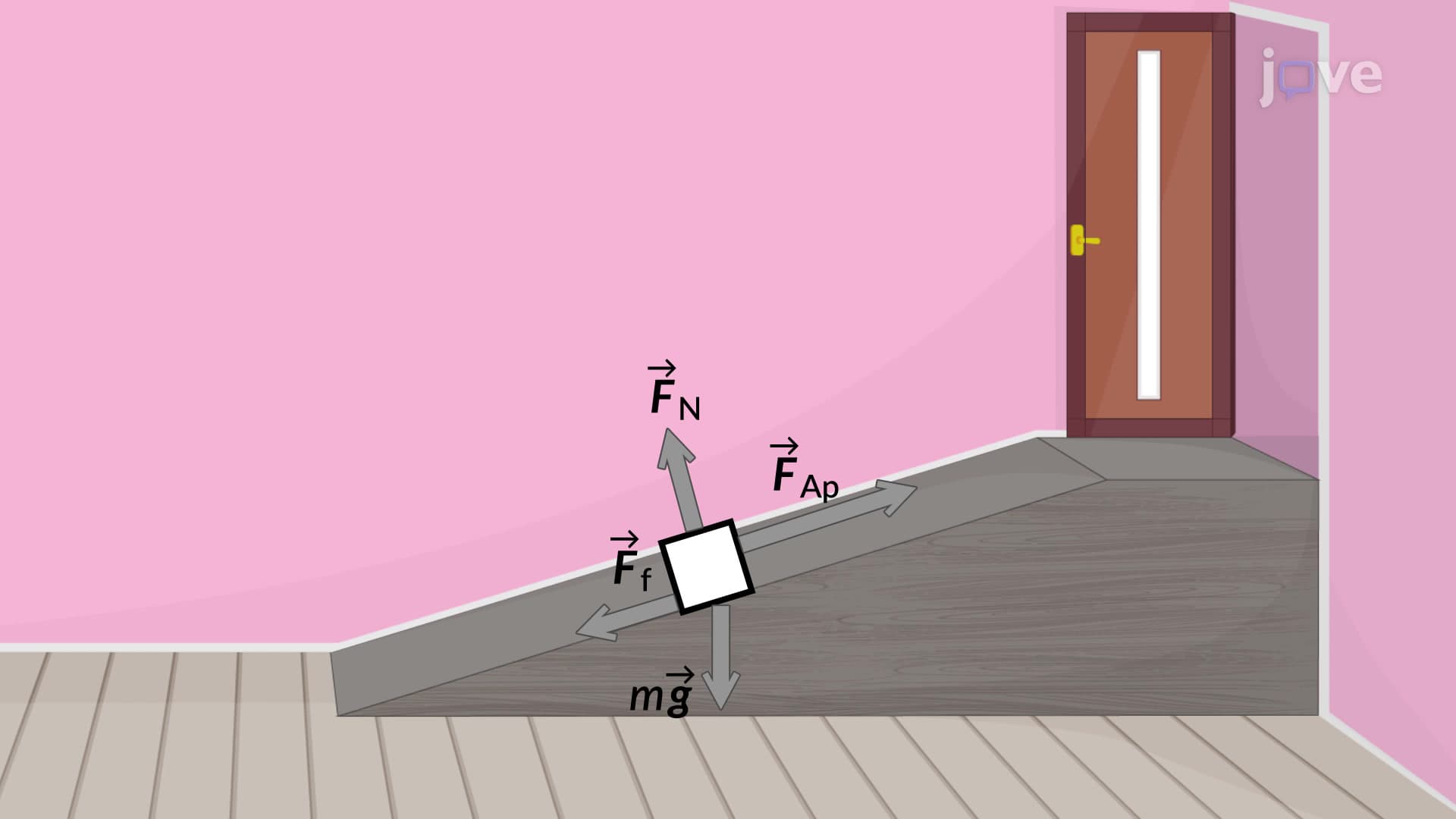
A critical misconception involves confusing balanced forces with action-reaction pairs. Consider a student sitting motionless in a classroom chair during an AP Physics exam. Gravity pulls the student downward with force mg, while the chair exerts an upward normal force of equal magnitude. These forces balance, maintaining equilibrium, but they're NOT an action-reaction pair because both forces act on the same person.
The true action-reaction pairs include: the gravitational force Earth exerts on the student paired with the gravitational force the student exerts on Earth, and the normal force from the chair on the student paired with the force the student exerts downward on the chair. Each pair involves forces acting on different objects.
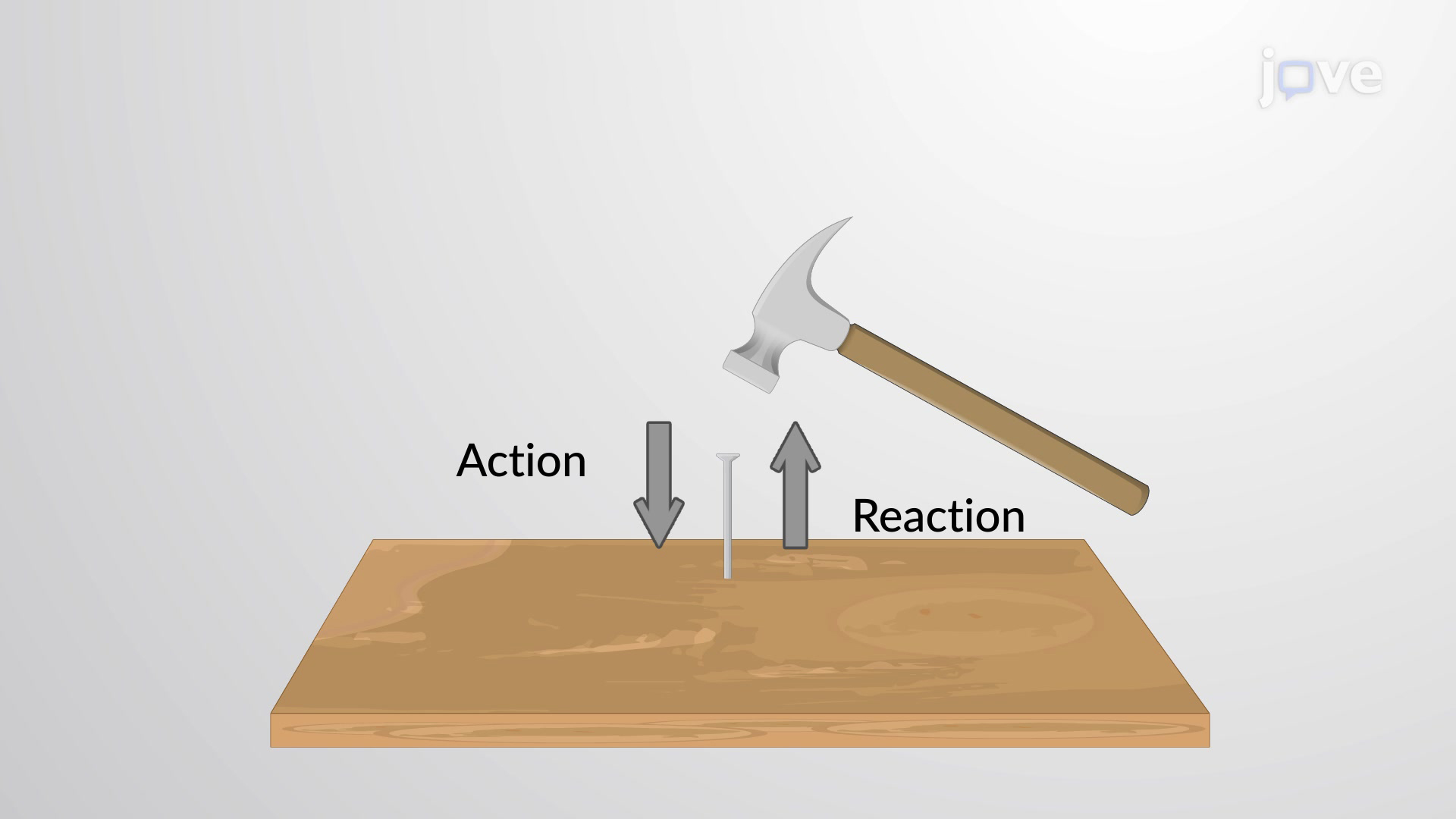
Construction workers hammering nails demonstrate classic Newton's third law examples. When a hammer strikes a nail, the hammer exerts a force driving the nail into wood. Simultaneously, the nail exerts an equal and opposite force on the hammer, causing the hammer to decelerate and potentially rebound. This principle explains why powerful impacts can damage both the striking tool and the target.
Athletes experience this daily: a basketball player pushing off the court floor to jump experiences the floor pushing back with equal force, launching them upward. Without this reaction force, jumping would be impossible.
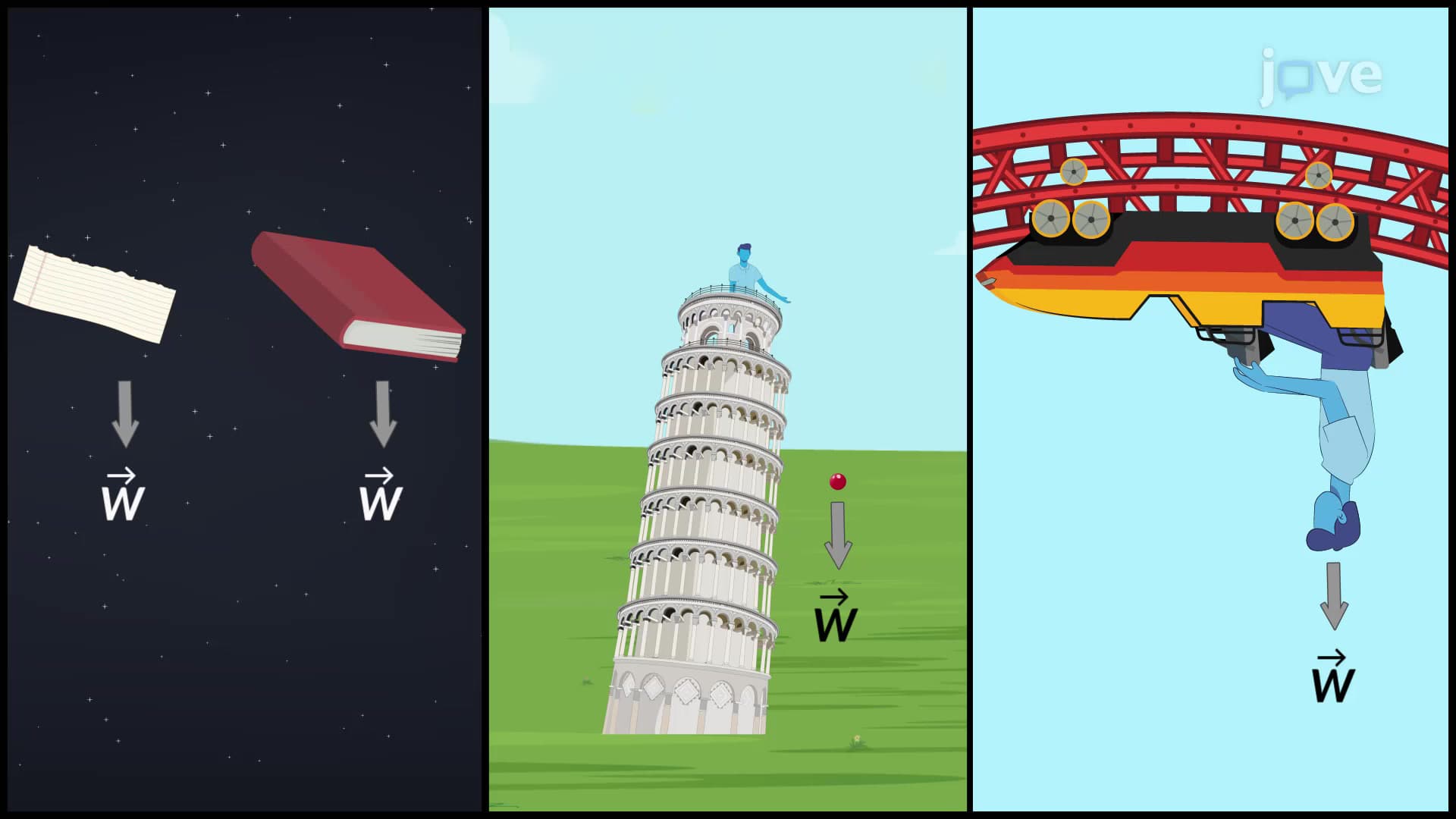
Newton's third law extends beyond physical contact to gravitational interactions. Earth attracts you with gravitational force mg downward, while you simultaneously attract Earth upward with force mg. Though Earth's massive size makes its acceleration imperceptible, the force magnitudes are identical.
This principle governs space exploration: rocket engines don't "push against" space but instead expel exhaust gases at high velocity. The rocket pushes exhaust backward (action), while exhaust gases push the rocket forward (reaction), enabling spacecraft to navigate the vacuum of space. NASA's Space Shuttle missions relied entirely on this principle for orbital maneuvering.
For college physics courses and standardized exams like the MCAT, remember that Newton's third law applies universally-from molecular interactions to planetary motion-making it essential for understanding more complex physics concepts involving momentum conservation and energy transfer.
Related Micro-courses