14 Concepts
15 Concepts
14 Concepts
11 Concepts
16 Concepts
10 Concepts
15 Concepts
12 Concepts
19 Concepts
14 Concepts
14 Concepts
12 Concepts
24 Concepts
22 Concepts
15 Concepts
15 Concepts
17 Concepts
15 Concepts
13 Concepts
19 Concepts
12 Concepts
16 Concepts
13 Concepts
15 Concepts
12 Concepts
13 Concepts
18 Concepts
12 Concepts
22 Concepts
21 Concepts
13 Concepts
13 Concepts
14 Concepts

The application of Newton's laws of motion forms the foundation for understanding how forces govern everyday phenomena. This comprehensive course through JoVE Coach explores force analysis physics across diverse scenarios, from equilibrium problems and friction interactions to circular motion dynamics and terminal velocity calculations. Students master applying Newton's laws to real-world problems including automotive safety systems, sports biomechanics, and engineering applications throughout American industry and research.
1. Equilibrium Analysis in One and Two Dimensions Free-body diagram construction enables systematic force analysis for stationary objects. Students examine hanging masses, inclined plane systems, and multi-string configurations common in construction and mechanical engineering. Applications include analyzing bridge cable tensions, crane load distributions, and building structural supports. The principle extends to two-dimensional problems where force components must balance independently in perpendicular directions, essential for understanding architectural load-bearing systems and aerospace structural analysis used throughout American manufacturing and construction industries.
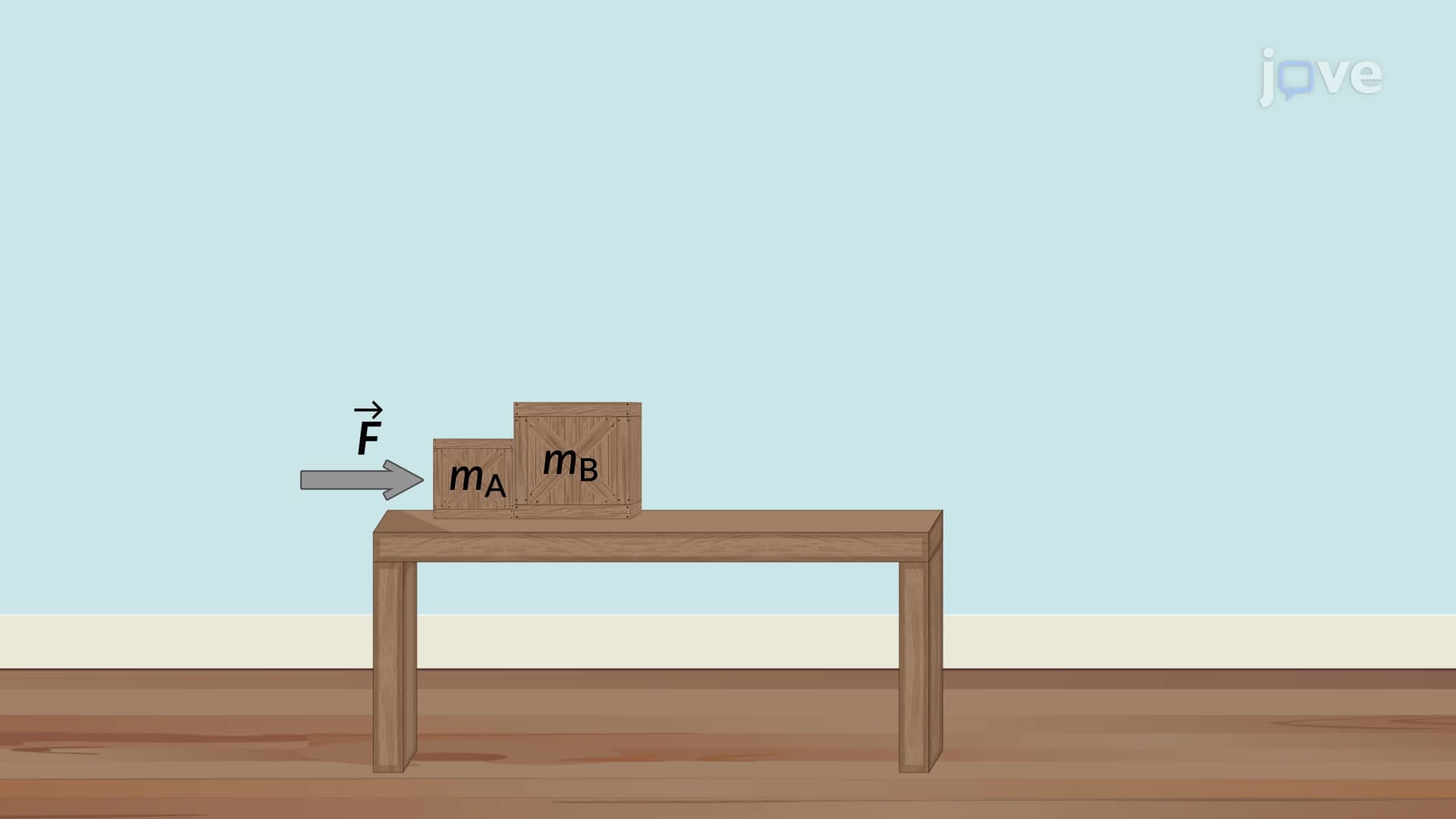
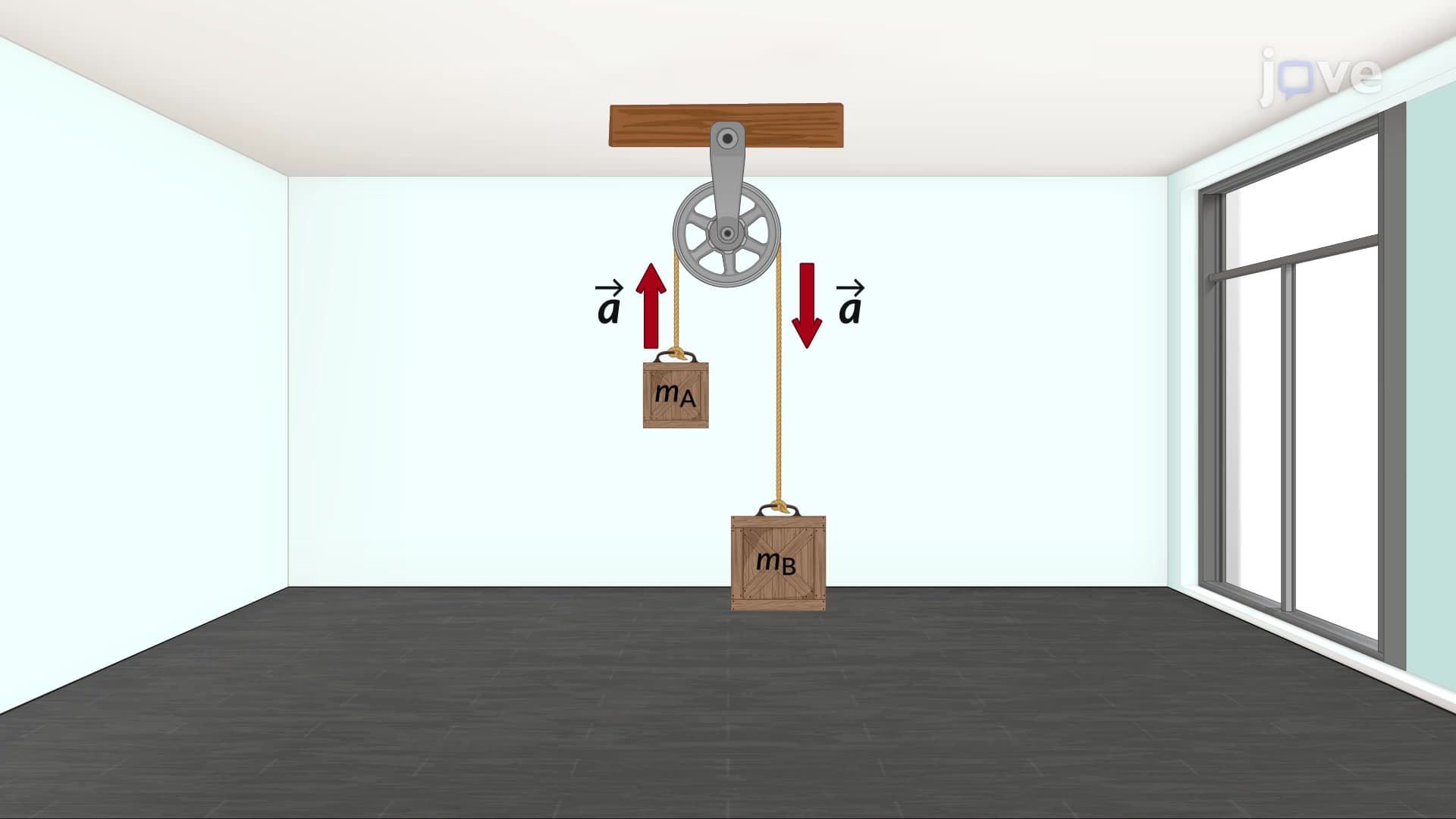
2. Newton's Second Law for Accelerating Systems Connected mass problems demonstrate how forces distribute across multiple objects moving together. Classic examples include train car coupling forces, elevator dynamics, and Atwood machine configurations found in industrial lifting systems. Students analyze contact forces between adjacent objects and tension distributions in cable systems. These principles apply directly to automotive crash safety analysis, conveyor belt design, and material handling equipment used extensively in American manufacturing facilities, warehouses, and transportation networks.
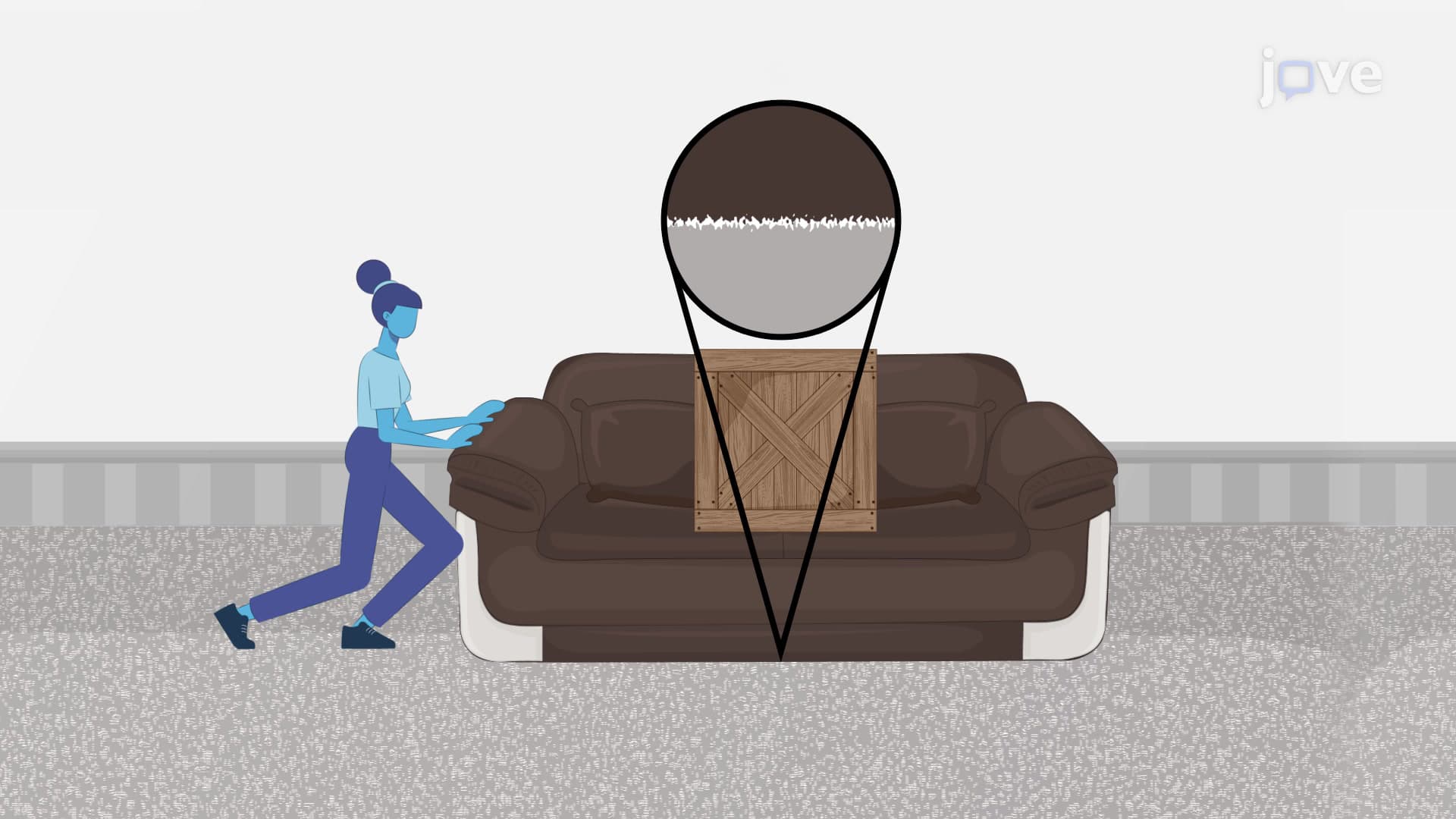
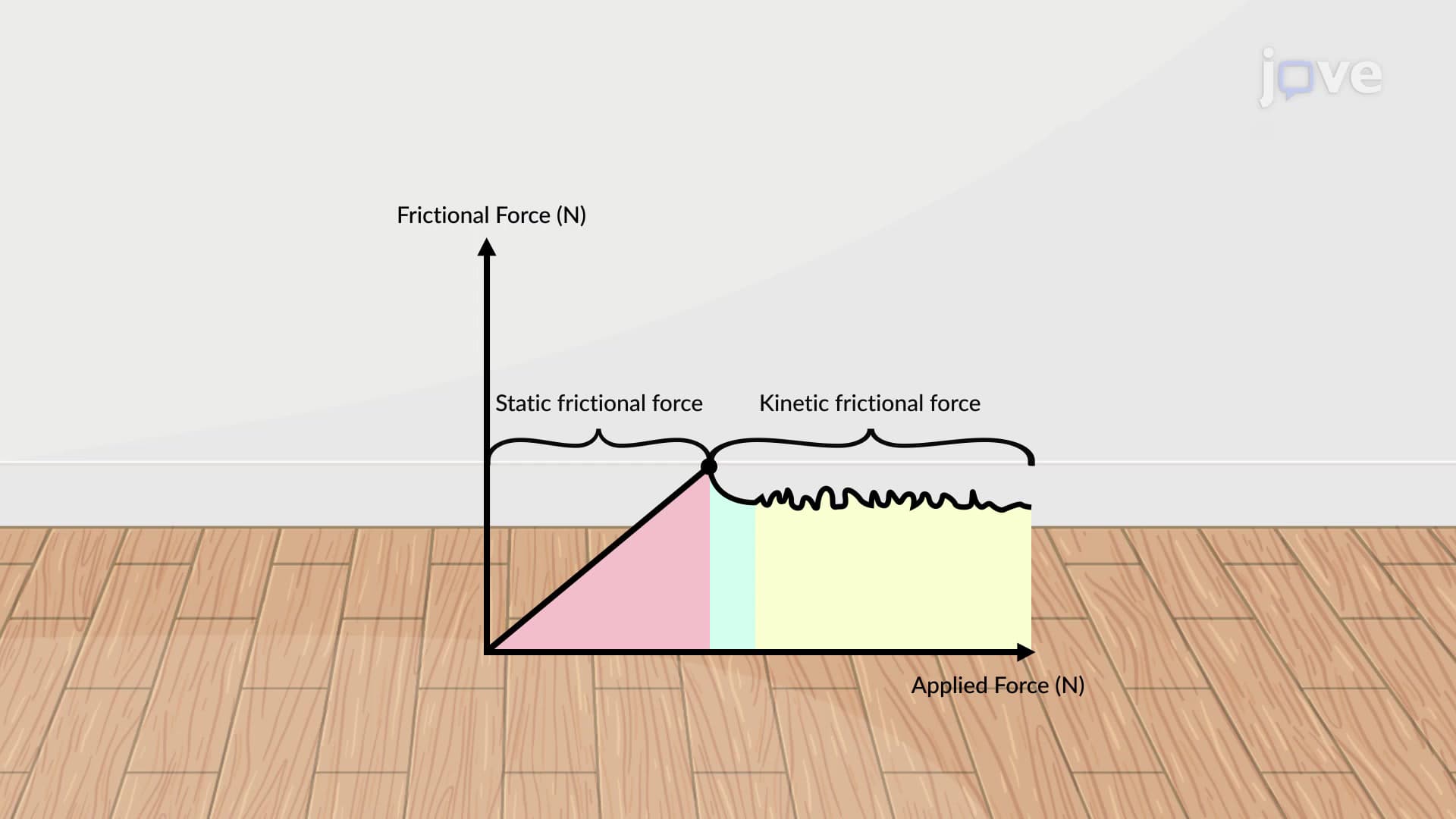
3. Friction Force Mechanics and Applications Static and kinetic friction coefficients determine motion initiation and maintenance across contacting surfaces. Students explore why car tires grip differently on ice versus asphalt, affecting braking distances and cornering capabilities. The relationship between normal force and friction explains why heavier vehicles require longer stopping distances and why anti-lock braking systems prevent wheel lockup. Applications extend to industrial machinery design, sports equipment optimization, and safety protocols in American manufacturing plants where worker safety depends on proper friction management.
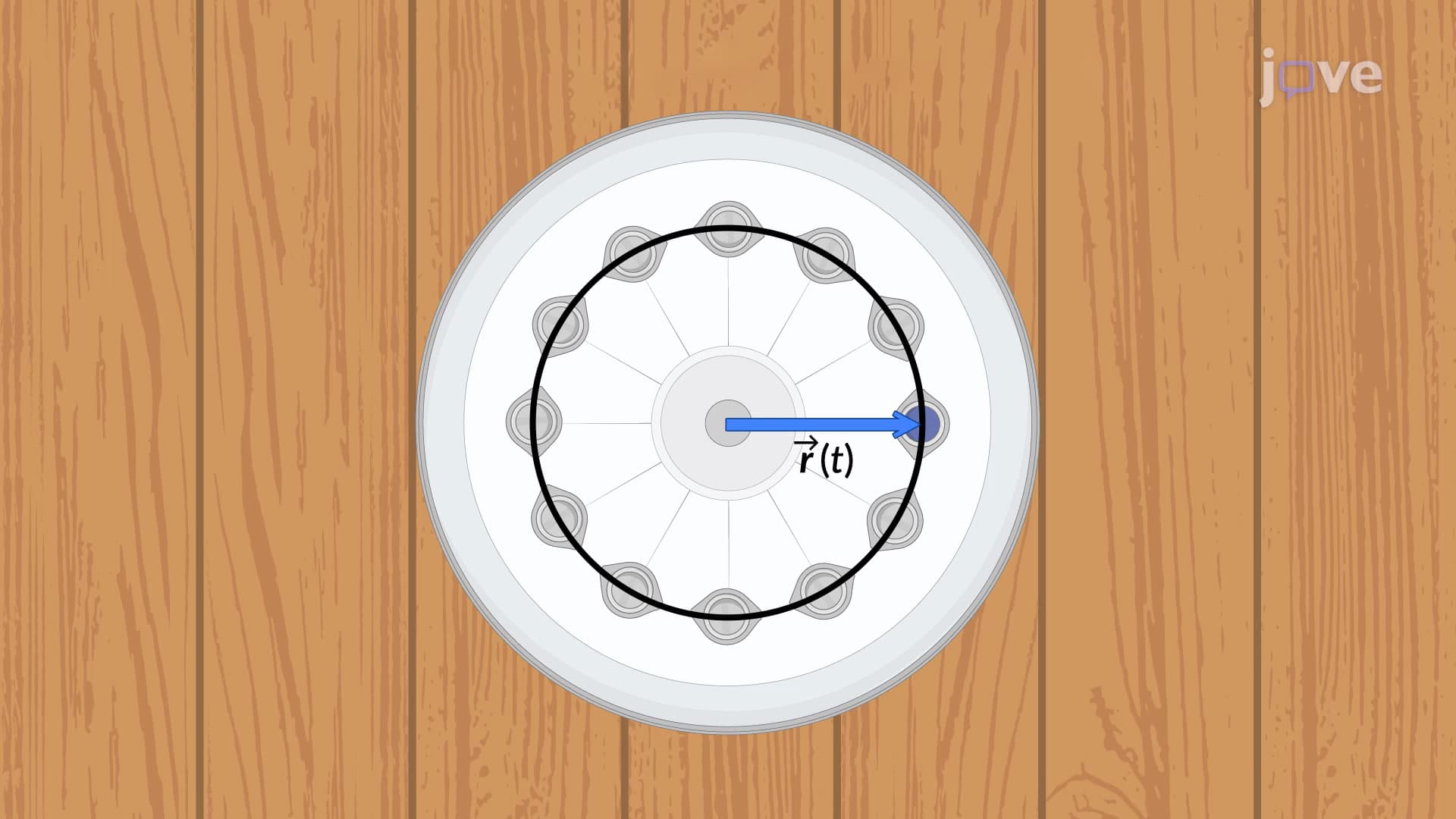
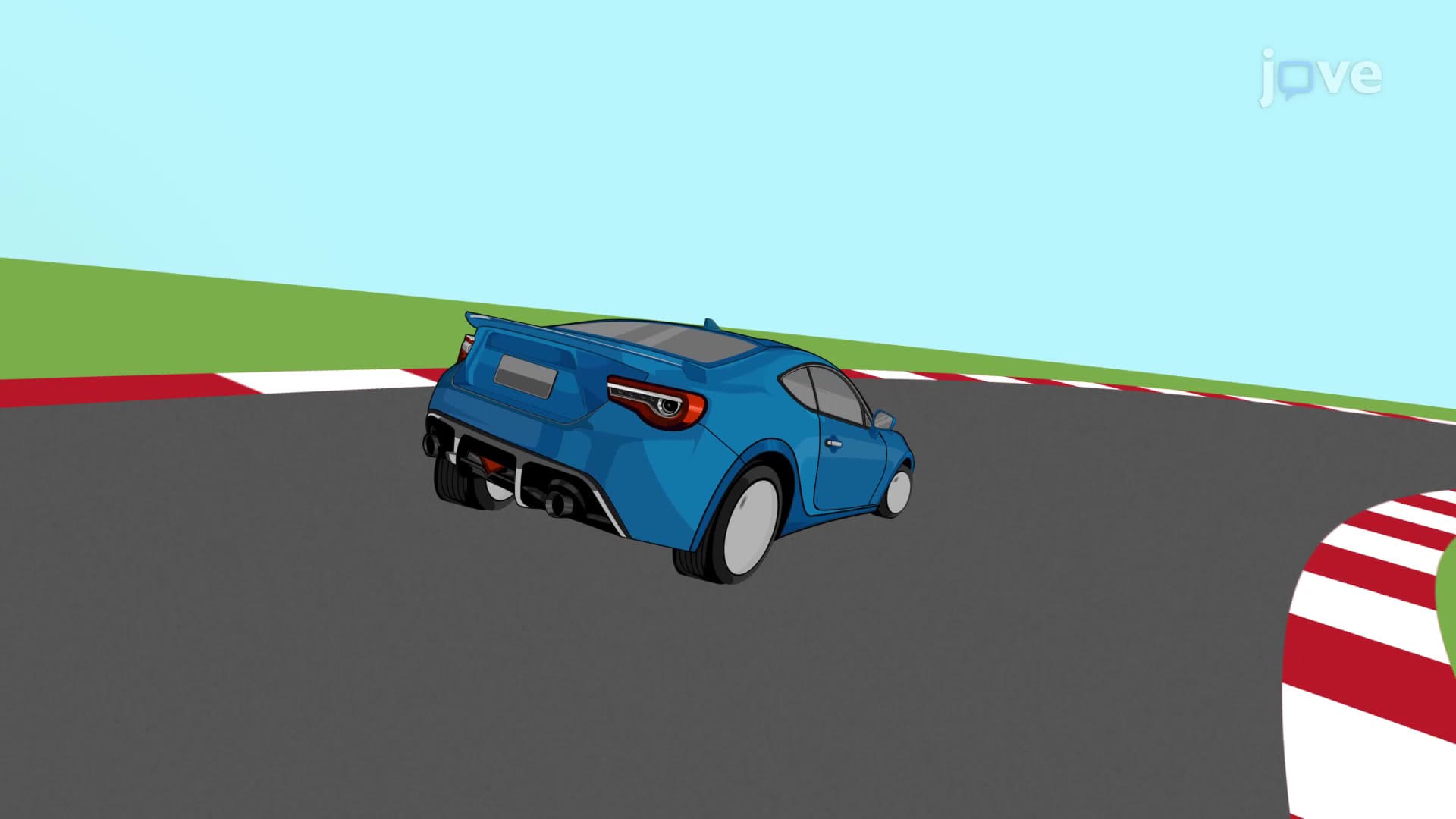
4. Circular Motion Dynamics and Centripetal Forces Uniform circular motion requires constant centripetal acceleration directed toward the rotation center. Banking angles on American highways and racetracks demonstrate how normal force components provide necessary centripetal forces at high speeds. Students analyze carnival ride safety factors, satellite orbital mechanics, and centrifuge operations in medical laboratories. The physics explains why NASCAR tracks use specific banking angles and why highway curve designs incorporate particular radii and banking to ensure vehicle stability at posted speed limits.
5. Drag Forces and Terminal Velocity Phenomena Air resistance creates velocity-dependent forces opposing motion through fluids. Terminal velocity analysis explains why raindrops don't damage surfaces despite falling from great heights and why parachutes enable safe skydiving. Students examine how drag coefficients affect automotive fuel efficiency, leading to streamlined vehicle designs throughout American automotive manufacturing. The concept extends to understanding how different sports ball designs affect flight characteristics and why athletes in various sports adopt specific body positions to minimize or maximize air resistance.
6. Tension Analysis in Cable and String Systems Tension forces transmit through flexible connectors, enabling force analysis in complex mechanical systems. Students examine elevator cable systems, bridge suspension designs, and crane operations common in American construction and maritime industries. Angular loading creates vector components requiring careful mathematical analysis for safe load calculations. Applications include rock climbing equipment testing, theatrical rigging systems, and industrial hoisting operations where proper tension analysis prevents equipment failure and ensures worker safety in compliance with OSHA standards.