Loading video…


 10 Concepts
 116K views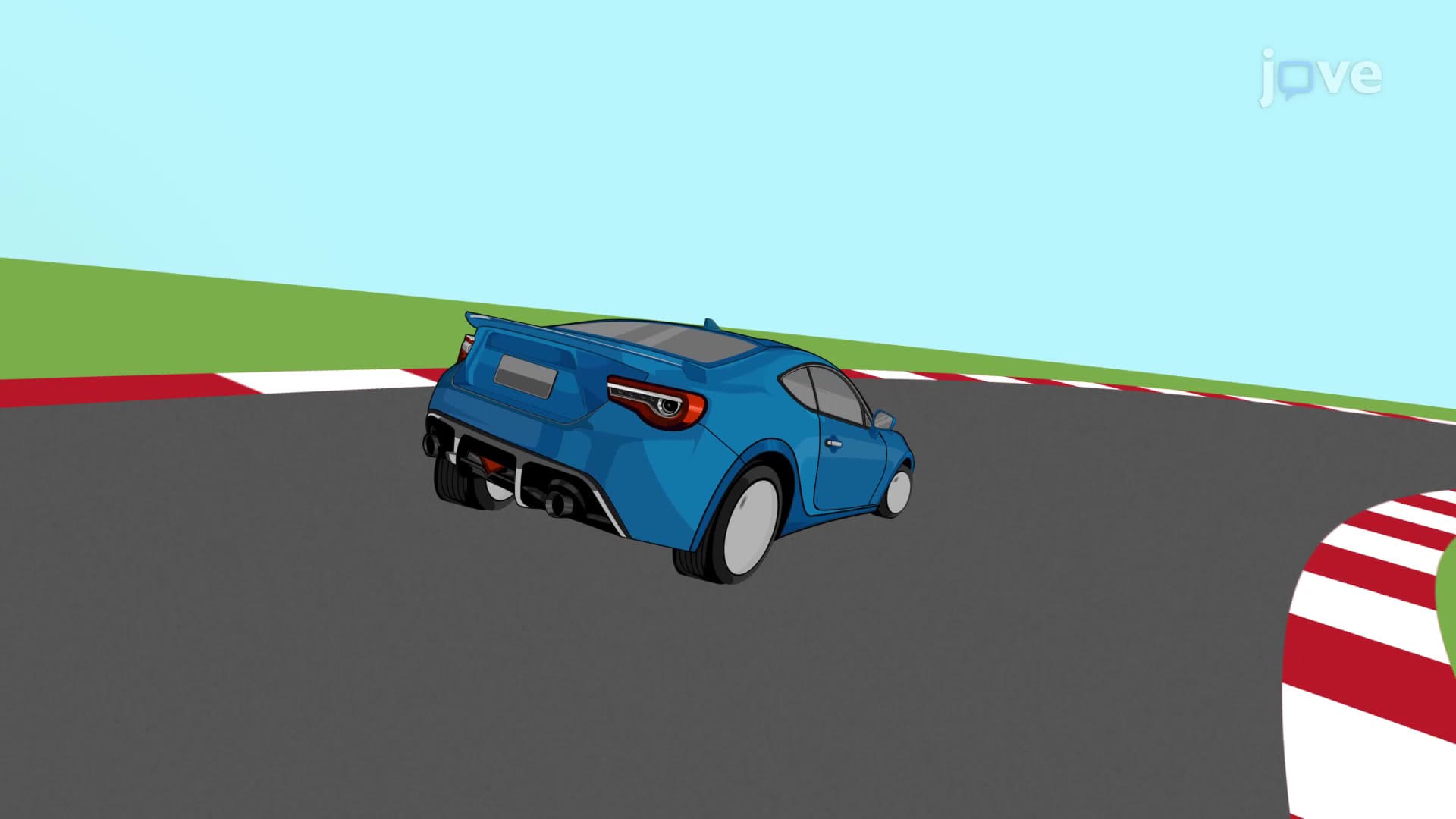

Video Summary: Dynamics of Circular Motion Applications Explained
Ever wondered why NASCAR drivers can take turns at 200+ mph without sliding off the track? The dynamics of circular motion applications reveal the physics behind banked curves at Daytona International Speedway, where engineering meets high-speed racing. Understanding these principles explains how friction, banking angles, and centripetal force work together to keep vehicles safely navigating circular paths at incredible speeds. Watch the full video on JoVE Coach to master this concept with expert-led visuals and step-by-step explanations.
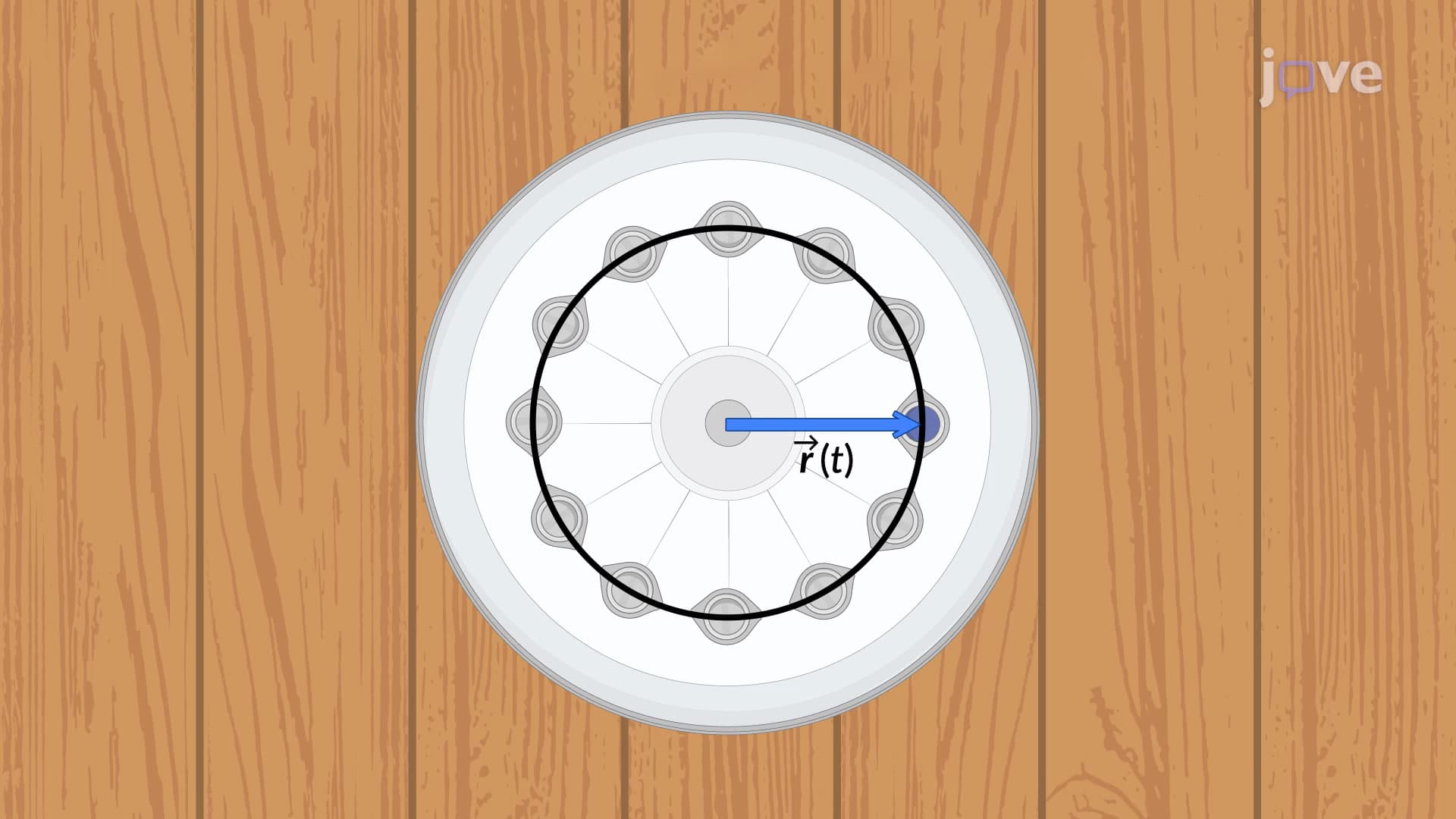
The dynamics of circular motion applications form a cornerstone of physics that explains countless real-world phenomena, from highway design to amusement park rides. When objects move in circular paths, they require a constant inward force called centripetal force, regardless of whether their speed remains constant. This fundamental principle governs everything from the banking of Interstate highway curves to the design of Formula 1 racetracks.
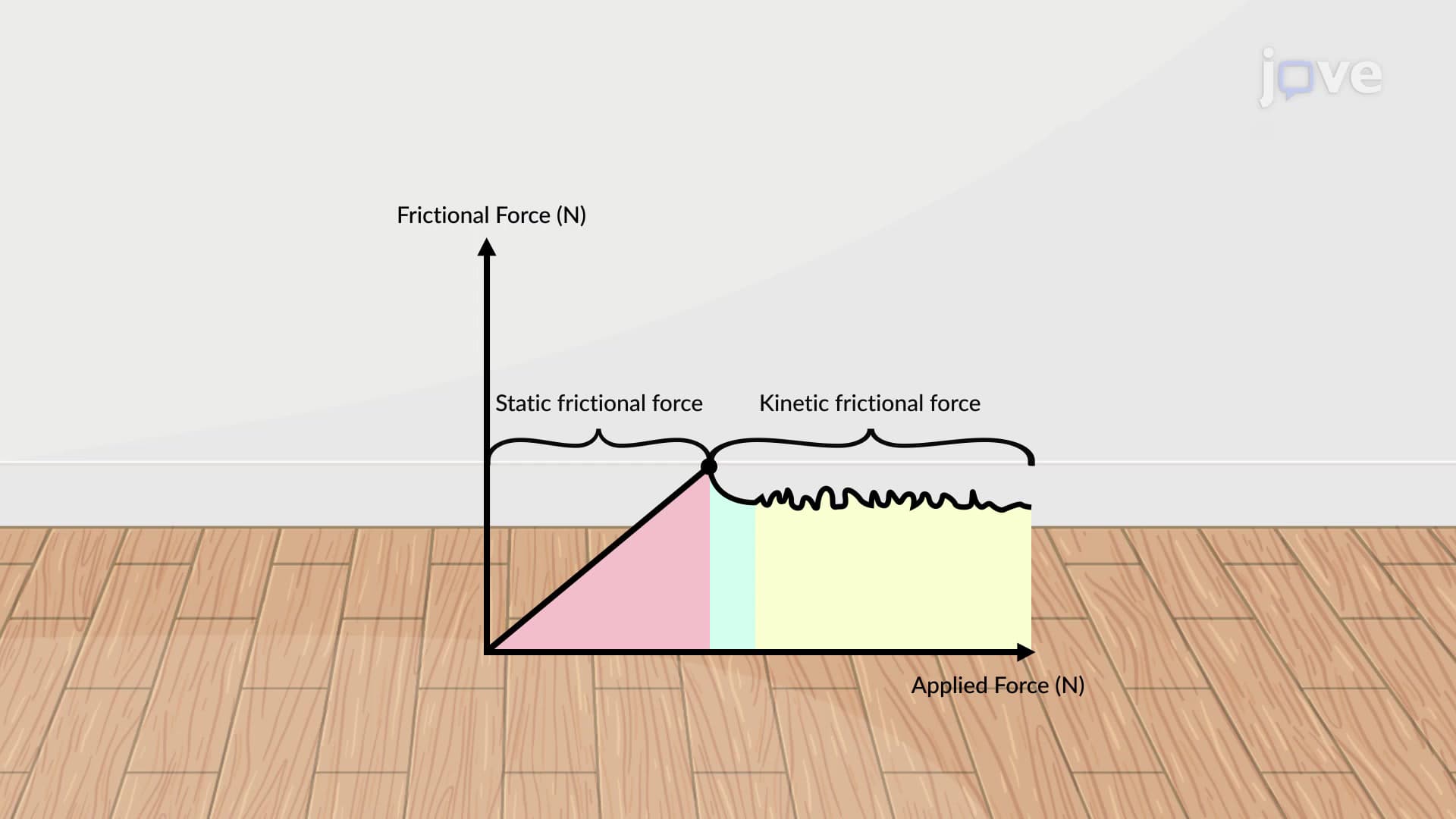
On a flat, horizontal surface, a vehicle navigating a circular path relies entirely on static friction between tires and road surface to provide centripetal force. The maximum centripetal force available equals the coefficient of static friction multiplied by the normal force (which equals the vehicle's weight on flat ground). This relationship gives us the critical speed formula: v(max) = √(μ × g × r), where μ represents the friction coefficient, g is gravitational acceleration, and r is the curve radius. Beyond this speed, tires lose grip and the vehicle skids outward-a phenomenon every driver education course emphasizes.
Highway engineers and racetrack designers solve the speed limitation problem through banking-tilting the road surface inward toward the curve center. The Talladega Superspeedway, for instance, features 33-degree banking that allows NASCAR vehicles to maintain speeds exceeding 180 mph safely. When a road is banked, the normal force has both horizontal and vertical components. The horizontal component provides centripetal force, while the vertical component balances the vehicle's weight. This design dramatically reduces dependence on friction alone.
The optimal banking angle depends on the intended speed and curve radius. For a frictionless banked curve, the ideal angle θ satisfies tan(θ) = v²/(g × r). Most U.S. highway curves are banked between 2-6 degrees for typical 55-65 mph speeds, while professional racetracks feature much steeper angles. Students preparing for AP Physics exams frequently encounter these calculations, as they demonstrate the practical application of trigonometry, force analysis, and circular motion principles. Understanding these concepts proves essential for engineering majors and appears regularly on college physics midterms and the MCAT physics section.
Related Micro-courses