Loading subject page…


116,002 views


Video Summary: What Is Frictional Force
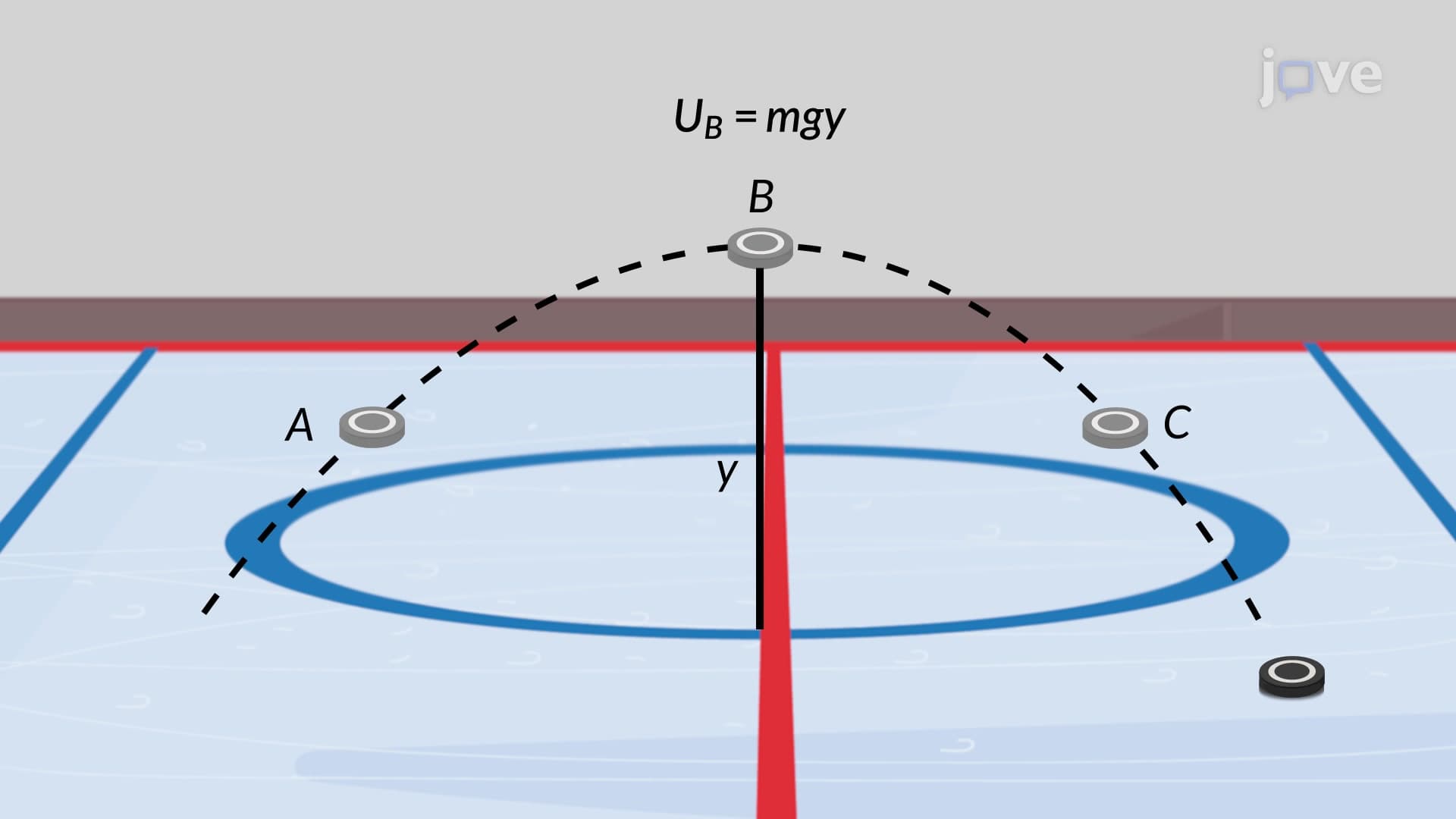
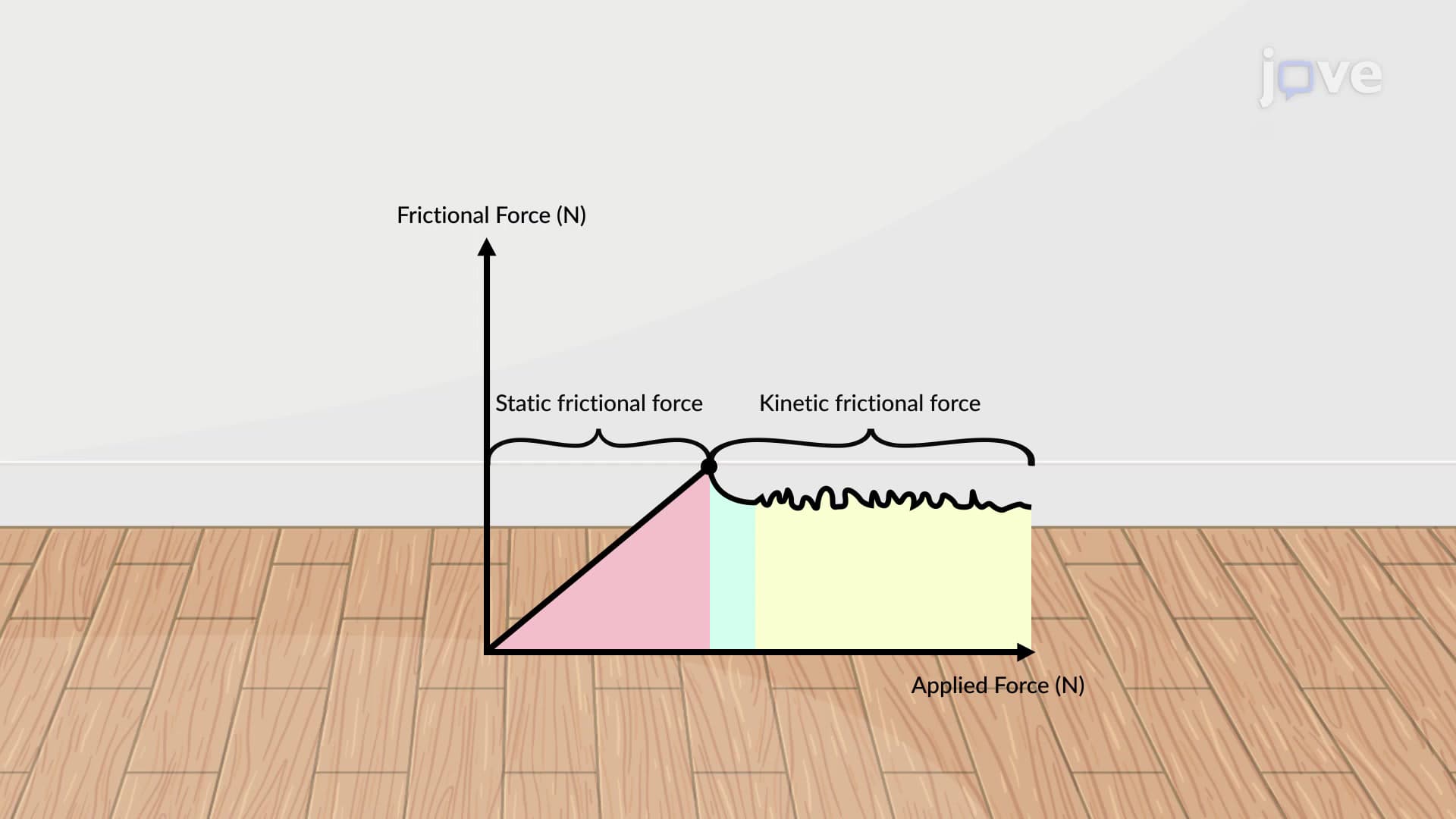
Ever wonder why your sneakers grip a basketball court but slip on ice? Frictional force is the invisible contact force that determines whether you slide or stick when surfaces interact. This fundamental physics concept explains why a hockey puck glides effortlessly across ice rinks in NHL games but comes to a quick stop on concrete. Understanding what is frictional force reveals how surface interactions create opposing forces that affect every moving object around us. Watch the full video on JoVE Coach to master this concept with expert-led visuals and step-by-step explanations.
Frictional force represents one of the most fundamental contact forces in physics, acting whenever two surfaces interact during relative motion. Unlike gravitational or electromagnetic forces that can act at a distance, friction emerges directly from the microscopic interactions between surface irregularities and molecular attractions. This force consistently opposes motion, making it a resistive force that affects everything from walking to driving to industrial machinery operation.
The frictional force definition extends beyond simple resistance to motion. When surfaces press together, microscopic bumps and valleys create interlocking contact points that resist sliding. The normal force-the perpendicular force pressing surfaces together-directly influences friction strength. This explains why pressing harder on a brake pedal increases stopping power, or why heavier vehicles require longer stopping distances despite having larger brake systems.
The coefficient of friction (μ) quantifies how "grippy" different material combinations are. Ice on metal yields μ ≈ 0.03, explaining why ice hockey pucks slide effortlessly. Conversely, rubber on dry concrete produces μ ≈ 0.9, which is why car tires provide excellent traction on roads. These values remain relatively constant for given material pairs under similar conditions.
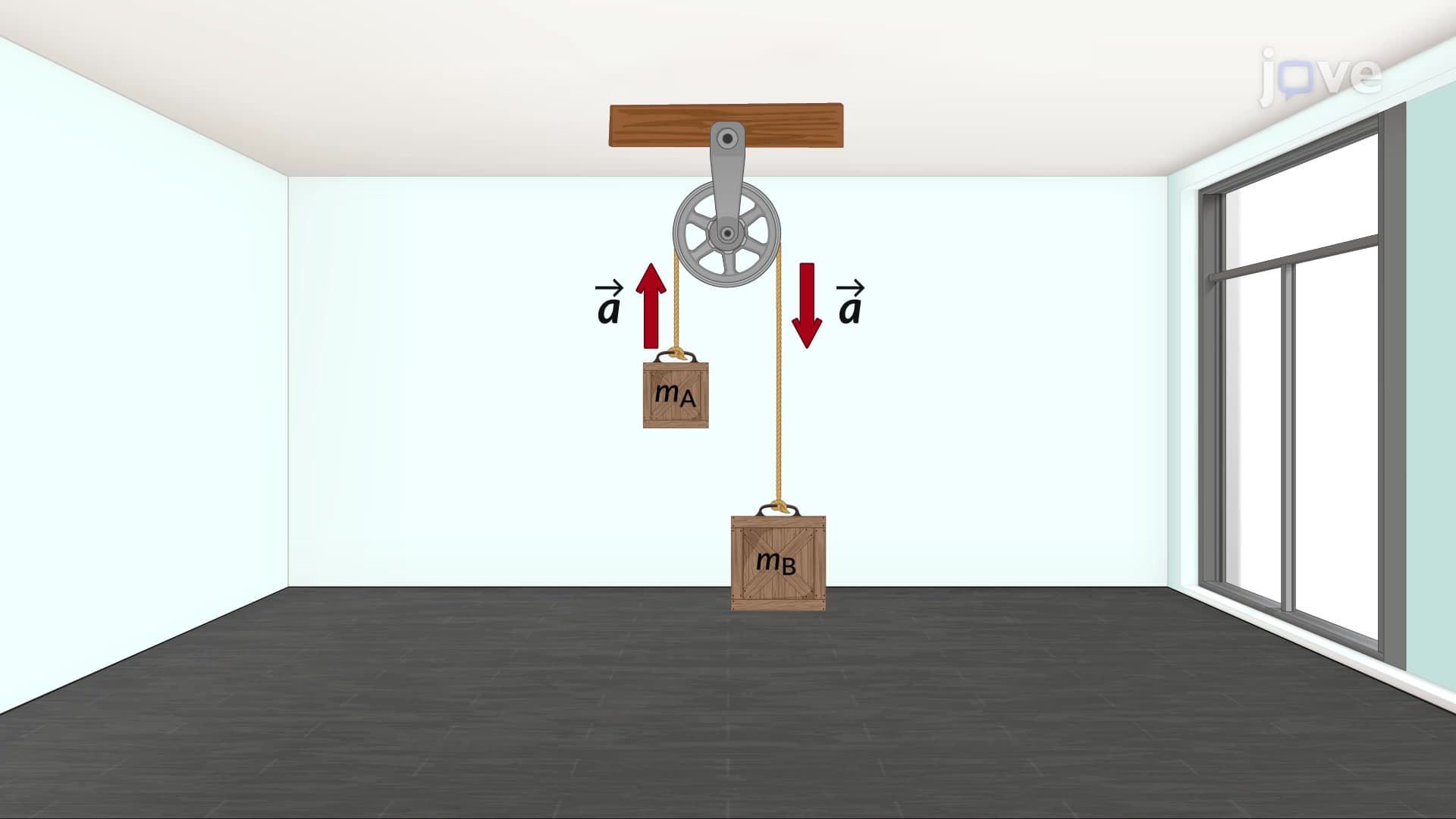
What is frictional force in detail mathematically? The fundamental equation F(friction) = μ × N reveals the direct proportionality between friction and normal force. This relationship appears frequently in AP Physics exams and college mechanics courses, where students must analyze inclined planes, pulley systems, and collision problems.
Consider a 50-pound suitcase being dragged across an airport floor. If the coefficient of kinetic friction is 0.3, the frictional force equals 0.3 × 50 = 15 pounds opposing the motion. This calculation helps explain why rolling suitcases became universal-wheels reduce the contact area and change sliding friction to rolling friction, which is typically much smaller.
Frictional force concepts dominate numerous standardized tests. The MCAT includes friction in biomechanics questions about joint movement and prosthetic design. AP Physics C mechanics exams regularly feature friction in energy conservation and Newton's laws problems. College physics courses use friction to introduce concepts like work, energy dissipation, and thermal effects.
Understanding friction proves essential for engineering applications. NASCAR engineers manipulate tire compounds to optimize grip at different track temperatures. Biomedical engineers design hip implants considering friction between artificial joints. Even smartphone touchscreens rely on controlled friction coefficients to detect finger movements accurately.
Related Micro-courses