Loading video…


 10 Concepts
 116K views

Video Summary: What Is Tension
Ever wonder why a suspension bridge cable can hold thousands of cars without snapping? Tension is the invisible pulling force that makes this possible, acting through strings, ropes, and cables to transfer forces from one object to another. Picture a tow truck pulling a broken-down car on a California highway, the cable connecting them experiences tension force that pulls the car forward. What is tension reveals how this fundamental force operates only through pulling, never pushing, making it essential for understanding physics problems involving connected objects. Watch the full video on JoVE Coach to master this concept with expert-led visuals and step-by-step explanations.
Tension represents one of the most fundamental contact forces in physics, defined as the pulling force transmitted through flexible connectors like strings, ropes, cables, or chains. Unlike other forces that can both push and pull, tension exclusively pulls objects toward the source of the force. This unique characteristic makes tension essential for understanding how forces transfer between connected objects in mechanical systems.
When you pull on a rope, the rope doesn't simply stretch, it transmits your pulling force to whatever object is attached at the other end. This force transmission occurs because the rope's internal molecular structure resists being stretched, creating an internal pulling force we call tension. The tension definition in physics describes this as the force that acts along the length of the connector, always directed toward the object applying the pull.
For students preparing for AP Physics or college mechanics courses, understanding tension requires visualizing how forces distribute through the connector. Unlike rigid objects that can experience compression forces, flexible connectors like ropes can only maintain their structural integrity under tension, they buckle or go slack when pushed.
What is tension in detail becomes more complex when dealing with angled systems. Consider a traffic light suspended by cables at an intersection in downtown Chicago. Each cable makes an angle with the horizontal, creating both horizontal and vertical components of tension. The vertical components must balance the traffic light's weight, while the horizontal components balance each other.
Using component analysis, if a string makes angle θ with the horizontal and has tension T, then:
This tension concept proves crucial for solving real-world engineering problems, from suspension bridge design to crane operations.
The tension overview extends far beyond textbook problems. Elevator cables, climbing ropes, and even dental braces all rely on tension principles. For MCAT preparation, understanding how tendons and ligaments create tension forces in biological systems becomes essential.
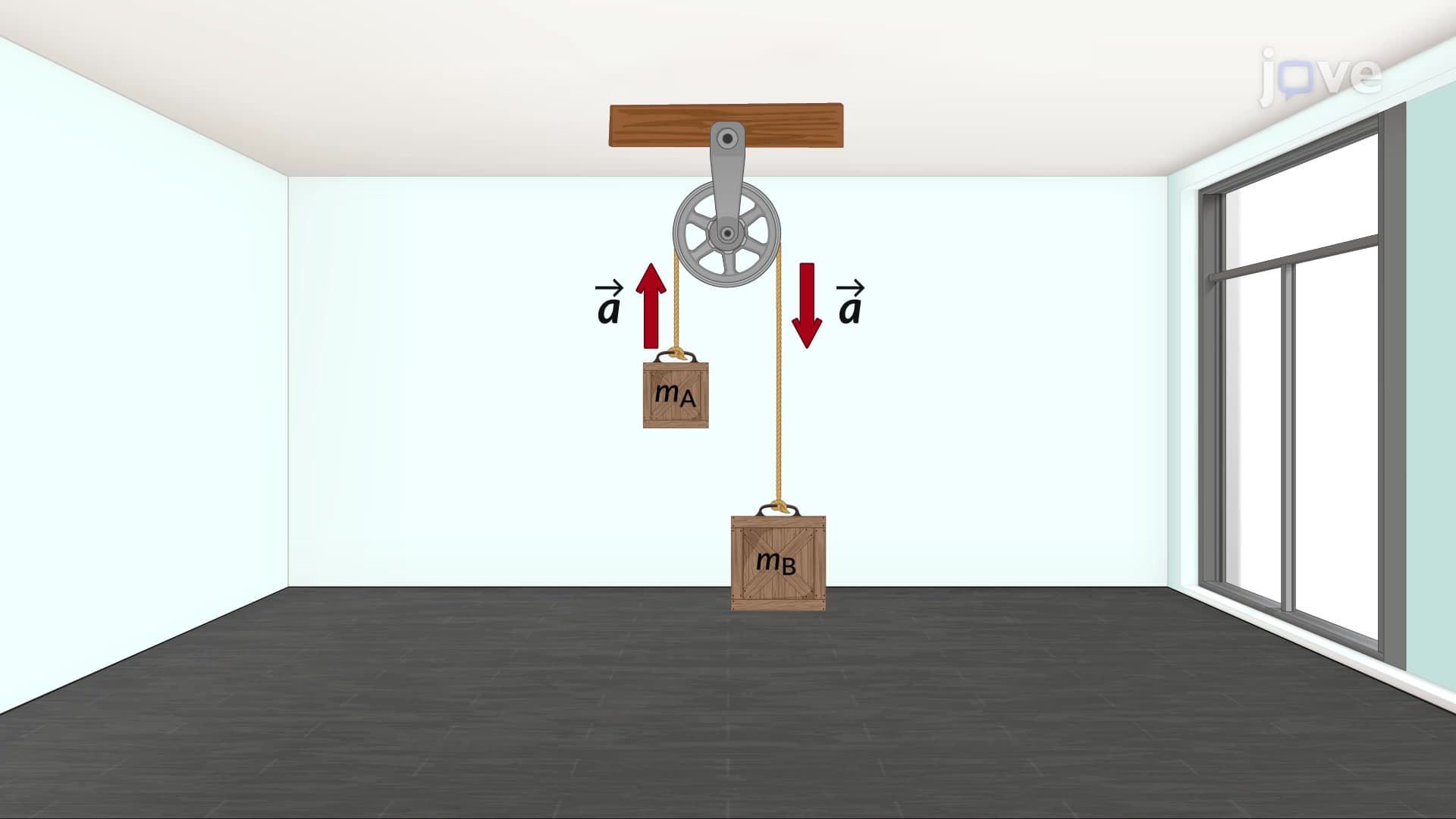
When solving tension problems on SAT Subject Tests or college physics exams, remember that tension magnitude remains constant throughout an ideal (massless) string. This principle, combined with Newton's second law, allows you to set up equations relating tension to other forces and accelerations in the system.
Related Micro-courses