14 Concepts
15 Concepts
14 Concepts
11 Concepts
16 Concepts
10 Concepts
15 Concepts
12 Concepts
19 Concepts
14 Concepts
14 Concepts
12 Concepts
24 Concepts
22 Concepts
15 Concepts
15 Concepts
17 Concepts
15 Concepts
13 Concepts
19 Concepts
12 Concepts
16 Concepts
13 Concepts
15 Concepts
12 Concepts
13 Concepts
18 Concepts
12 Concepts
22 Concepts
21 Concepts
13 Concepts
13 Concepts
14 Concepts
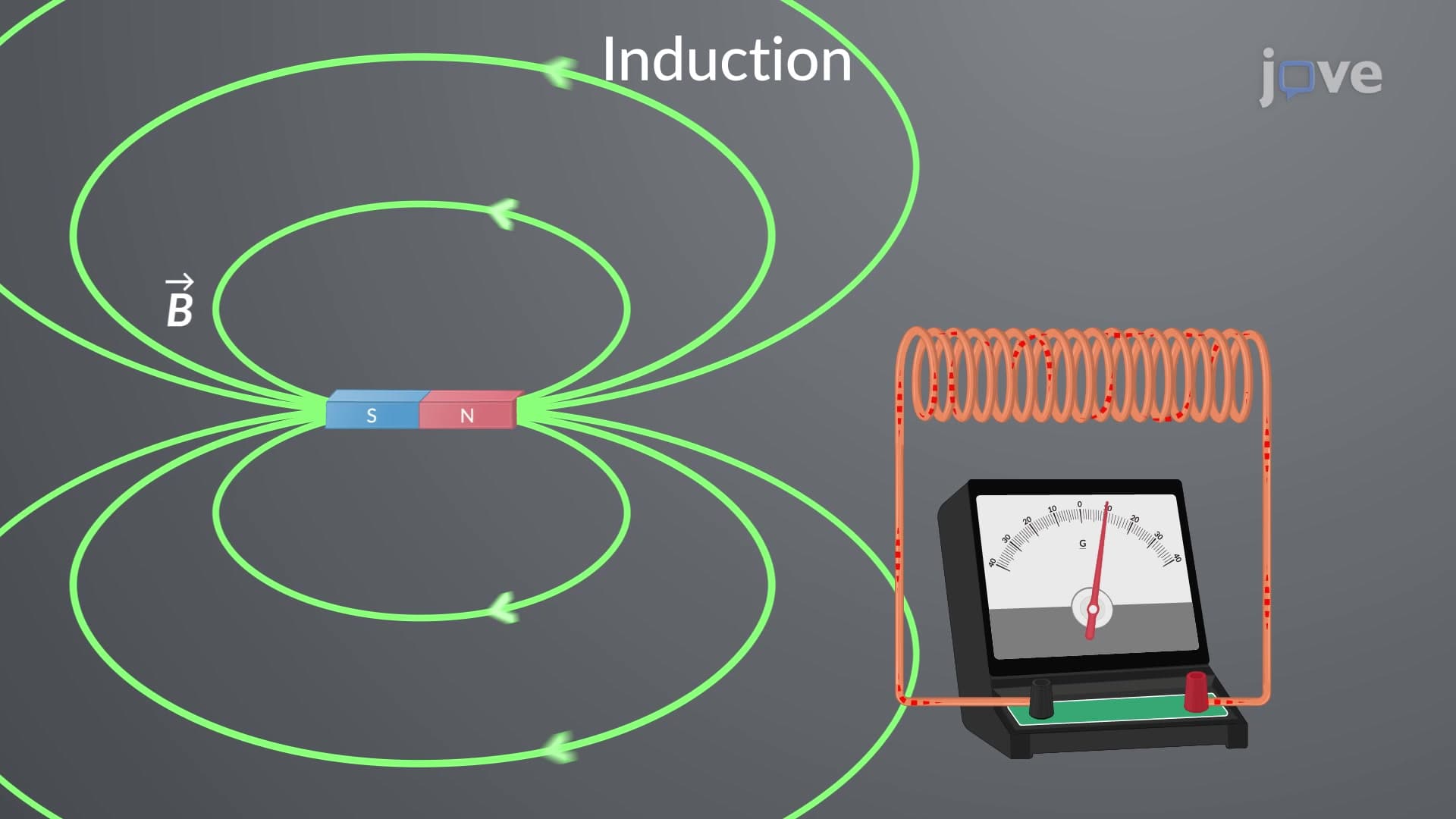
Electromagnetic induction is the fundamental physics principle where changing magnetic fields generate electric currents and electric fields in conductors. This comprehensive course explores Faraday's law induction, Lenz's law, and Maxwell's equations through practical examples like electric generators, motors, and transformers used in American power grids. Master these concepts essential for AP Physics, MCAT preparation, and understanding everyday electrical devices with JoVE Coach.
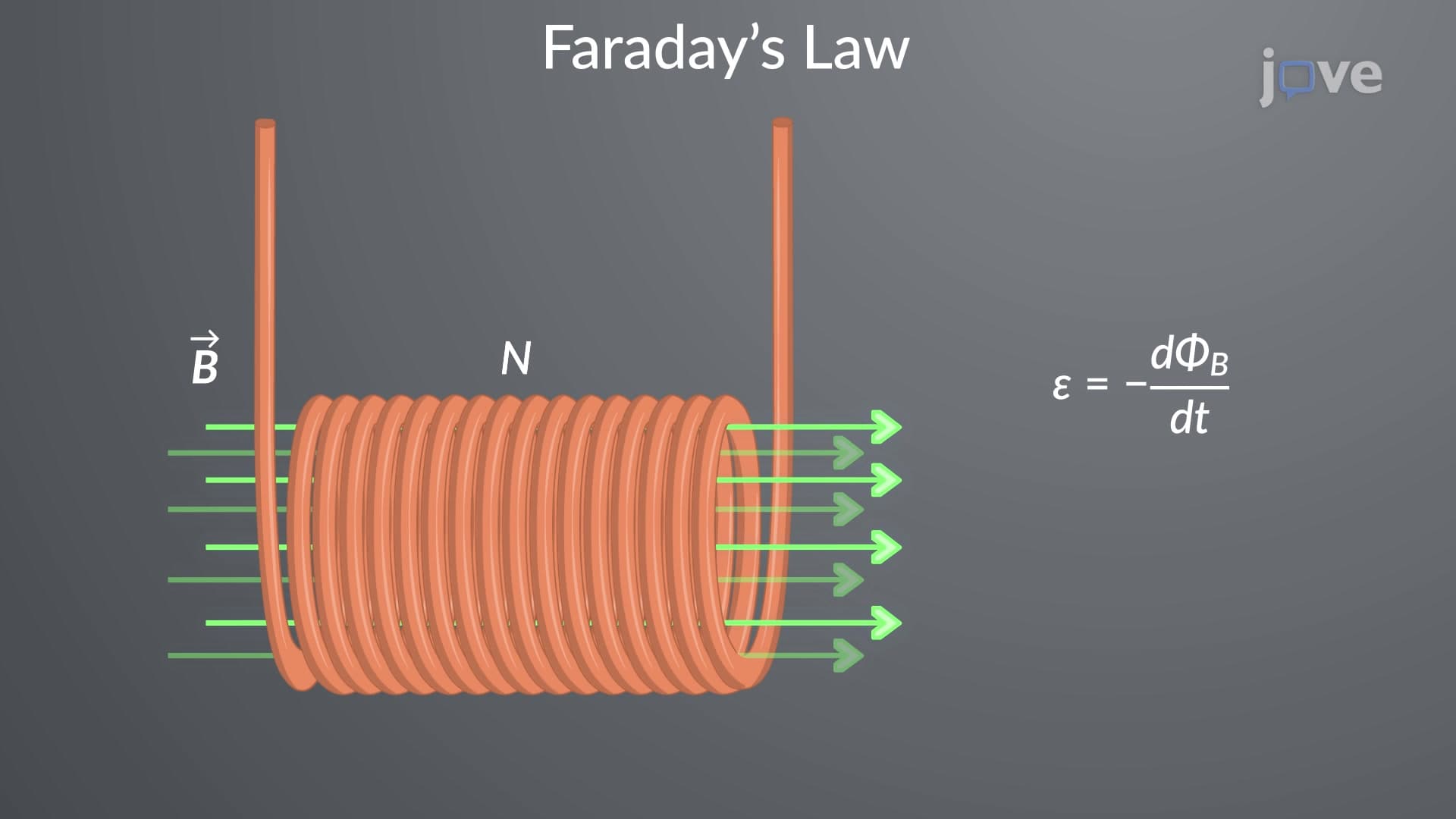
1. Electromagnetic Induction Fundamentals and Faraday's Law: Electromagnetic induction occurs when conductors experience changing magnetic fields, generating induced currents and EMF. Faraday's law quantifies this relationship: induced EMF equals the negative time derivative of magnetic flux through a conducting loop. For multi-turn coils with N identical loops, total induced EMF multiplies by N. This principle powers transformers in electrical substations across America, where changing magnetic flux in primary coils induces voltages in secondary coils, enabling efficient power transmission from generators to homes.
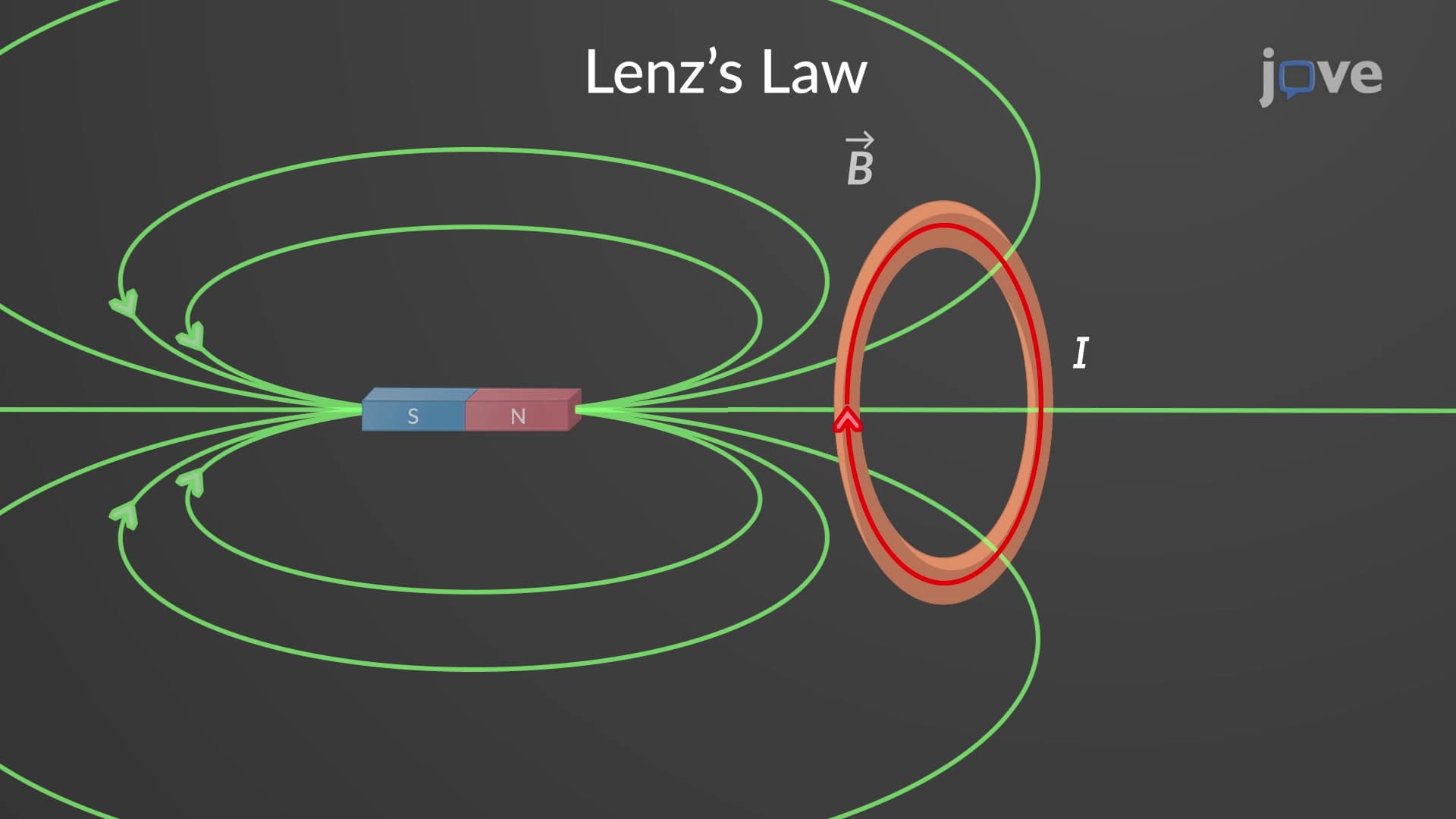
2. Lenz's Law and Current Direction: Lenz's law determines induced current direction by stating that induced currents always oppose the change causing them. When a magnet approaches a coil, induced current creates a magnetic field opposing the magnet's motion. This conservation principle explains energy relationships in electromagnetic systems. American magnetic levitation (maglev) train research utilizes Lenz's law, where induced currents in track conductors create repulsive forces opposing train motion, providing contactless braking systems that reduce mechanical wear.
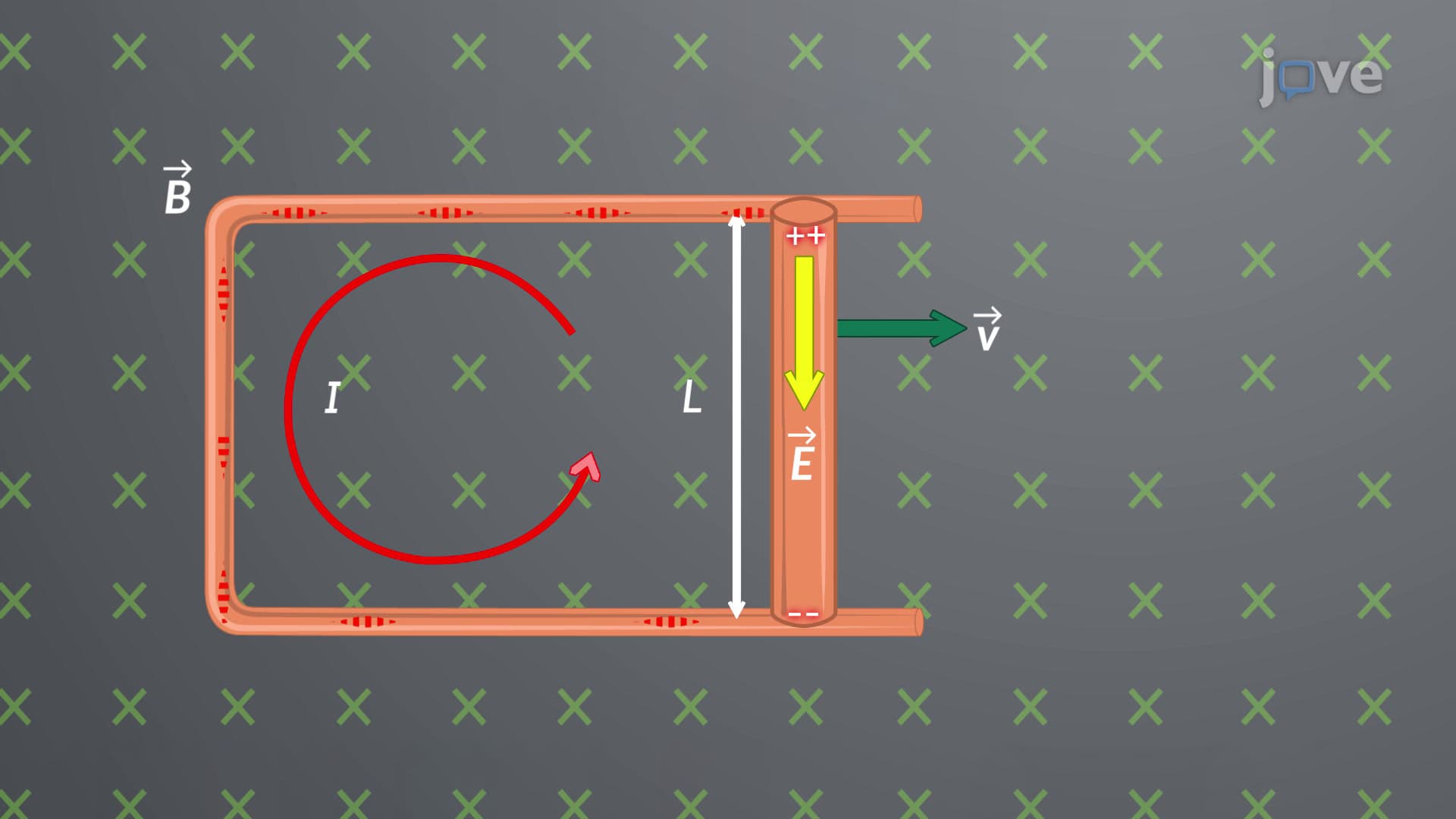
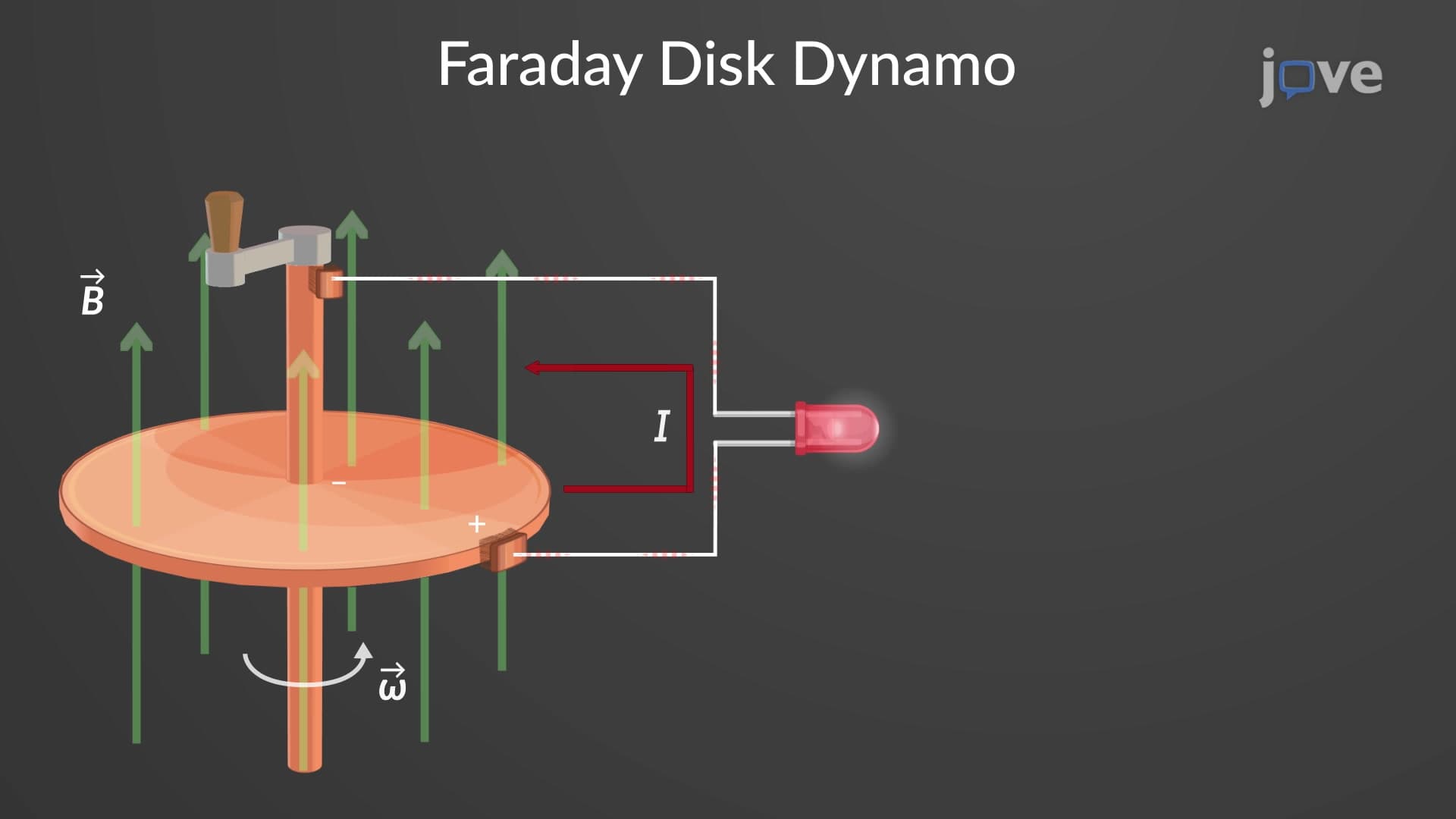
3. Motional EMF and Moving Conductors: Moving conductors in magnetic fields experience motional EMF due to magnetic forces separating charges within the conductor. The Faraday disk dynamo demonstrates this principle, where rotating conducting disks in perpendicular magnetic fields generate DC voltage. This concept underlies bicycle dynamos used in American cycling systems and explains how moving airplane wings through Earth's magnetic field can induce measurable voltages, requiring consideration in aircraft electrical system design.
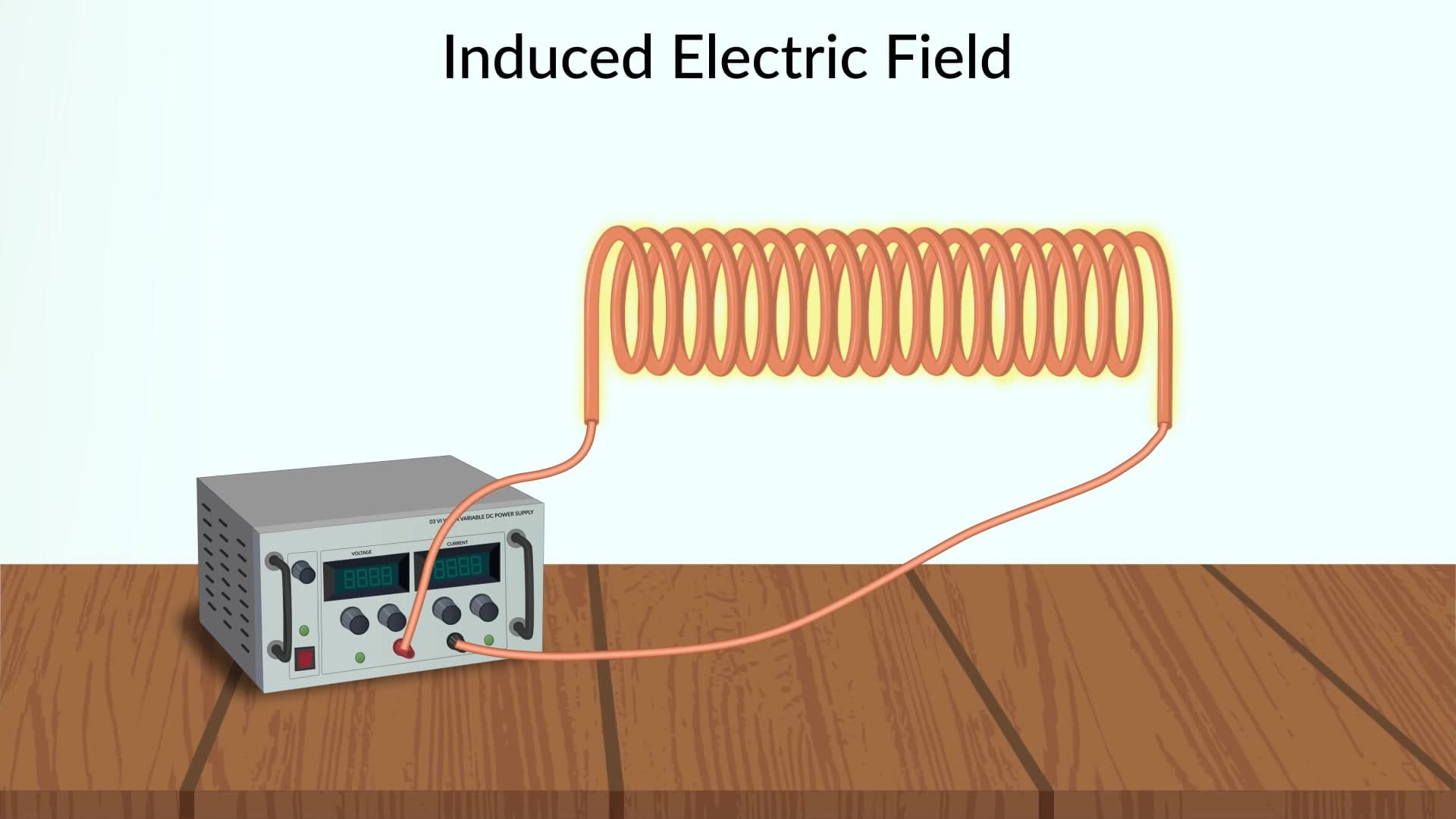
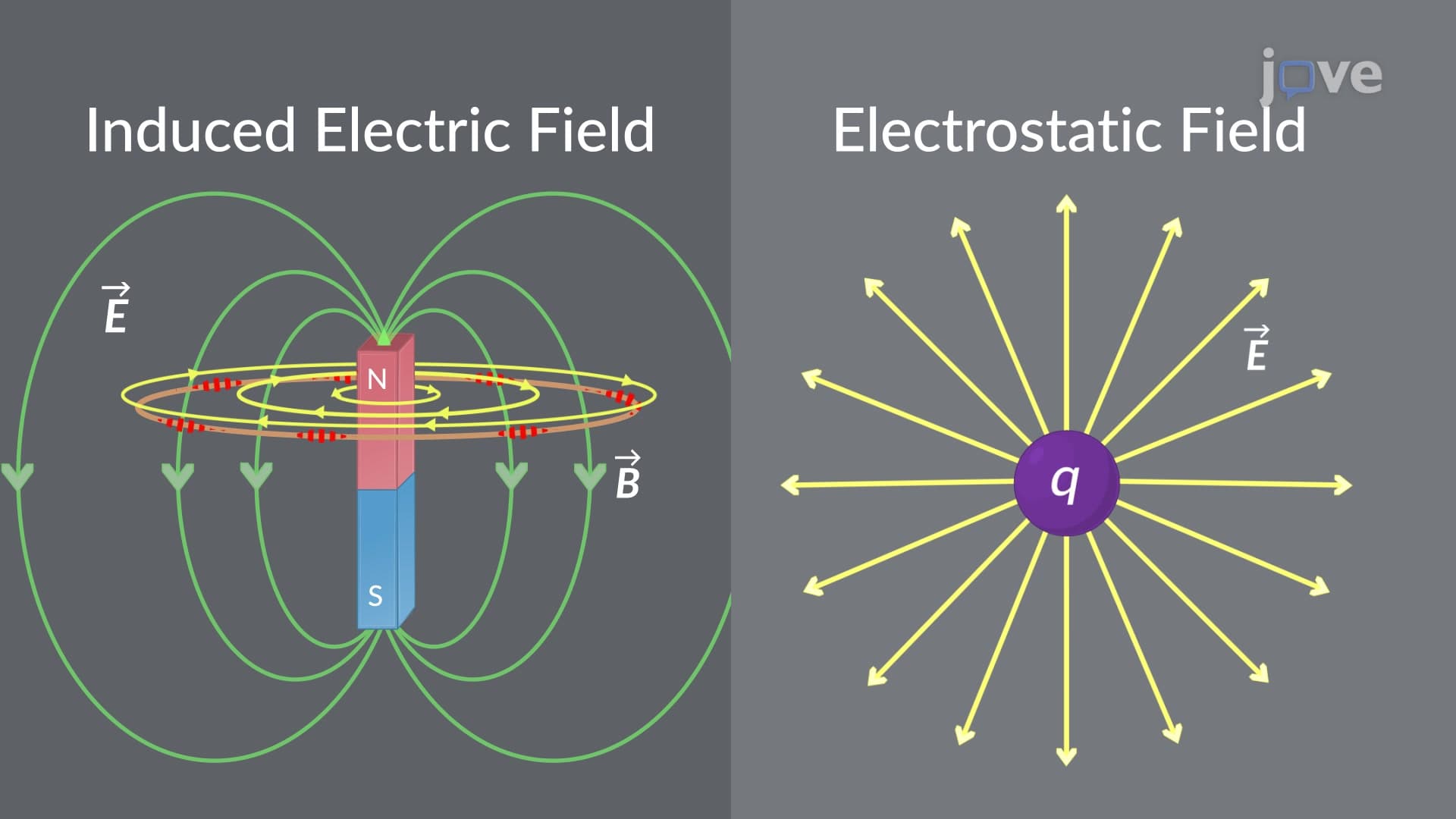
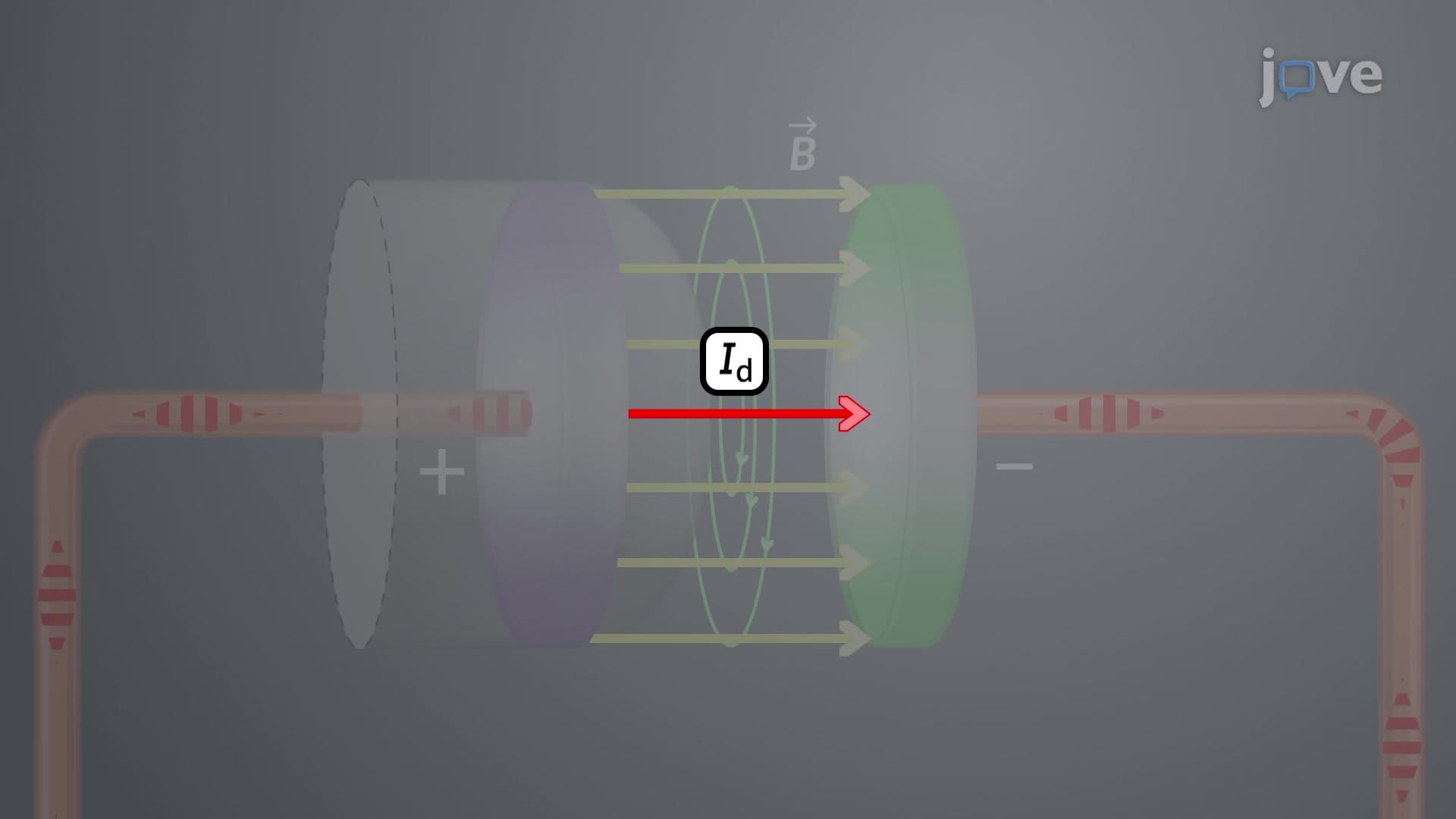
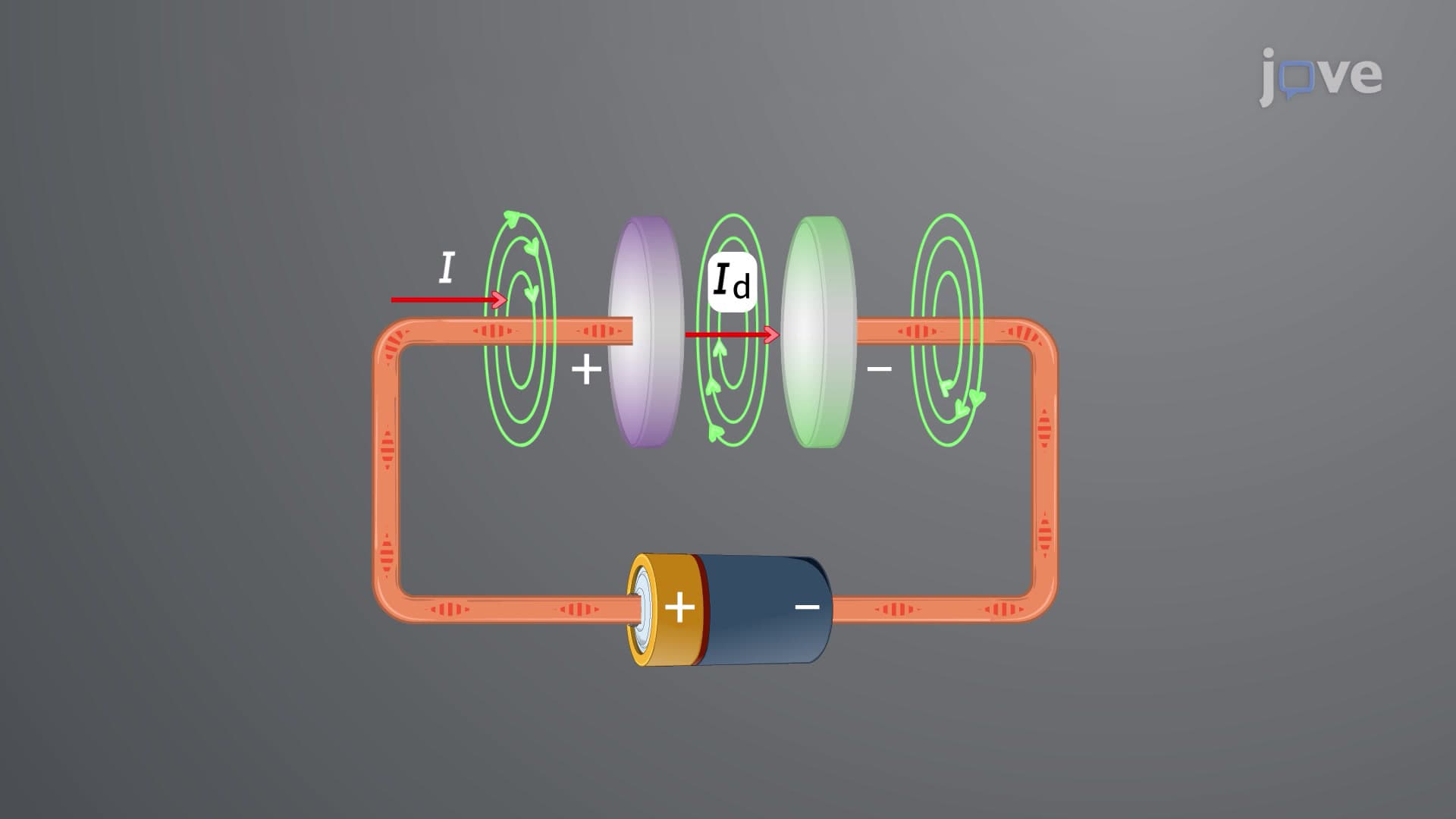
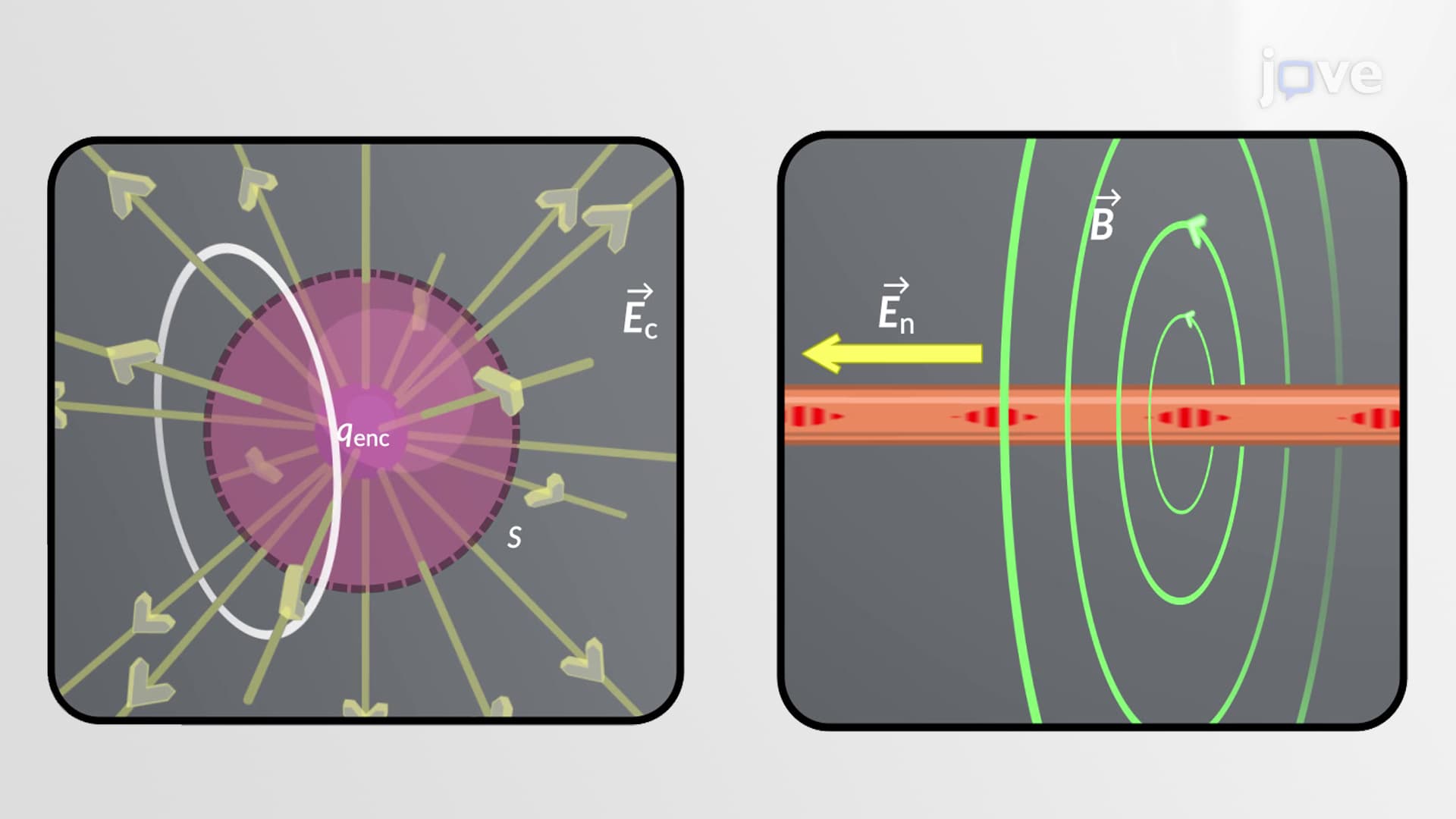
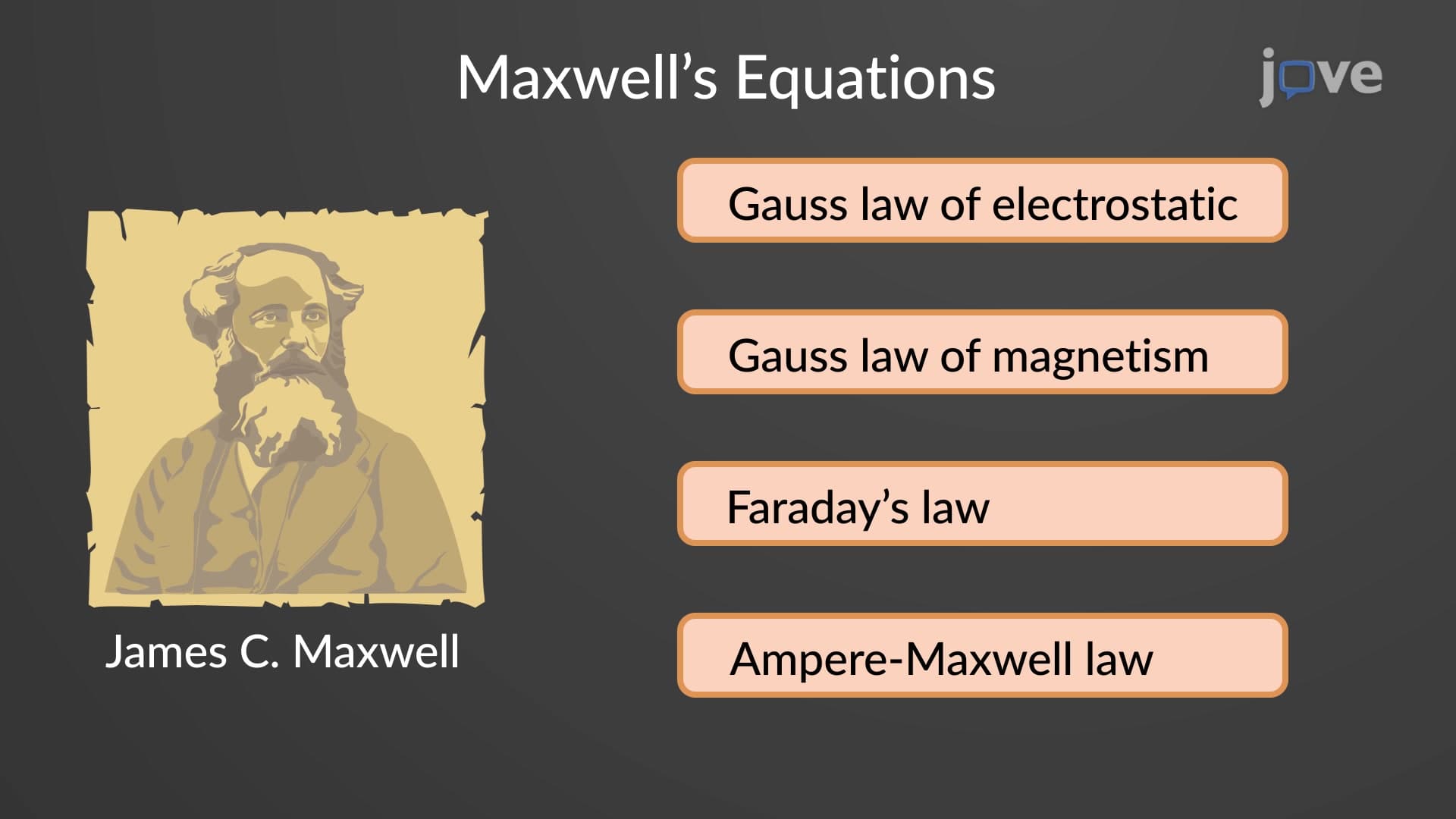
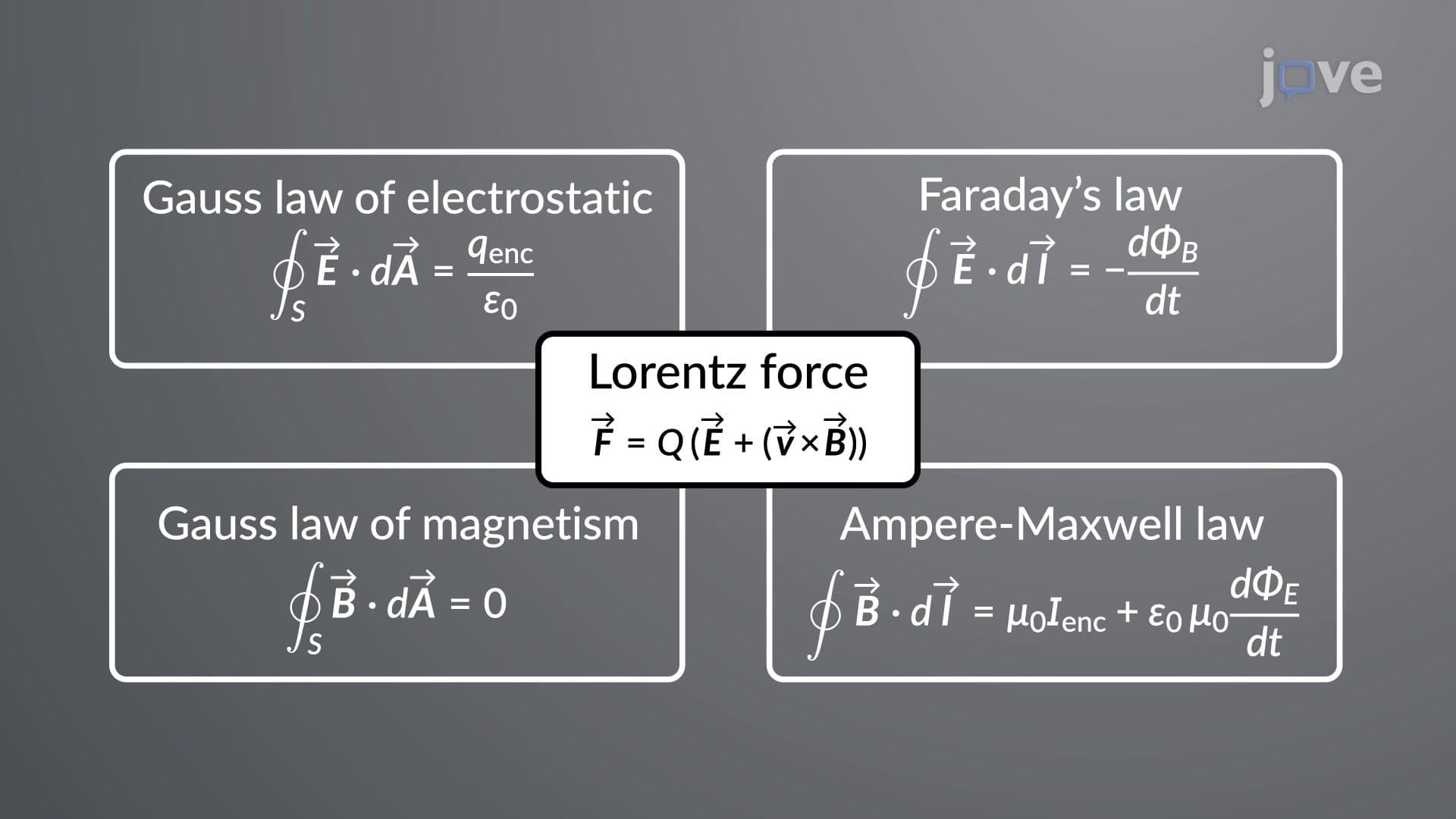
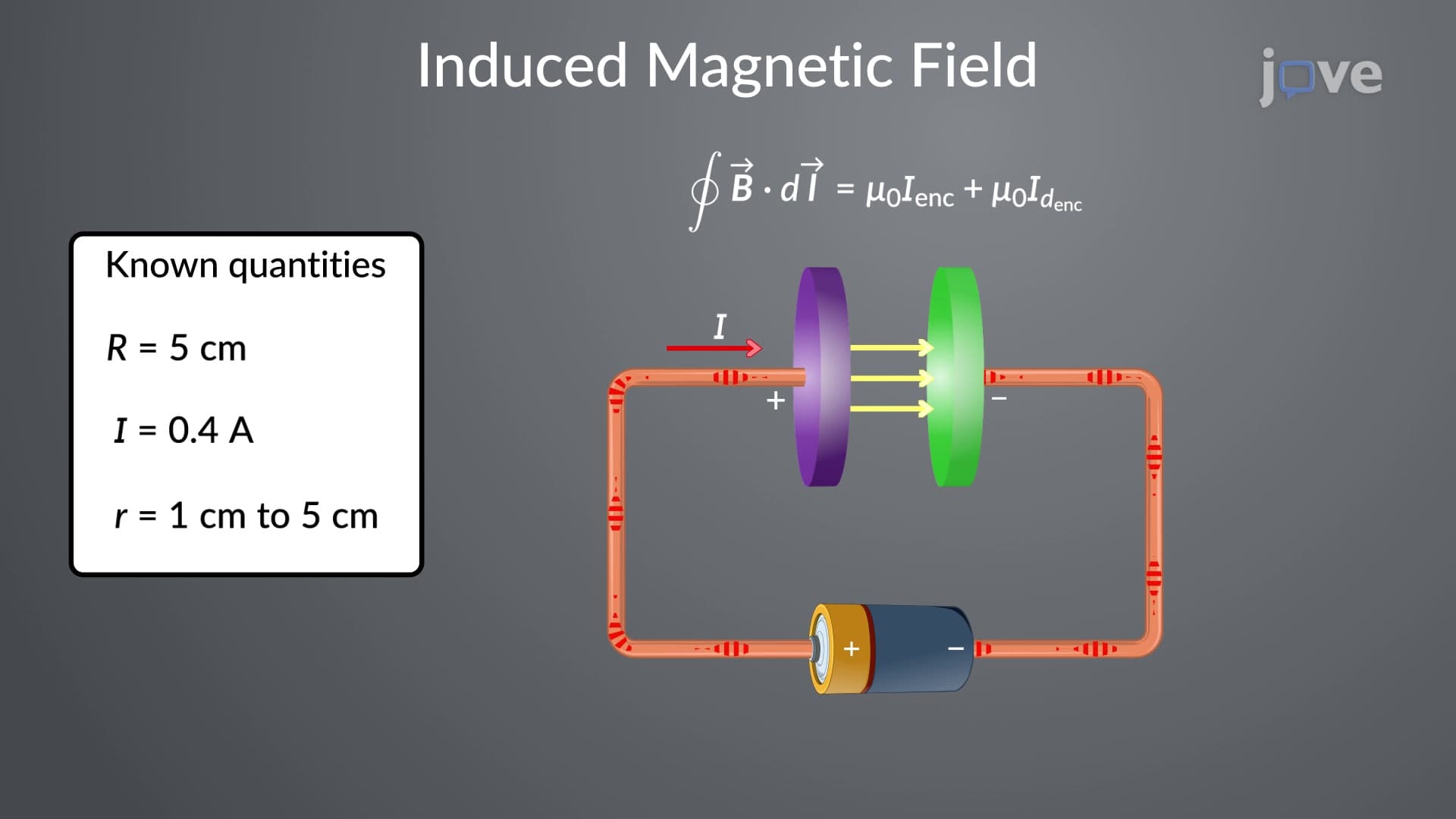
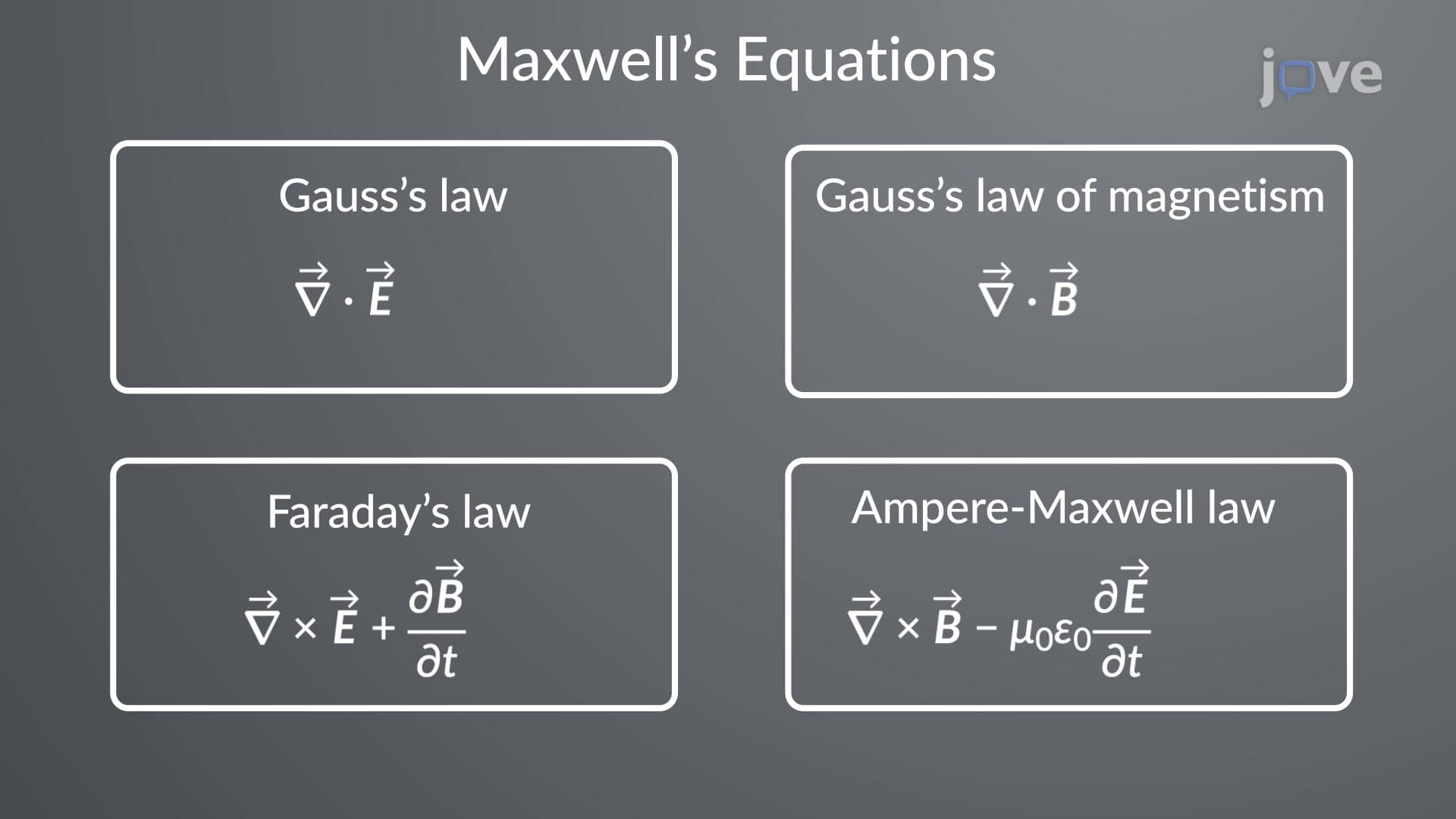
4. Induced Electric Fields and Maxwell's Equations: Time-varying magnetic fields create non-conservative induced electric fields, differing from electrostatic fields produced by static charges. Maxwell's four equations unify electromagnetic phenomena: Gauss's laws for electric and magnetic fields, Faraday's law, and Ampere-Maxwell law including displacement current. These equations predict electromagnetic wave propagation, forming the theoretical foundation for radio communication systems used by American broadcasting stations, cellular networks, and GPS satellites essential for modern navigation.
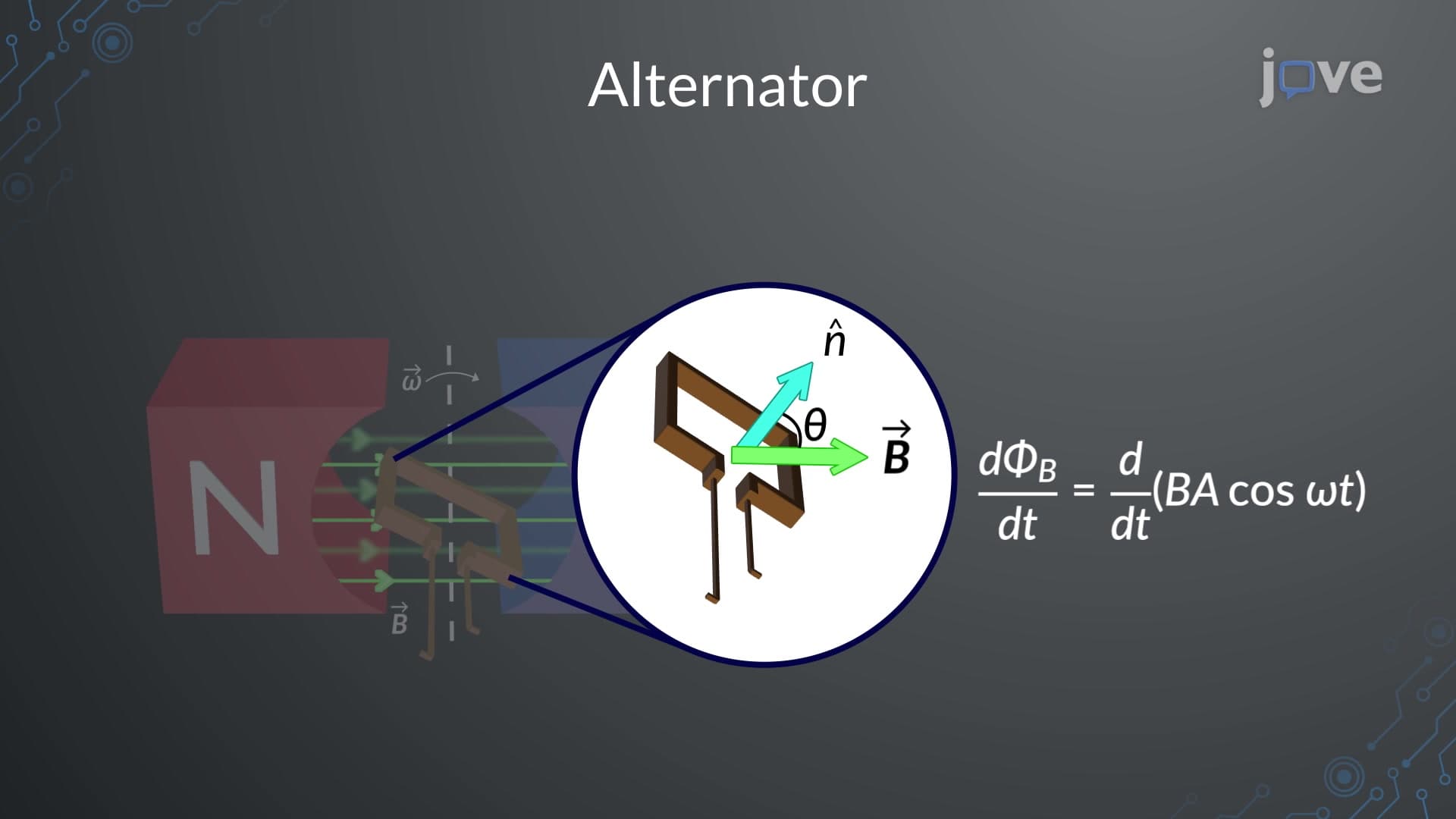
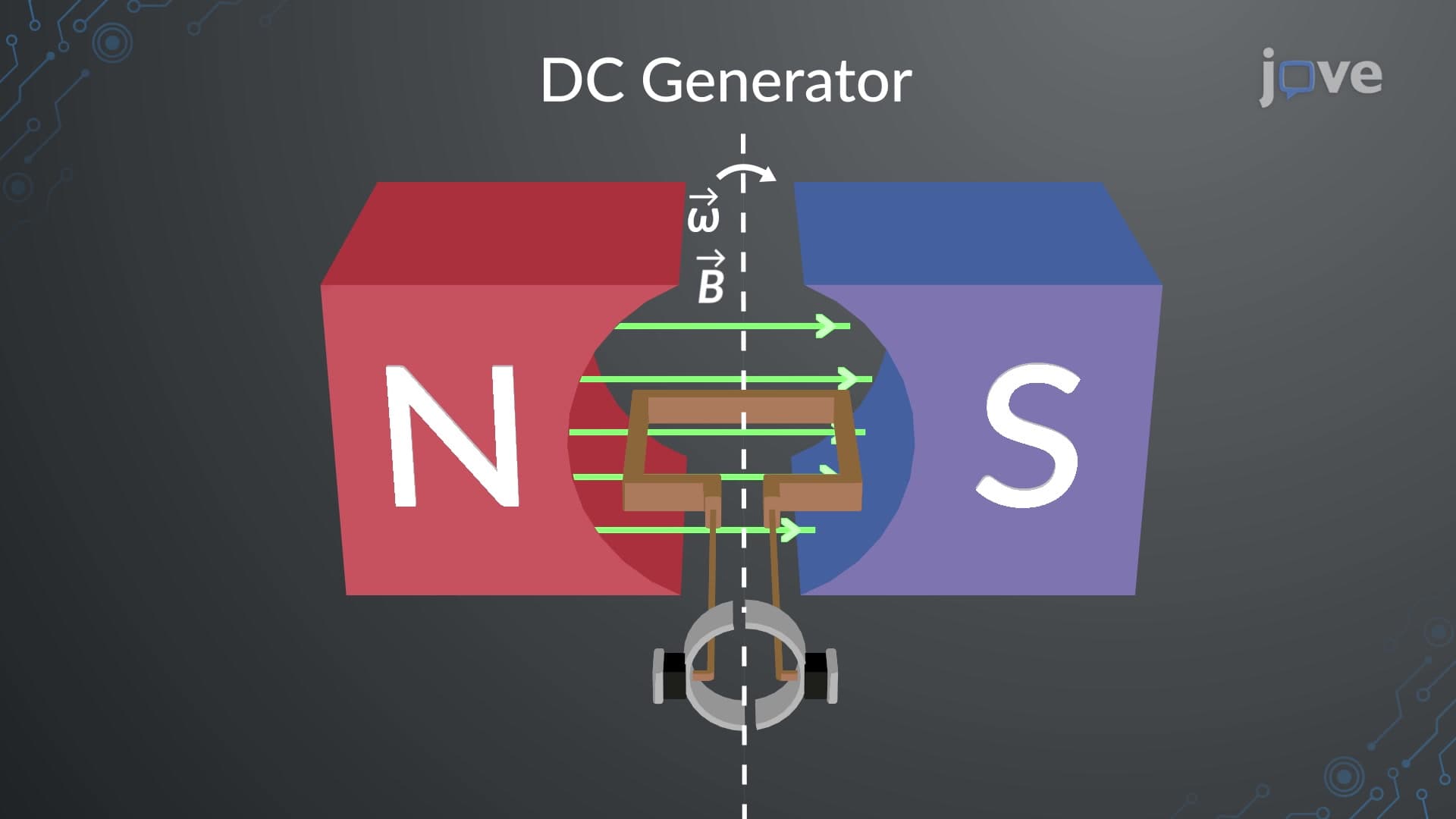
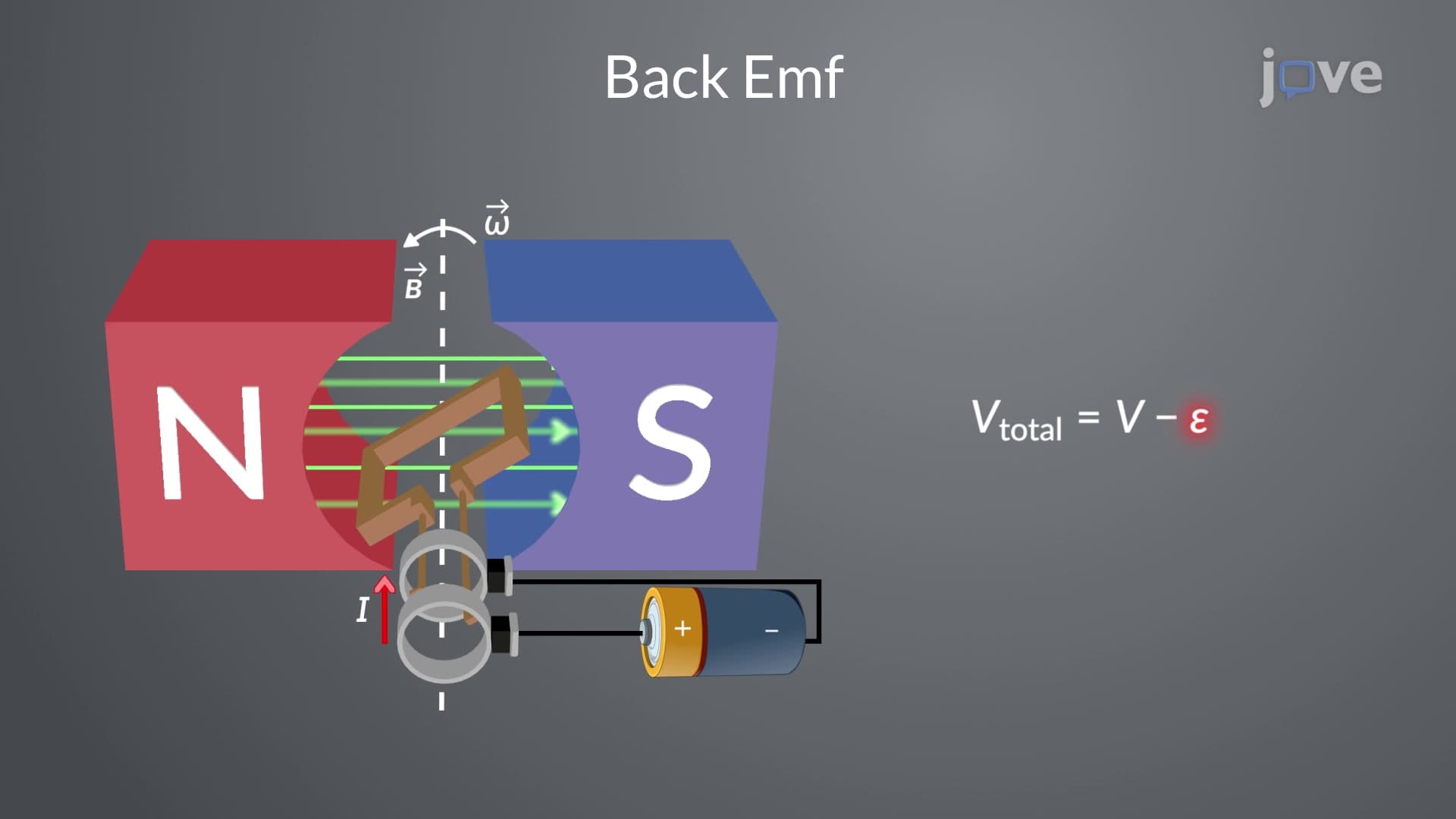
5. Electric Generators and Power Systems: Alternators convert mechanical energy to AC electrical energy through rotating conducting loops in magnetic fields, producing sinusoidal voltage outputs. DC generators use commutator rings to maintain constant polarity output. Back EMF in motors opposes applied voltage according to Lenz's law, limiting current flow as rotational speed increases. These principles govern power generation at American facilities like Hoover Dam and wind farms in Texas, where mechanical rotation drives electrical generators supplying the national power grid.
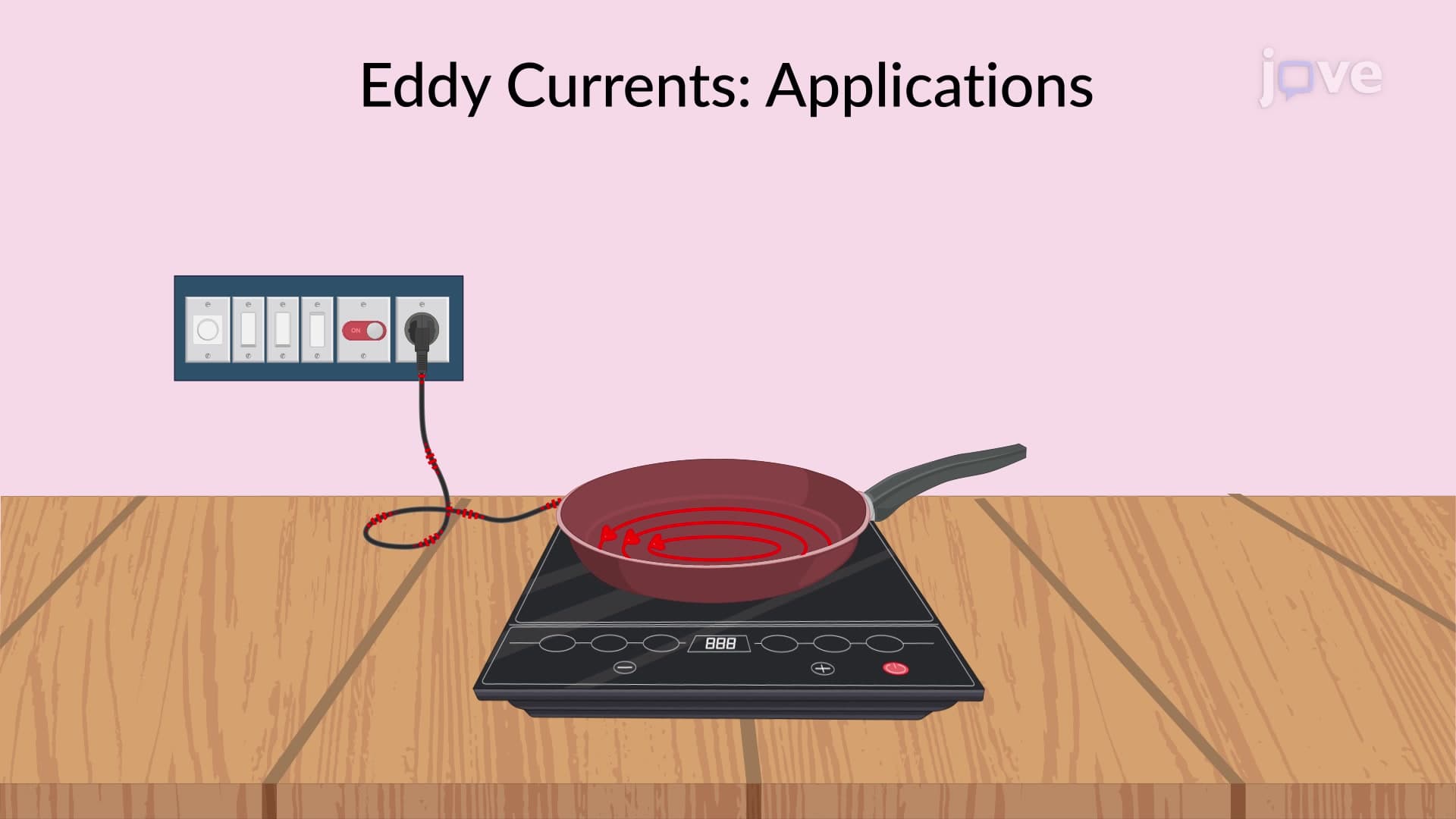
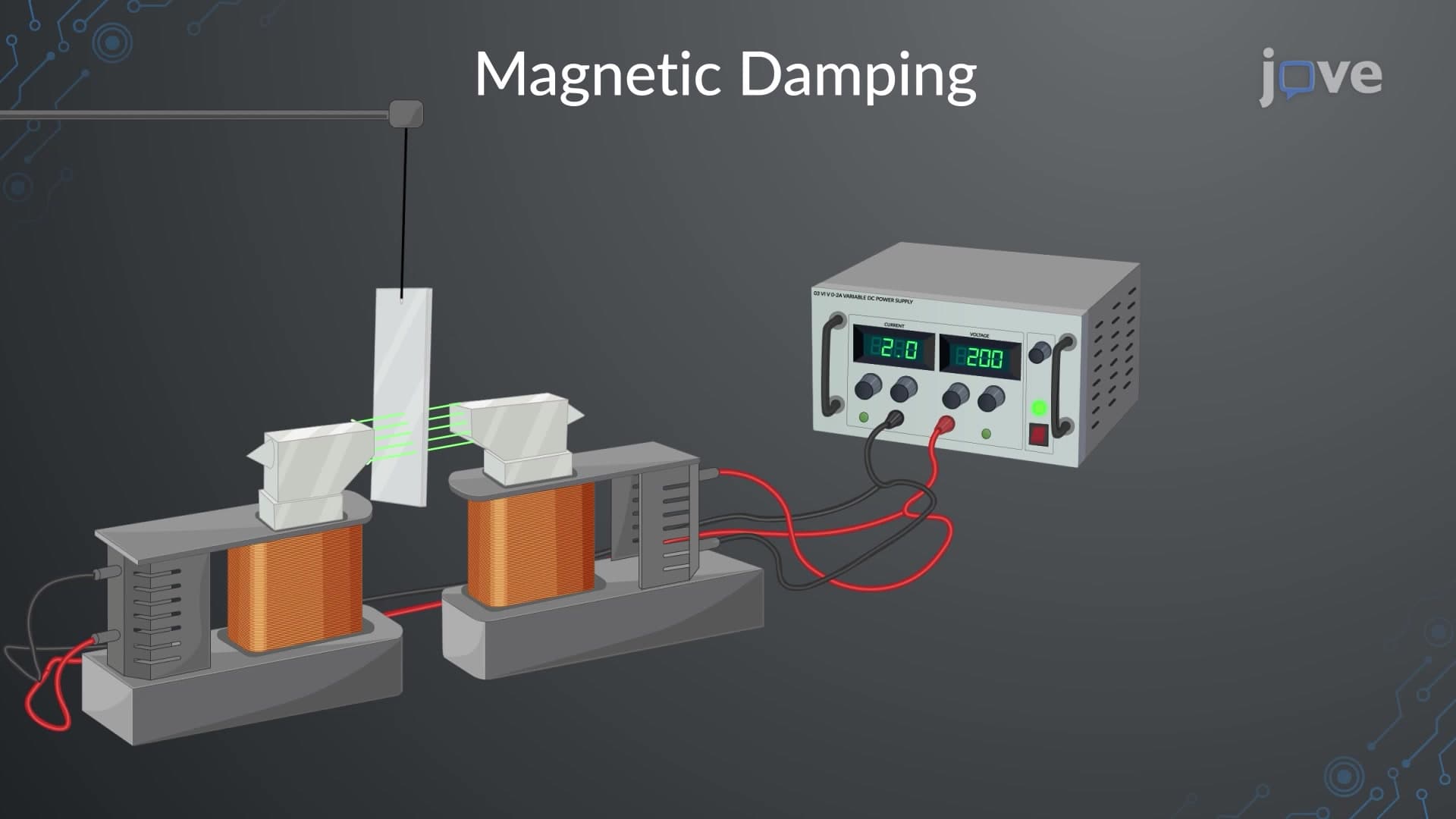
6. Eddy Currents and Practical Applications: Eddy currents are circular current loops induced in conductors by changing magnetic fields, causing energy dissipation as heat. While problematic in transformer cores requiring laminated construction, eddy currents enable useful applications like induction cooking on American stovetops, where changing magnetic fields induce currents in cookware, providing efficient heating. Magnetic damping utilizes eddy current opposition forces in applications ranging from electromagnetic brakes on American roller coasters to vibration dampeners in sensitive laboratory equipment.
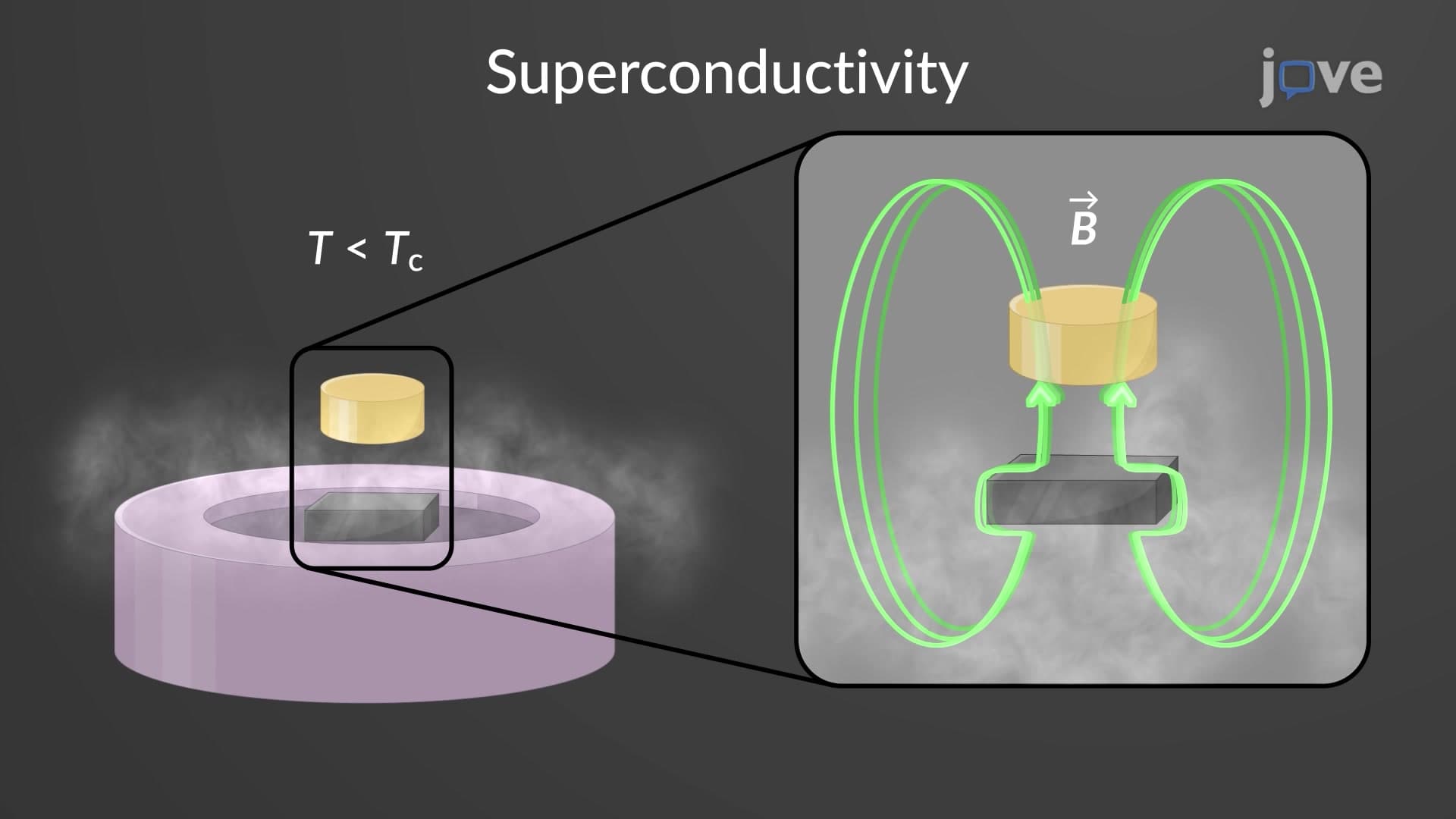
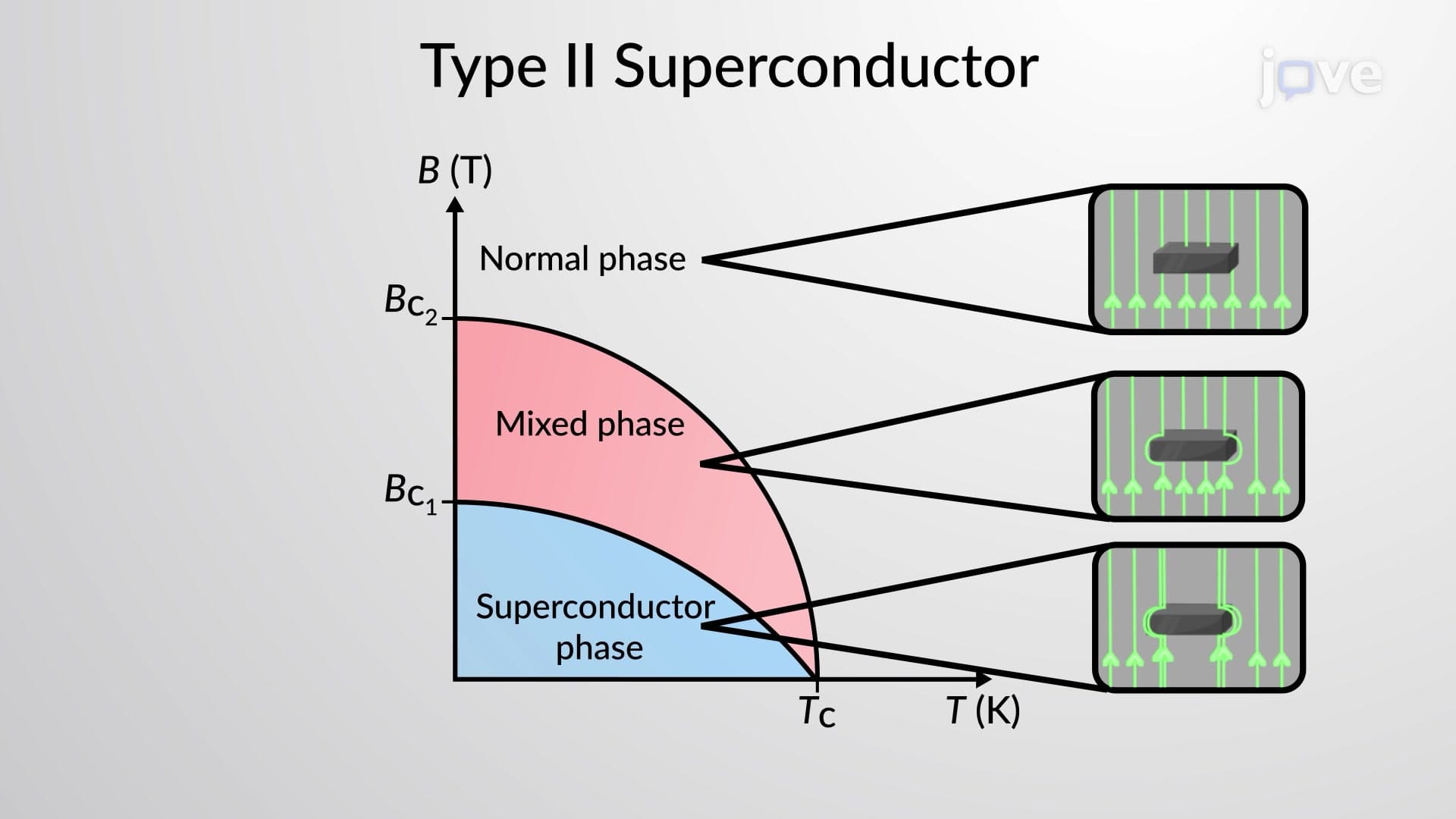
7. Superconductivity and Advanced Applications: Superconductors exhibit zero electrical resistance below critical temperatures, expelling magnetic fields through the Meissner effect. Type I superconductors (pure metals like mercury) completely exclude magnetic fields, while Type II superconductors (complex alloys) allow partial field penetration. American research facilities study superconducting magnetic energy storage systems and power transmission cables that could revolutionize electrical grid efficiency, with prototype installations in cities like Albany, New York, demonstrating practical superconducting power cable applications.