Loading video…


 21 Concepts
 61.8K views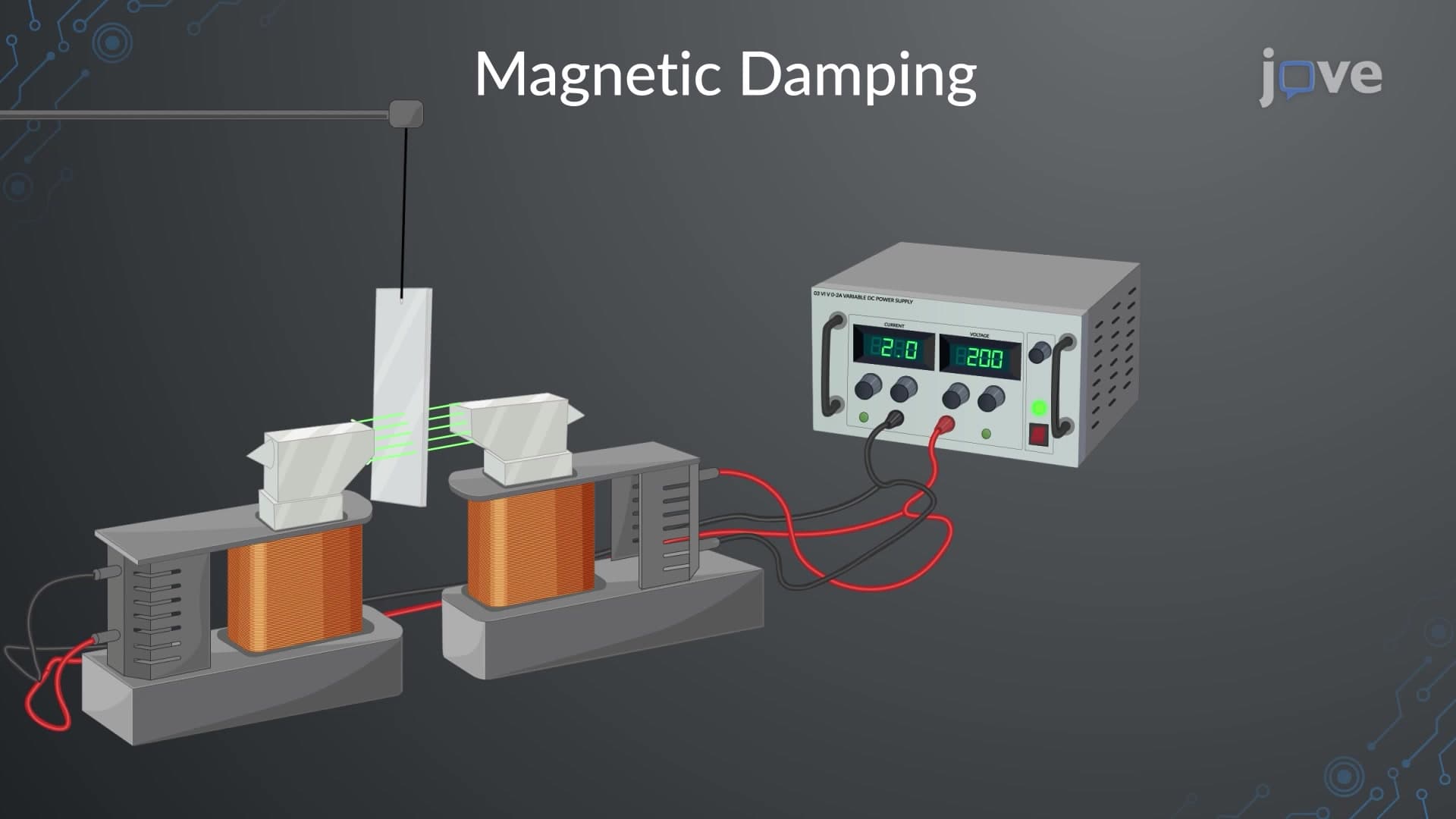

Video Summary: What Is Magnetic Damping
Ever wondered why subway trains can brake smoothly without grinding metal wheels? Magnetic damping creates this friction-free stopping power through invisible electromagnetic forces. When a conductor moves through magnetic fields-like in New York's MTA regenerative braking systems-opposing currents naturally resist motion without any physical contact. This phenomenon demonstrates how changing magnetic flux induces eddy currents that follow Lenz's law, creating forces that oppose the original motion. Watch the full video on JoVE Coach to master this concept with expert-led visuals and step-by-step explanations.
Magnetic damping represents one of the most elegant applications of electromagnetic induction in physics. This contactless damping mechanism relies on the interaction between moving conductors and magnetic fields to reduce motion through induced electromagnetic forces. Unlike mechanical damping systems that require physical contact and generate heat through friction, magnetic damping operates through the fundamental principles of electromagnetic induction discovered by Michael Faraday.
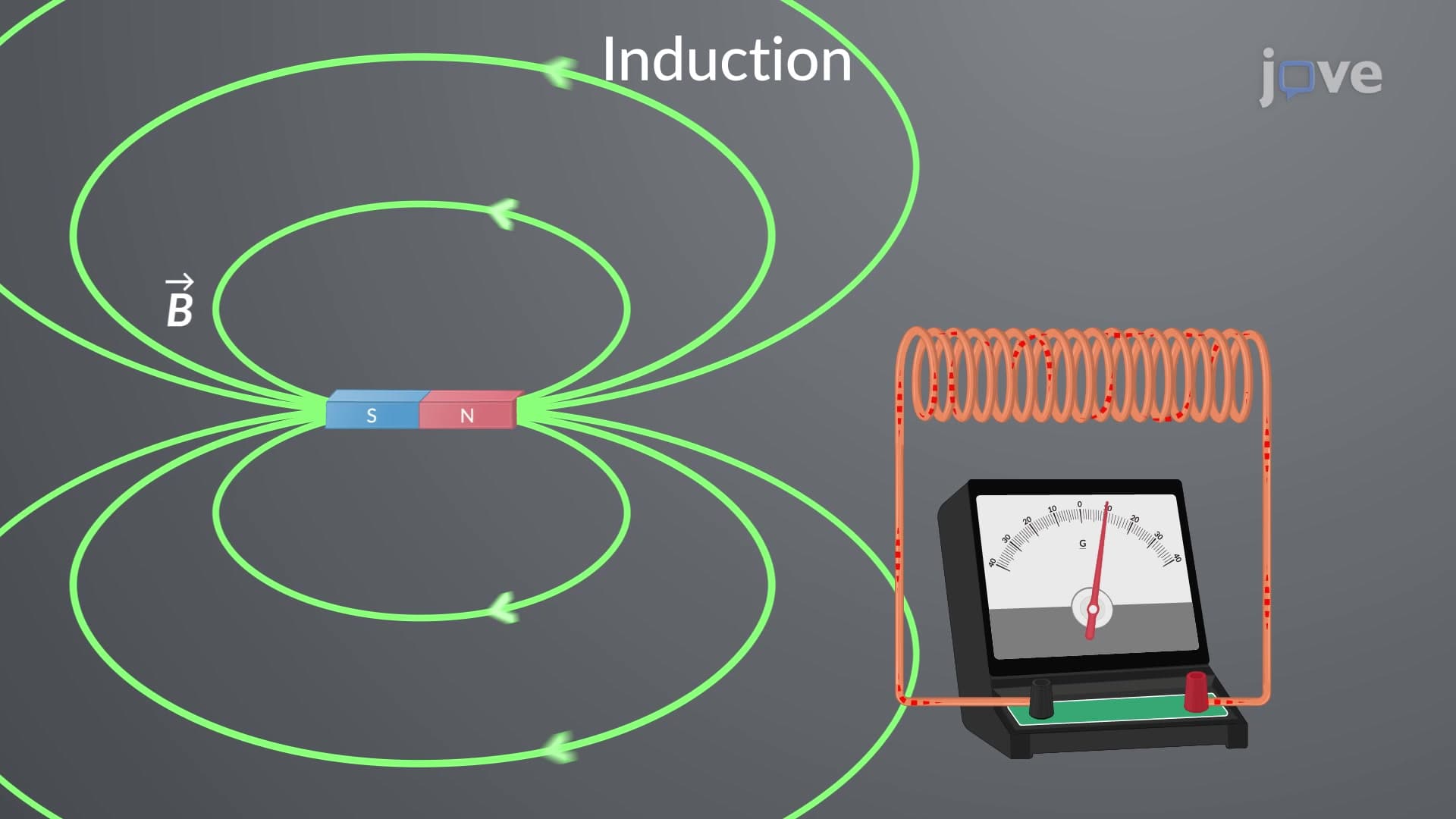
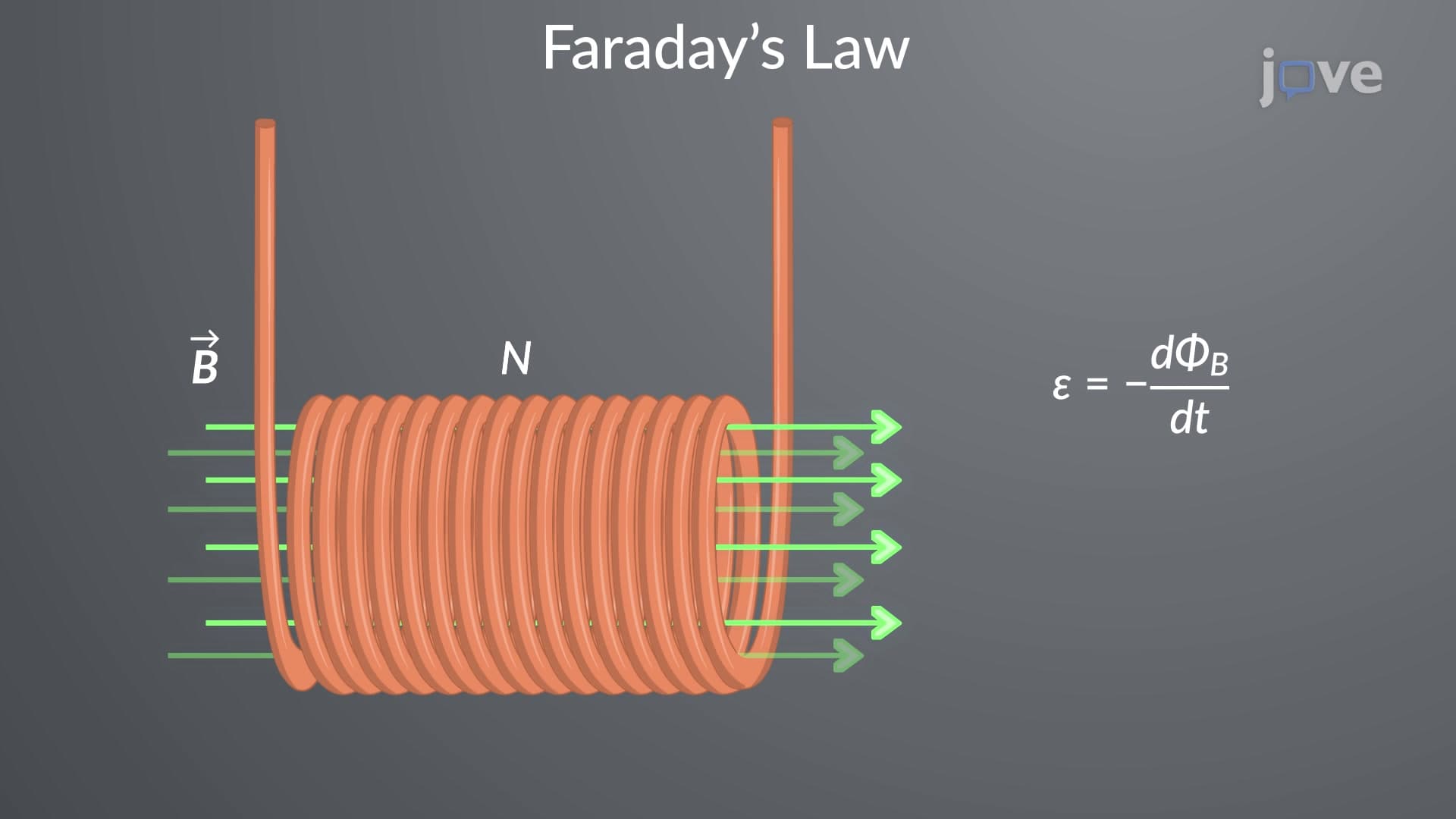
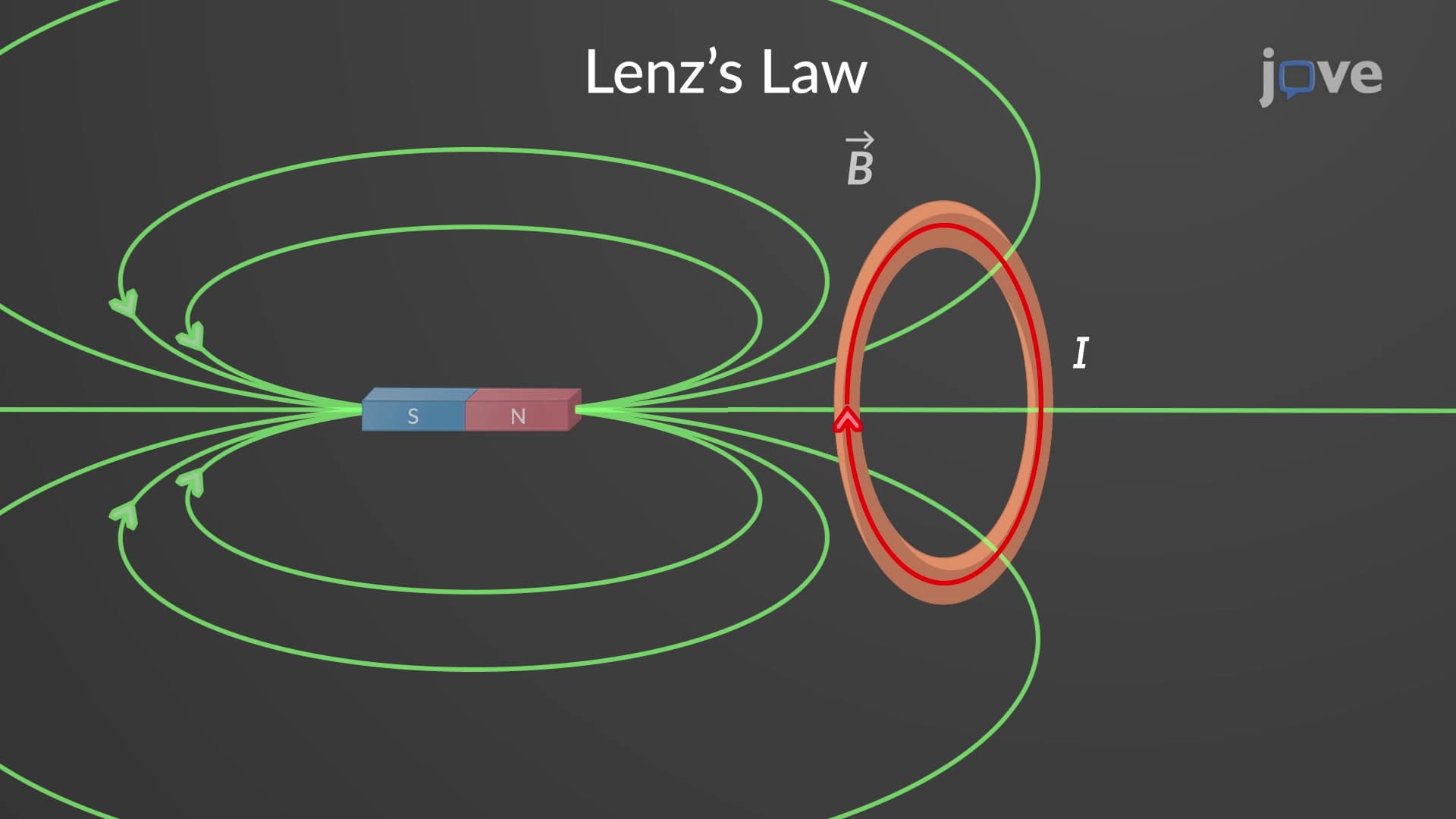
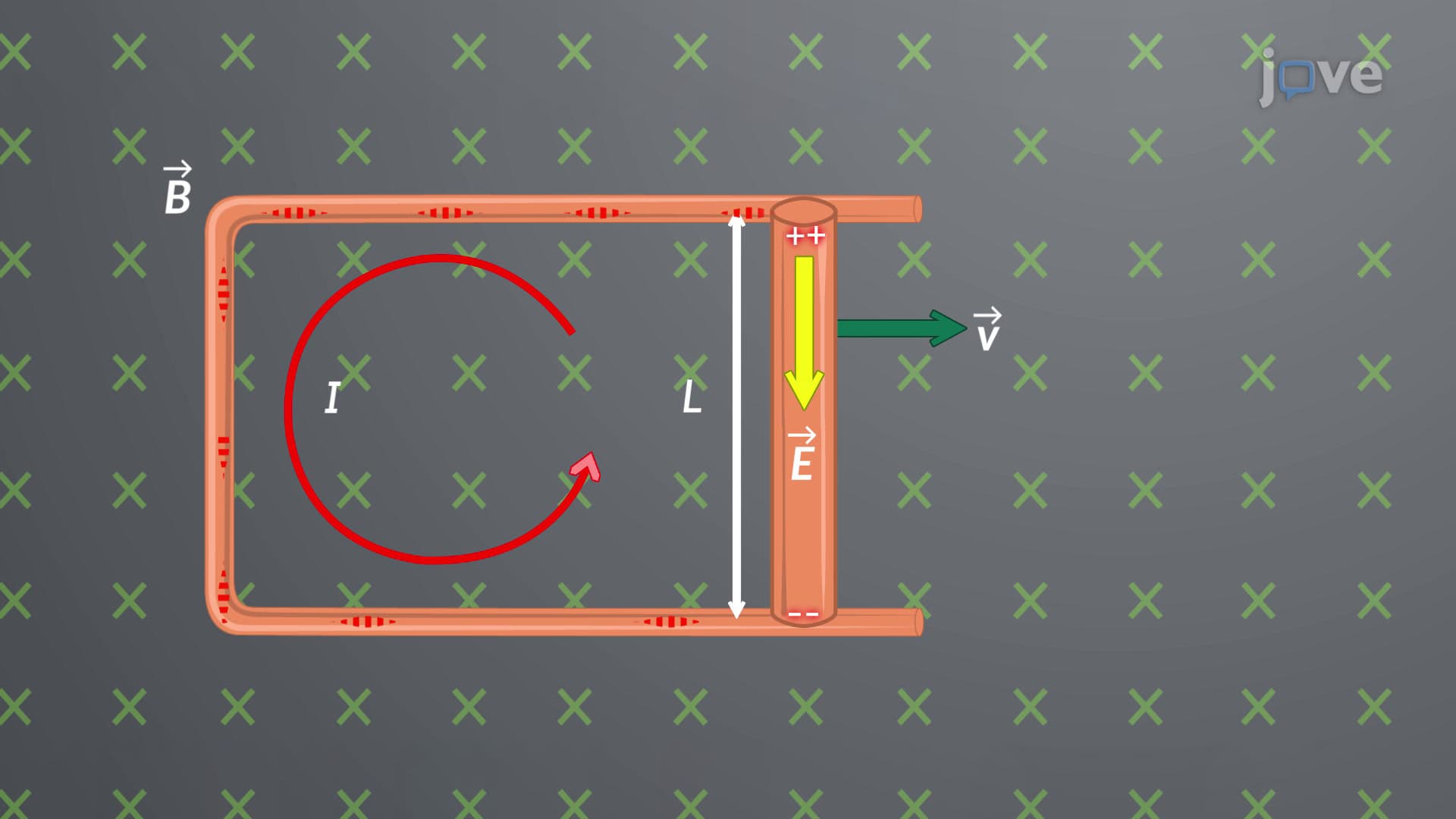
The process begins when a conducting material moves through a magnetic field, causing changes in magnetic flux through the conductor. According to Faraday's law of electromagnetic induction, this changing flux induces electric currents within the conductor-specifically, circular currents called eddy currents. These currents create their own magnetic fields that, following Lenz's law, oppose the change that created them.
When analyzing magnetic damping systems, students must understand that eddy currents don't flow randomly through conductors. These currents form closed loops within the conducting material, following paths that minimize electrical resistance. The magnitude of these currents depends on several factors: the strength of the magnetic field, the velocity of the conductor, the conductivity of the material, and the geometry of both the conductor and magnetic field.
For AP Physics students preparing for college-level coursework, it's crucial to recognize that eddy current strength increases proportionally with velocity. This velocity-dependent relationship makes magnetic damping particularly effective at high speeds while allowing gentle motion at low velocities-a characteristic that proves invaluable in precision scientific instruments and transportation systems.
Magnetic damping technology appears throughout American infrastructure and industry. The San Francisco Bay Area's BART system utilizes regenerative braking that incorporates magnetic damping principles, converting kinetic energy back into electrical power while providing smooth deceleration. Similarly, many roller coasters at theme parks like Six Flags employ magnetic brakes for safe, controlled stops without the maintenance requirements of friction brakes.
In laboratory settings, analytical balances used in college chemistry labs across the United States employ magnetic damping to quickly settle oscillating measurements. This application demonstrates how the technology enhances precision in scientific measurements-a concept frequently tested in college chemistry and physics exams.
Students preparing for standardized tests like the MCAT or AP Physics exams should focus on energy conservation principles within magnetic damping systems. The kinetic energy of the moving conductor transforms into electrical energy through induced currents, which then converts to thermal energy through resistance. Understanding this energy pathway helps solve complex problems involving damping coefficients and oscillation decay rates commonly found in college-level physics assessments.
Related Micro-courses