Loading video…


 21 Concepts
 61.8K views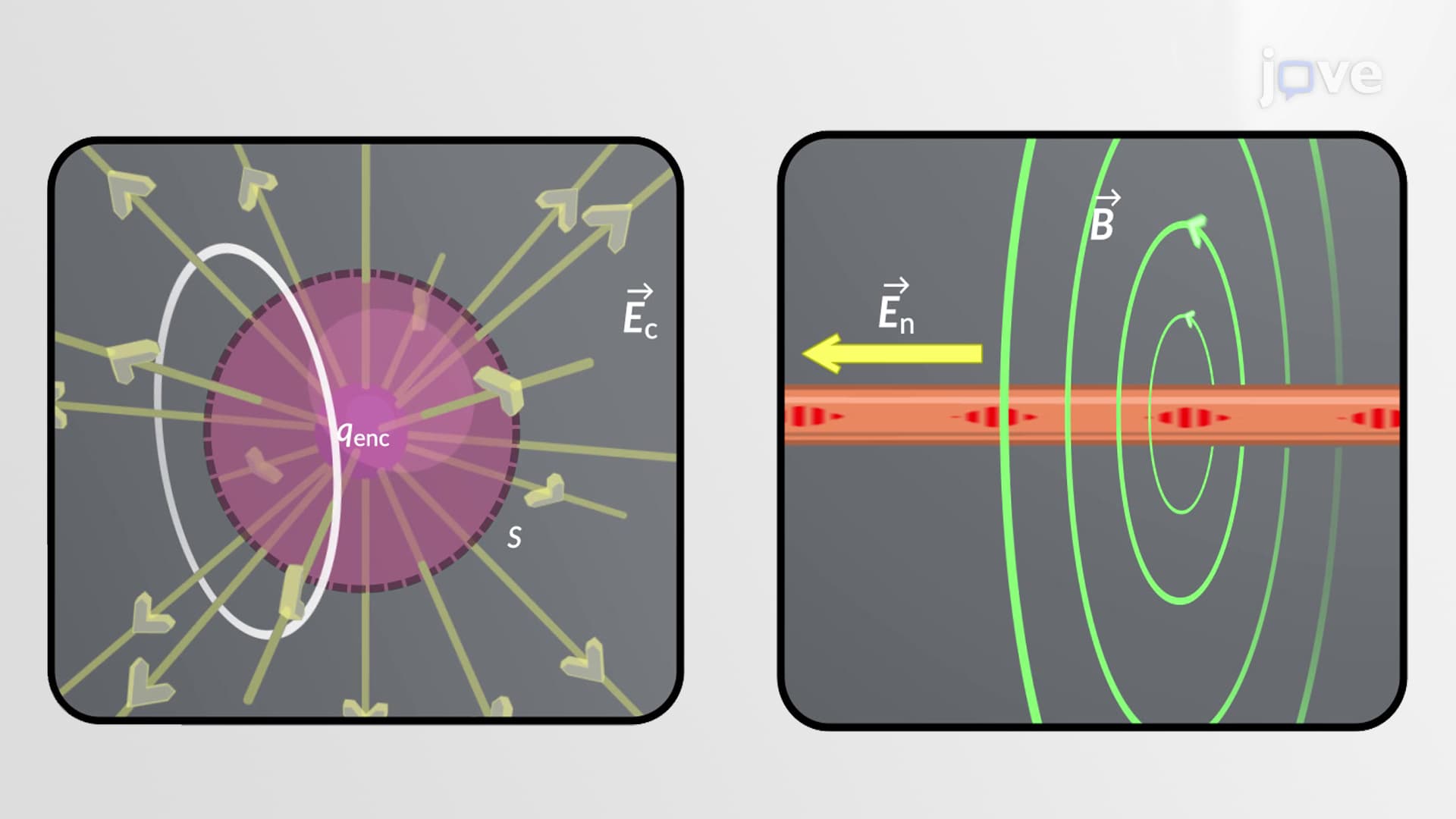

Video Summary: What are Electromagnetic Fields
Did you know that the GPS in your smartphone relies on electromagnetic fields to pinpoint your location within just a few meters? Understanding what are electromagnetic fields reveals how electric and magnetic components work together through fundamental laws like Gauss's law and Faraday's law. These fields, whether conservative or non-conservative, combine to create the Lorentz force that governs charged particle motion-the same principle behind MRI machines in US hospitals. Watch the full video on JoVE Coach to master this concept with expert-led visuals and step-by-step explanations.
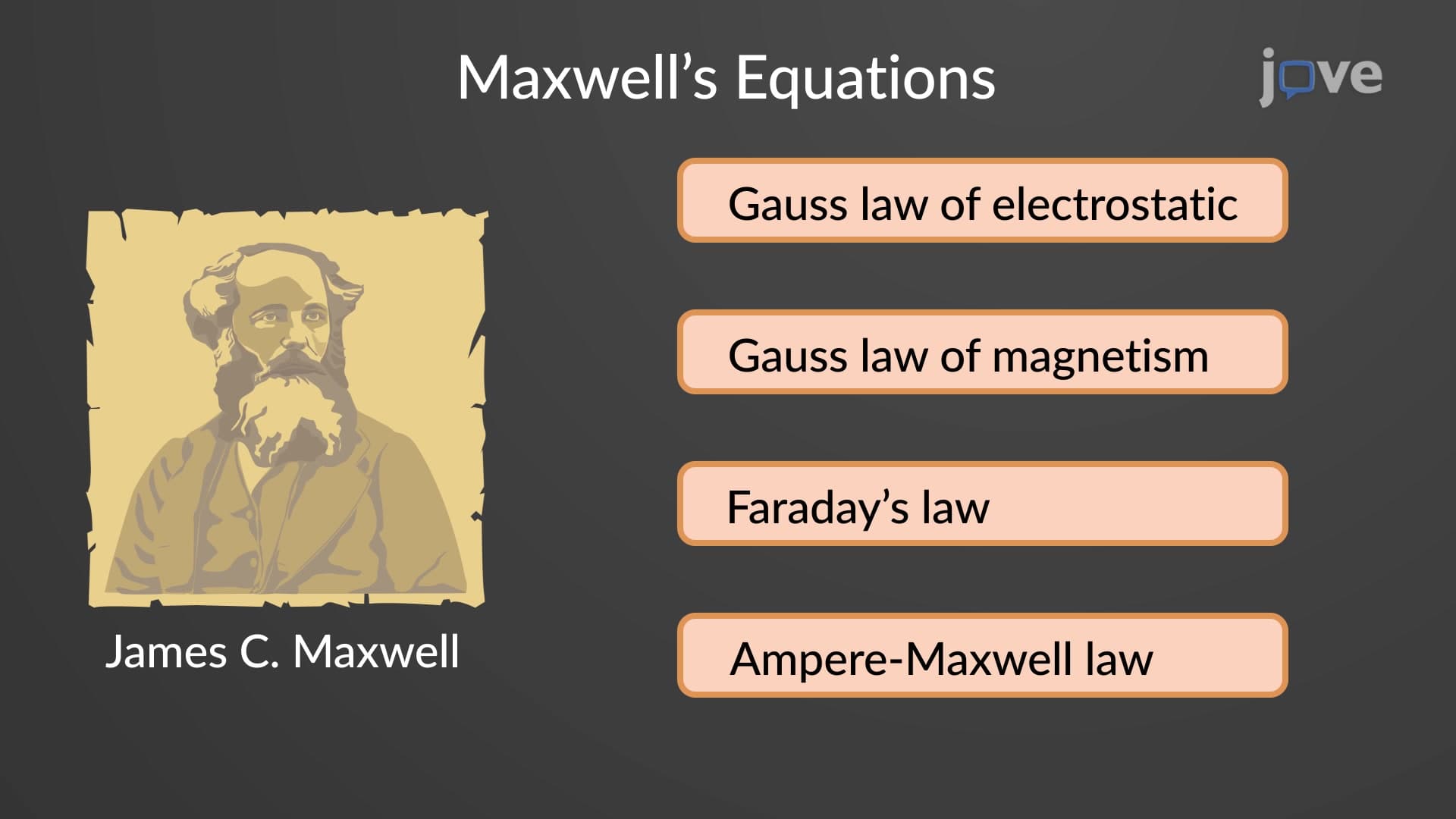
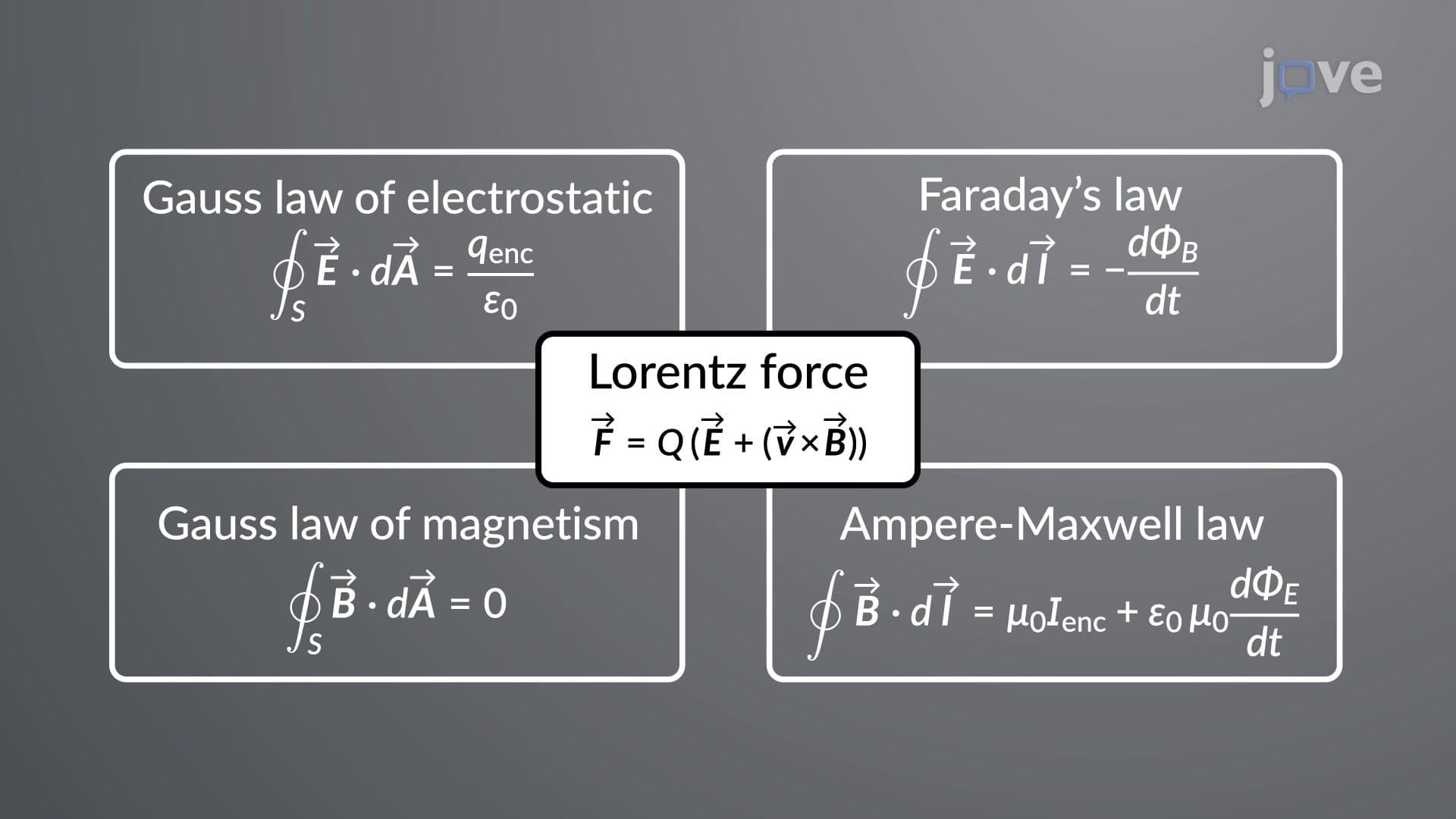
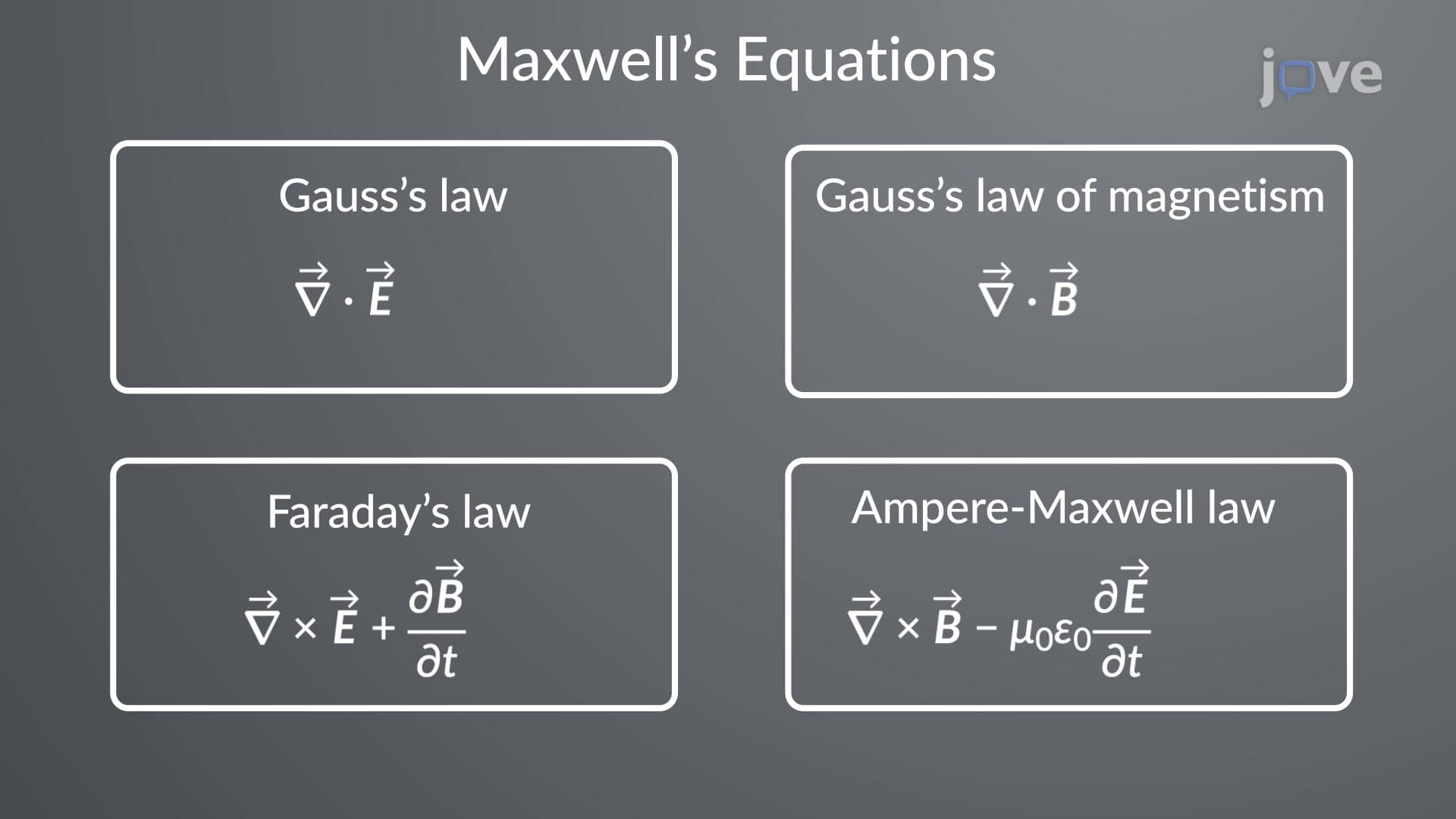
Electromagnetic fields represent one of physics' most elegant unifying concepts, bringing together seemingly different phenomena under a single theoretical framework. At their core, electromagnetic fields describe how electric and magnetic forces interact in space and time, governed by Maxwell's equations-four fundamental laws that revolutionized our understanding of the physical world.
The journey to understanding electromagnetic fields begins with recognizing two distinct types of electromagnetic fields: conservative and non-conservative electric fields, plus two categories of magnetic fields. This classification emerges from the fundamental laws governing each type, creating a comprehensive picture essential for AP Physics C students and college-level electromagnetic theory courses.
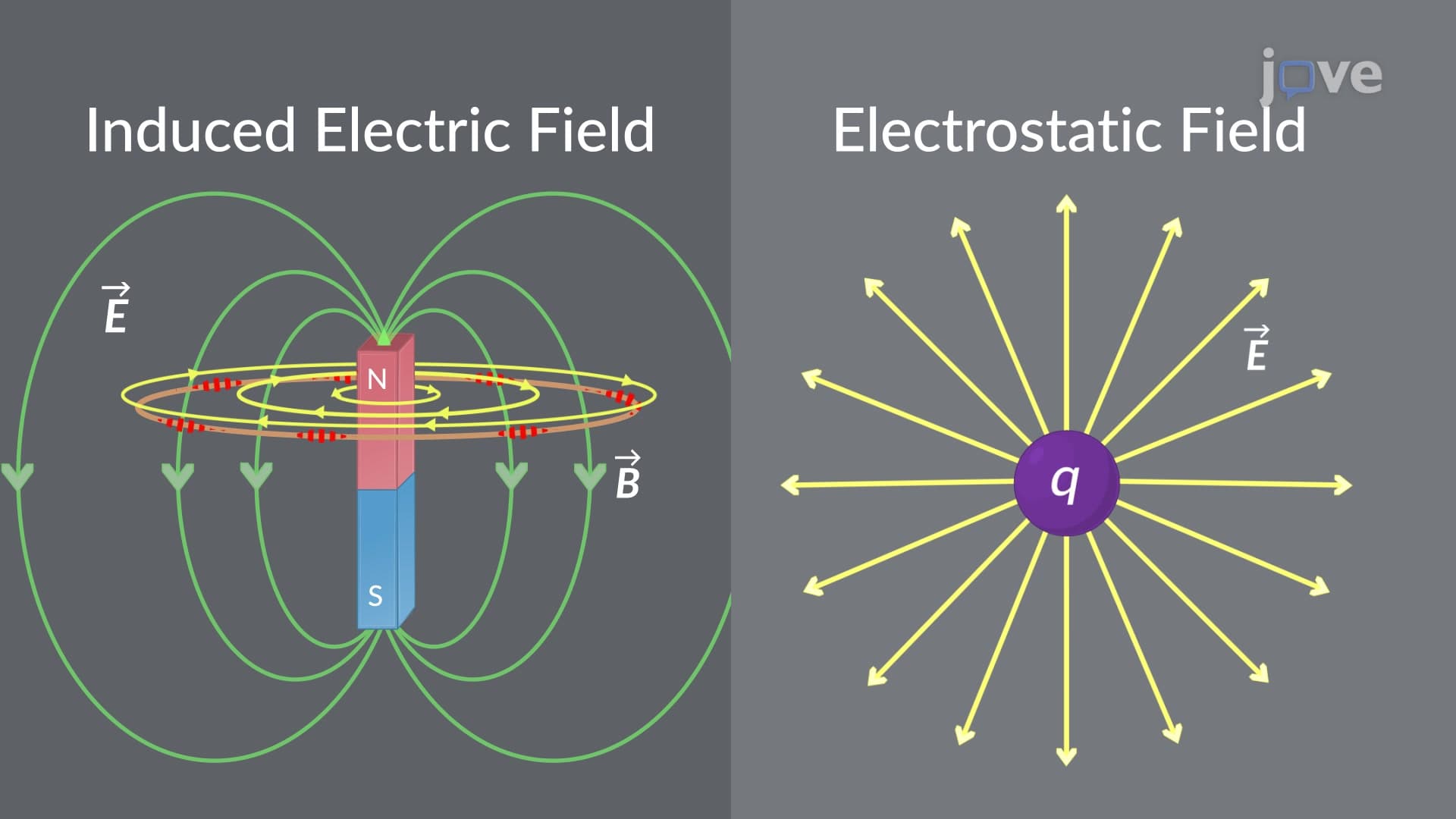
Conservative electric fields arise from stationary electric charges and strictly follow Gauss's law. These fields possess a crucial mathematical property: their line integral around any closed path equals zero. This characteristic makes them "conservative"-the work done moving a charge between two points depends only on the starting and ending positions, not the path taken. Students preparing for the MCAT or AP Physics exams frequently encounter problems involving these conservative electric fields when analyzing capacitors or static charge distributions.
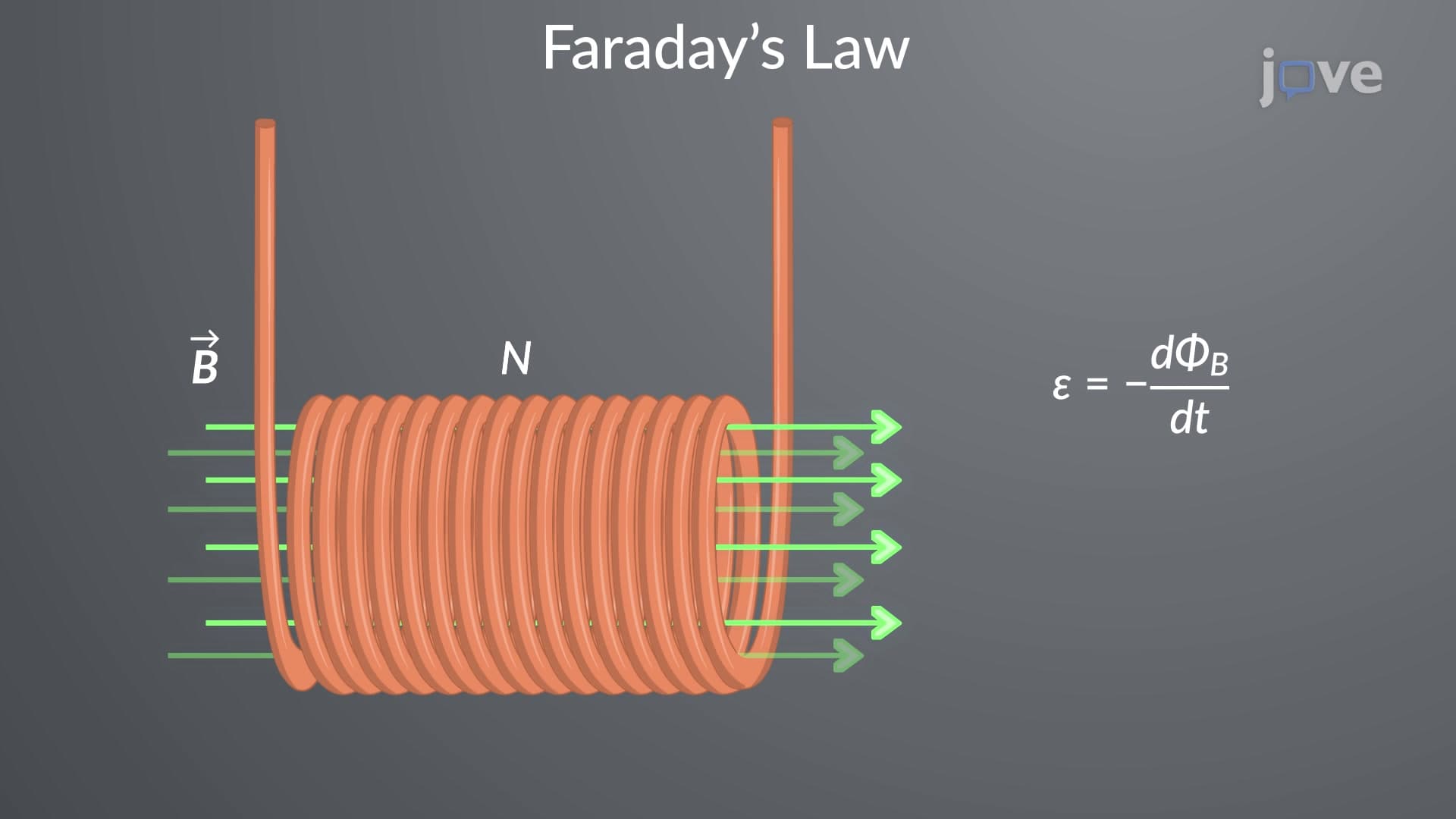
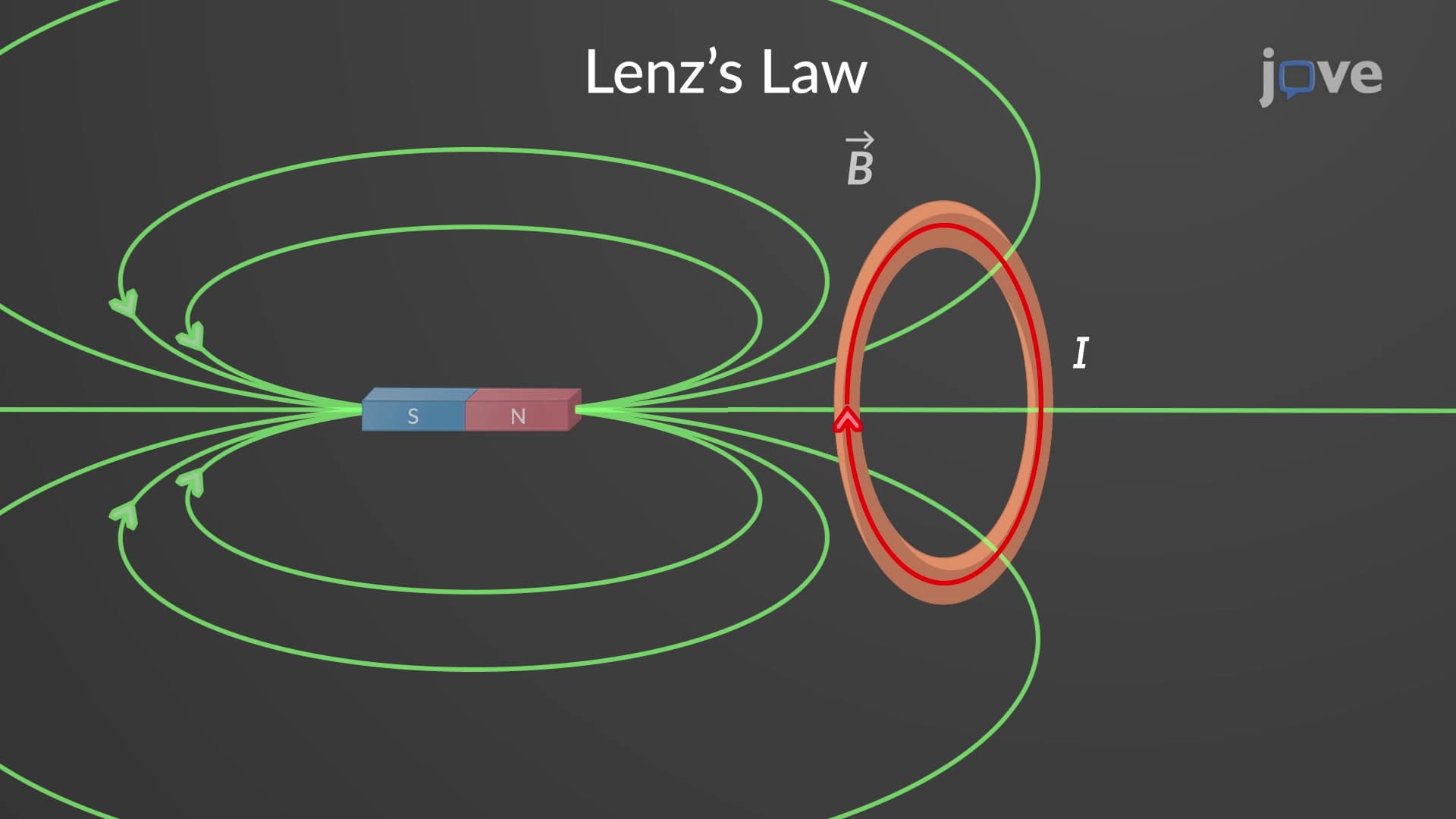
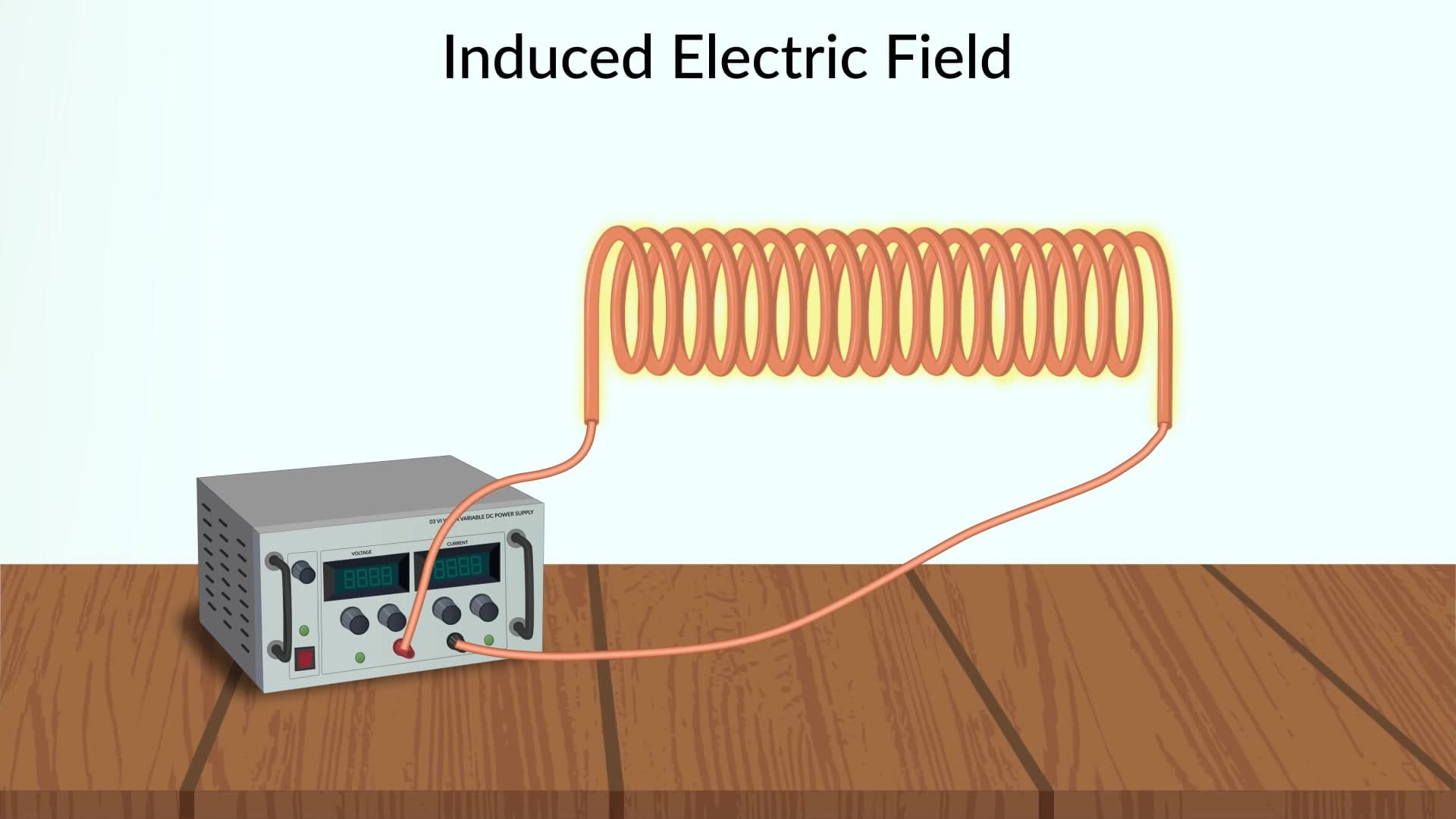
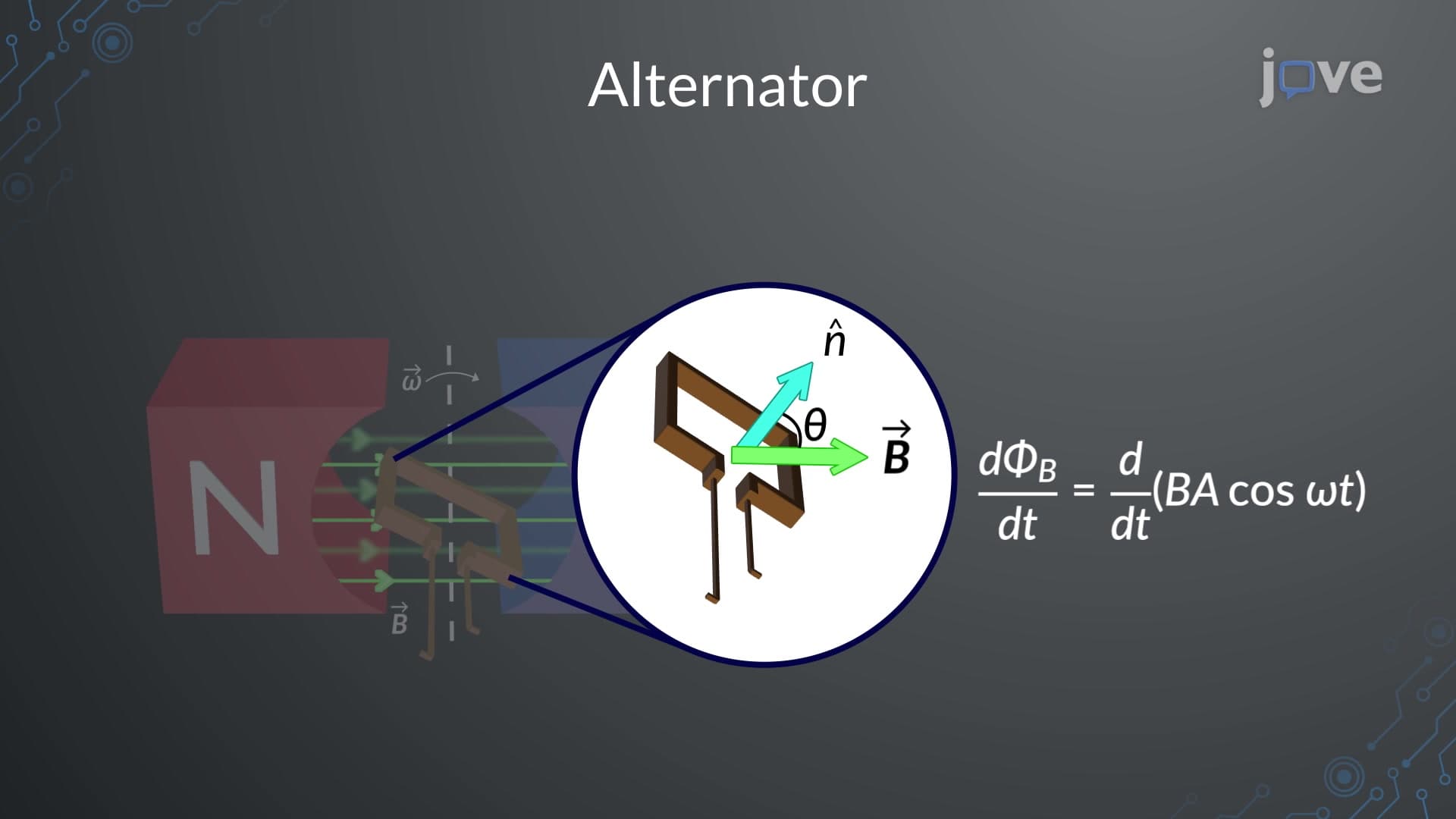
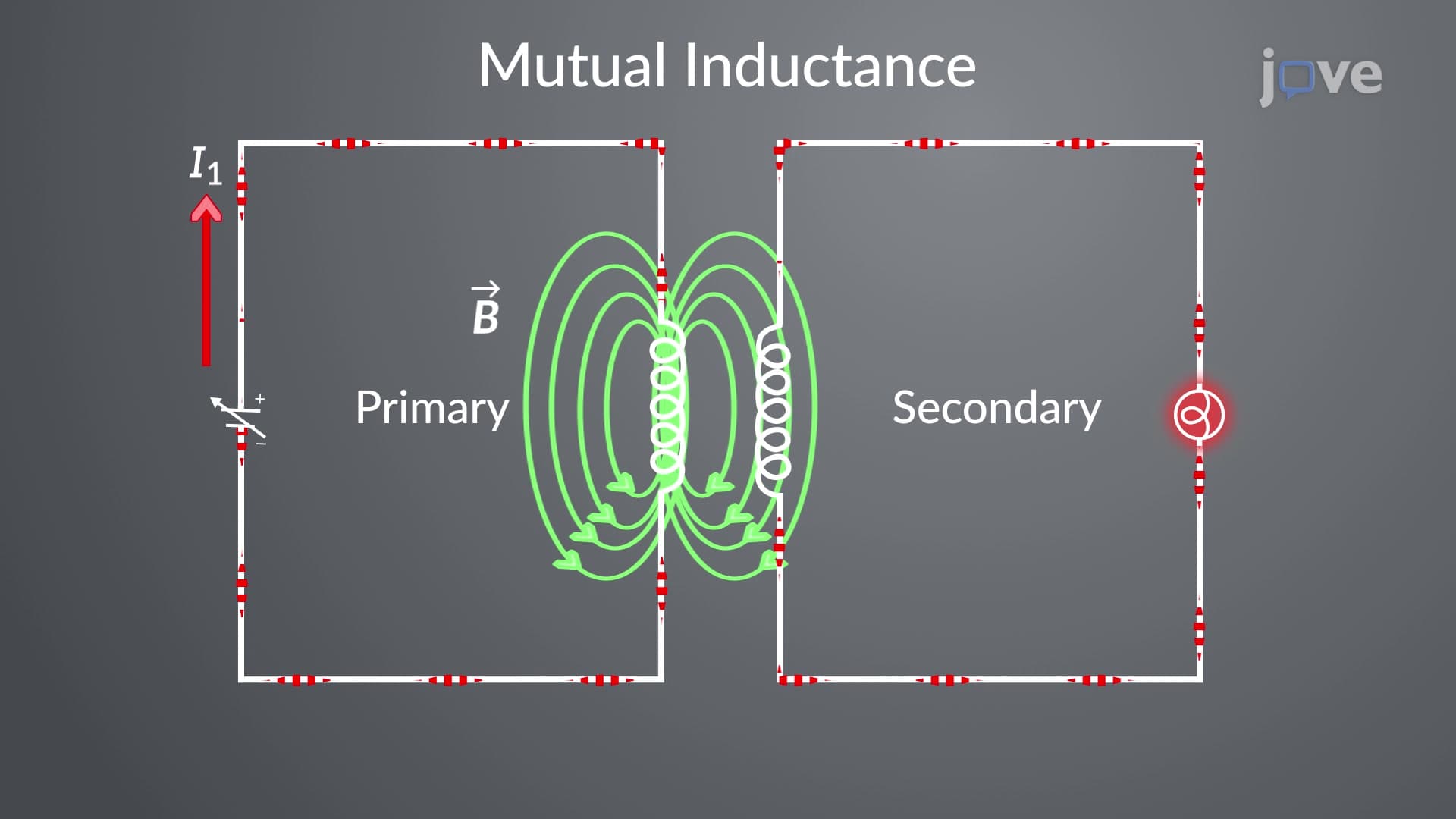
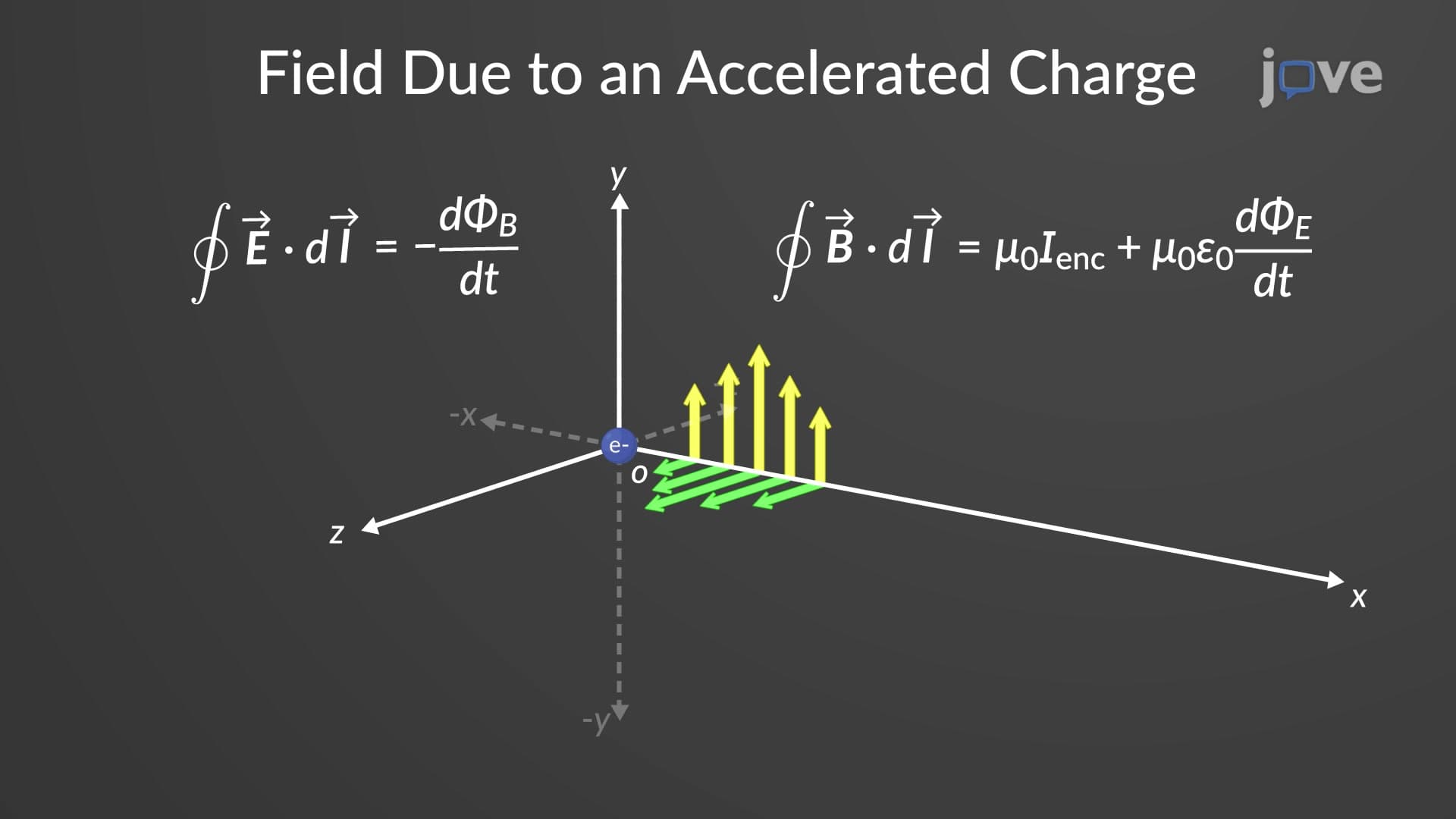
In contrast, non-conservative electric fields emerge from time-varying magnetic flux, as described by Faraday's law of electromagnetic induction. These fields form closed loops and cannot be derived from a simple potential function. A practical example occurs in the transformers powering US electrical grids, where changing magnetic fields induce electric fields that drive current flow. Unlike conservative fields, these induced electric fields have zero flux through any closed surface, directly violating Gauss's law.
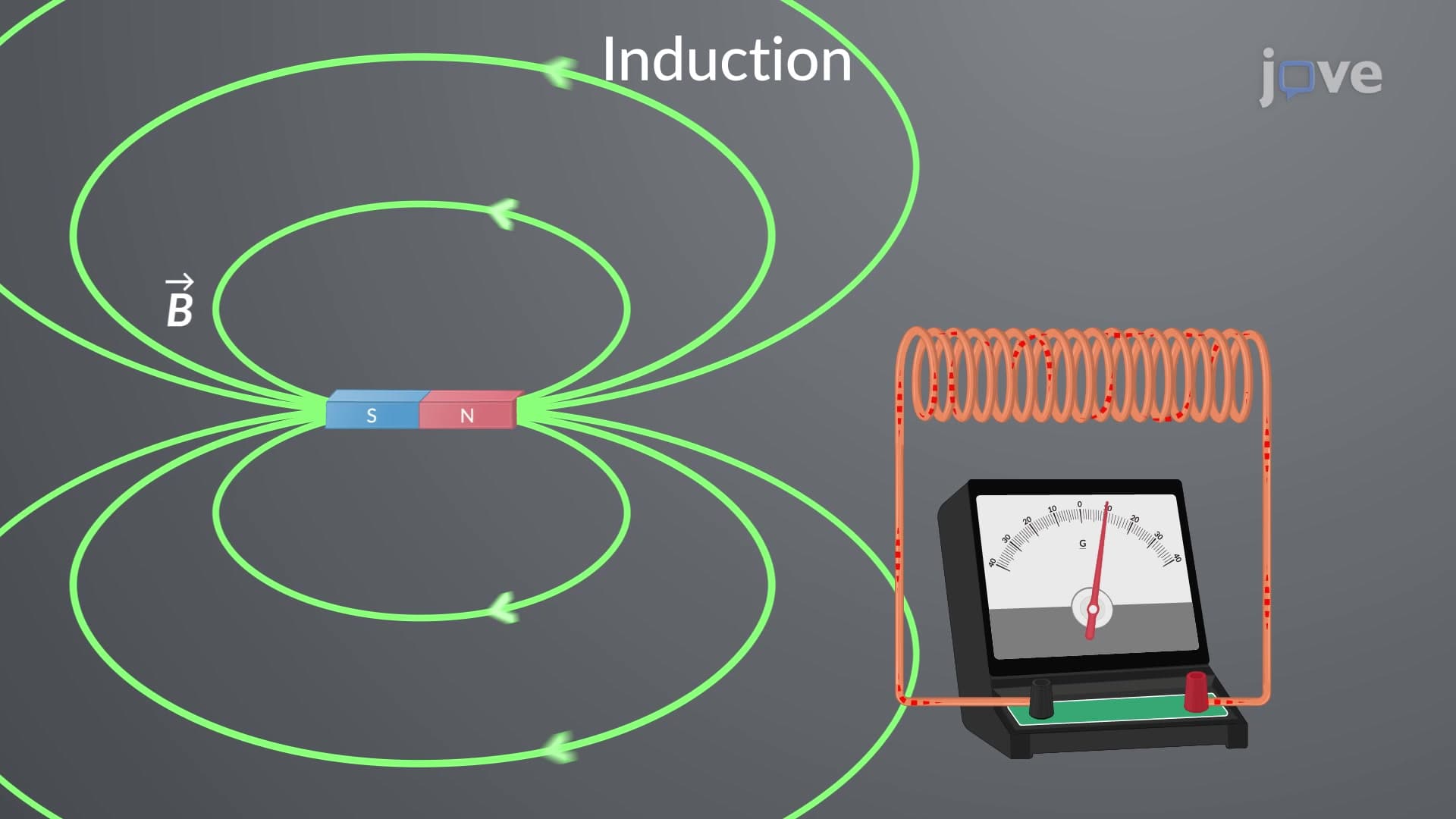
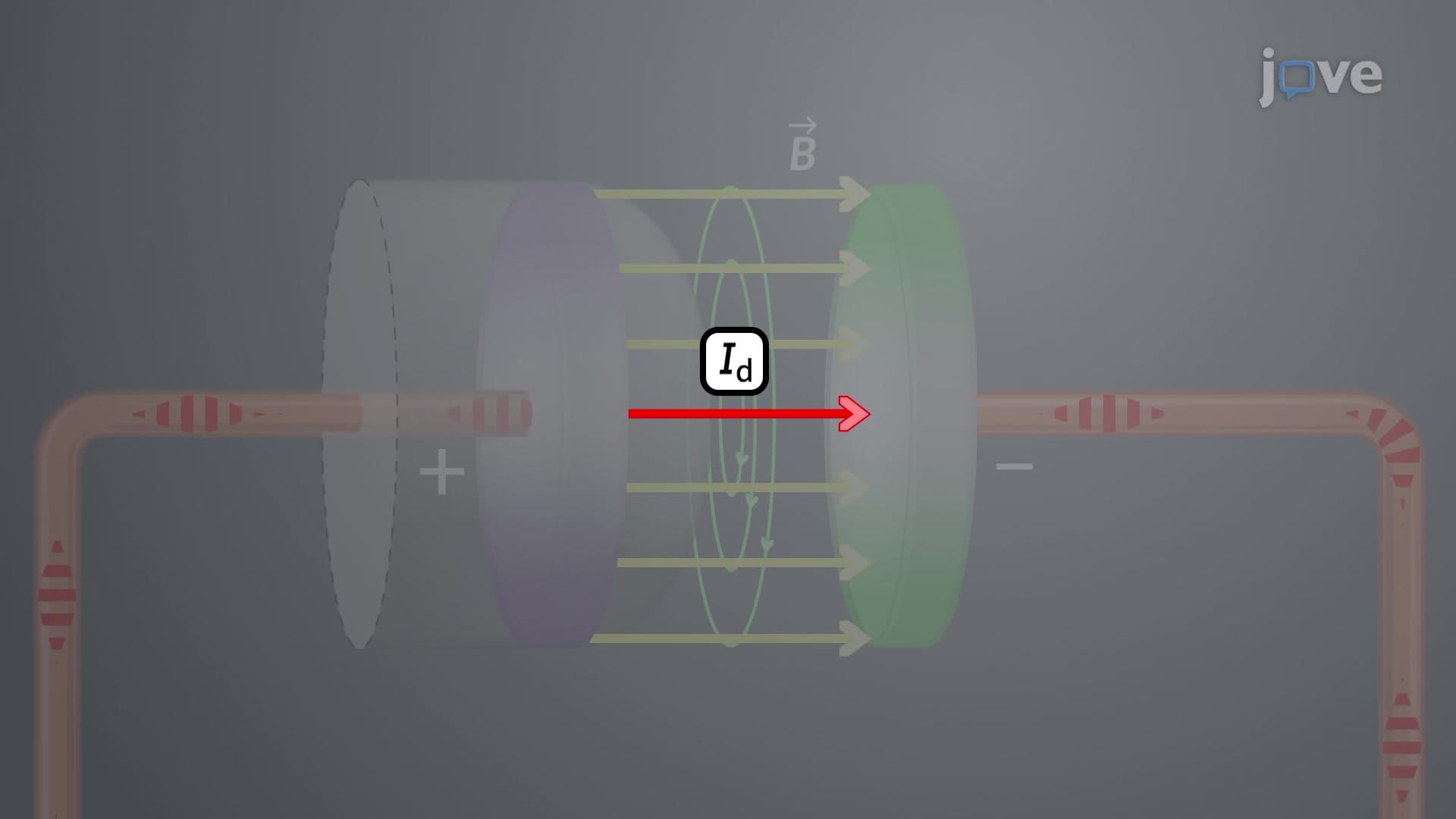
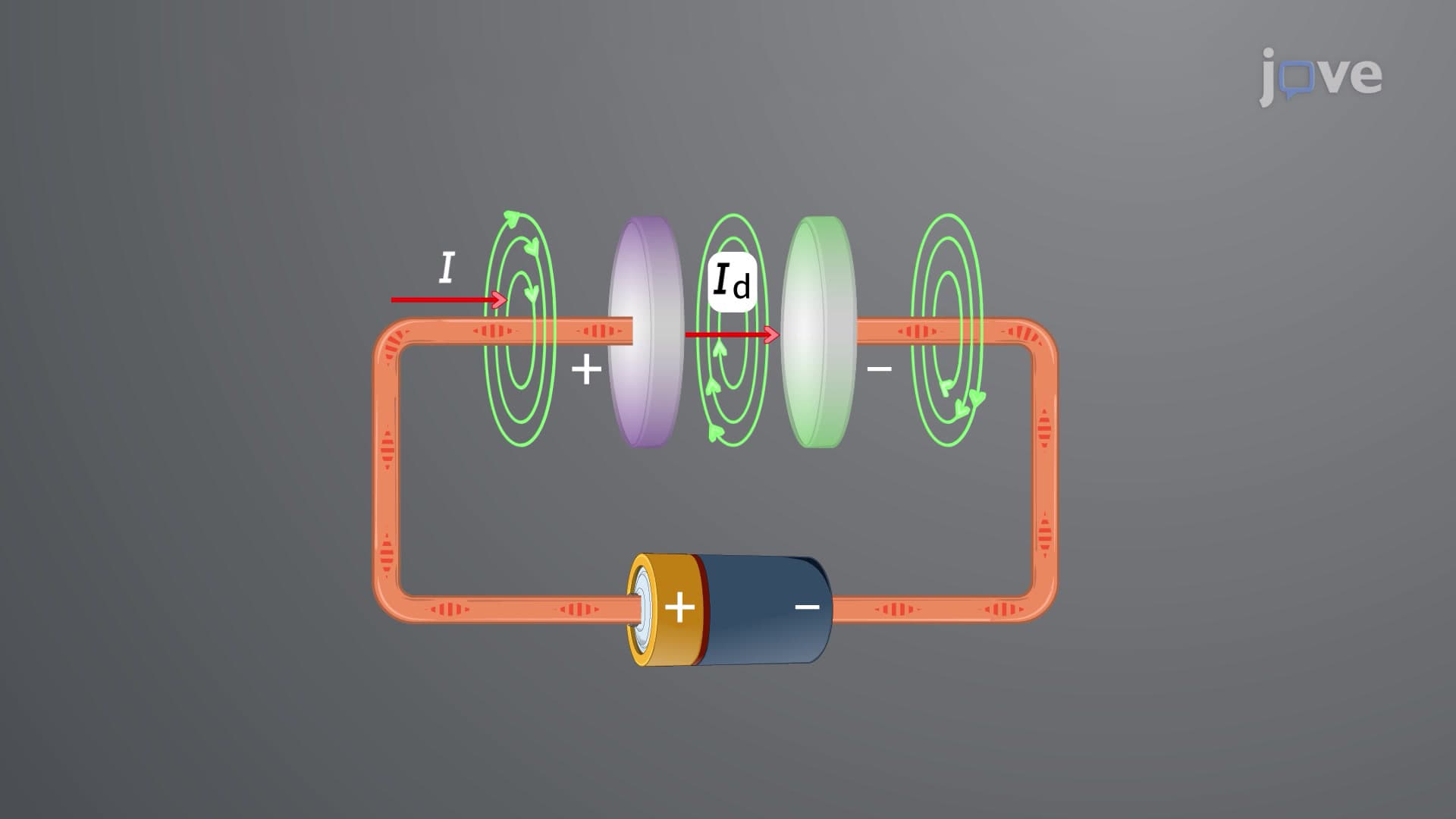
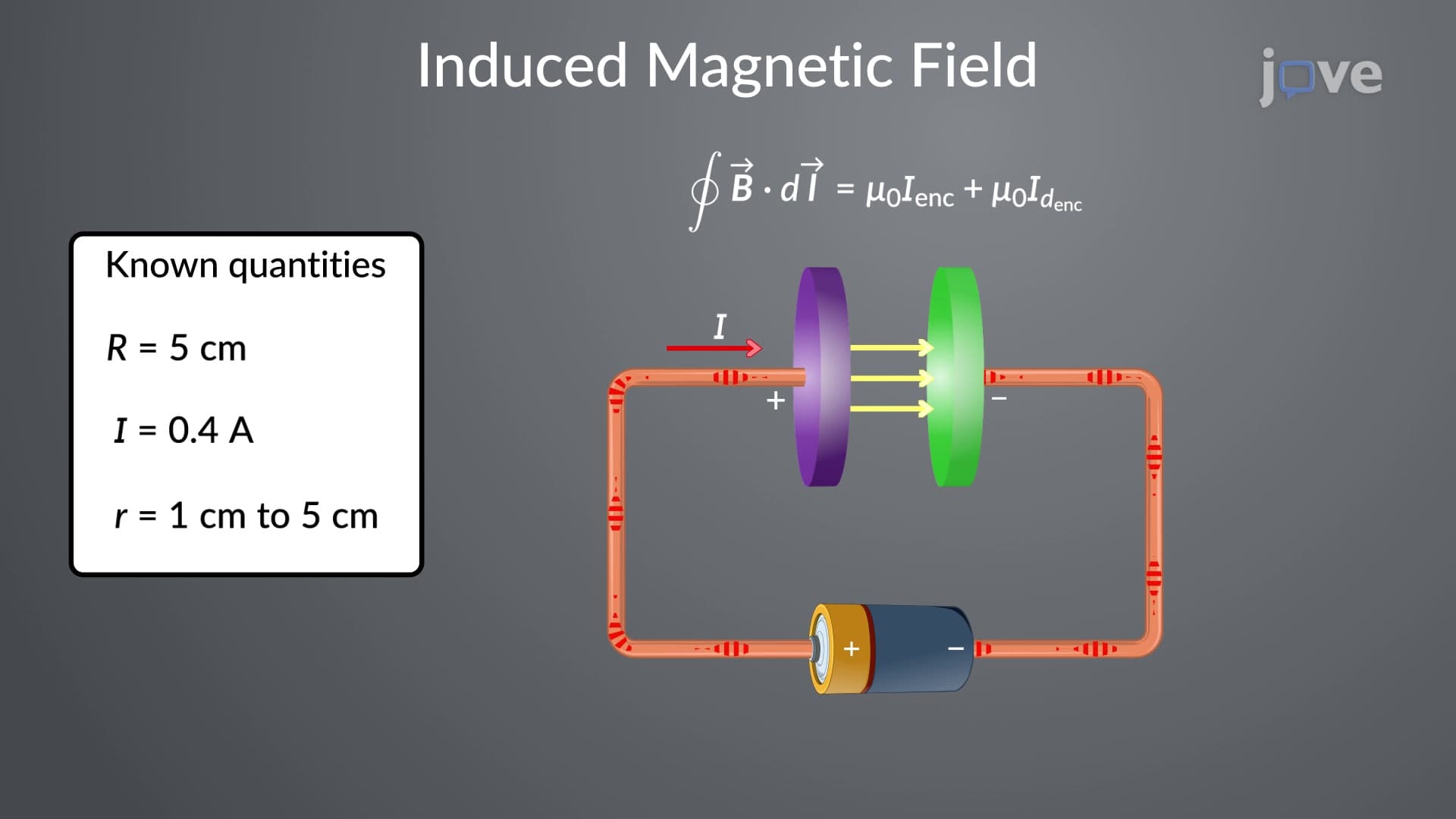
Traditional magnetic fields generated by steady currents or moving charges obey Ampère's law, which relates the magnetic field around a closed loop to the current passing through that loop. However, James Clerk Maxwell discovered that time-varying electric fields also produce magnetic fields-a phenomenon that doesn't follow the original Ampère's law. This insight led to Maxwell's correction, adding the "displacement current" term that accounts for changing electric flux.
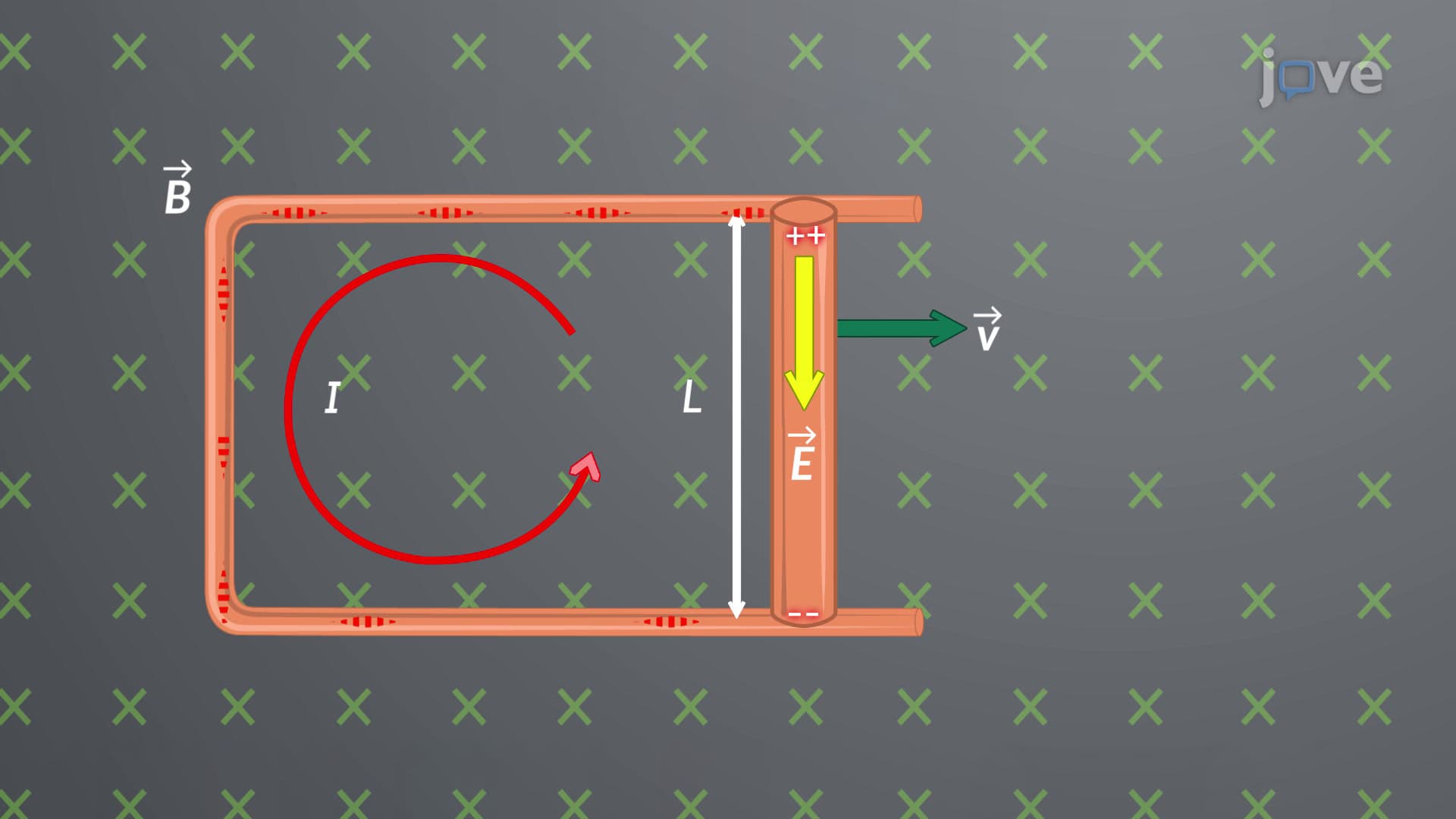
Despite their different mathematical origins, experiments consistently demonstrate that all electromagnetic field types produce identical Lorentz forces on test charges. This remarkable discovery allows physicists to treat the total electromagnetic field as the vector sum of all contributing components. The Lorentz force equation, F = q(E + v × B), becomes the bridge connecting electromagnetic field theory to classical mechanics through Newton's second law, enabling precise trajectory calculations for charged particles in devices ranging from cathode ray tubes to particle accelerators at US research facilities like Fermilab.
Related Micro-courses