Loading video…


 21 Concepts
 61.8K views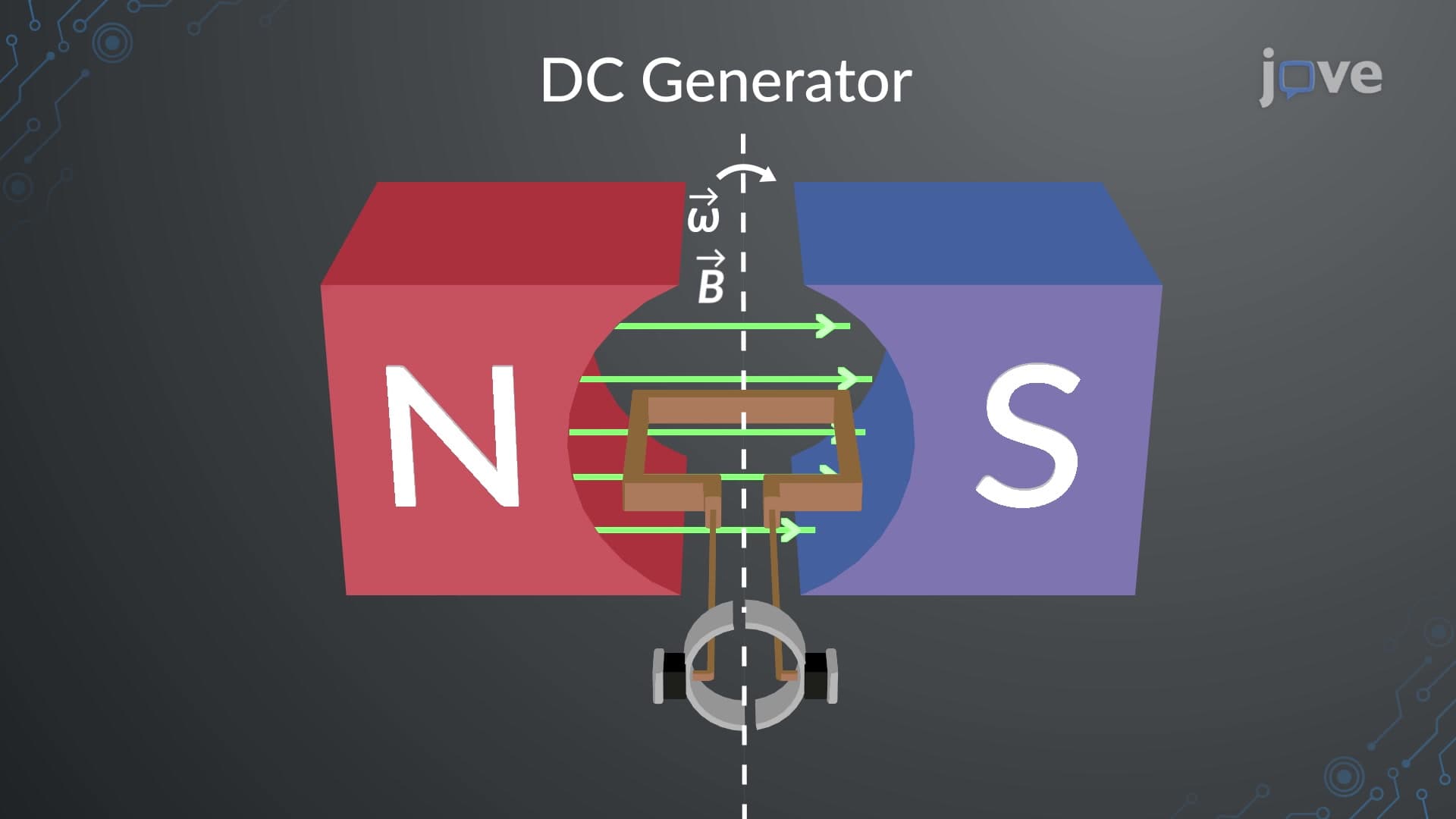

Video Summary: What Is Dc Generator
Ever wondered how the massive generators at Hoover Dam convert rushing water into the electricity powering Las Vegas? A DC generator transforms mechanical energy into direct current electrical energy using a clever component called a commutator that replaces the slip rings found in alternators. Unlike alternators that produce alternating current, DC generators maintain consistent polarity through their split-ring commutator system, making them essential for applications requiring steady, unidirectional current flow like electric vehicle charging stations and backup power systems. Watch the full video on JoVE Coach to master this concept with expert-led visuals and step-by-step explanations.
A DC generator represents one of the most elegant solutions in electrical engineering for converting mechanical motion into usable direct current electricity. Unlike its AC counterpart, the alternator, a DC generator employs a sophisticated commutator system that ensures unidirectional current flow, making it invaluable in applications ranging from automotive charging systems to industrial electroplating operations.
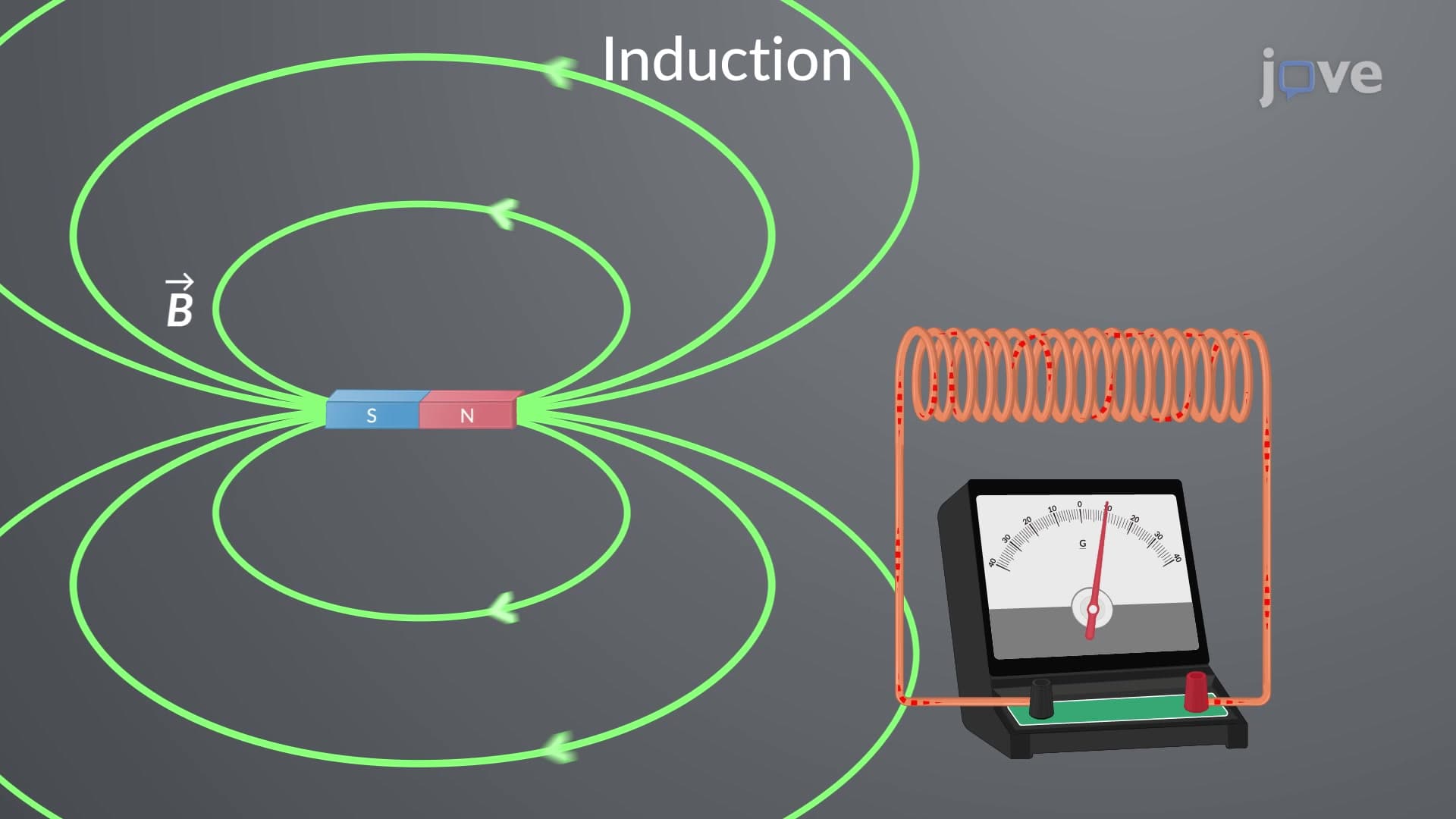
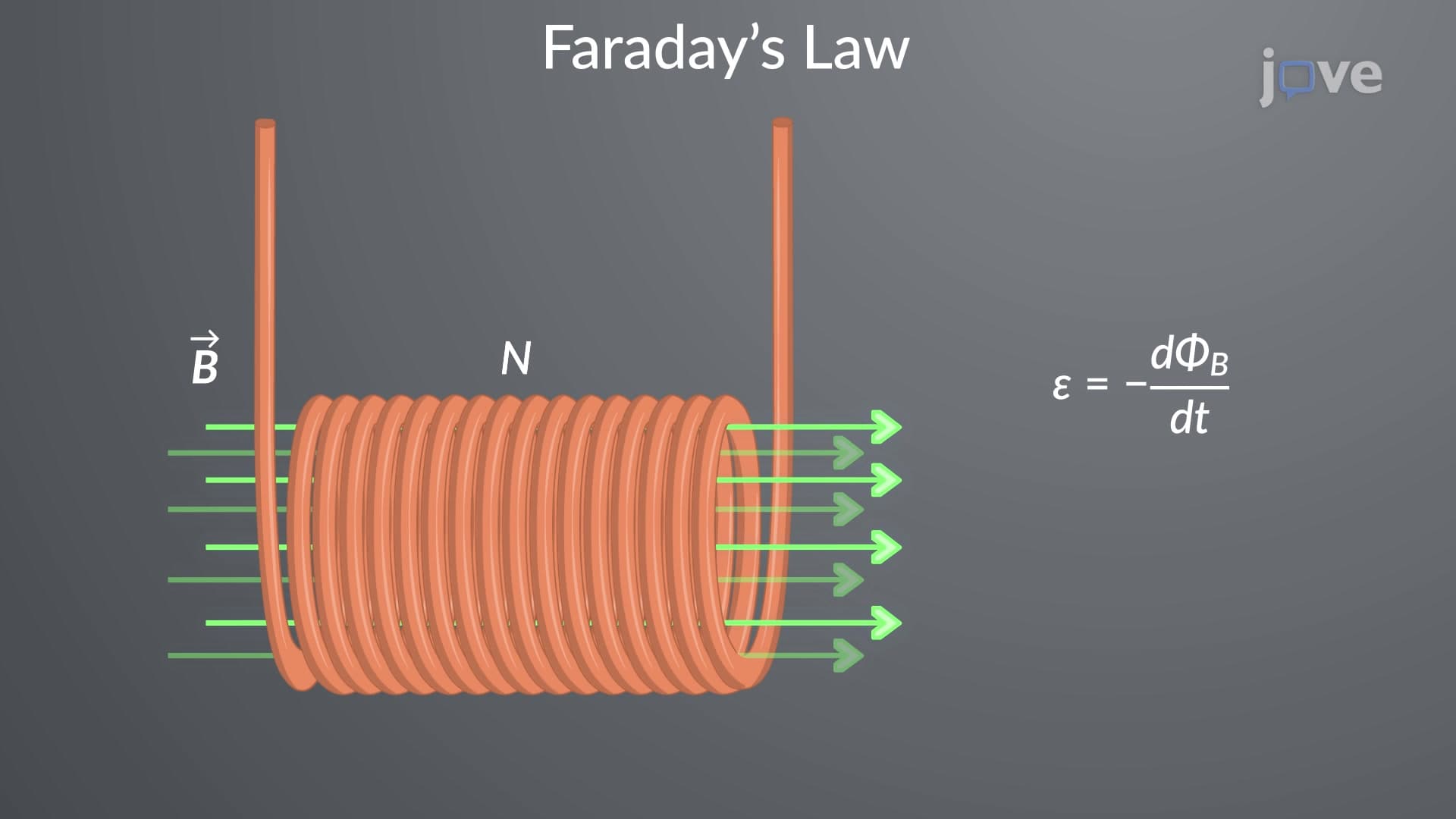
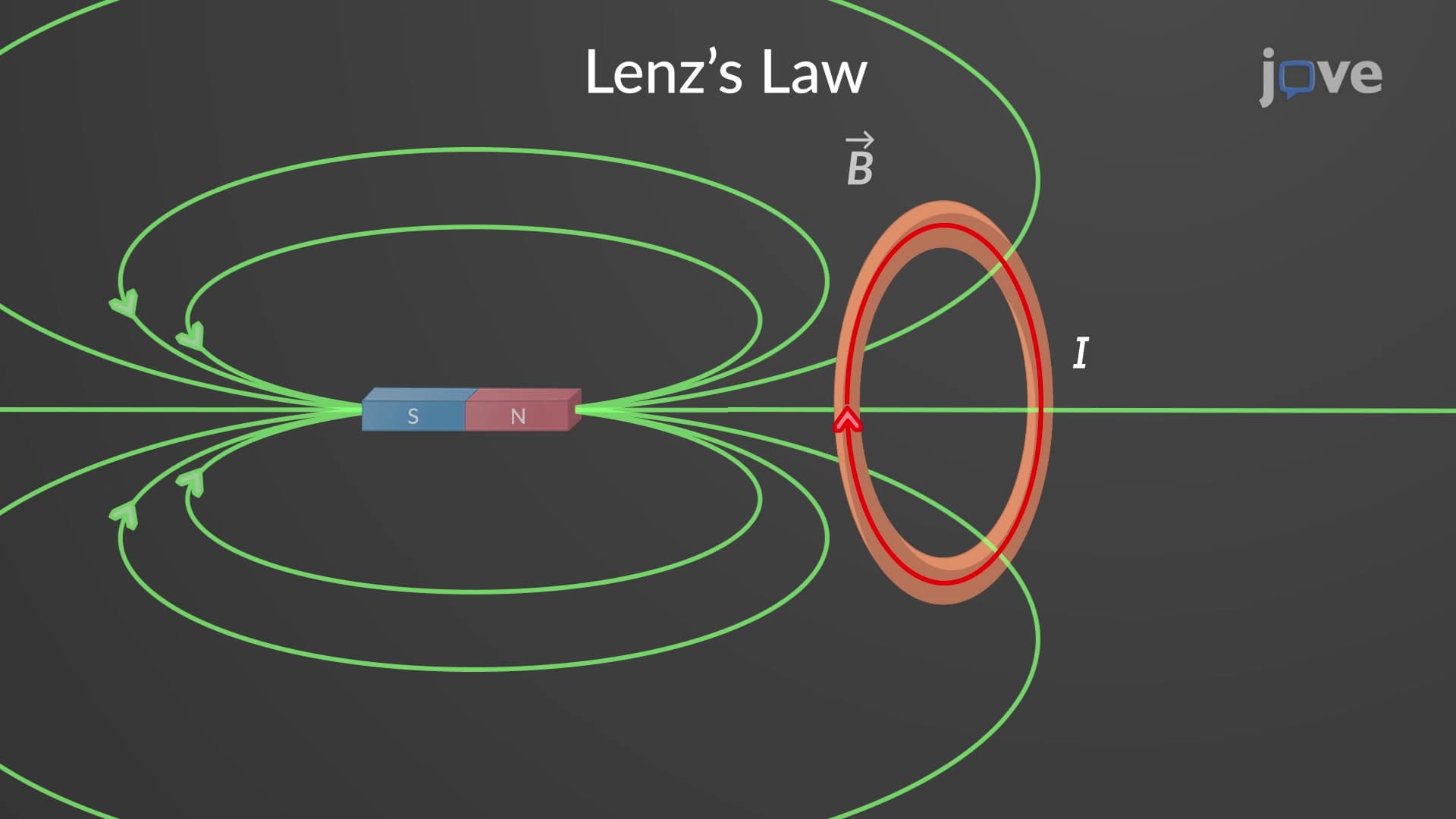
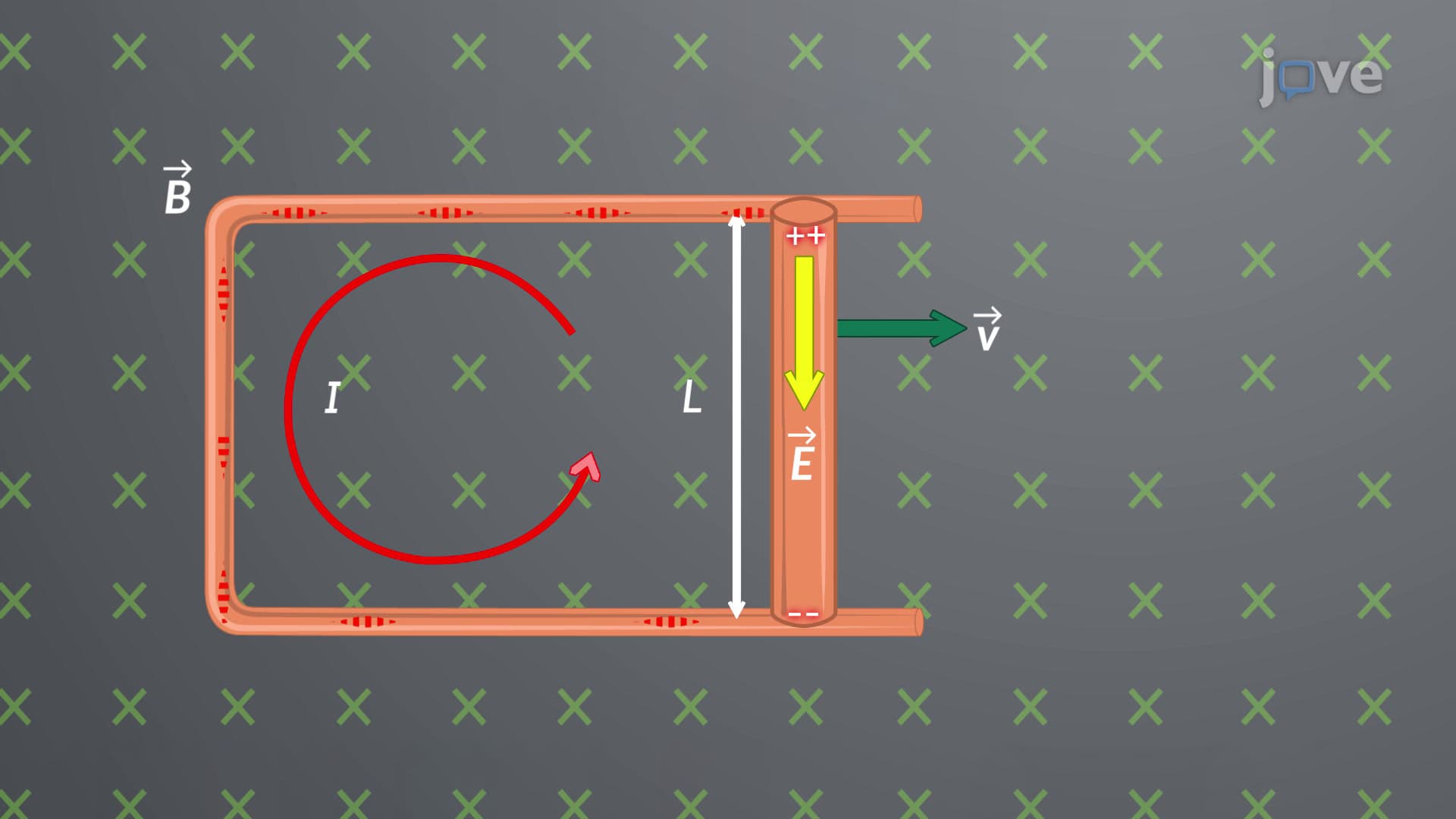
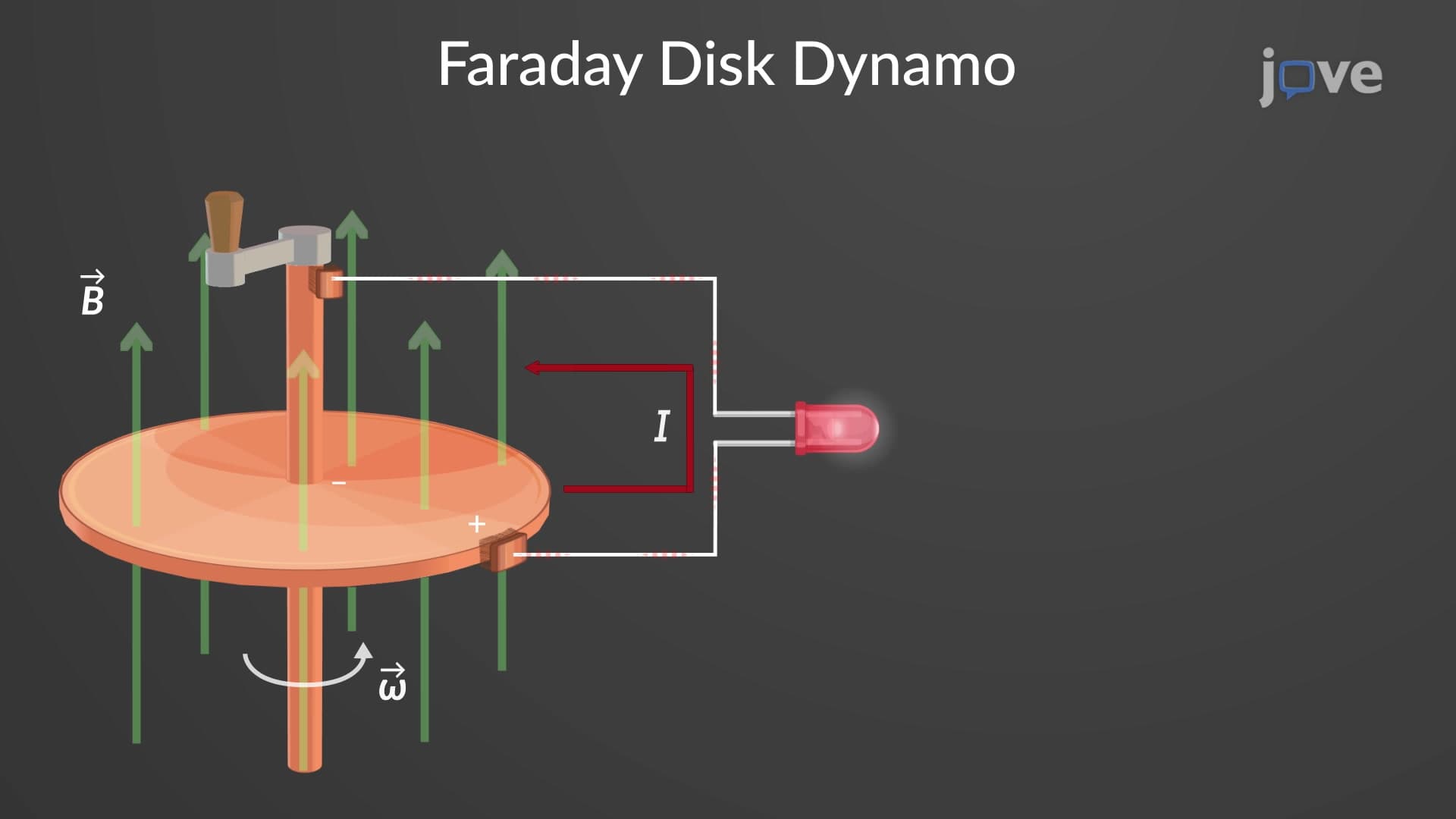
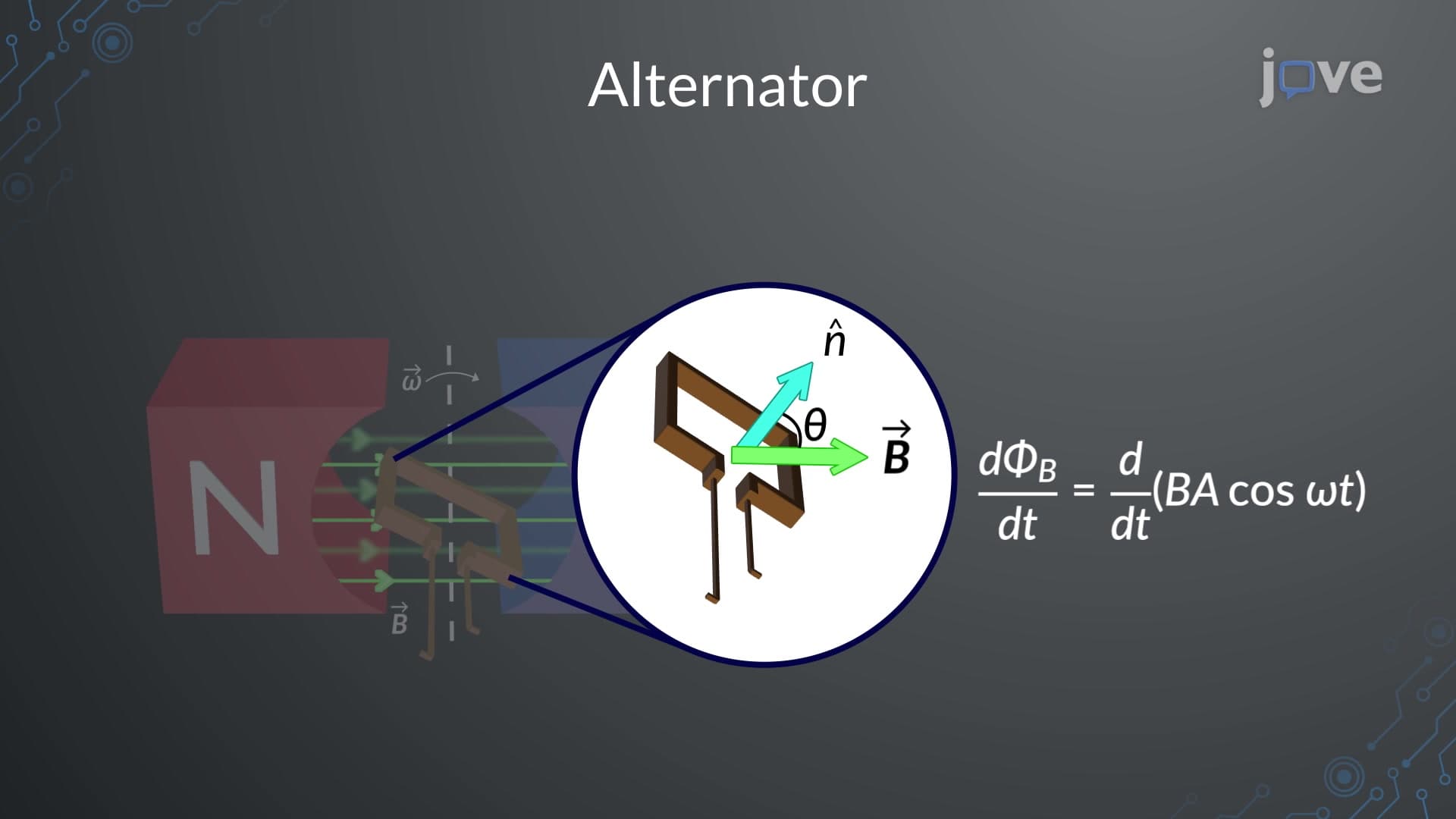
The fundamental dc generator definition centers on electromagnetic induction principles first discovered by Michael Faraday. When a conducting loop rotates within a uniform magnetic field, the changing magnetic flux induces an electromotive force (EMF) according to Faraday's law. However, what sets DC generators apart is their ability to rectify this naturally alternating EMF into a consistently positive output through mechanical switching.
The heart of understanding dc generator operation lies in comprehending the commutator's role. This split-ring mechanism acts as a mechanical rectifier, switching the external circuit connections precisely when the induced EMF would otherwise reverse polarity. During the first half of each rotation, the commutator connects one side of the loop to the positive terminal. As the loop completes its half-turn and the EMF would naturally reverse, the commutator simultaneously switches connections, maintaining the same terminal polarity.
This switching action creates the characteristic DC generator output: a pulsating but always positive voltage. The EMF magnitude varies sinusoidally with rotor position, reaching maximum values when the magnetic flux through the loop equals zero (when the loop plane is parallel to magnetic field lines) and dropping to zero when flux is at maximum or minimum values.
DC generator basics find extensive application across American industries. Electric arc welding operations, common in manufacturing facilities from Detroit's automotive plants to Houston's petrochemical refineries, often rely on DC generators for their consistent current characteristics. The electroplating industry, particularly in electronics manufacturing hubs like Silicon Valley, depends on DC generators to provide the steady current necessary for uniform metal deposition.
Students preparing for AP Physics exams frequently encounter DC generator problems focusing on EMF calculations and efficiency analysis. The concept appears regularly in college-level electrical engineering coursework, particularly in power systems and machinery courses where students learn to design and optimize generator performance for specific applications.
Understanding these principles proves essential for MCAT physics sections covering electromagnetic induction, while engineering students use this foundation to advance into more complex topics like brushless DC motors and variable-speed drive systems.
Related Micro-courses