Loading video…


 21 Concepts
 61.8K views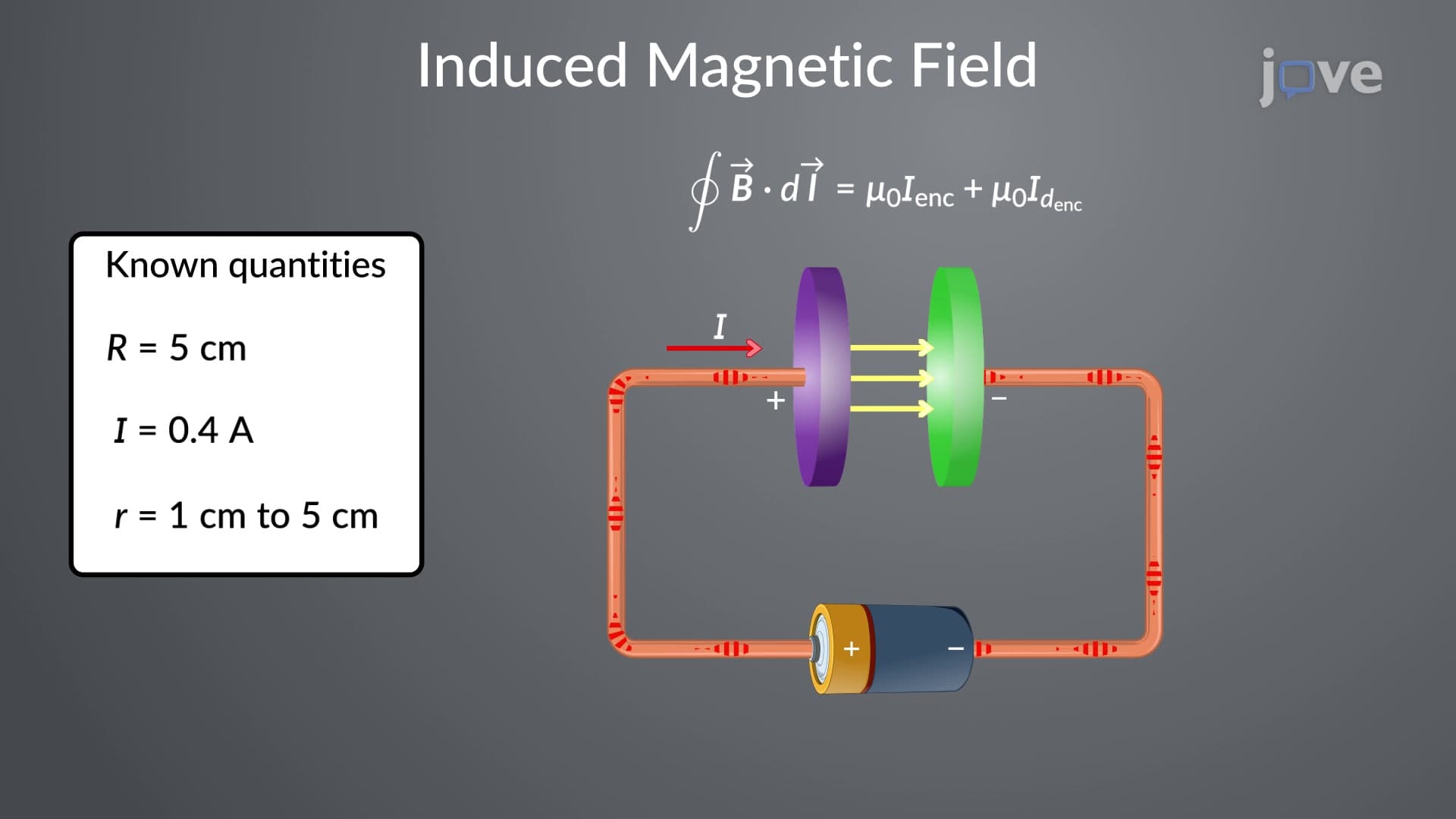

Video Summary: Ampere Maxwells Law Problem Solving Explained
Ever wondered how your smartphone charges wirelessly through seemingly empty space? Ampere Maxwell's law problem solving reveals the electromagnetic secrets behind this everyday miracle. This fundamental physics principle explains how changing electric fields create magnetic fields, even in vacuum-the same phenomenon that enables wireless charging pads used across millions of American homes. The Ampere Maxwell's Law Problem Solving Explained tutorial demonstrates these concepts through a parallel plate capacitor problem, showing how displacement current equals conduction current and how magnetic fields form between charging plates. Watch the full video on JoVE Coach to master this concept with expert-led visuals and step-by-step explanations.
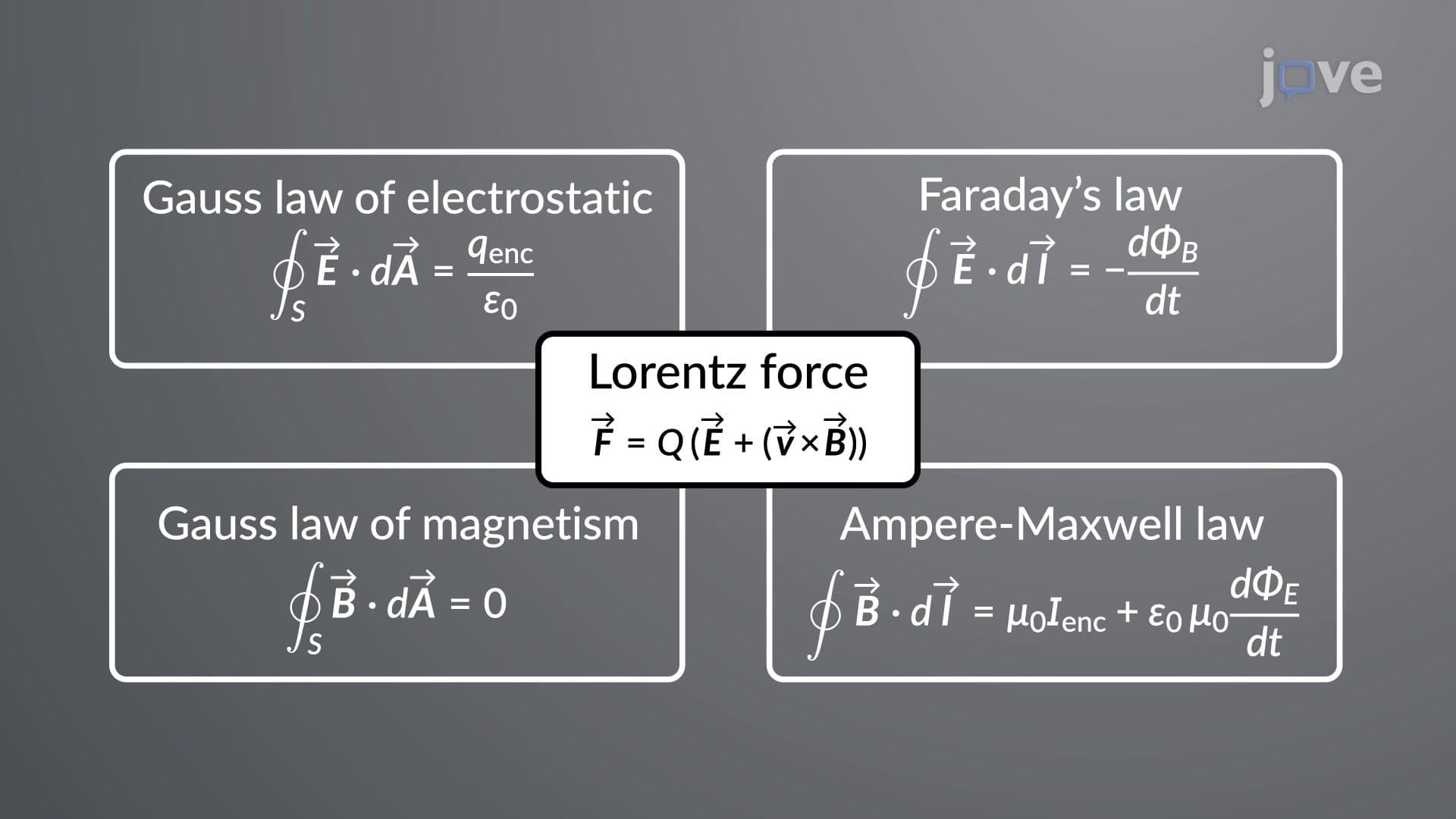
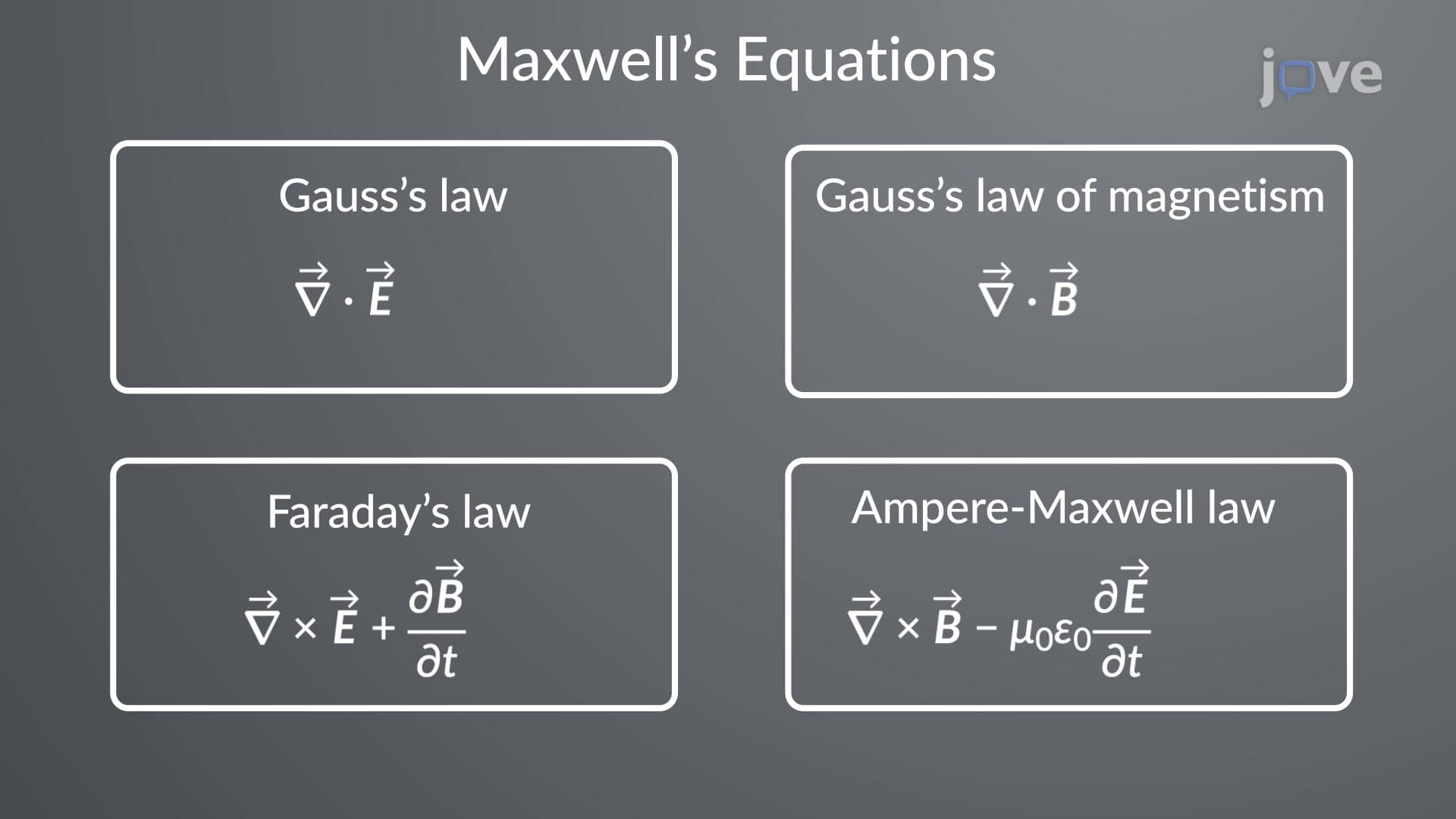
Ampere Maxwell's law problem solving represents a cornerstone of electromagnetic theory that extends beyond classical current concepts. Unlike Ampere's original law, which only considered magnetic fields from moving charges, Maxwell's modification includes displacement current-a revolutionary concept that explains magnetic fields in regions where no actual charge movement occurs. This breakthrough enabled our understanding of electromagnetic wave propagation and modern wireless technologies.
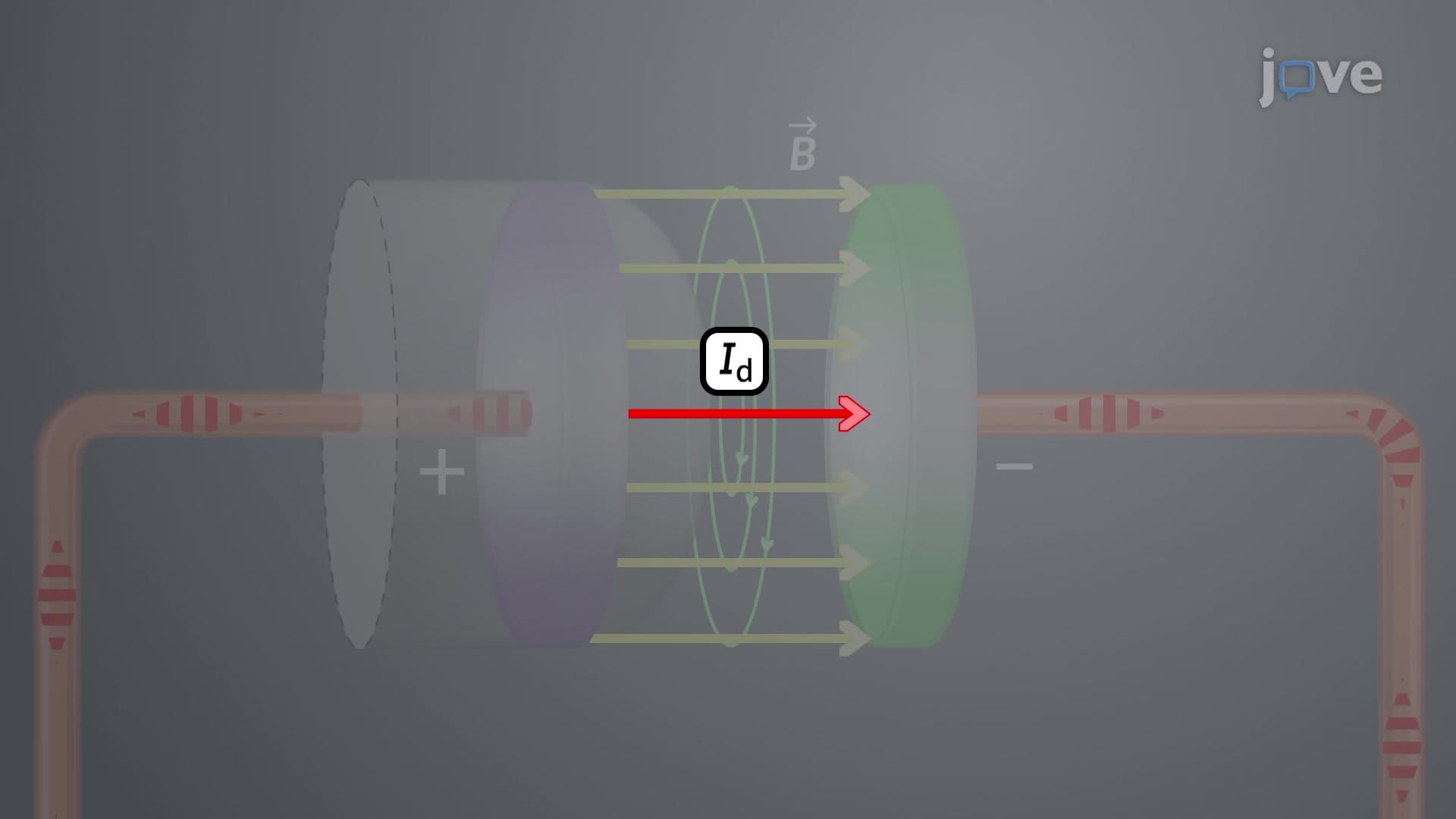
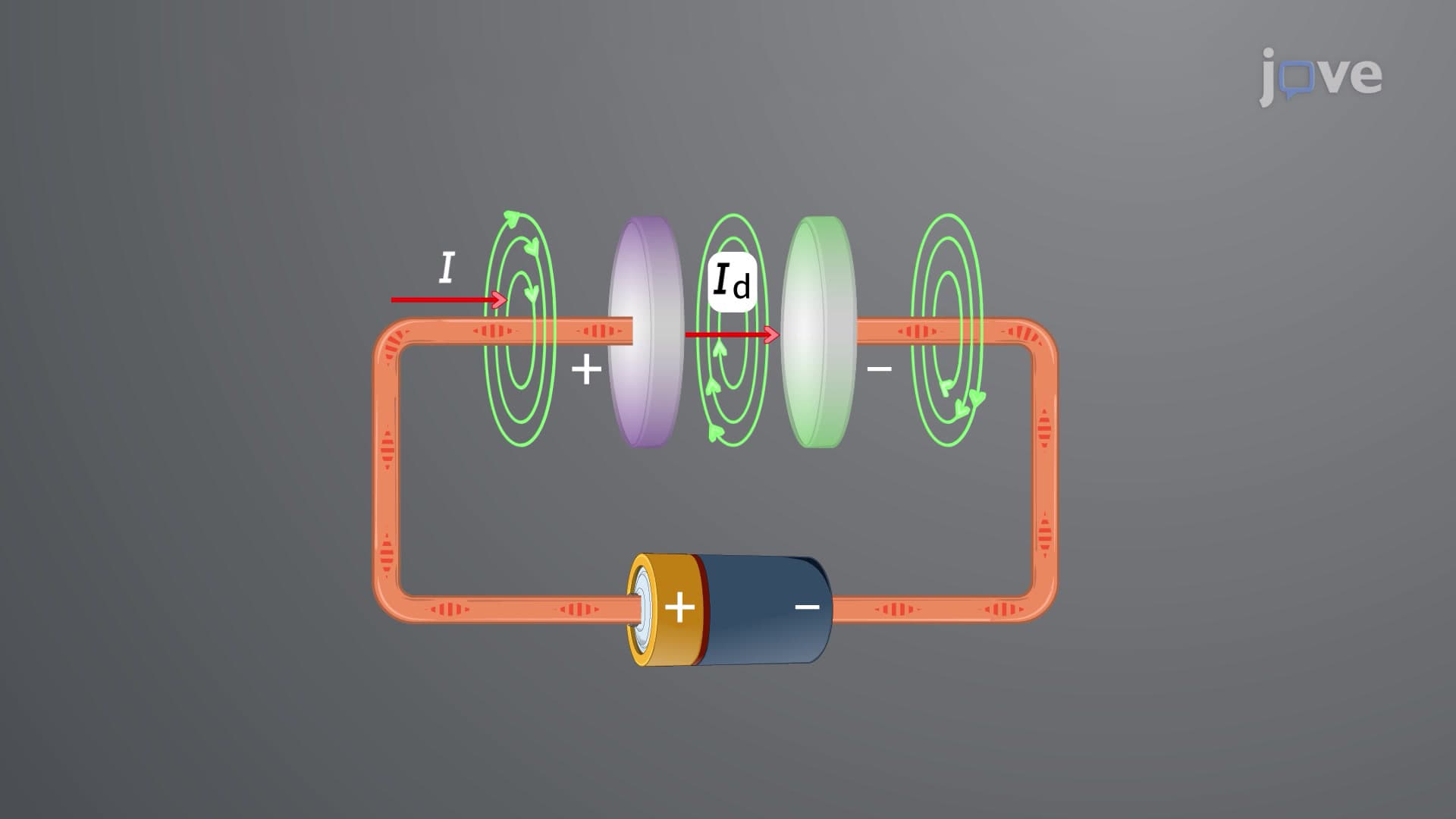
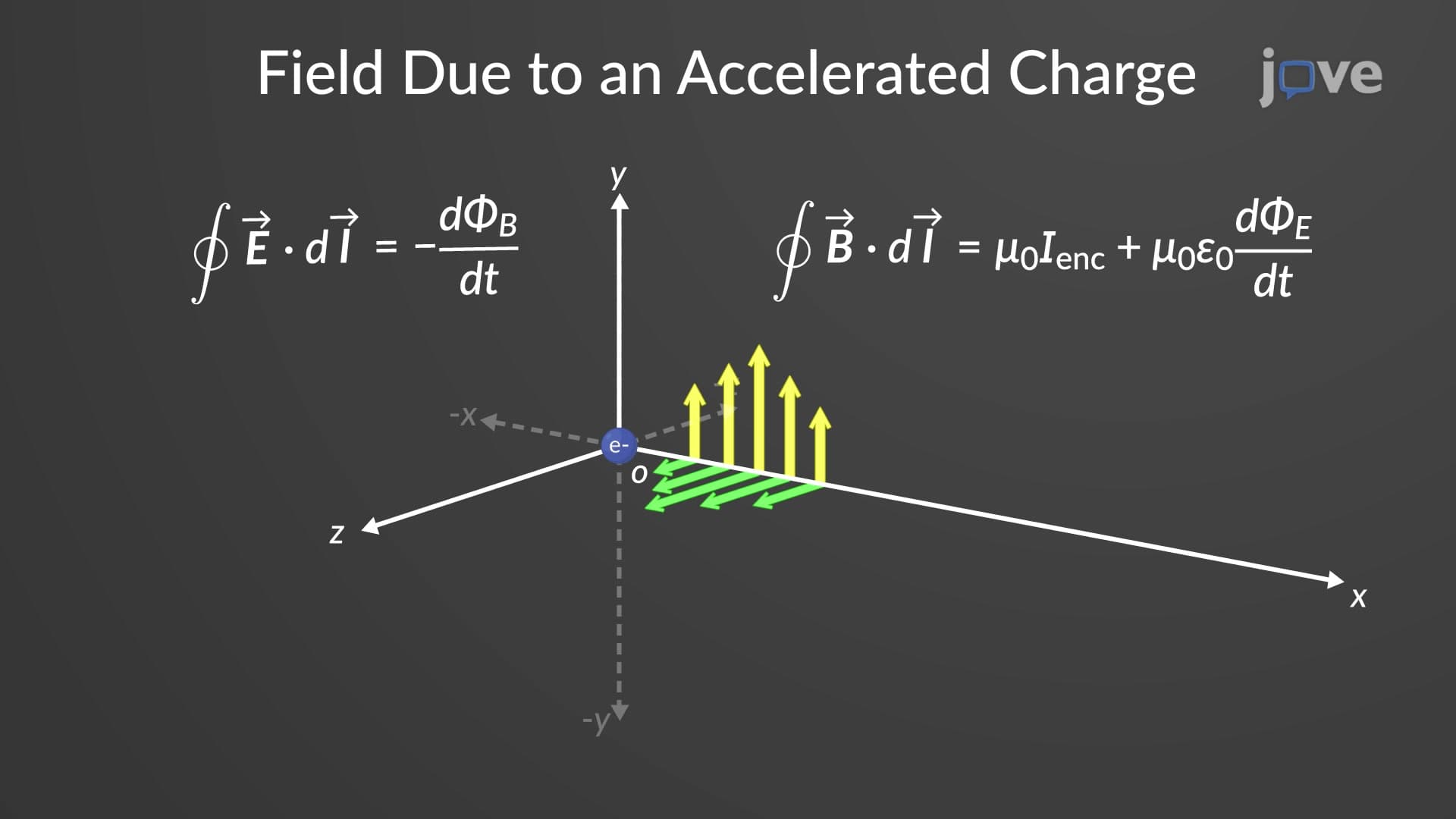
The displacement current, mathematically expressed as I(d) = ε₀(dΦ(E)/dt), equals the rate of change of electric flux multiplied by the permittivity of free space. In practical terms, this means that changing electric fields create magnetic effects identical to those produced by actual current flow.
Parallel plate capacitors provide ideal scenarios for ampere maxwell's law problem solving tutorial applications. During charging, electrons accumulate on one plate while leaving the other, creating an increasing electric field between plates. Although no charges physically cross the gap, Maxwell's displacement current flows through this space, generating measurable magnetic fields.
Consider the classic problem: a 5-cm radius capacitor with 0.4 A conduction current. The displacement current exactly equals this value (0.4 A), demonstrating Maxwell's key insight. Students preparing for AP Physics C or college-level electromagnetic courses frequently encounter such problems, as they perfectly illustrate the continuity of current in AC circuits.
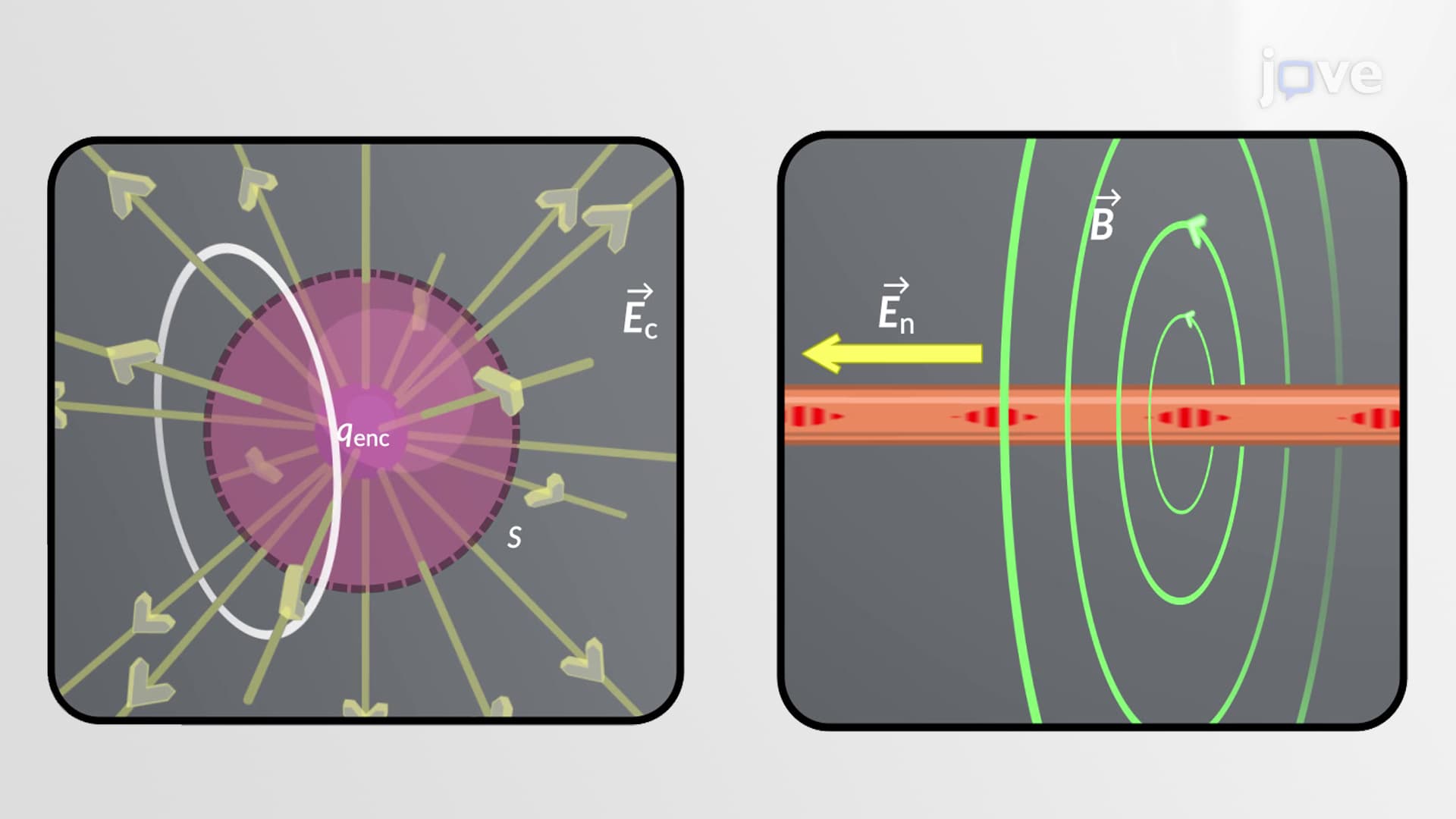
How ampere maxwell's law problem solving works becomes clear through magnetic field calculations. Inside the capacitor plates (r < R), the magnetic field follows B = (μ₀I(d)r)/(2πR²), creating a linear relationship with distance from the axis. This differs markedly from exterior regions where B = μ₀I(d)/(2πr), following an inverse relationship.
These principles directly apply to wireless charging technology used in electric vehicles at Tesla Supercharger stations and smartphone charging pads found throughout American coffee shops and airports. The same electromagnetic induction principles enable MRI machines in US hospitals and radio wave transmission from broadcasting stations across the country.
Modern applications extend far beyond textbook examples. RFID systems used in US retail stores, medical device sterilization equipment, and satellite communication systems all rely on displacement current principles. Engineering students at institutions like MIT and Stanford study these concepts extensively, as they form the theoretical foundation for antenna design, electromagnetic compatibility testing, and wireless power transmission systems currently being developed for everything from cardiac pacemakers to electric aircraft.
Related Micro-courses