Loading video…


 21 Concepts
 61.8K views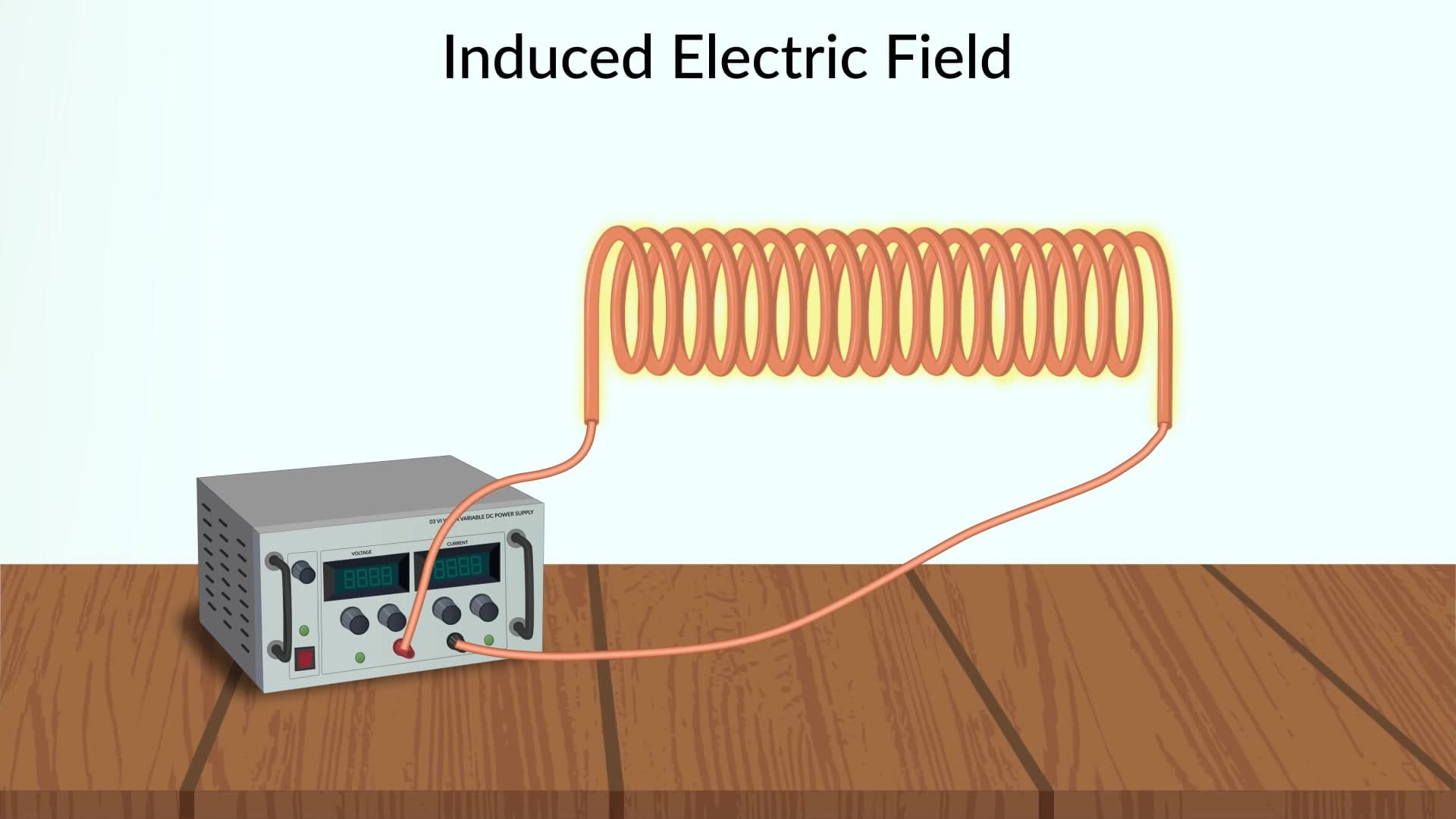

Video Summary: What are Induced Electric Fields
Ever wonder how your smartphone charges wirelessly without any physical connection? Induced electric fields make this everyday technology possible by creating electric currents when magnetic fields change over time. These invisible forces power everything from electric generators at Niagara Falls to the transformers outside your home. What are induced electric fields becomes clear when we see how changing magnetic flux creates electric fields that drive current through conductors. Watch the full video on JoVE Coach to master this concept with expert-led visuals and step-by-step explanations.
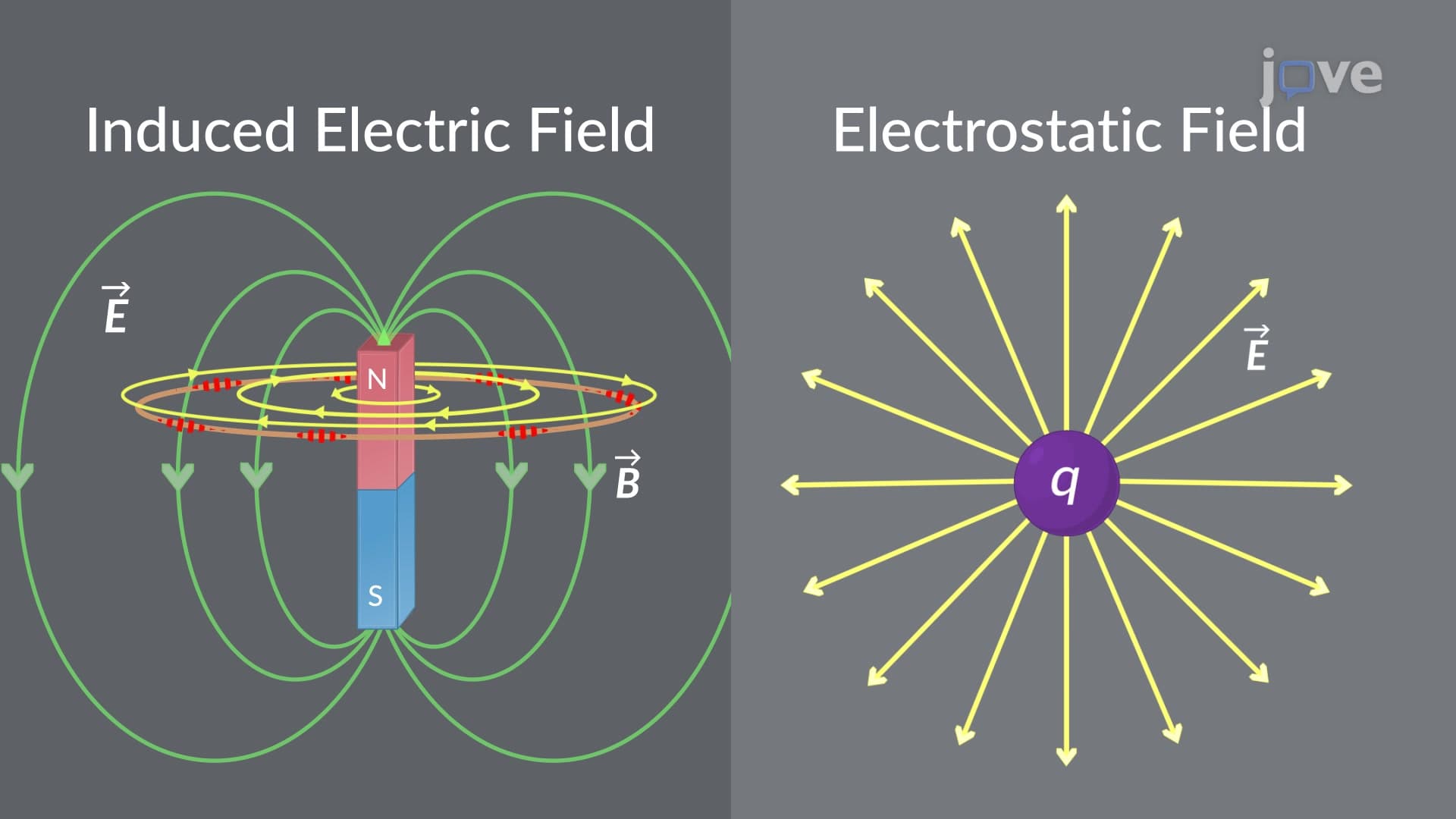
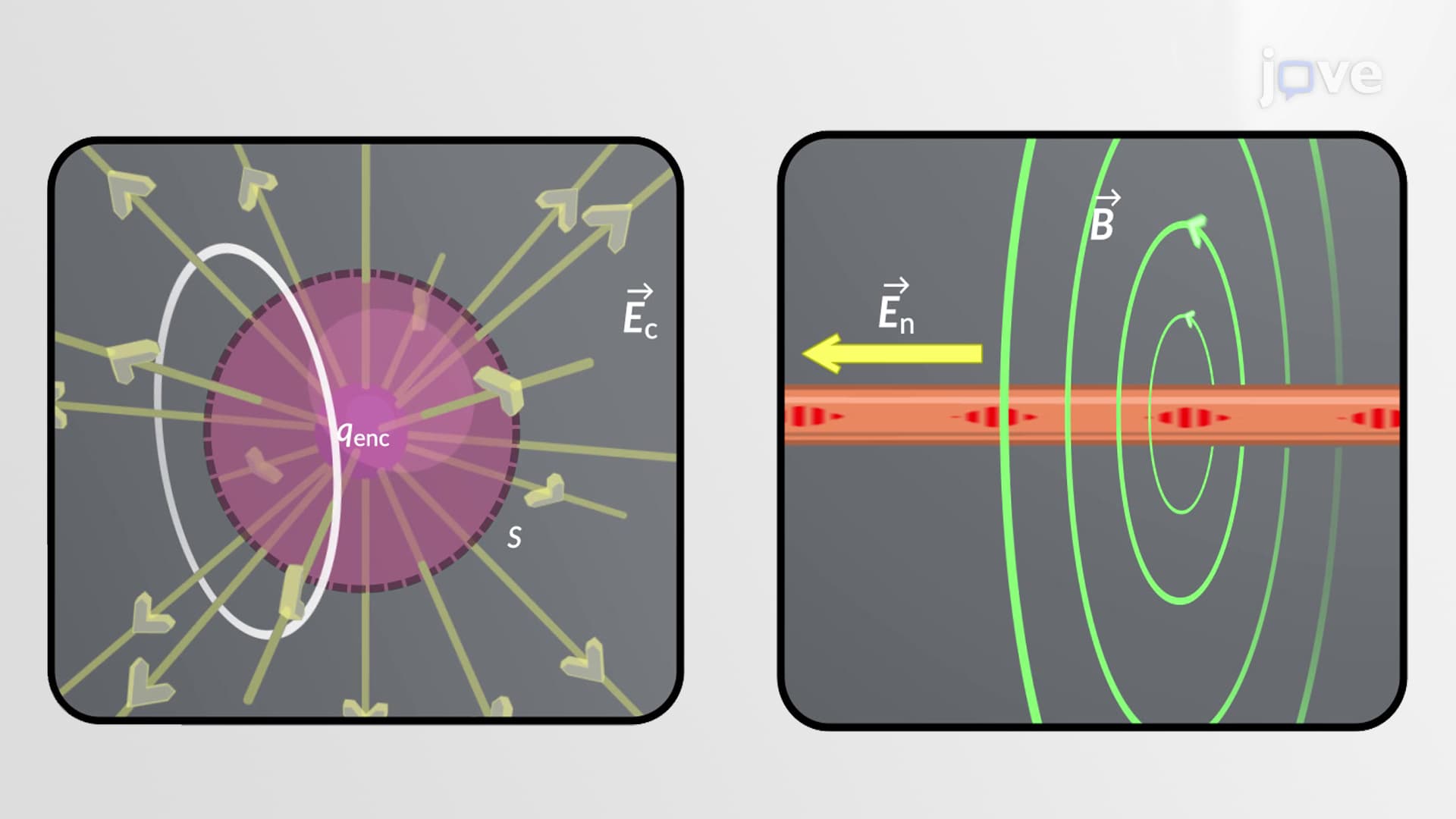
Induced electric fields represent one of the most elegant demonstrations of how electricity and magnetism interconnect. Unlike static electric fields that originate from stationary charges, induced electric fields emerge whenever magnetic flux through a region changes over time. This phenomenon forms the backbone of electromagnetic induction, powering countless technologies from the massive generators at Hoover Dam to the tiny sensors in your car's anti-lock braking system.
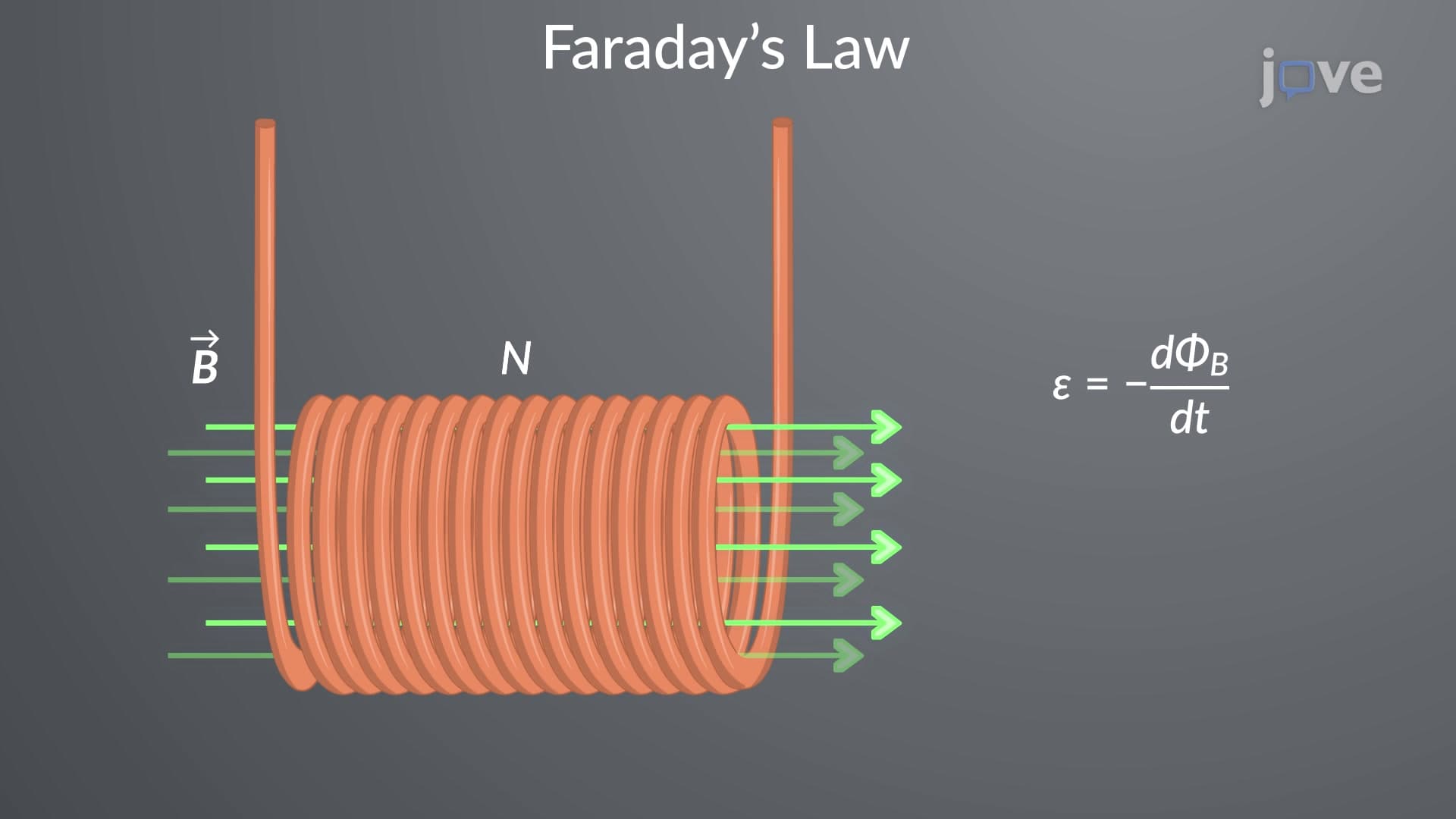
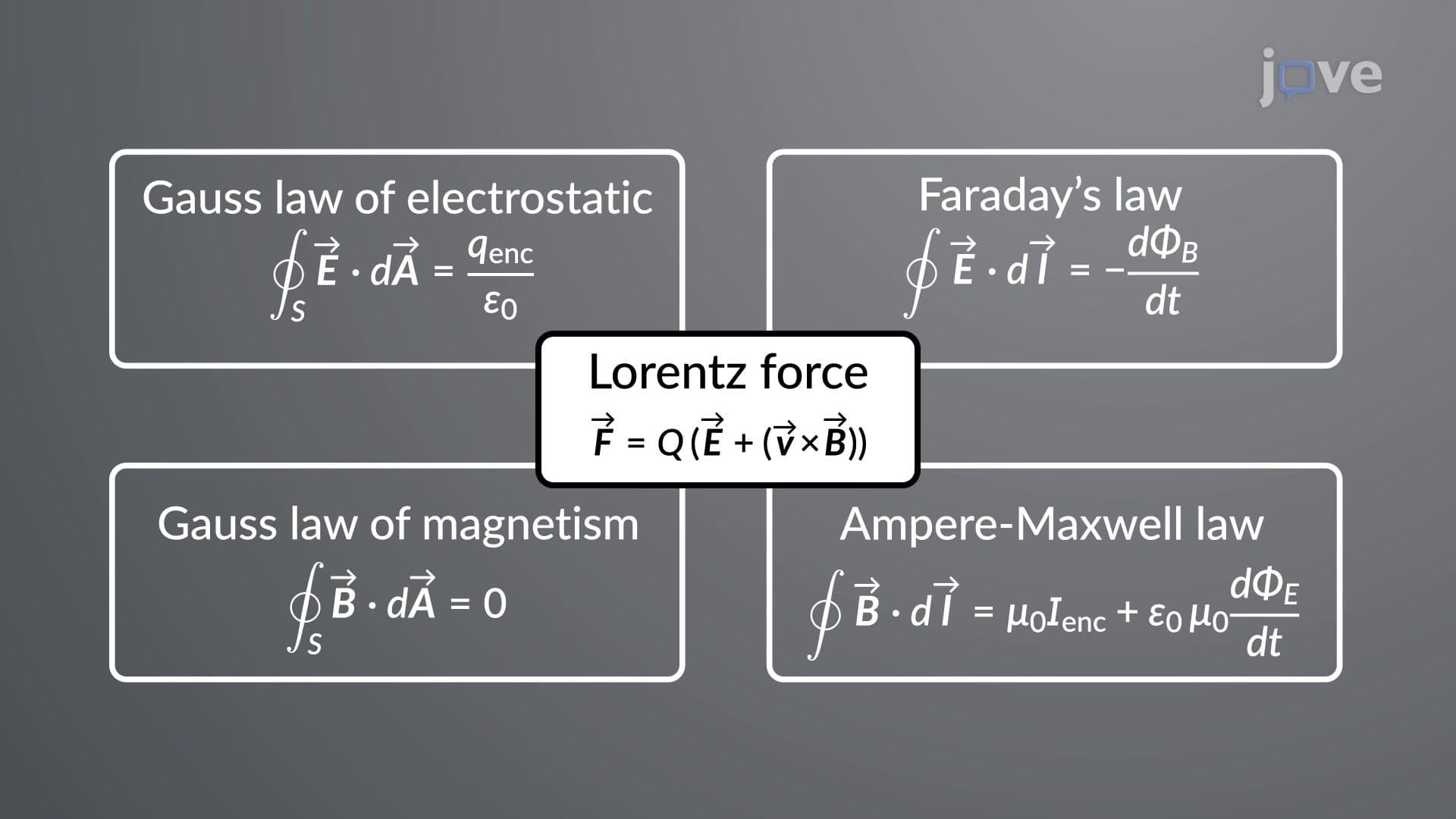
When a conductor sits within a changing magnetic field, the varying magnetic flux creates an electric field that drives current through the material. This process follows Faraday's law, which states that the induced electromotive force (EMF) equals the negative rate of change of magnetic flux. In mathematical terms: EMF = -dΦ/dt, where Φ represents magnetic flux.
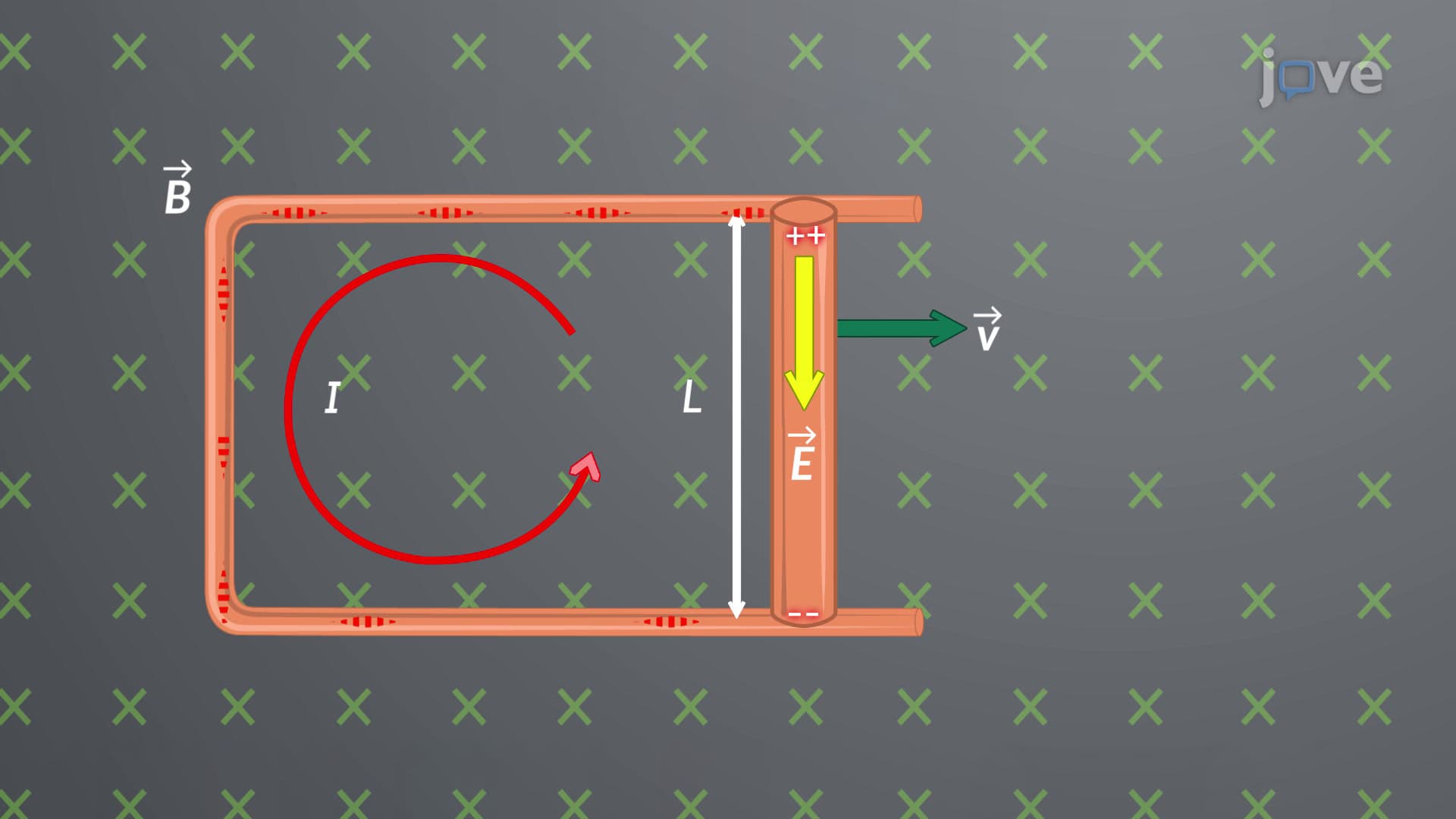
The key insight is that this EMF results from an induced electric field doing work on charge carriers. The work done by the electric field around any closed loop equals the line integral of the electric field, which directly corresponds to the induced EMF. This relationship allows us to restate Faraday's law in terms of electric fields rather than just flux changes.
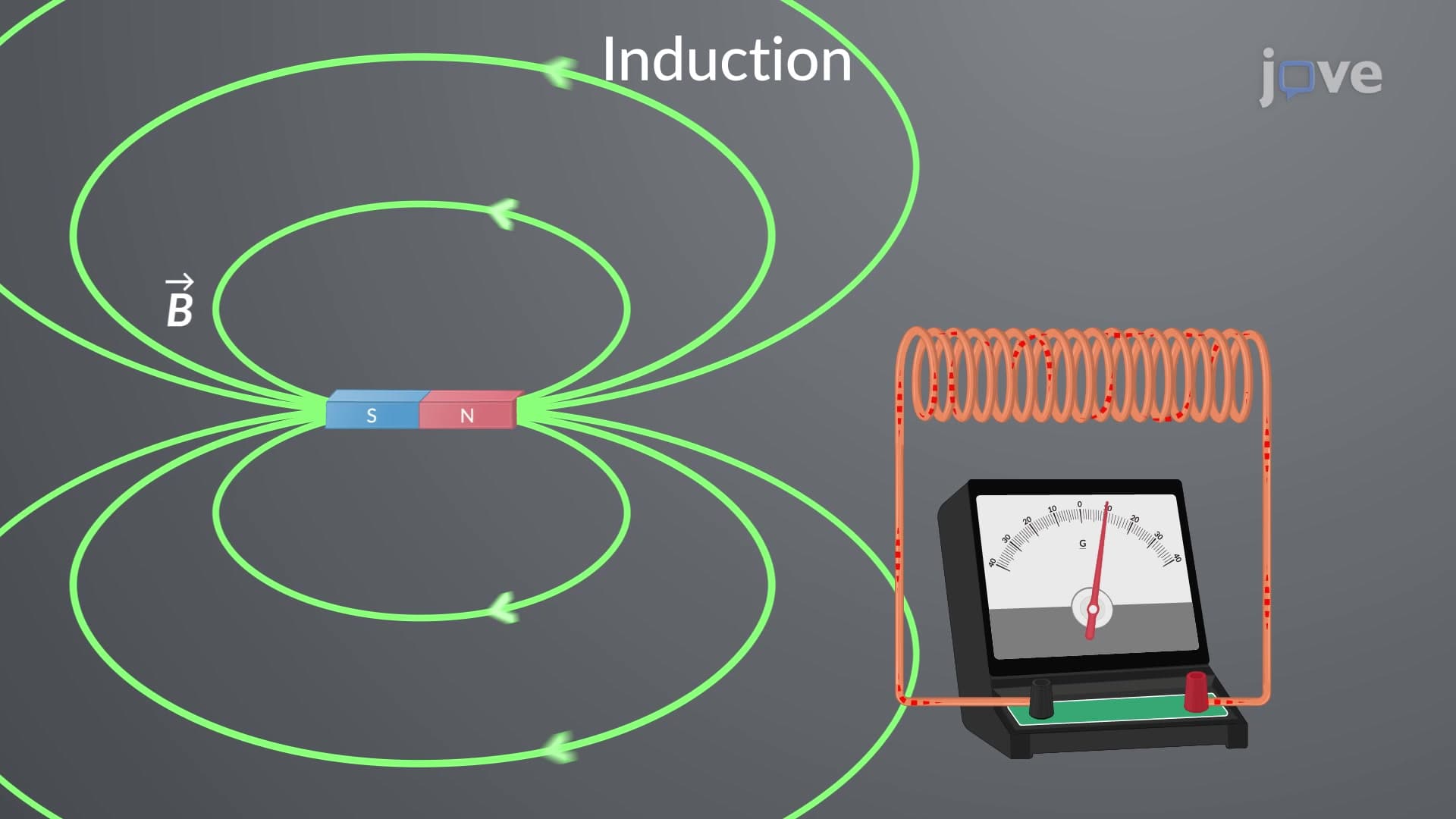
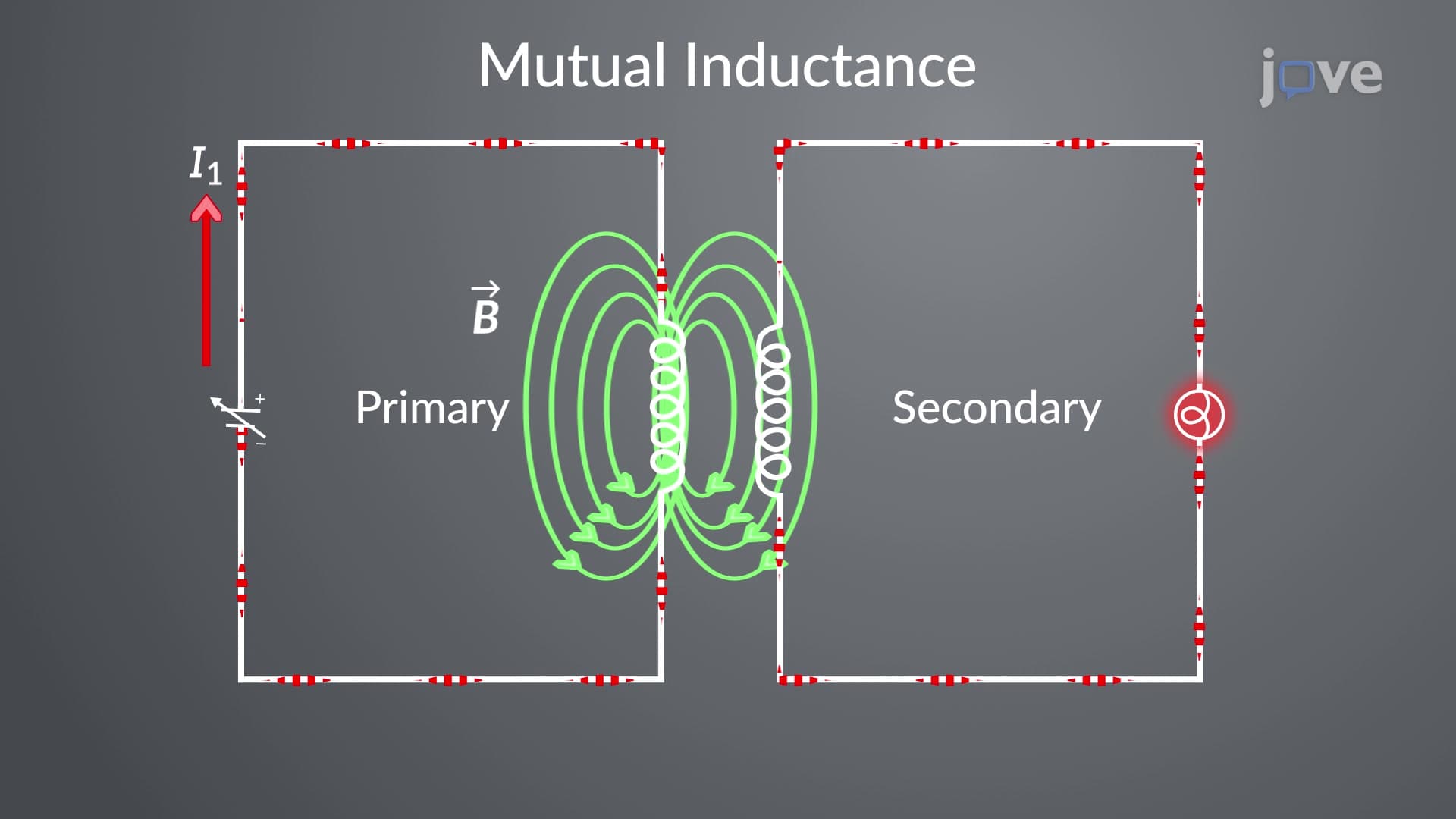
The solenoid-loop setup described demonstrates these principles clearly. When current through a solenoid increases, the magnetic field inside strengthens, increasing flux through any nearby conducting loop. This flux change induces an electric field that drives current through the loop, detectable by a galvanometer. Students often observe this in AP Physics labs using equipment similar to what Michael Faraday used in his groundbreaking 1831 experiments.
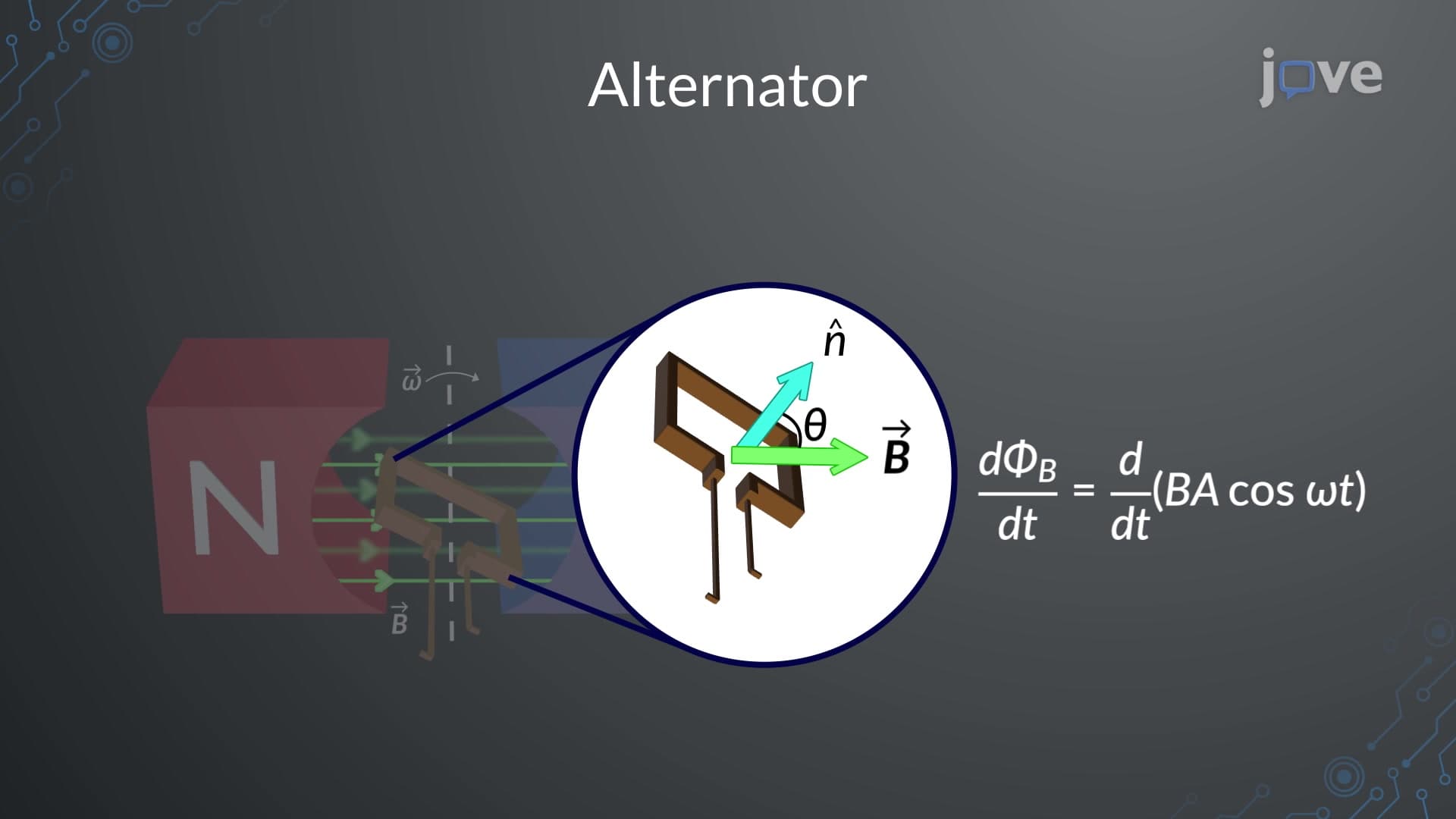
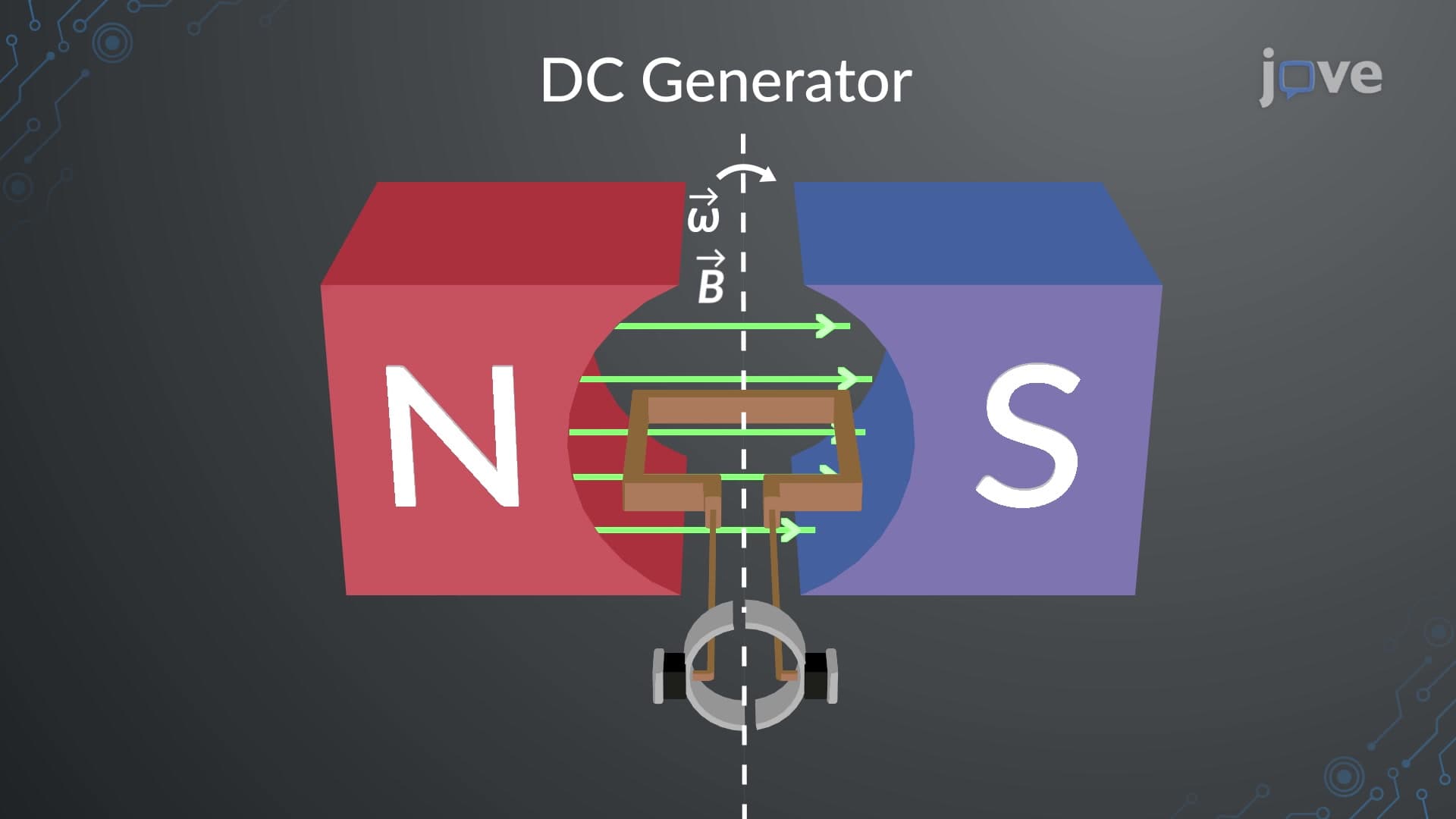
Real-world applications span from power generation at facilities like the Tennessee Valley Authority to medical imaging equipment in hospitals. MRI machines rely on precisely controlled magnetic field changes to induce electric fields that create the signals doctors use for diagnosis.
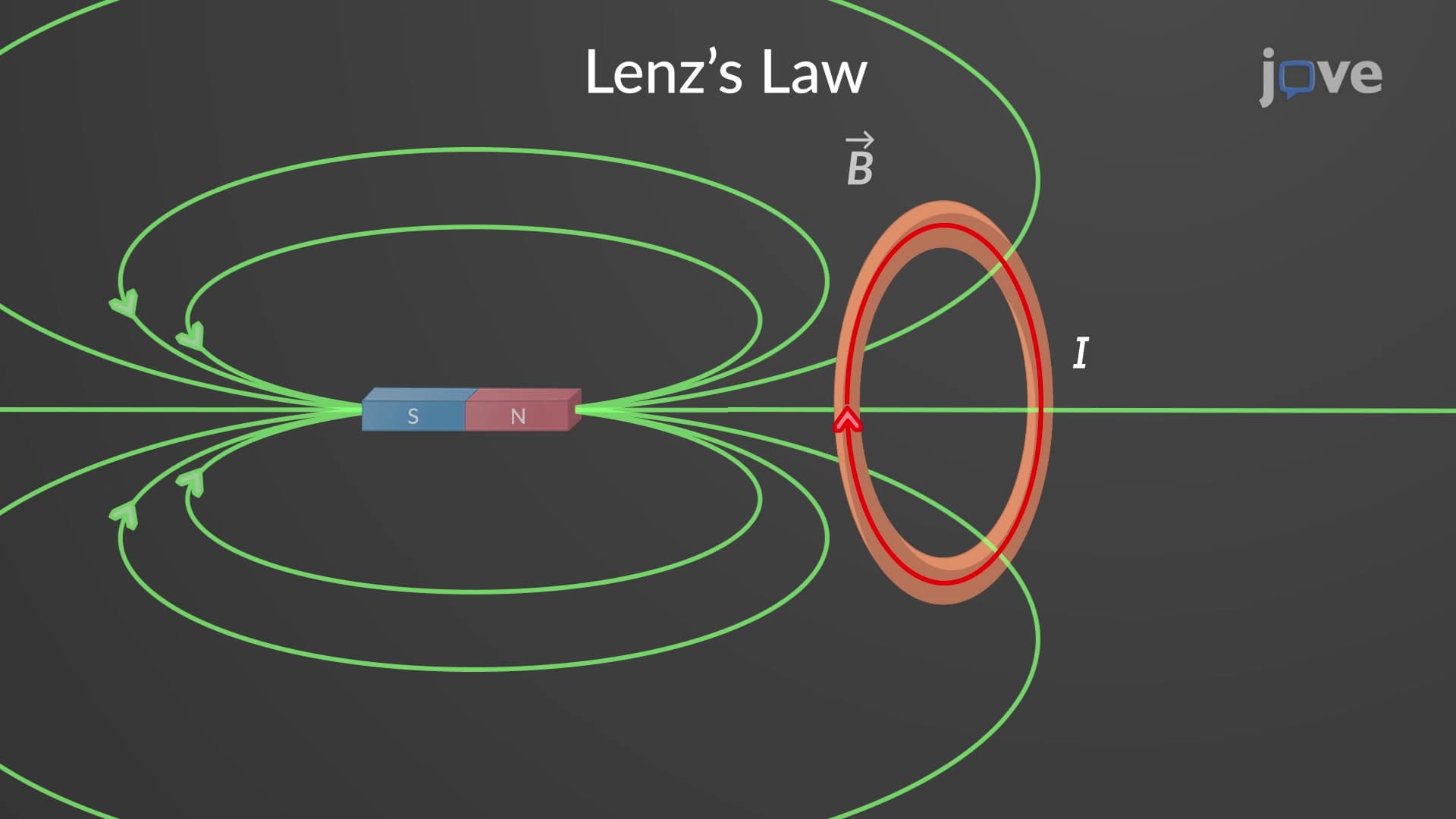
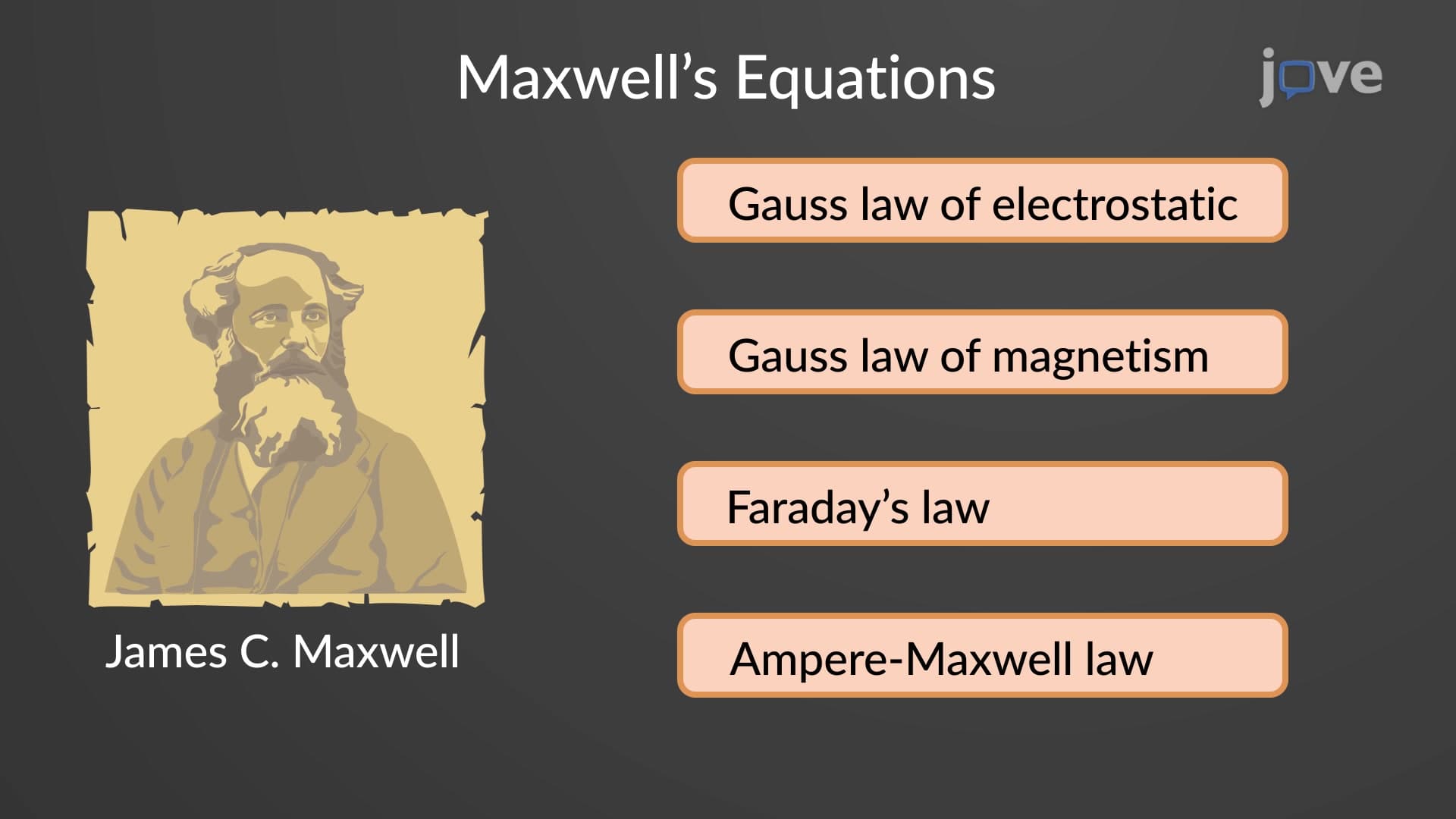
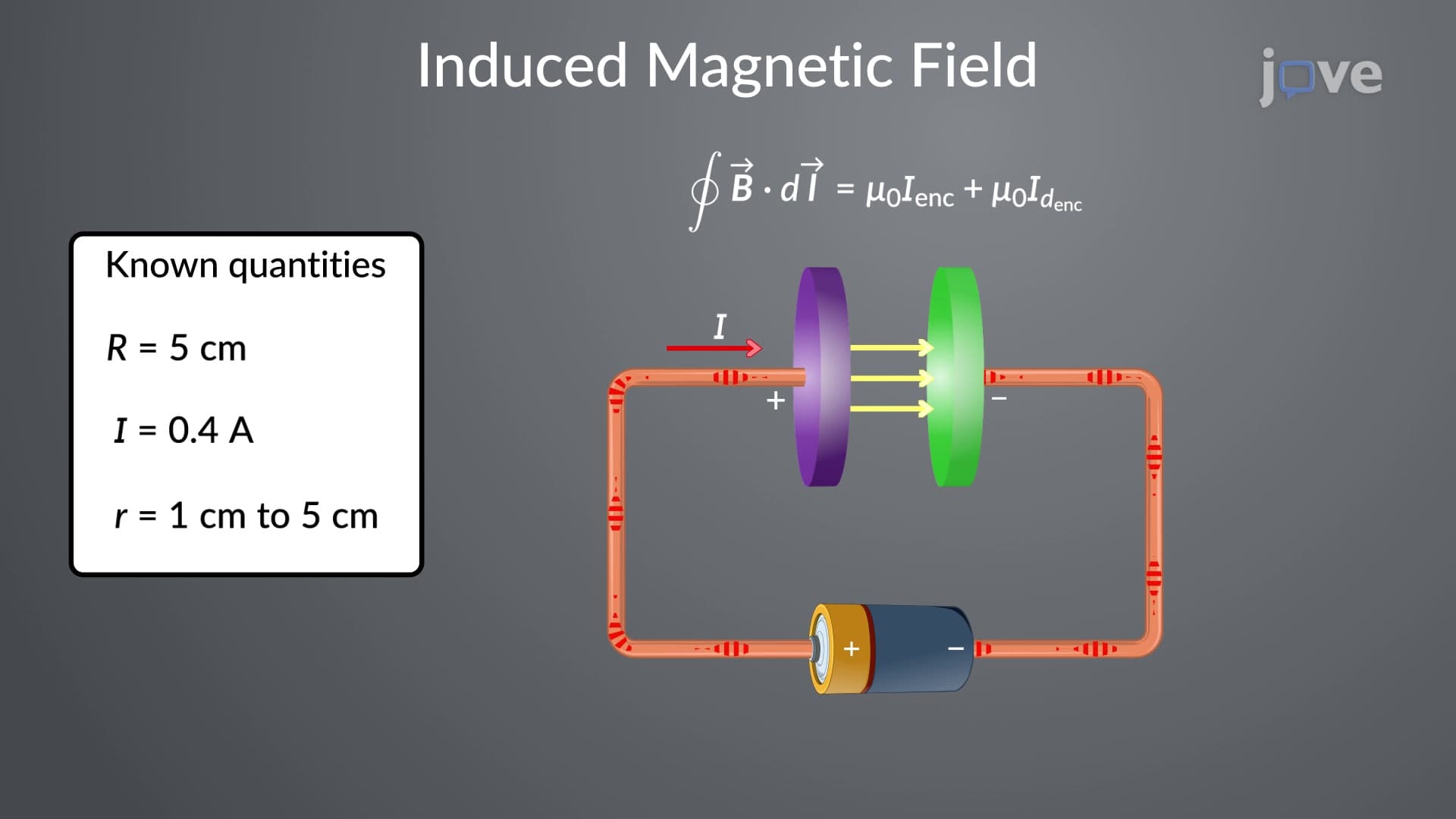
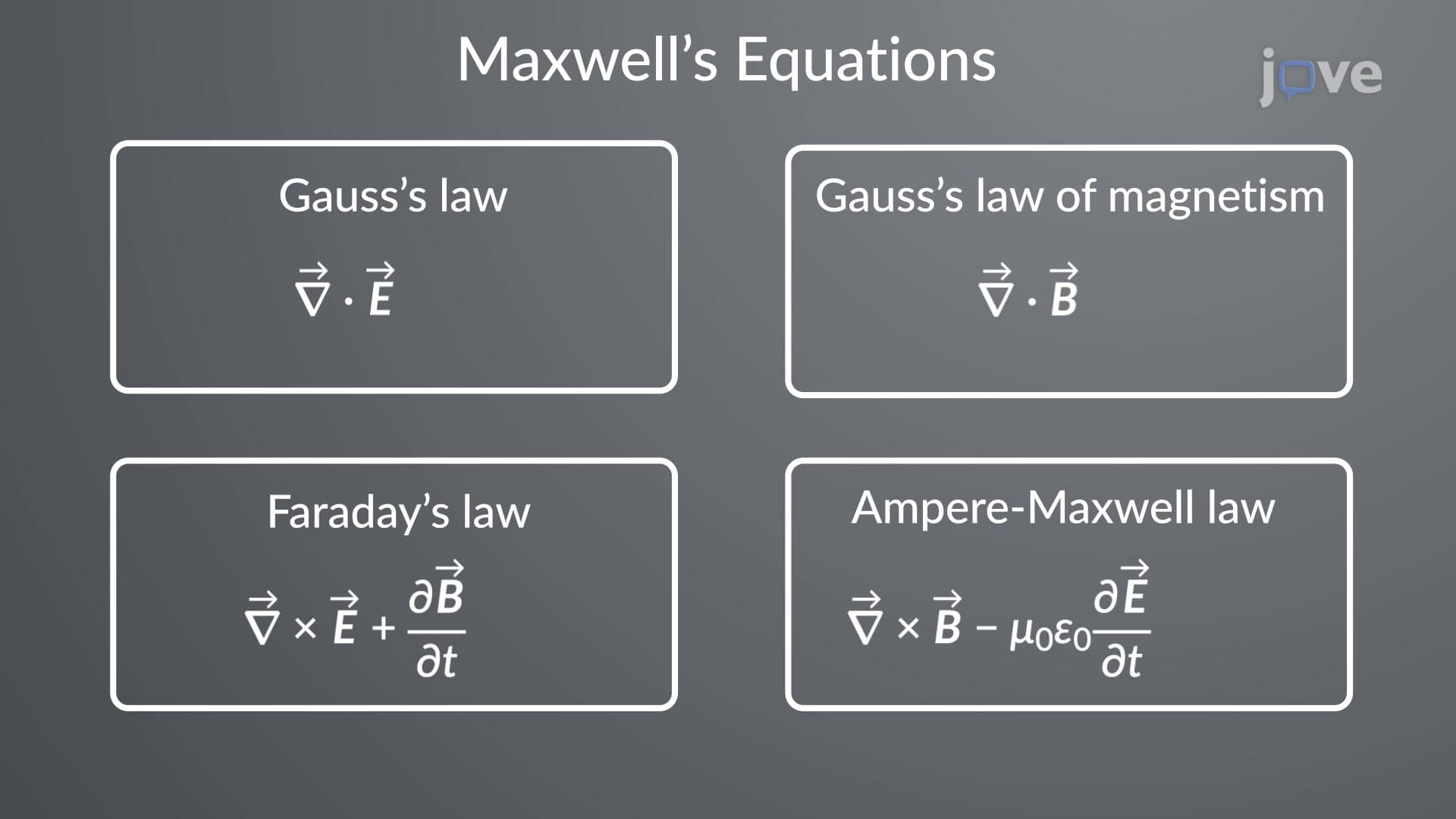
For AP Physics C students, induced electric field problems often involve calculating EMF in complex geometries or determining the direction of induced currents using Lenz's law. College-level courses may require evaluating line integrals or applying Maxwell's equations. The MCAT occasionally tests these concepts in passages about medical devices or energy systems.
Success in these problems requires visualizing how magnetic field changes create electric fields, then applying mathematical tools to quantify the effects. Understanding both the conceptual foundation and computational techniques ensures strong performance across different exam formats.
Related Micro-courses