Loading video…


 21 Concepts
 61.8K views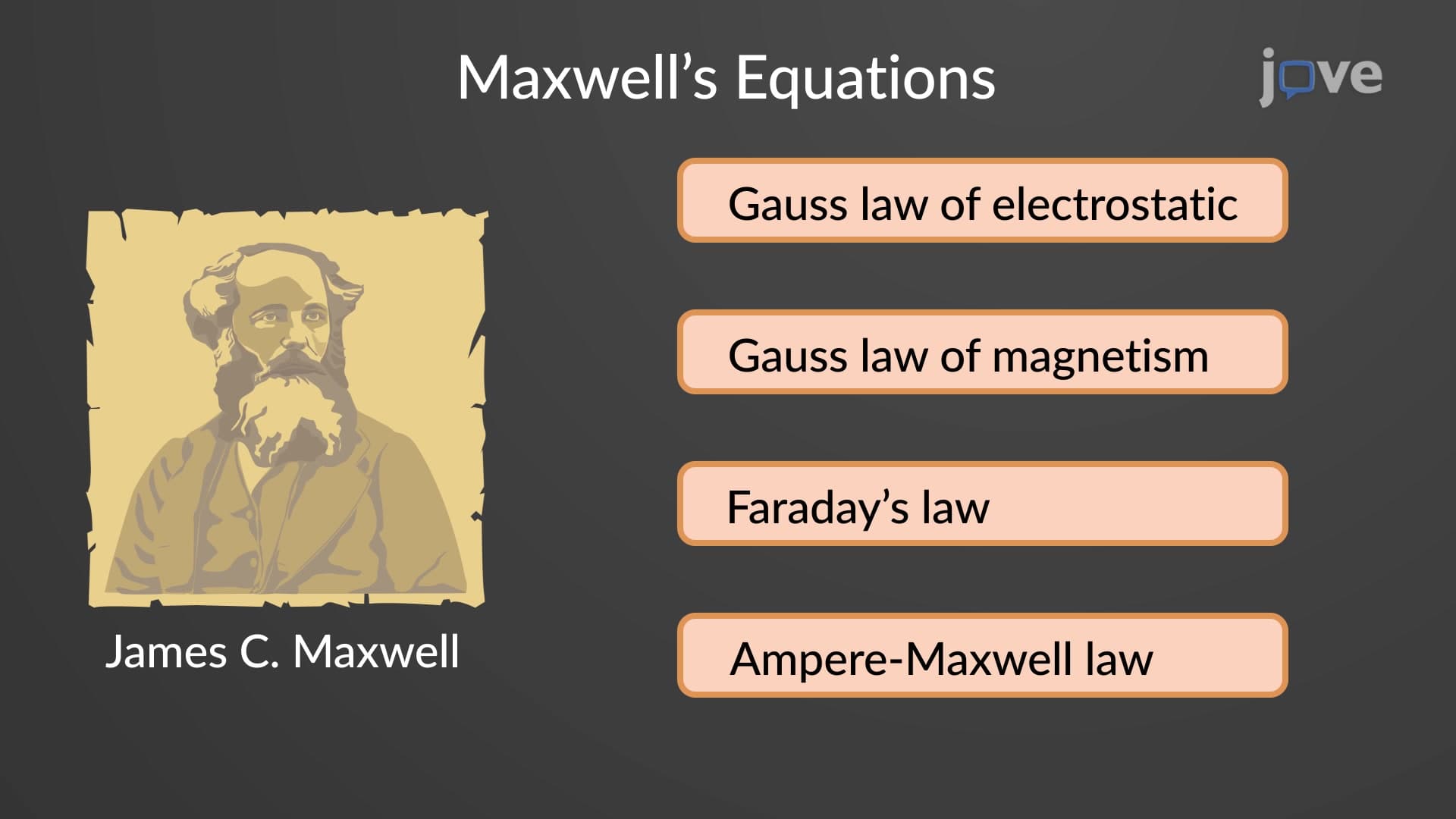

Video Summary: Maxwells Equation of Electromagnetism Tutorial
Did you know that every electronic device around you-from smartphones to MRI machines-operates according to just four mathematical equations? Maxwell's equation of electromagnetism governs all electromagnetic phenomena, from the wireless signals powering your iPhone to the magnetic fields used in hospital imaging systems across the United States. These fundamental laws, formulated by James Clerk Maxwell, unify electricity and magnetism into a single comprehensive framework. Watch the full video on JoVE Coach to master this concept with expert-led visuals and step-by-step explanations.
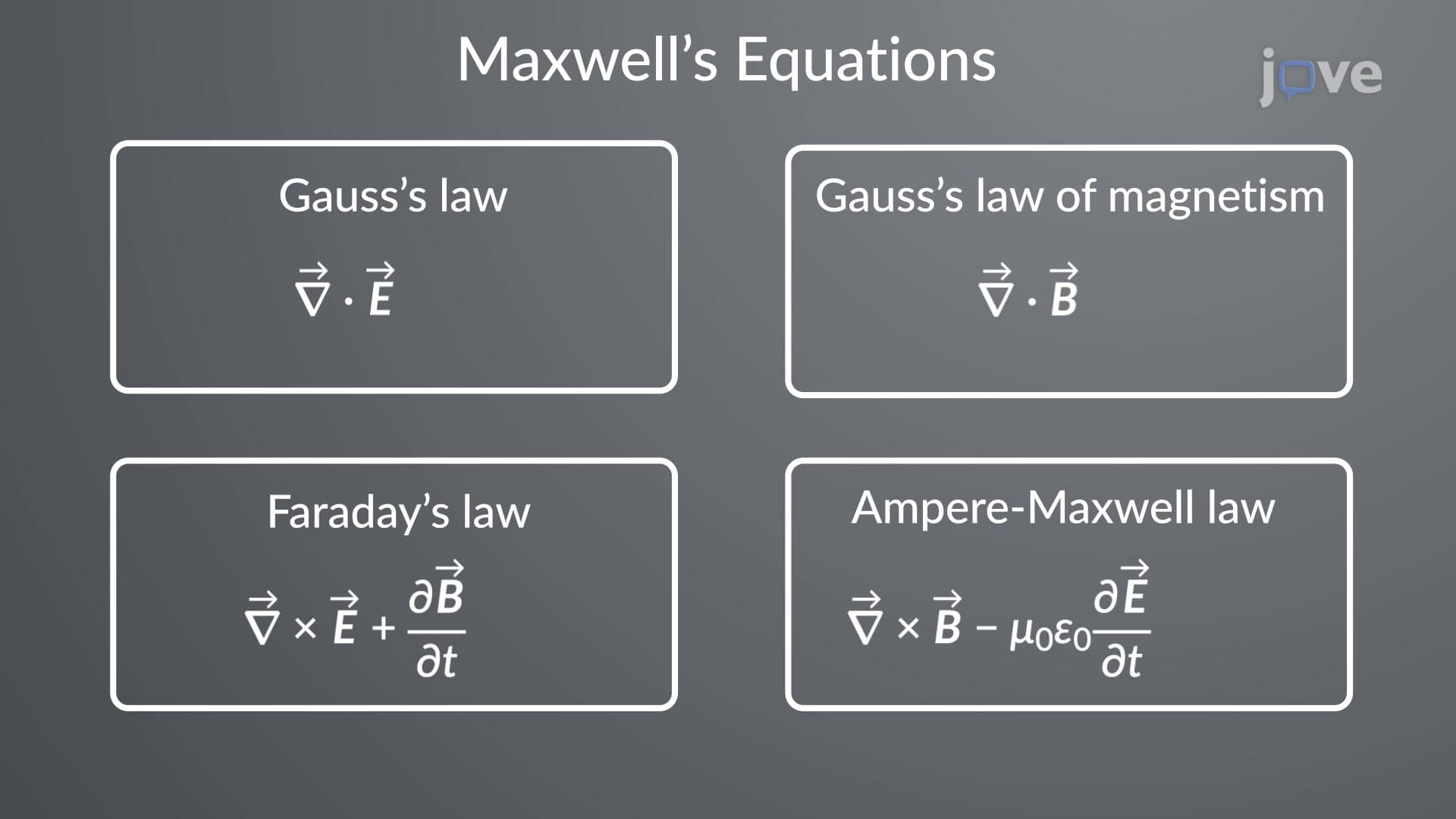
Maxwell's equation of electromagnetism represents one of the most elegant achievements in theoretical physics, providing a complete mathematical description of electromagnetic phenomena. These four equations revolutionized our understanding of electricity and magnetism by demonstrating their fundamental interconnection. For students preparing for AP Physics C or college-level electromagnetism courses, mastering these equations is essential for success on exams and understanding modern technology.
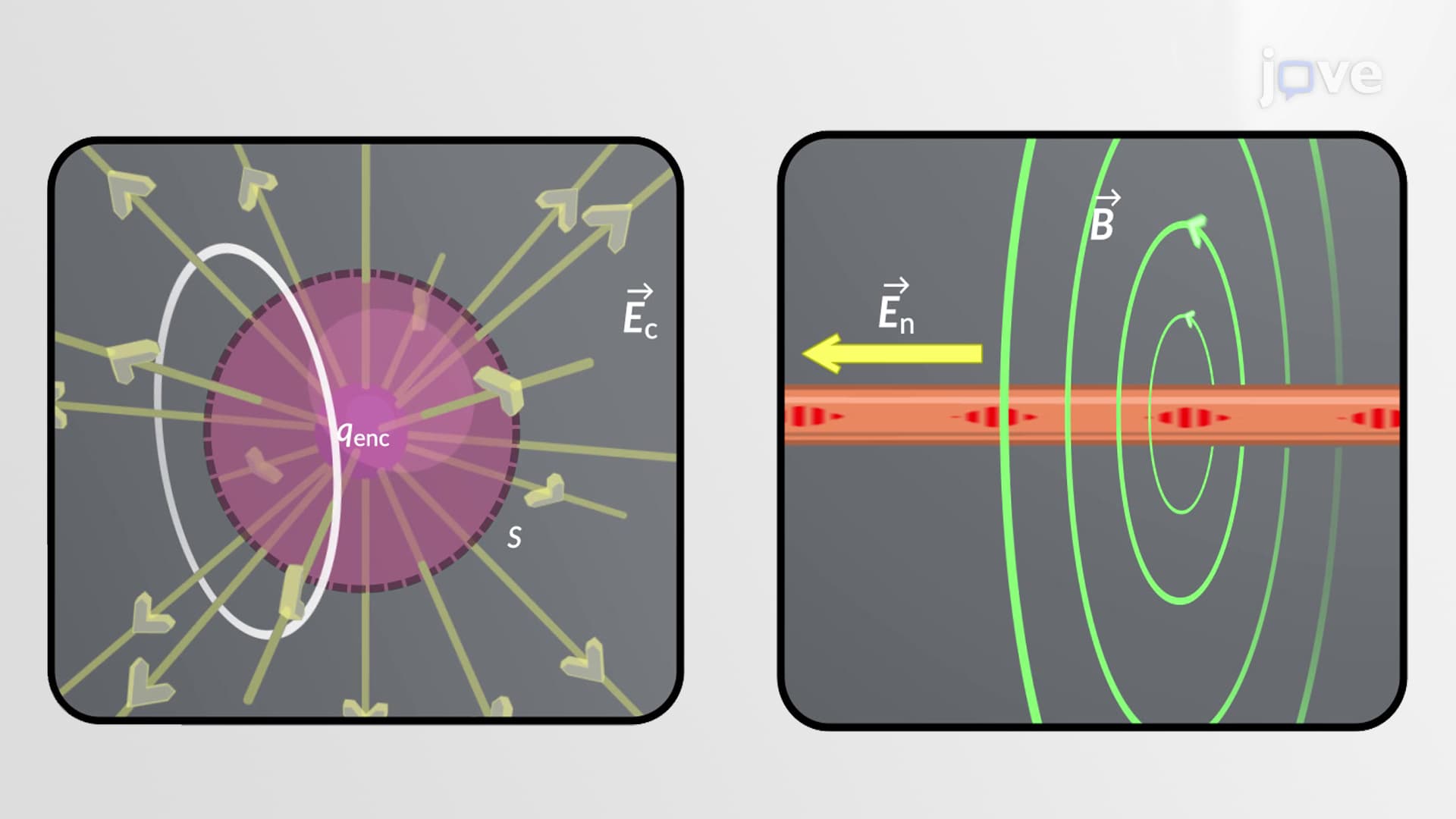
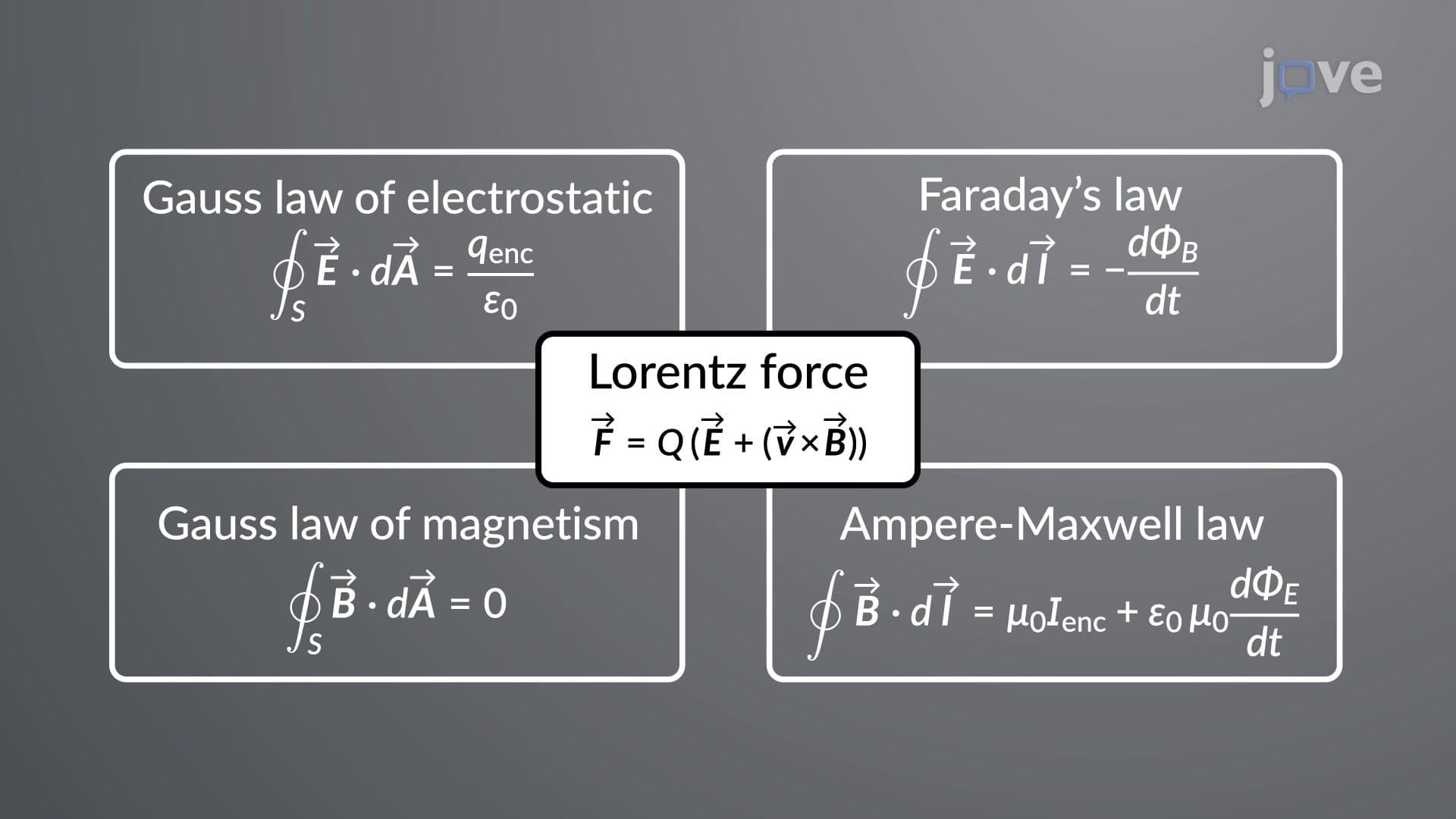
The first Maxwell equation, Gauss's law for electrostatics, establishes that electric flux through any closed surface equals the enclosed charge divided by the permittivity of free space (ε₀). Mathematically expressed as ∮E·dA = Q(enclosed)/ε₀, this law demonstrates that electric field lines must originate from positive charges and terminate on negative charges. This principle explains how capacitors work in electronic circuits and why Faraday cages protect sensitive equipment at research facilities like MIT and Stanford University.
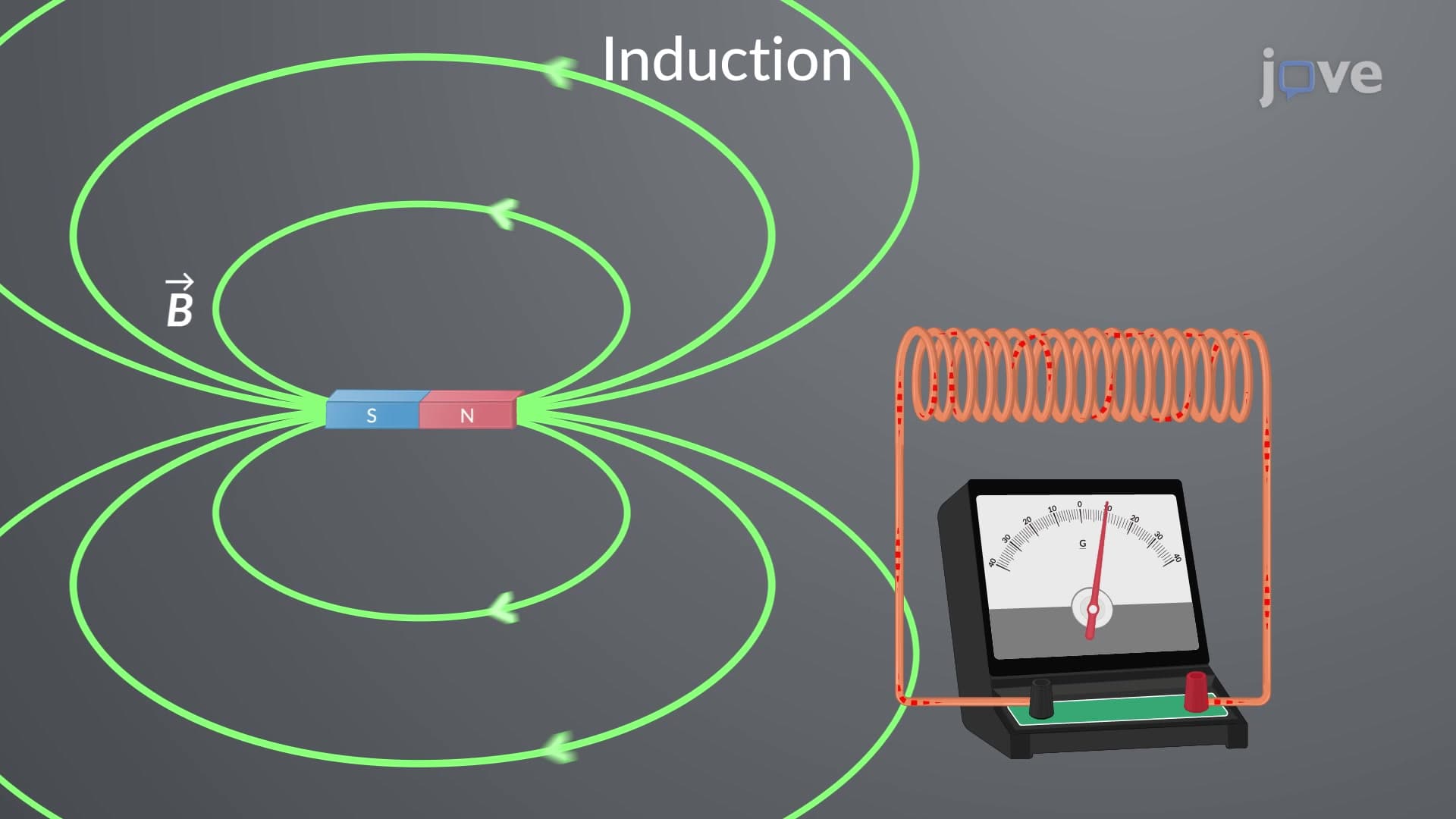
The second equation states that magnetic flux through any closed surface always equals zero: ∮B·dA = 0. This fundamental principle indicates that magnetic field lines form continuous loops-they cannot begin or end at isolated magnetic poles. Unlike electric charges, which can exist independently, magnetic poles always appear in pairs. This concept is crucial for understanding why permanent magnets used in MRI machines at Mayo Clinic always have both north and south poles.
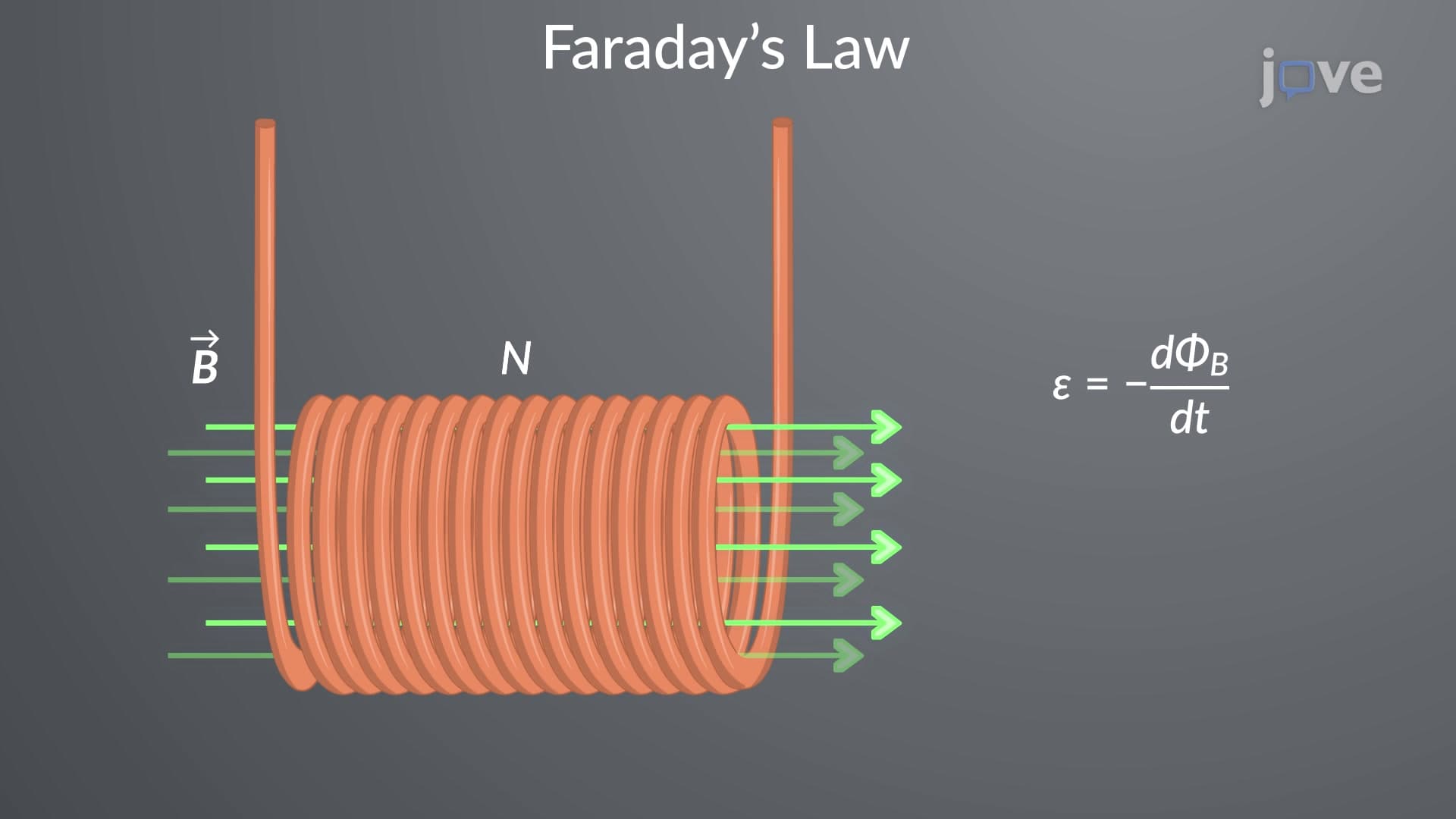
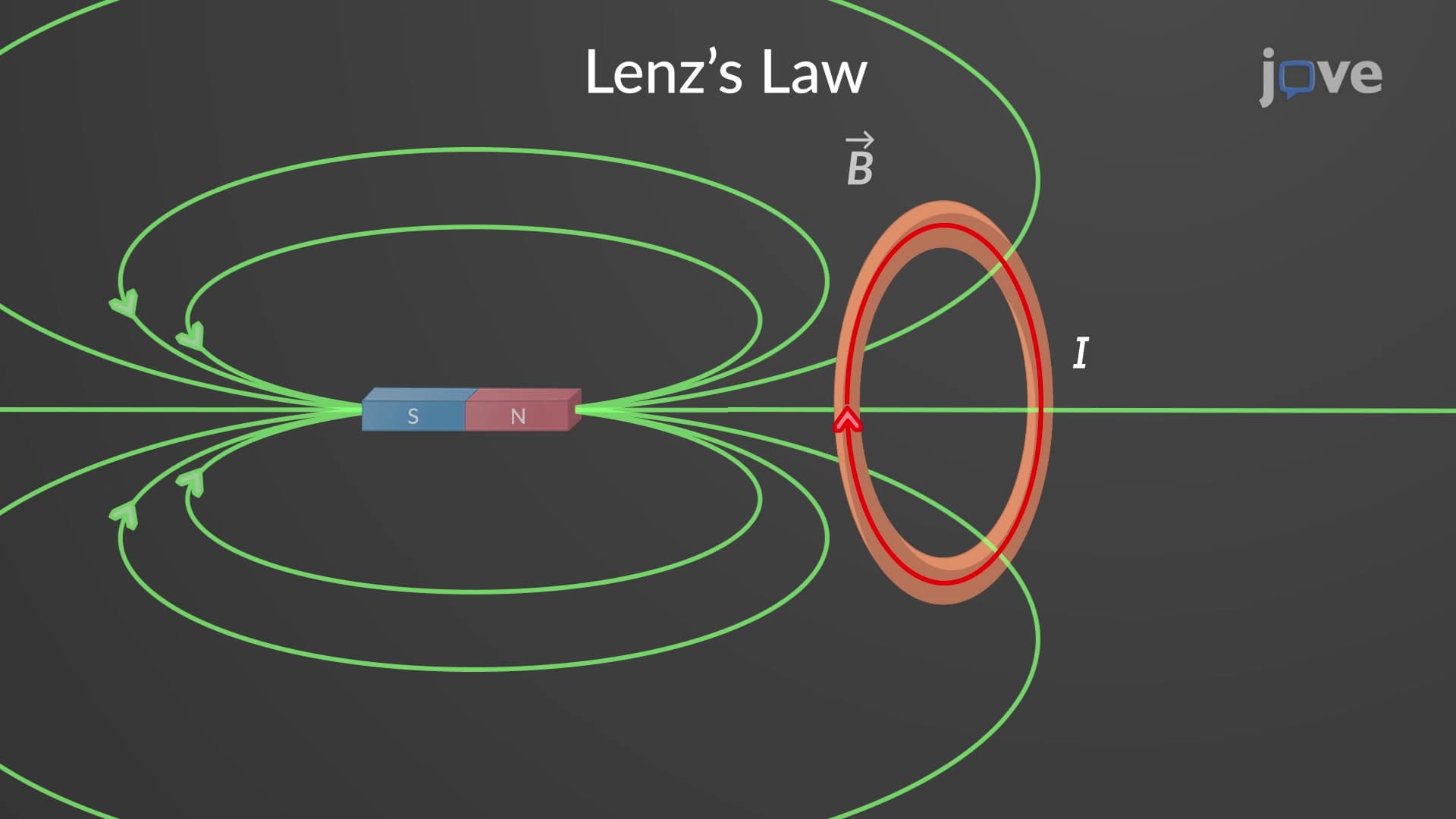
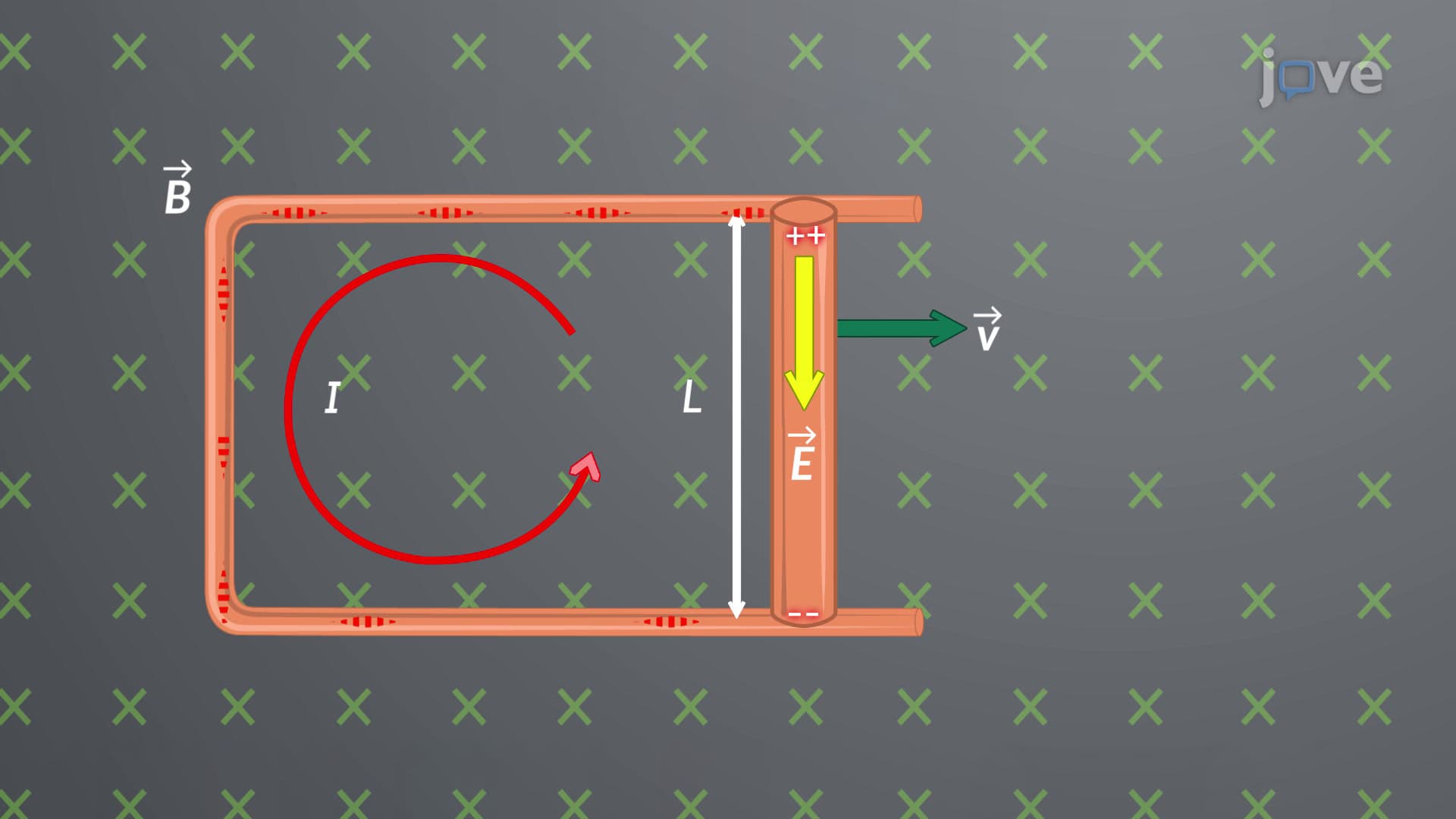
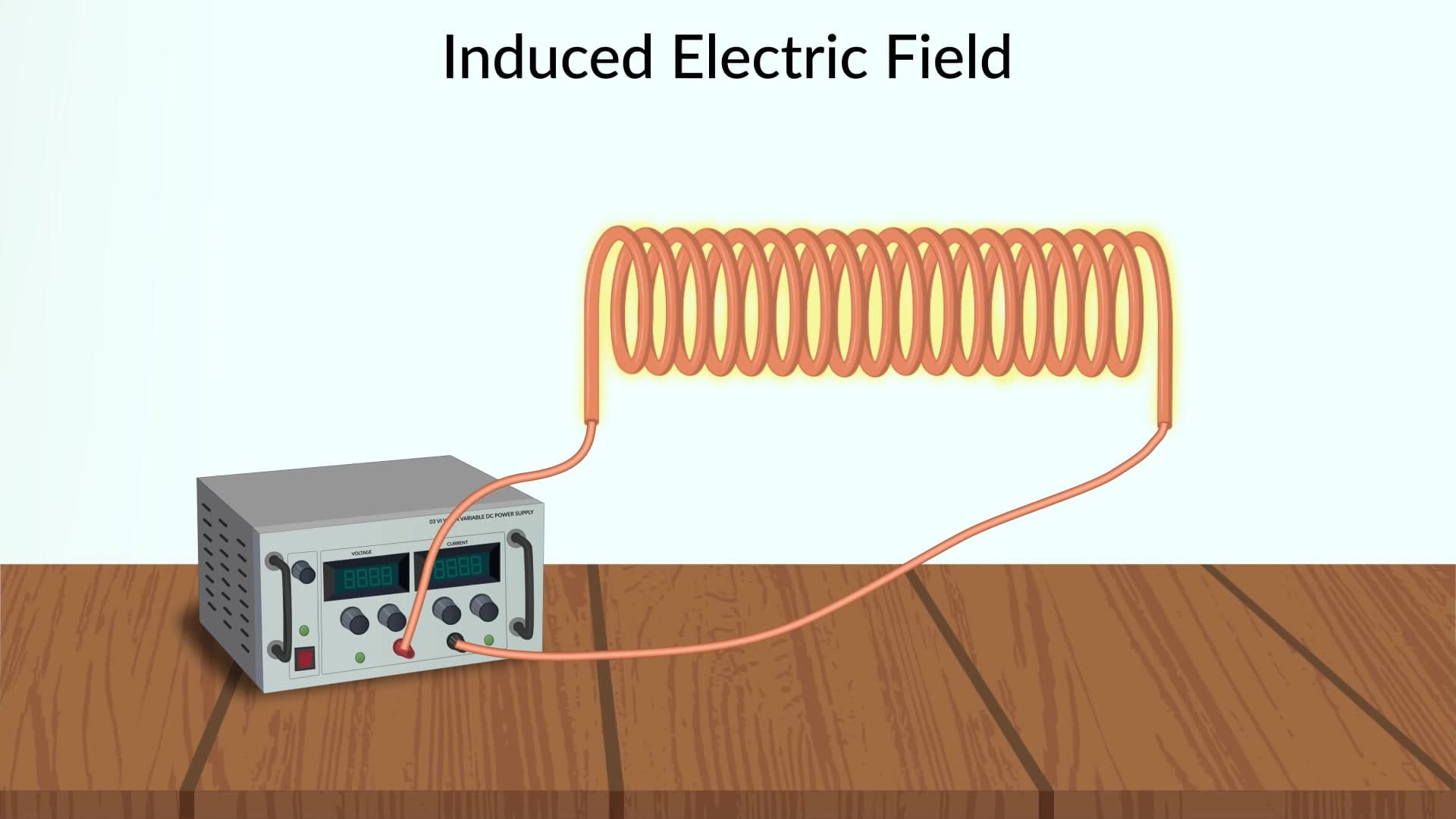
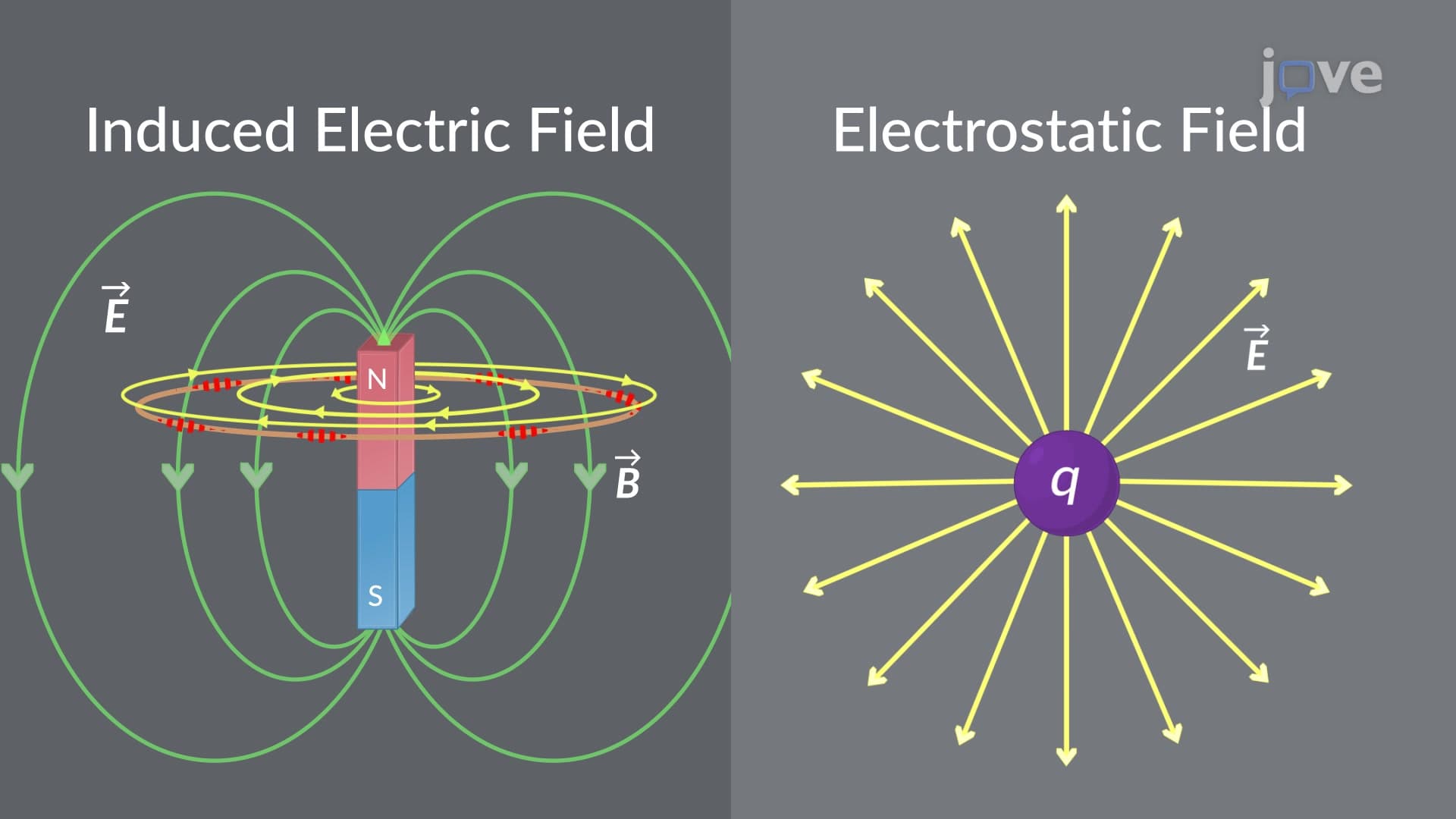
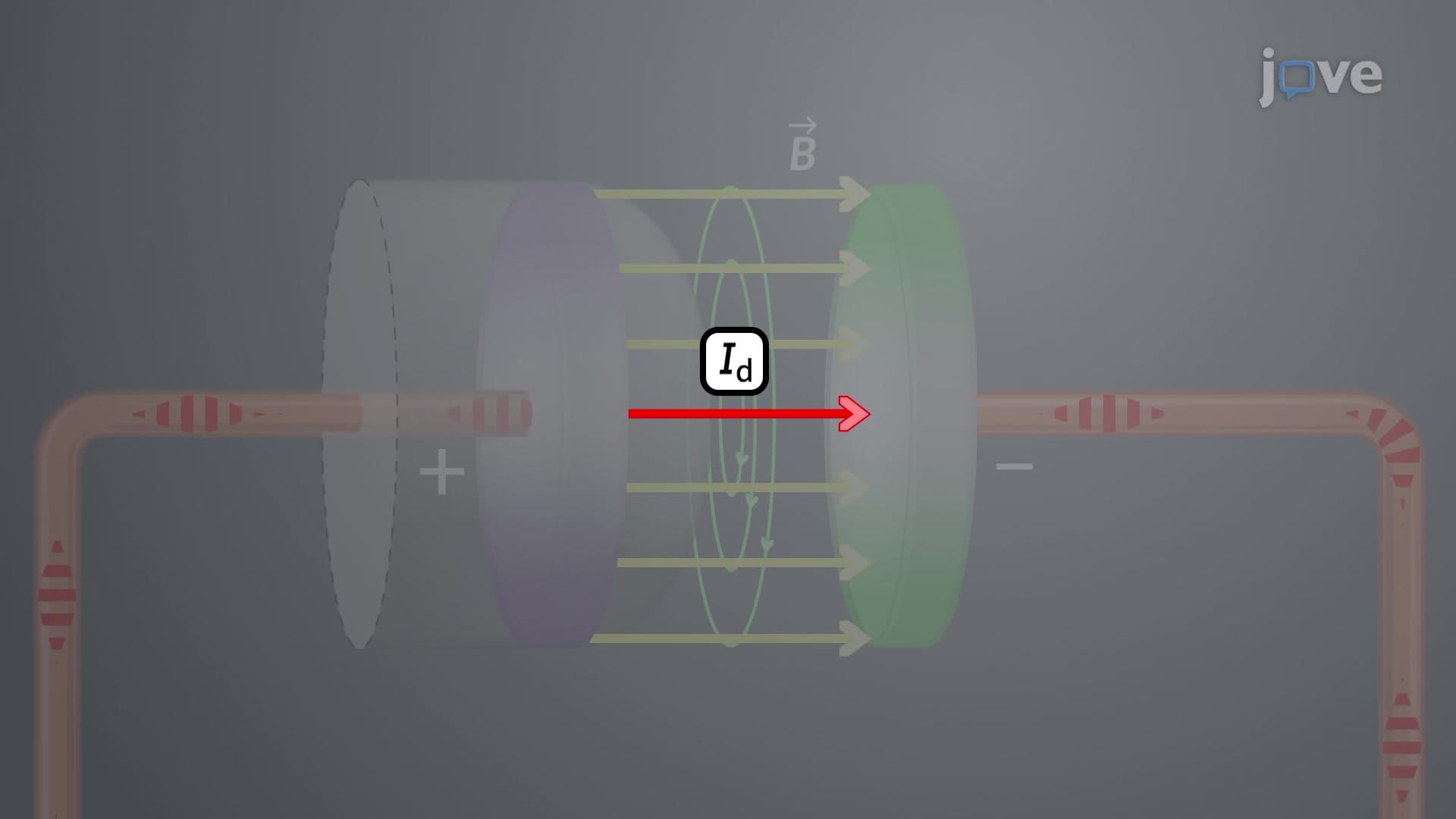
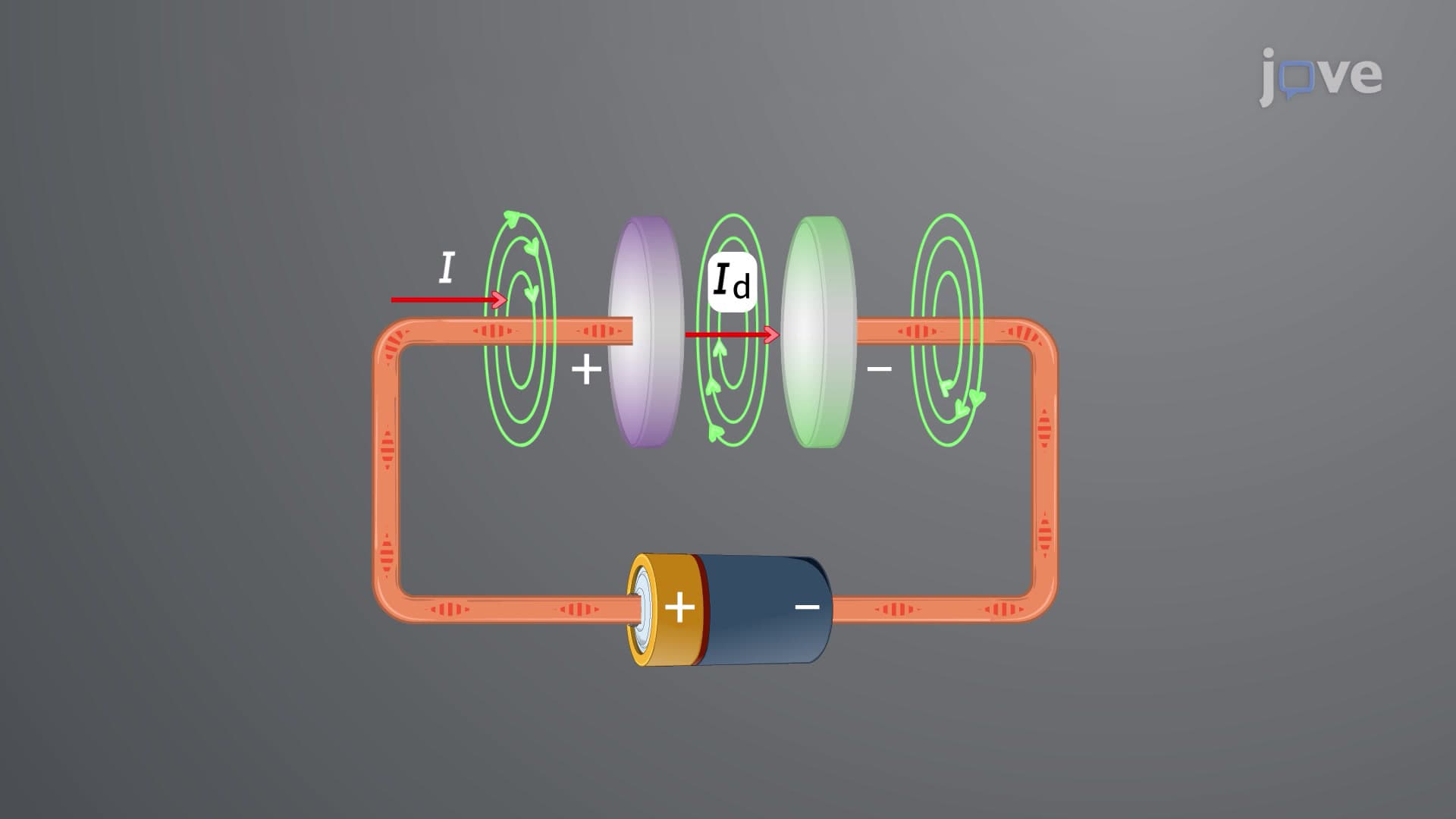
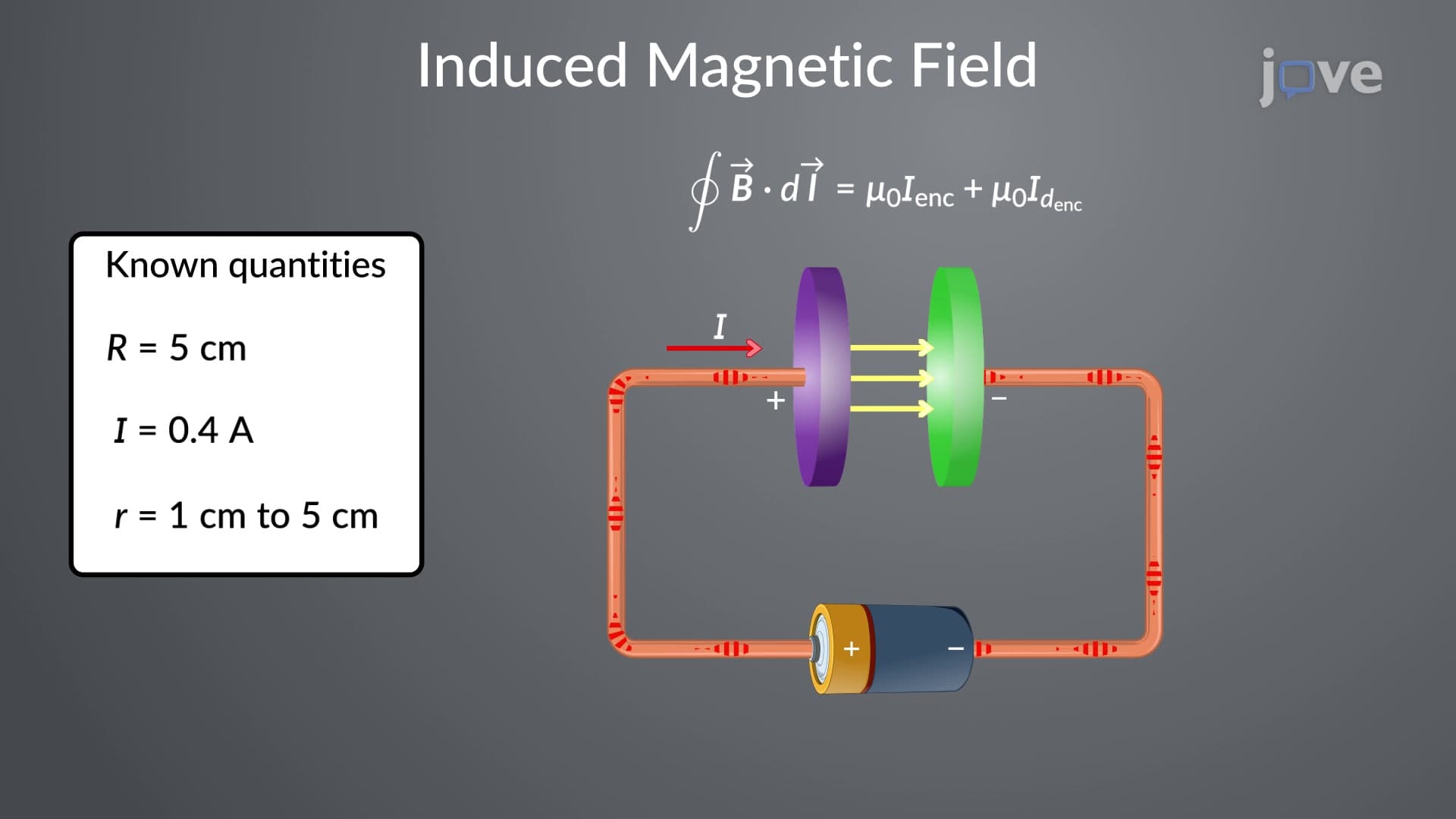
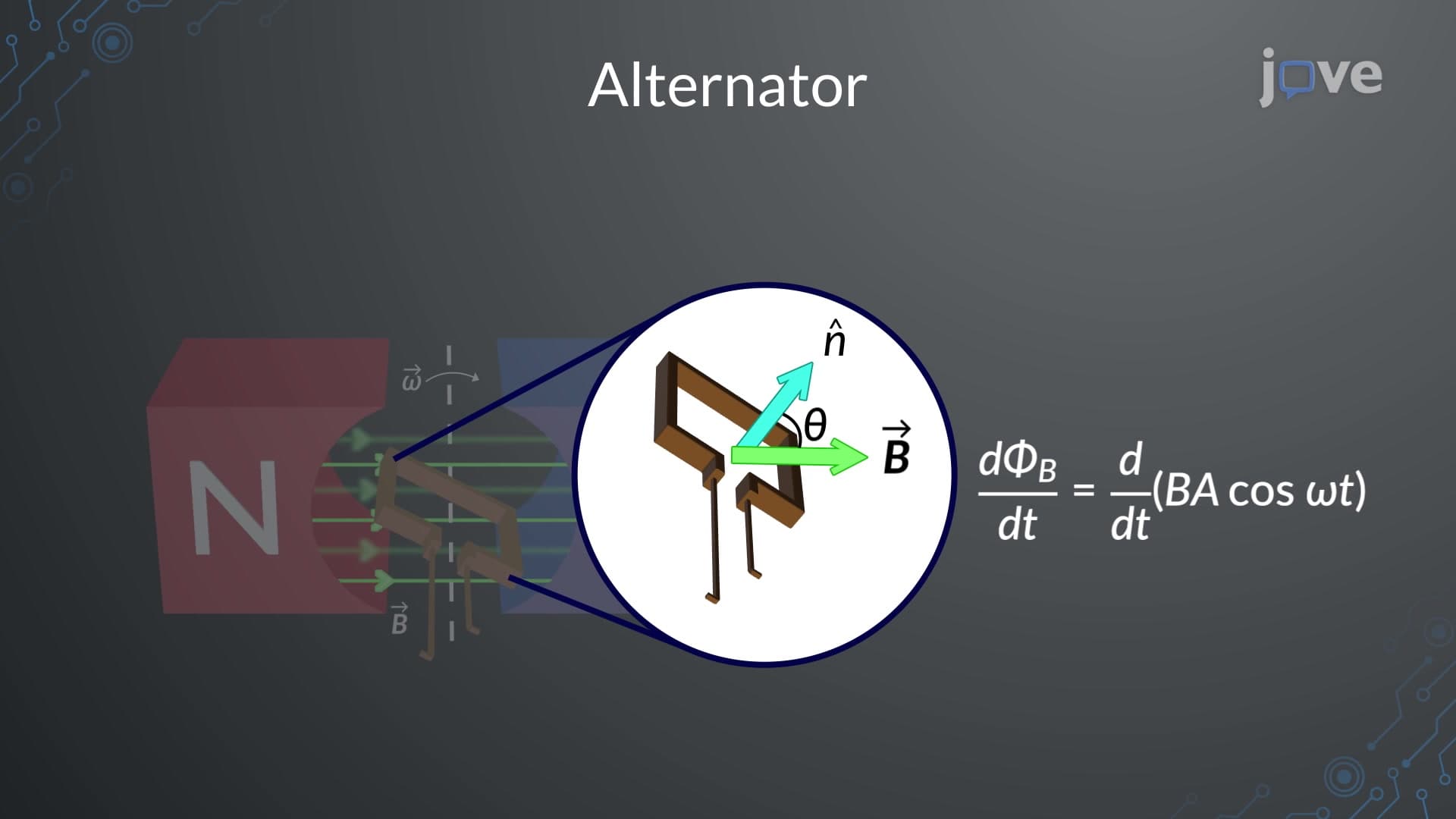
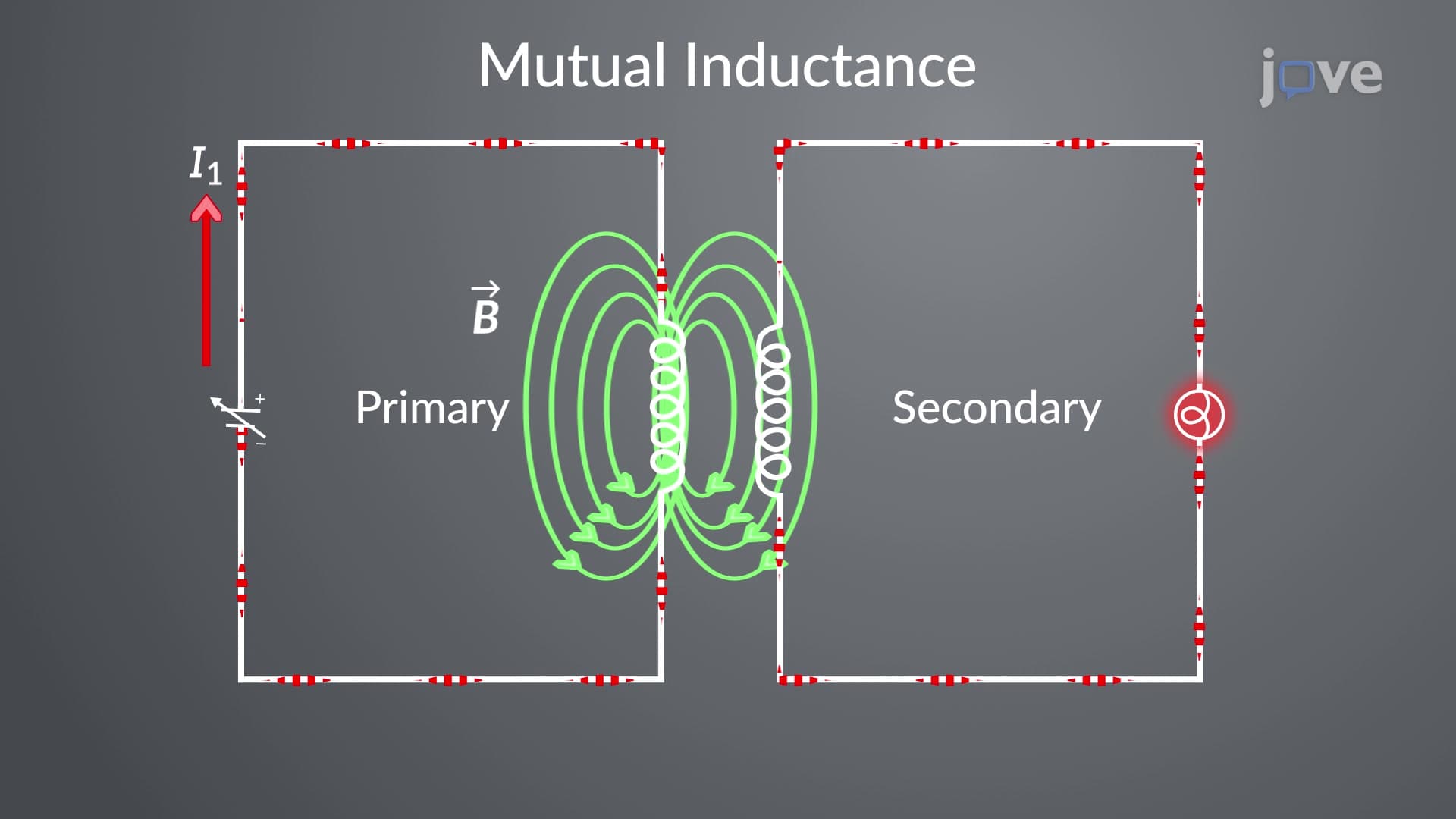
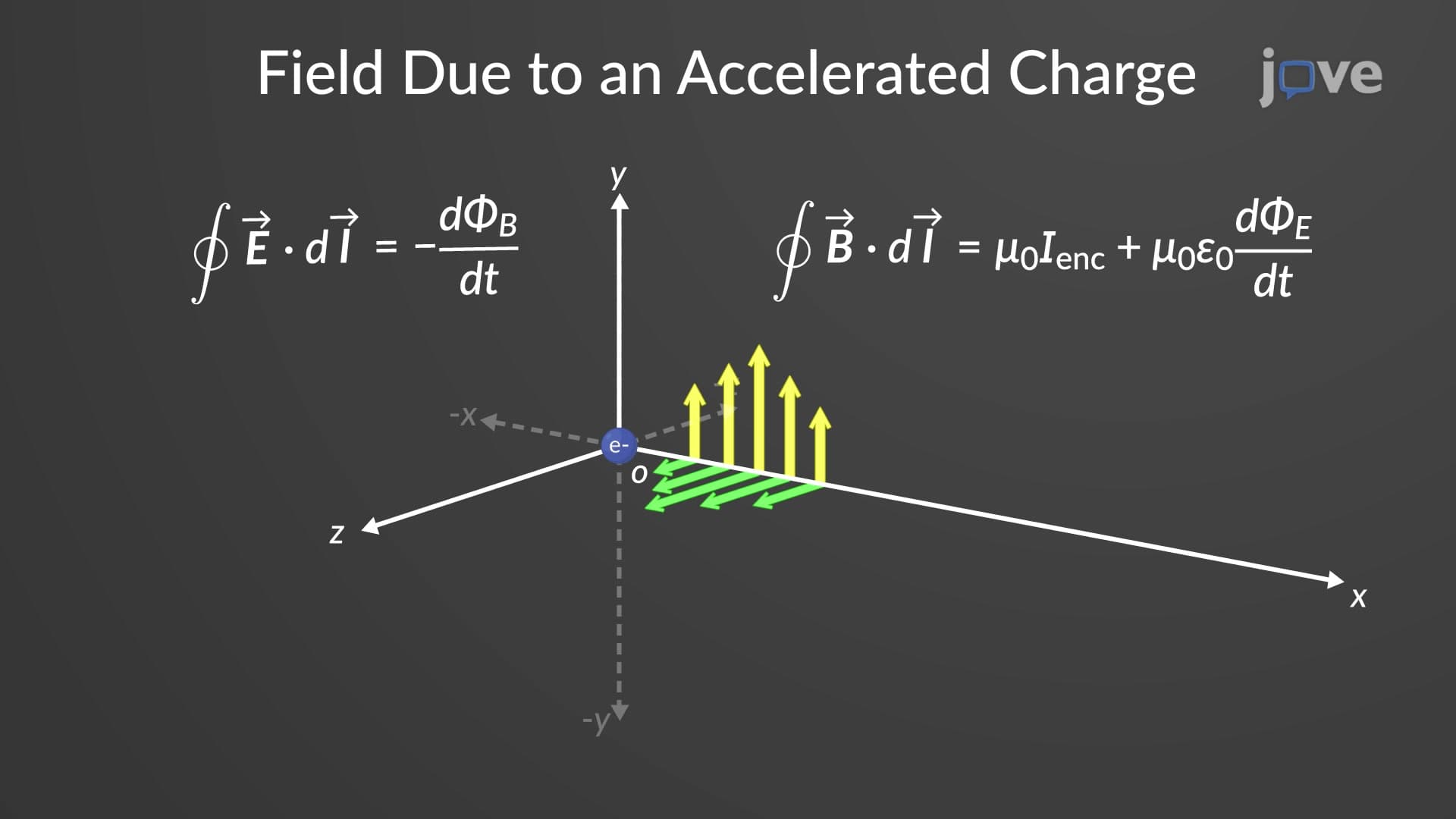
Faraday's law, the third equation, demonstrates how changing magnetic fields induce electric fields: ∮E·dl = -dΦ(B)/dt. This principle underlies the operation of electrical generators in power plants across the United States. The fourth equation, Ampère-Maxwell law, shows how both electric currents and changing electric fields create magnetic fields: ∮B·dl = μ₀(I + ε₀ dΦ(E)/dt). Maxwell's crucial addition of the displacement current term (ε₀ dΦ(E)/dt) predicted electromagnetic wave propagation, leading to wireless communication technologies. Students encountering these concepts in SAT Subject Tests or MCAT physics sections should focus on understanding the physical relationships rather than memorizing complex derivations.
Related Micro-courses