Loading video…


 21 Concepts
 61.8K views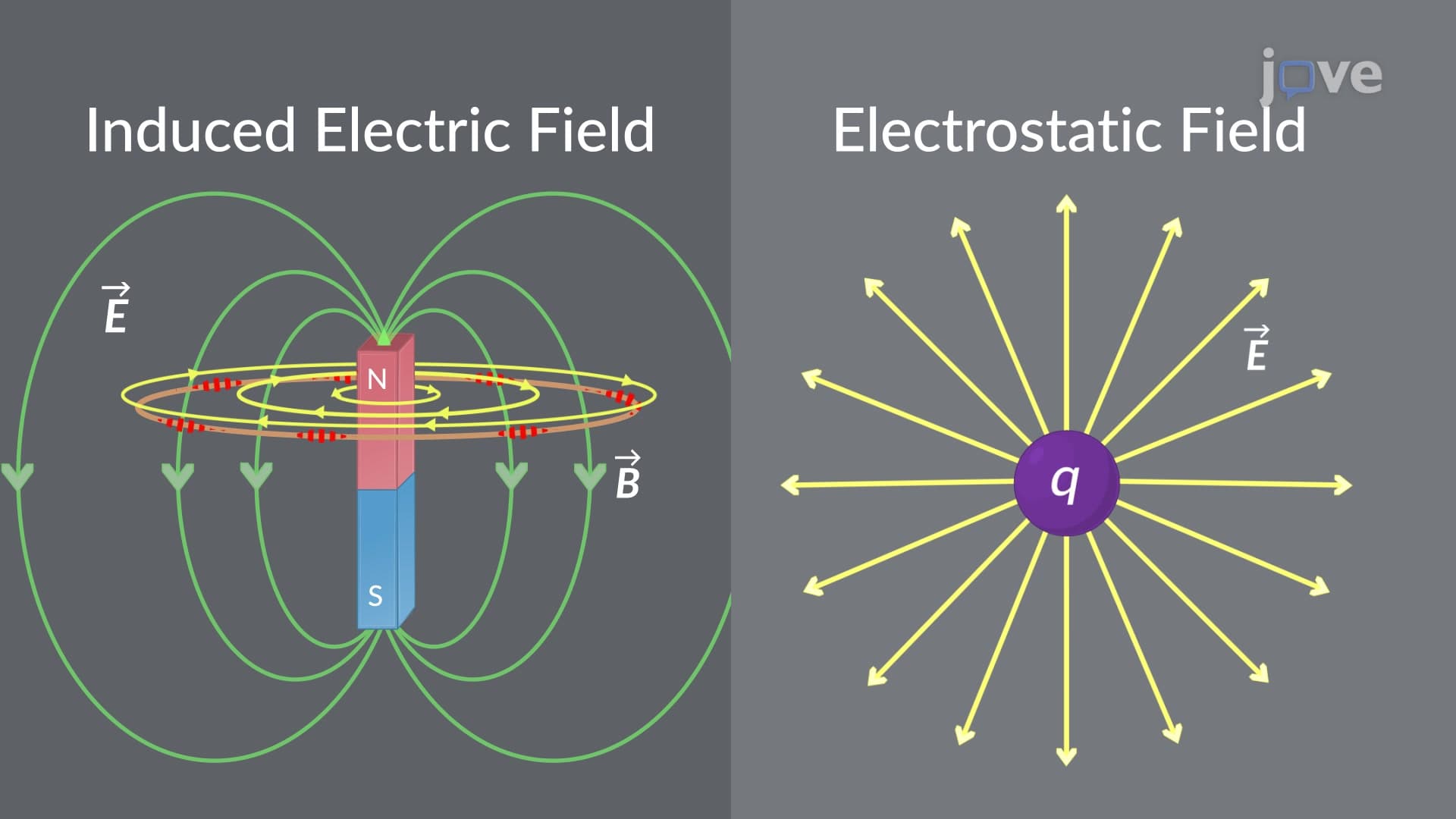

Video Summary: What Is Induced Electric Fields Applications
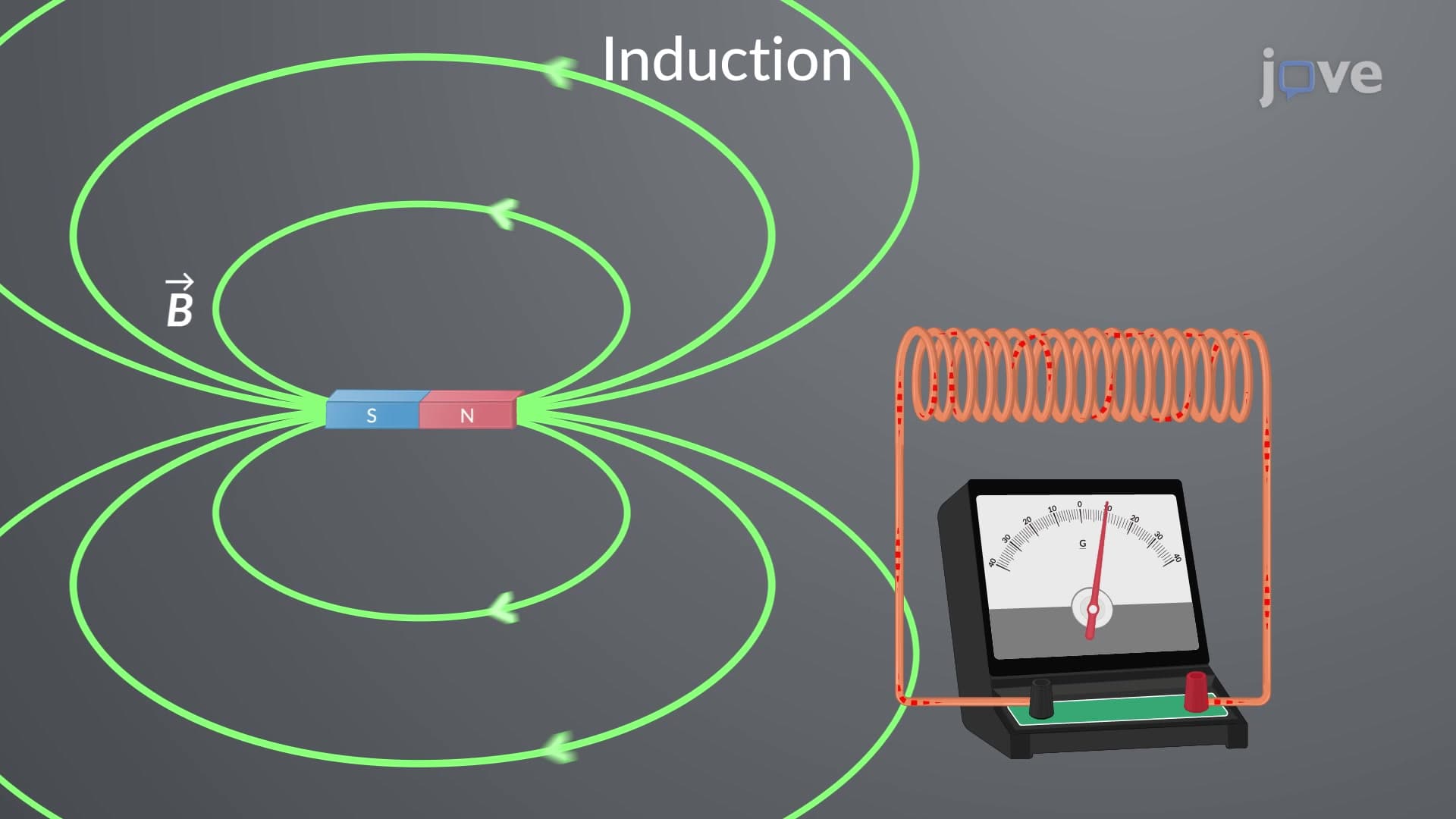
Did you know that every time you use a wireless phone charger, you're witnessing induced electric fields applications in action? Induced electric fields applications involve the creation of electric fields through changing magnetic fields, fundamentally different from static electric fields. Unlike electrostatic fields from stationary charges, these induced fields are non-conservative and can perform net work on charges moving in closed paths. MRI machines in US hospitals rely on this principle to generate detailed body images. Watch the full video on JoVE Coach to master this concept with expert-led visuals and step-by-step explanations.
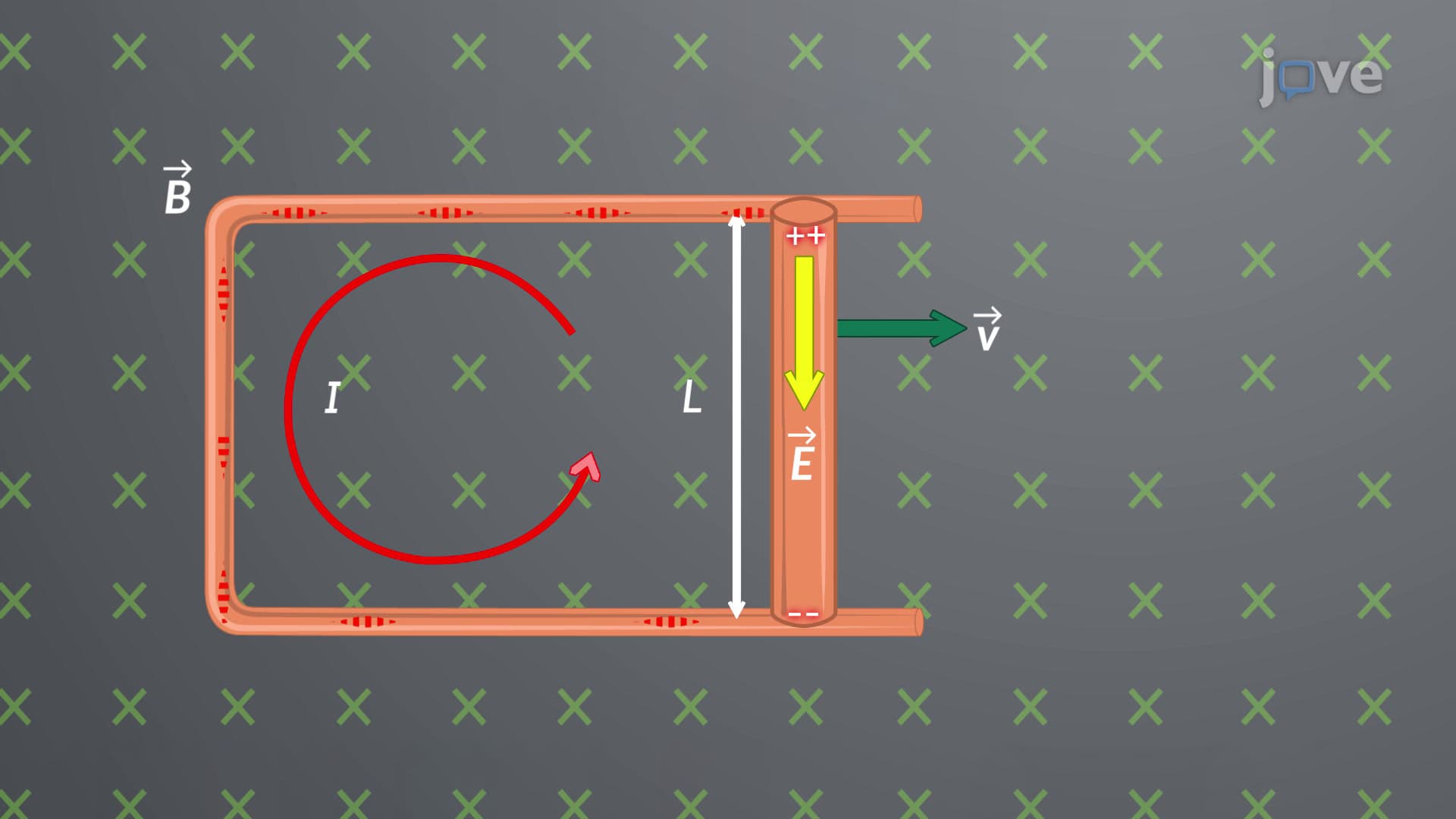
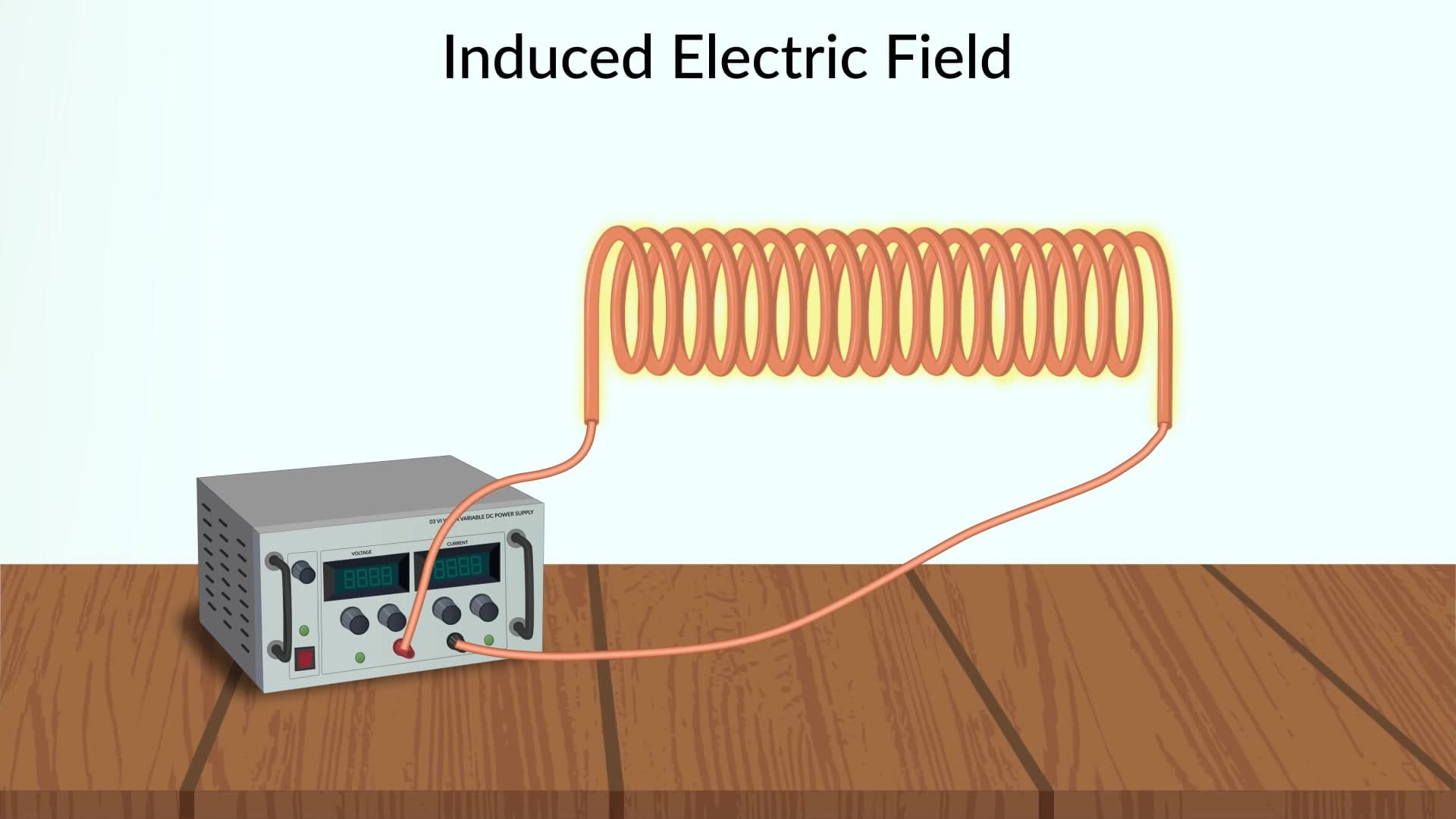
Induced electric fields applications represent a cornerstone of electromagnetic theory with profound real-world significance. Unlike the familiar electrostatic fields created by stationary charges-such as the field around a charged balloon after rubbing it on your hair-induced electric fields arise from changing magnetic fields. This fundamental difference has revolutionary implications for modern technology and appears frequently on AP Physics exams and college-level electromagnetic courses.
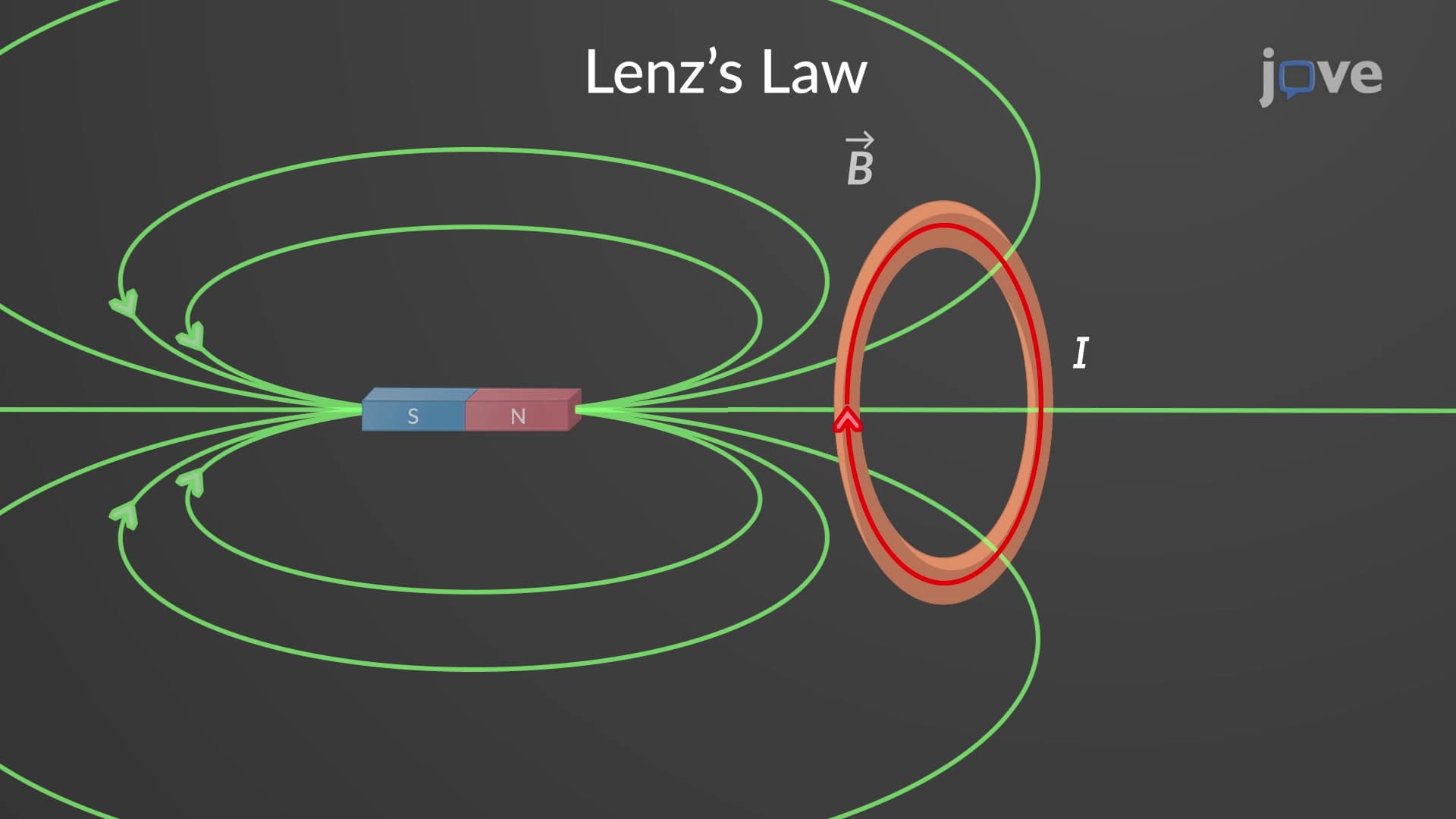
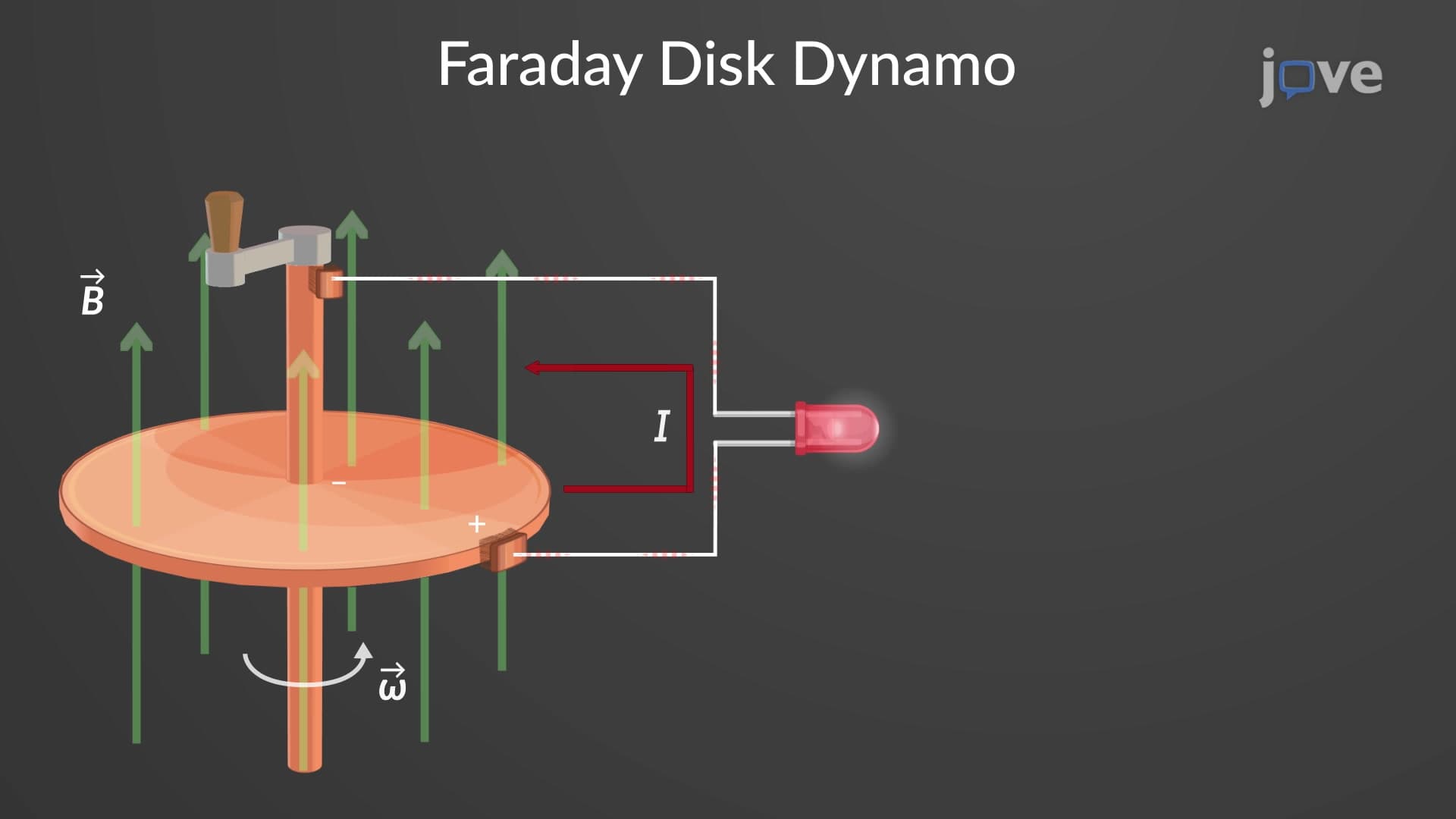
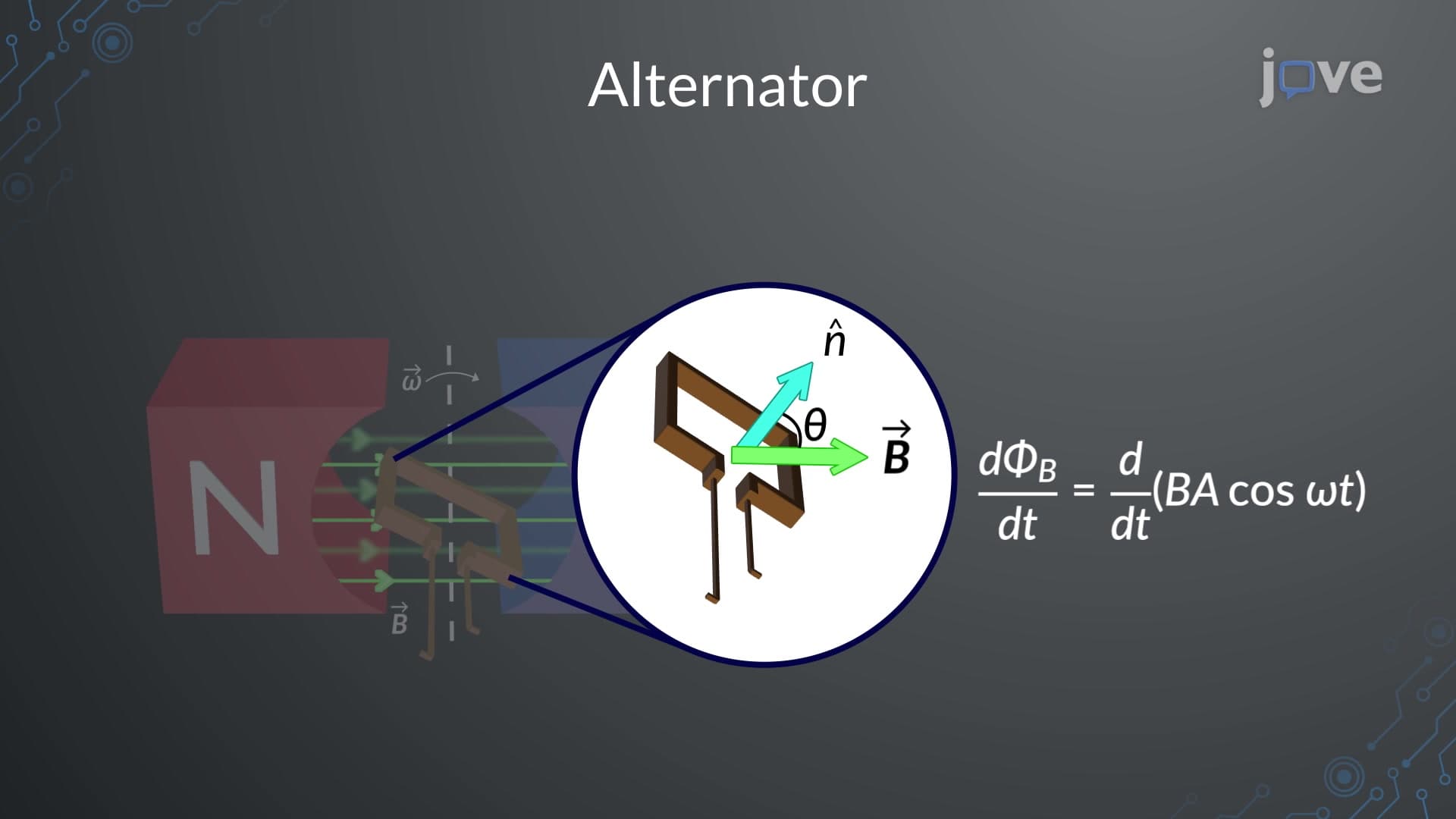
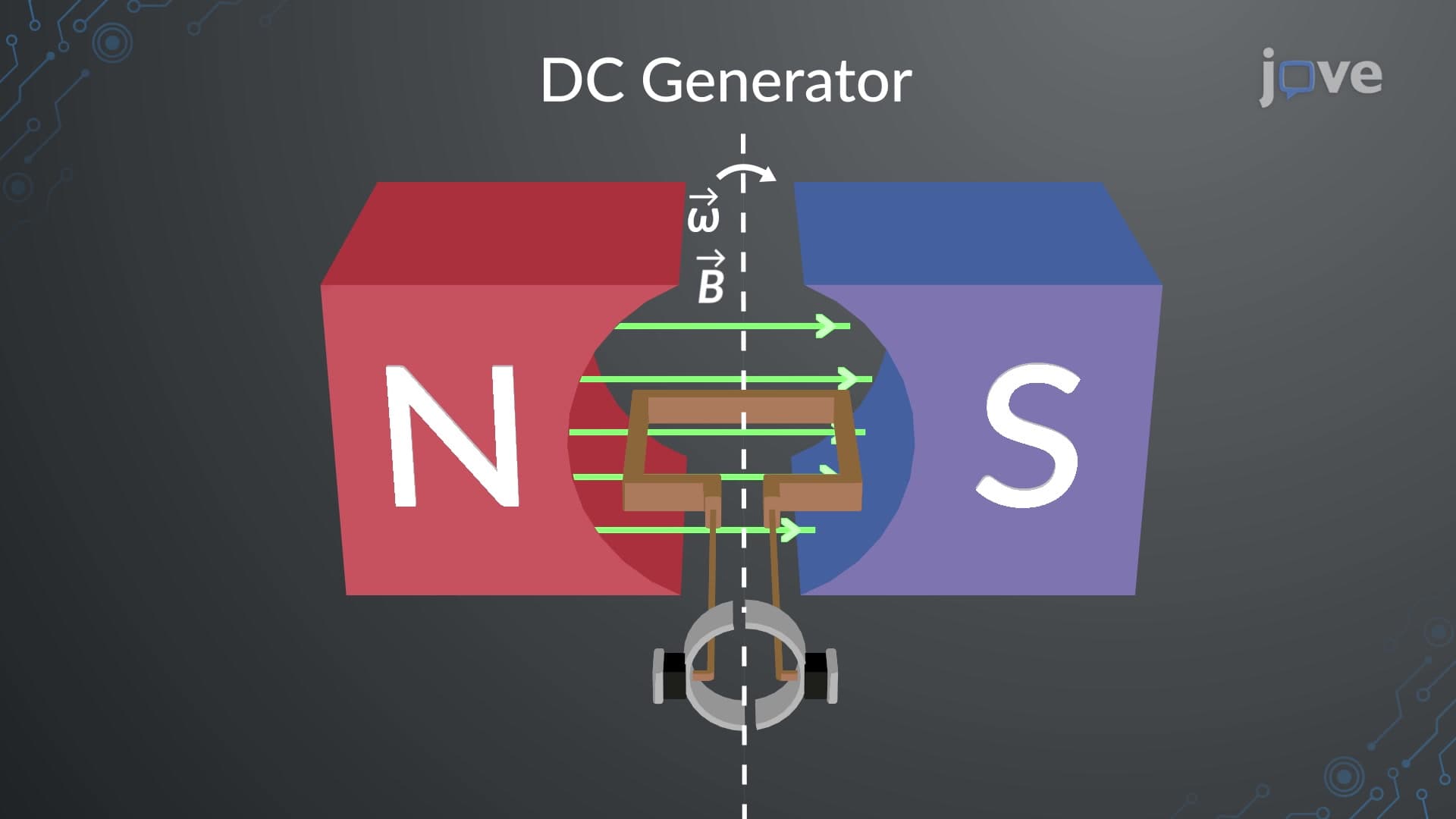
The most striking characteristic of induced electric fields is their non-conservative behavior. While electrostatic fields conserve energy (meaning no net work is done when moving a charge around a closed path), induced electric fields can perform continuous work on charges. This property enables the operation of electric generators in US power plants, where mechanical energy converts to electrical energy through electromagnetic induction. Students preparing for MCAT physics sections should understand that this non-conservative nature allows for sustained current flow in closed circuits.
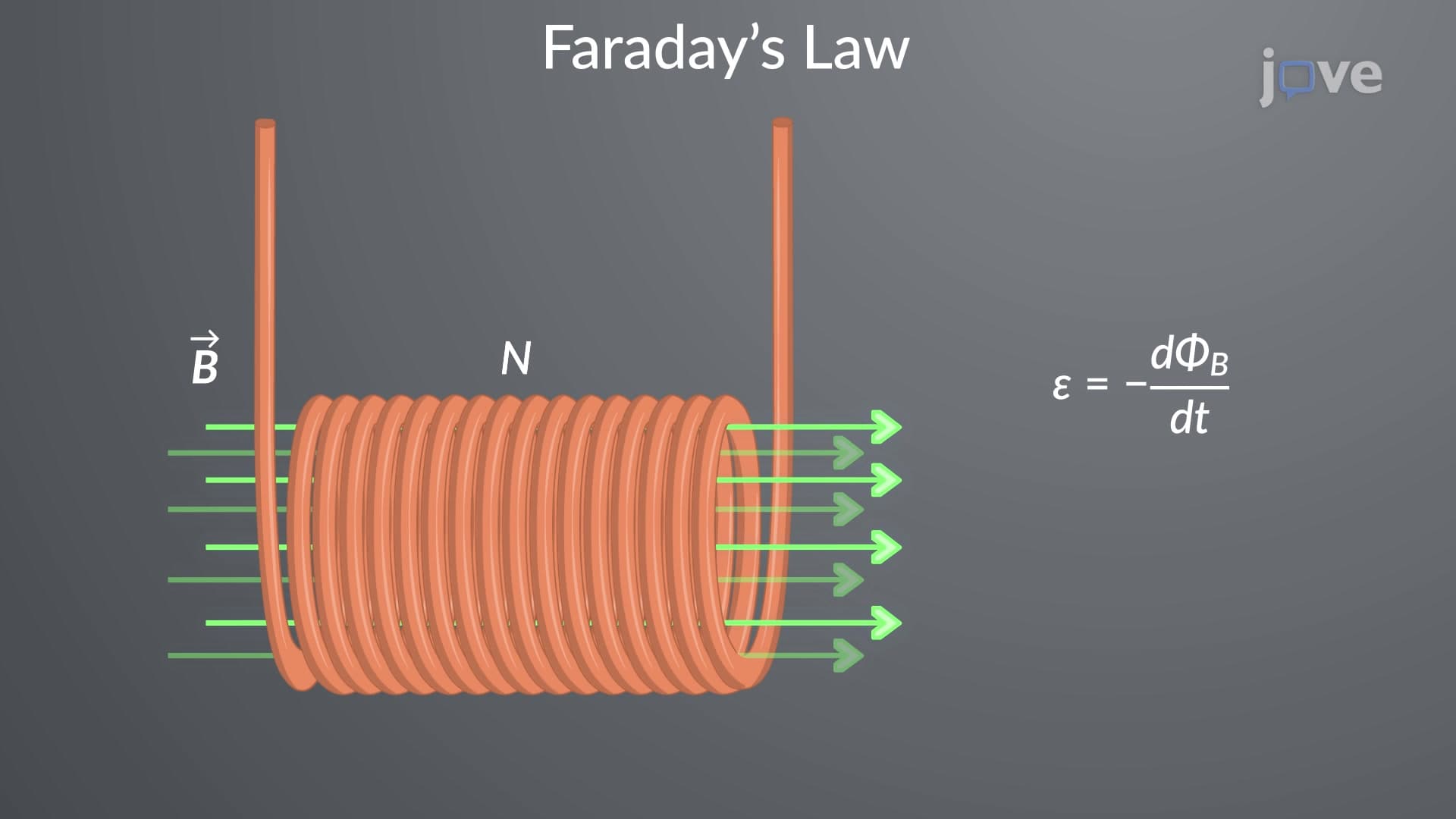
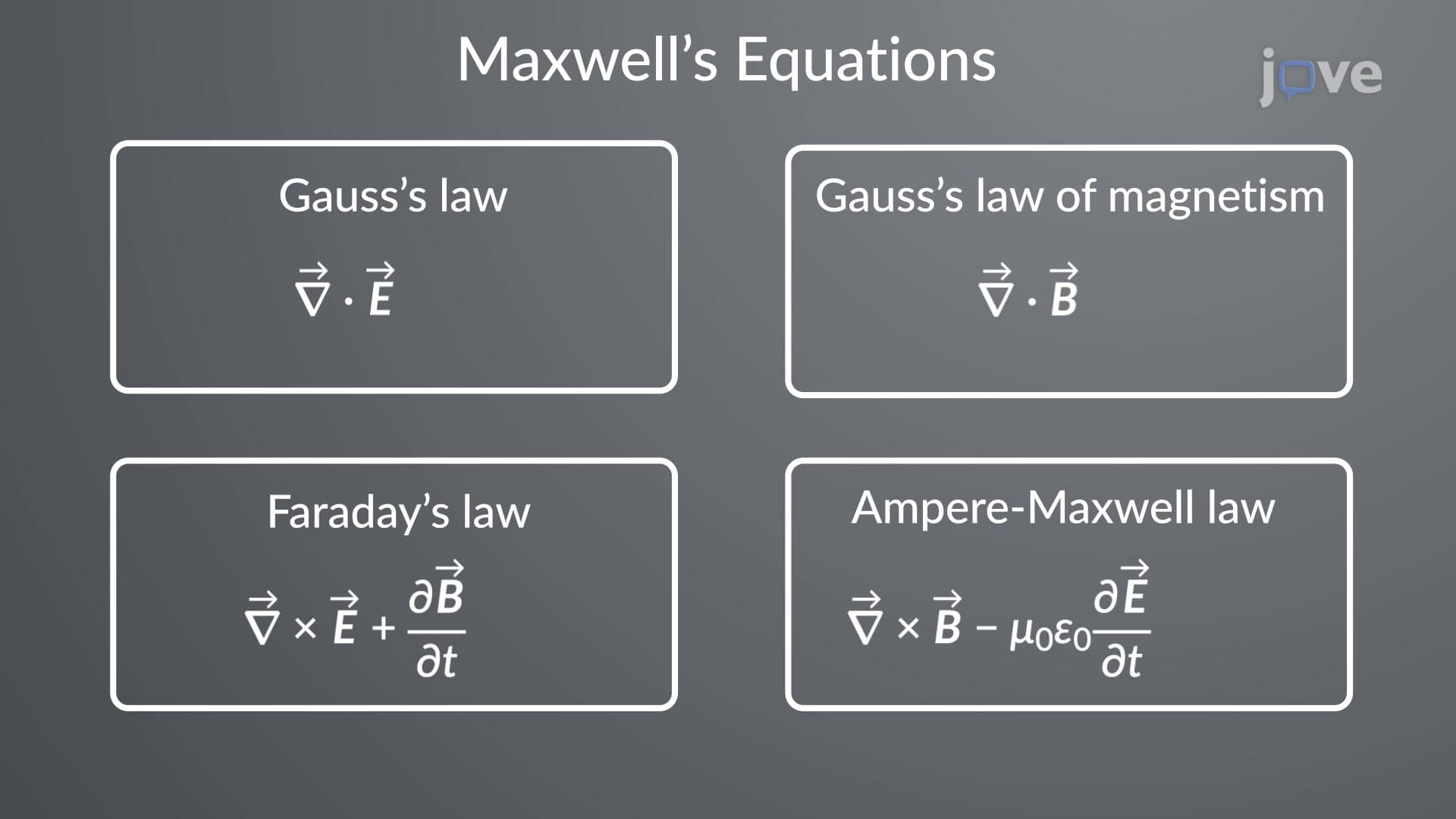
The quantitative analysis of induced electric fields relies heavily on Faraday's law: EMF = -dΦ/dt, where Φ represents magnetic flux. In practical calculations, such as the circular coil example with radius 0.25 meters experiencing a magnetic field increase of 3T/s, the induced EMF reaches 2.94 volts after 5 seconds. The corresponding electric field strength of 1.87 V/m demonstrates how changing magnetic flux translates to measurable electric field values. College physics students encounter these calculations in laboratory settings and standardized exams.
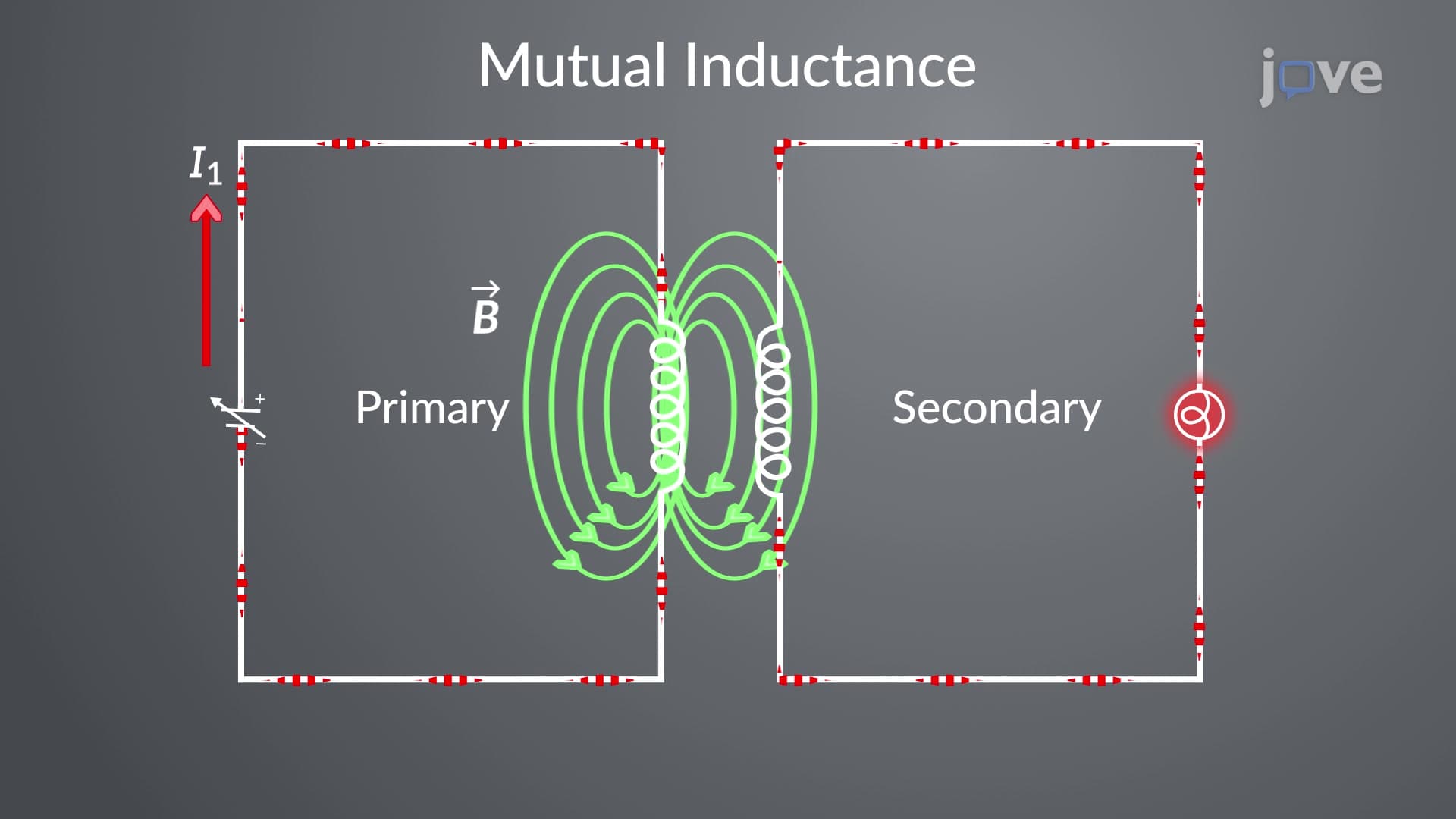
Induced electric fields applications permeate American technological infrastructure. Electrical transformers outside US homes step down high-voltage power lines to household levels using this principle. Induction cooktops in modern kitchens generate heat by inducing electric fields in metallic cookware. Medical facilities utilize magnetic resonance imaging (MRI) machines that depend on precisely controlled induced electric fields to create detailed anatomical images. Even contactless payment systems in US retail stores employ electromagnetic induction principles for wireless power transfer.
Related Micro-courses