Loading video…


 21 Concepts
 61.8K views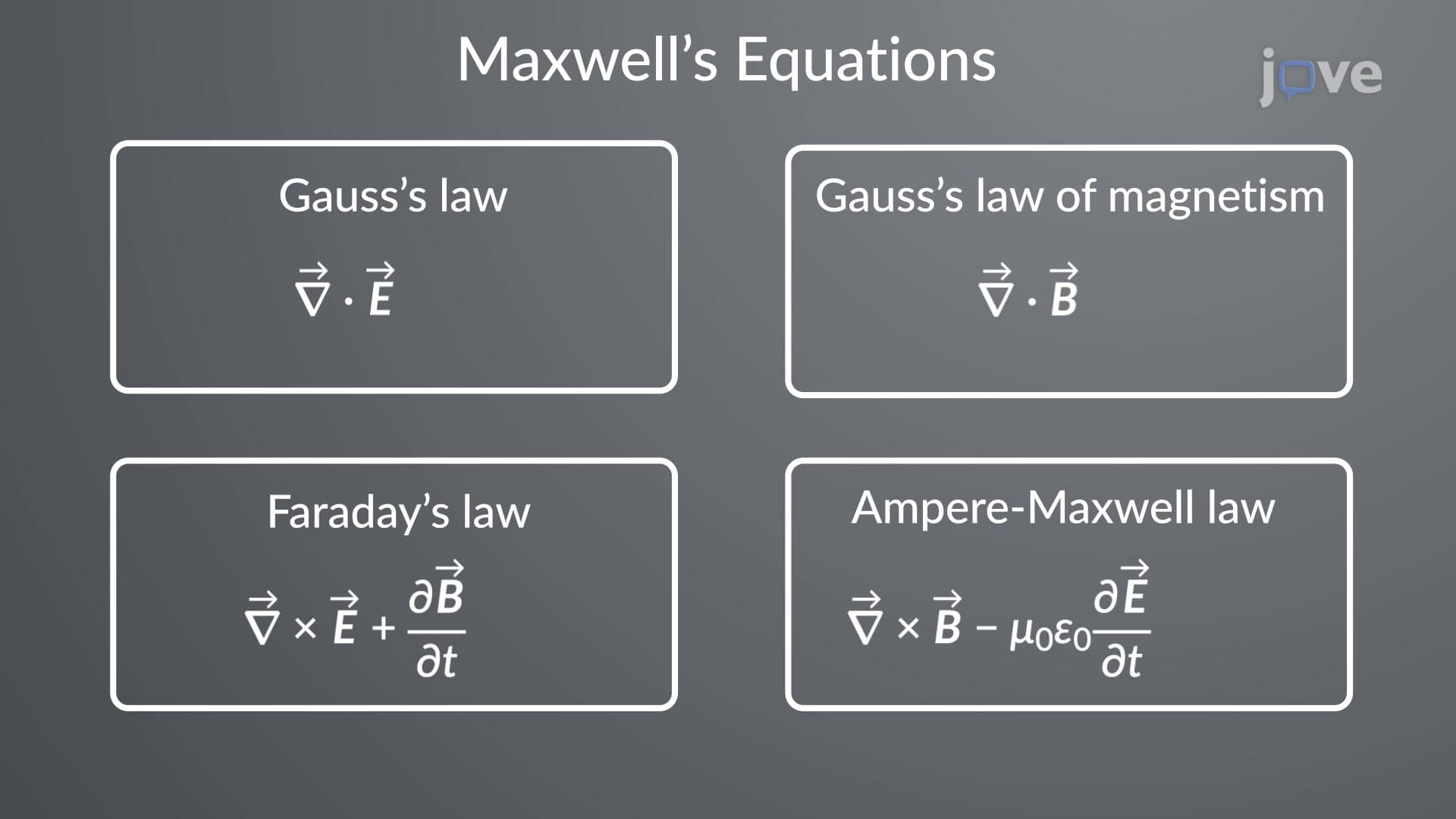

Video Summary: Differential Form of Maxwells Equations Tutorial
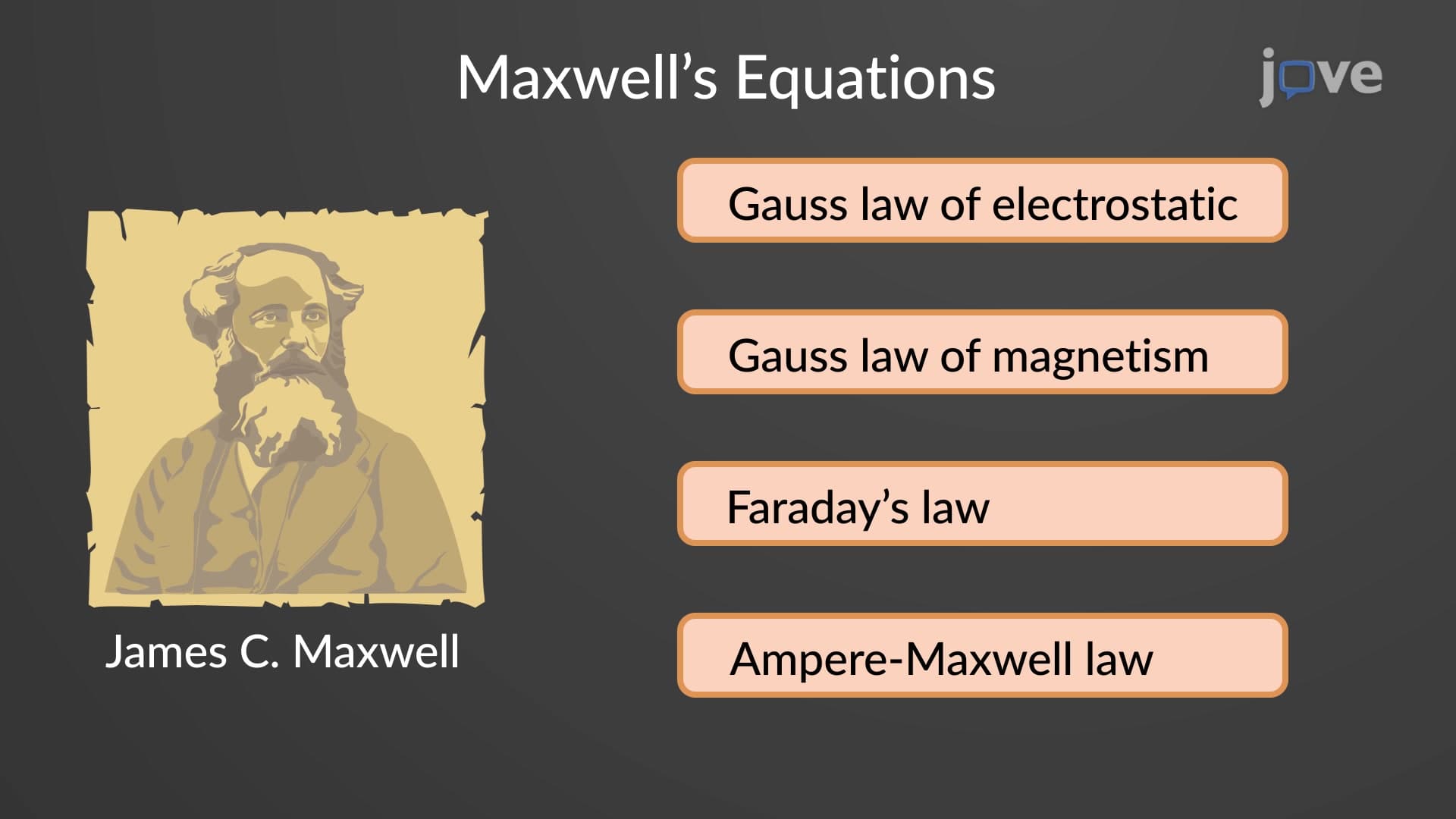
Ever wondered how your smartphone wirelessly charges or how MRI machines at Cleveland Clinic create detailed brain images? The differential form of Maxwell's equations governs these electromagnetic phenomena by describing field behavior at specific points in space. Unlike integral forms that analyze entire regions, the differential form of Maxwell's equations provides precise mathematical tools for understanding electromagnetic fields at any given location. These four fundamental equations-derived using advanced calculus theorems like divergence and Stokes' theorem-reveal how electric and magnetic fields originate from charge and current densities. Watch the full video on JoVE Coach to master this concept with expert-led visuals and step-by-step explanations.
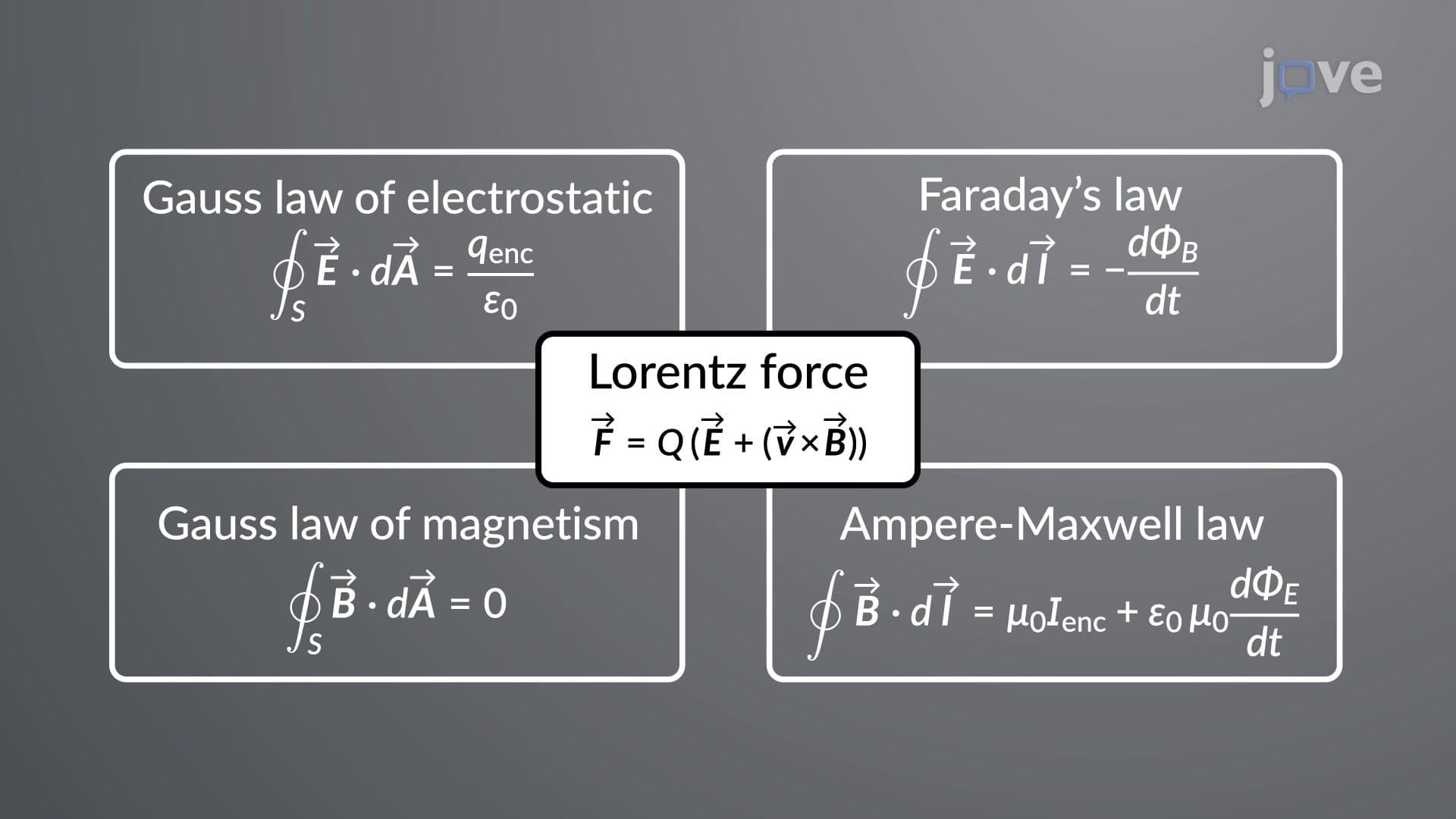
The differential form of Maxwell's equations represents one of physics' most elegant mathematical frameworks, transforming broad integral statements into precise point-by-point field descriptions. While integral forms analyze electromagnetic behavior across entire volumes or surfaces-like calculating the total electric flux through a Gaussian surface-differential forms reveal exactly what happens at each specific location in space.
This mathematical transformation relies heavily on two fundamental vector calculus theorems. The divergence theorem converts volume integrals into surface integrals and vice versa, while Stokes' theorem relates line integrals around closed paths to surface integrals. These tools bridge the gap between macroscopic electromagnetic phenomena and microscopic field behavior.
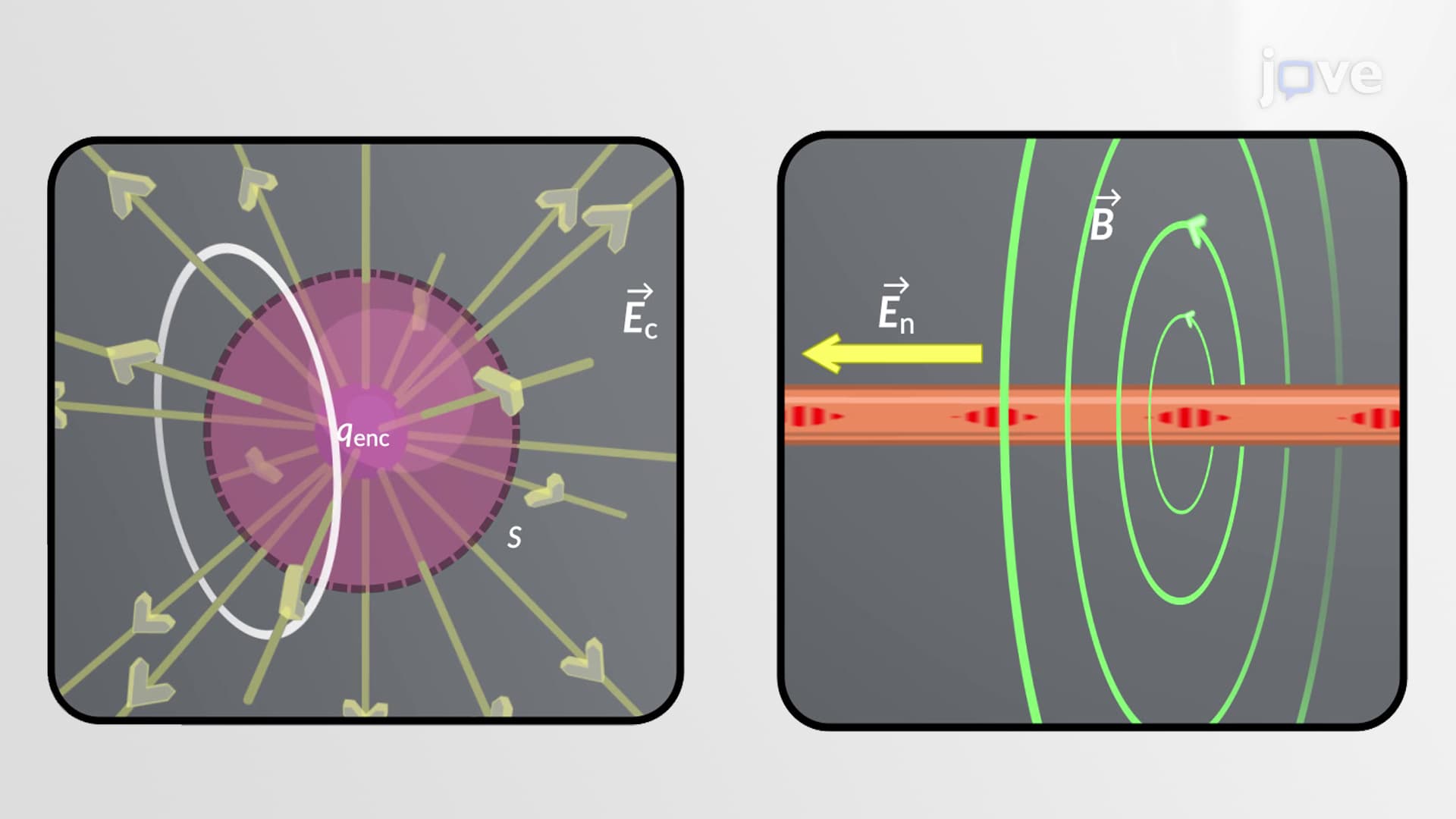
Consider Gauss's law in its familiar integral form, which relates electric flux through a closed surface to enclosed charge. When we apply the divergence theorem and express charge in terms of charge density, we obtain the differential form: div E = ρ/ε₀. This equation tells us that at any point in space, the divergence of the electric field depends solely on the local charge density.
Similarly, Gauss's law for magnetism transforms into div B = 0, confirming that magnetic field lines never begin or end-they always form closed loops. This mathematical statement reflects the absence of magnetic monopoles, a fundamental principle tested extensively in AP Physics C courses and college electromagnetism classes.
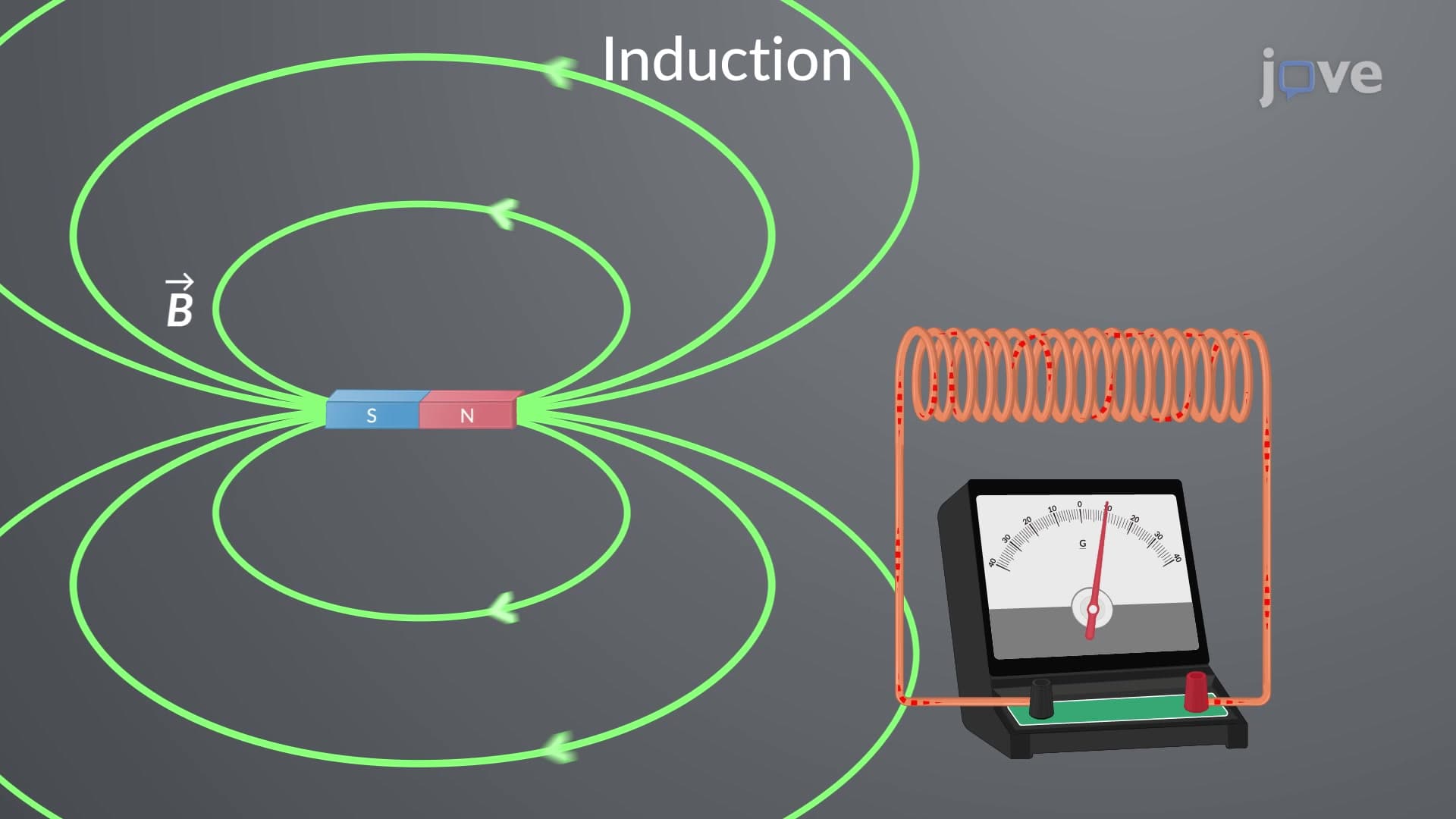
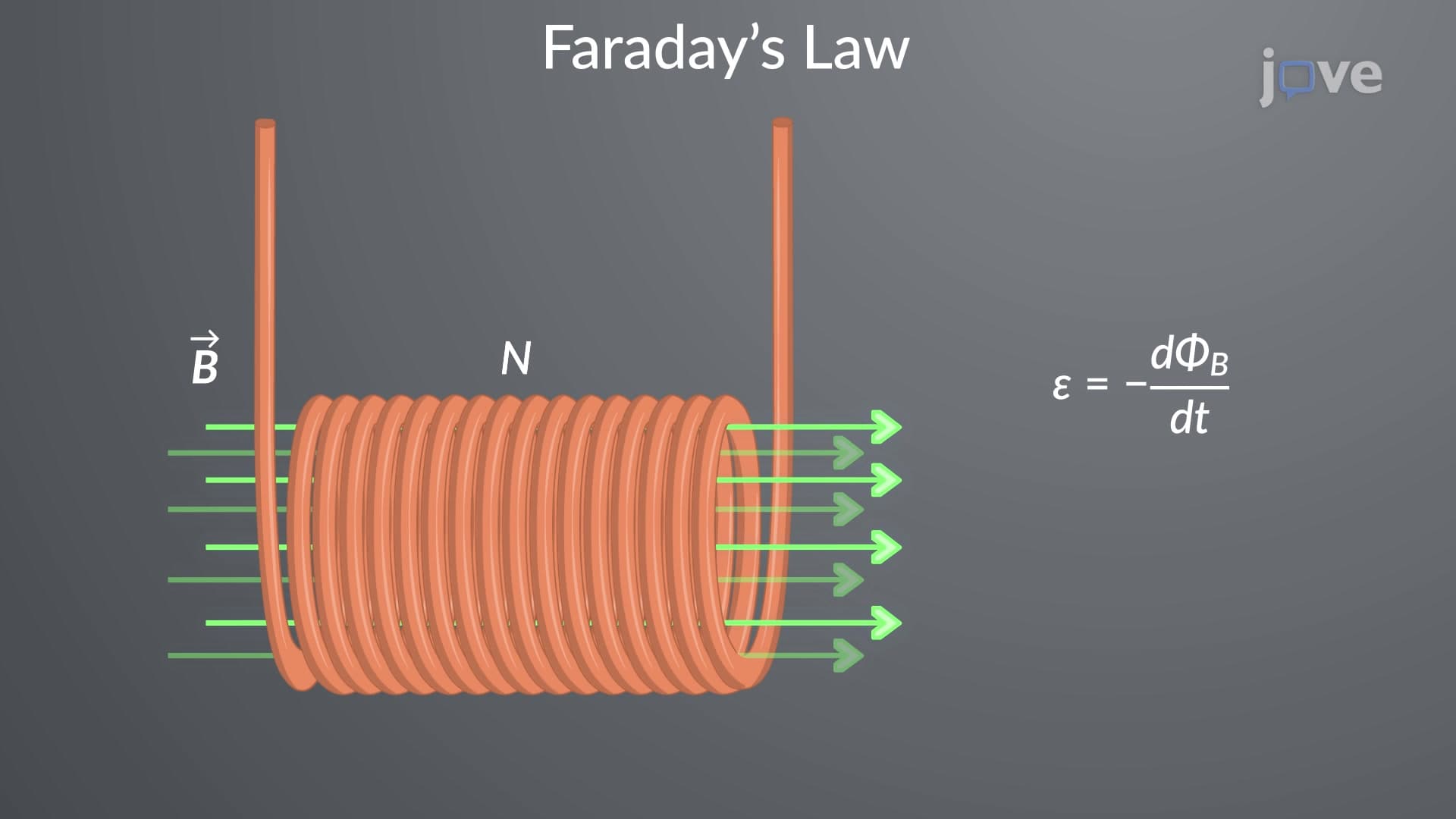
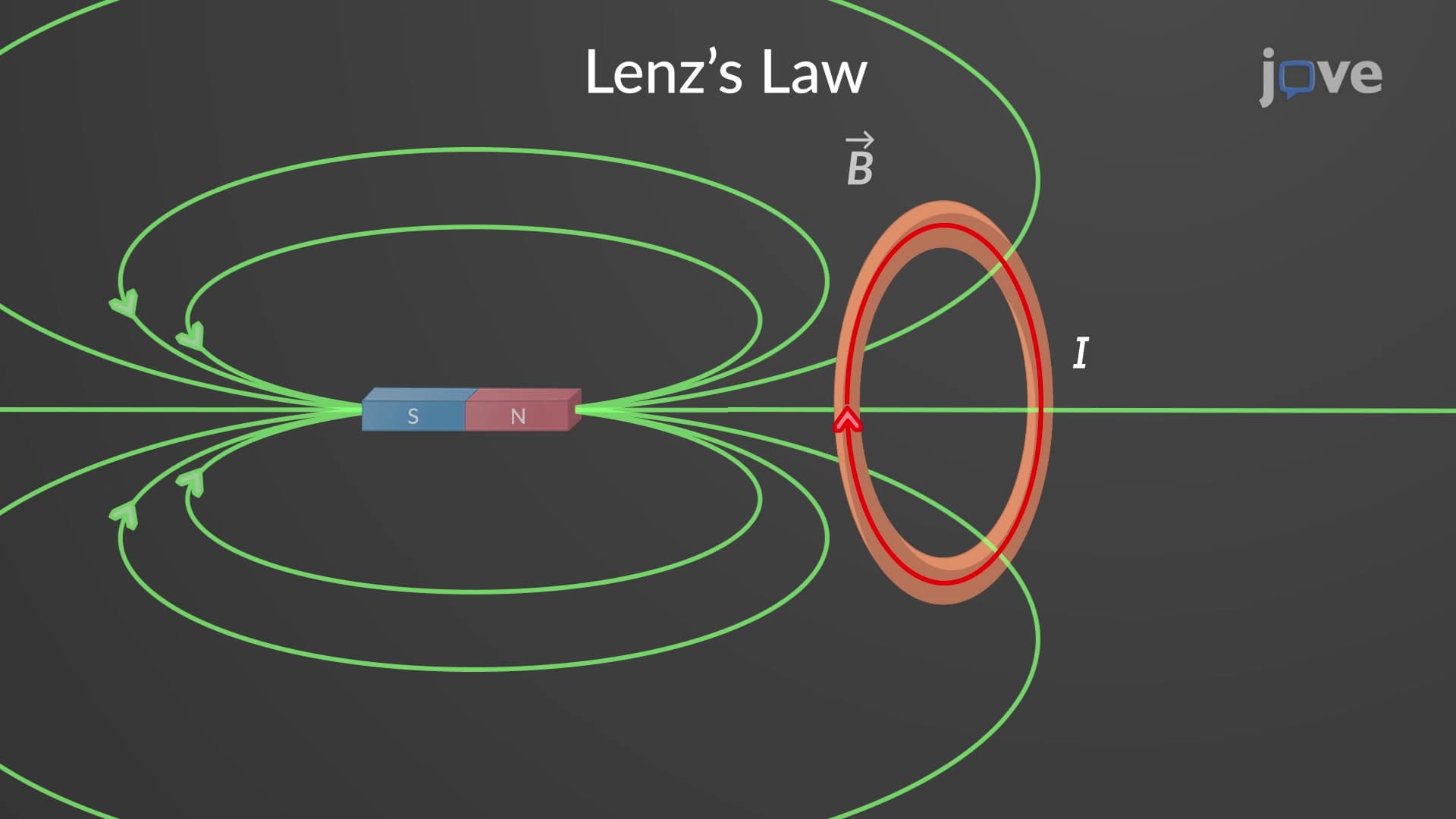
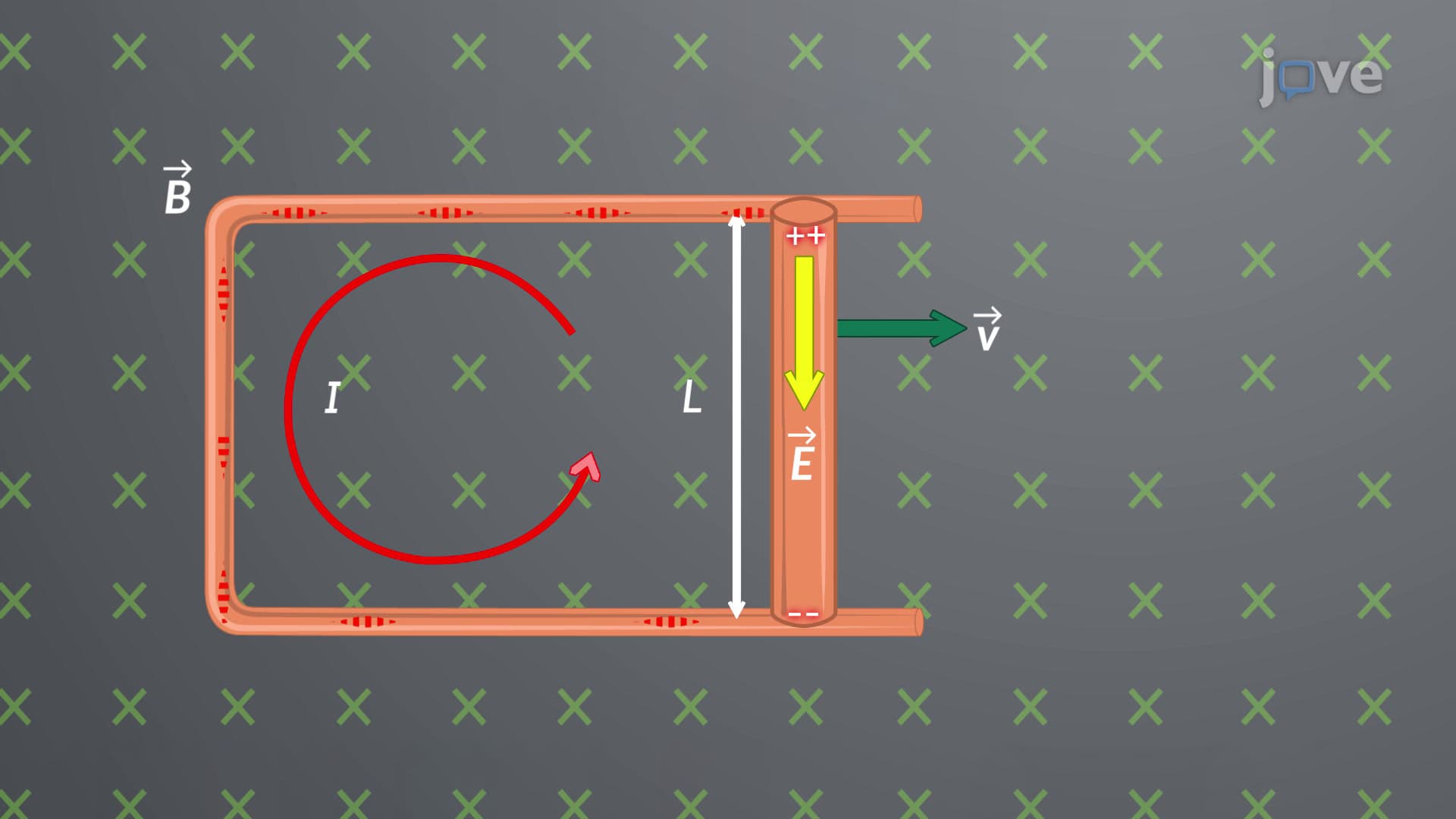
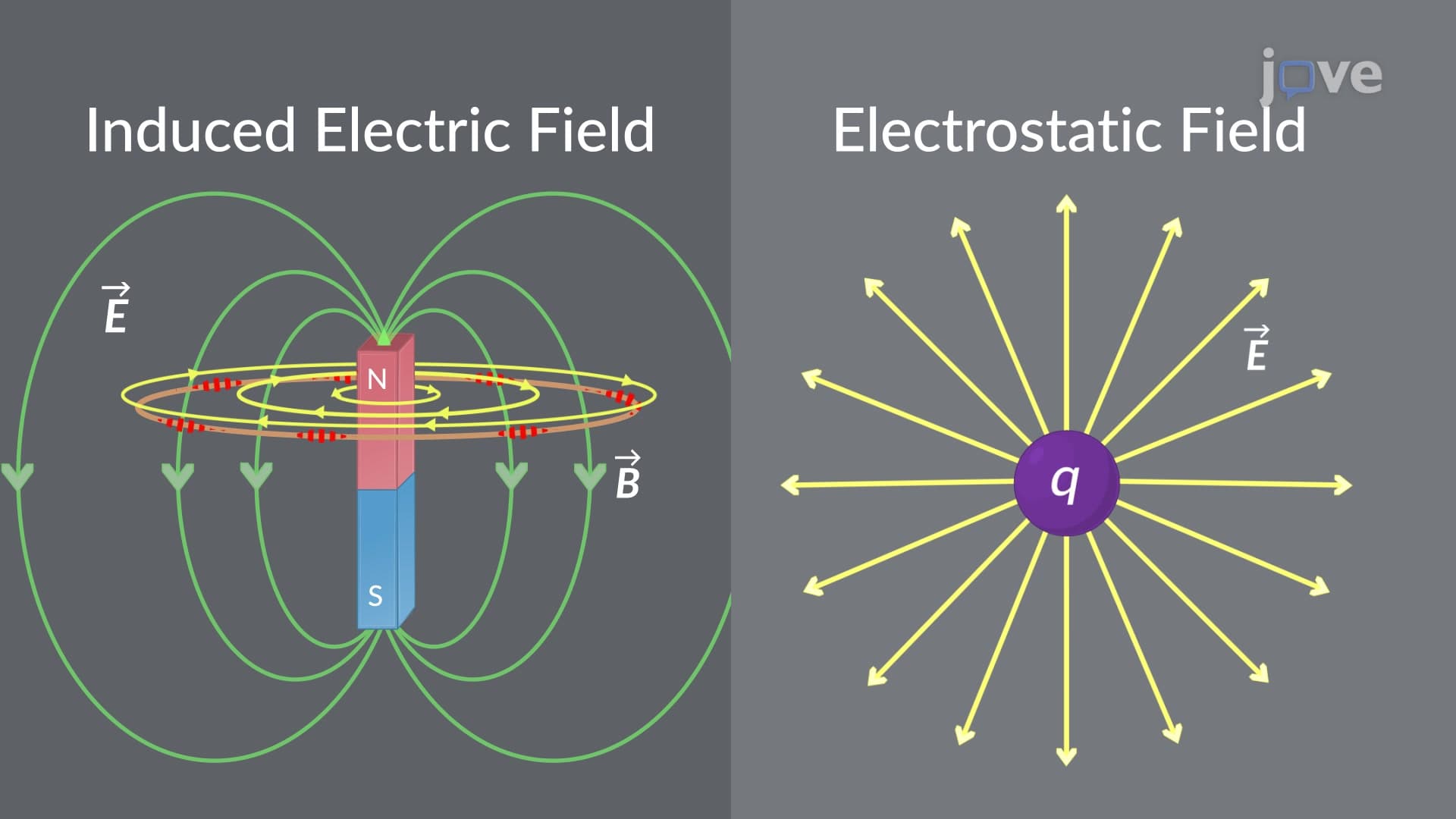
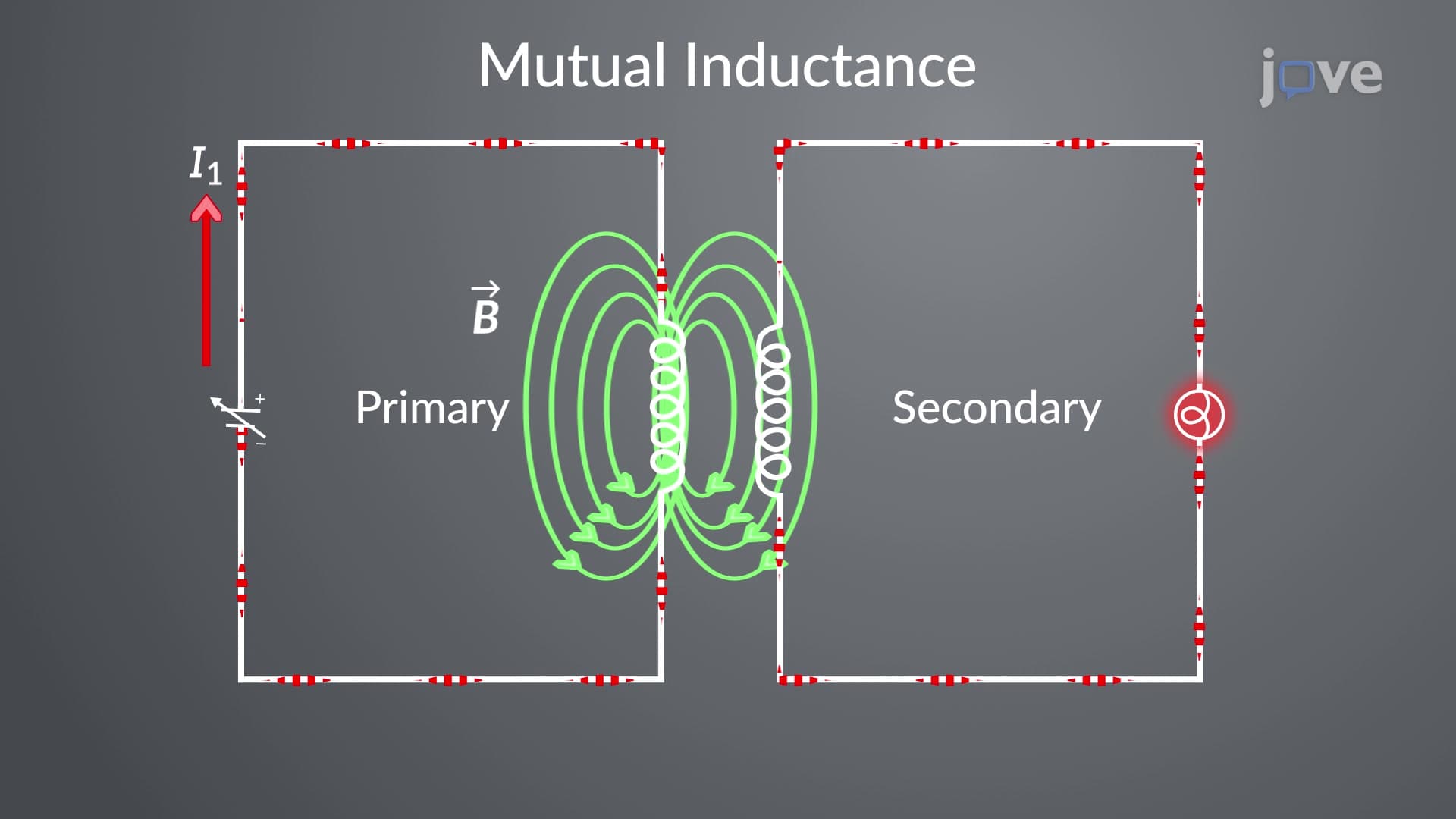
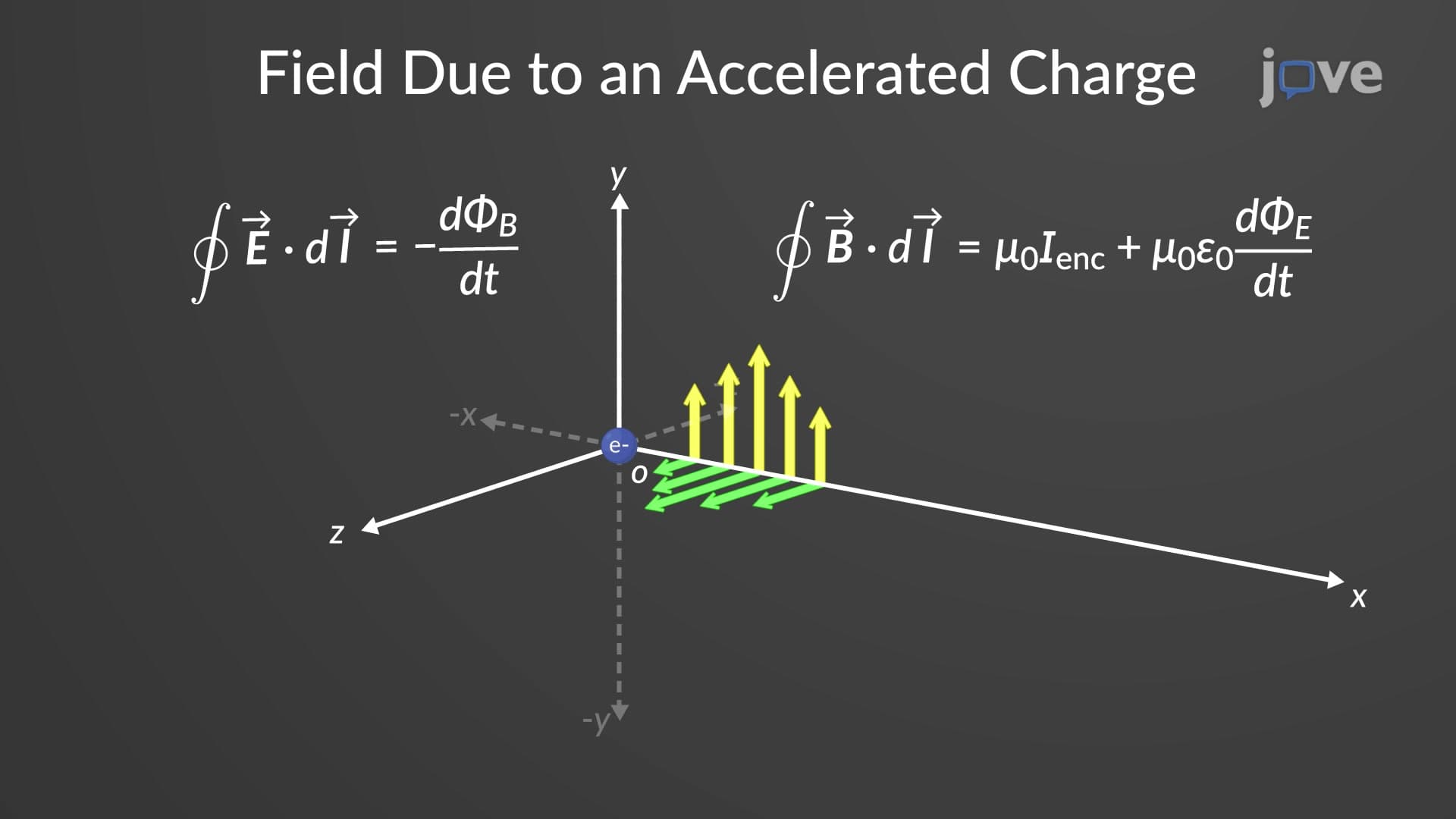
Faraday's law in differential form, curl E = -∂B/∂t, reveals how changing magnetic fields create electric fields at every point in space. This principle drives the operation of transformers throughout the US electrical grid and forms the theoretical foundation for electromagnetic induction problems on the MCAT physics section.
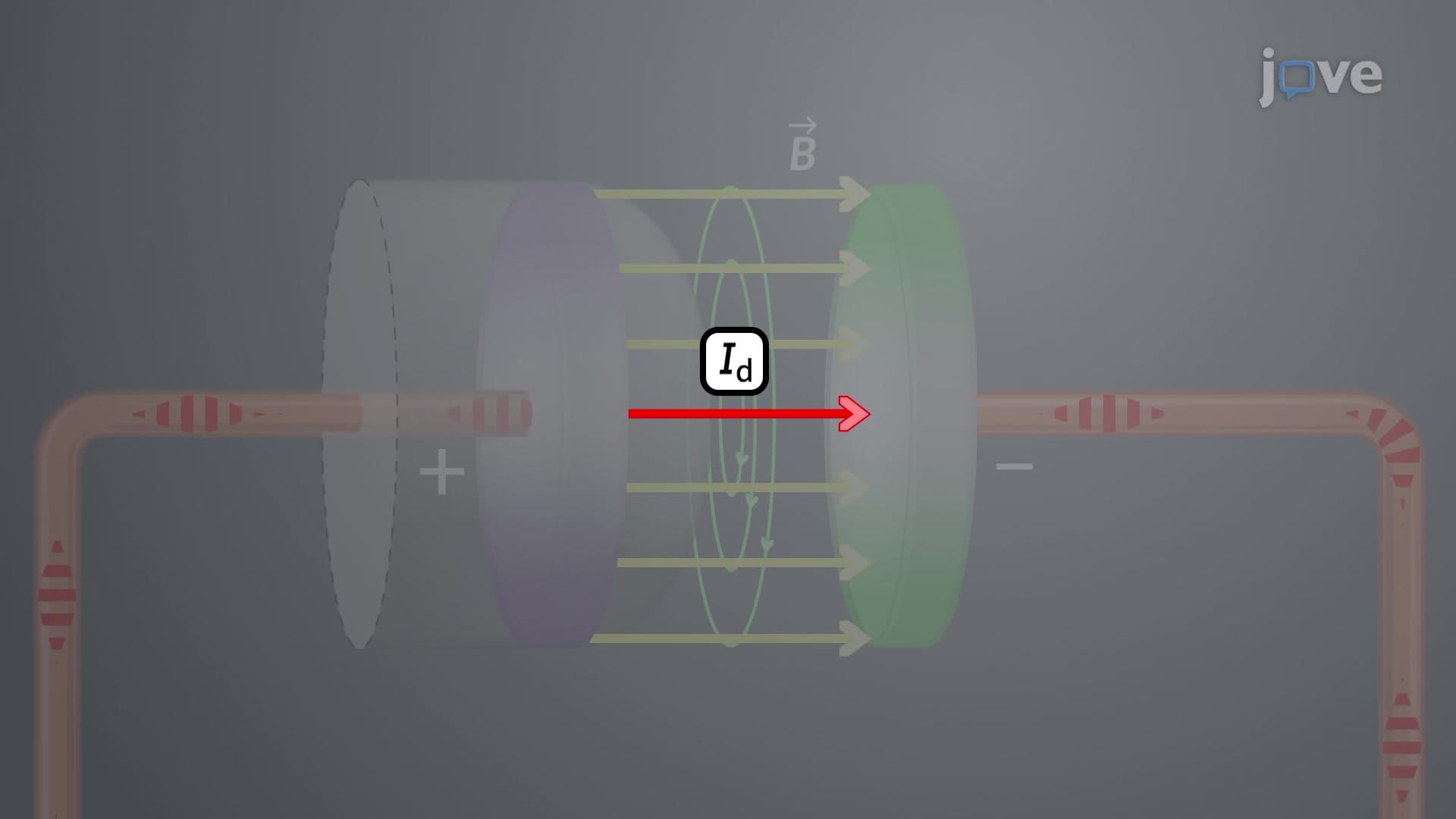
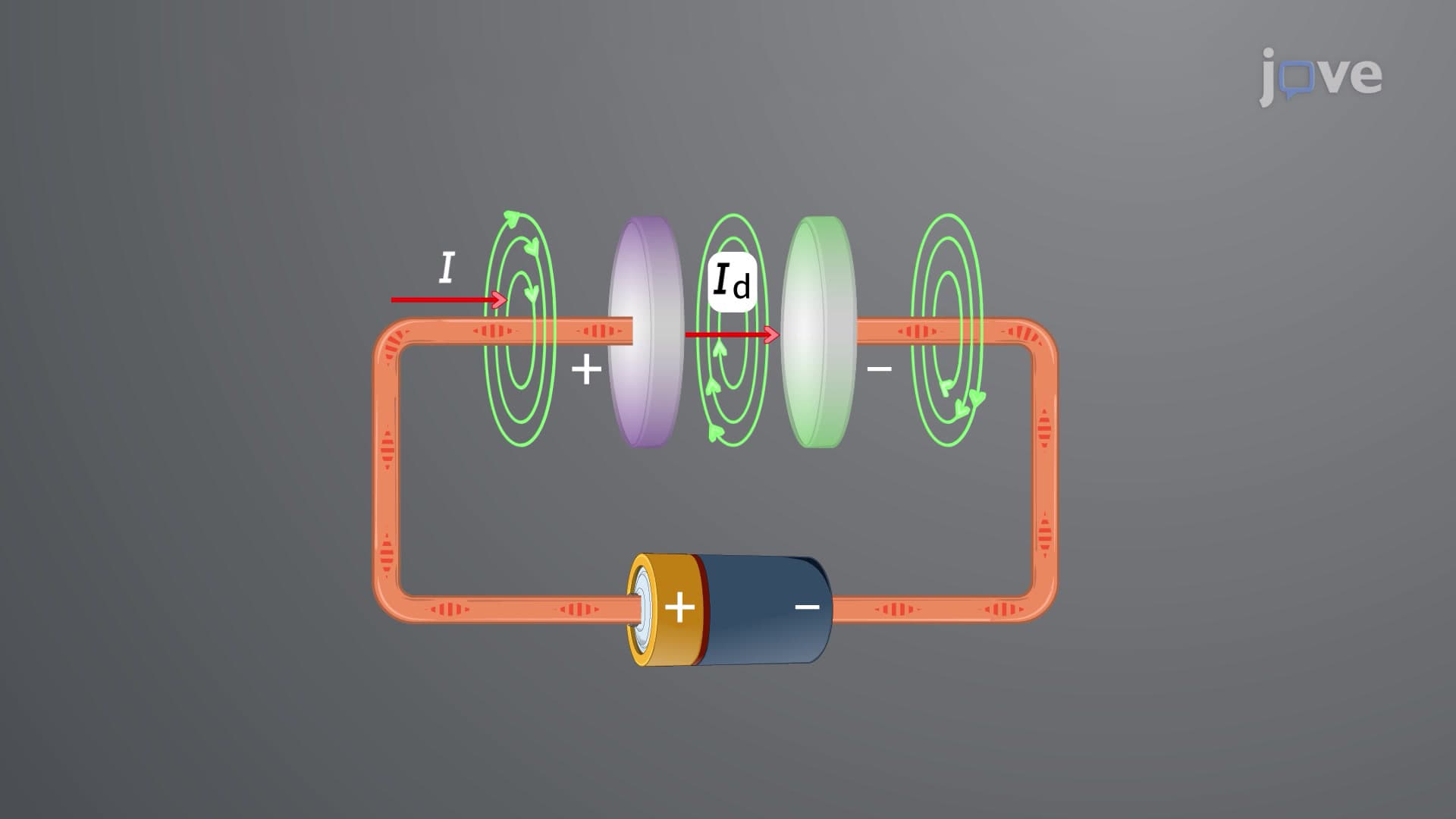
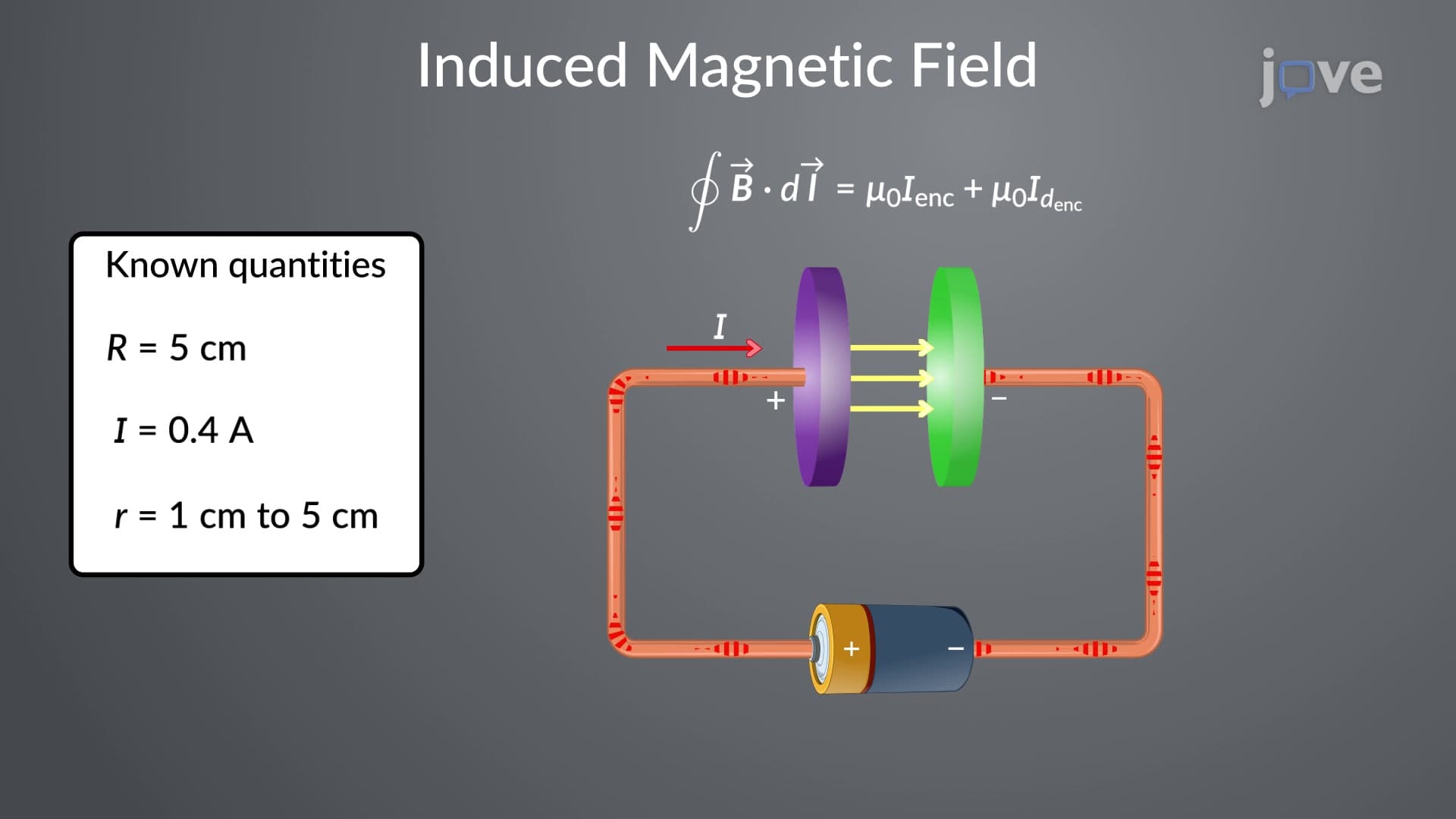
The Ampère-Maxwell equation in differential form, curl B = μ₀J + μ₀ε₀∂E/∂t, demonstrates how both current density and changing electric fields generate magnetic fields. The displacement current term (the second part) was Maxwell's crucial addition, explaining how electromagnetic waves propagate through vacuum-enabling everything from AM radio broadcasts to satellite communications.
Engineering students at institutions like MIT and Stanford regularly encounter differential form problems when designing electromagnetic devices. These equations prove essential for analyzing waveguides in telecommunications, optimizing antenna performance, and understanding plasma behavior in fusion research.
When approaching differential form problems, recognize that these equations describe local field behavior. Unlike integral forms requiring specific geometric symmetries, differential forms work for any charge or current distribution, making them invaluable for complex engineering applications and advanced physics research.
Related Micro-courses