Loading video…


 21 Concepts
 61.8K views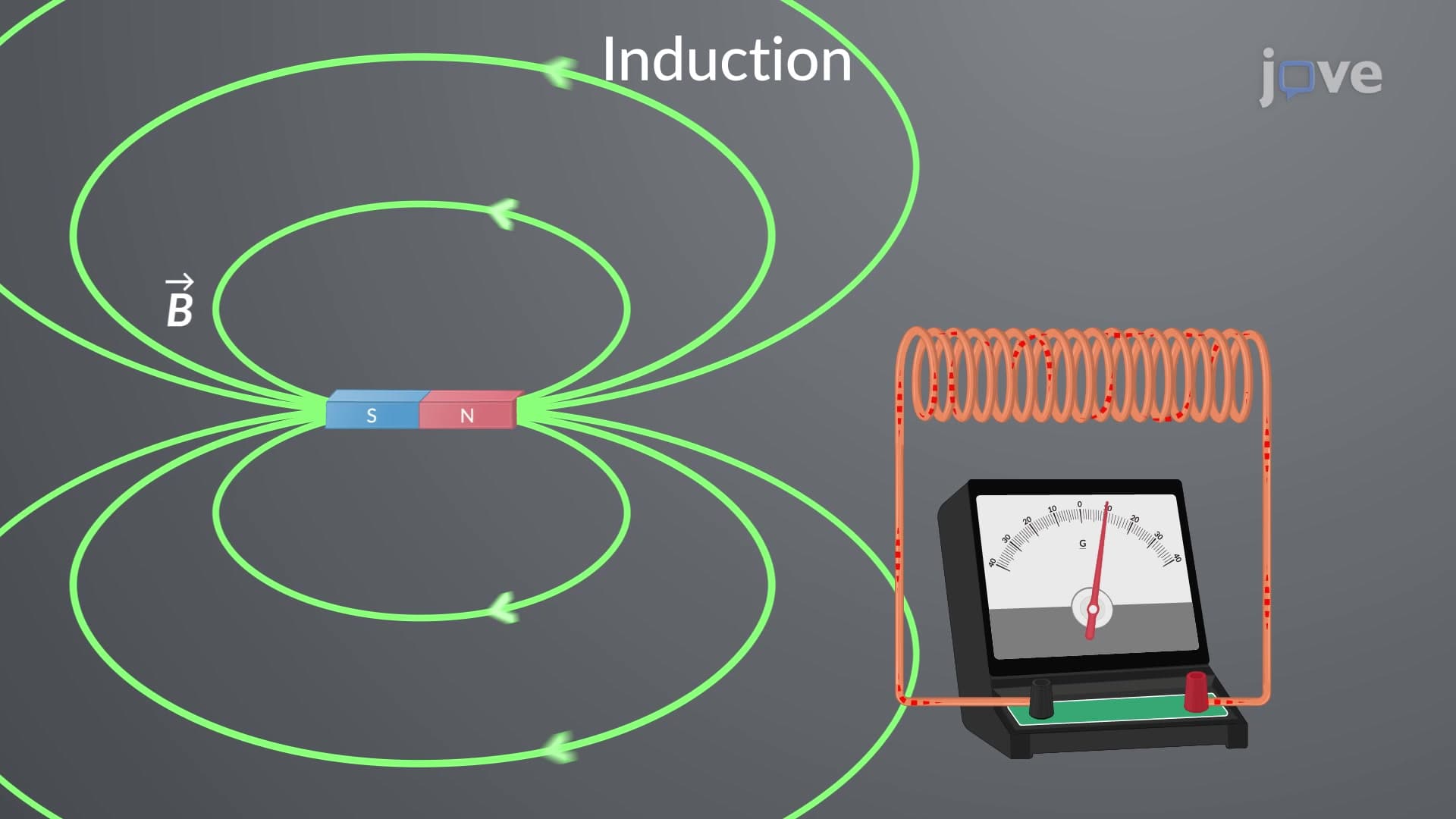

Video Summary: What Is Induction
Ever wondered how your smartphone charges wirelessly or how transformers power entire neighborhoods? Induction occurs when a changing magnetic field creates an electric current in nearby conductors without direct contact. From Tesla's wireless charging stations across the US to the massive transformers at Hoover Dam, this fundamental physics principle powers countless technologies we use daily. What is induction and how does it create electricity from magnetism? Watch the full video on JoVE Coach to master this concept with expert-led visuals and step-by-step explanations.
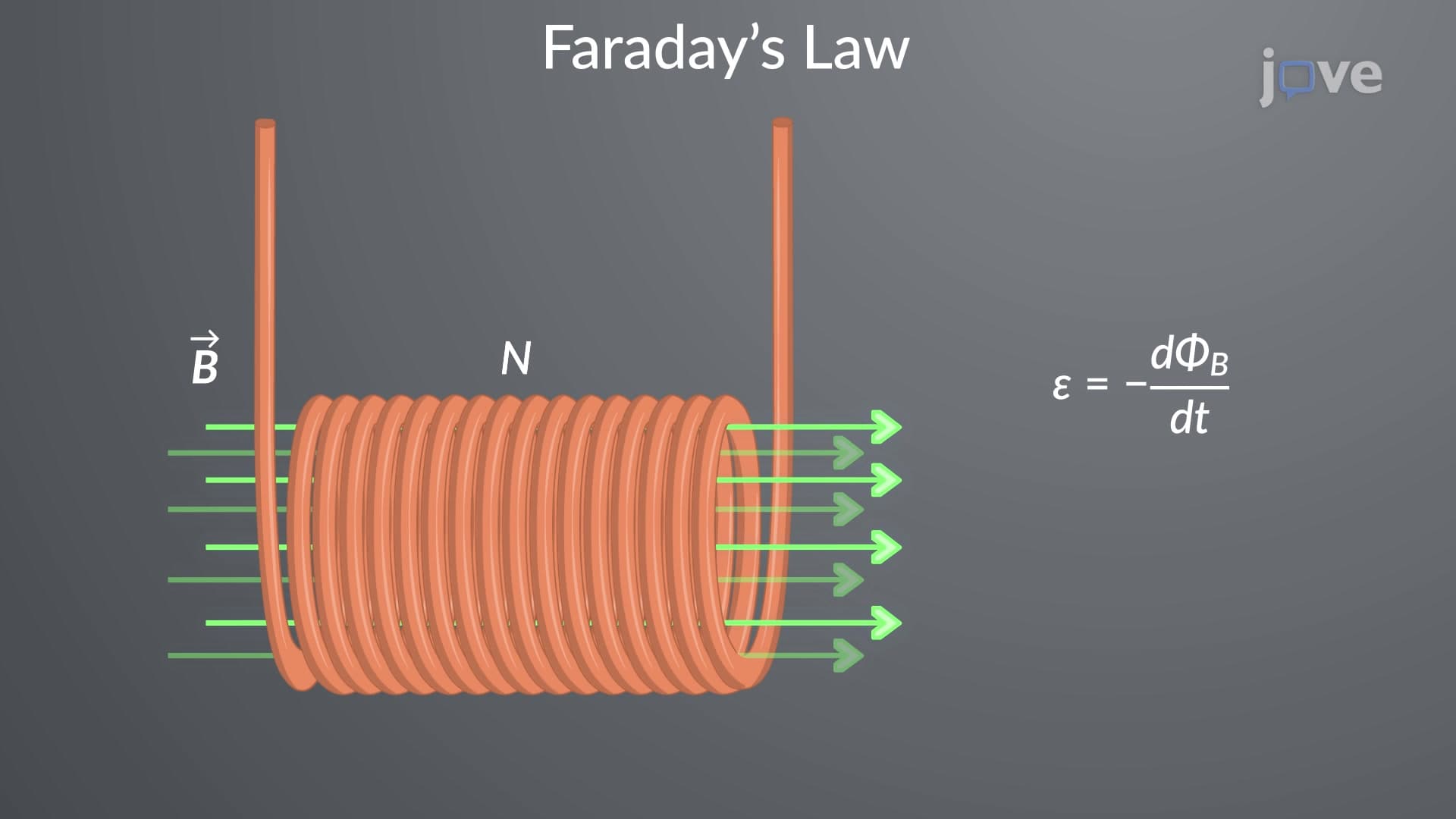
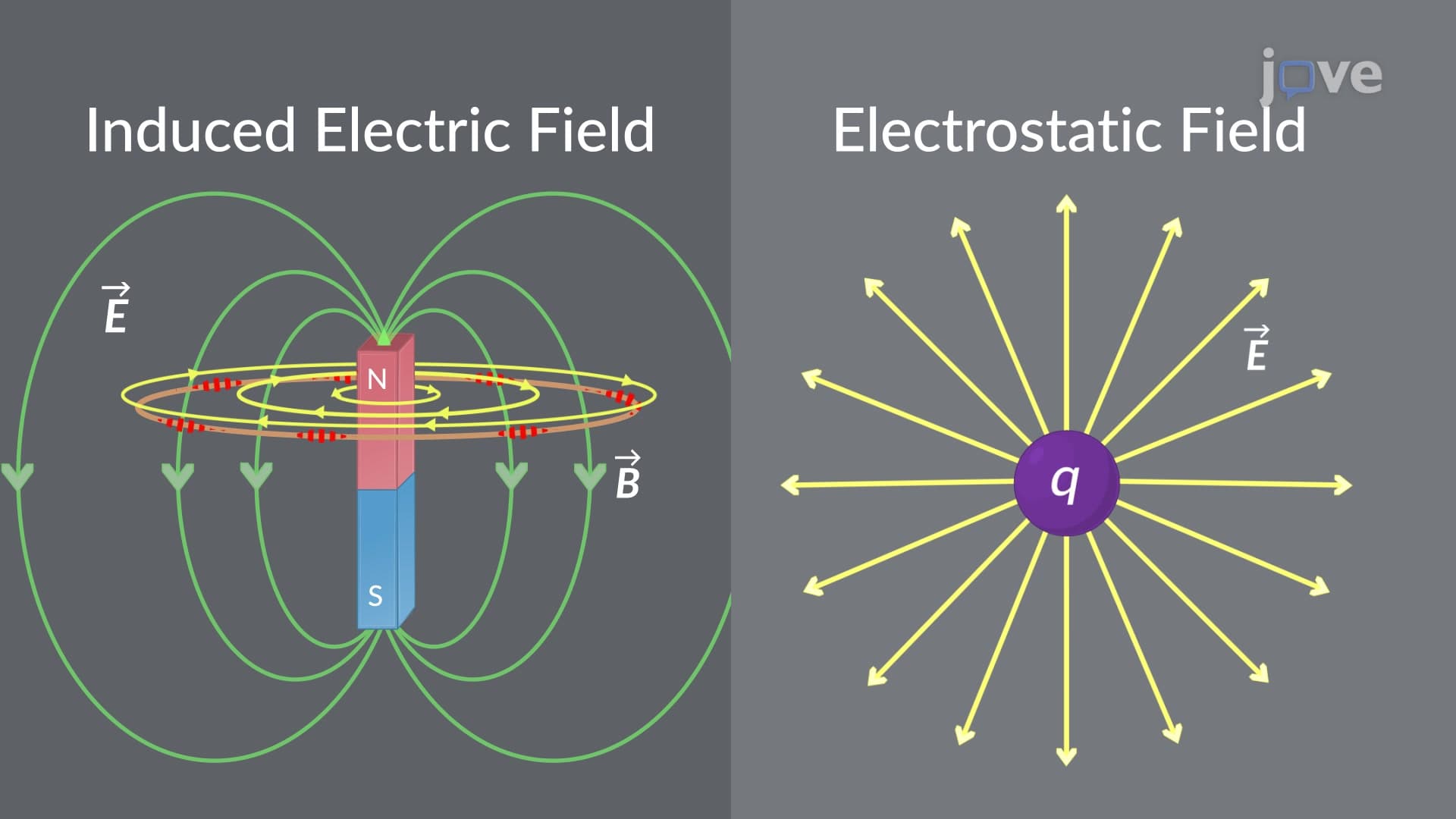
What is induction in physics represents one of the most elegant demonstrations of the interconnection between electricity and magnetism. At its core, electromagnetic induction describes the process by which a changing magnetic field produces an electric current in a conductor. This phenomenon, discovered by Michael Faraday in 1831, revolutionized our understanding of electromagnetism and laid the groundwork for modern electrical technology.
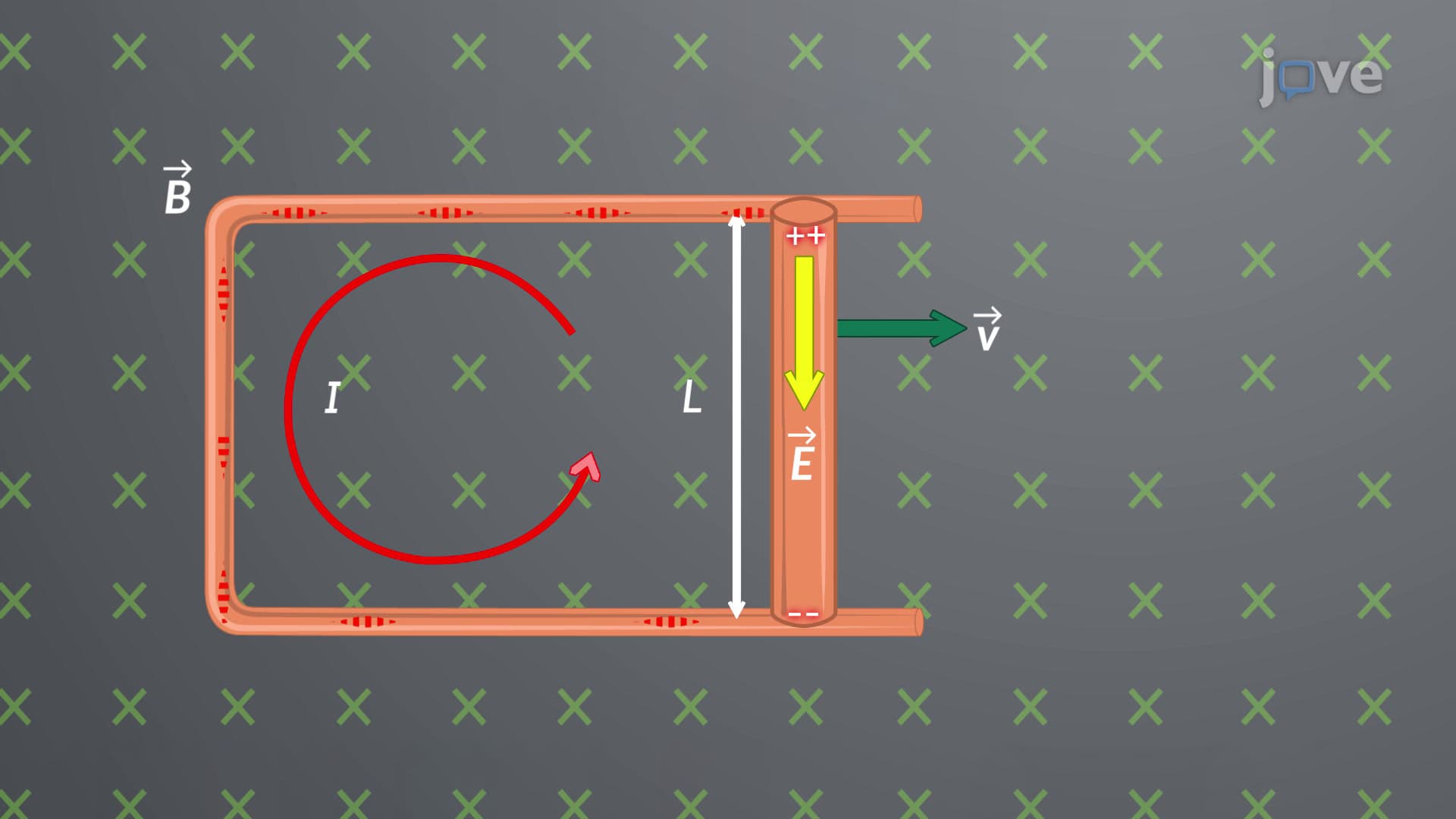
The induction definition centers on a simple yet powerful concept: whenever the magnetic field through a conductor changes, an electromotive force (EMF) is induced, potentially driving current through the circuit. This change can occur through three primary mechanisms: moving a magnet near a stationary conductor, moving a conductor through a magnetic field, or changing the strength of a magnetic field near a conductor.
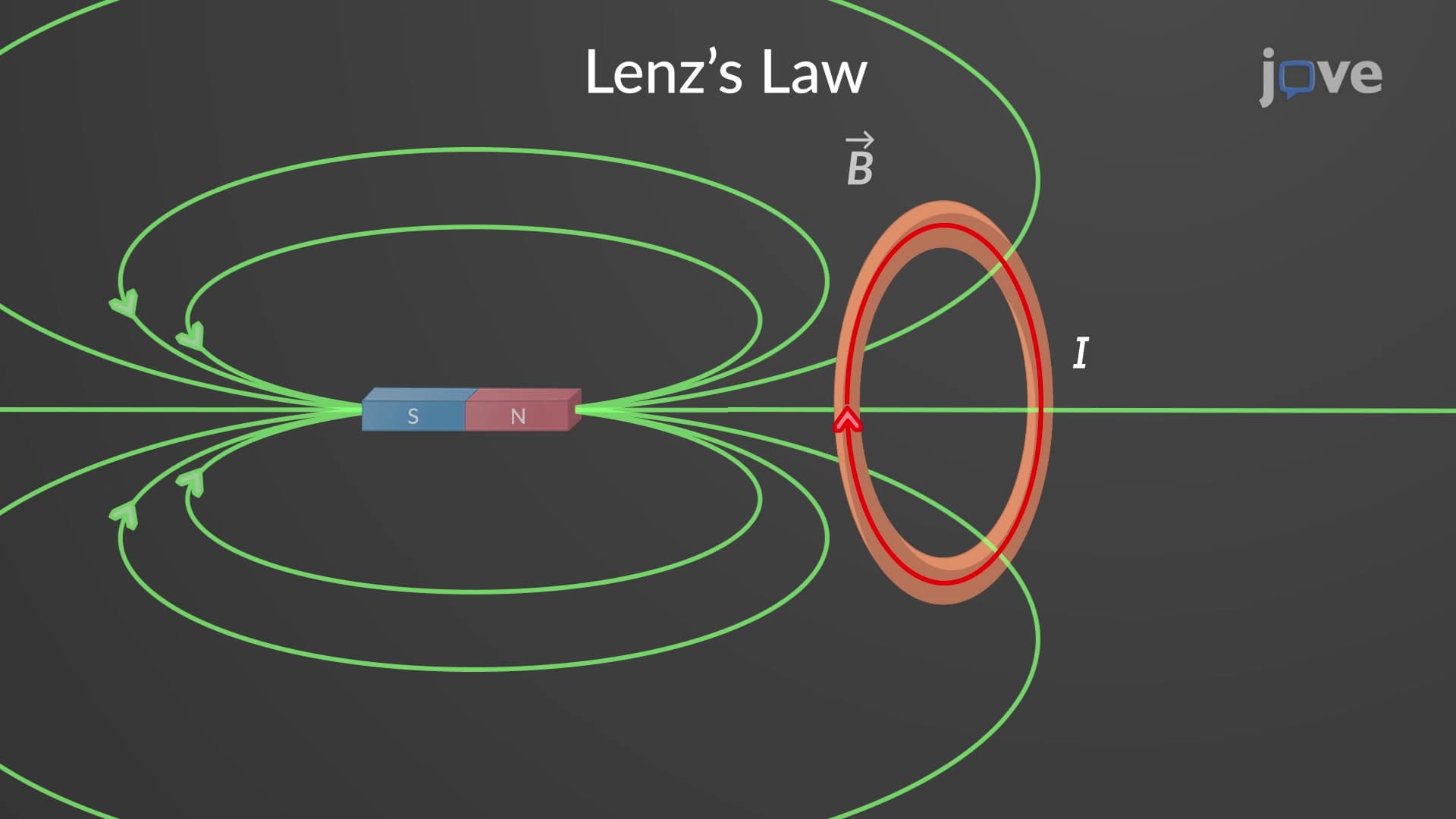
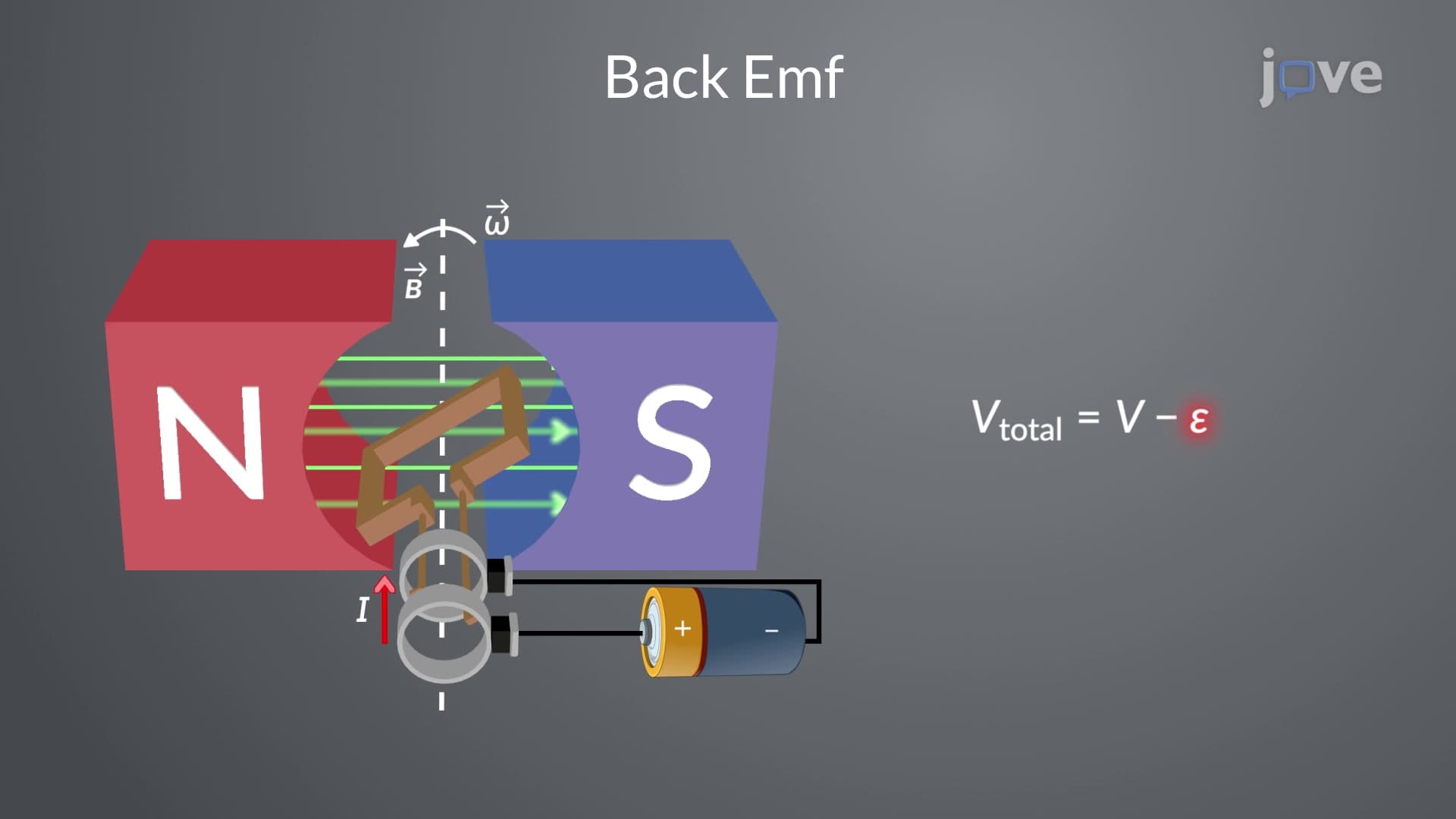
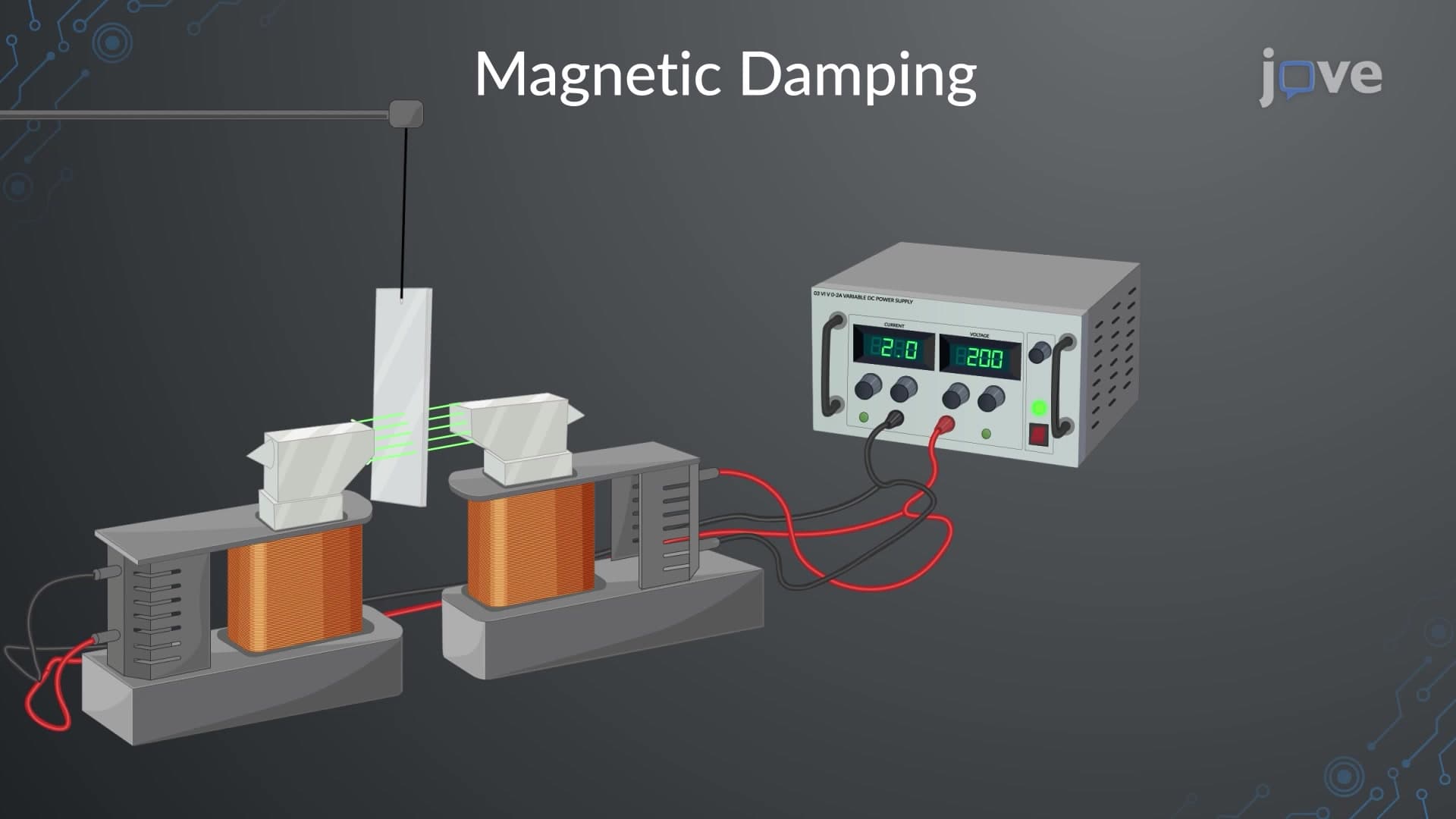
To truly grasp the induction concept, consider what happens at the atomic level. When a magnetic field changes near a conductor, it creates a force on the free electrons within the material. This force pushes electrons in a specific direction, creating a flow of charge we observe as current. The direction of this induced current follows Lenz's law, which states that the induced current will flow in a direction that opposes the change causing it.
The magnitude of induced EMF depends on three critical factors: the rate of change of magnetic field, the area of the conductor loop, and the angle between the magnetic field and the conductor's surface. Students preparing for AP Physics or college-level courses should remember that faster changes in magnetic field strength produce larger induced currents.
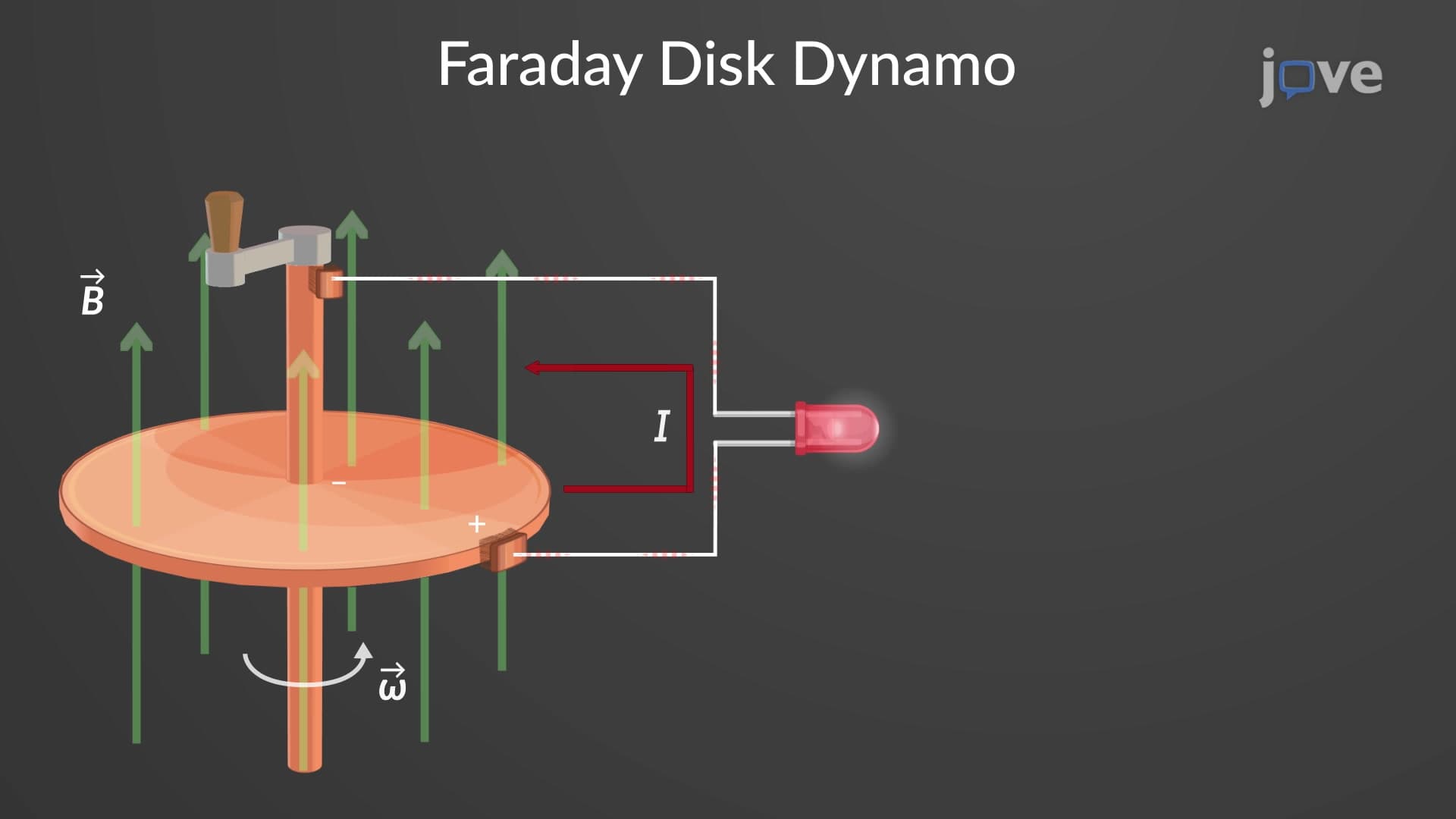
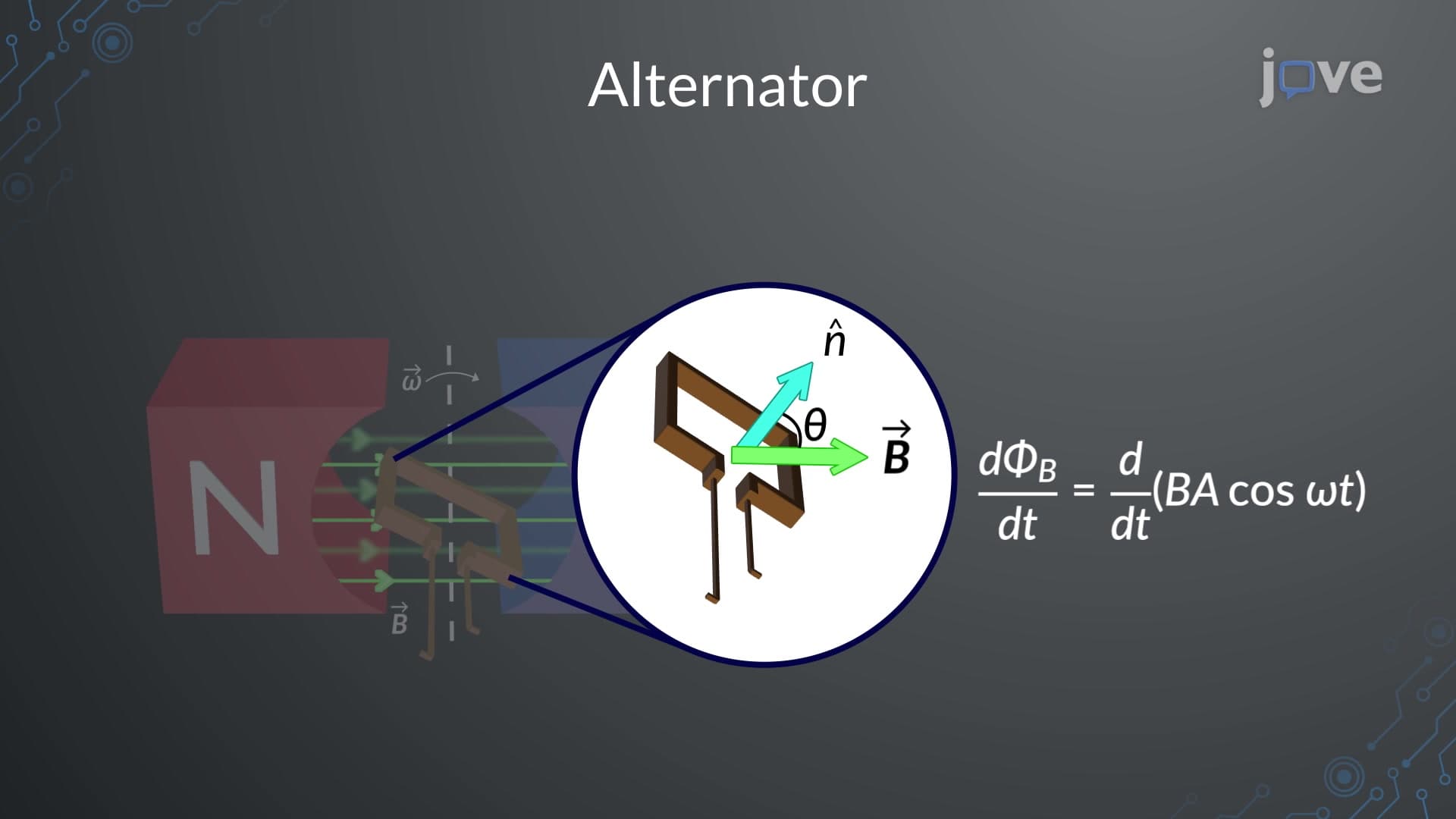
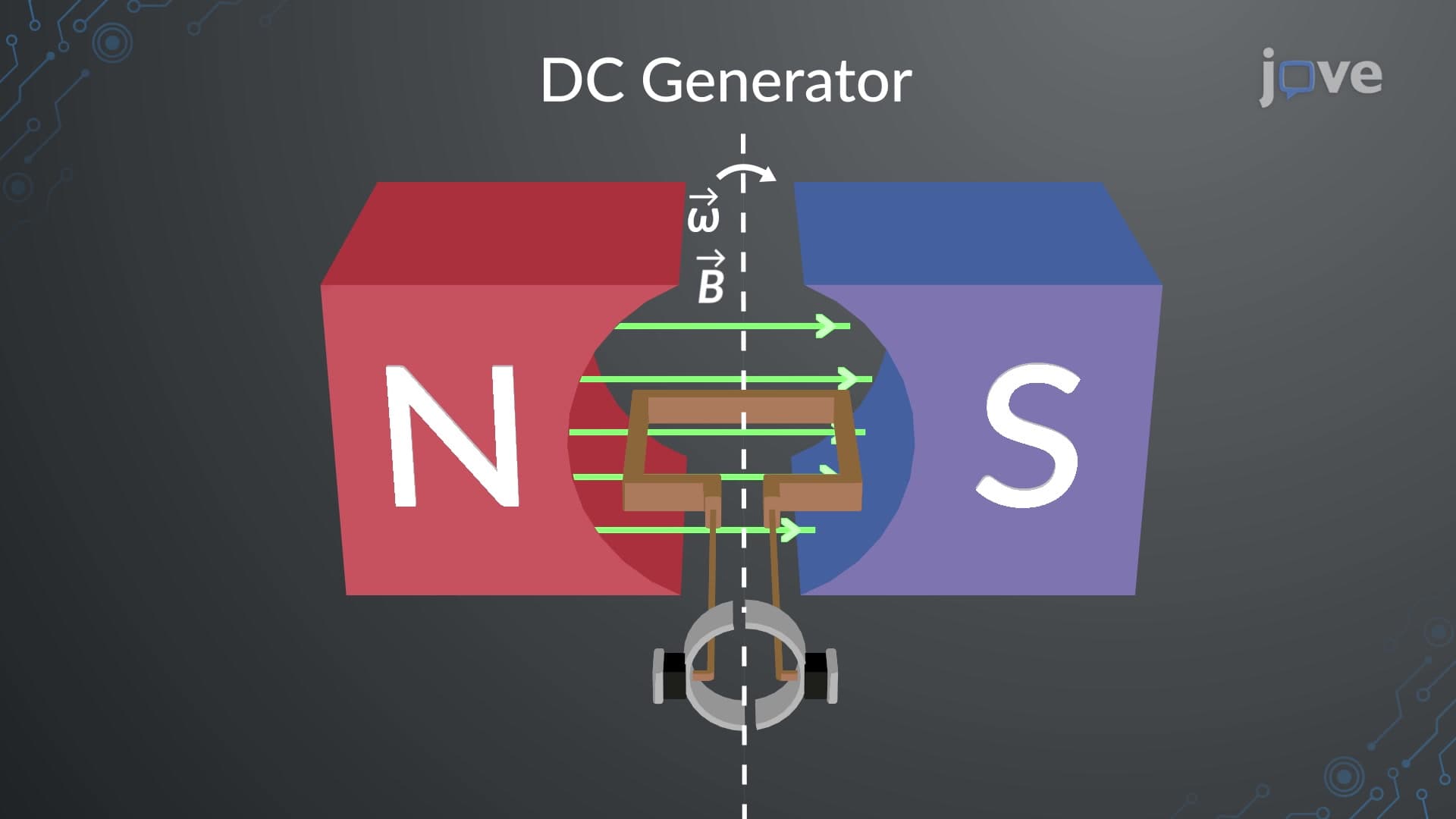
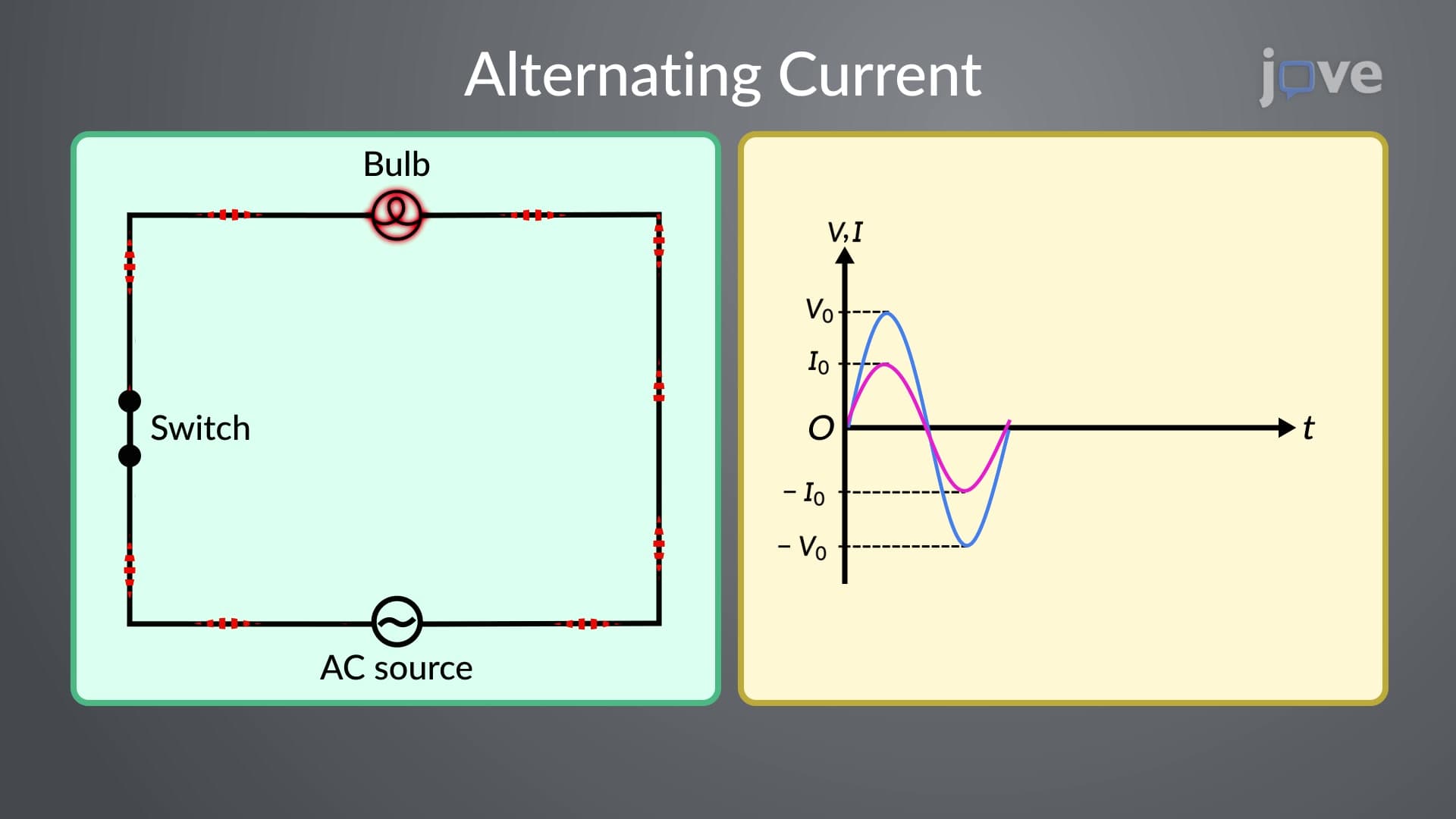
Understanding the induction overview becomes crucial when examining everyday technologies. Electric generators in power plants across the United States operate on this principle, with rotating coils in magnetic fields producing the alternating current that powers our homes. Similarly, the regenerative braking systems in Tesla vehicles use induction to convert kinetic energy back into electrical energy, improving efficiency.
For students tackling SAT Subject Tests or MCAT physics sections, induction problems frequently appear in contexts involving transformers, motors, and generators. These exam questions often test your ability to apply Faraday's law mathematically and predict current directions using Lenz's law. The induction study guide approach should emphasize both conceptual understanding and problem-solving techniques, as both appear prominently in standardized assessments.
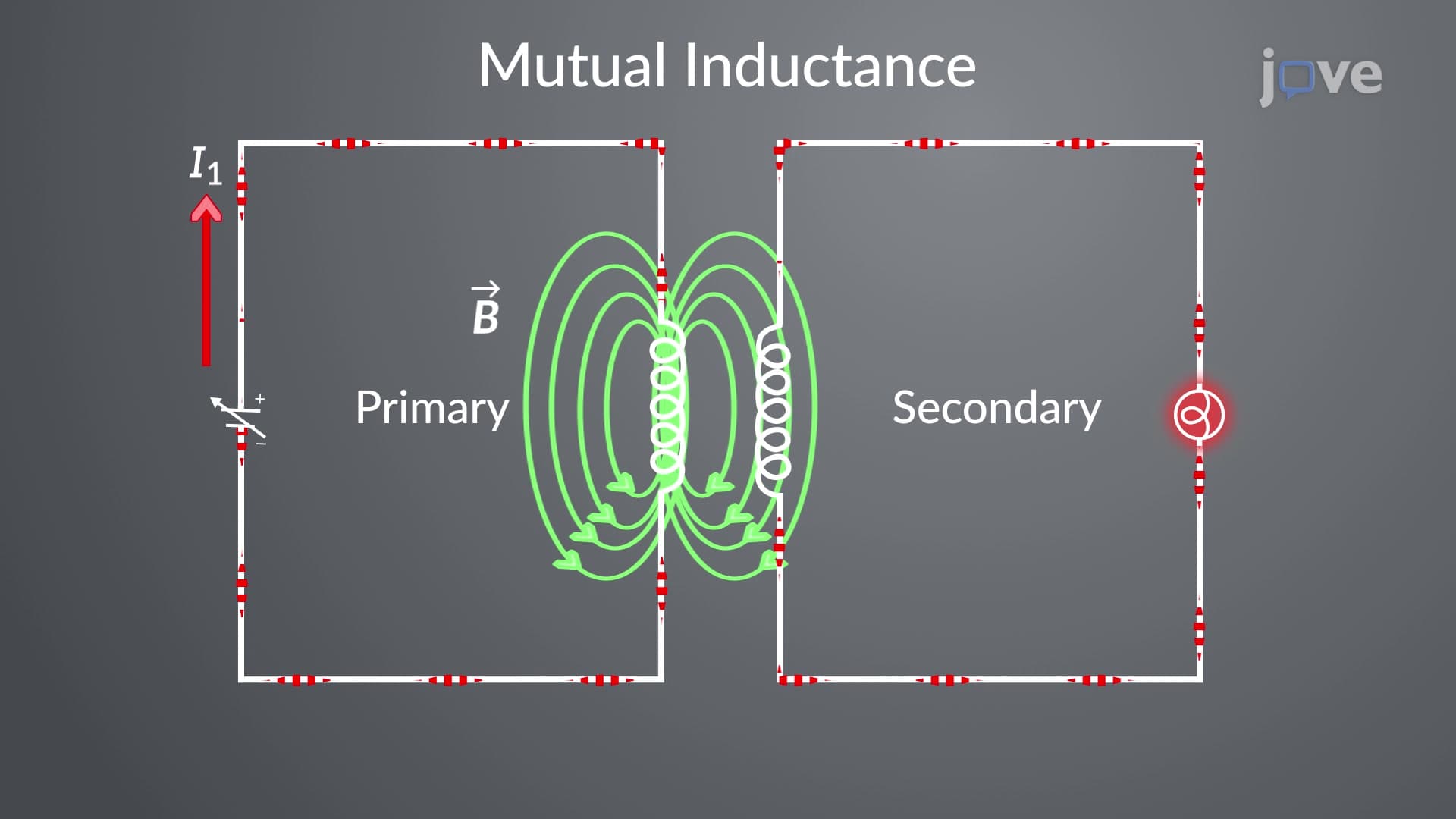
Understanding induction extends beyond basic magnetic field interactions to encompass complex phenomena like mutual inductance and self-inductance. Mutual inductance explains how transformers efficiently transfer electrical energy between circuits without direct connection, enabling the power grid systems that distribute electricity across vast distances in the United States. Self-inductance, meanwhile, describes how changing currents in a coil can induce EMF in the same coil, a principle crucial for designing efficient electrical circuits and motors.
Related Micro-courses