Loading video…


 21 Concepts
 61.8K views

Video Summary: What Is Eddy Currents
Ever wonder why induction stovetops heat your pan but not the glass surface? Eddy currents create this seemingly magical effect by generating loops of electric current within conductors when exposed to changing magnetic fields. These swirling electron patterns explain everything from energy loss in electrical transformers to the precise heating mechanism in your kitchen's induction cooktop. Understanding what is eddy currents reveals fundamental electromagnetic principles that power countless modern technologies. Watch the full video on JoVE Coach to master this concept with expert-led visuals and step-by-step explanations.
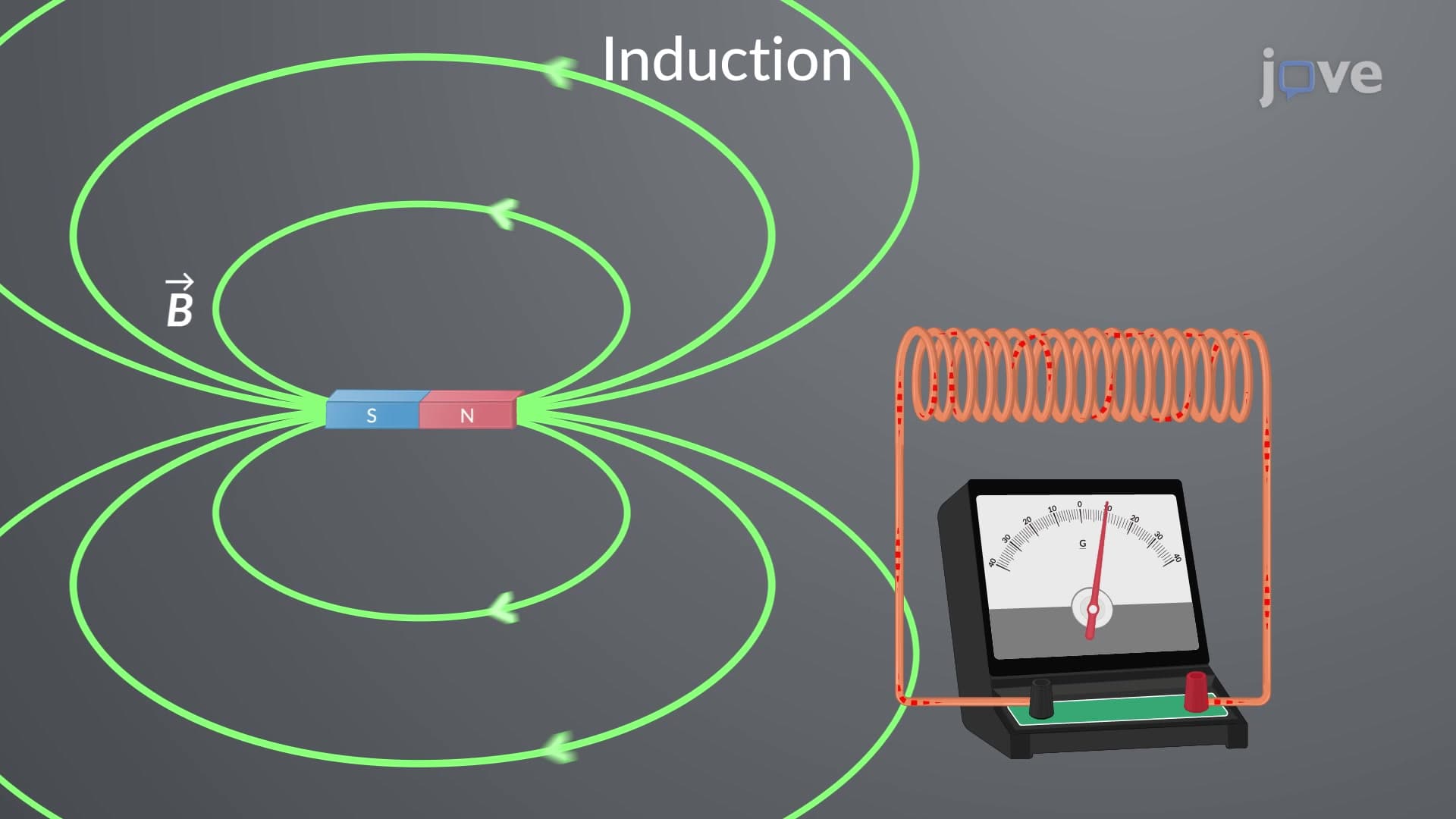
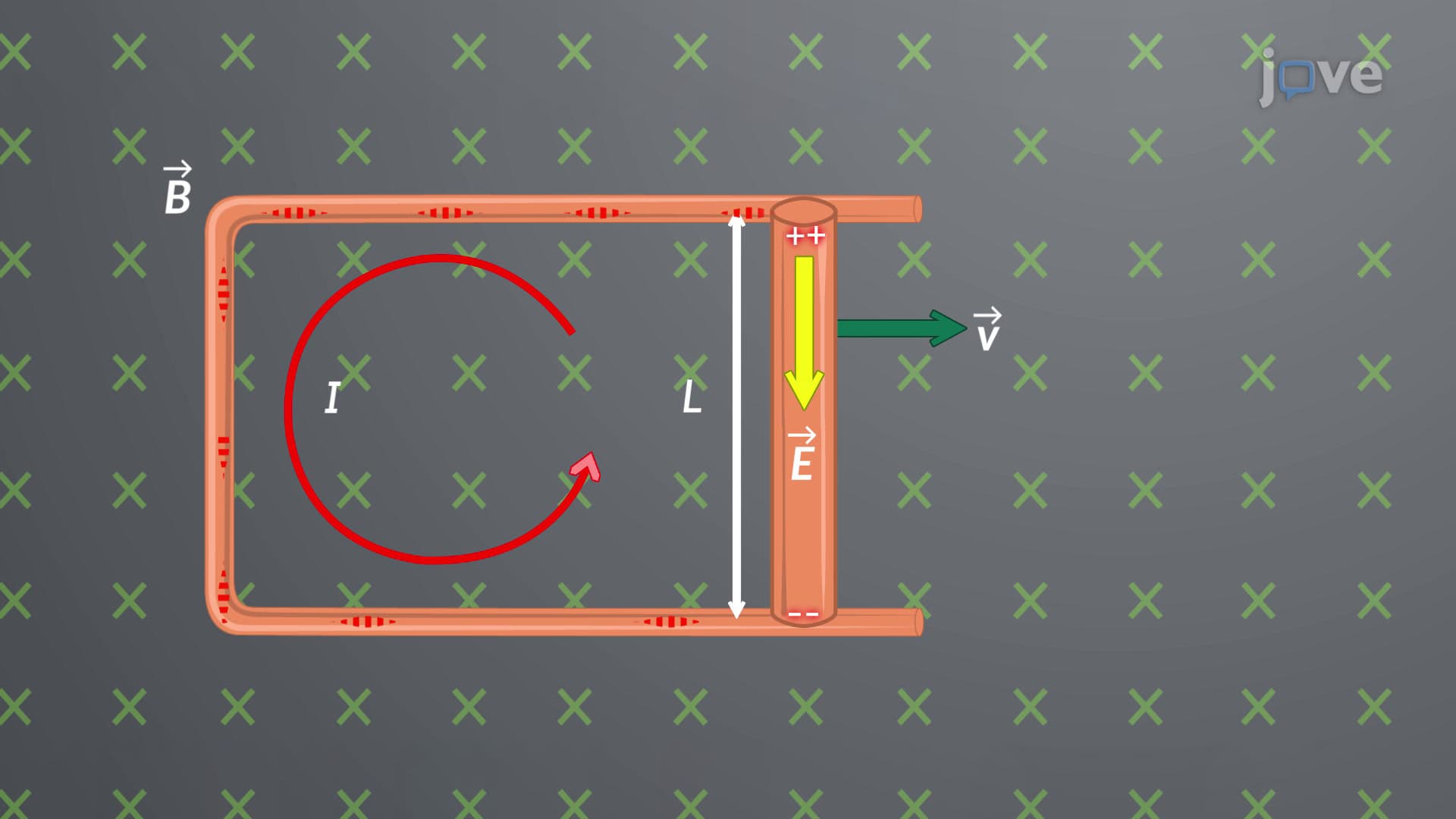
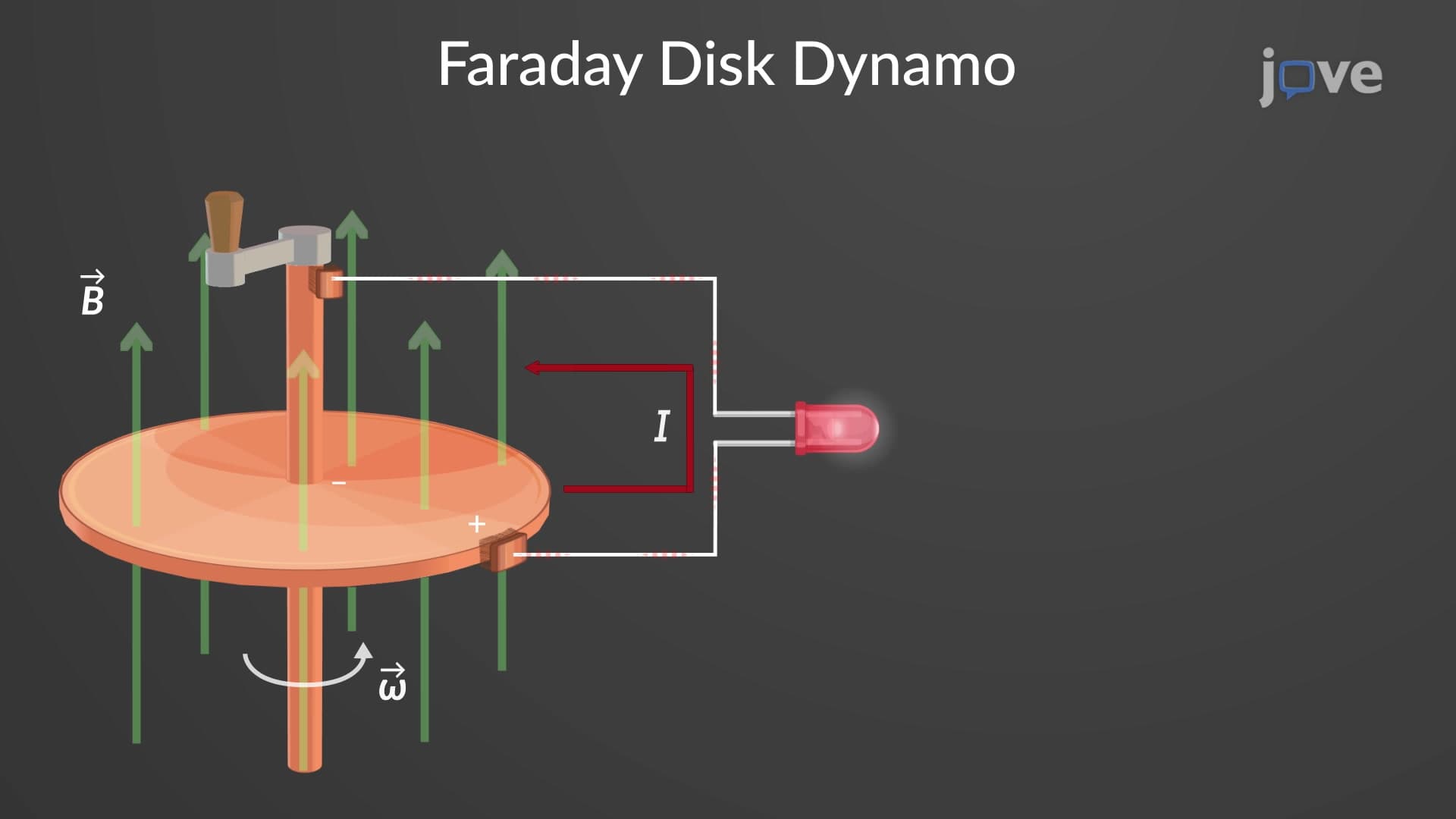
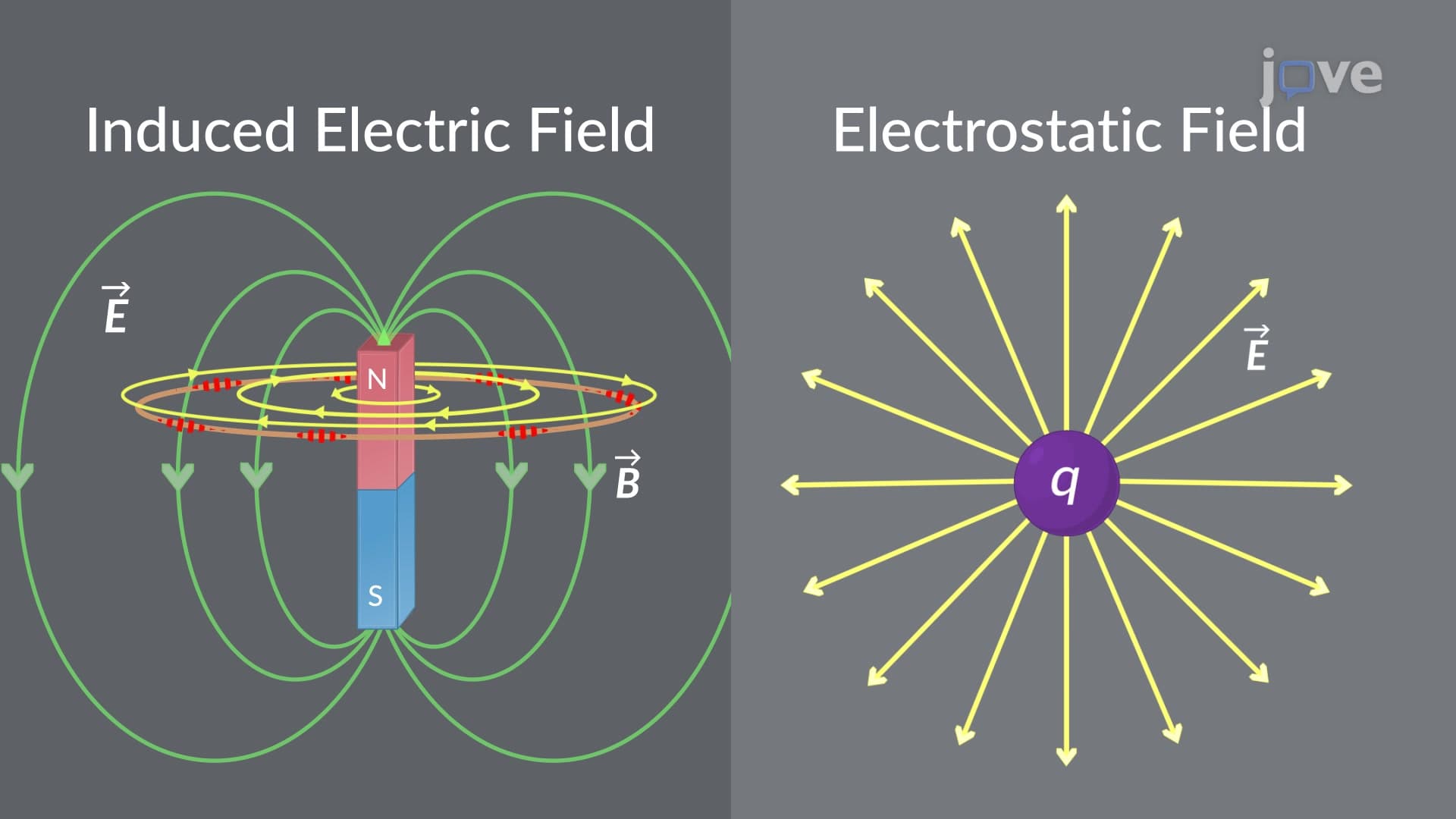
Eddy currents represent one of the most elegant demonstrations of electromagnetic induction in action. These phenomena occur when a conductor experiences a changing magnetic field, causing electrons to flow in closed, circular loops within the material. The term "eddy" perfectly describes this behavior-just as water creates swirling eddies around obstacles, electrons form circular current patterns when magnetic flux changes around them.
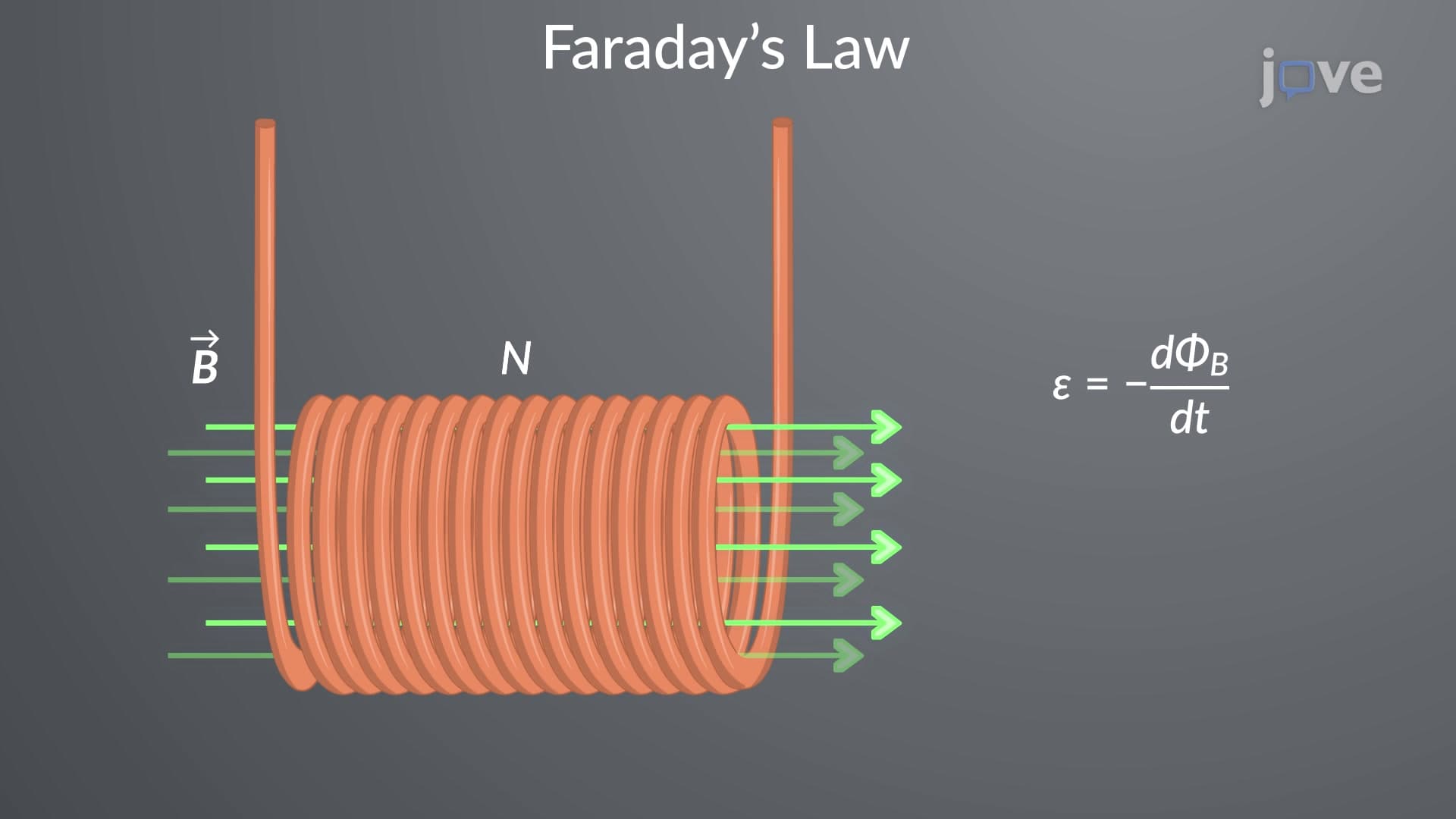
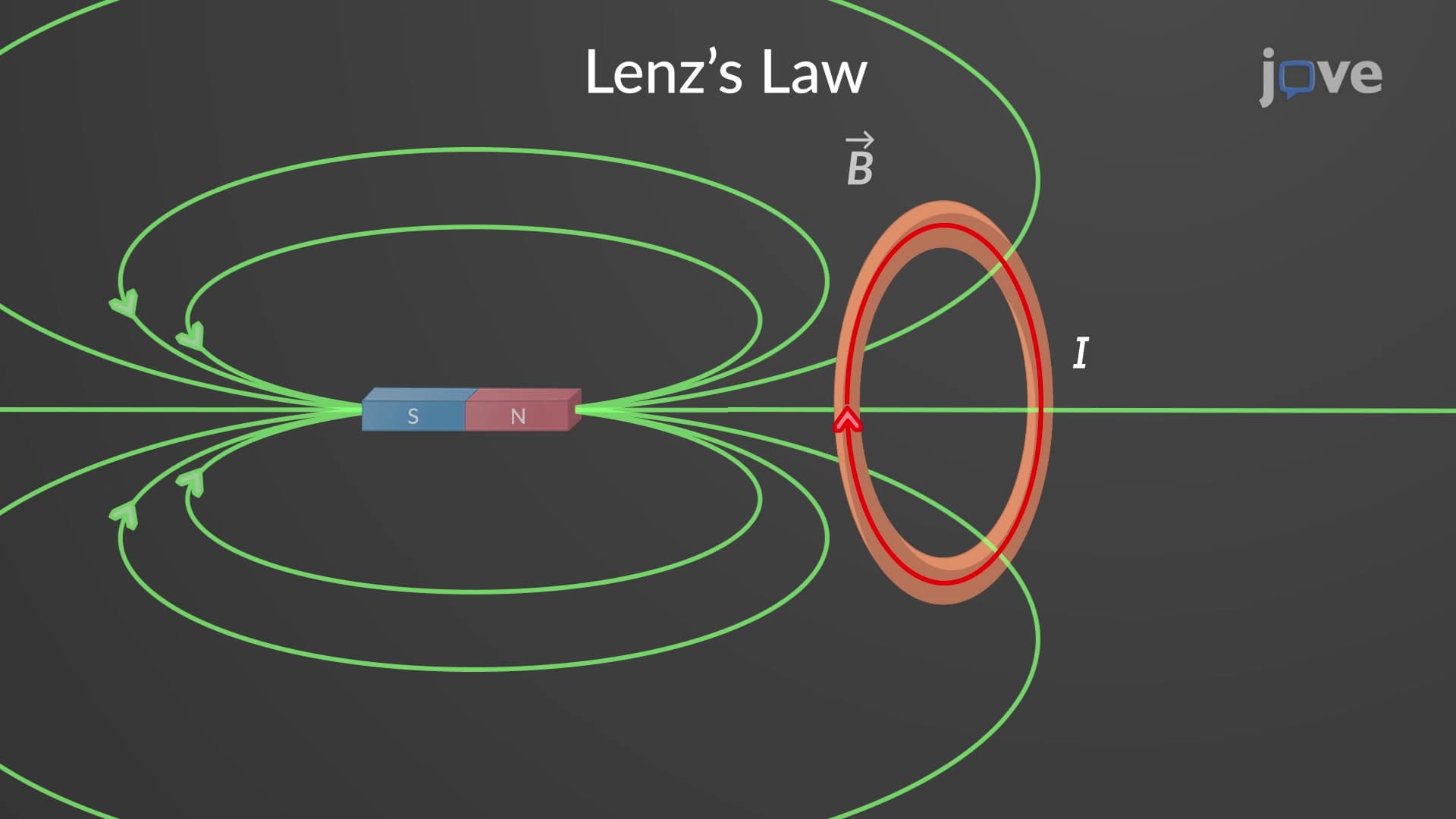
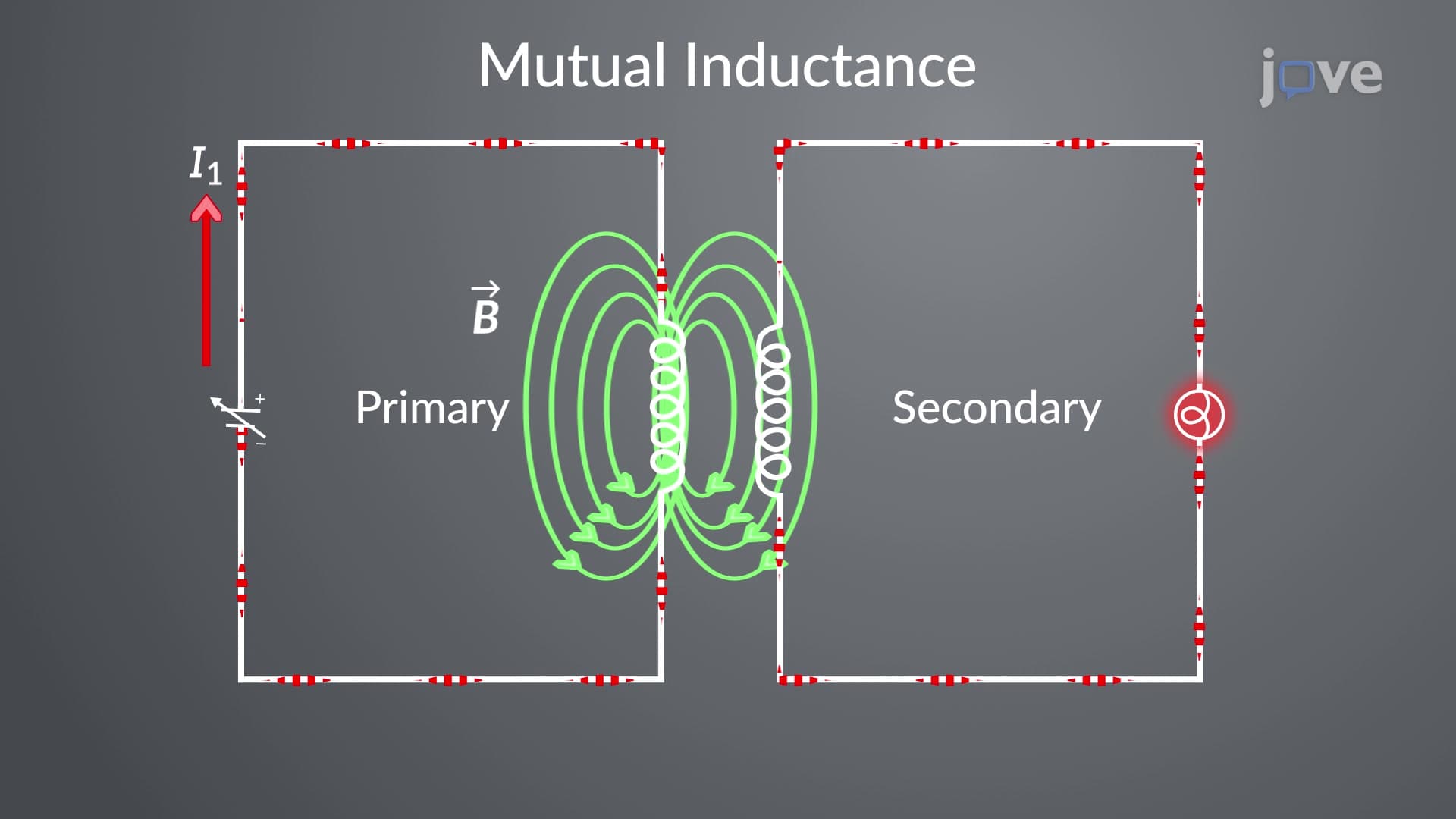
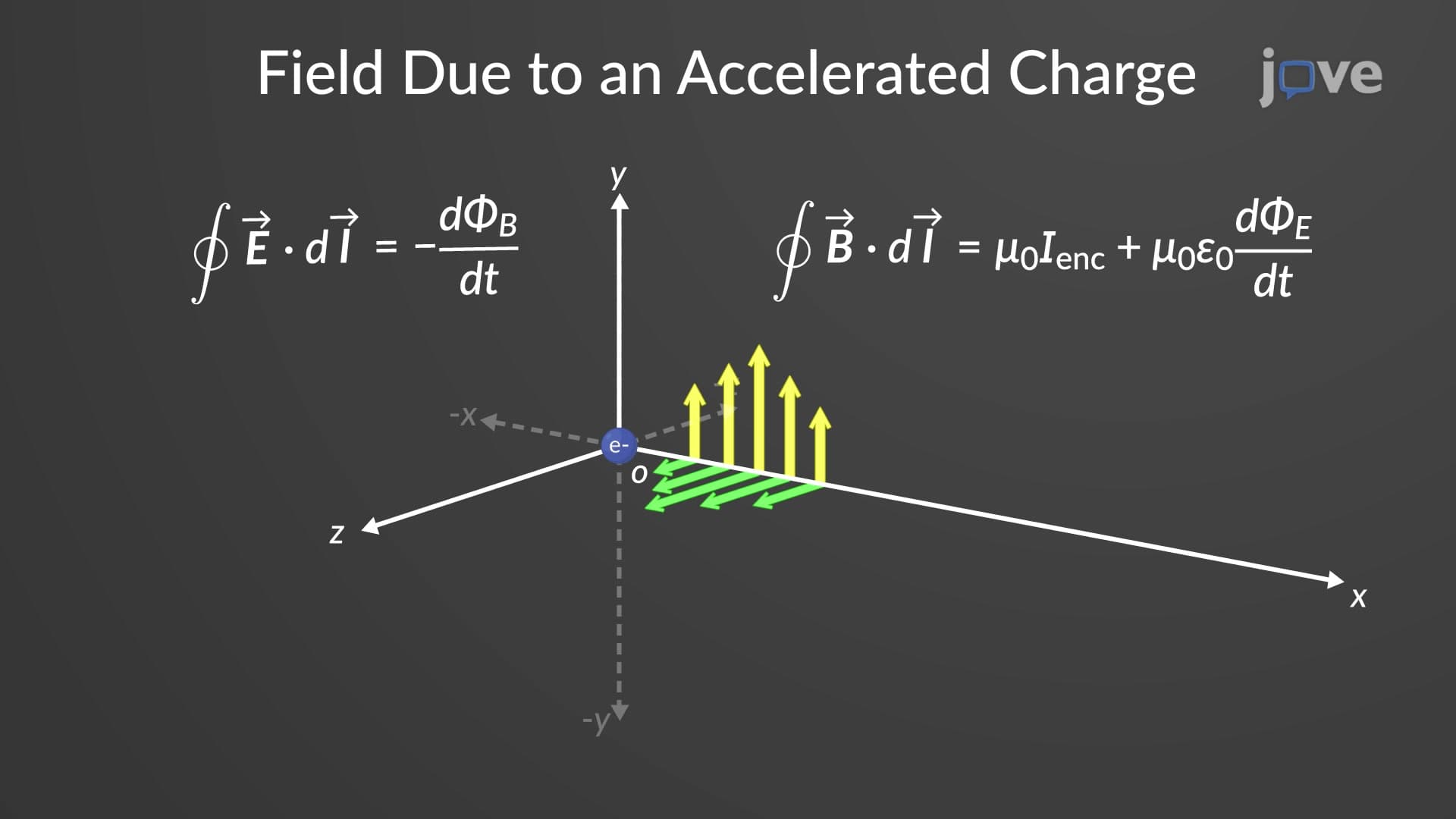
The fundamental physics behind eddy currents stems from Faraday's Law of Electromagnetic Induction, a cornerstone concept tested extensively on AP Physics examinations and college-level electromagnetic theory courses. When magnetic flux through a conductor changes, an electromotive force (EMF) develops, driving electrons in paths that oppose the flux change according to Lenz's Law.
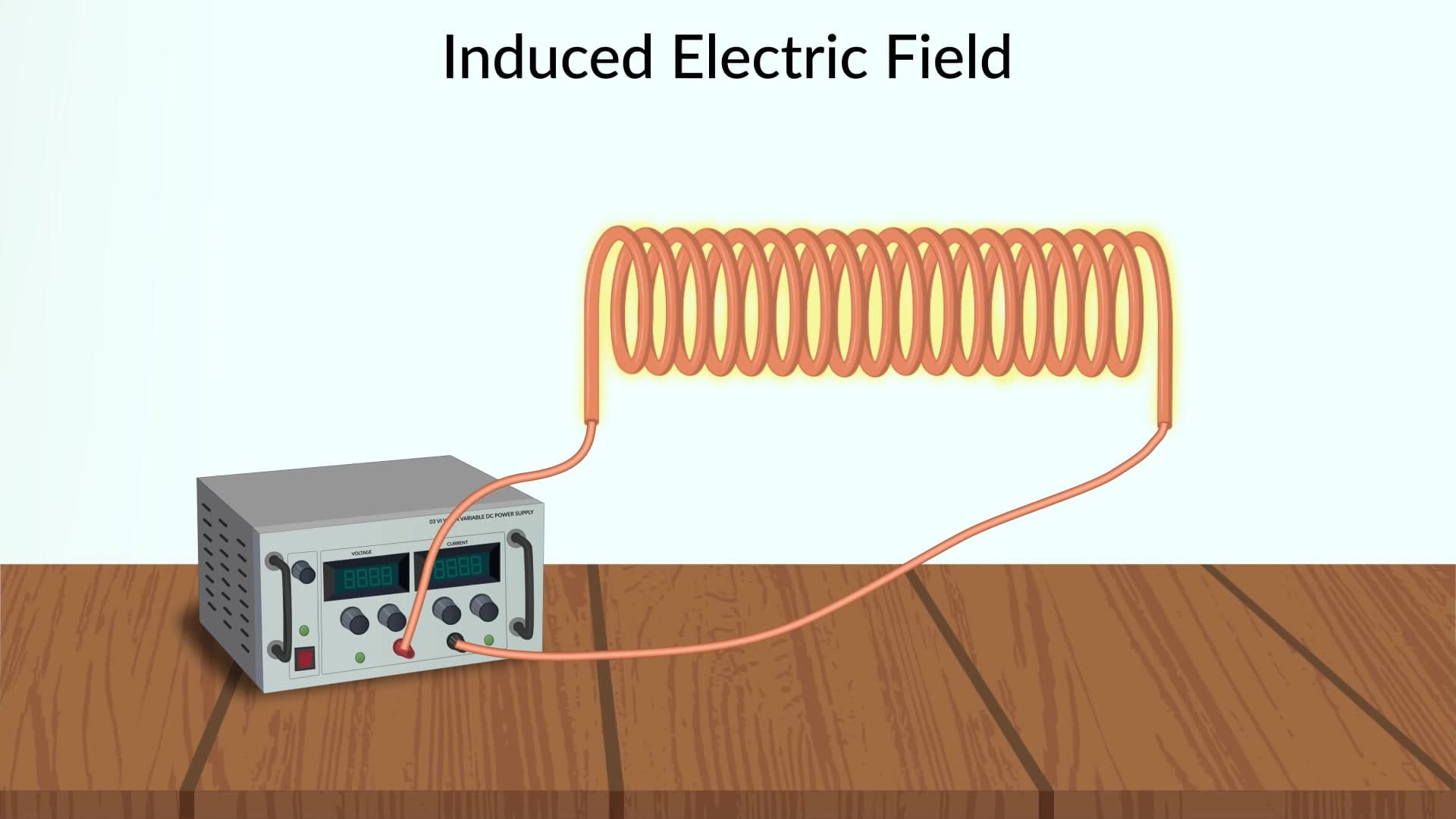
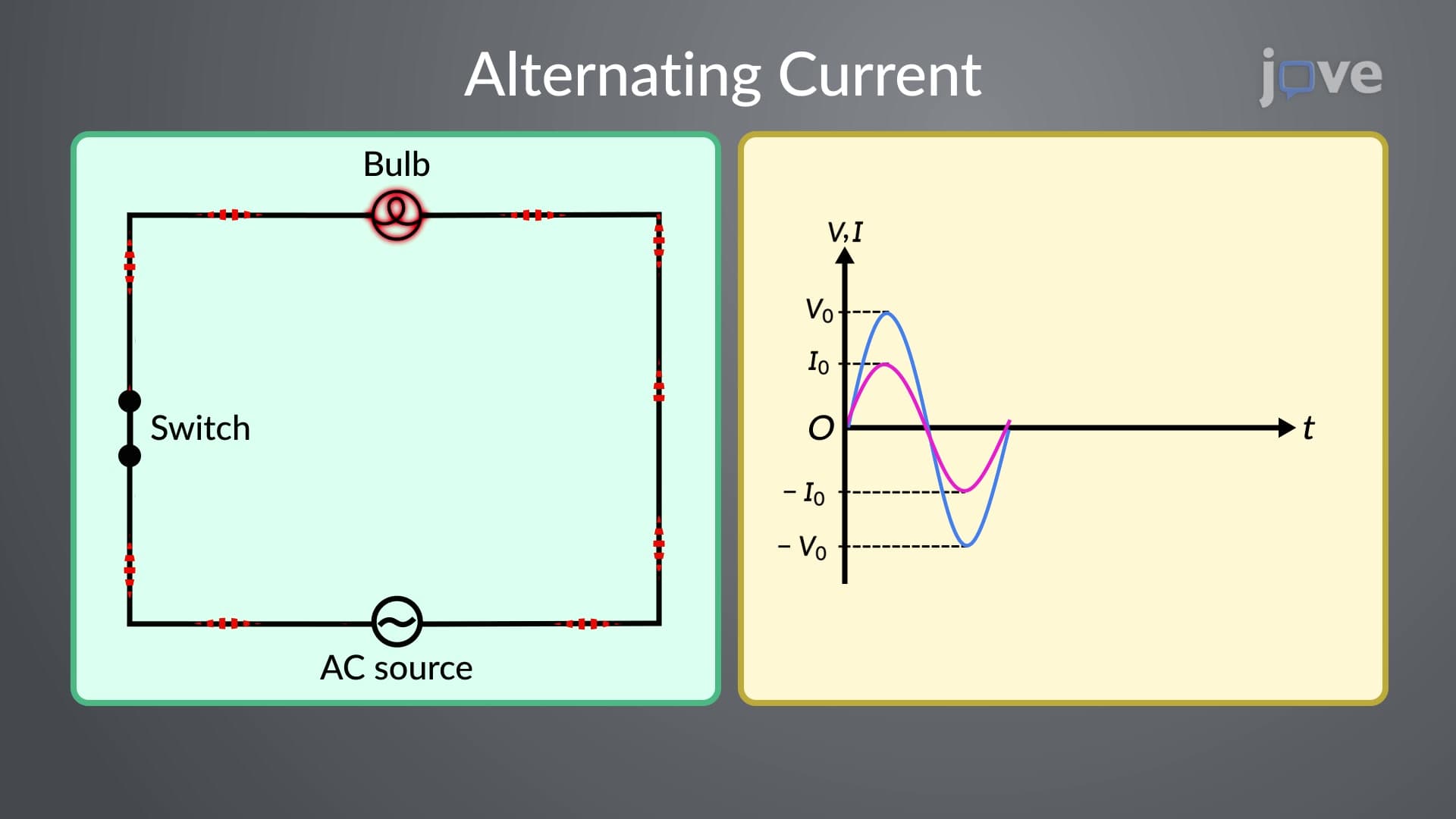
The formation process begins when an alternating current flows through a nearby conductor, such as a solenoid coil. This AC creates a time-varying magnetic field that penetrates surrounding conductive materials. Within these materials, the changing magnetic flux induces circular current loops perpendicular to the magnetic field direction.
Consider a practical example: when General Electric or Whirlpool engineers design induction cooktops, they rely on eddy current principles. The cooktop's copper coil generates a rapidly alternating magnetic field at frequencies around 20-100 kHz. This field induces eddy currents in ferromagnetic cookware, creating resistive heating that can reach temperatures exceeding 500°F within seconds.
Eddy currents inherently involve energy transformation, typically converting electrical energy into thermal energy through resistive heating. In many applications, this represents an unwanted energy loss. Electrical transformers, essential components in America's power grid infrastructure, experience efficiency losses when eddy currents develop in their iron cores. Power companies address this by using laminated core construction-thin, insulated iron sheets that minimize eddy current formation while maintaining magnetic properties.
However, controlled eddy current generation serves beneficial purposes across numerous industries. Medical MRI machines utilize eddy current effects for gradient switching, while non-destructive testing in aerospace applications (such as those employed by Boeing or Lockheed Martin) relies on eddy current detection to identify material flaws without damaging components.
Understanding eddy current behavior proves essential for students pursuing engineering careers, particularly those preparing for the Fundamentals of Engineering (FE) exam or Advanced Placement Physics courses. The concept bridges theoretical electromagnetic principles with practical engineering solutions, from magnetic braking systems in roller coasters at Six Flags parks to sophisticated metal detection systems used by the Transportation Security Administration at airports nationwide.
Related Micro-courses