Loading video…


 21 Concepts
 61.8K views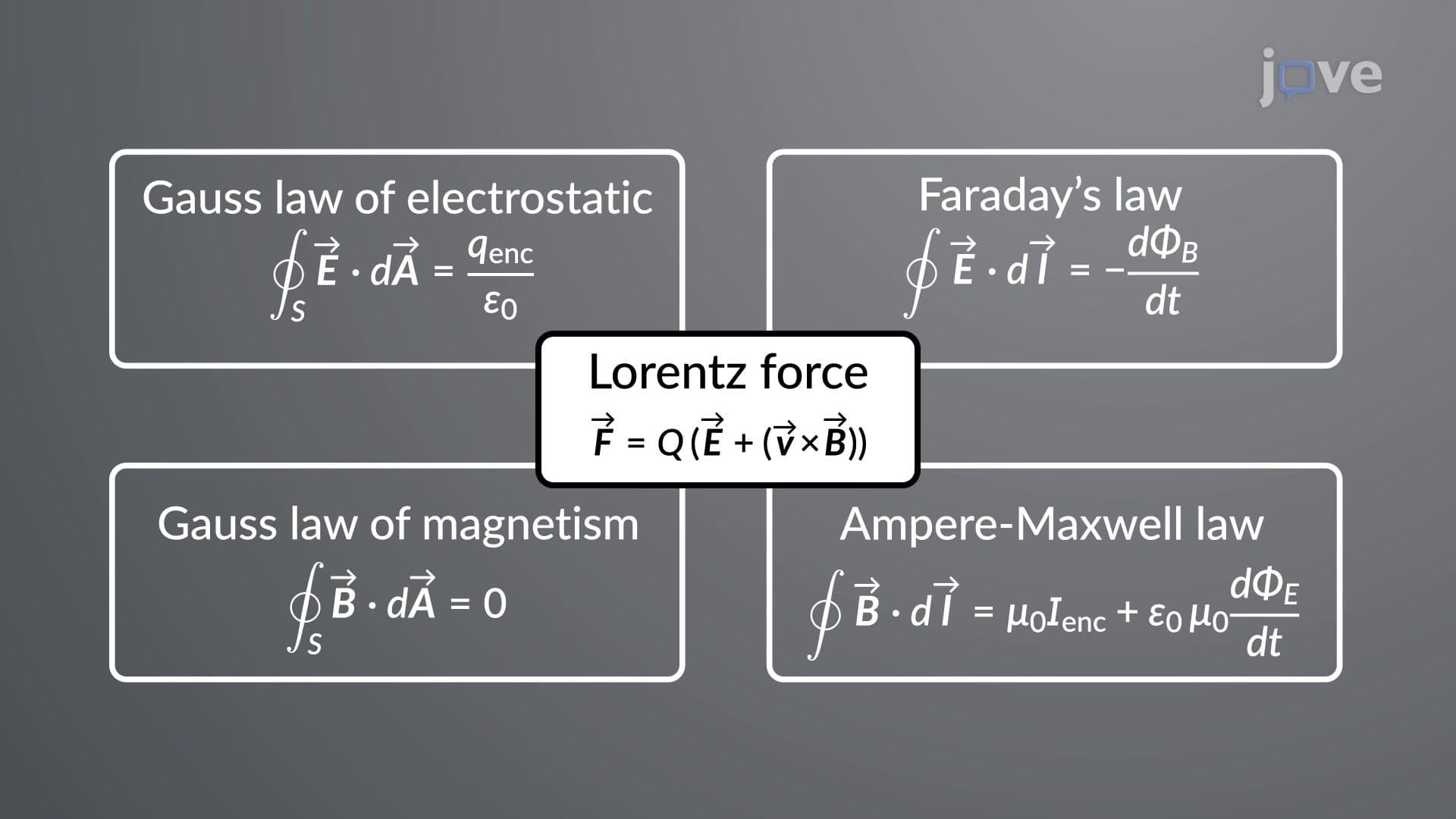

Video Summary: Symmetry in Maxwells Equations Tutorial
Ever wonder how your smartphone sends signals wirelessly through the air? The symmetry in Maxwell's equations reveals the elegant mathematical relationship between electric and magnetic fields that makes wireless communication possible. This fundamental symmetry shows how changing electric fields create magnetic fields and vice versa, forming the basis for electromagnetic waves used in everything from WiFi to GPS systems across the United States. Watch the full video on JoVE Coach to master this concept with expert-led visuals and step-by-step explanations.
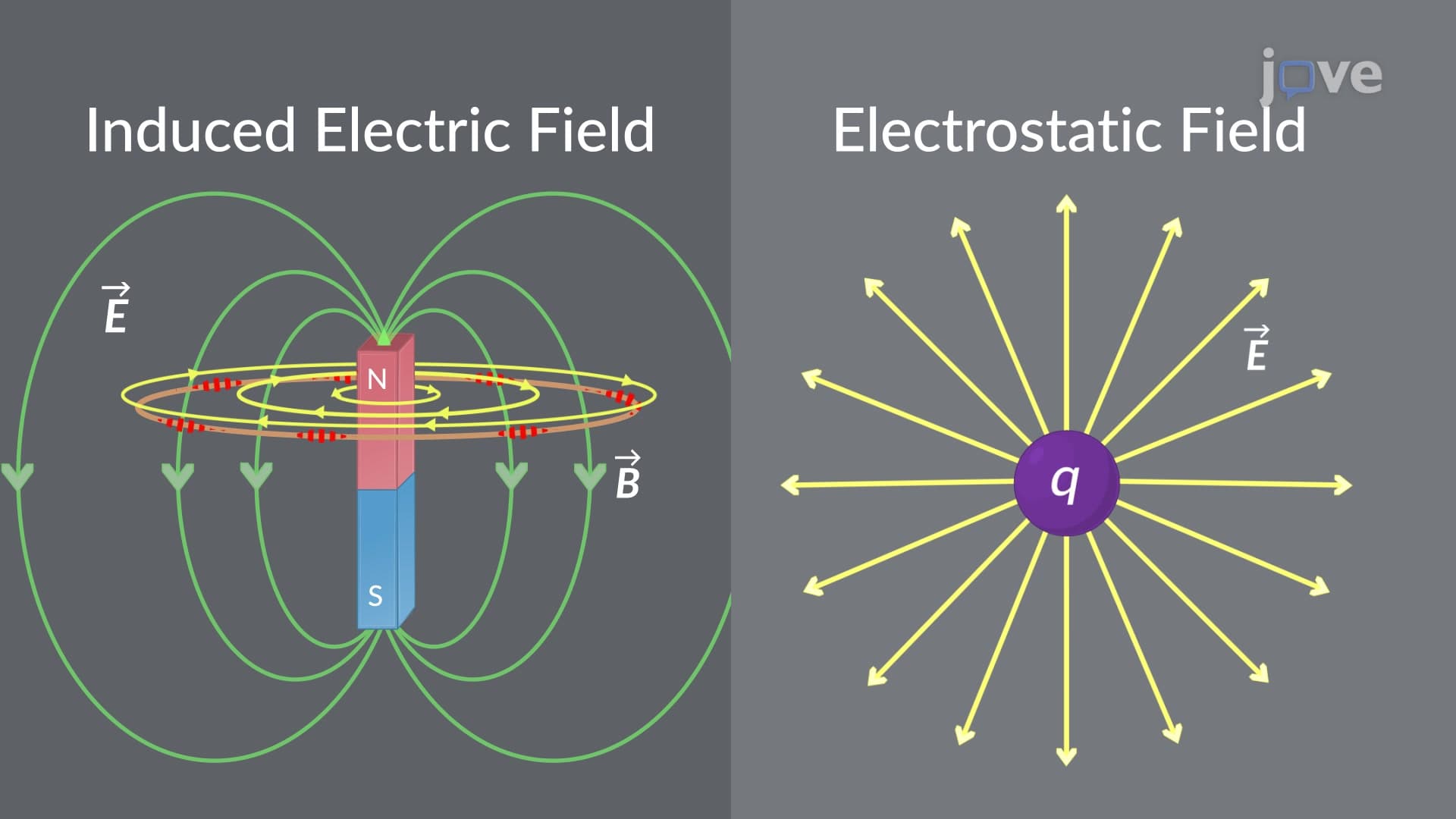
The symmetry in Maxwell's equations represents one of physics' most elegant discoveries, revealing the deep interconnection between electricity and magnetism. In regions free of charges and currents, Maxwell's four fundamental equations exhibit a beautiful mathematical symmetry that predicts the existence of electromagnetic waves-the foundation for all wireless technology we use today.
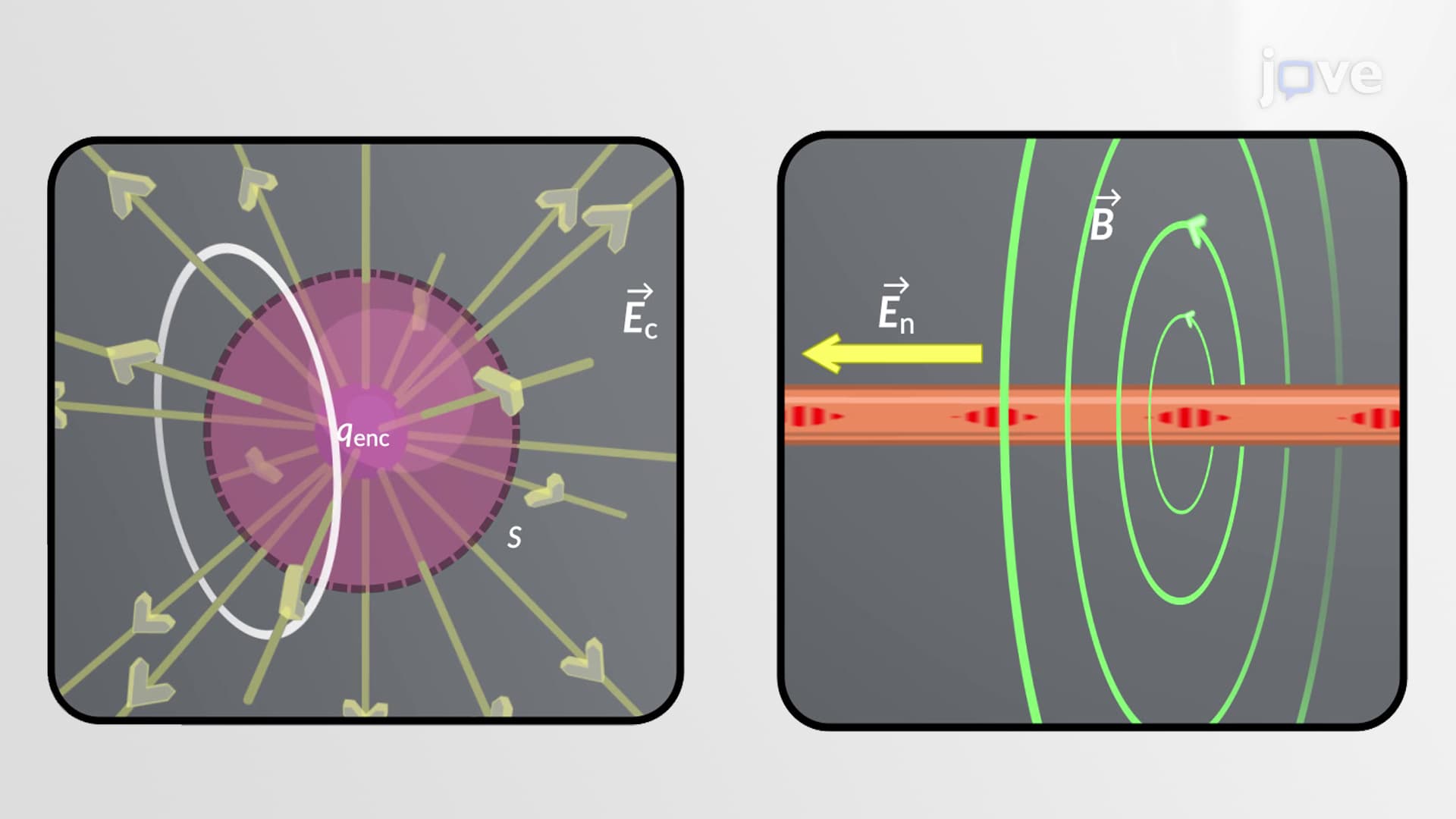
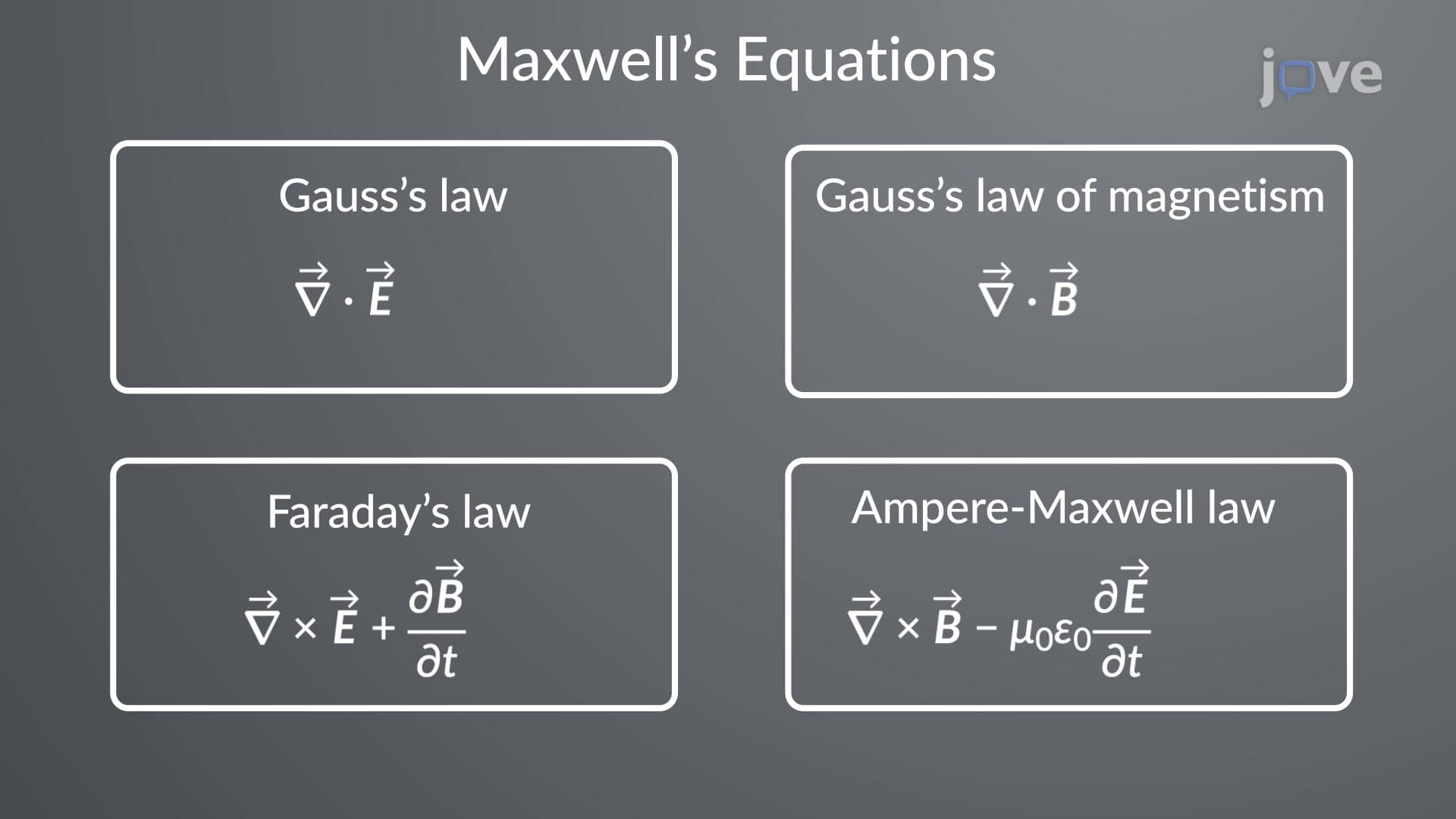
When examining Maxwell's equations in vacuum conditions, the first two equations show remarkable similarity in their mathematical structure. The first equation describes how electric field lines behave, while the second mirrors this behavior for magnetic fields. This symmetry in Maxwell's equations example demonstrates that electric and magnetic phenomena follow parallel mathematical laws, differing only in the field type being described.
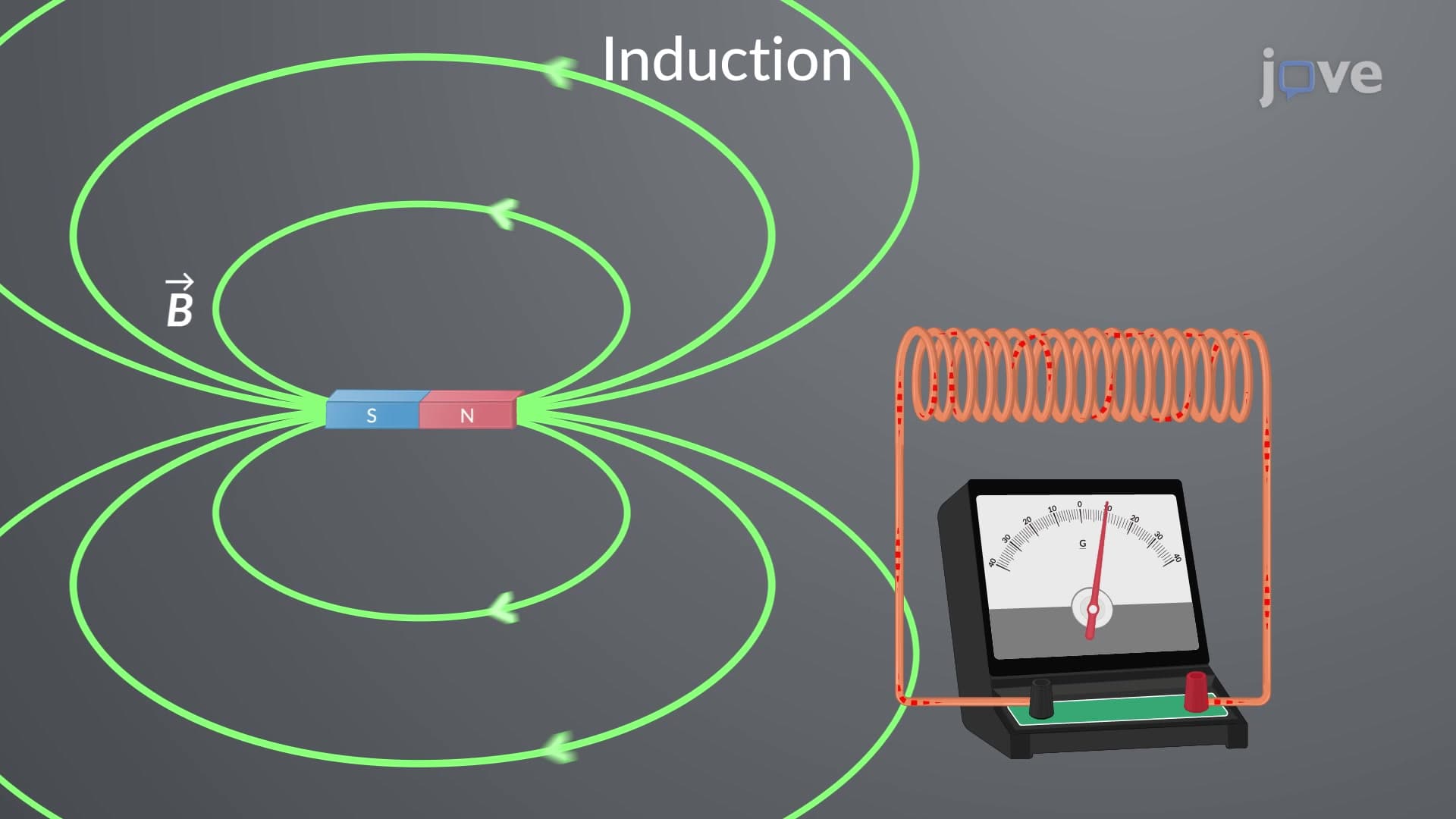
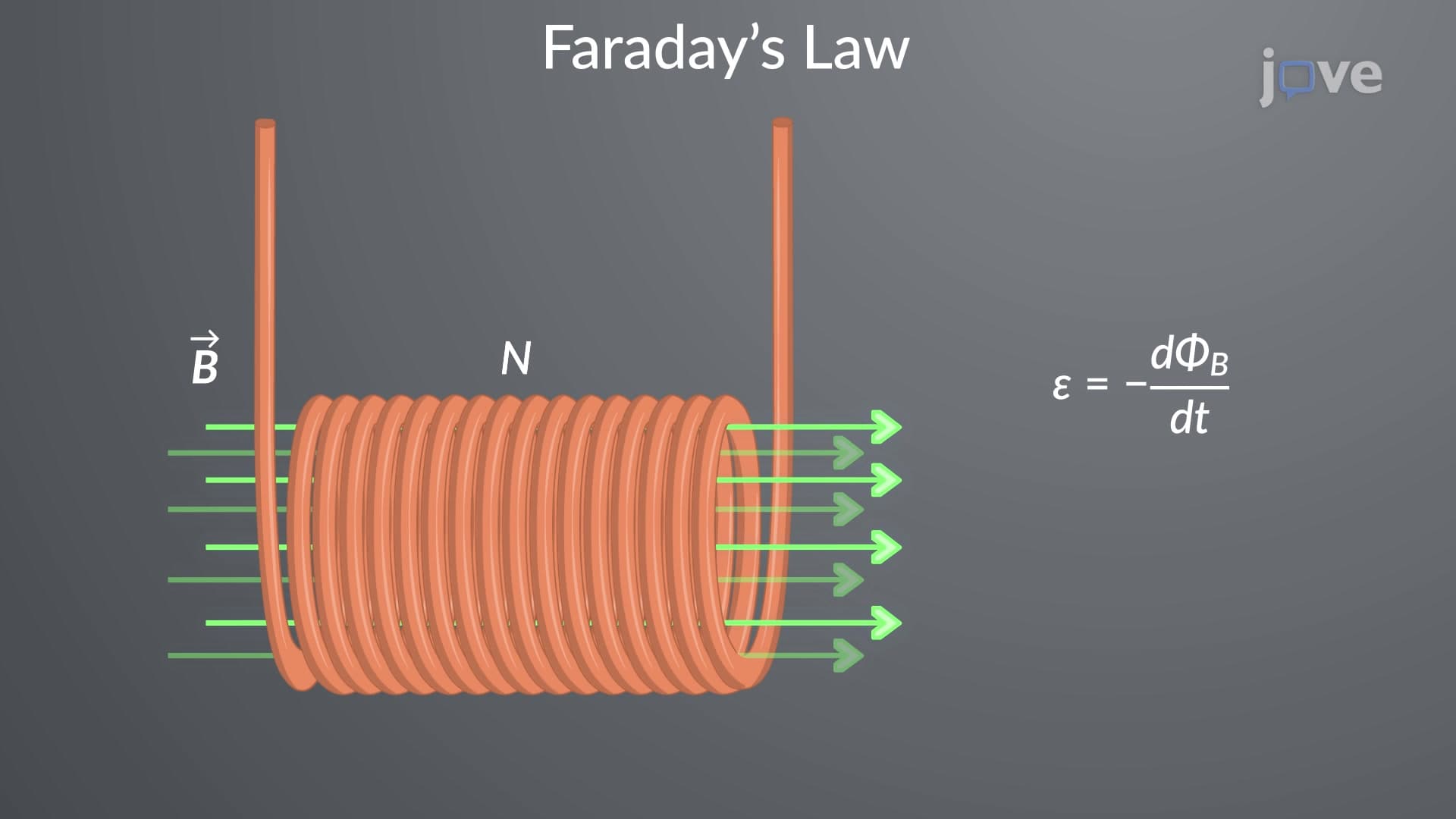
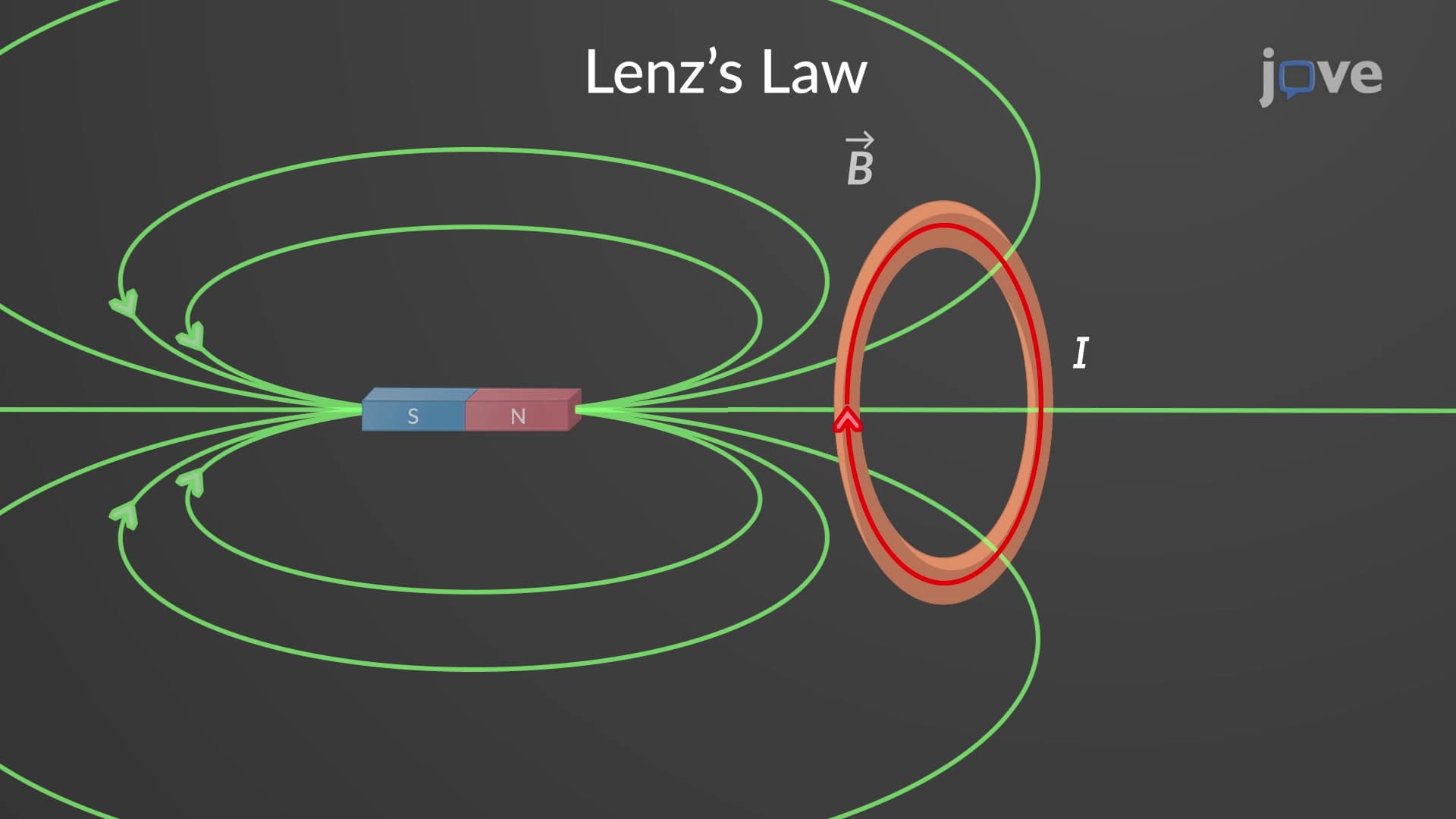
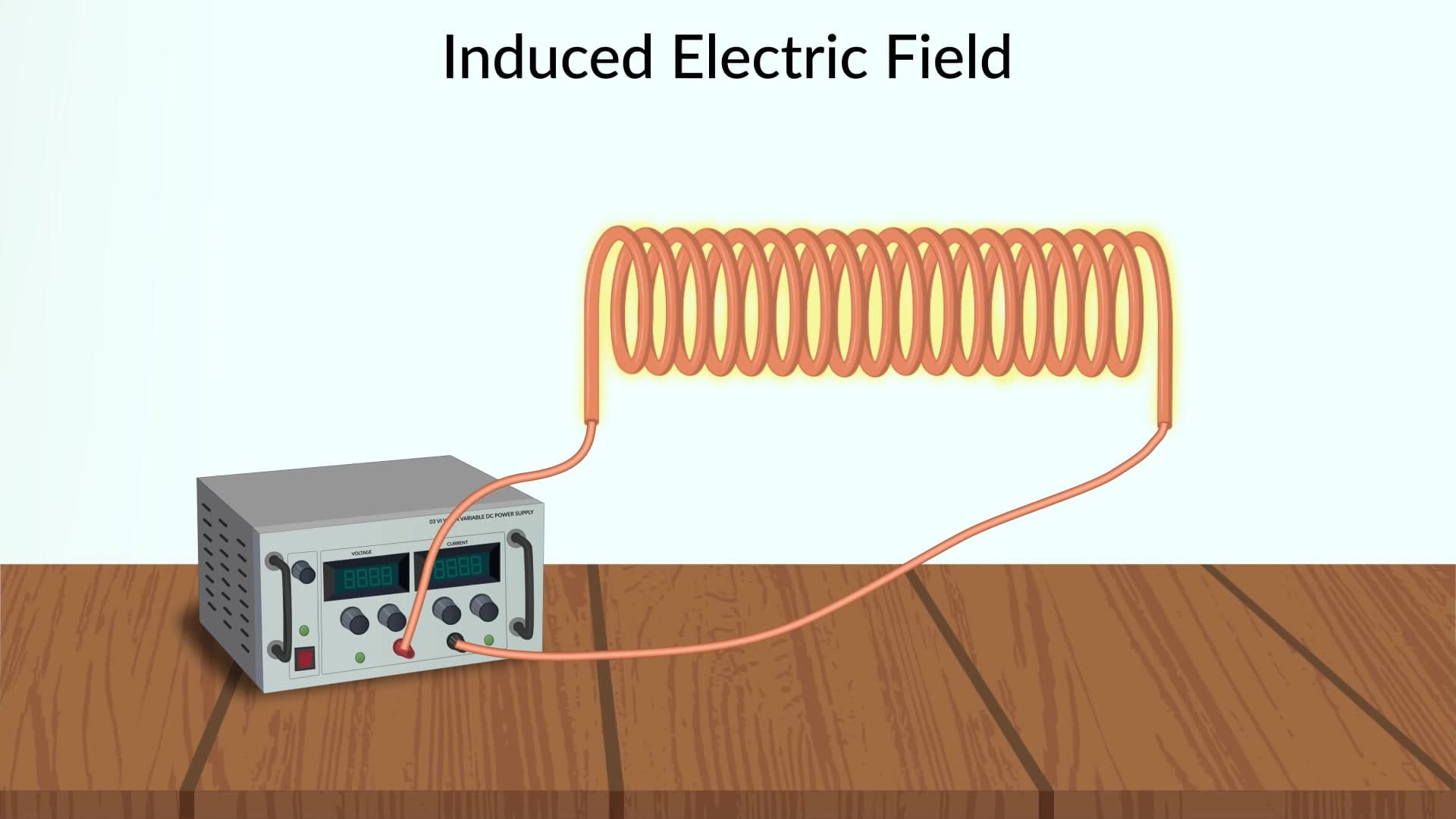
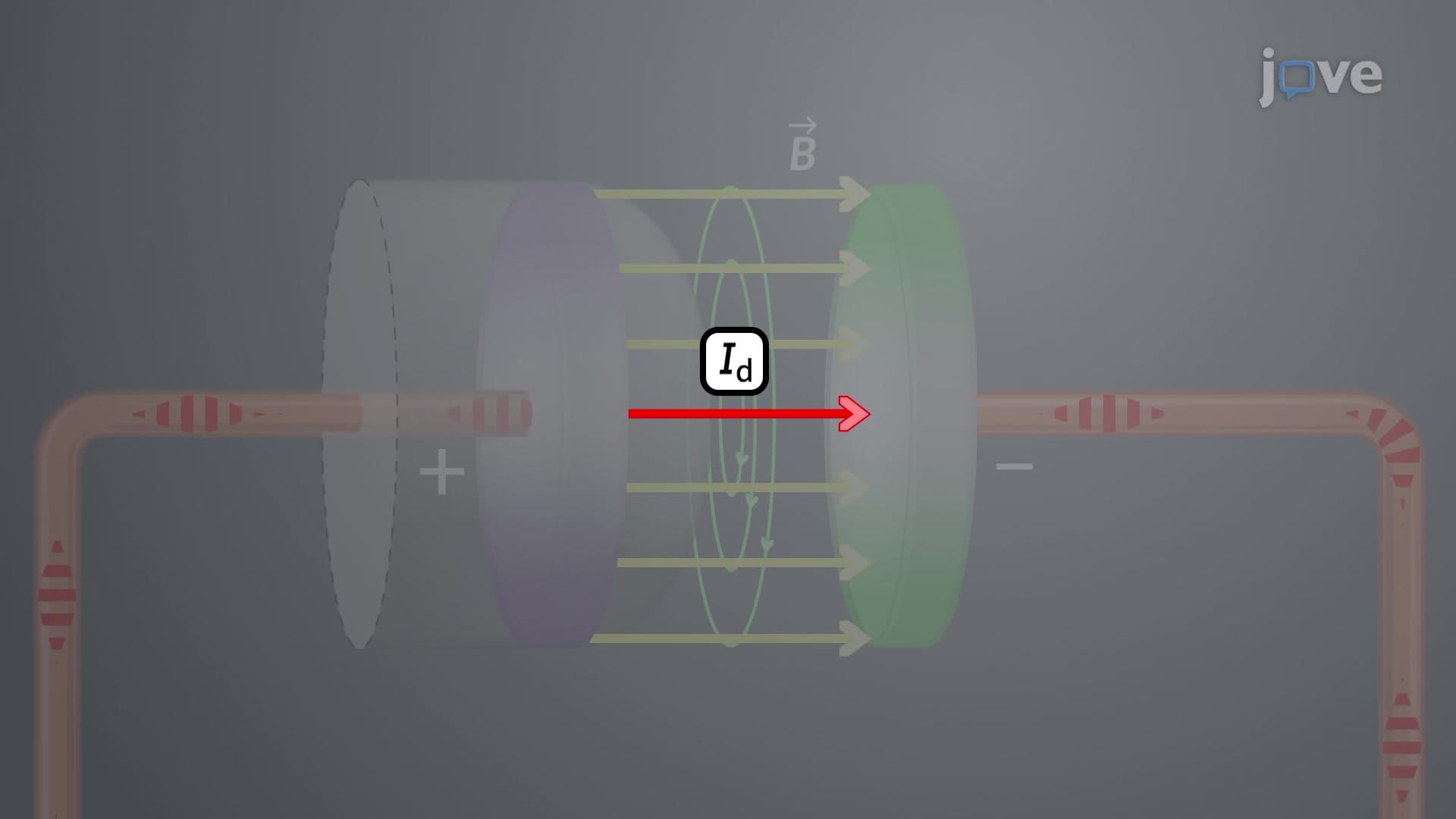
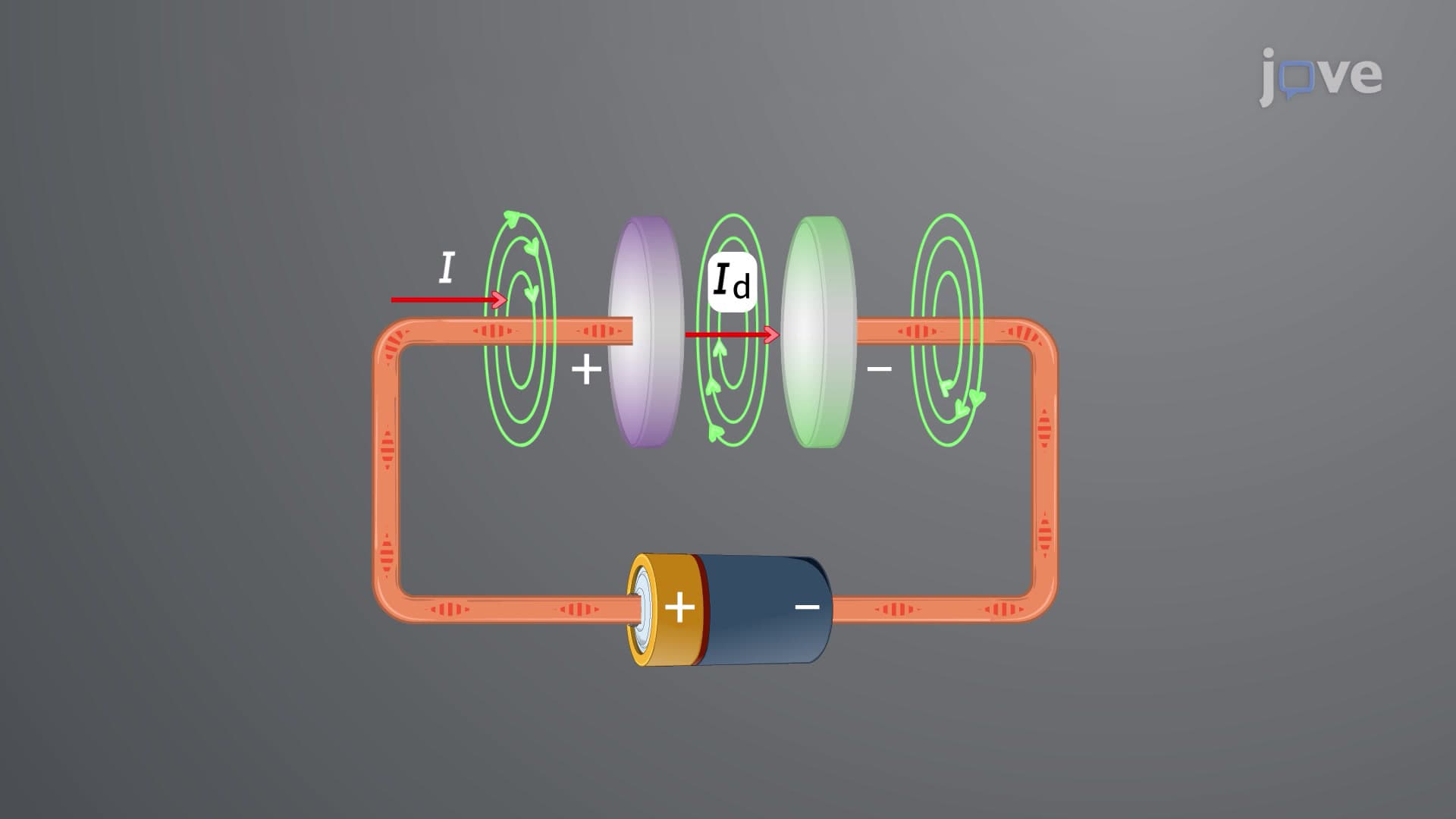
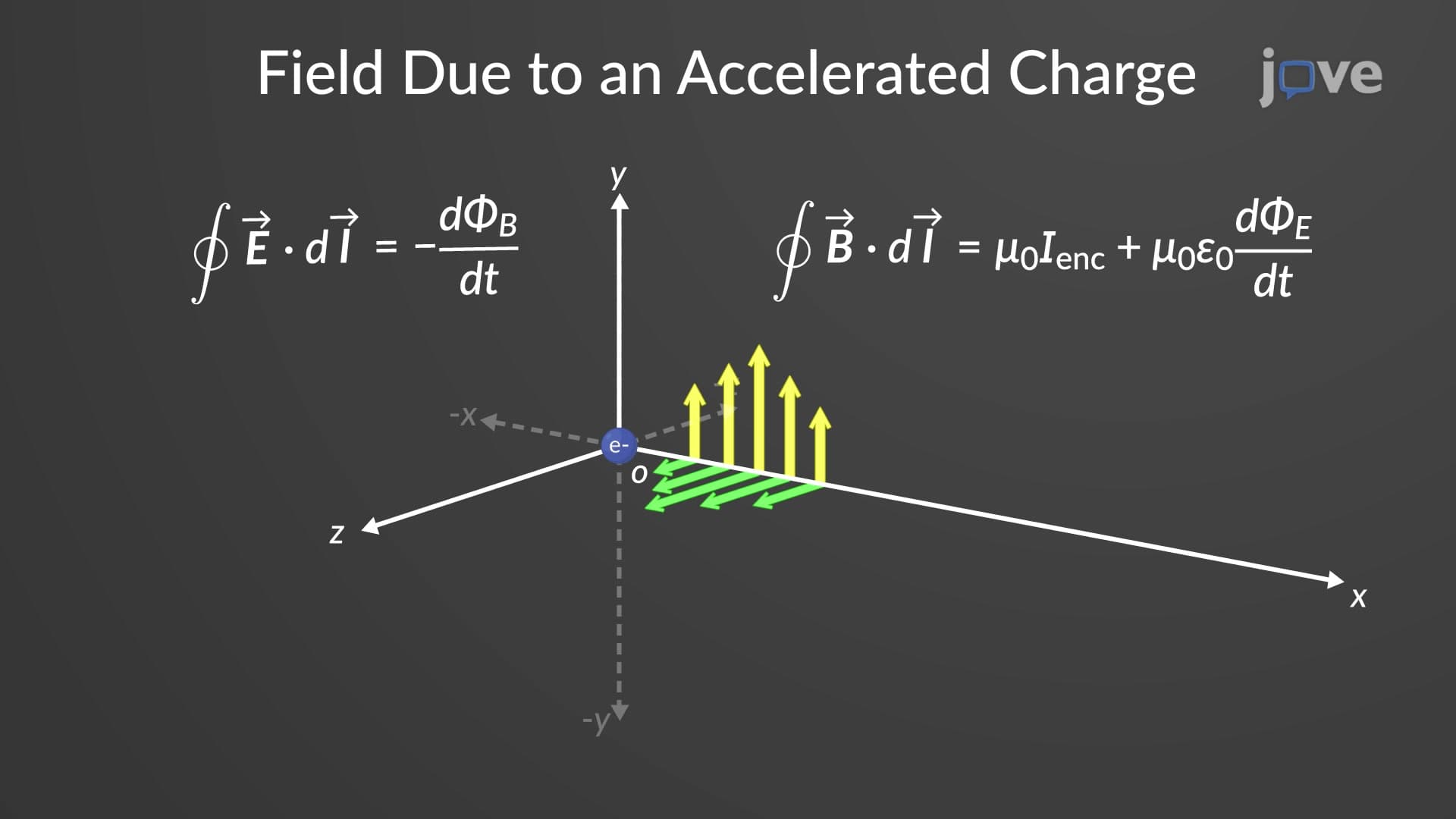
The third and fourth equations reveal an even more profound symmetry: Faraday's law shows that changing magnetic fields create electric fields, while Ampère-Maxwell law demonstrates that changing electric fields generate magnetic fields. This reciprocal relationship forms the heart of electromagnetic wave propagation, where oscillating electric and magnetic fields perpetually regenerate each other as they travel through space at light speed.
This fundamental symmetry explains how radio stations in cities like New York can broadcast signals that reach listeners in Los Angeles. The symmetric nature of Maxwell's equations predicts that accelerating charges produce electromagnetic waves, which is exactly what happens in radio antennas. When alternating current flows through a transmitter antenna, it creates oscillating electric and magnetic fields that propagate outward as radio waves.
The symmetry in Maxwell's equations step by step analysis reveals why electromagnetic waves can exist independently of their sources. Once generated, these waves become self-sustaining through the symmetric relationship between electric and magnetic field changes, allowing satellite communications, cell phone networks, and GPS systems to function across vast distances.
The elegant symmetry extends to the forces experienced by moving charges. The Lorentz force equation incorporates both electric and magnetic field contributions, showing how particles respond to the combined electromagnetic field. This unified approach explains phenomena from particle accelerator operations at Fermilab to the aurora borealis visible from Alaska, where charged particles from space interact with Earth's magnetic field.
For students preparing for AP Physics or college-level electromagnetism courses, understanding this symmetry provides crucial insight into wave equations, electromagnetic radiation, and field theory-concepts that appear frequently on standardized tests and form the foundation for advanced physics study.
Related Micro-courses