Loading video…


 21 Concepts
 61.8K views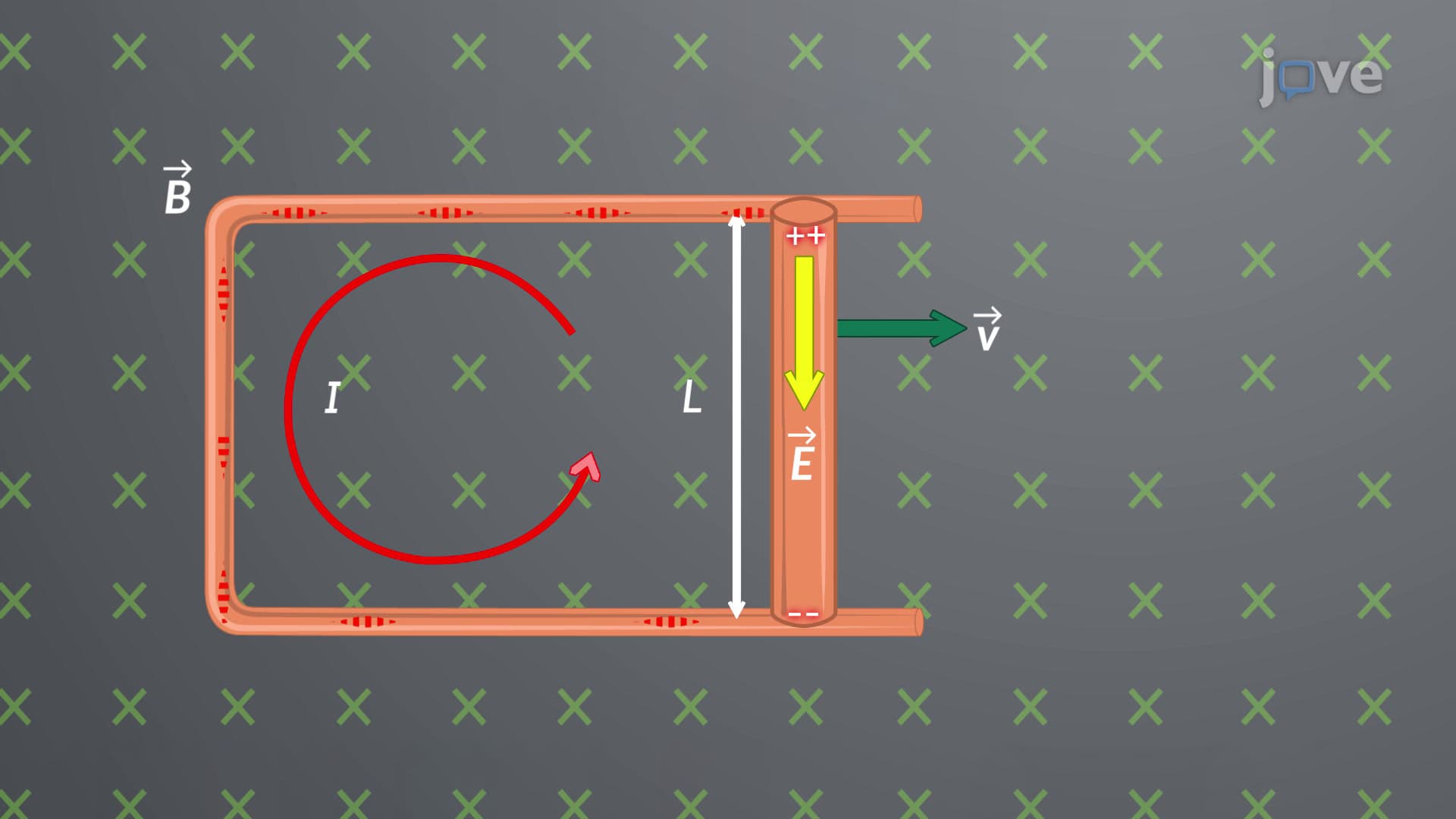

Video Summary: What Is Motional Emf
Ever wondered how hybrid cars generate electricity while braking? Motional emf creates electrical energy when conductors move through magnetic fields-the same principle powering regenerative braking systems in Tesla vehicles across American highways. When a conducting rod moves through a magnetic field, it generates an electromotive force that can drive current through closed circuits. This fundamental electromagnetic phenomenon bridges the gap between mechanical motion and electrical energy. Watch the full video on JoVE Coach to master this concept with expert-led visuals and step-by-step explanations.
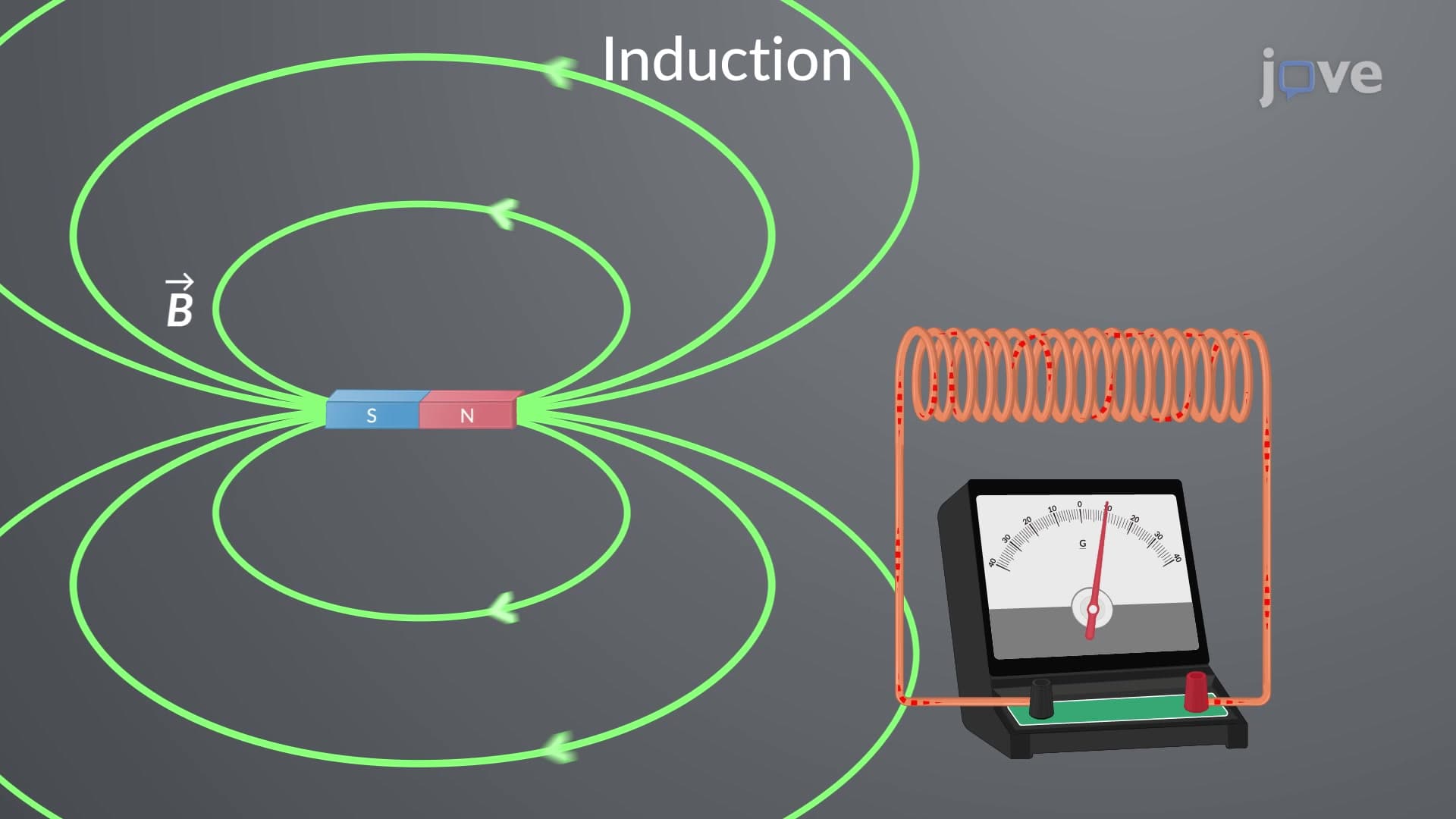
Motional emf represents the electromotive force generated when a conductor moves through a magnetic field, creating a potential difference that can drive electrical current. This phenomenon occurs because moving charges within the conductor experience magnetic forces that redistribute them along the conductor's length, establishing an electric field.
When a conducting rod of length L moves with velocity v perpendicular to a uniform magnetic field B, the motional emf magnitude equals BLv. This relationship demonstrates how mechanical energy converts to electrical energy through electromagnetic induction-a principle essential for understanding modern power generation and electric motor technology.
As the conductor moves through the magnetic field, mobile charges experience magnetic forces according to the Lorentz force law: F = q(v × B). Positive charges accumulate on one end while negative charges gather on the opposite end, creating an internal electric field that opposes further charge movement. Equilibrium occurs when the electric force balances the magnetic force, establishing a steady potential difference across the conductor.
This charge separation process explains why motional emf persists only during motion. Once the conductor stops moving, the driving magnetic force disappears, and charges redistribute to eliminate the potential difference. This temporary nature distinguishes motional emf from battery-generated emf, which remains constant regardless of external motion.
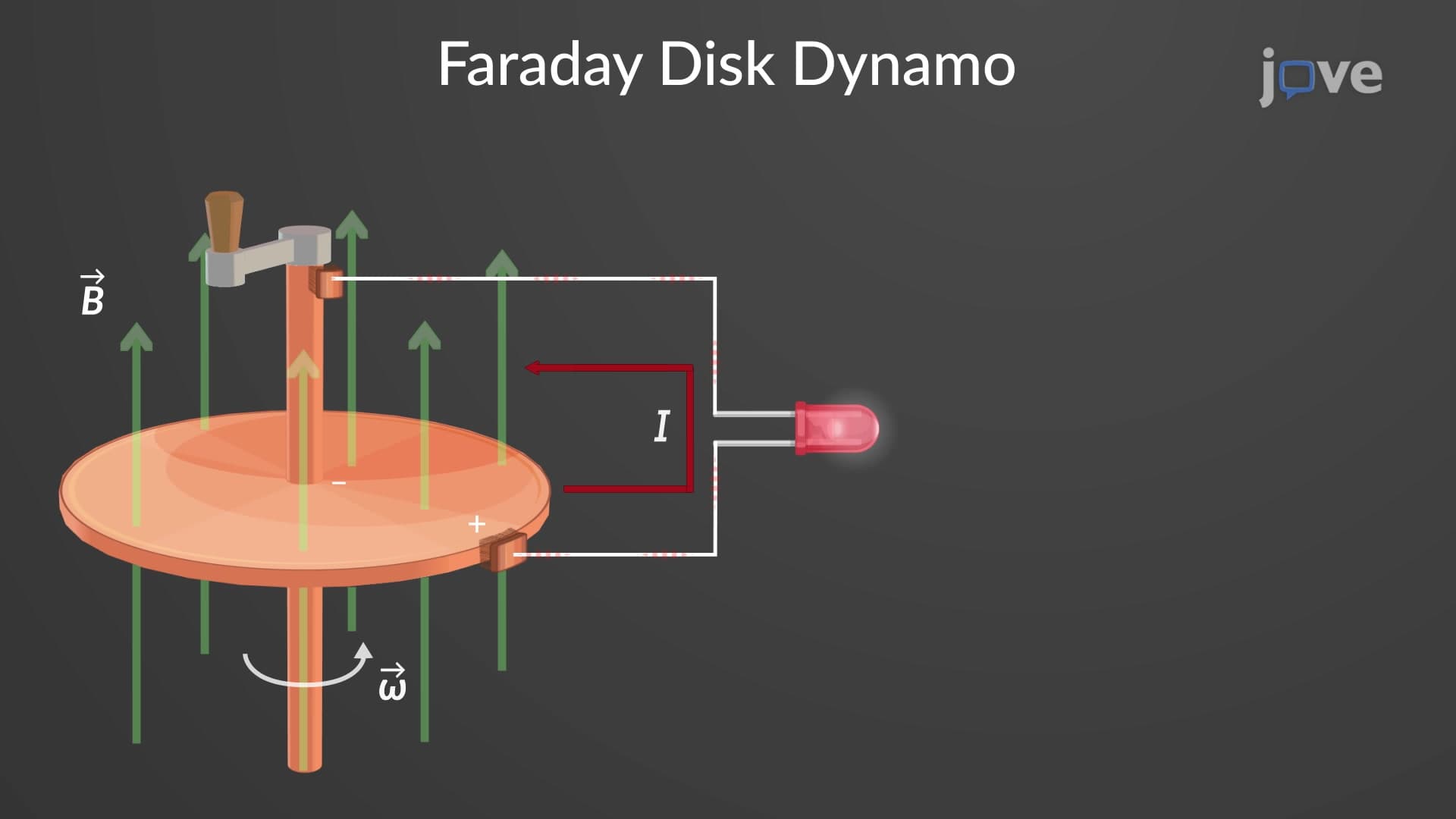
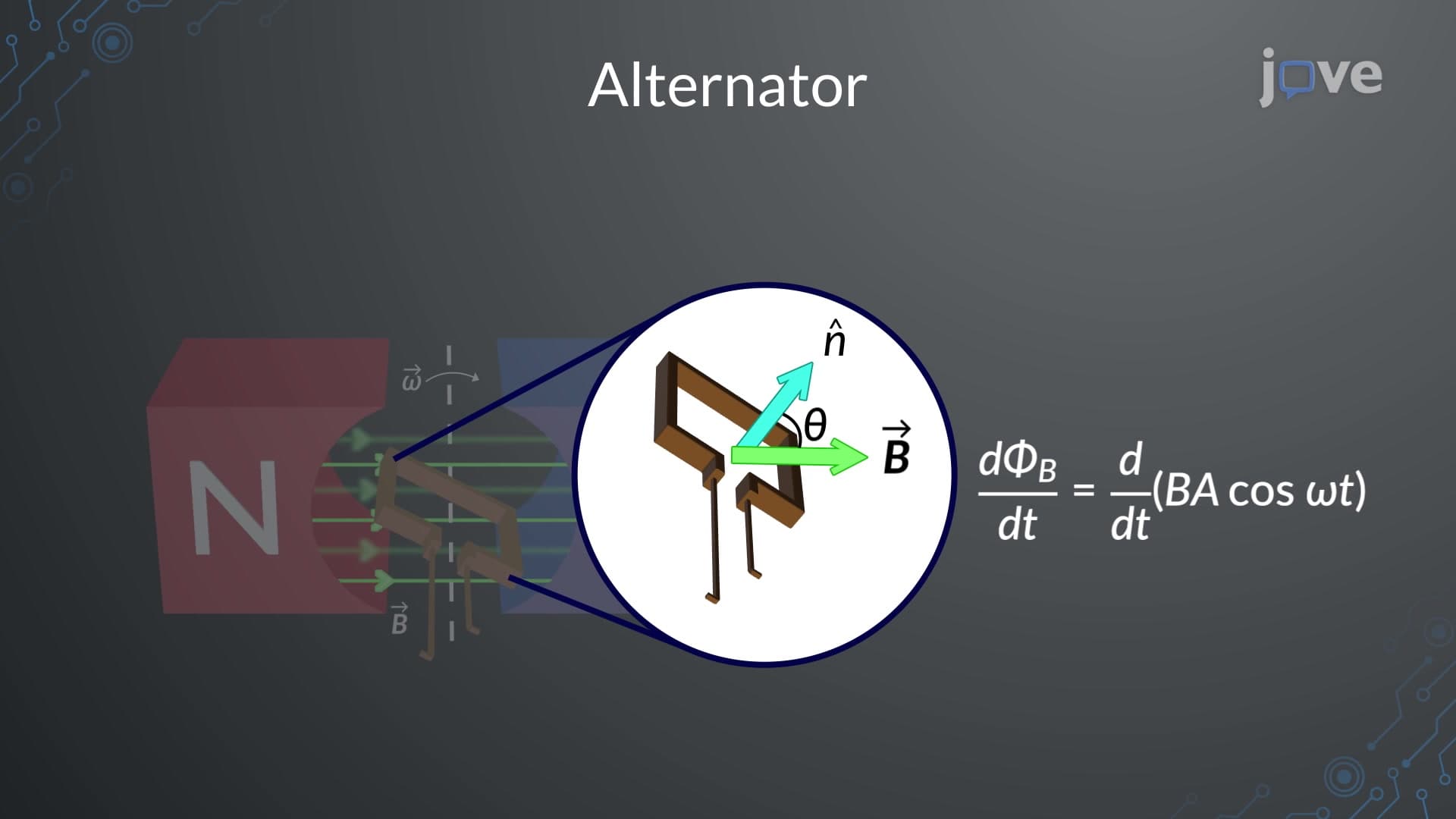
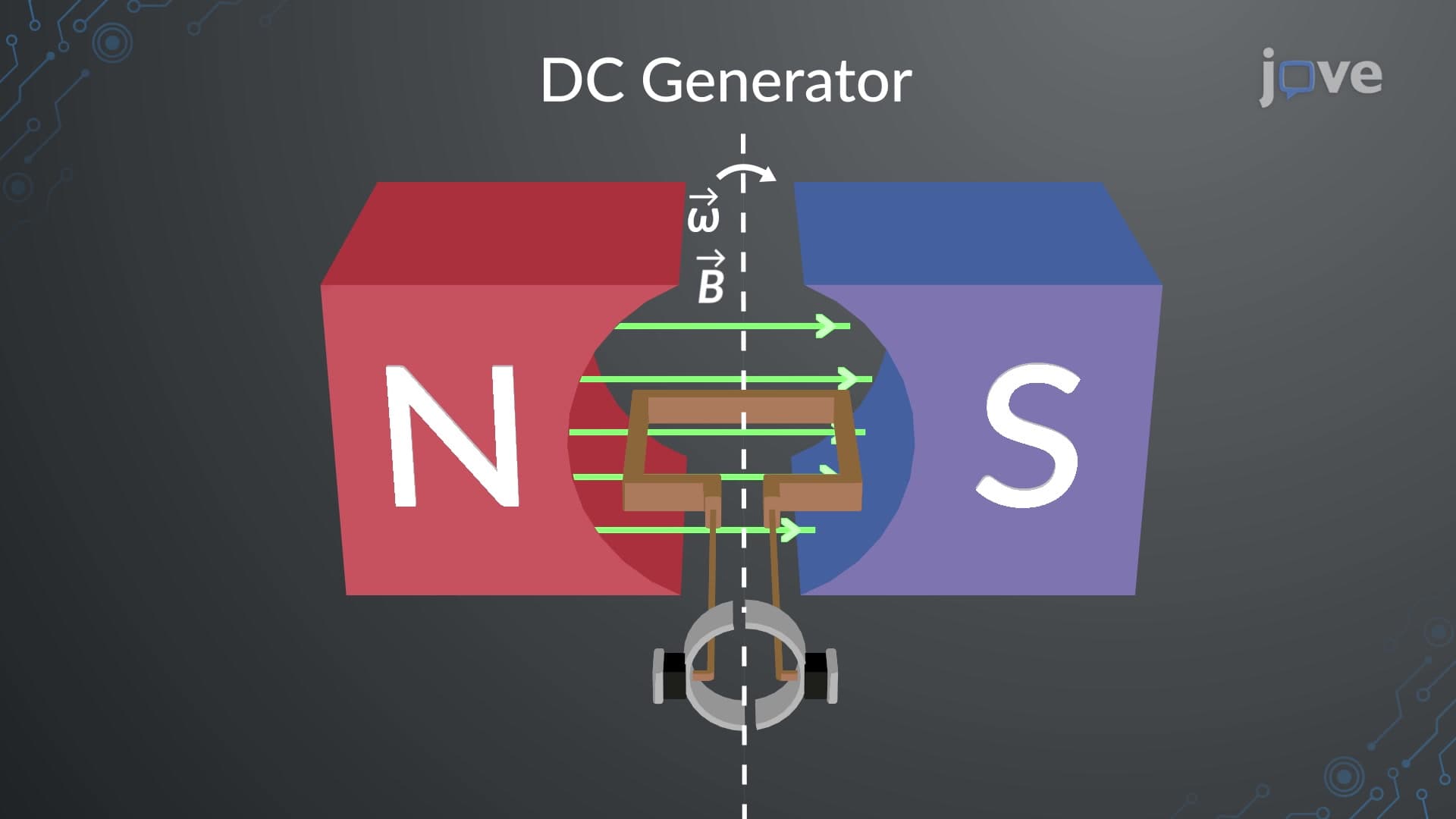
Motional emf principles power numerous technologies throughout American infrastructure. Electric utilities use massive generators where rotating coils move through magnetic fields to produce electricity for millions of homes. Wind turbines across Texas and California convert wind energy into electrical energy through motional emf generation in their rotating generators.
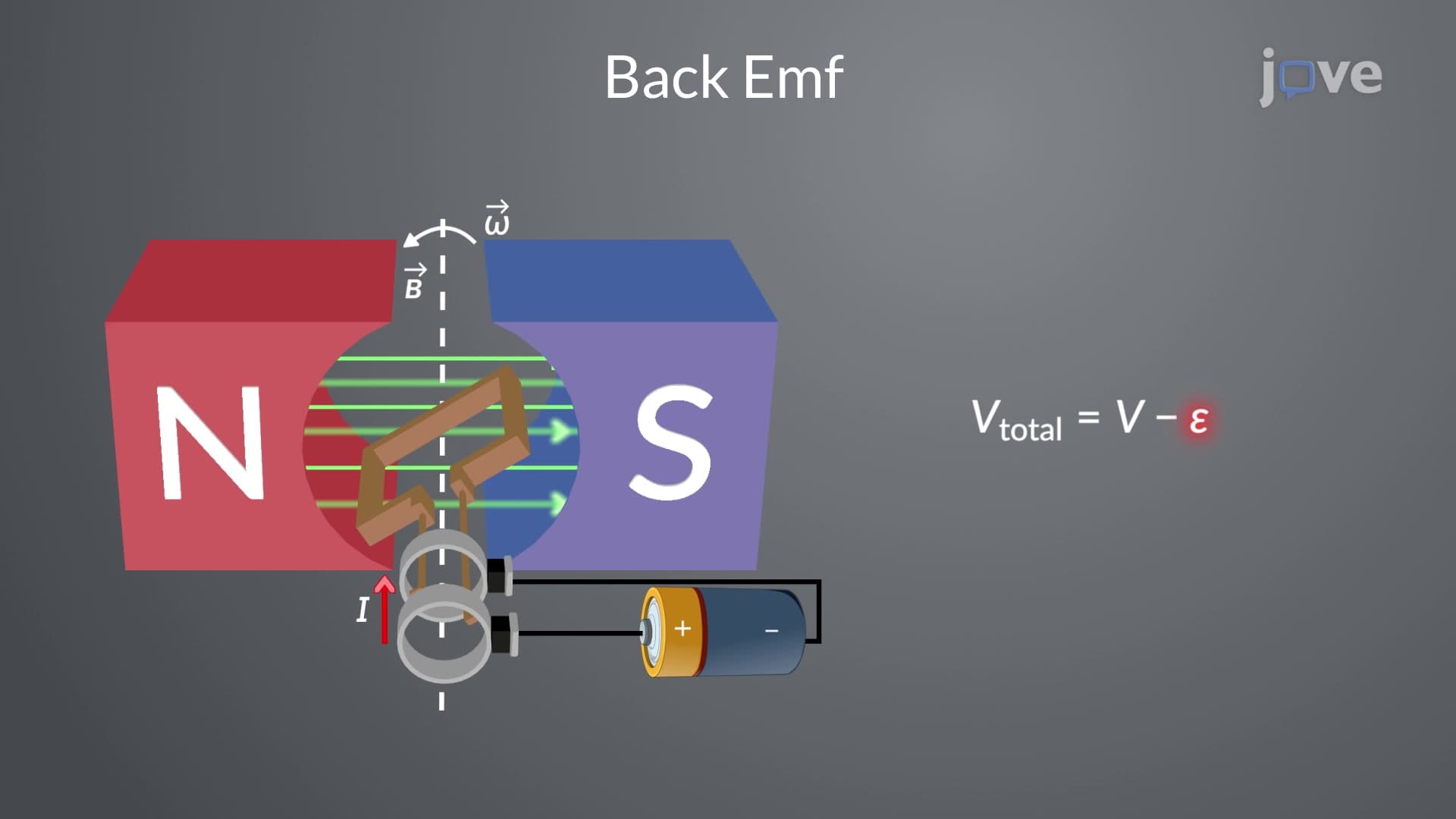
Transportation systems extensively utilize motional emf concepts. Regenerative braking in electric vehicles converts kinetic energy back into stored electrical energy, improving efficiency and extending battery life. Railroad systems use electromagnetic brakes that rely on motional emf to create opposing forces for smooth, wear-free stopping.
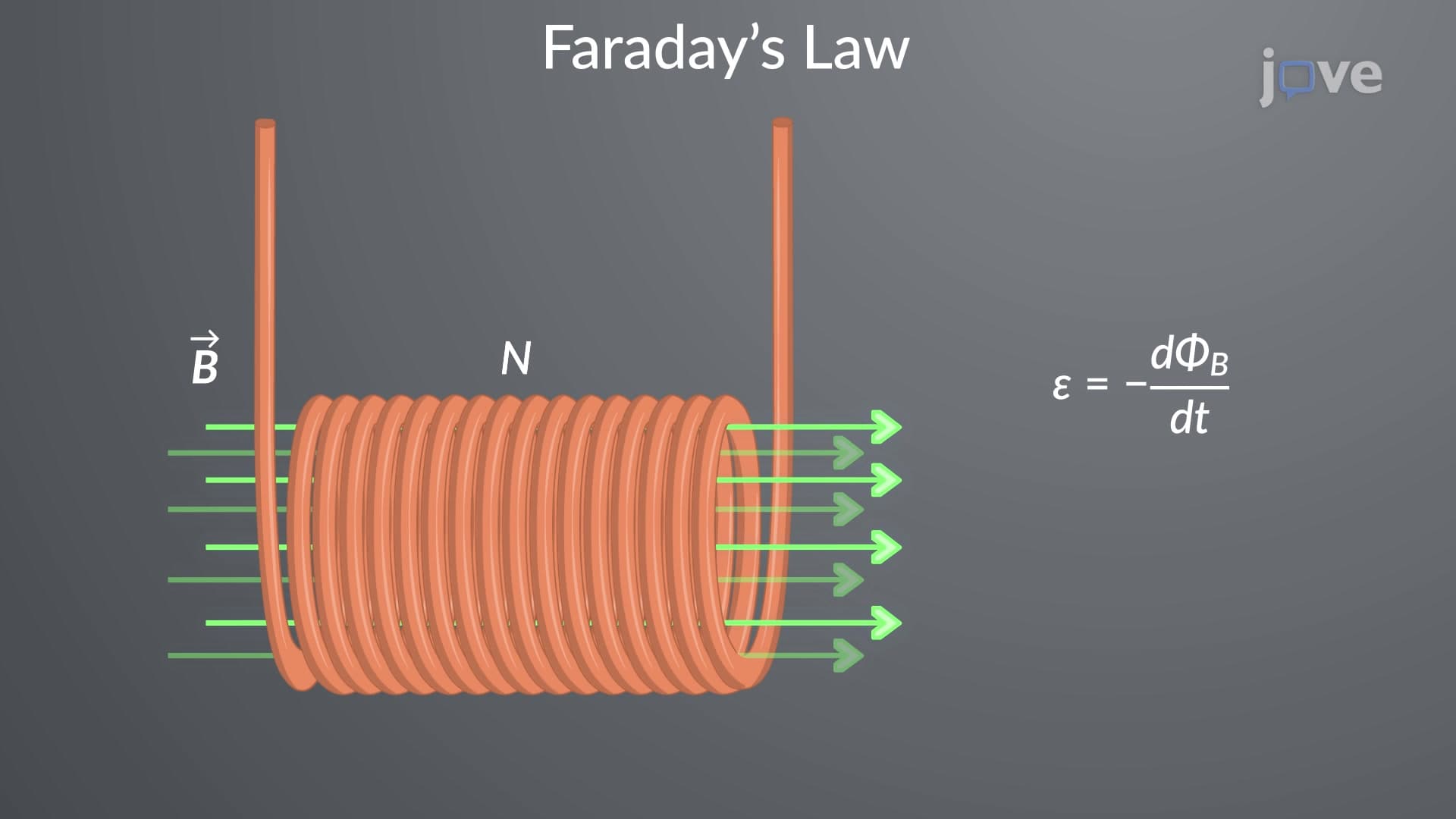
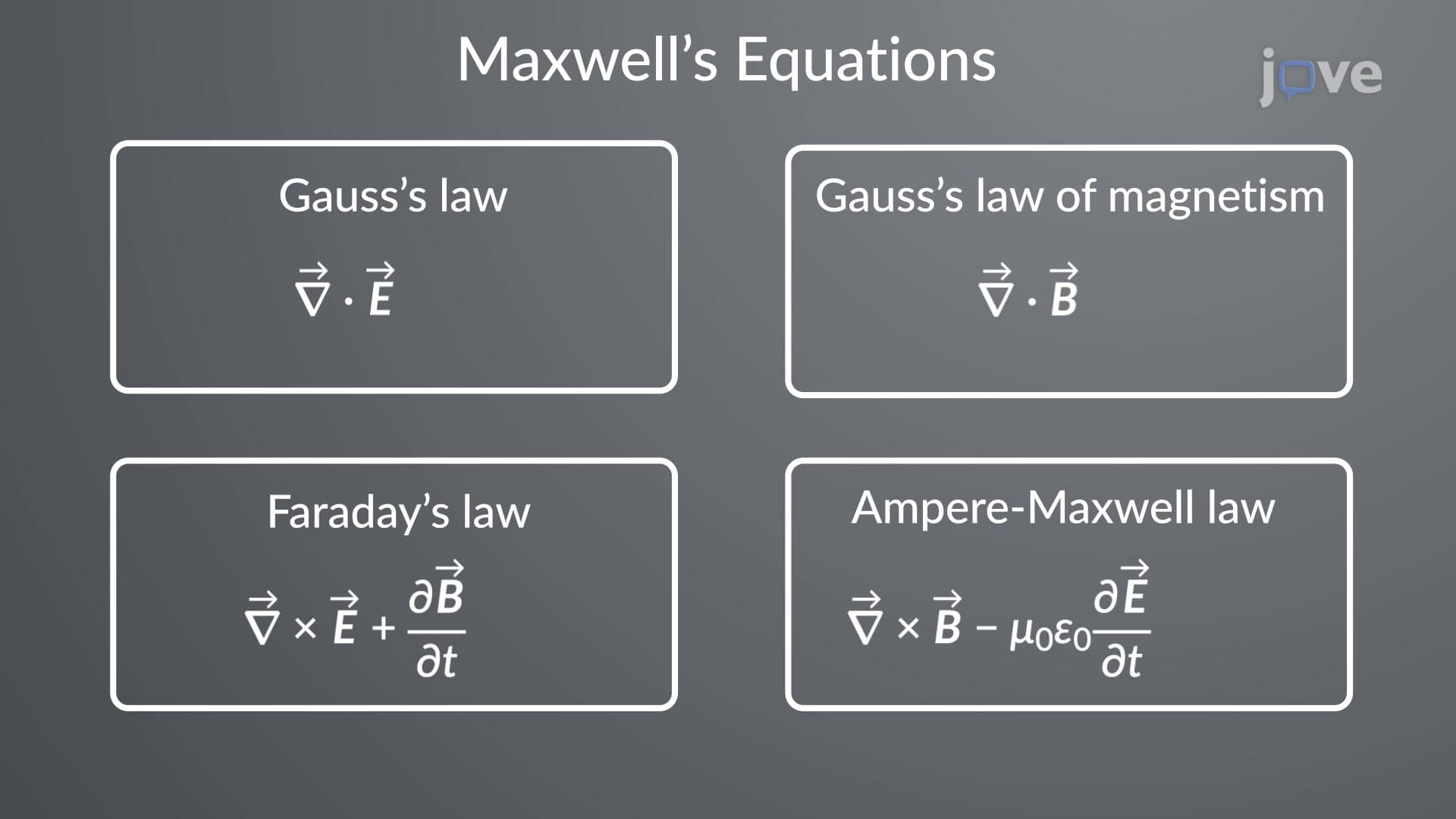
AP Physics exams frequently test motional emf calculations using Faraday's law: ε = -dΦ/dt, where magnetic flux Φ = BA. Students must recognize that changing flux can result from varying magnetic field strength, loop area, or orientation. College physics courses emphasize connecting motional emf to conservation of energy principles, demonstrating how mechanical work converts to electrical energy.
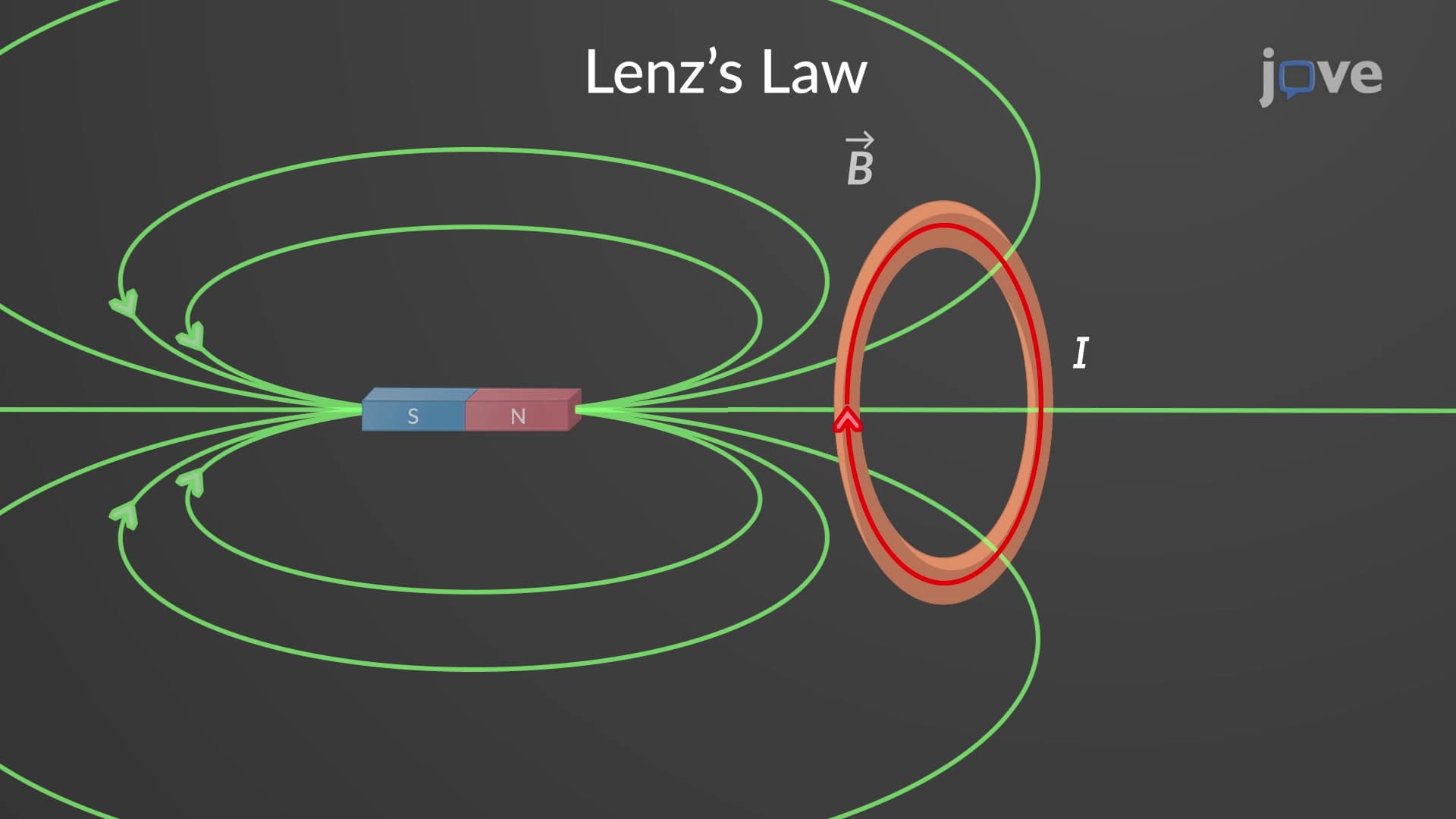
Successful problem-solving requires identifying the geometry, determining velocity components perpendicular to the magnetic field, and applying appropriate sign conventions. Understanding Lenz's law helps predict induced current direction, ensuring complete analysis of electromagnetic induction scenarios.
Related Micro-courses