Loading subject page…


274,847 views


Video Summary: Newtons First Law Introduction Explained
Why does a hockey puck glide across ice for so long while a ball rolled on grass stops quickly? Newton's first law introduction reveals that objects naturally resist changes to their motion-a principle that revolutionized physics after 2,000 years of incorrect assumptions. From NASA spacecraft maintaining velocity in space to understanding car safety features like seatbelts, this fundamental concept explains motion all around us. Watch the full video on JoVE Coach to master this concept with expert-led visuals and step-by-step explanations.
For over two millennia, scientists accepted Aristotle's flawed explanation that objects naturally come to rest and require constant force to keep moving. This Newton's first law introduction reveals how Galileo's brilliant insights paved the way for Newton's revolutionary understanding of motion. The law states that every object remains at rest or continues moving at constant velocity unless acted upon by a net external force-a concept now known as the law of inertia.
Galileo's genius lay in his thought experiment using smooth inclined planes. When a bronze ball rolls down one incline and up another, it reaches nearly the same height regardless of the second plane's angle. As the second incline becomes less steep, the ball travels farther to reach that height. Logically, on a perfectly horizontal surface, the ball would roll forever trying to regain its original height. This insight shattered the ancient belief that force was needed to maintain motion.
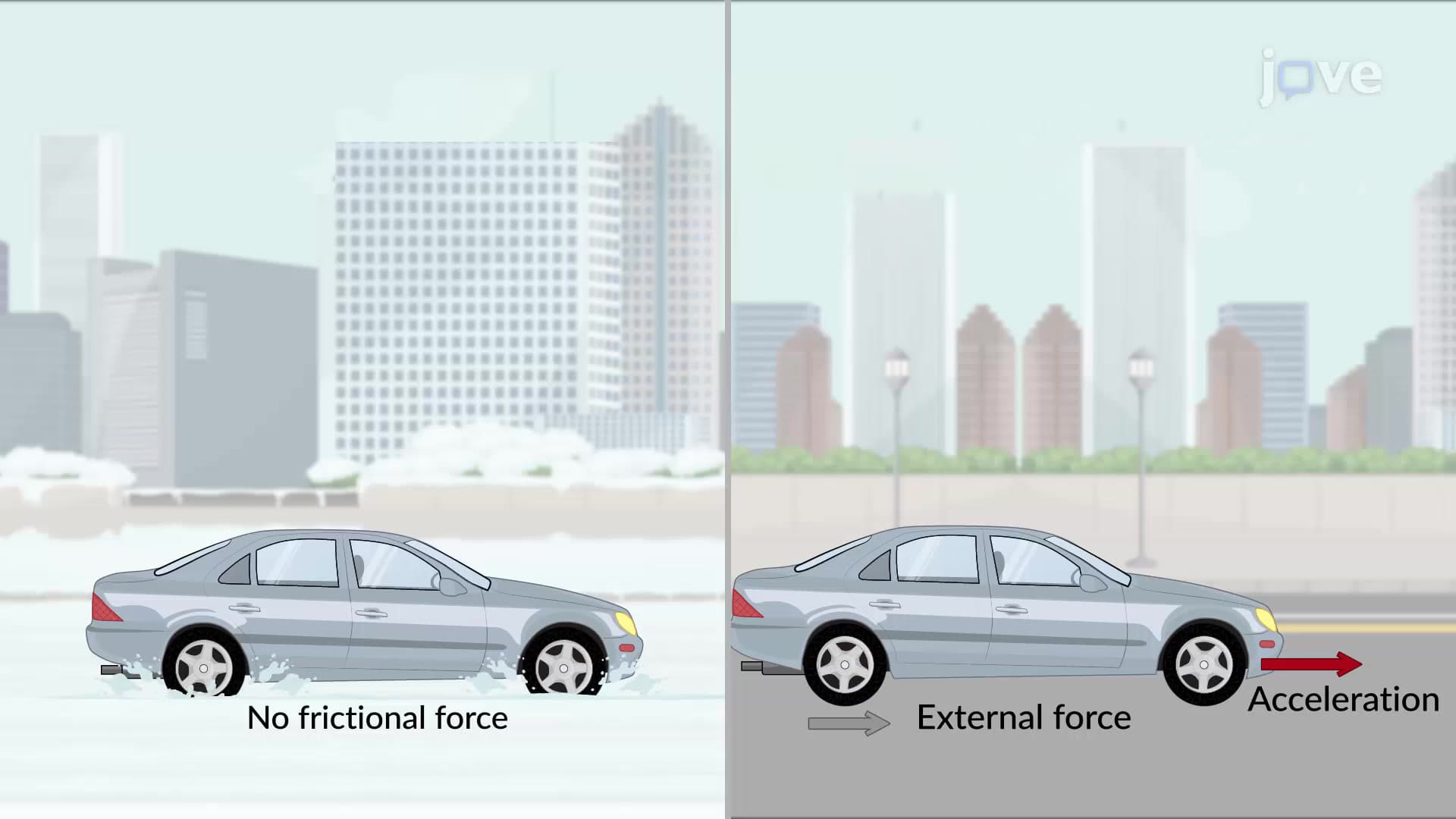
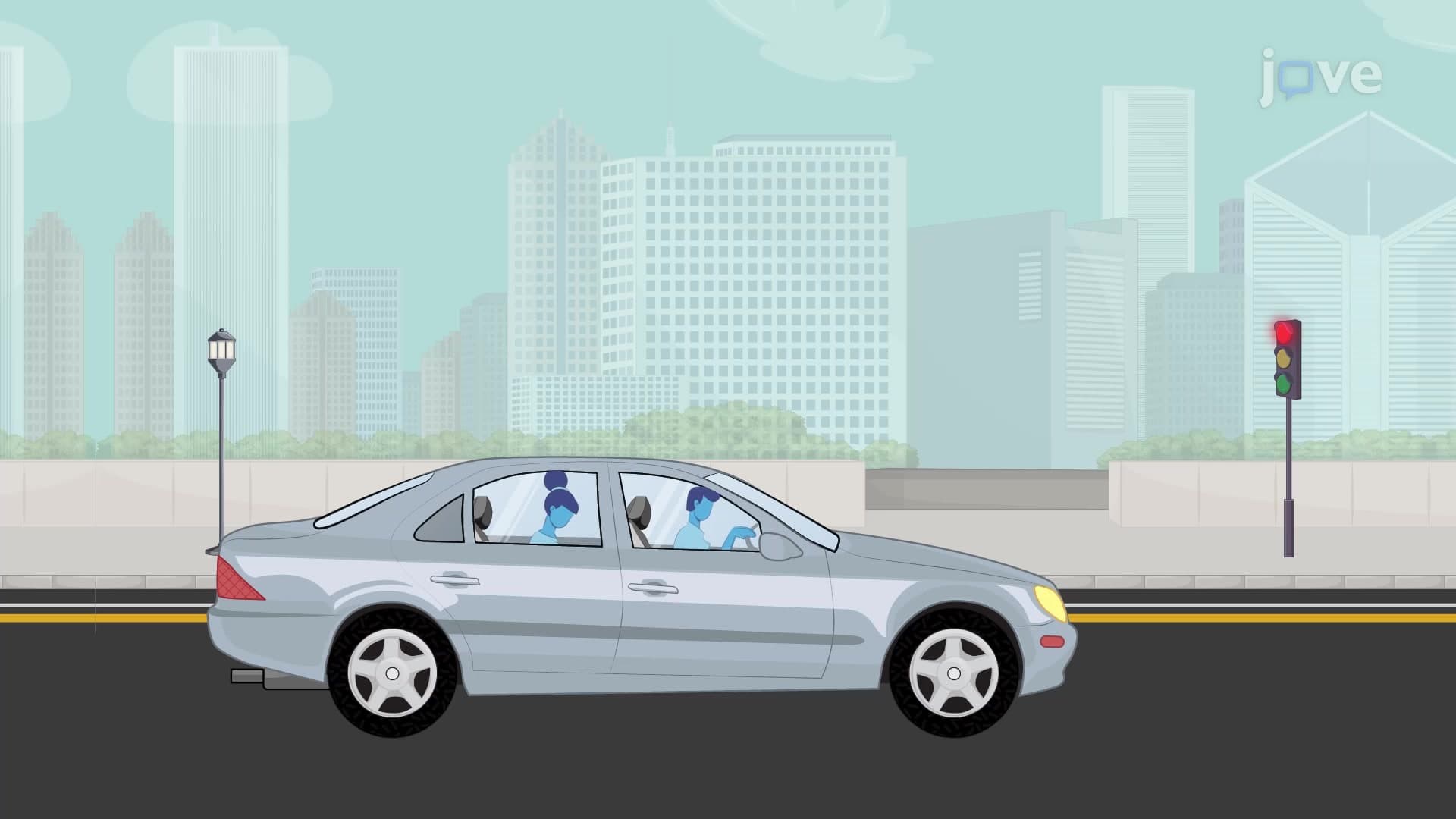
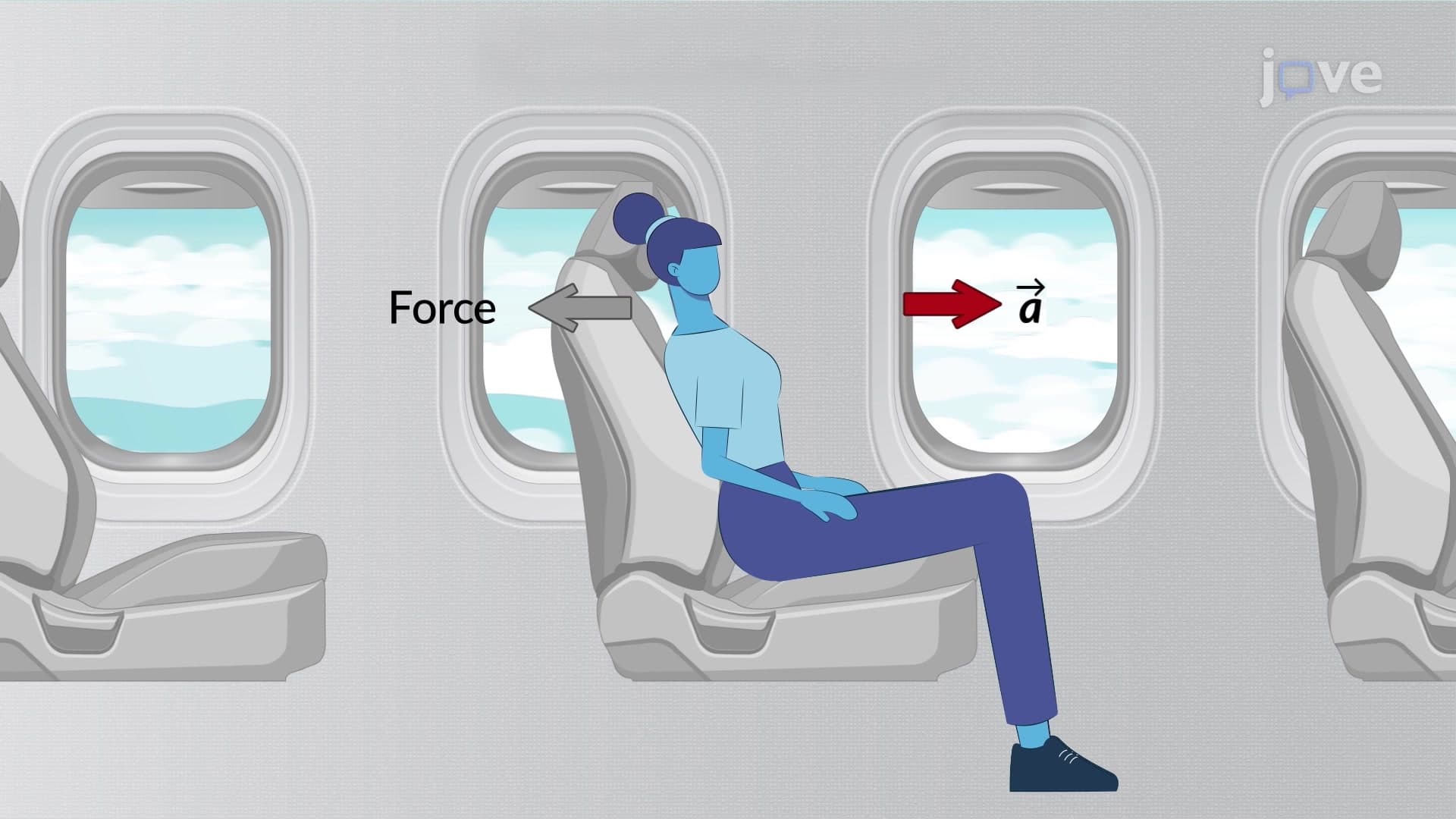
Newton's first law introduction becomes clearer when examining everyday American experiences. Consider a passenger in a car: when the vehicle suddenly stops, your body continues moving forward due to inertia-hence the critical importance of seatbelts. Similarly, astronauts aboard the International Space Station experience this law constantly, as objects float in straight lines until something redirects them. In sports, a football thrown by a quarterback would theoretically travel in a straight line forever in space, but air resistance and gravity act as external forces on Earth.
Students encountering how Newton's first law works in AP Physics courses must distinguish between balanced and unbalanced forces. On the SAT Subject Test in Physics, questions often present scenarios where students identify whether objects experience zero net force. College-level physics courses expand this concept to include vector analysis and reference frames. The MCAT frequently tests this principle in biological contexts, such as how blood flow changes when external forces affect circulation. Understanding this foundational concept is essential for mastering more complex topics like momentum, energy, and rotational motion that appear throughout undergraduate physics curricula.
Related Micro-courses