Loading video…


 16 Concepts
 274.8K views

Video Summary: What Is Newtons Second Law
Why does a NASCAR driver experience more force during a high-speed crash than a fender-bender? Newton's second law explains this life-or-death physics principle that governs every collision, sports play, and rocket launch. From calculating the force needed to accelerate a Tesla Model S to understanding why airbags save lives, What is Newton's Second Law connects mathematical relationships to real-world motion. This fundamental concept bridges the gap between theoretical physics and practical engineering applications. Watch the full video on JoVE Coach to master this concept with expert-led visuals and step-by-step explanations.
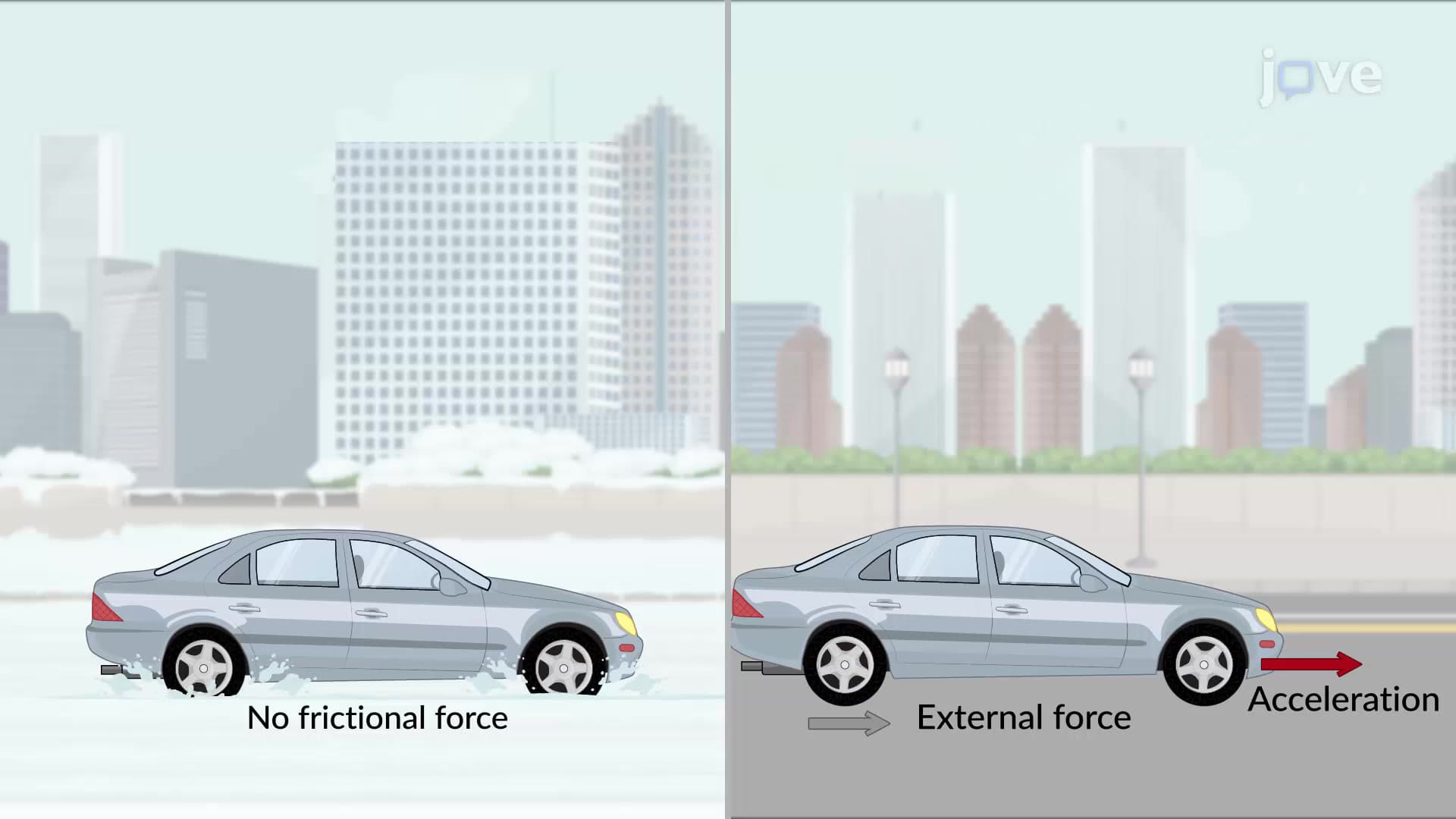
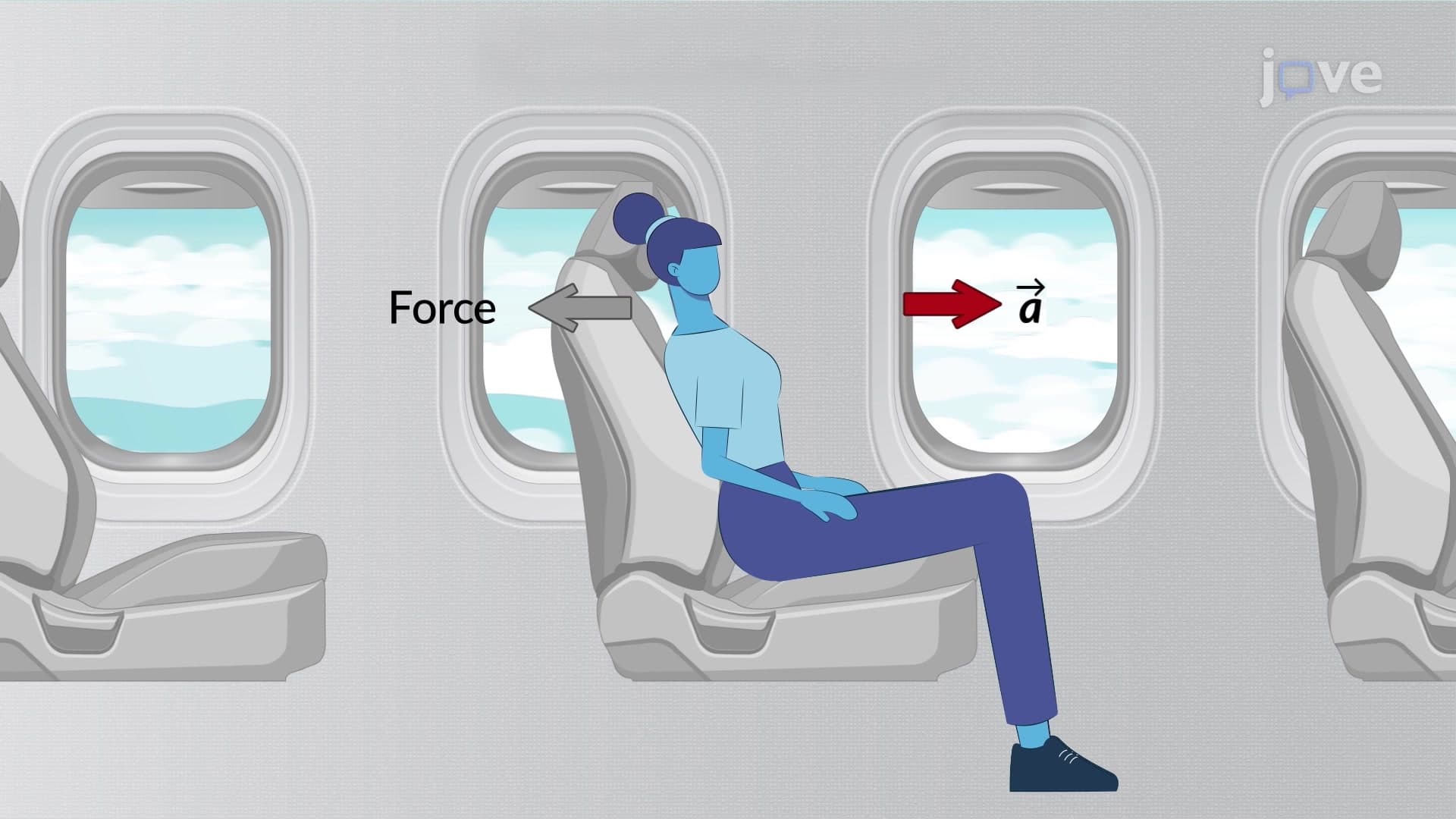
Newton's second law of motion establishes the quantitative relationship between the forces acting on an object and its resulting motion. This law states that the acceleration of an object is directly proportional to the net external force acting upon it and inversely proportional to its mass. Mathematically, this relationship is expressed as F = ma, where F represents the net external force (in Newtons), m is the object's mass (in kilograms), and a is the acceleration (in meters per second squared).
The law reveals why a professional football linebacker can tackle with devastating force while a child pushing the same direction produces minimal impact. The force generated depends not only on the acceleration achieved but also on the mass of the moving object. This principle underlies everything from NASA's rocket thrust calculations to automotive safety testing protocols used by the National Highway Traffic Safety Administration.
The beauty of Newton's second law lies in its predictive power across vastly different scales. When engineers at SpaceX calculate the thrust needed for a Falcon 9 rocket, they apply the same fundamental equation used by high school students solving homework problems. If you double the net force on an object while keeping mass constant, acceleration doubles proportionally. Conversely, doubling an object's mass while maintaining constant force cuts acceleration in half.
Consider a practical example: When a Major League Baseball pitcher throws a 95-mph fastball, the massive force applied over a short time accelerates the relatively small mass of the baseball to incredible speeds. The same pitcher couldn't achieve comparable acceleration with a bowling ball because the increased mass would dramatically reduce the achievable acceleration for the same applied force.
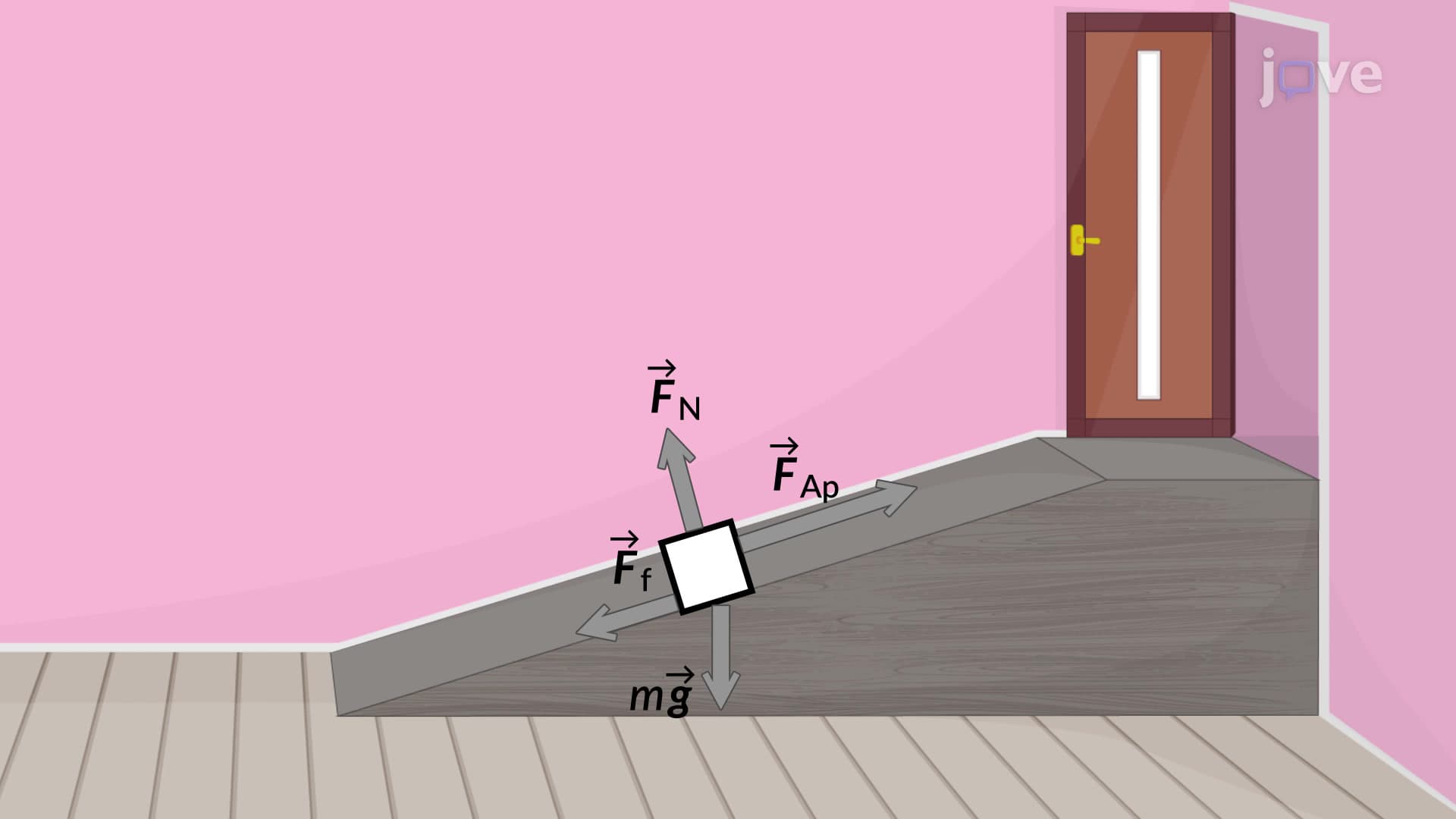
Students preparing for AP Physics exams frequently encounter Newton's second law in collision problems, inclined plane scenarios, and circular motion questions. The College Board emphasizes understanding how multiple forces combine to create net external force, requiring vector addition skills. On the SAT Subject Test in Physics, students must quickly identify which forces contribute to acceleration and which maintain equilibrium.
Medical school applicants face Newton's second law applications on the MCAT, particularly in biomechanics contexts. Understanding how muscles generate forces to accelerate limbs during motion helps explain everything from athletic performance to rehabilitation therapy effectiveness. Emergency medicine residents learn that crash severity correlates directly with the forces calculated using Newton's second law-higher speeds and more massive vehicles create proportionally greater impact forces, explaining injury patterns and treatment priorities.
Related Micro-courses