Loading video…


 18 Concepts
 52.4K views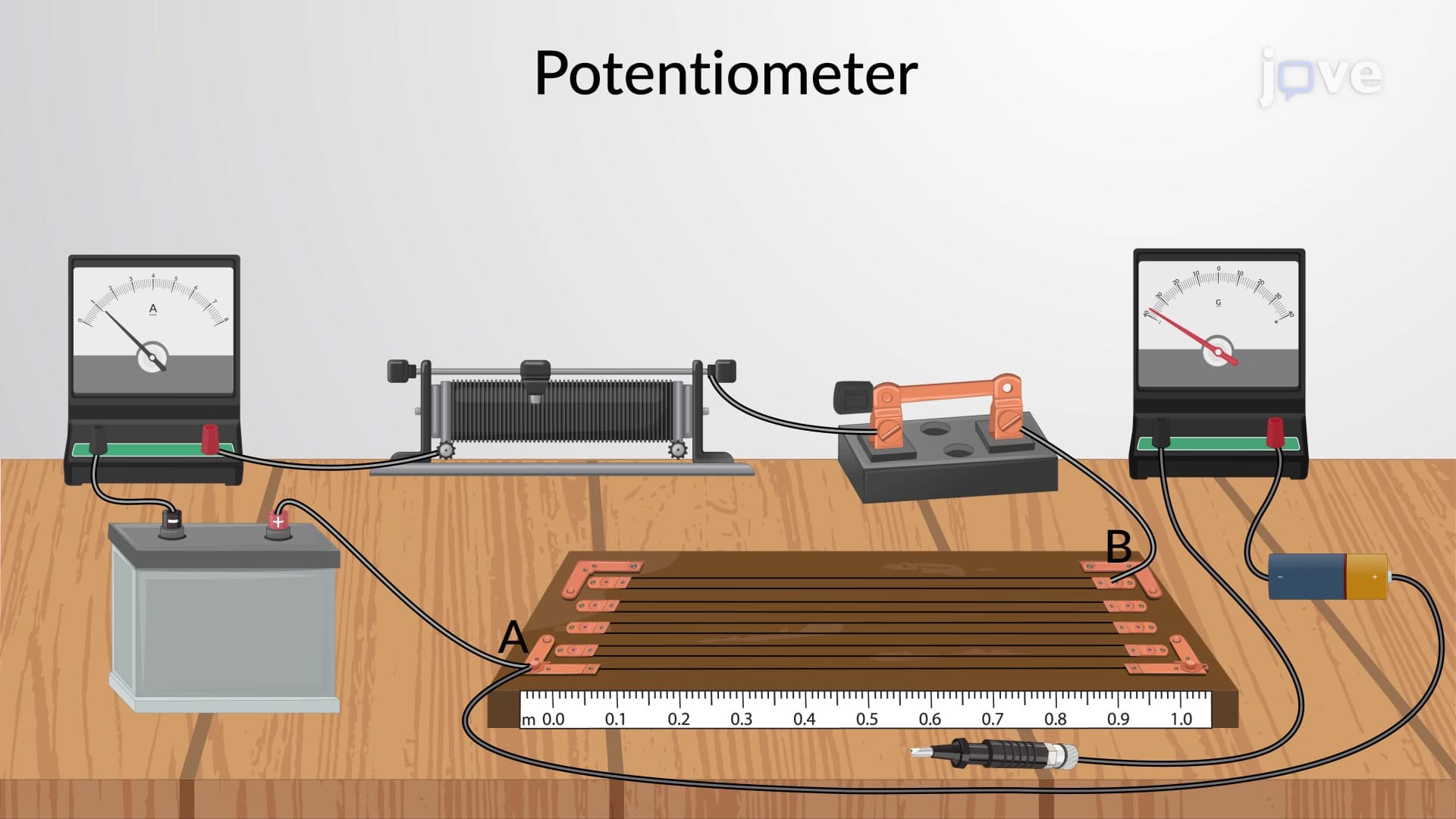

Video Summary: What Is Potentiometer
Ever wonder why your smartphone battery meter sometimes shows different readings than the actual charge remaining? A potentiometer solves this measurement mystery by providing incredibly accurate voltage readings without drawing current from the source being tested. Unlike standard voltmeters used in high school physics labs across the US, potentiometers employ a clever balancing technique that eliminates measurement errors caused by internal resistance. Watch the full video on JoVE Coach to master this concept with expert-led visuals and step-by-step explanations.
A potentiometer represents one of the most elegant solutions in electrical measurement, designed to determine electromotive force (EMF) with exceptional accuracy. This sophisticated instrument operates on the principle of null measurement, where the unknown voltage is balanced against a known potential difference, resulting in zero current flow through the measuring circuit. This zero-current condition eliminates errors caused by internal resistance, making potentiometers far superior to conventional voltmeters for precise measurements.
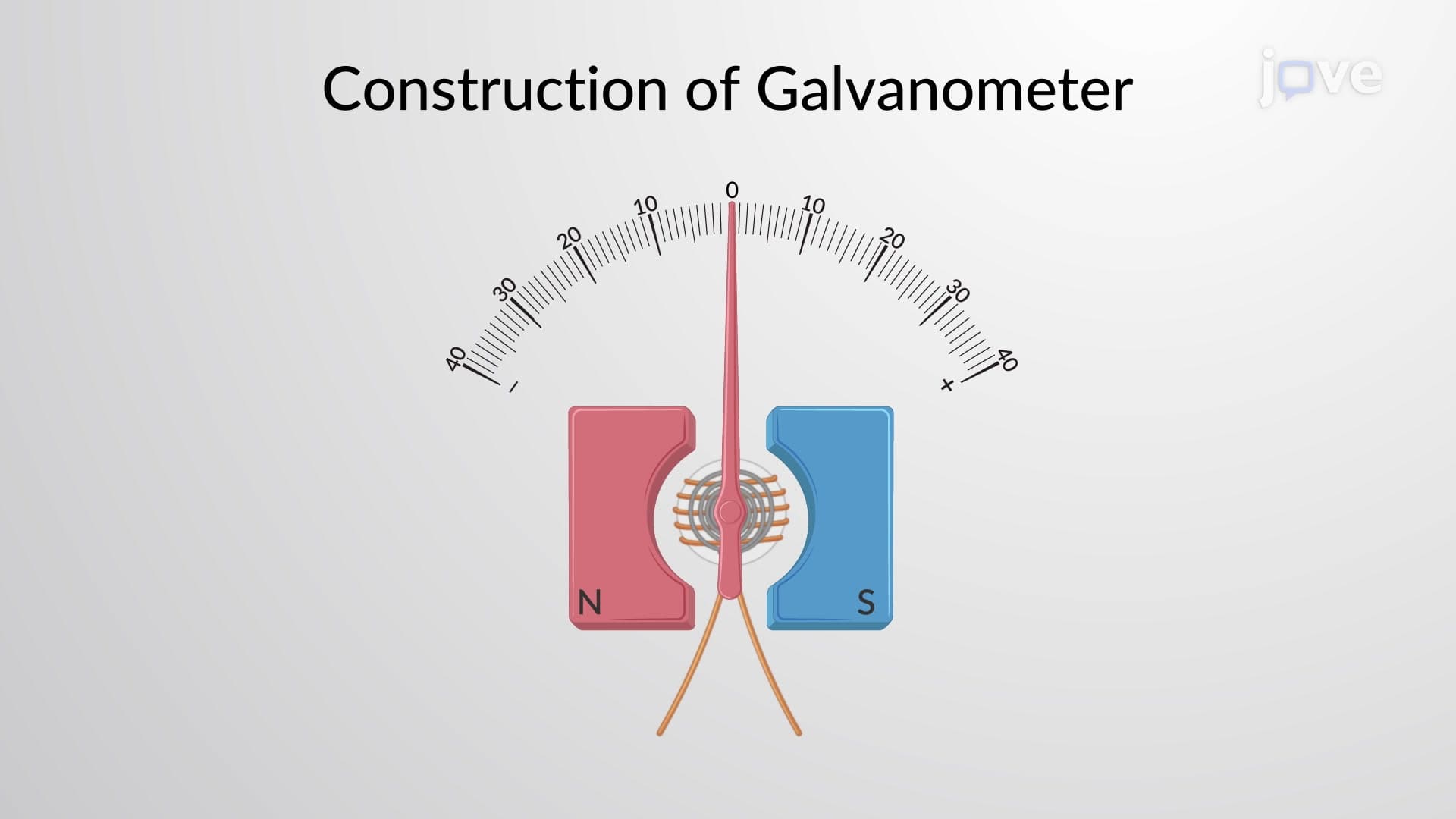
The potentiometer concept relies on creating a uniform potential gradient across a long resistive wire. When a steady current flows through this wire, it establishes a linear voltage drop along its length. The unknown EMF source connects to this wire through a galvanometer and a movable contact called a jockey. By adjusting the contact position until the galvanometer reads zero, you achieve a perfect balance where the unknown EMF exactly equals the potential drop across that wire segment.
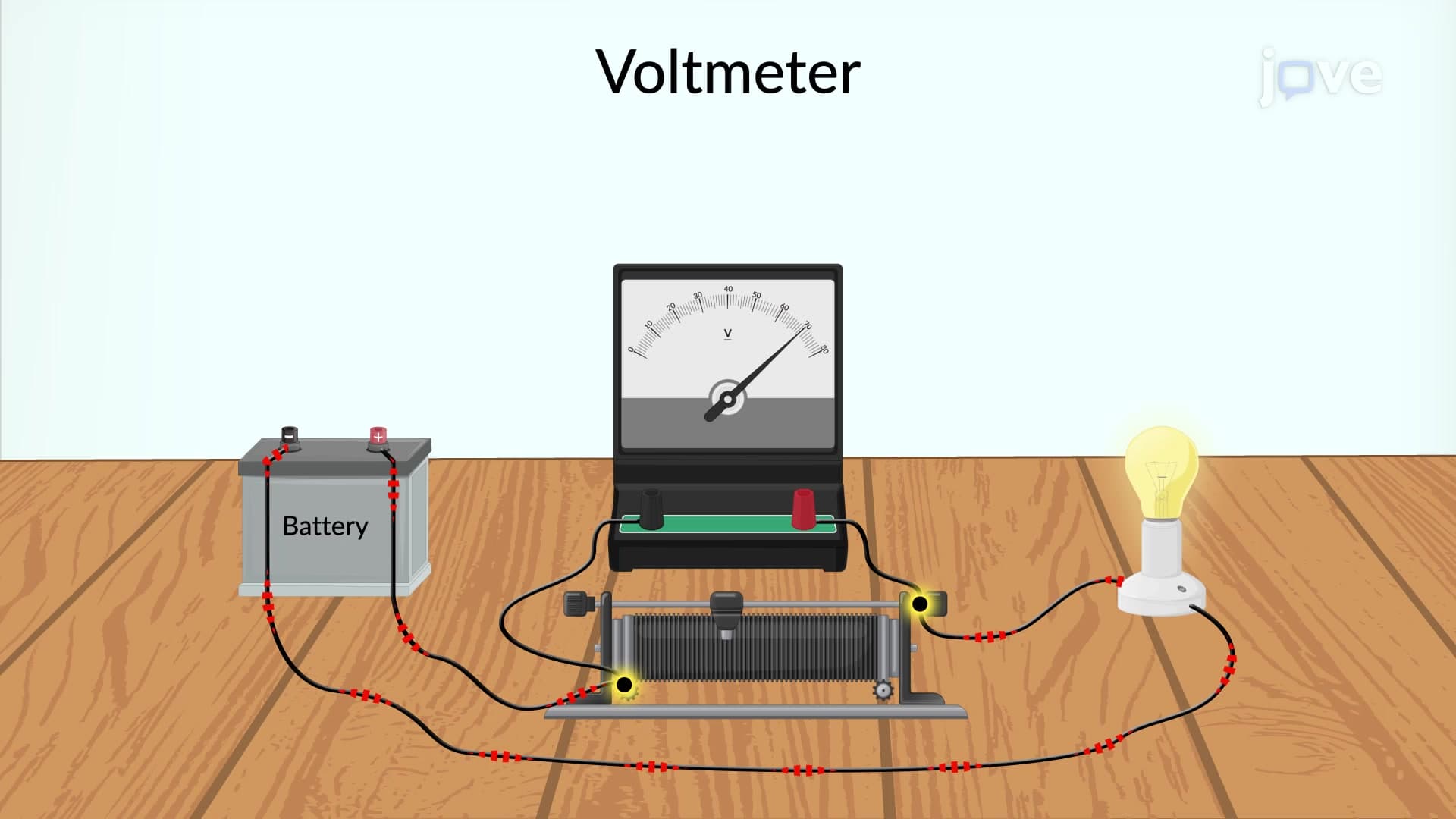
This balancing act eliminates the fundamental problem with voltmeters: they draw current to operate, which affects the measurement accuracy. In contrast, the potentiometer definition emphasizes its ability to measure true EMF without current flow, making it invaluable for precise electrical measurements in research laboratories and calibration facilities across US universities.
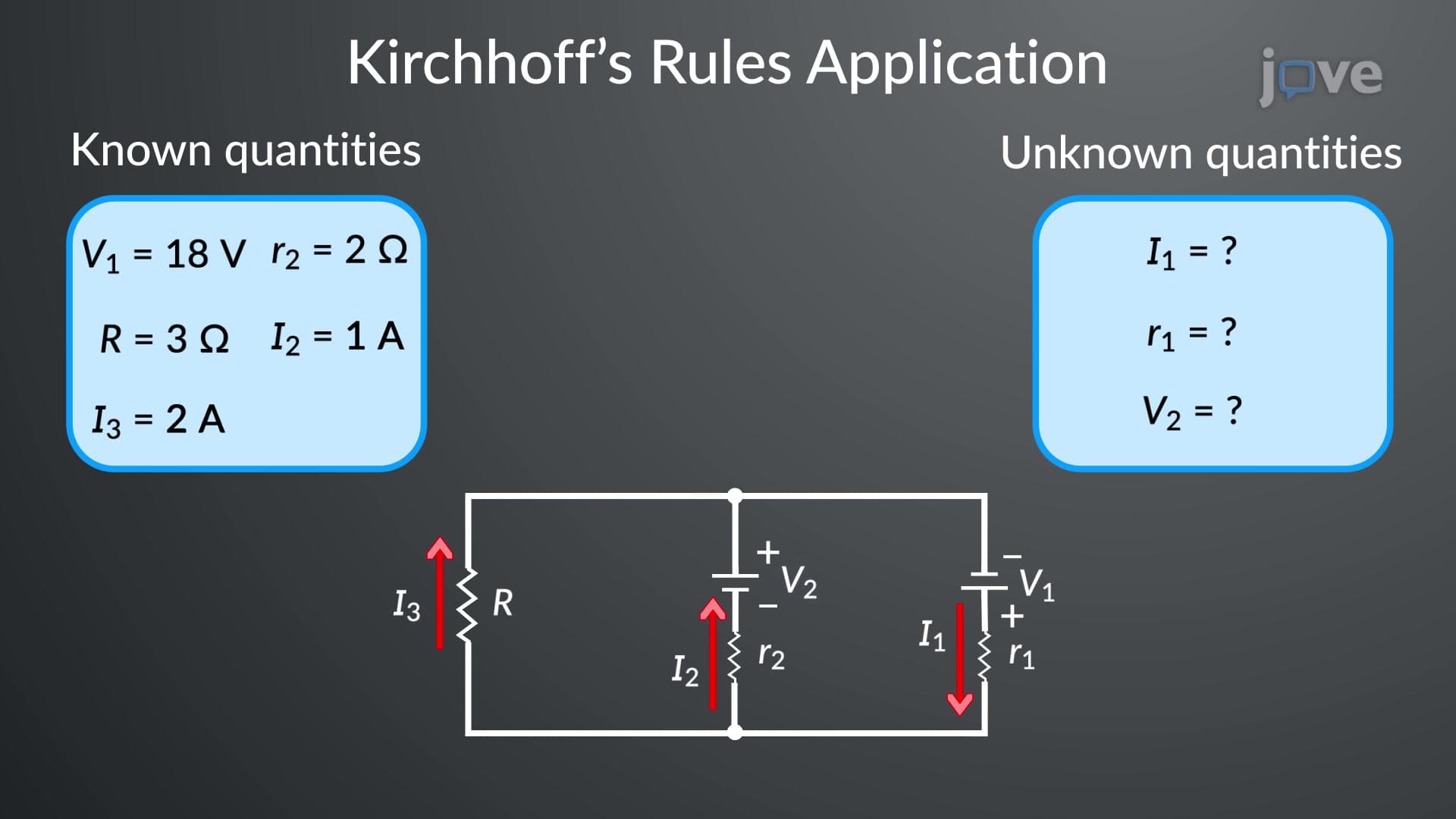
Potentiometer basics appear frequently in AP Physics courses and college-level electrical engineering programs. Students encounter this concept when studying Kirchhoff's laws, internal resistance effects, and precision measurement techniques. The mathematical relationship governing potentiometer operation-where the unknown EMF equals the ratio of balanced lengths multiplied by the standard EMF-forms the foundation for many exam problems on the MCAT and engineering entrance tests.
In practical applications, potentiometer principles guide the design of high-precision voltage references used in digital multimeters, laboratory power supplies, and electronic calibration equipment. Major US companies like Keysight Technologies and Fluke Corporation incorporate these measurement principles into their professional instrumentation.
Understanding potentiometer calculations requires grasping the proportional relationship between wire lengths and voltages. When the galvanometer shows zero deflection, the unknown EMF (E1) relates to the standard EMF (E2) through the equation: E1/E2 = L1/L2, where L1 and L2 represent the respective balanced lengths. This elegant relationship allows precise EMF determination using only length measurements and a known reference voltage, making potentiometers essential tools in both educational laboratories and professional metrology applications.
Related Micro-courses