Loading video…


 18 Concepts
 52.4K views

Video Summary: What Is Electromotive Force
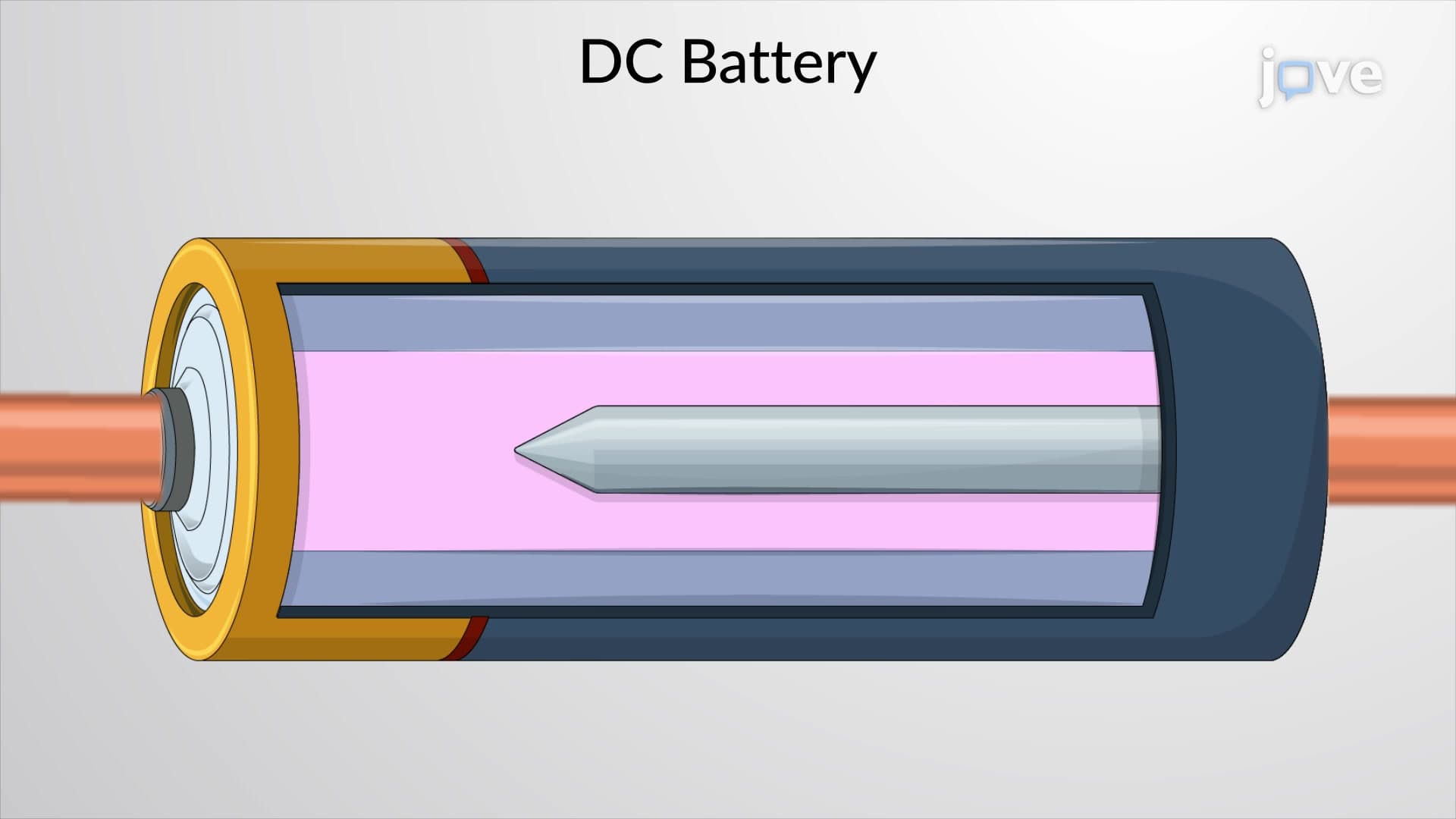
When your smartphone battery shows 3.7 volts but actually delivers less power as it drains, you're witnessing electromotive force in action. Electromotive force represents the maximum voltage a battery can theoretically provide, distinct from the actual voltage you measure across its terminals. Named by Alessandro Volta, this concept explains why a standard AA battery rated at 1.5 volts might only deliver 1.3 volts when powering your TV remote. Watch the full video on JoVE Coach to master this concept with expert-led visuals and step-by-step explanations.
Electromotive force (EMF) represents one of the most fundamental yet misunderstood concepts in electrical physics. Despite its name suggesting a mechanical force, EMF actually describes the potential difference that drives electrical current through a circuit. Think of it as the "electrical pressure" that pushes electrons from the negative terminal to the positive terminal of a power source.
The electromotive force definition centers on work and energy transfer. EMF quantifies the amount of work done per unit charge to move electrons across the terminals of a power source. Measured in volts, EMF represents the maximum voltage a battery or generator can theoretically deliver under ideal conditions-specifically, in an open circuit where no current flows.
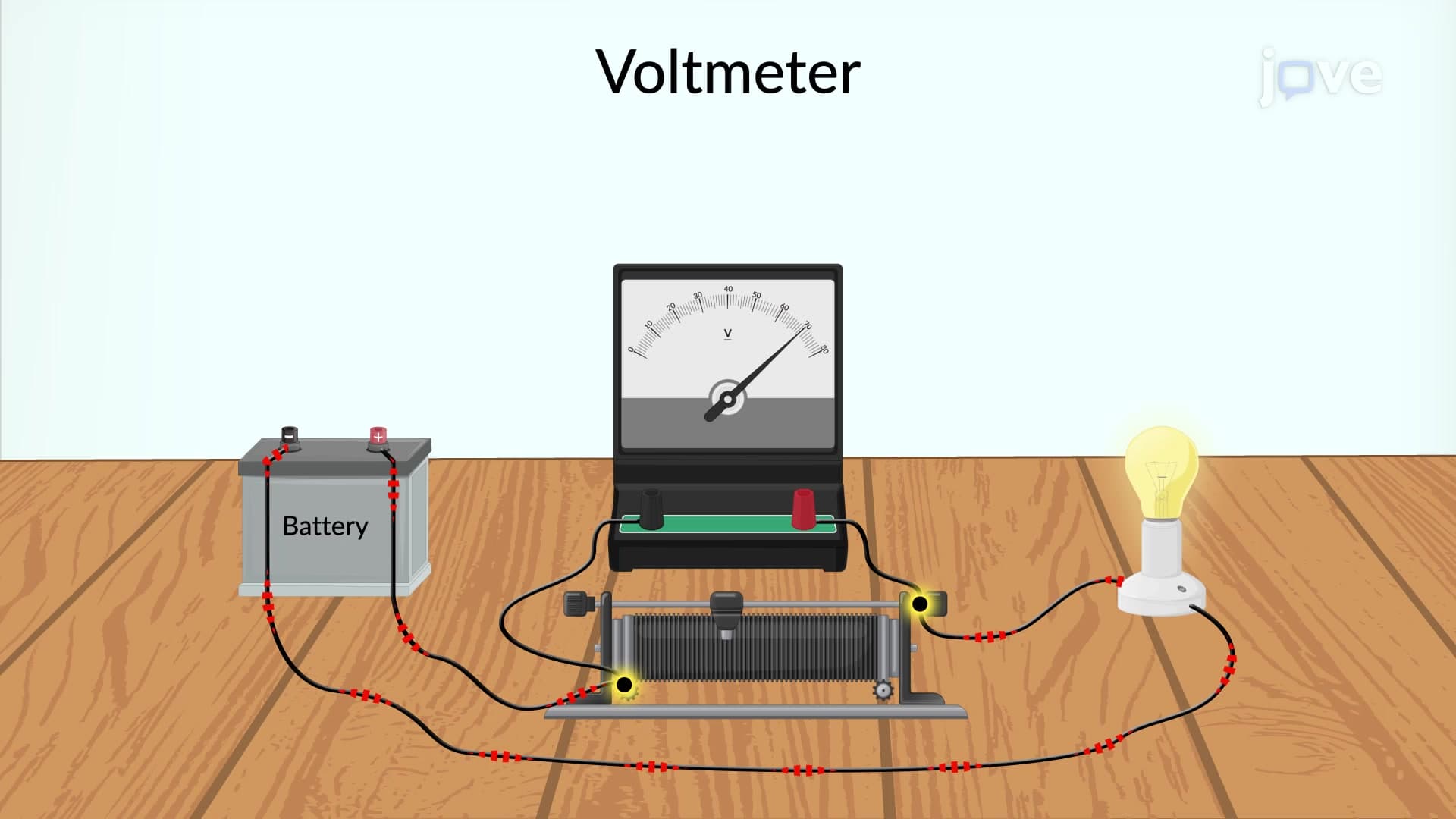
When students encounter what is electromotive force in detail, they often struggle with the distinction between EMF and terminal voltage. Consider a typical car battery rated at 12 volts EMF. When you measure across its terminals with a multimeter while the engine is off (open circuit), you might read close to 12 volts. However, when starting the engine (closed circuit), that voltage drops significantly due to the battery's internal resistance.
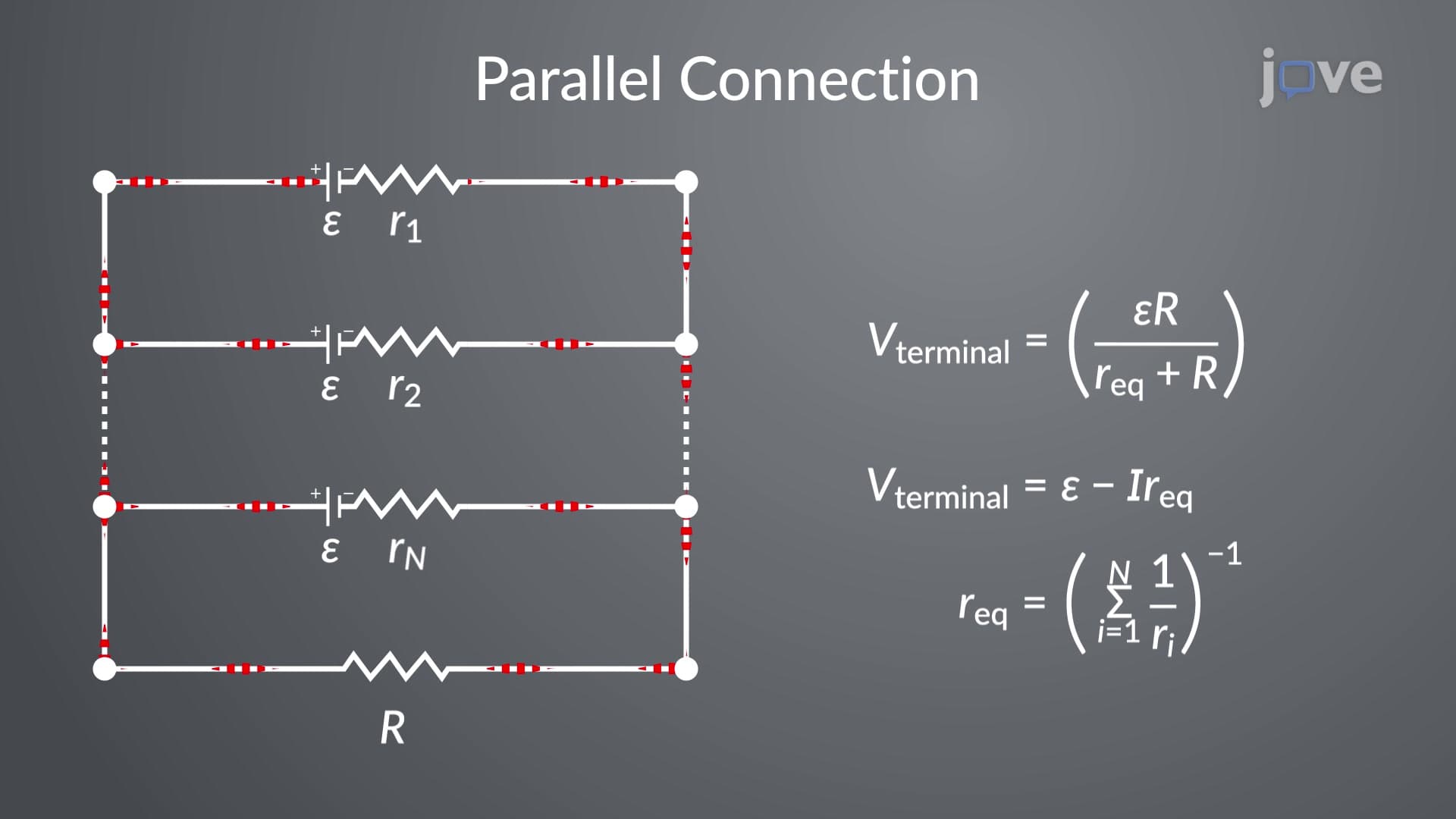
Every real battery contains internal resistance that creates a voltage drop when current flows. This explains why your laptop battery might show 11.1 volts when fully charged but deliver less voltage under heavy computational loads. The terminal voltage equation becomes: Terminal Voltage = EMF - (Current × Internal Resistance).
In AP Physics courses, students frequently encounter problems involving EMF calculations. For instance, if a battery has an EMF of 9 volts and internal resistance of 0.5 ohms, and supplies 2 amperes to a circuit, the terminal voltage equals 9V - (2A × 0.5Ω) = 8 volts.
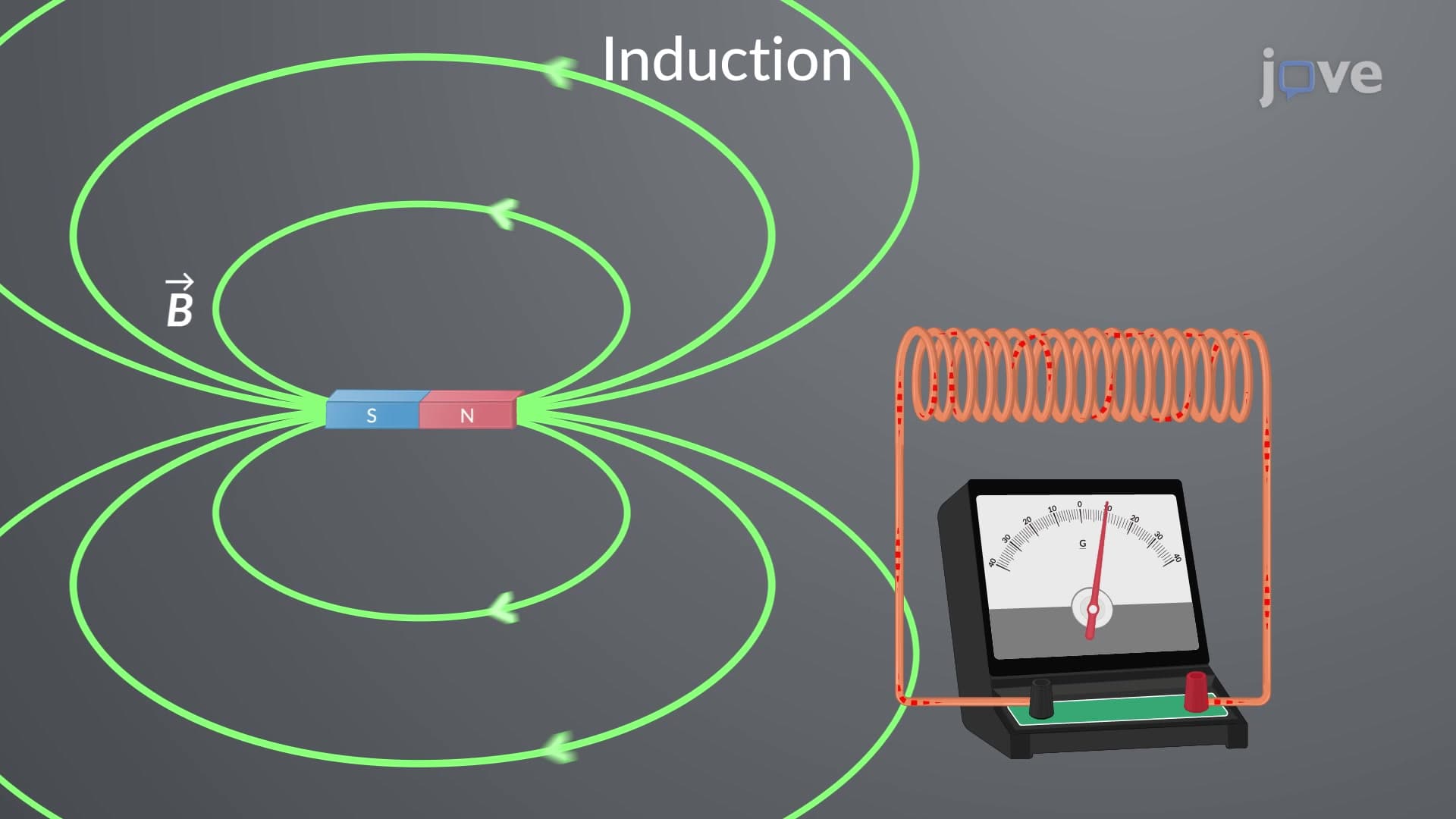
Understanding electromotive force basics proves crucial for success in standardized tests like the AP Physics exam and SAT Subject Test in Physics. Problems often require students to distinguish between ideal voltage sources (pure EMF) and real-world batteries with internal resistance. College-level physics courses expand this foundation to include electromagnetic induction, where changing magnetic fields generate EMF in conductors-the principle behind electric generators and transformers powering American homes and industries.
Related Micro-courses