Loading video…


 18 Concepts
 52.4K views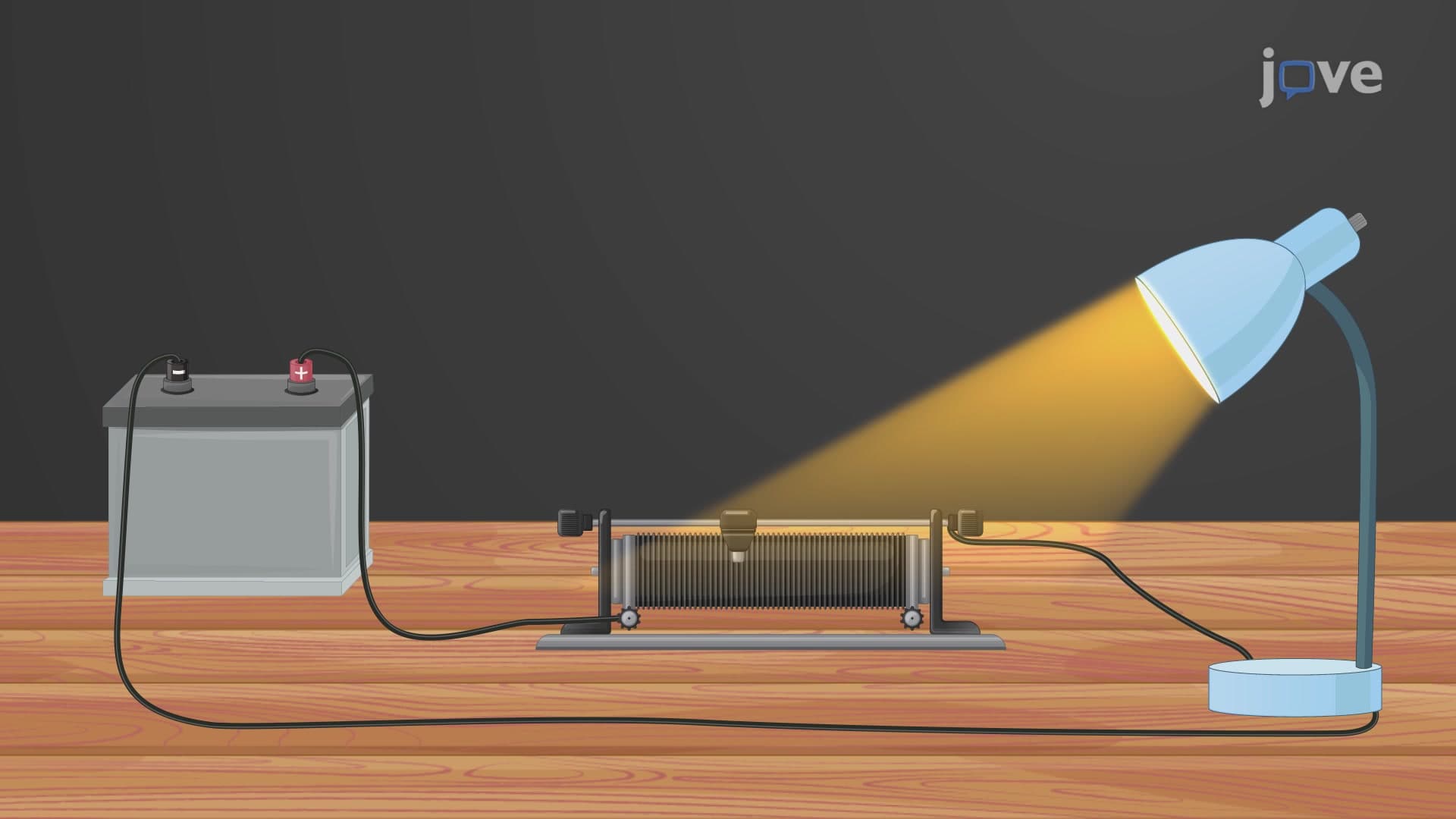

Video Summary: What are Resistors in Series
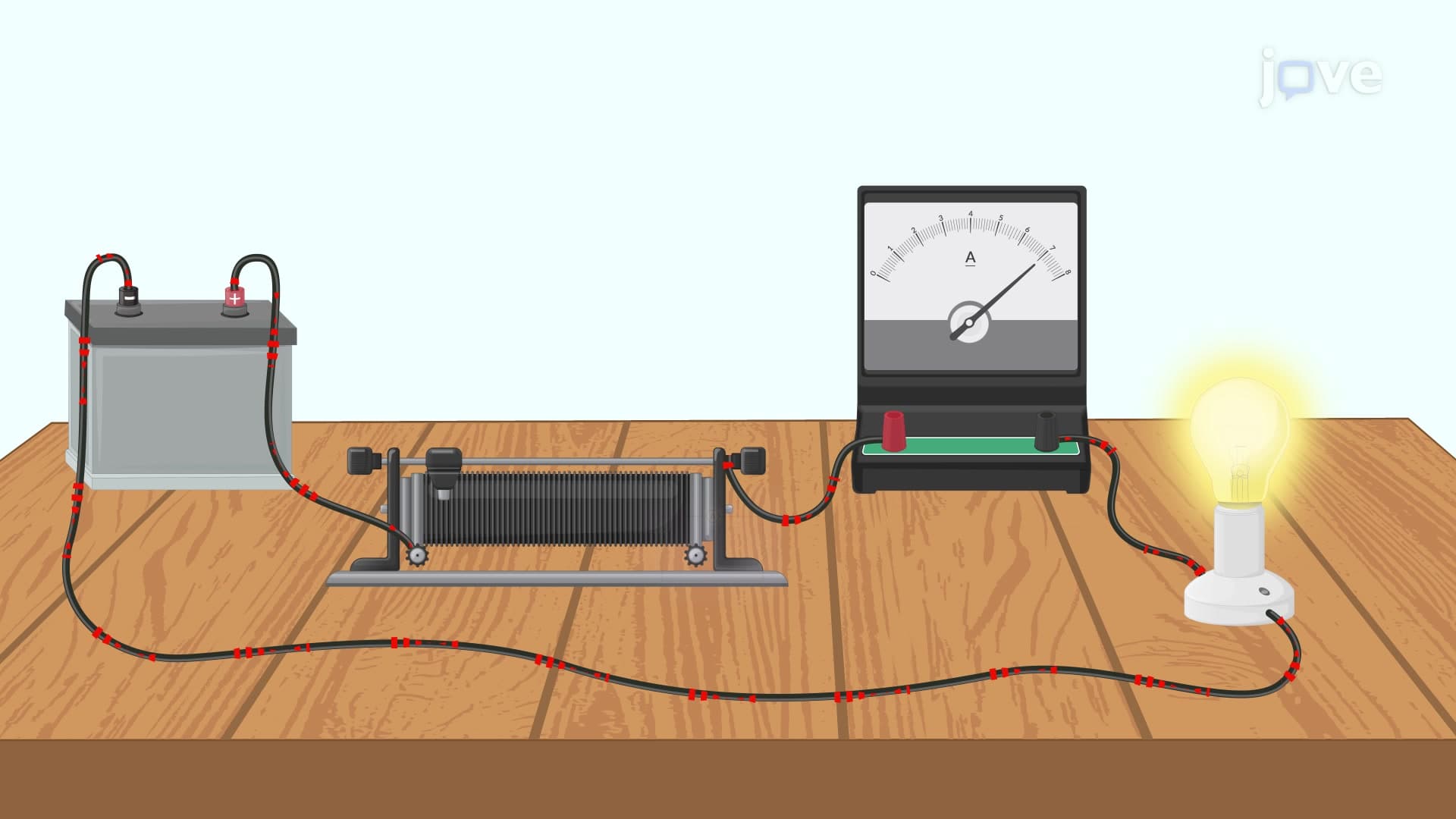
Did you know that the simple Christmas light strings in millions of American homes demonstrate resistors in series in action? When connected end-to-end in a single pathway, resistors in series create a circuit where current flows through each component sequentially-just like how holiday lights dim when you add more bulbs to the strand. Understanding what are resistors in series helps explain why your smartphone charger gets warm or how electric space heaters regulate temperature. Watch the full video on JoVE Coach to master this concept with expert-led visuals and step-by-step explanations.
Resistors in series represent one of the fundamental circuit configurations in electrical engineering and physics. When resistors connect end-to-end in a single pathway, they form a series circuit where electrical current must flow through each component sequentially. This arrangement creates unique electrical behaviors that distinguish series circuits from parallel configurations.
The defining characteristic of resistors in series lies in current flow consistency. Since electrons have only one path available, the same current (I) flows through every resistor in the chain. However, voltage drops vary across each resistor depending on their individual resistance values, following Ohm's law: V = IR.
For resistors in series, the equivalent resistance (R_eq) equals the sum of individual resistances: R_eq = R1 + R2 + R3 + ... + Rn
This additive property means series circuits always produce higher total resistance than any individual component. The total voltage supplied by the source divides among the resistors proportionally to their resistance values, while current remains constant throughout.
Kirchhoff's voltage law governs series circuits: the sum of voltage drops equals the source voltage. For three resistors in series with battery voltage V: V = V1 + V2 + V3 = I(R1 + R2 + R3)
Resistors in series appear extensively in American technology and infrastructure. Automotive brake light circuits use series connections to ensure consistent current flow. Many USB charging cables contain series resistors that regulate current to protect devices. Electric water heaters employ series resistor elements to control temperature precisely.
In academic settings, AP Physics courses emphasize series circuit analysis as foundational knowledge. College-level electrical engineering programs build upon resistors in series concepts to explore complex circuit designs. The MCAT includes series circuit problems in physics sections, while electrical engineering licensing exams test series circuit troubleshooting skills.
The vulnerability of resistors in series to component failure creates both advantages and disadvantages. When one resistor fails (opens), the entire circuit stops functioning-explaining why old Christmas light strings went dark when single bulbs burned out. However, this same characteristic enables series circuits to act as safety switches in critical applications.
Modern circuit design often combines series and parallel elements to optimize performance. Understanding resistors in series provides the foundation for analyzing these complex hybrid circuits that power everything from smartphones to industrial control systems.
Related Micro-courses