Loading subject page…


52,445 views

Video Summary: What are Applications of Rc Circuits
Did you know that the intermittent windshield wipers in your car use the same electrical principles as life-saving pacemakers? Applications of RC circuits power countless devices we encounter daily, from the timing mechanisms in automotive systems to critical medical equipment that regulates heartbeats. These versatile circuits control everything from camera flash units to emergency lighting systems across American hospitals and infrastructure. Watch the full video on JoVE Coach to master this concept with expert-led visuals and step-by-step explanations.
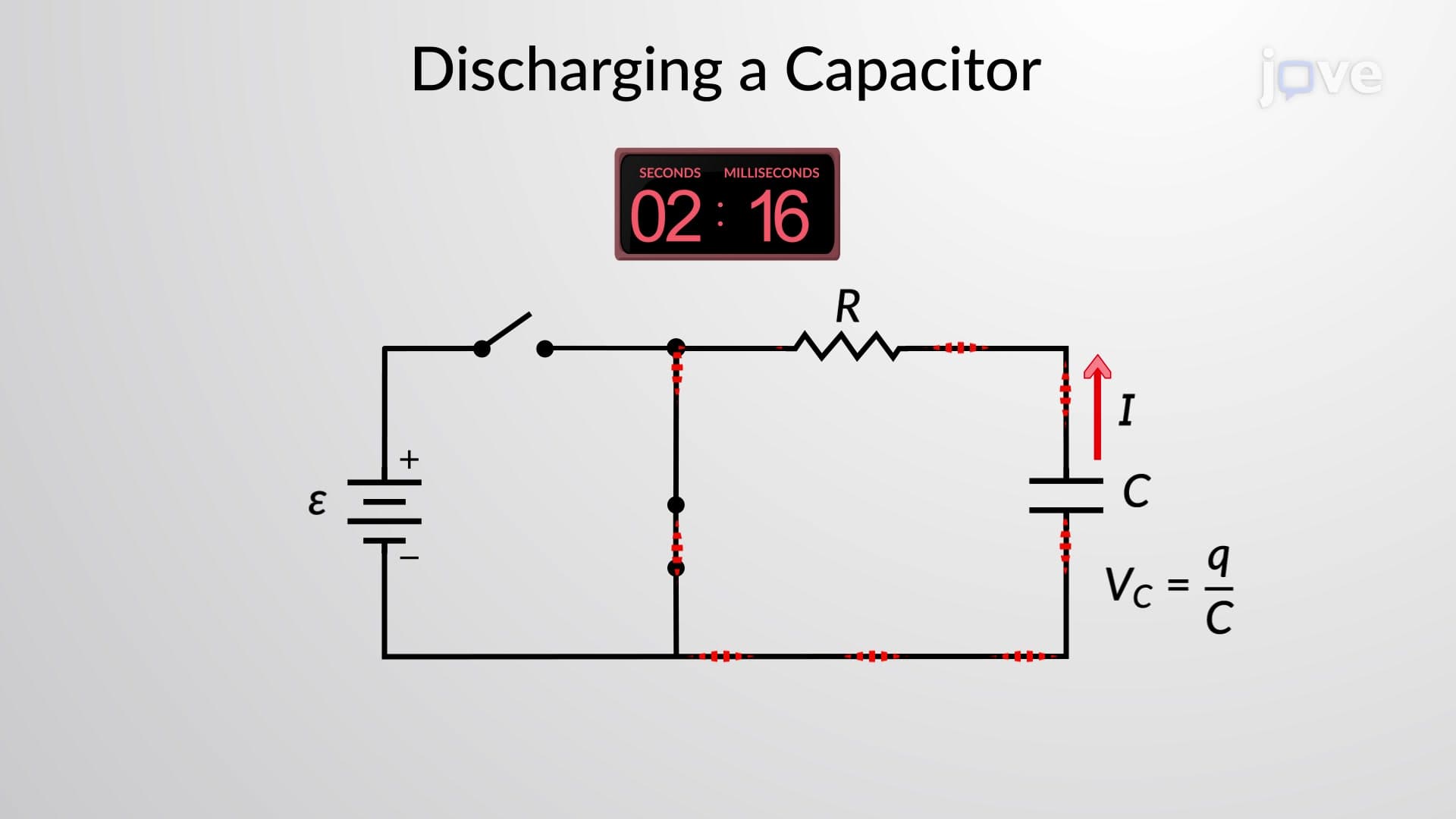
RC circuits, combining resistors and capacitors, serve as the backbone for timing and control systems across numerous industries. These circuits exploit the predictable charging and discharging behavior of capacitors through resistors to create precise time delays and oscillating signals. From the AP Physics curriculum to college-level electrical engineering courses, understanding these applications provides students with essential knowledge for both academic success and real-world problem-solving.
The most fundamental application involves relaxation oscillators, which generate periodic signals through repetitive charge-discharge cycles. In neon lamp oscillators, the capacitor charges through a resistor until reaching the lamp's breakdown voltage, causing sudden discharge and a bright flash. This process repeats continuously, with the RC time constant (τ = RC) determining the oscillation frequency. Students preparing for the MCAT or engineering entrance exams frequently encounter problems calculating these time constants and predicting oscillation periods.
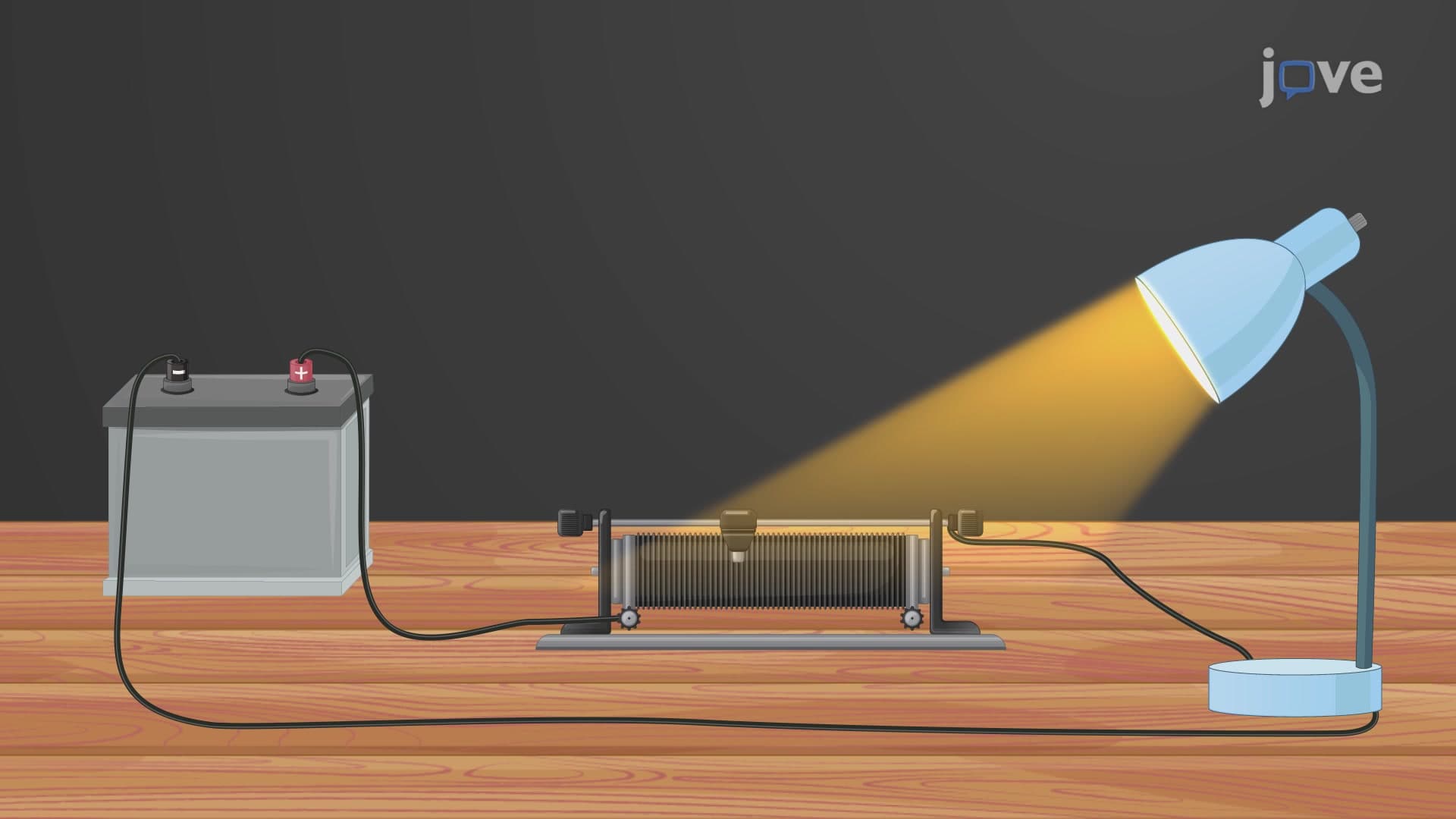
American automotive systems extensively utilize RC timing circuits. Intermittent windshield wipers exemplify this application, where a variable resistor allows drivers to adjust sweep frequency. Increasing resistance extends the RC time constant, creating longer intervals between wipes. This practical example helps students visualize how abstract circuit theory translates into everyday convenience. The Ford Motor Company pioneered this technology in the 1960s, demonstrating how RC circuits can enhance vehicle safety and functionality.
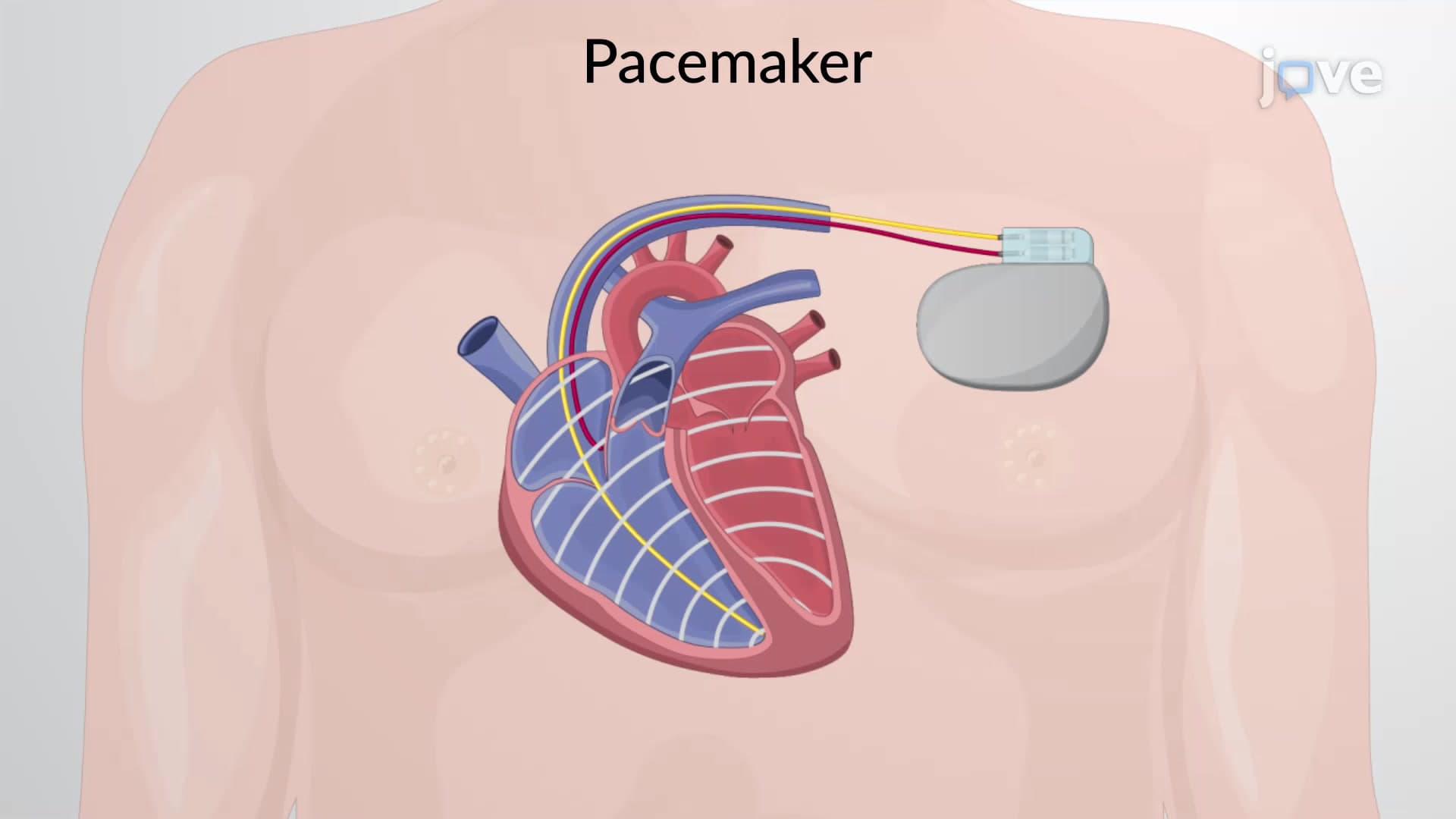
Perhaps the most critical application of RC circuits appears in cardiac pacemakers, devices that correct heart rhythm abnormalities affecting over 3 million Americans. These sophisticated systems use RC timer circuits to control electrical pulse intervals sent to the heart muscle. Advanced pacemakers incorporate sensor feedback, adjusting timing based on physical activity and respiratory patterns. The RC circuit ensures consistent, life-sustaining electrical stimulation while adapting to the patient's physiological needs. This application frequently appears in USMLE Step 1 questions, where medical students must understand the electrical principles underlying cardiac devices.
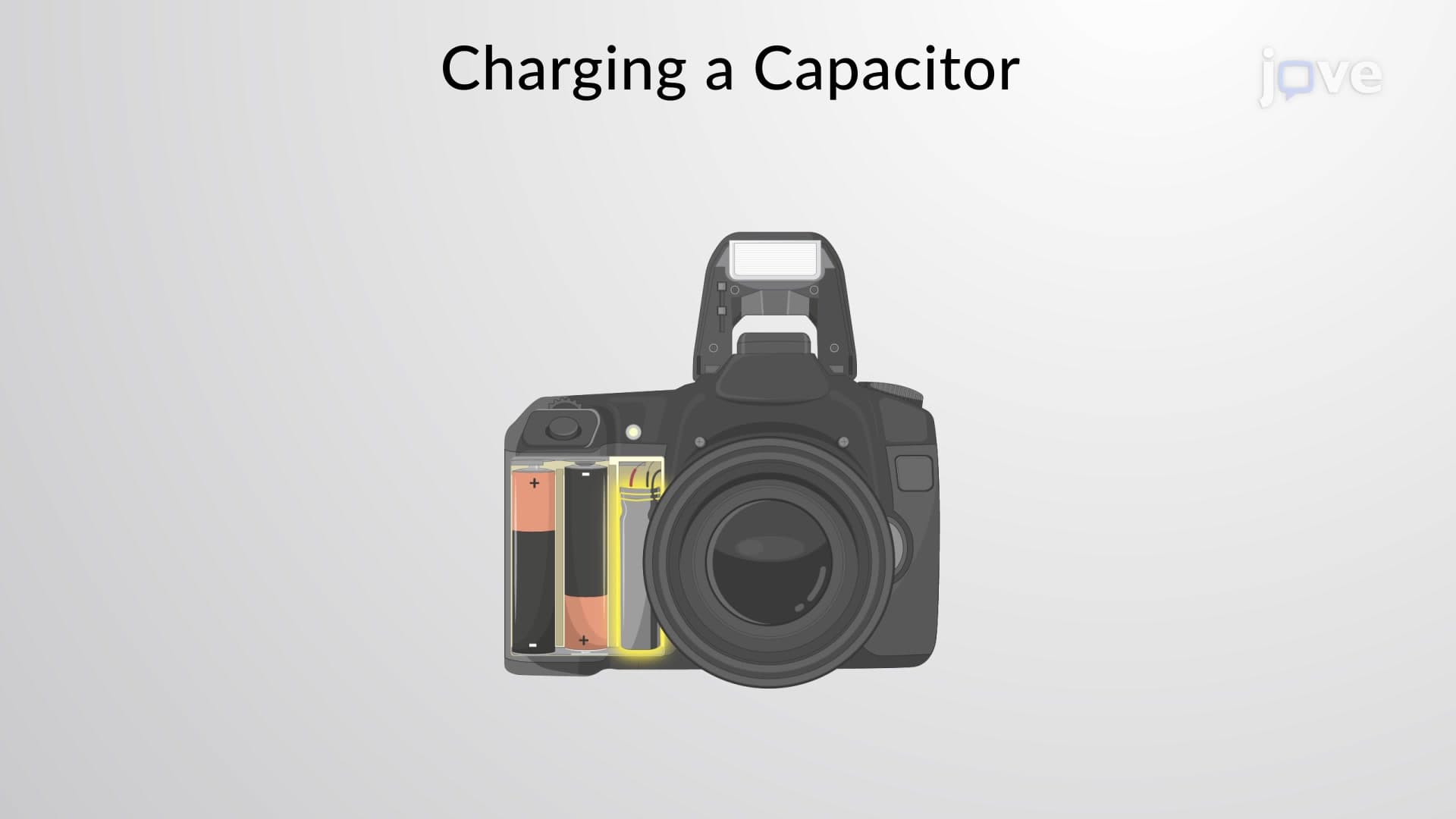
Beyond automotive and medical uses, RC circuits enable timing functions in industrial automation, photography equipment, and emergency systems. Camera flash units use RC circuits to control charging cycles and flash duration, while emergency lighting systems employ them for automatic switching during power outages. These diverse applications demonstrate the versatility of RC circuit principles across American industries.
Related Micro-courses