Loading video…


 18 Concepts
 52.4K views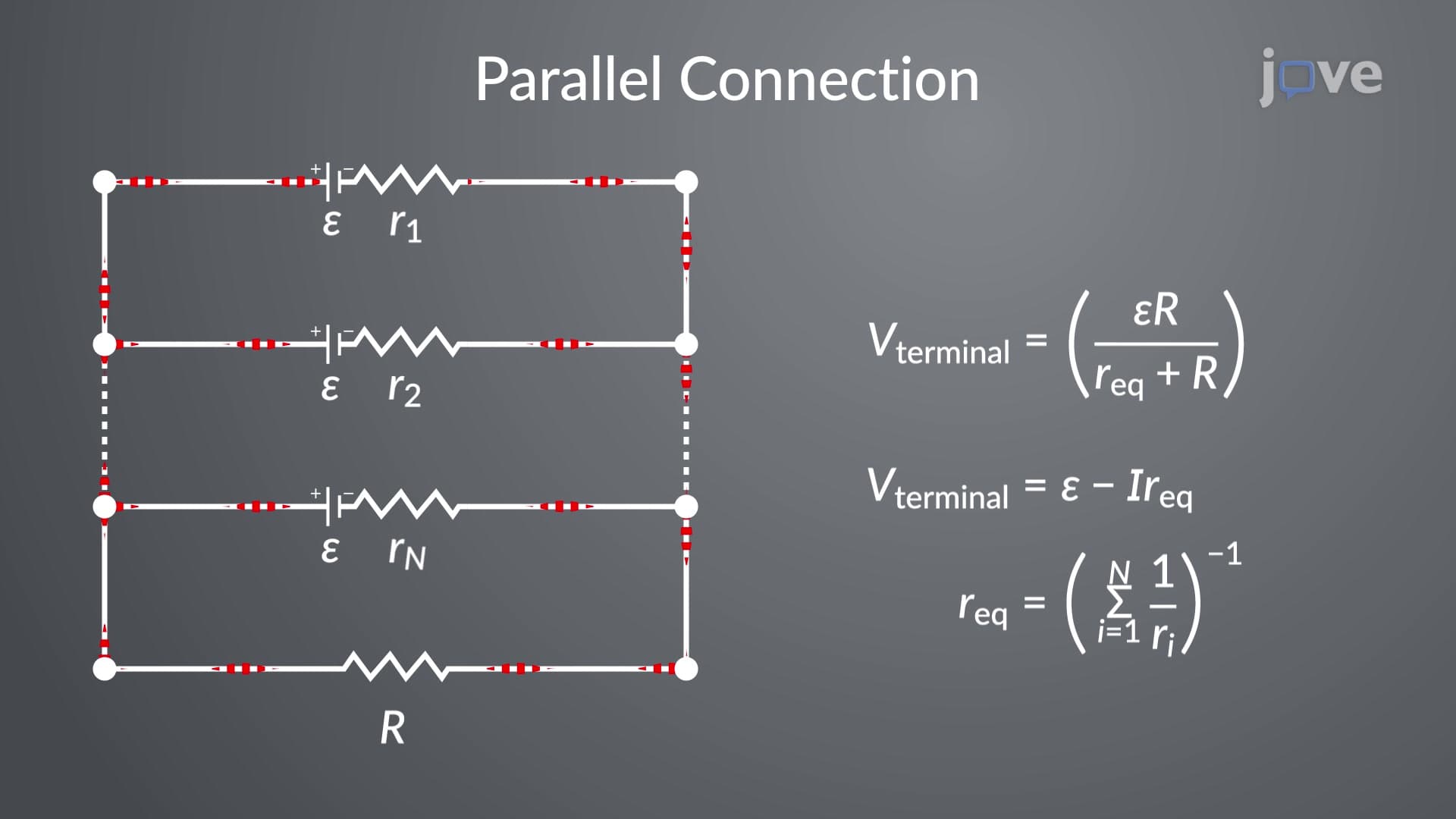

Video Summary: What are Multiple Voltage Sources
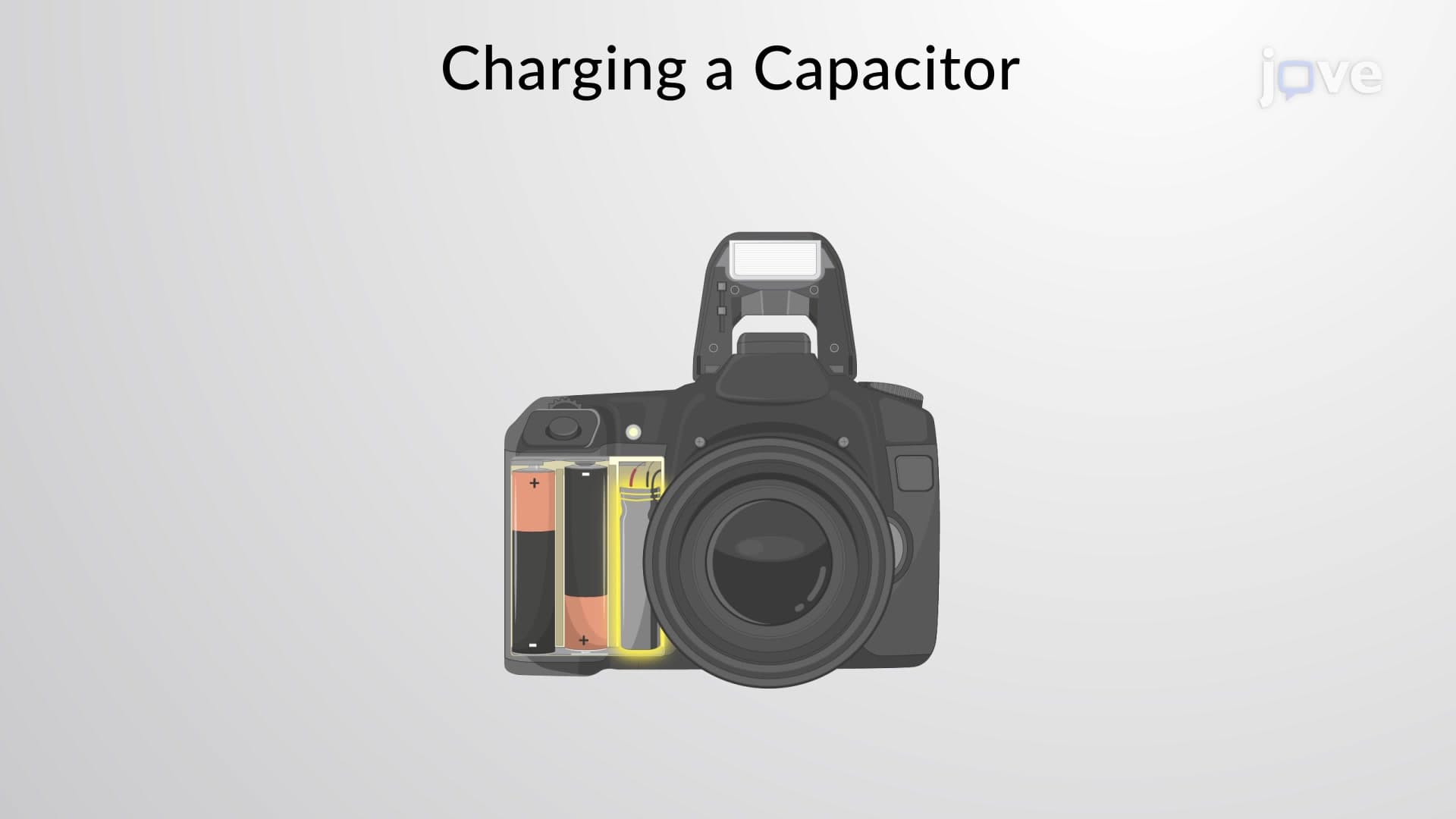
Ever wonder how Tesla's electric vehicles achieve their impressive 400-mile range? Multiple voltage sources working together make this possible by combining battery cells to deliver the high voltages needed for electric motors. Understanding what are multiple voltage sources reveals how engineers connect batteries in series to increase voltage or in parallel to boost current capacity. From smartphone battery packs to electric car systems, these configurations power the technology we use daily. Watch the full video on JoVE Coach to master this concept with expert-led visuals and step-by-step explanations.
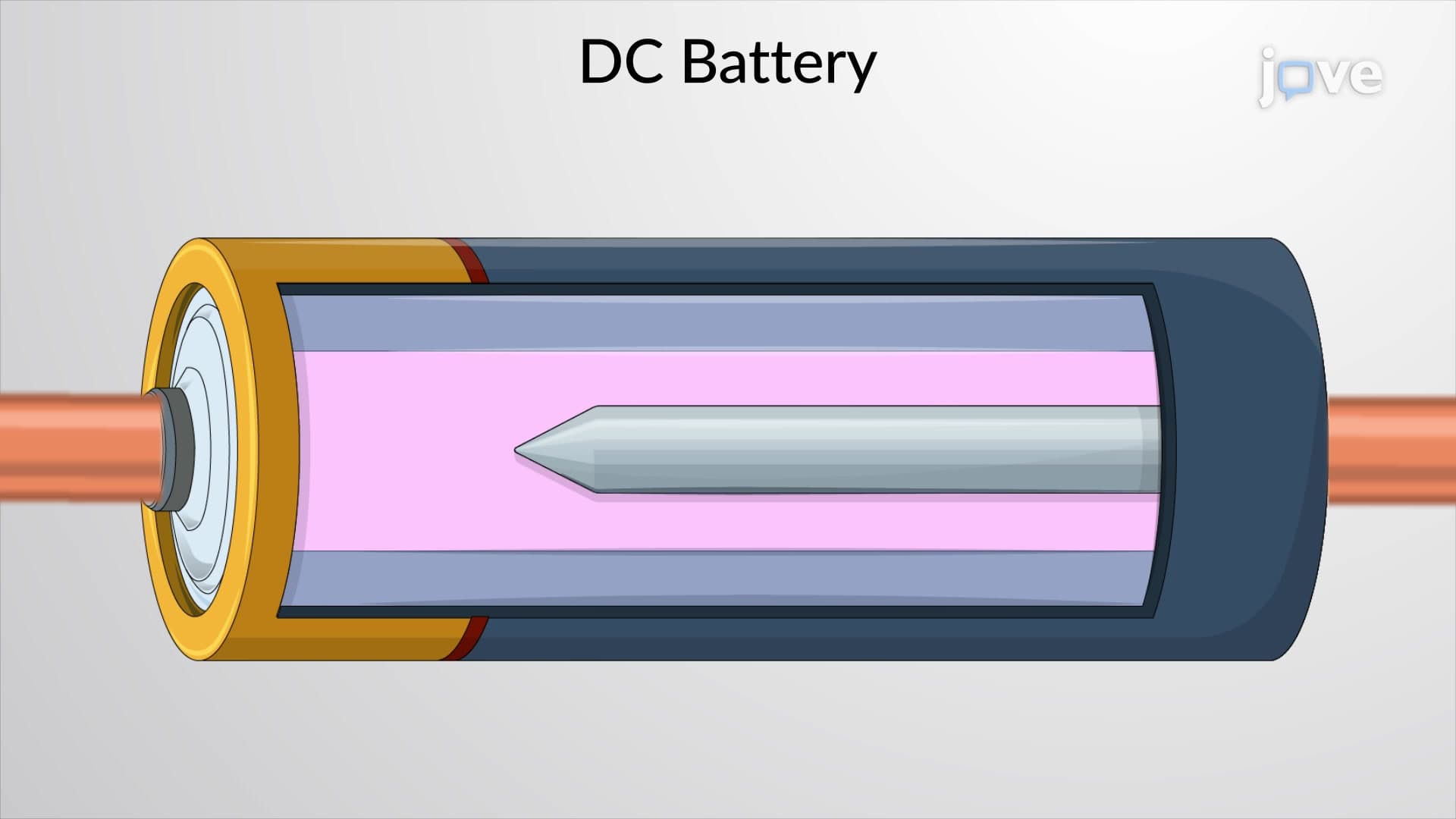
Multiple voltage sources represent one of the most fundamental concepts in electrical engineering, describing how individual voltage sources like batteries, generators, or power supplies can be combined to achieve specific electrical requirements. This configuration appears everywhere from the AA batteries in your TV remote to the sophisticated battery management systems in Ford's electric F-150 Lightning truck.
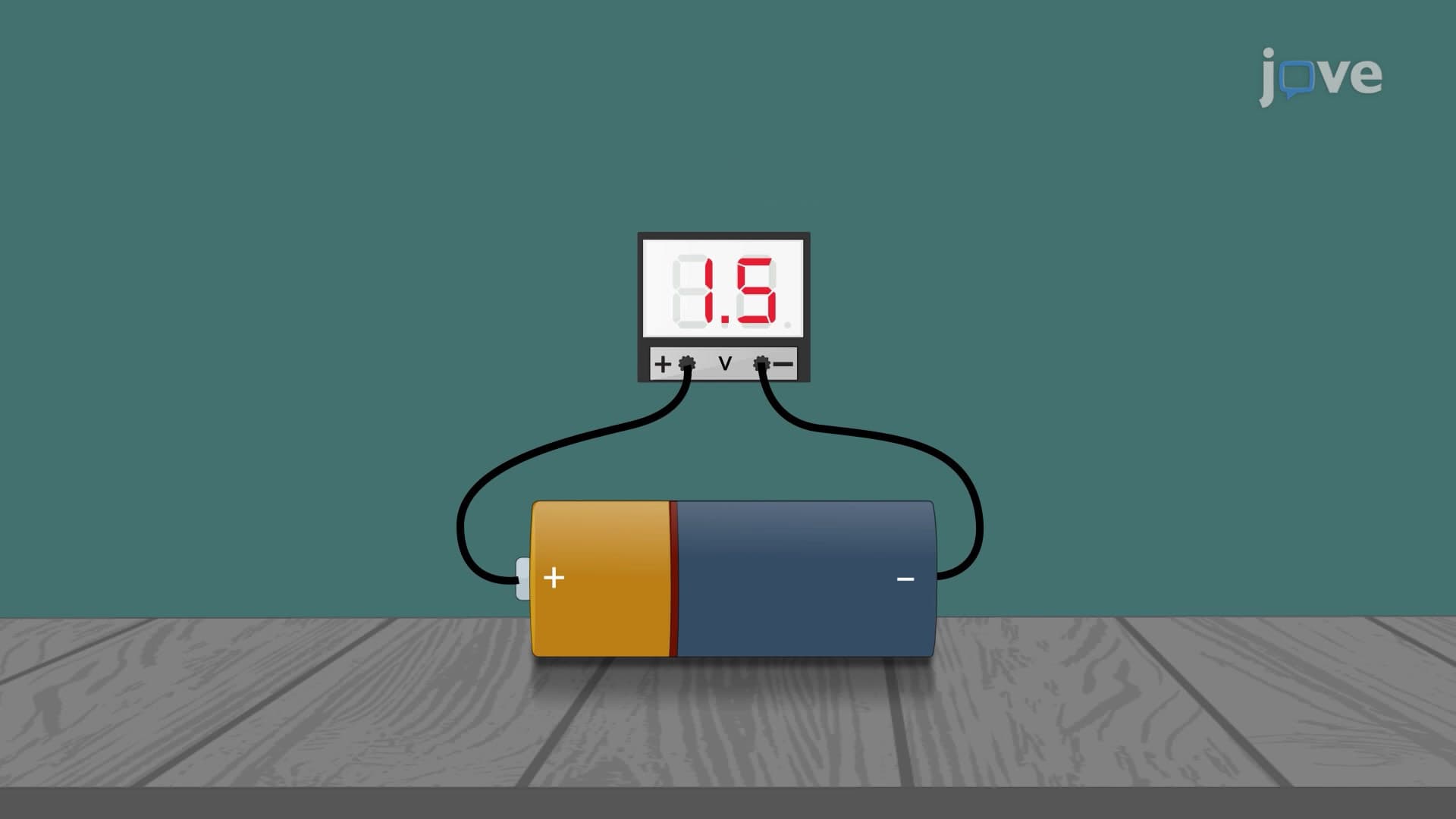
When voltage sources connect in series, they form a chain where the positive terminal of one source connects to the negative terminal of the next. This arrangement adds voltages together-four 1.5V AA batteries in series produce 6V total. However, internal resistances also add up, which can limit current flow. Students preparing for the AP Physics exam frequently encounter problems requiring calculation of total EMF using the formula: EMF(total) = EMF1 + EMF2 + EMF3 + ... + EMFN. The same current flows through each source, making current calculations straightforward using Ohm's Law.
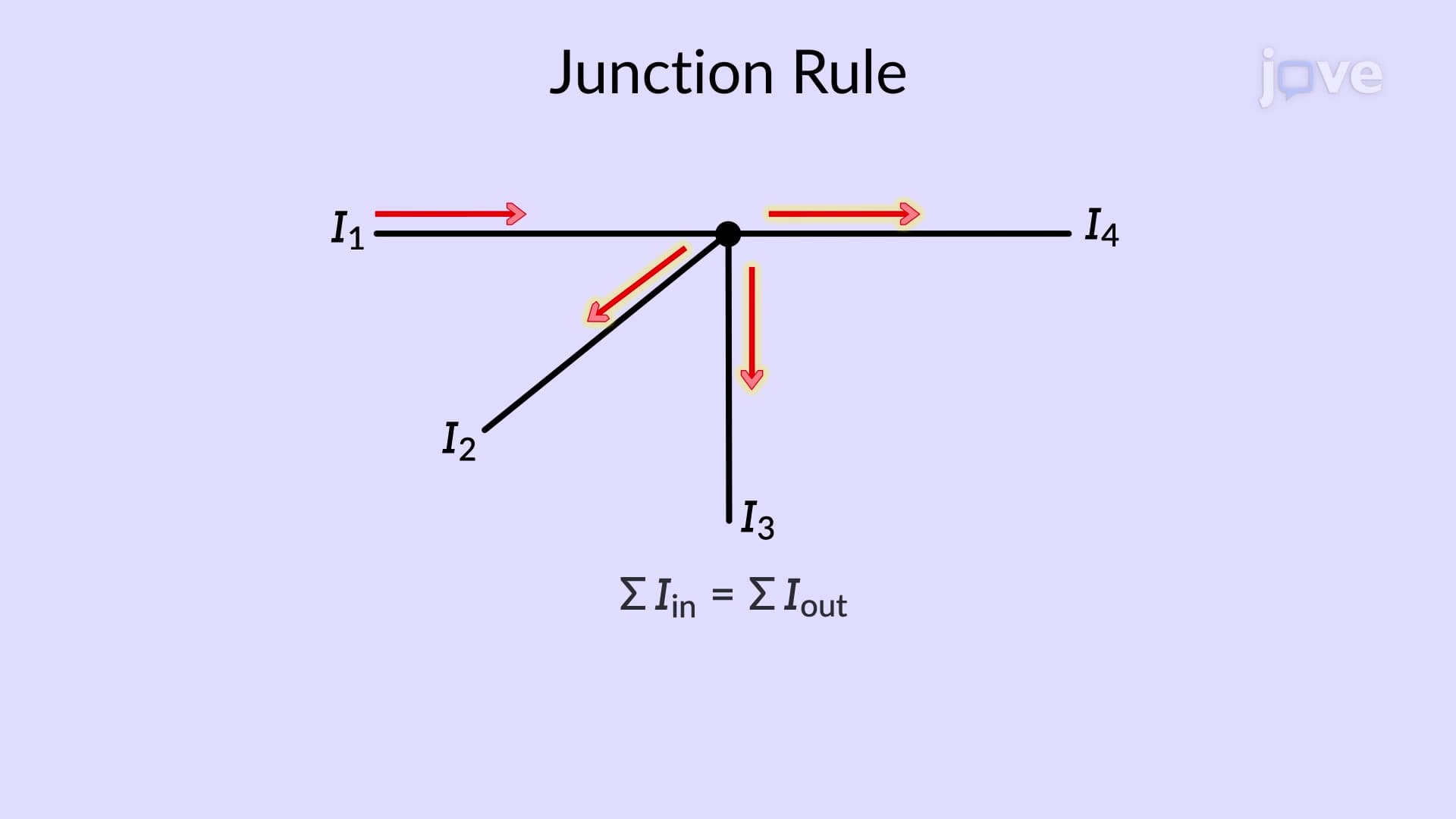
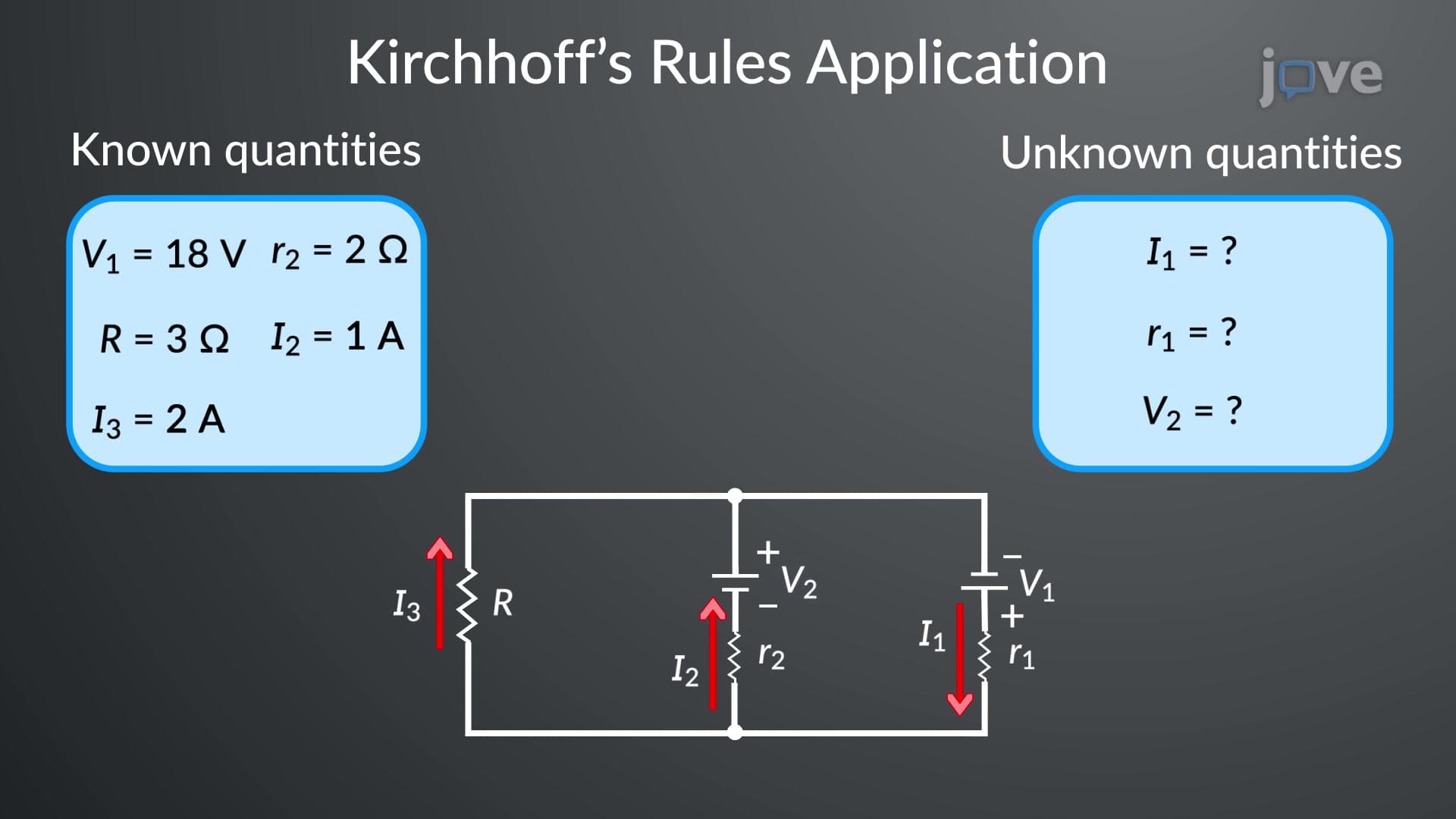
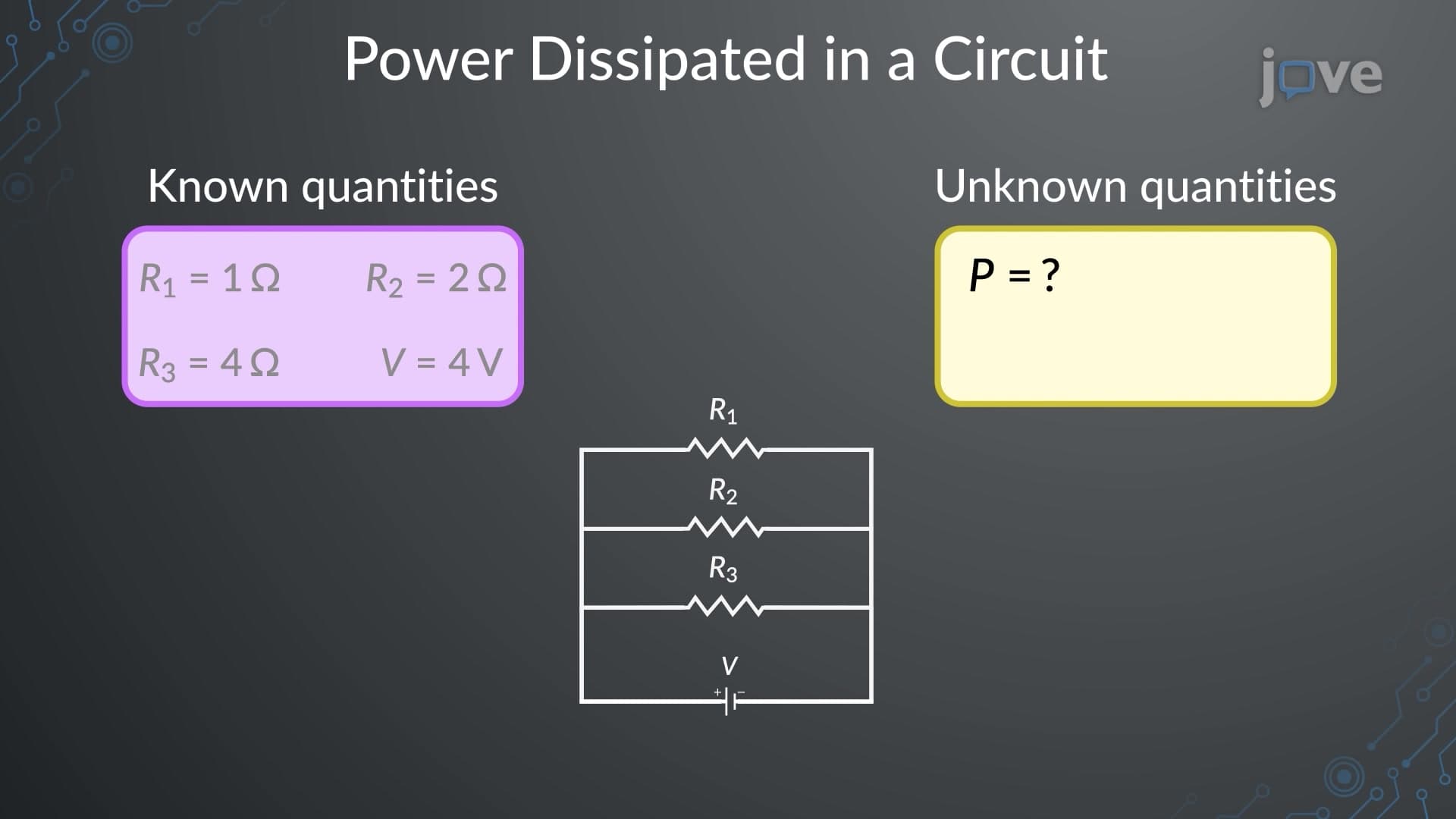
Parallel configurations connect all positive terminals together and all negative terminals together, maintaining the voltage of individual sources while reducing equivalent internal resistance. This setup appears in automotive applications-your car's electrical system uses parallel-connected cells to maintain 12V while providing high current for the starter motor. The mathematical analysis requires applying Kirchhoff's Current Law at junction points, often challenging students on college physics midterms.
Multiple voltage sources power critical infrastructure across America. Electric utilities use series-connected generators to create high transmission voltages, while data centers employ parallel battery banks for uninterruptible power supplies. For MCAT preparation, focus on understanding equivalent circuit models that simplify complex arrangements into single equivalent sources. Practice problems involving mixed series-parallel combinations frequently appear on standardized tests, requiring systematic application of circuit reduction techniques and Kirchhoff's laws to determine currents and voltages throughout the network.
Related Micro-courses