Loading video…


 18 Concepts
 52.4K views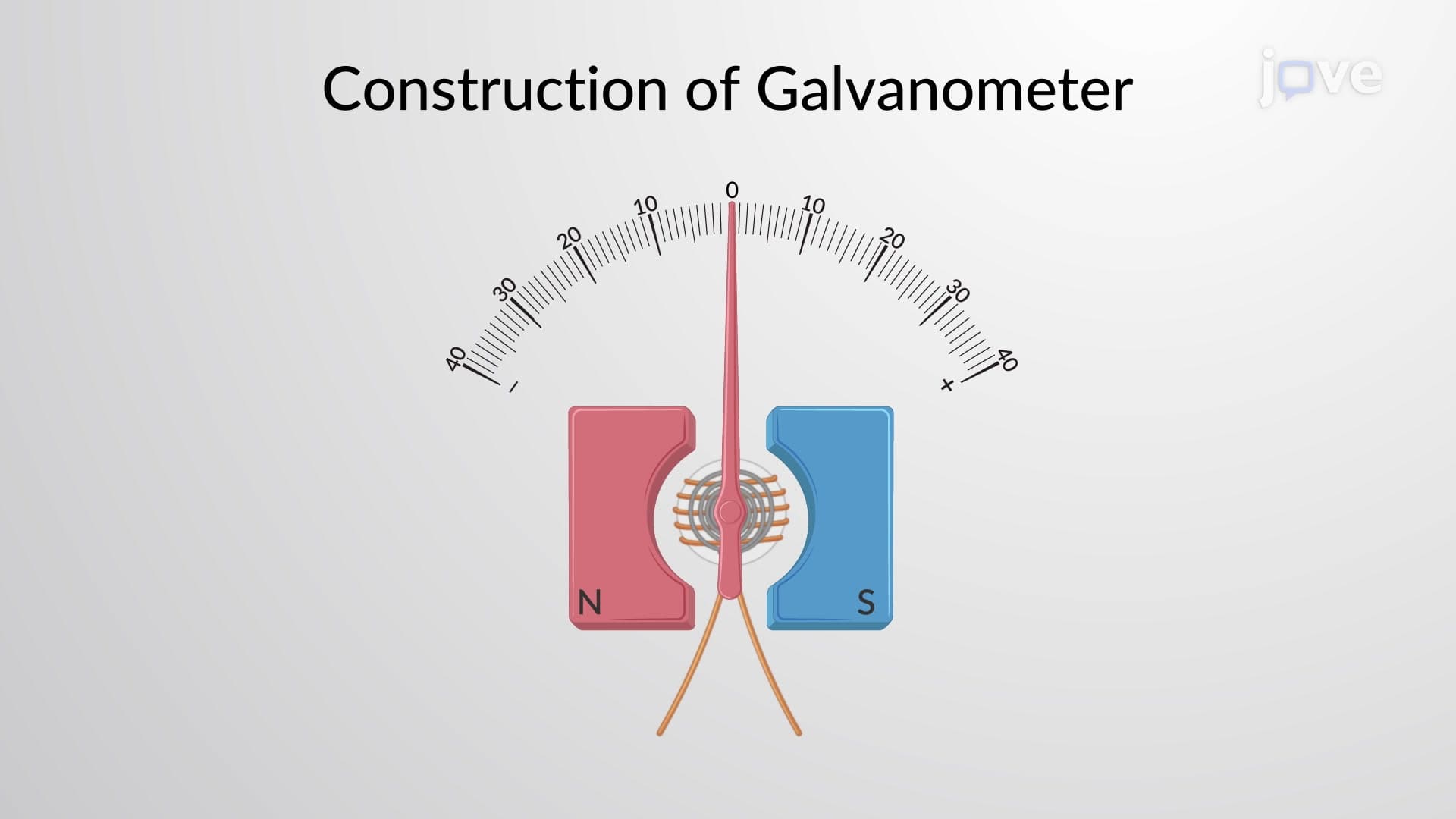

Video Summary: What Is Galvanometer
Ever wondered how vintage analog meters in old electrical panels could detect the tiniest electrical currents? A galvanometer is a sensitive electrical instrument that can measure micro to milliampere currents by converting electrical energy into mechanical motion through magnetic fields. From testing circuits in high school physics labs to calibrating medical equipment at Johns Hopkins Hospital, galvanometers remain fundamental to understanding electrical measurements. Watch the full video on JoVE Coach to master this concept with expert-led visuals and step-by-step explanations.
A galvanometer represents one of the most elegant applications of electromagnetic principles in electrical instrumentation. This sensitive measuring device transforms the invisible flow of electric current into visible mechanical motion, making it an indispensable tool for understanding electrical circuits. Unlike digital multimeters that display numerical readouts, galvanometers provide an analog representation that helps students visualize the continuous nature of electrical phenomena.
The galvanometer's sophisticated design centers around creating uniform magnetic conditions for precise measurements. Two concave permanent magnets establish a radial magnetic field that remains constant across the measurement zone. This uniform field ensures that the magnetic force on the current-carrying coil remains proportional to the current regardless of the coil's position.
The heart of the instrument consists of a delicate copper wire coil wound around a soft iron core. This soft iron core serves a dual purpose: it provides structural support for the coil windings and concentrates the magnetic field lines, amplifying the magnetic interaction. The needle and spring assembly attached to the coil's axis creates the visible indication system while providing the essential restoring force.
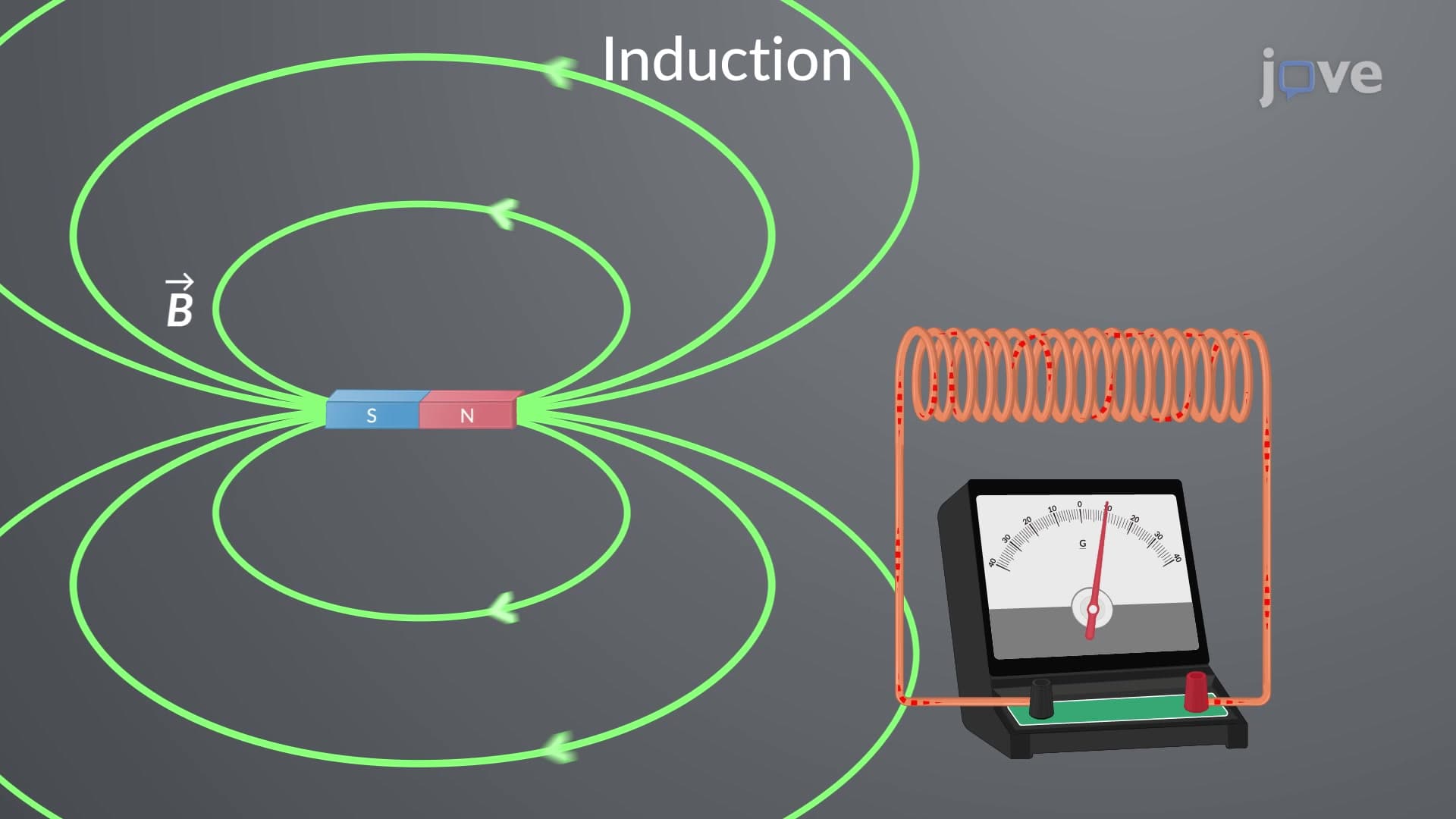
When current flows through the galvanometer coil, the interaction between this current and the permanent magnetic field generates a magnetic torque following the motor principle. This torque magnitude directly correlates with the current strength, establishing the fundamental measurement relationship. As AP Physics students learn, this demonstrates Lenz's law in action, the spring's opposing torque balances the magnetic torque at equilibrium.
The angular deflection achieved represents a precise balance between driving and restoring forces. This equilibrium condition ensures repeatable measurements and allows calibration against known current standards. For college physics courses, this principle illustrates energy conservation as electrical energy converts to mechanical potential energy in the compressed spring.
Modern galvanometers typically achieve full-scale deflection with milliampere-level currents, making them suitable for sensitive circuit analysis in educational laboratories across American universities. The coil resistance, ranging from ten to one thousand ohms, determines the voltage sensitivity according to Ohm's law (V = IR). Engineering students at institutions like MIT use these relationships to design measurement circuits with appropriate sensitivity ranges.
In standardized testing contexts, galvanometer problems frequently appear on AP Physics examinations and college midterms, testing students' understanding of electromagnetic interactions and equilibrium conditions.
Related Micro-courses