Loading video…


 18 Concepts
 52.4K views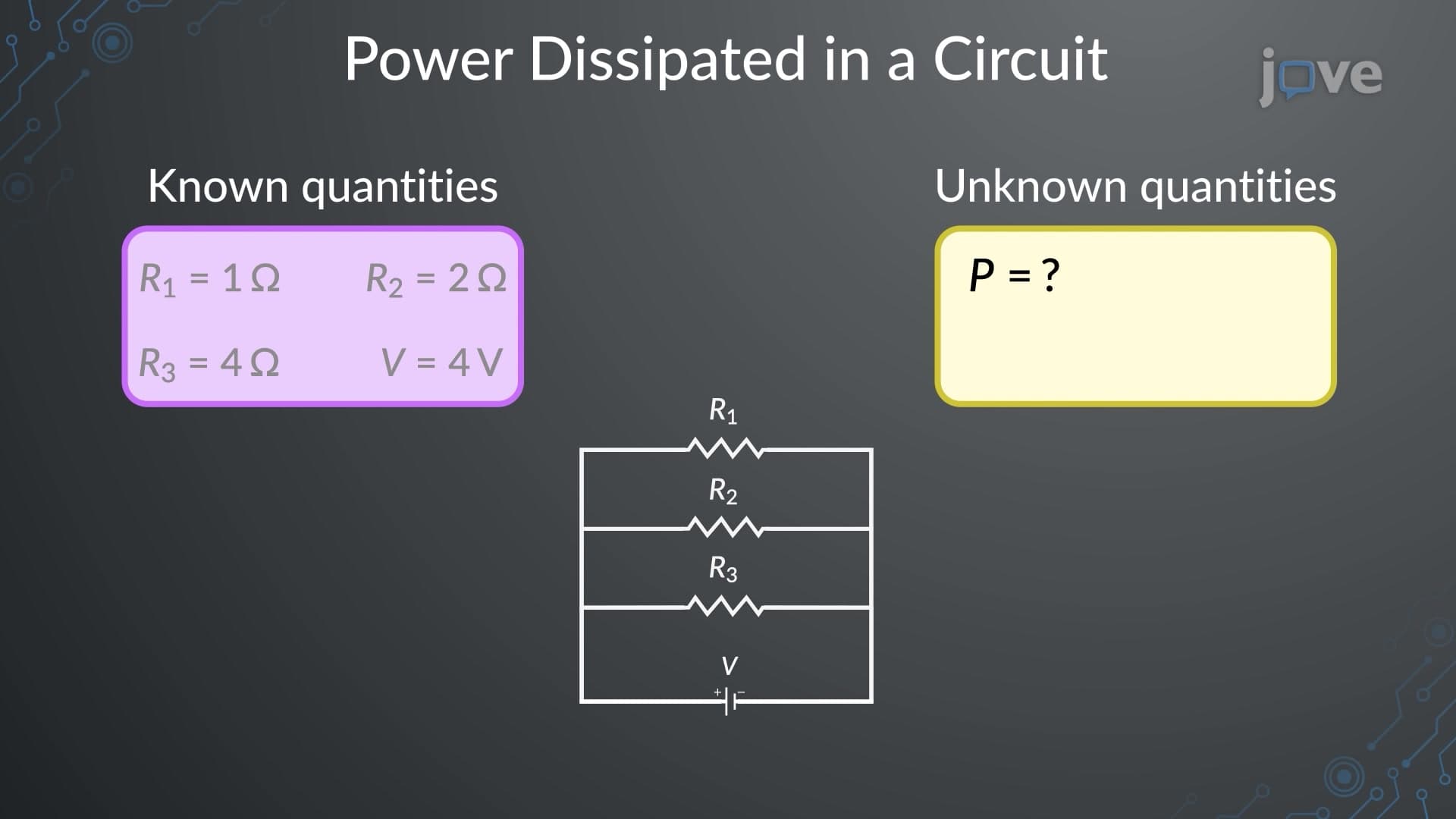

Video Summary: What Is Power Dissipated
Ever wondered why your smartphone gets warm during heavy use? Power dissipated explains this heat generation in electronic circuits. When a Tesla Model S charges at a Supercharger station, the battery management system carefully calculates power dissipated to prevent overheating and ensure safe charging. What is power dissipated becomes crucial for understanding circuit behavior, energy efficiency, and heat management in everything from household appliances to electric vehicles. Watch the full video on JoVE Coach to master this concept with expert-led visuals and step-by-step explanations.
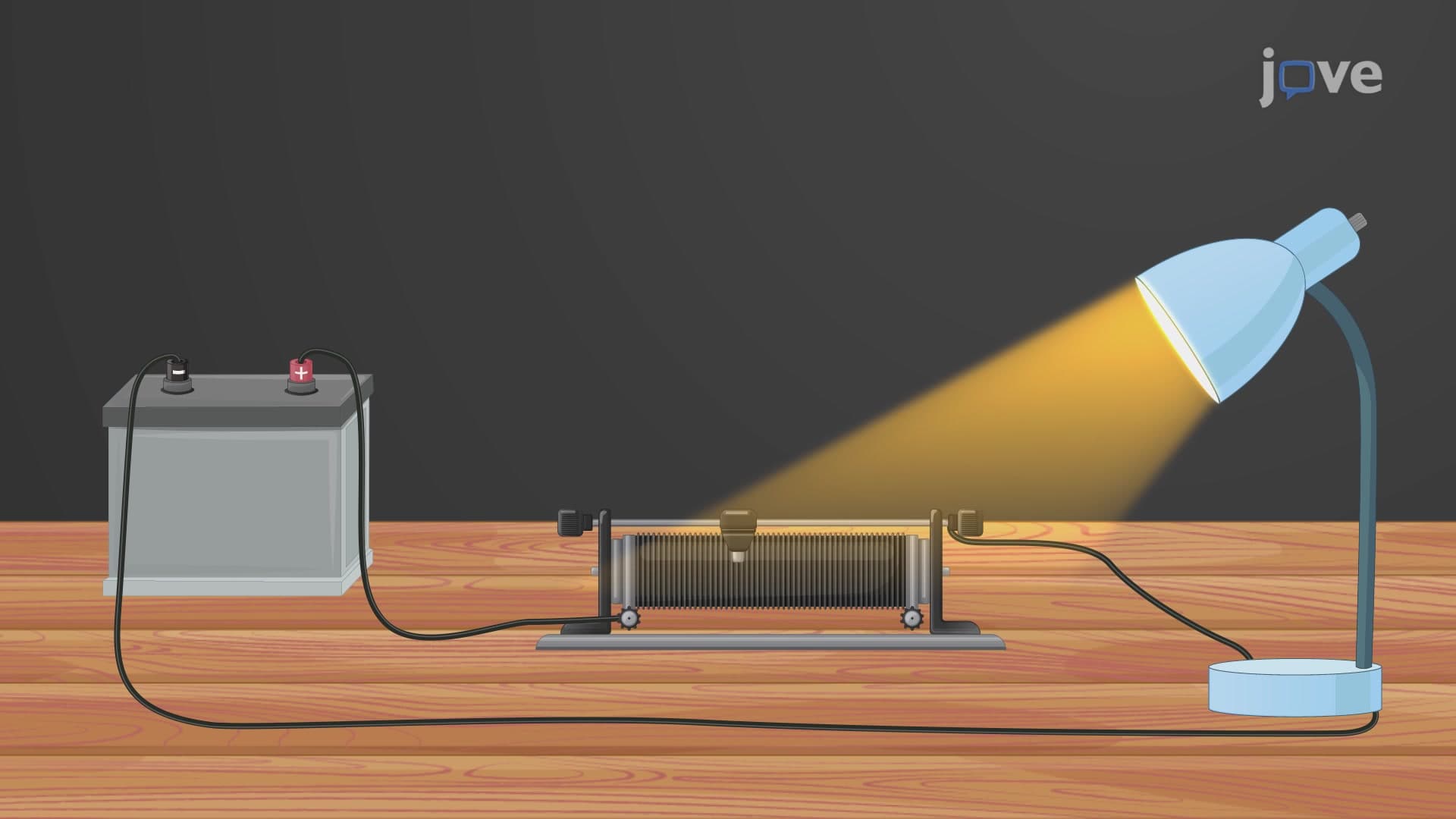
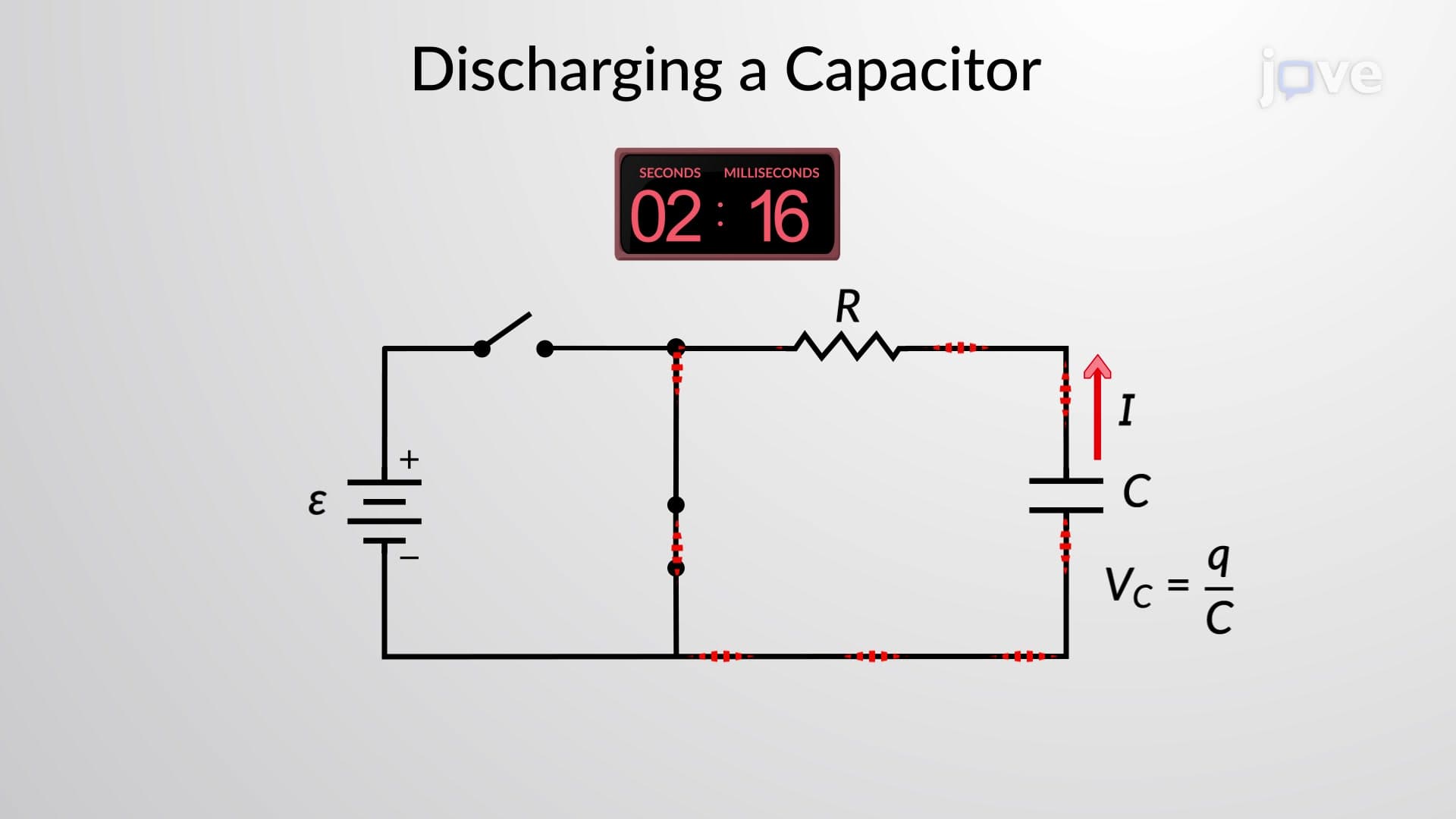
Power dissipated represents the rate at which electrical energy converts to heat energy within circuit components, particularly resistors. This fundamental concept explains why electronic devices warm up during operation and forms the foundation for circuit analysis, thermal management, and energy efficiency calculations.
The power dissipated definition encompasses three equivalent mathematical expressions: P = VI (power equals voltage times current), P = I²R (power equals current squared times resistance), and P = V²/R (power equals voltage squared divided by resistance). These formulas allow engineers to calculate power dissipation regardless of which circuit parameters are known. For instance, when analyzing a household circuit breaker rated at 20 amperes and 120 volts, the maximum power capacity equals 2,400 watts before the breaker trips to prevent overheating.
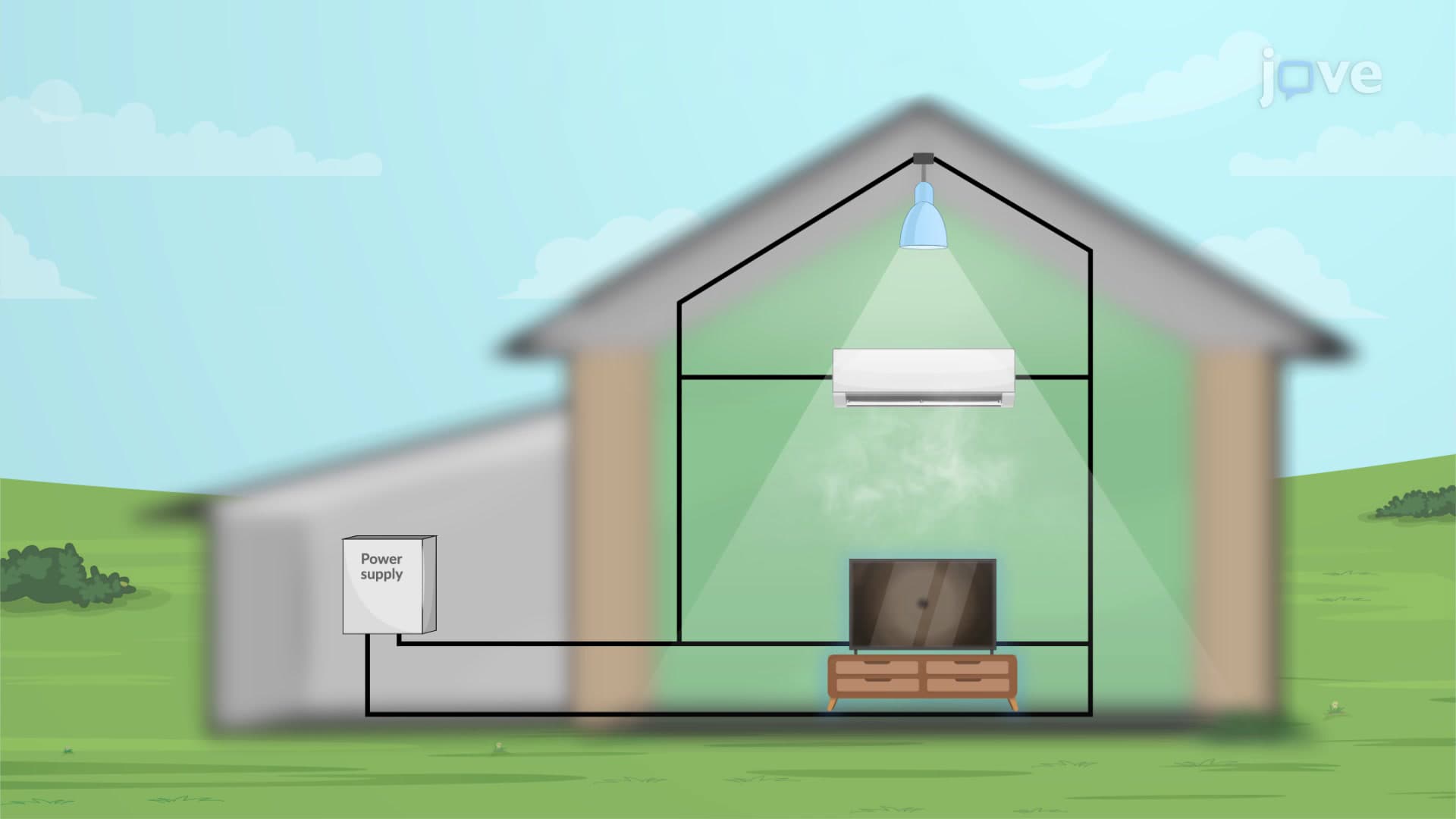
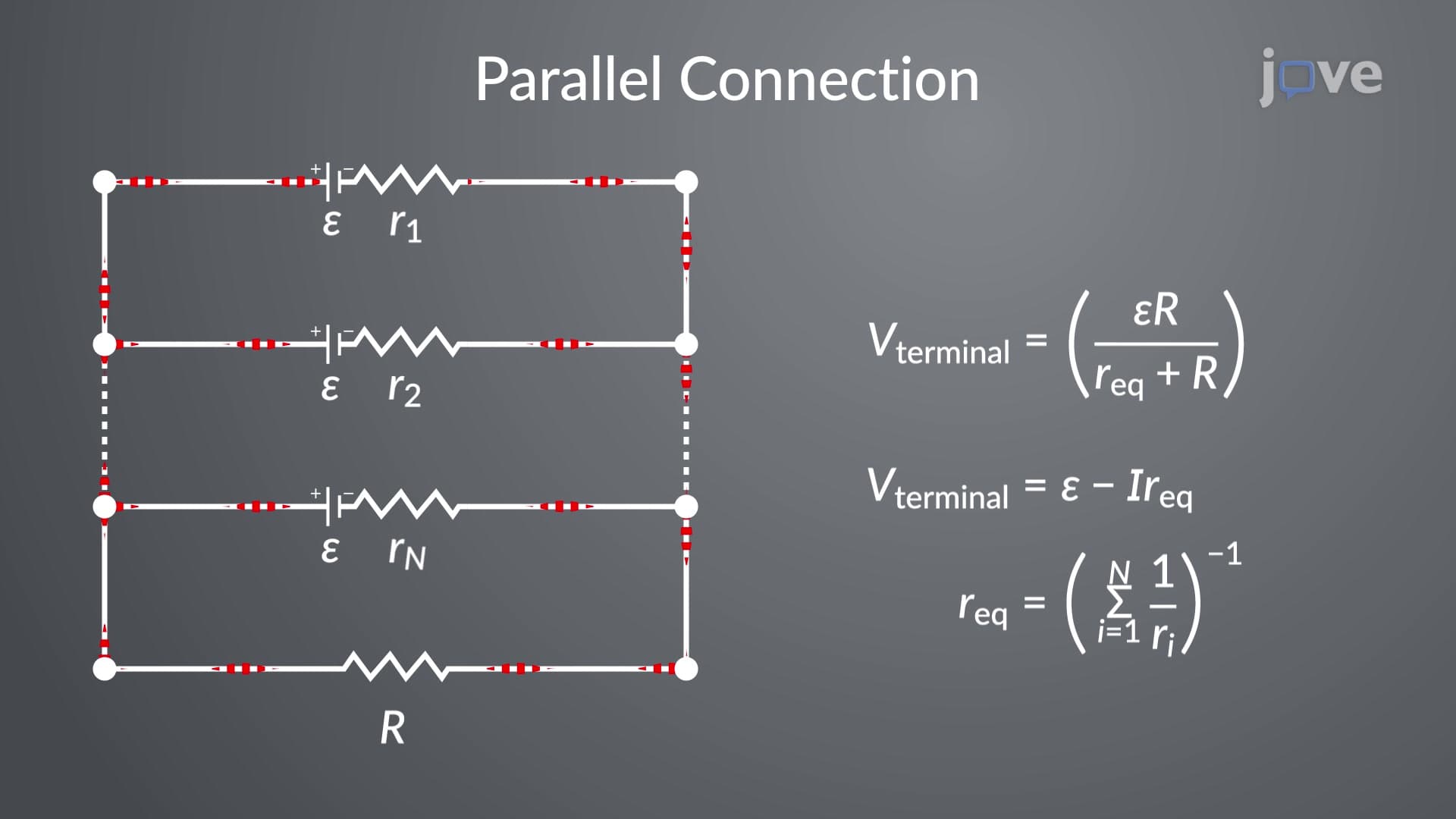
In parallel circuits, each component receives the same voltage but draws different currents based on individual resistance values. Consider a typical home electrical panel where different appliances connect in parallel across 120-volt household current. A 60-watt incandescent bulb (resistance ≈ 240 ohms) dissipates less power than a 1,500-watt hair dryer (resistance ≈ 9.6 ohms) when both operate simultaneously. Understanding what is power dissipated in detail becomes essential for electrical safety, as total power consumption determines whether circuits can handle multiple devices without overloading.
Power dissipation calculations frequently appear on AP Physics exams, college electrical engineering coursework, and professional licensing examinations. Students must master these concepts for SAT Subject Tests in Physics and advanced placement credit. Beyond academic settings, power dissipation analysis guides real-world applications including computer processor cooling systems, automotive electrical design, and renewable energy systems. Solar panel installations, common across southwestern US states, require careful power dissipation calculations to optimize energy conversion efficiency and prevent component damage from excessive heat buildup.
Related Micro-courses