Loading video…


 22 Concepts
 101.5K views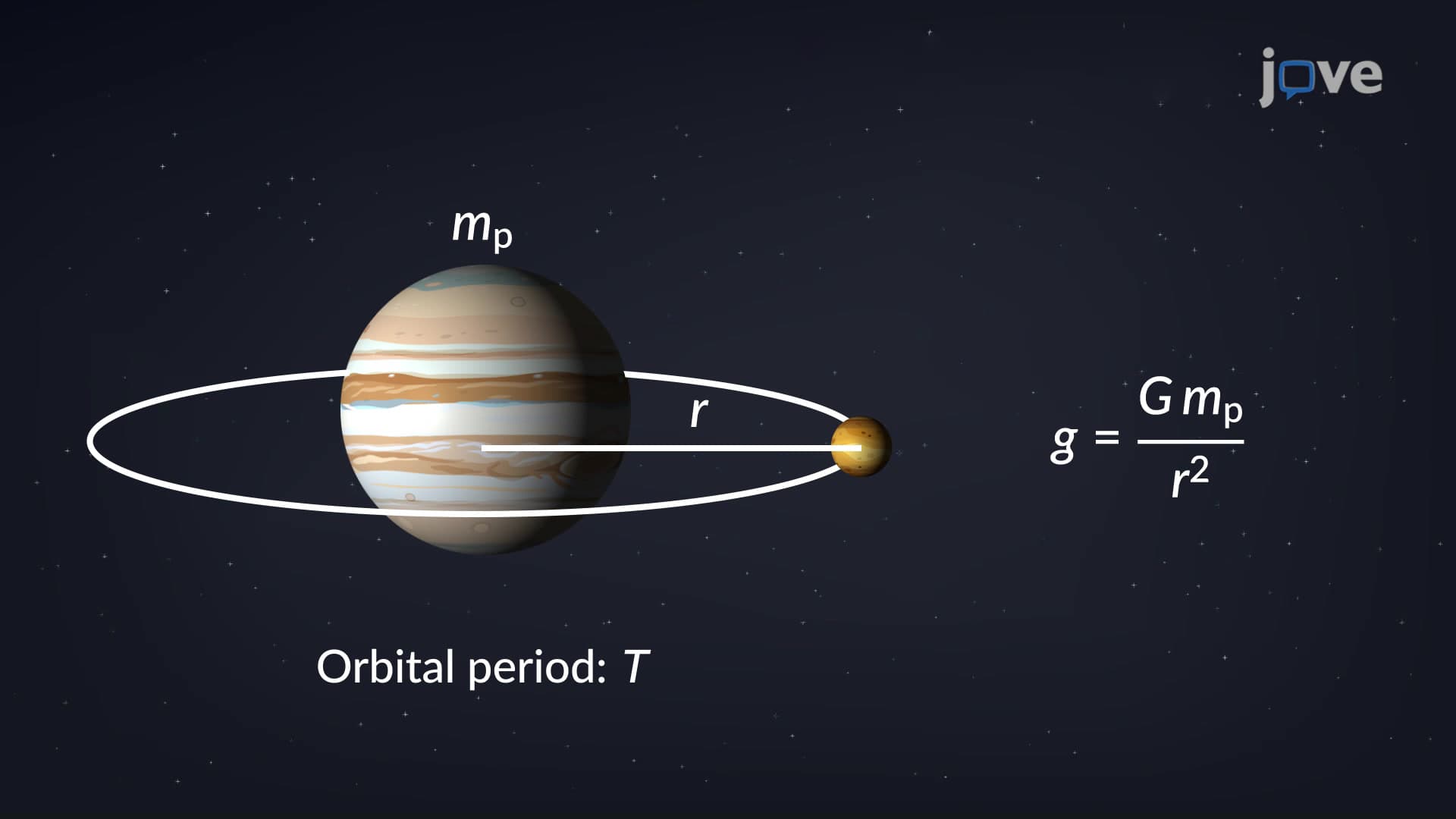

Video Summary: Acceleration Due to Gravity on Explained
Did you know that astronauts on the International Space Station experience acceleration due to gravity on their orbital path that's nearly identical to Earth's surface gravity? Acceleration due to gravity on any celestial body can be calculated using two distinct methods: direct measurement through free-fall experiments on the surface, or indirect calculation using satellite orbital data. NASA uses this principle to determine gravitational acceleration on Mars before landing missions, measuring how Mars' moons Phobos and Deimos orbit the planet. Watch the full video on JoVE Coach to master this concept with expert-led visuals and step-by-step explanations.
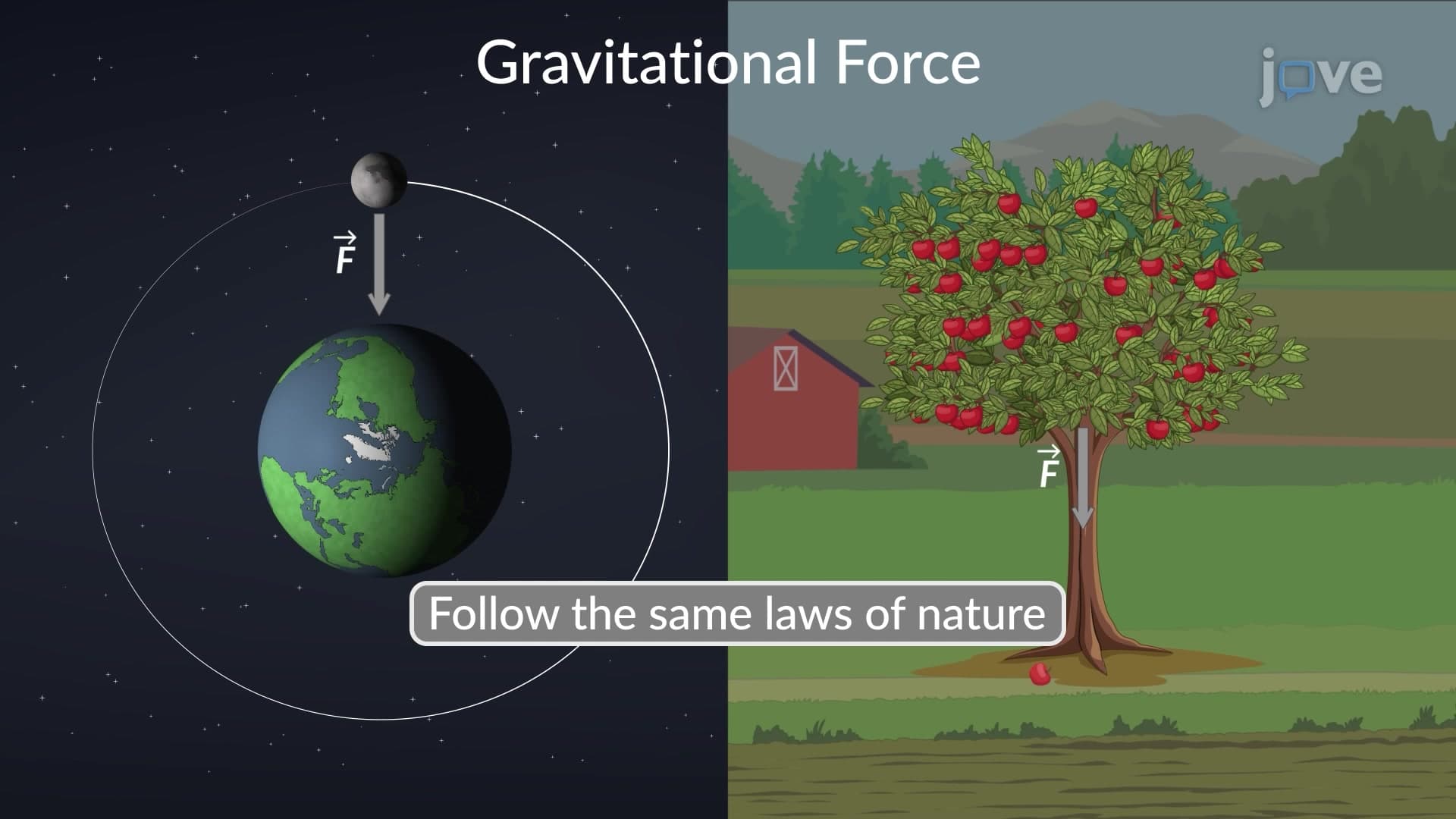
Acceleration due to gravity on any celestial body represents the rate at which objects accelerate toward that body's center when in free fall. This fundamental concept bridges classical mechanics with space exploration, appearing frequently on AP Physics exams and college physics courses across American universities.
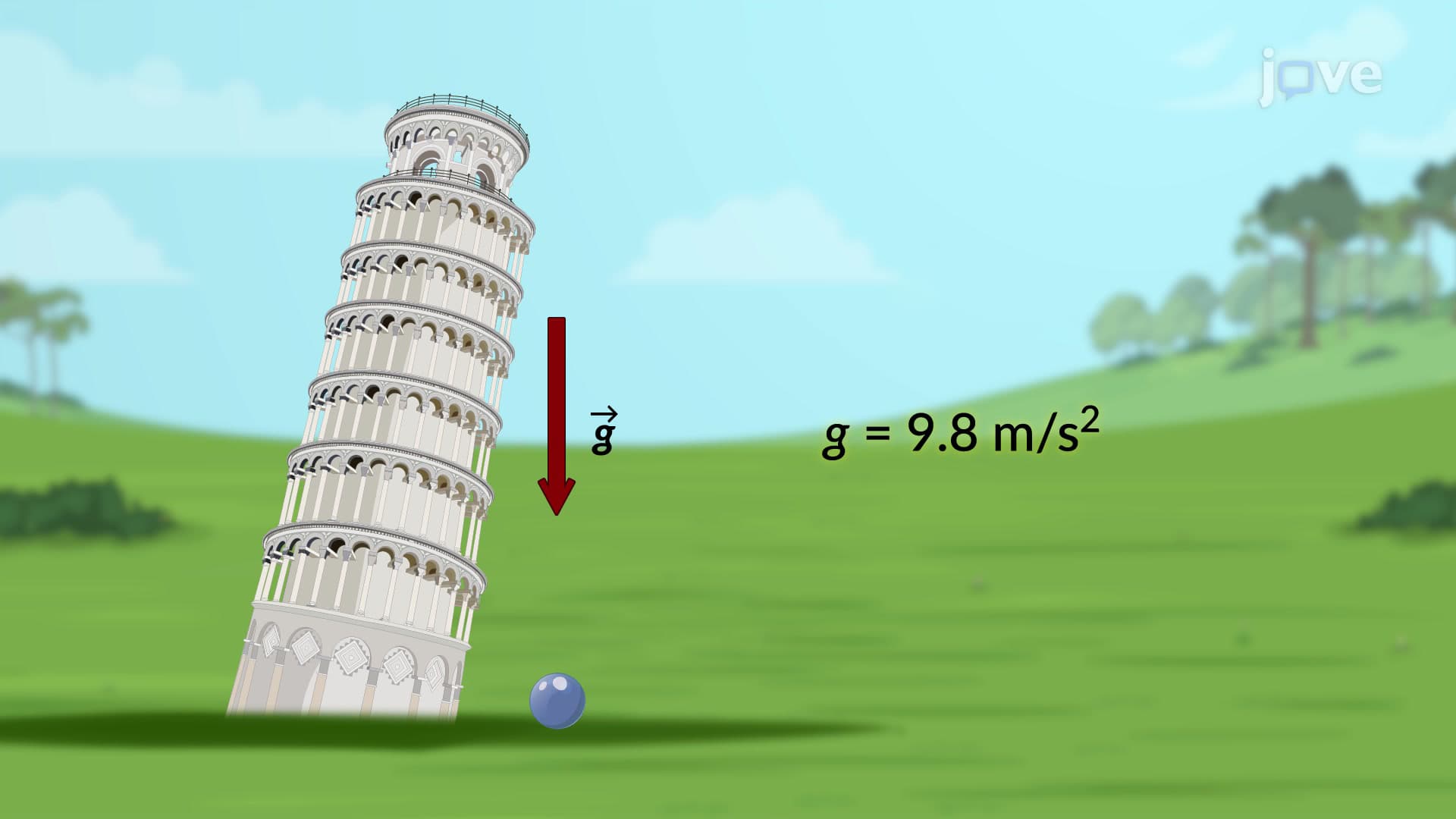
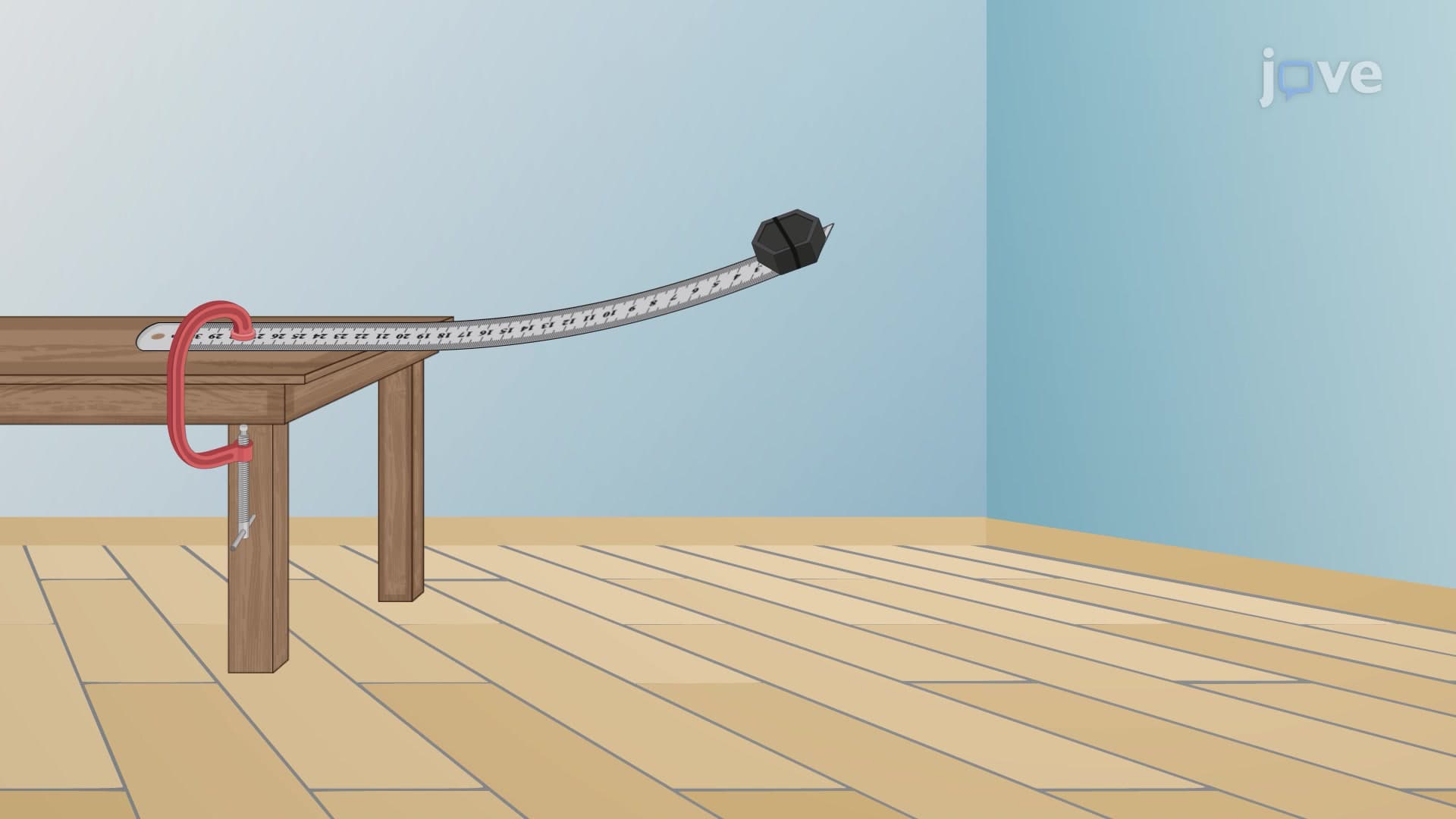
The traditional method involves dropping objects from known heights and measuring fall times. When an object falls from rest, the displacement formula h = ½gt² allows direct calculation of gravitational acceleration. NASA's Jet Propulsion Laboratory in Pasadena uses sophisticated versions of this technique in reduced-gravity simulators to test equipment for Mars missions, where gravity is only 38% of Earth's strength.
This approach works excellently for surface measurements but becomes impractical for distant planets. Students encounter this method in AP Physics 1 courses, where laboratory experiments often involve timing steel balls dropped from various heights to verify Earth's gravitational acceleration of 9.8 m/s².
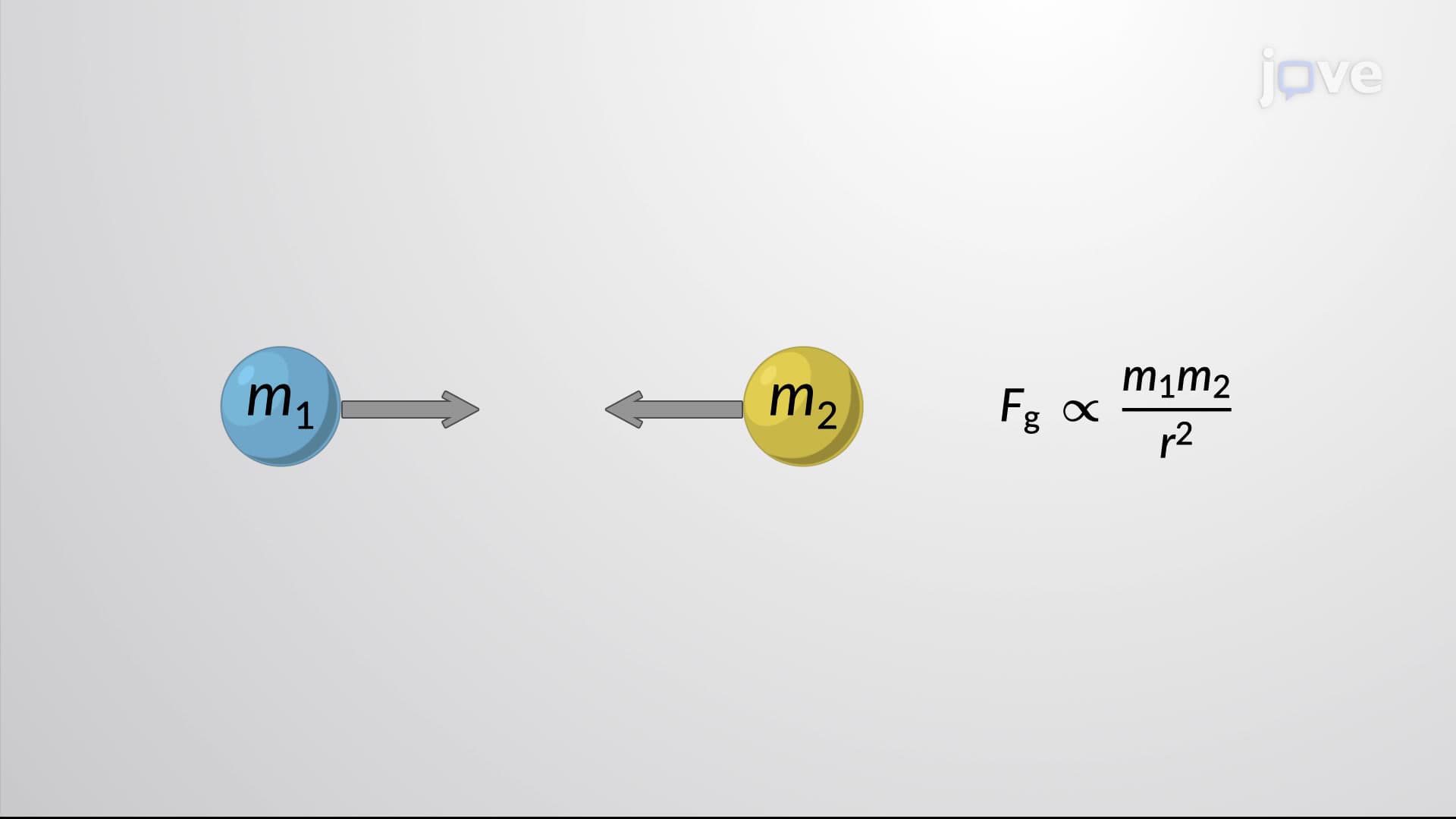
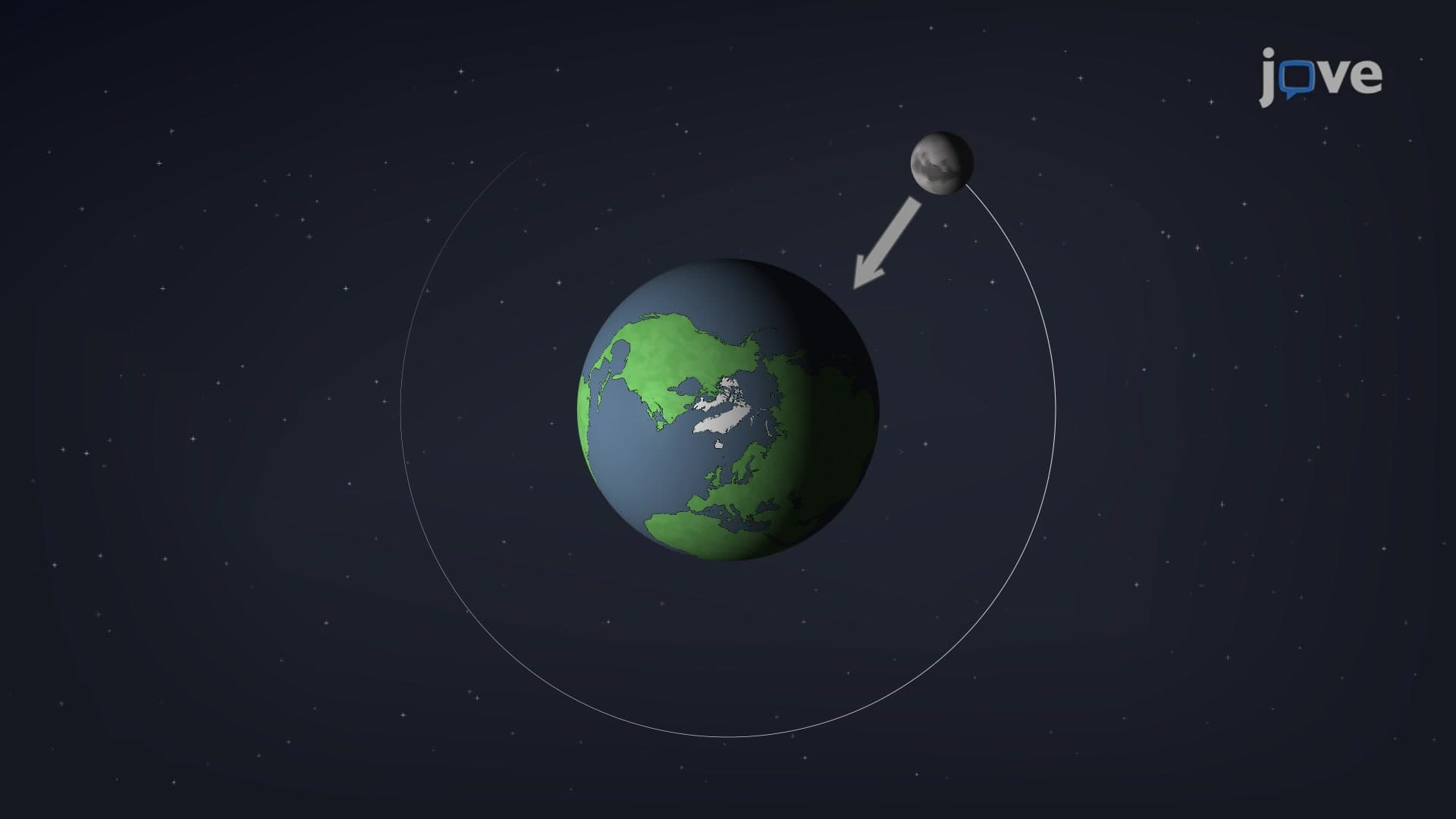
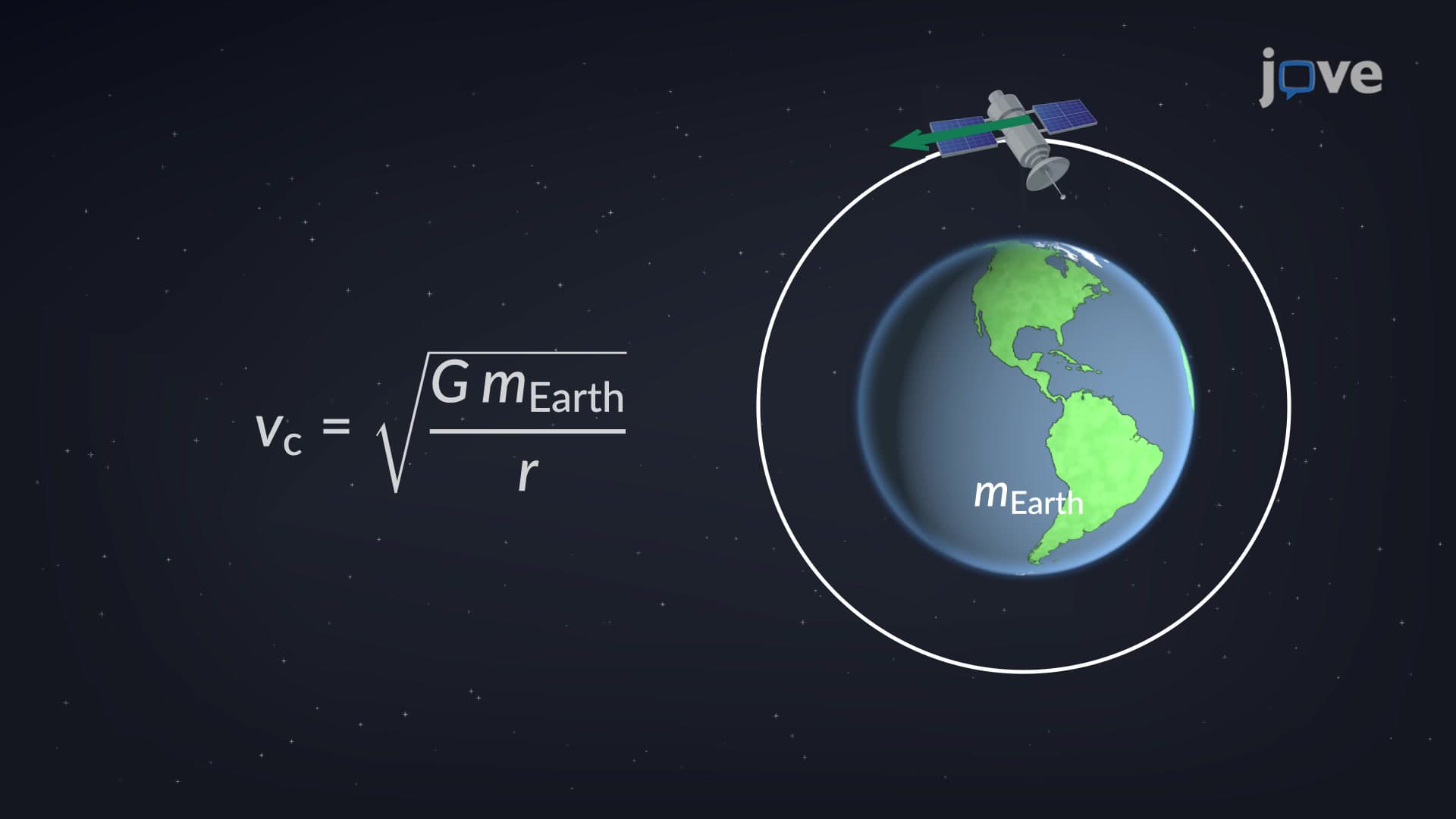
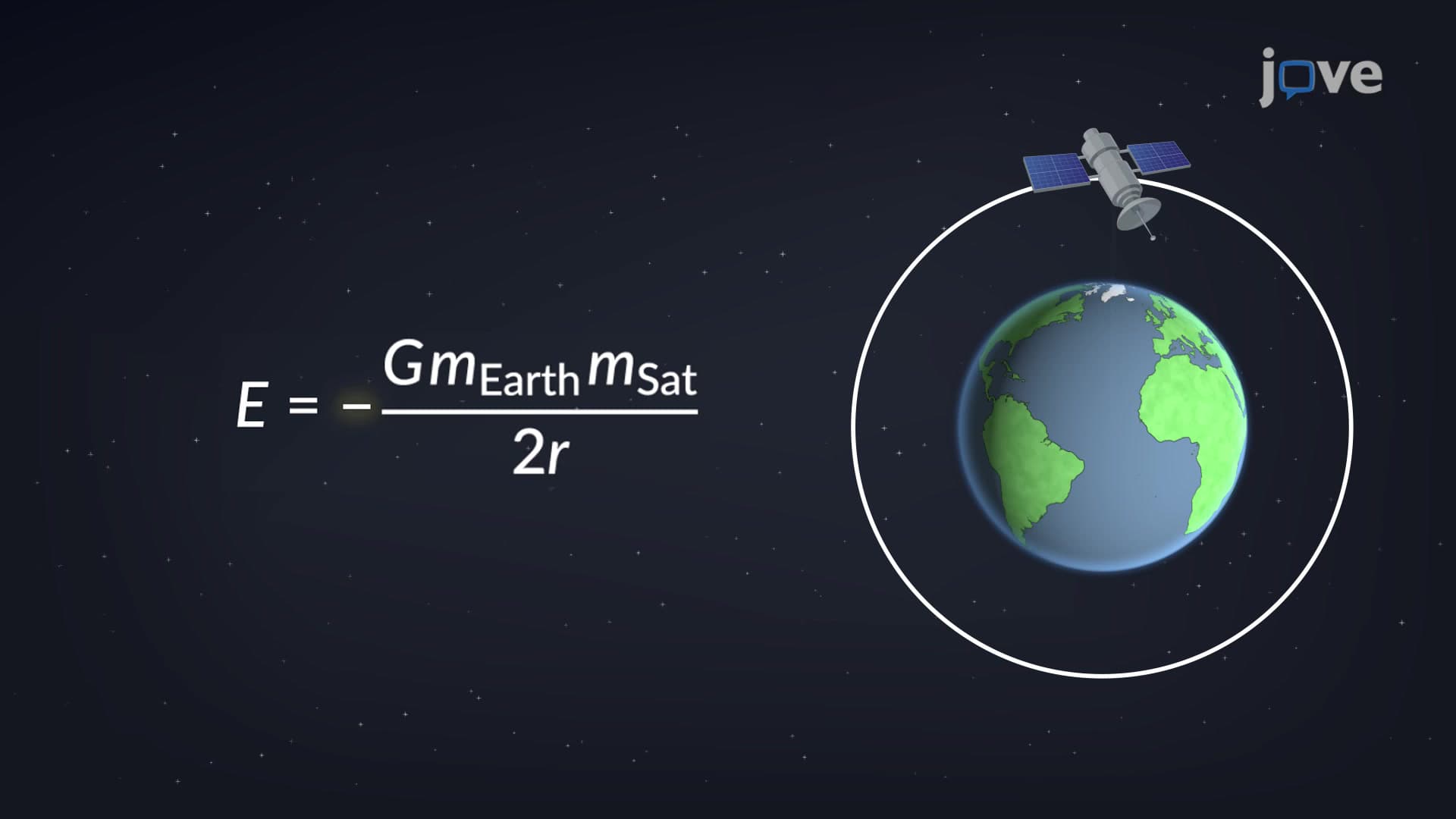
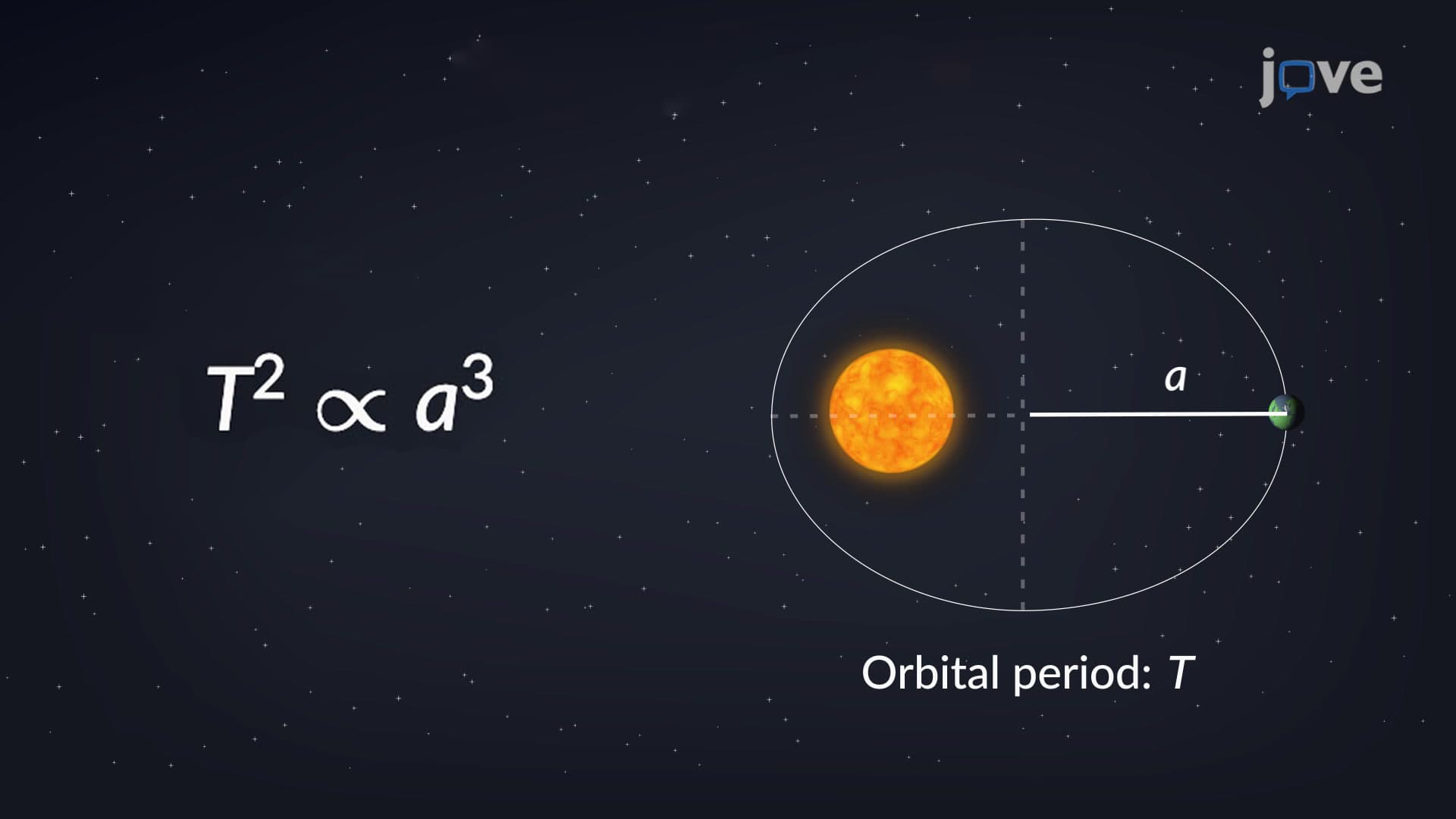
The satellite orbital approach revolutionizes how scientists determine acceleration due to gravity on distant worlds. When satellites orbit planets, gravitational force provides the centripetal force needed for circular motion. Setting mg = mv²/r and substituting ω = 2π/T yields the powerful relationship: g = 4π²r/T².
This method enabled NASA to calculate Mars' gravitational acceleration by studying its natural satellites. Phobos, orbiting at 9,376 kilometers from Mars' center with a period of 7.6 hours, provided crucial data for mission planning. College physics students regularly solve similar problems involving Earth's Moon or Jupiter's largest moons during orbital mechanics units.
Understanding gravitational calculations proves essential for spacecraft trajectory planning. SpaceX engineers use these principles when calculating fuel requirements for missions to different planets. The concept also appears in MCAT physics sections, where pre-med students must demonstrate understanding of gravitational forces in biological contexts, such as how reduced gravity affects astronaut bone density during extended space missions.
Related Micro-courses