Loading video…


 22 Concepts
 101.5K views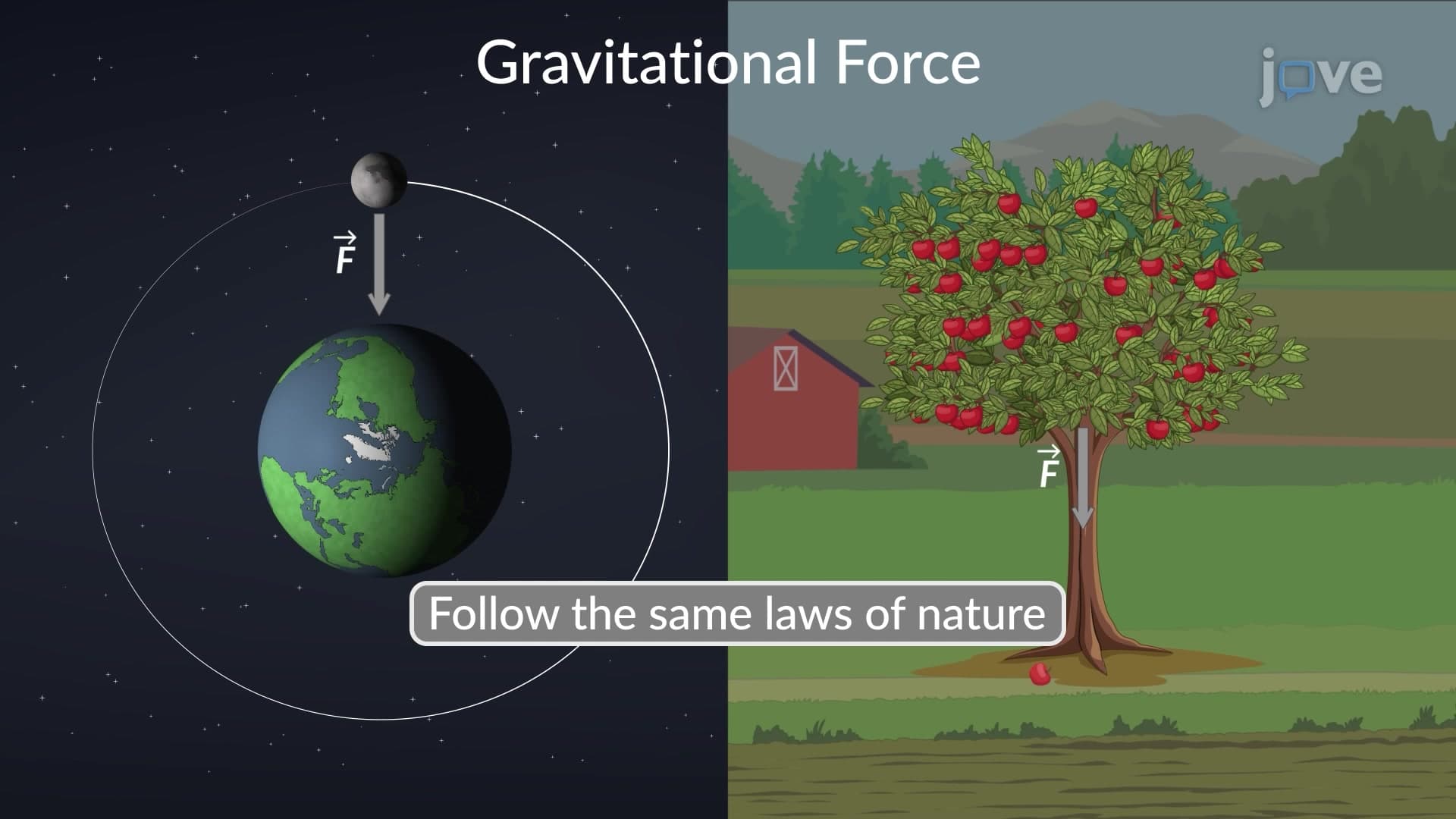

Video Summary: What Is Gravitation
Did you know that the same force keeping your feet planted on the ground also governs NASA's Mars rover missions? Gravitation is the universal attractive force that Newton brilliantly connected between falling apples and orbiting celestial bodies. This fundamental concept explains everything from why the Moon takes exactly 27.3 days to orbit Earth to how GPS satellites maintain their precise positions above us. Watch the full video on JoVE Coach to master this concept with expert-led visuals and step-by-step explanations.
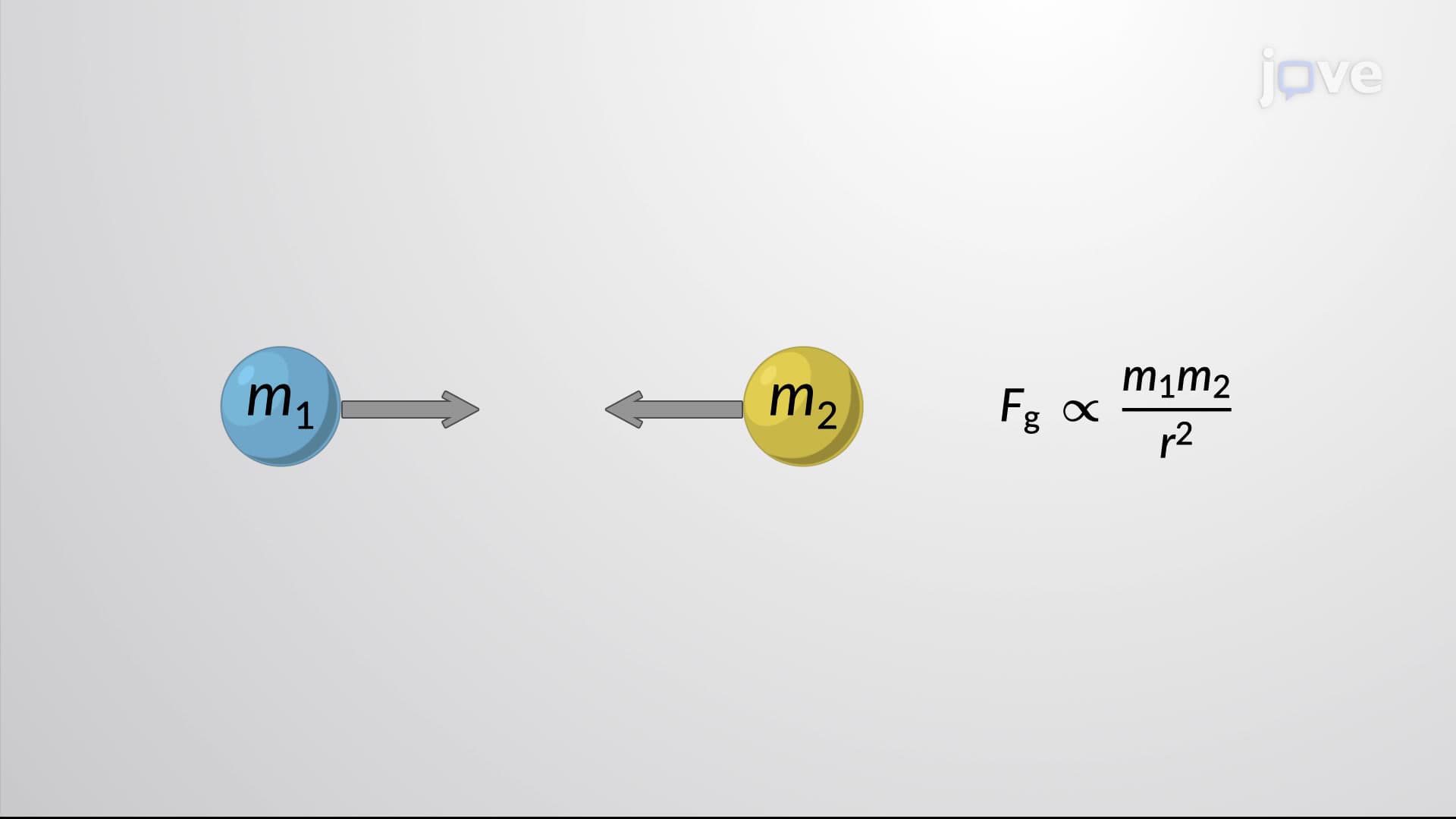
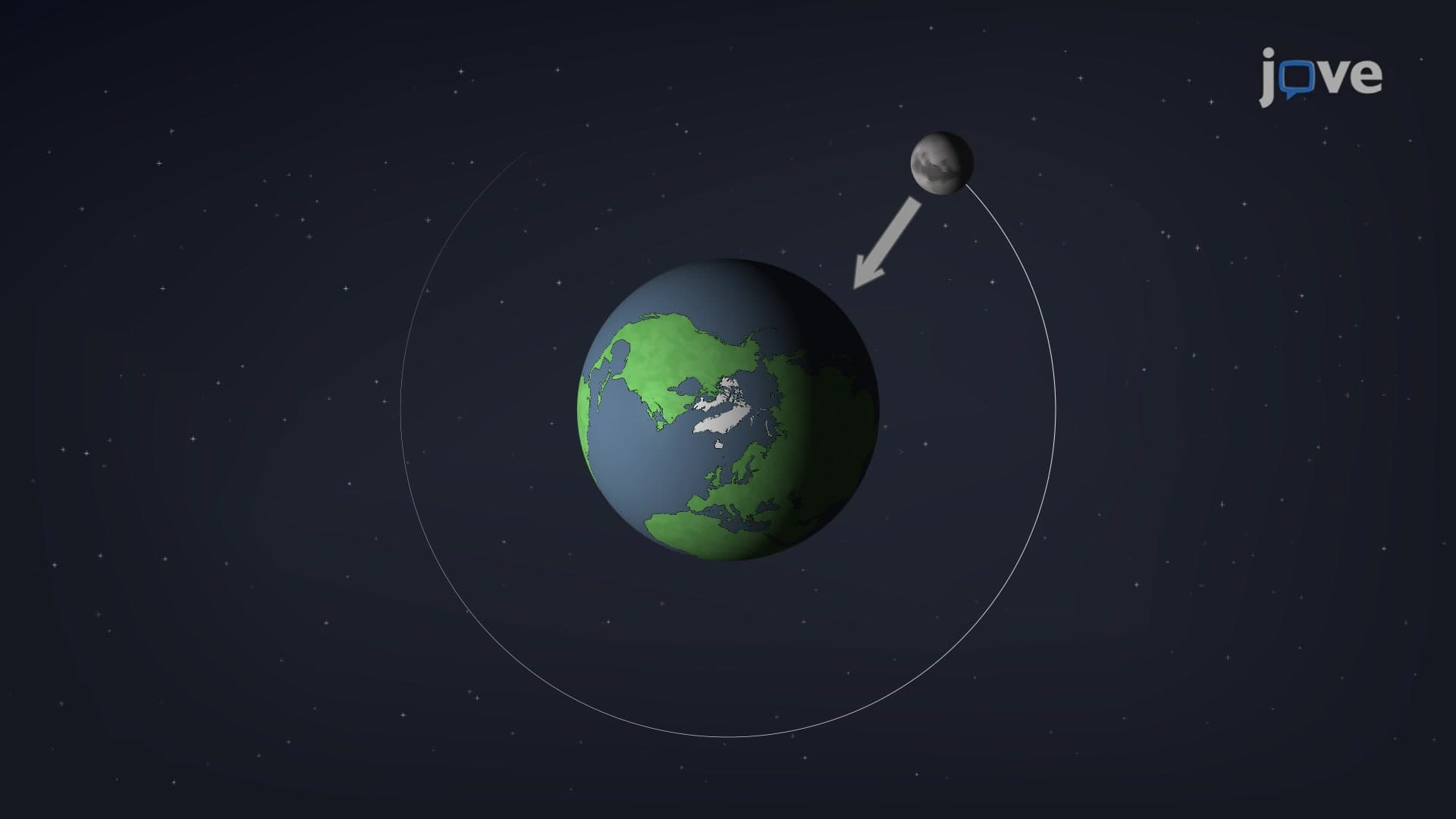
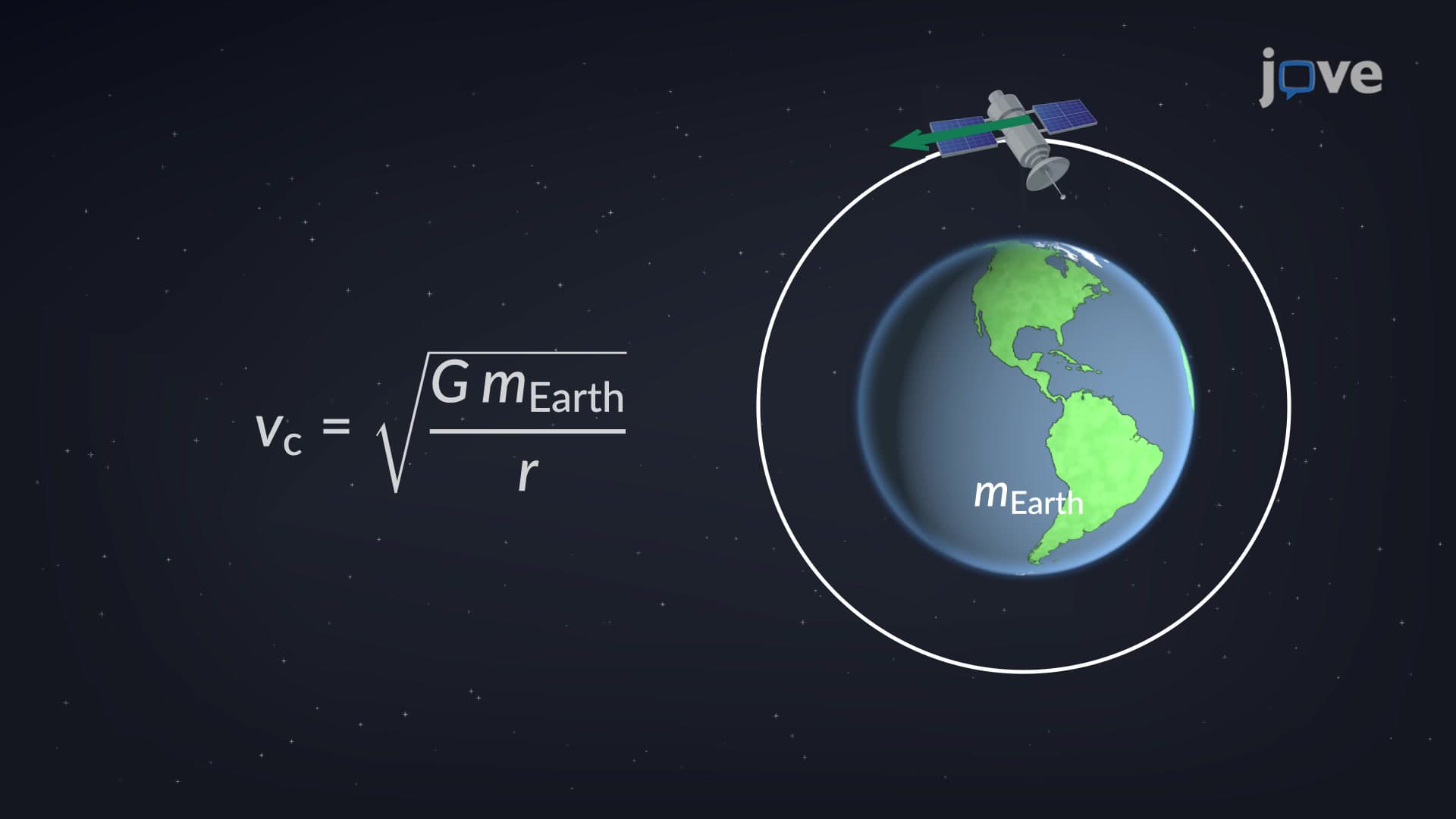
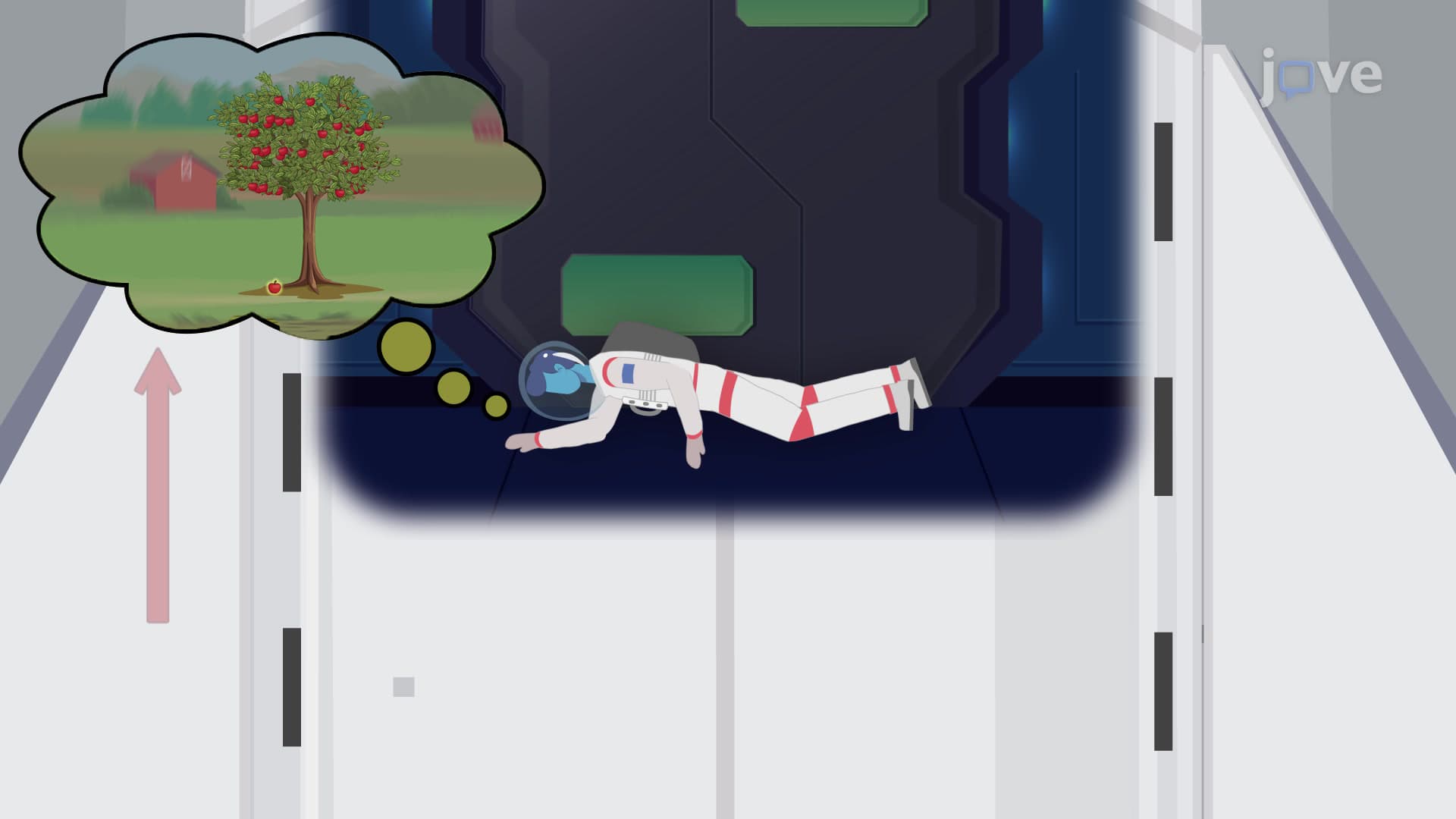
What is gravitation? Gravitation is the fundamental attractive force that exists between any two objects with mass in the universe. Isaac Newton's groundbreaking insight was recognizing that the same force pulling an apple toward Earth also keeps the Moon in its orbit-a concept that revolutionized our understanding of physics by unifying terrestrial and celestial mechanics.
Newton's law of universal gravitation states that every particle attracts every other particle with a force directly proportional to their masses and inversely proportional to the square of the distance between them. Mathematically, this appears as F = G × (m1 × m2) / r², where G is the gravitational constant, m1 and m2 are the masses, and r is the distance between centers.
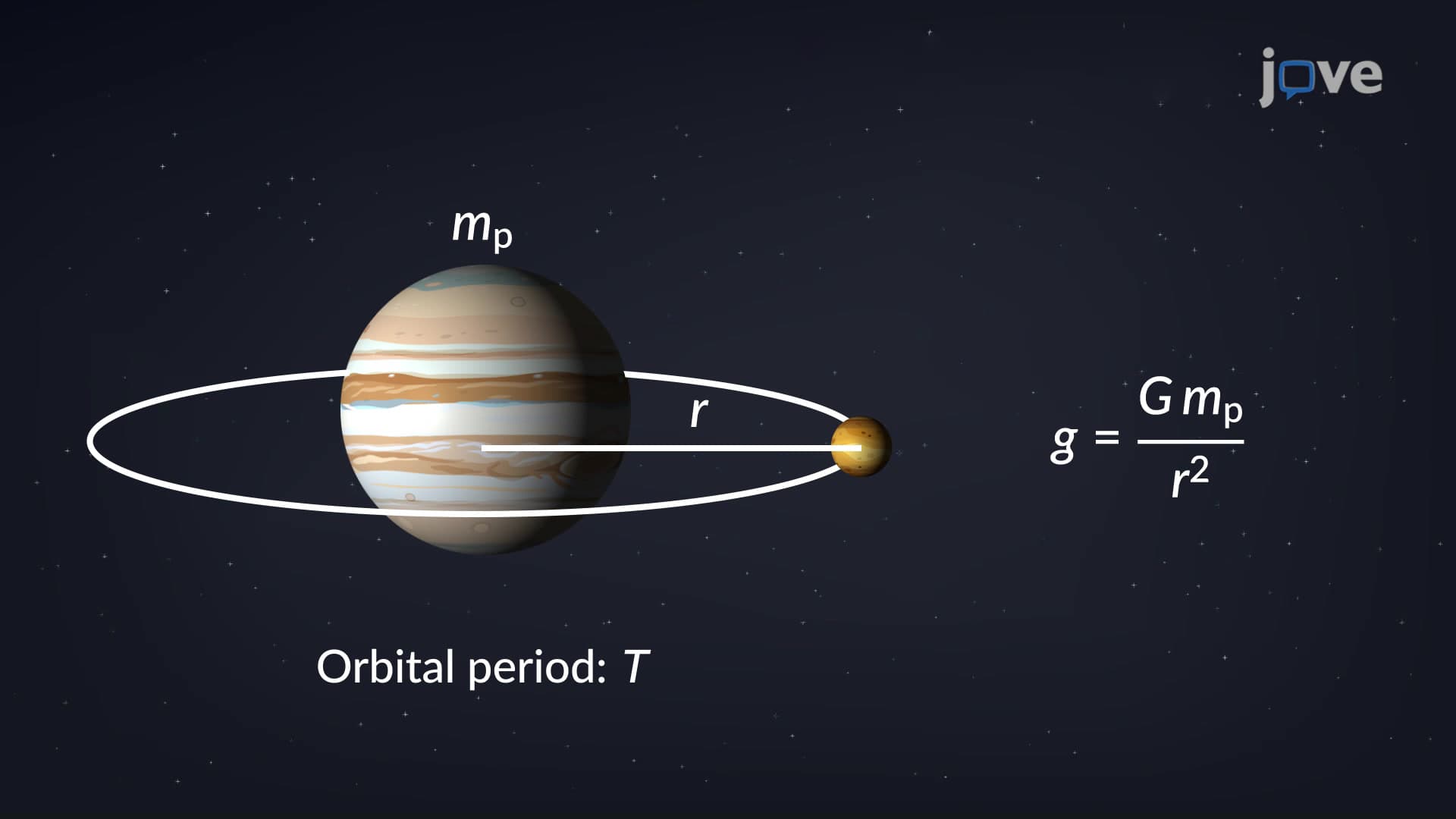
This inverse square relationship explains why astronauts on the International Space Station experience microgravity-they're far enough from Earth's center that gravitational acceleration significantly decreases. The same principle governs how NASA calculates trajectories for missions to Mars or Jupiter, accounting for each planet's gravitational influence.
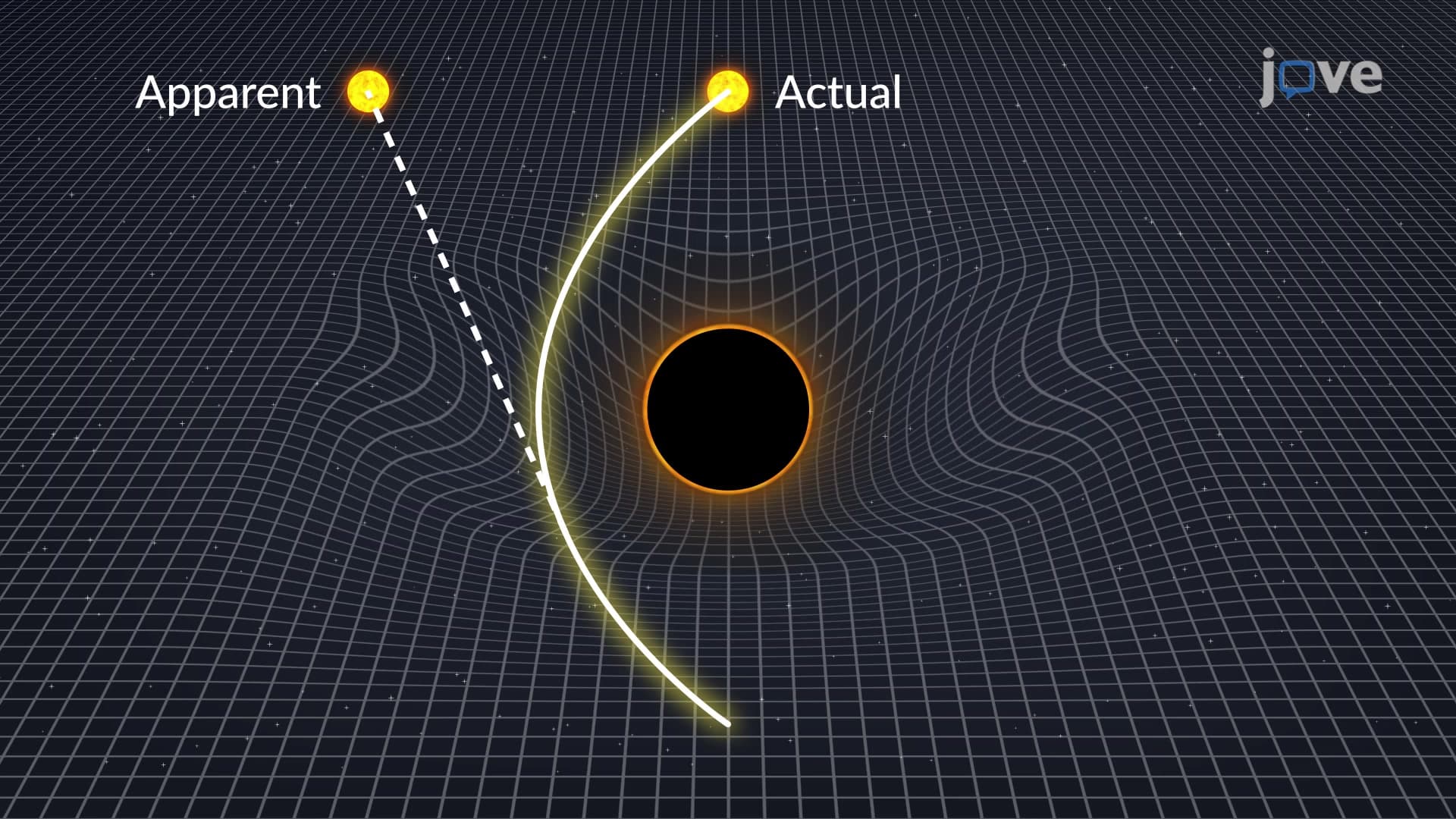
Gravitational principles directly impact technologies we use daily. GPS satellites must account for gravitational time dilation effects-Einstein showed that gravity affects time itself. Engineers at companies like SpaceX use gravitational calculations to plan rocket launches, determining optimal launch windows and fuel requirements for reaching specific orbits.
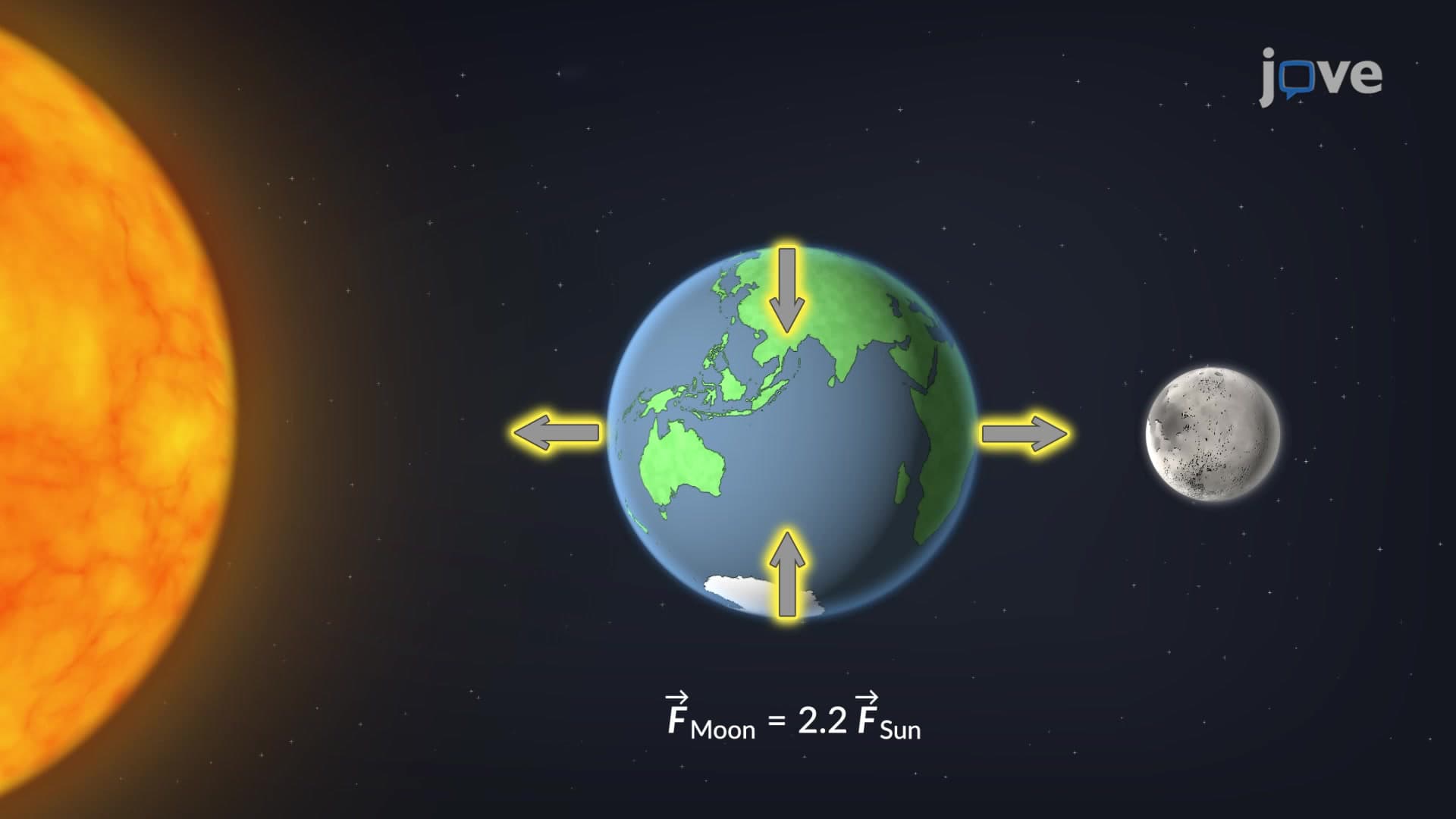
The concept also explains tidal forces along US coastlines. The Moon's gravitational pull creates high and low tides that coastal engineers must consider when designing ports, bridges, and waterfront infrastructure from California to Maine.
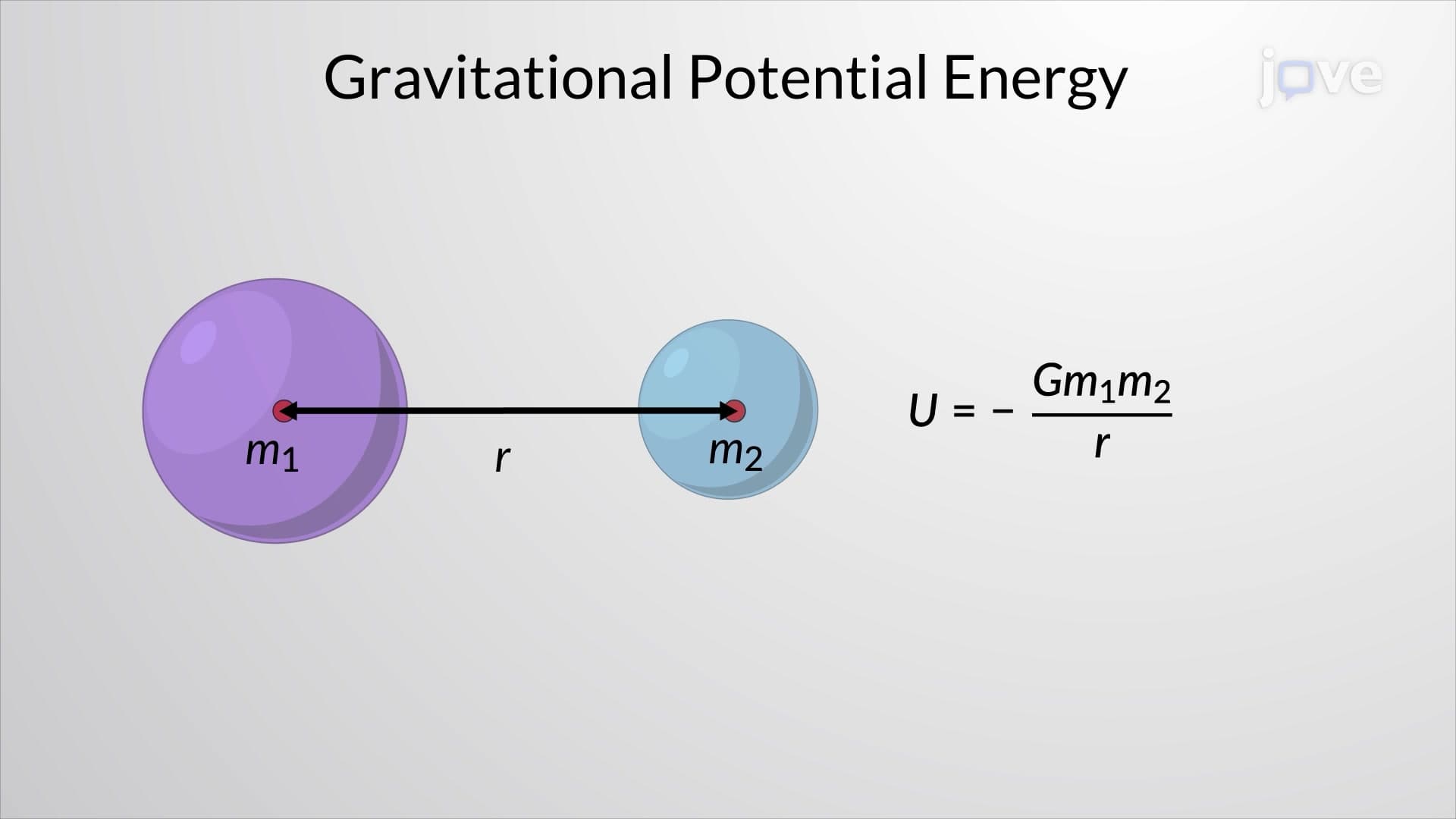
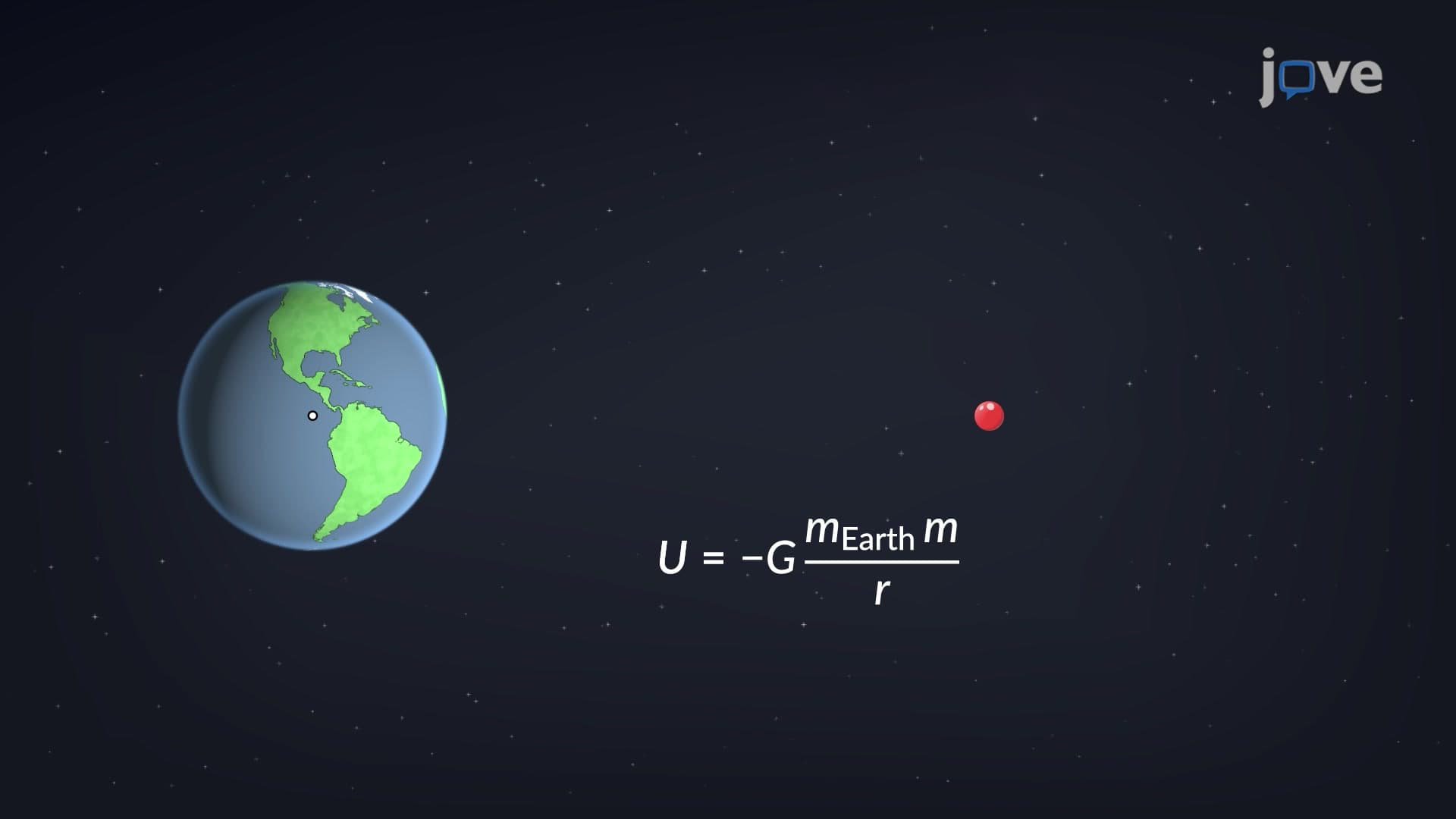
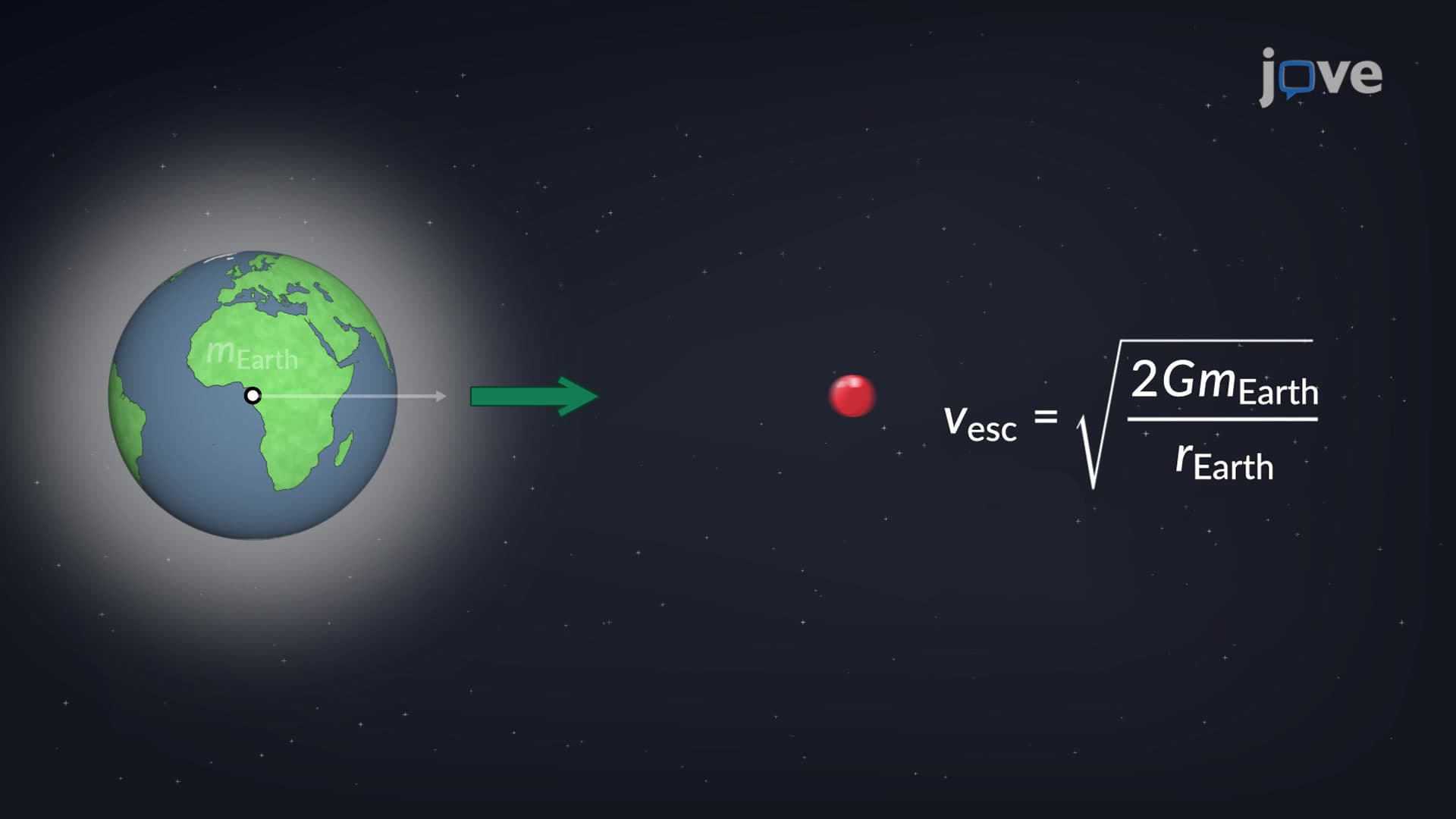
Students encounter gravitation extensively in AP Physics courses, where it typically comprises 10-15% of the exam content. College physics courses expand this foundation, connecting gravitational concepts to orbital mechanics, escape velocity, and energy conservation. MCAT test-takers must understand gravitational potential energy and how it relates to biological systems, particularly in cardiovascular physiology where hydrostatic pressure principles apply.
Understanding gravitation provides essential groundwork for advanced topics like general relativity, making it crucial for students pursuing STEM careers in aerospace engineering, astrophysics, or planetary science.
Related Micro-courses