Loading video…


 22 Concepts
 101.5K views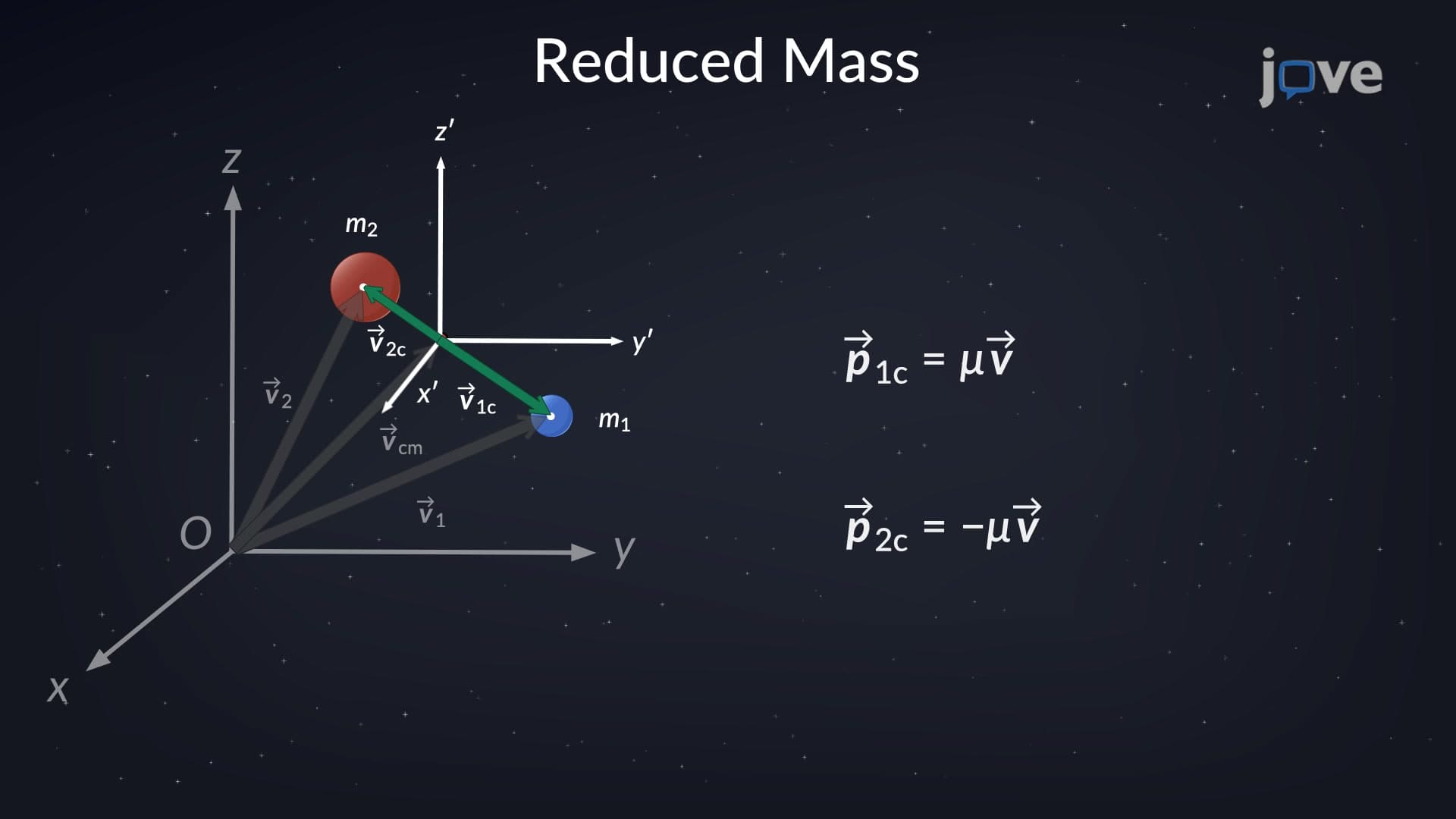

Video Summary: Reduced Mass Coordinates Isolated Two Explained
Why does Earth orbit the Sun instead of both objects spinning wildly through space? Reduced mass coordinates isolated two systems reveal the elegant physics behind this cosmic dance. In NASA's satellite missions, engineers use these principles to calculate orbital mechanics for spacecraft like the James Webb Space Telescope. The Reduced Mass Coordinates Isolated Two Explained concept transforms complex two-body problems into manageable single-body equations by finding the center of mass. Watch the full video on JoVE Coach to master this concept with expert-led visuals and step-by-step explanations.
Reduced mass coordinates isolated two systems represent one of physics' most elegant problem-solving techniques. When two objects interact gravitationally-like Earth and the Moon, or a satellite and Earth-the mathematics initially appears complex because both objects move. However, by introducing the reduced mass concept, physicists transform this challenging two-body problem into a simpler one-body equivalent.
The reduced mass μ (mu) equals (m₁ × m₂)/(m₁ + m₂), where m₁ and m₂ are the individual masses. This seemingly abstract quantity has profound physical meaning: it represents the "effective mass" of the system when viewed from the center of mass reference frame.
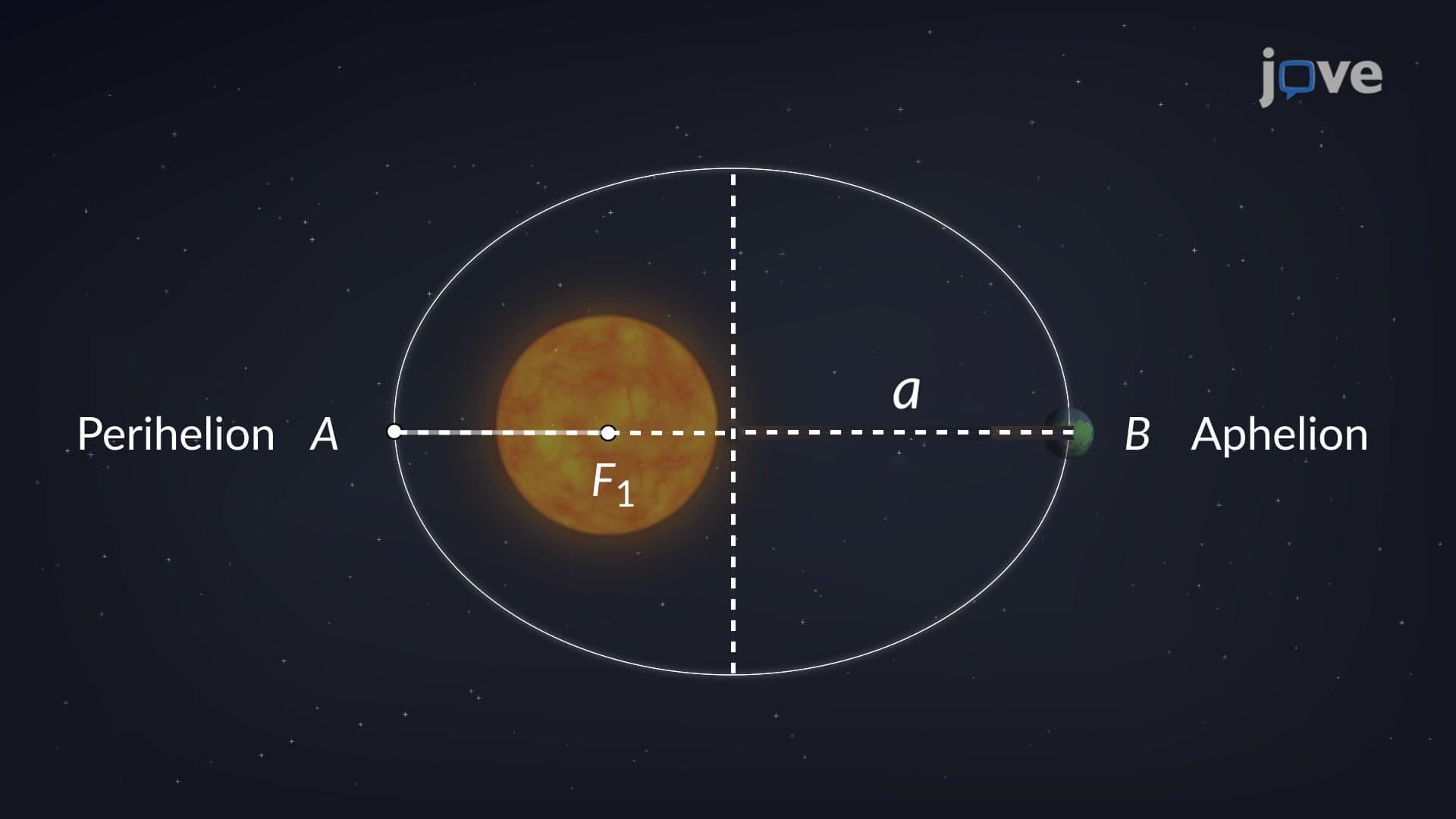
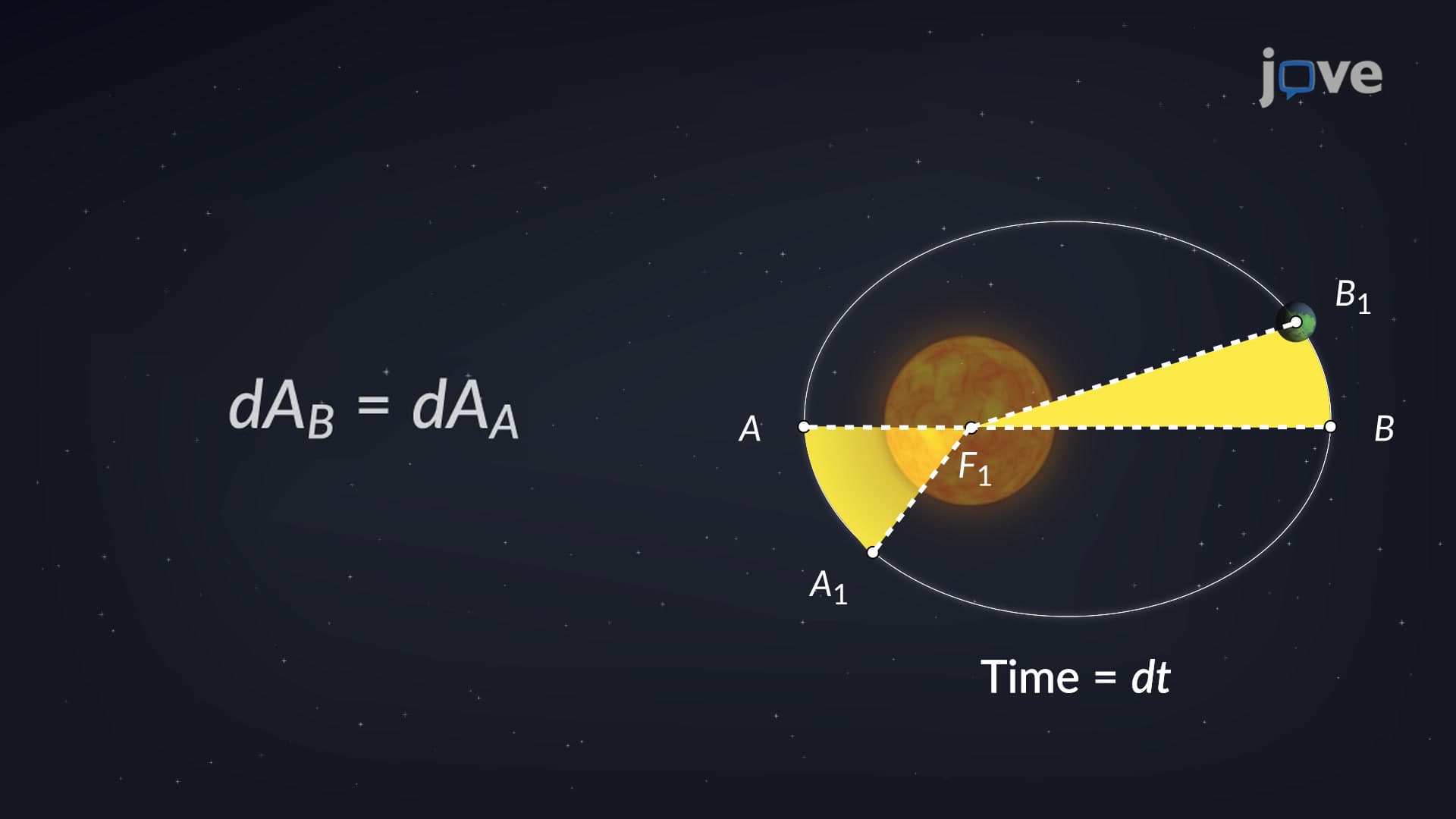
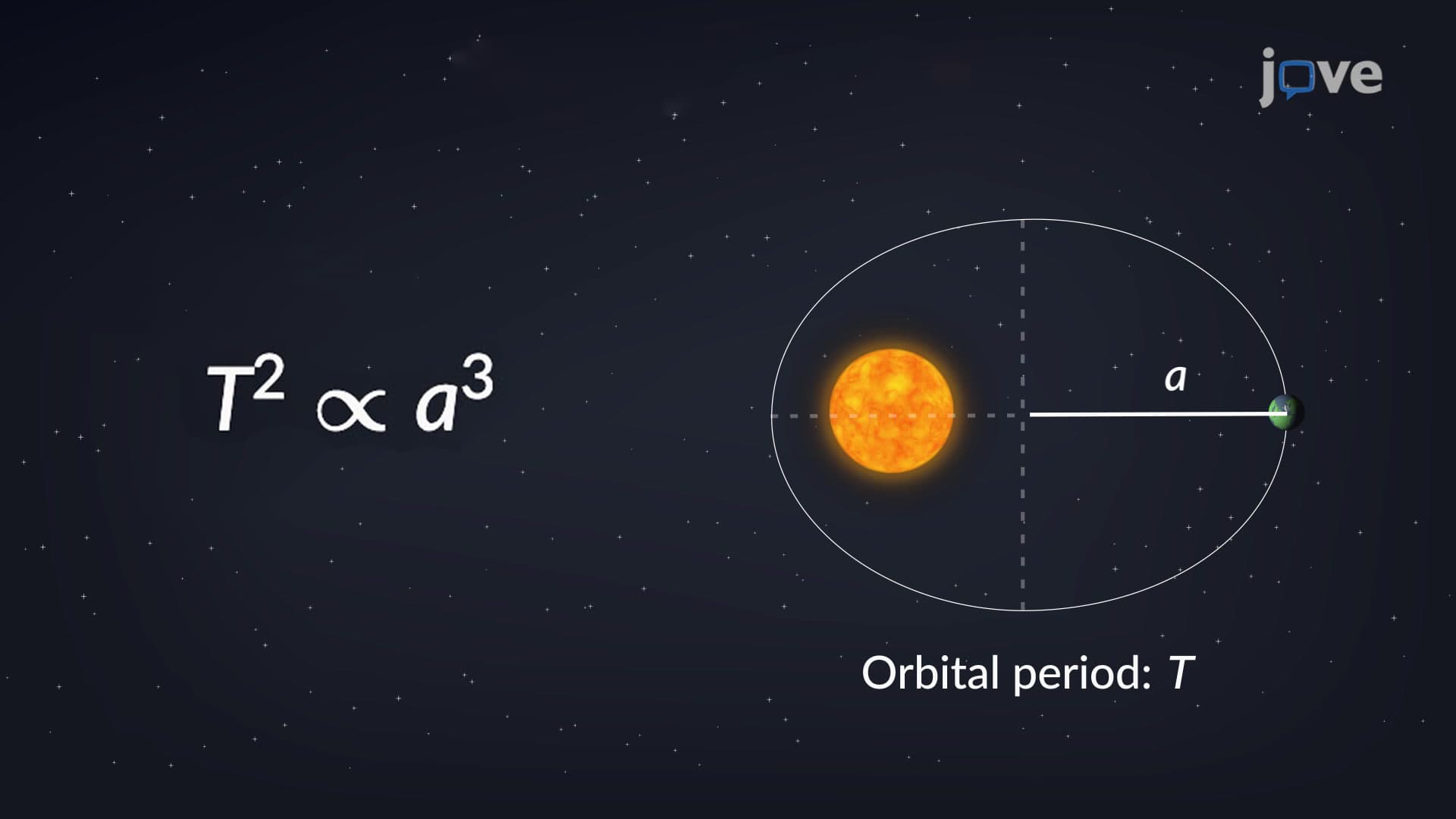
The center of mass serves as the natural origin for analyzing isolated systems. In the Earth-Sun system, this point lies approximately 450 kilometers below the Sun's surface-much closer to the Sun's center due to the Sun's vastly greater mass (330,000 times Earth's mass). This explains why the Sun appears nearly stationary while Earth traces its familiar elliptical orbit.
For US college students taking Physics I or preparing for the AP Physics C exam, this concept frequently appears in orbital mechanics problems. The MCAT also tests understanding of reduced mass in molecular physics contexts, where atoms in diatomic molecules exhibit similar behavior.
The transformation from two-body to one-body systems involves expressing each object's motion relative to the center of mass velocity. When multiplied by their respective masses, these relative velocities yield momenta that reveal the reduced mass relationship. This approach proves invaluable in NASA mission planning, where engineers calculate spacecraft trajectories around planets, and in astrophysics research conducted at institutions like Caltech and MIT.
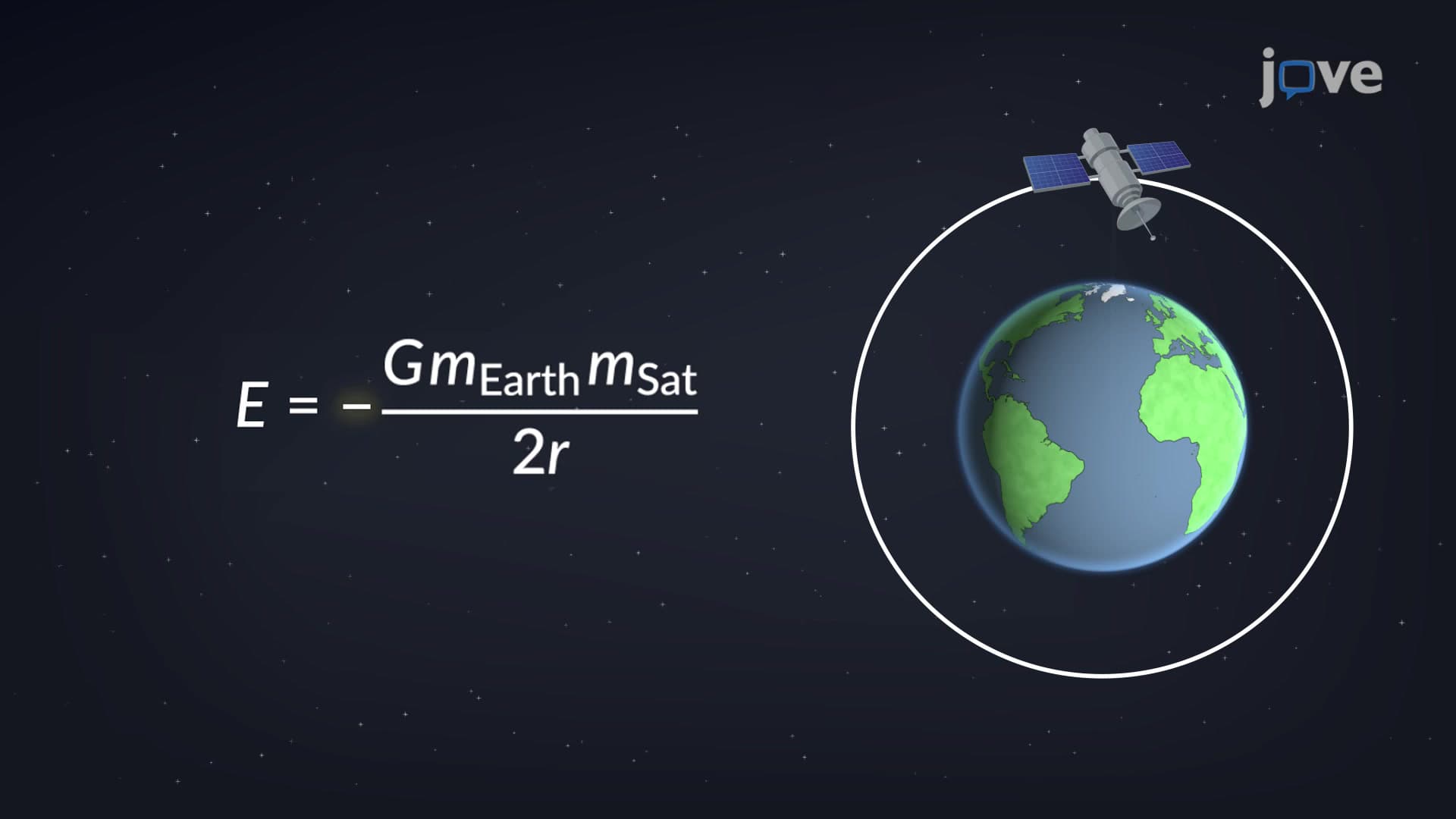
Boeing and SpaceX engineers routinely apply reduced mass principles when designing satellite constellations. For Starlink satellites orbiting Earth, the reduced mass concept helps predict orbital decay due to atmospheric drag. Similarly, the Hubble Space Telescope's orbital maintenance relies on these calculations to plan periodic reboosting maneuvers that counteract gradual altitude loss.
Related Micro-courses