Loading video…


 12 Concepts
 70.9K views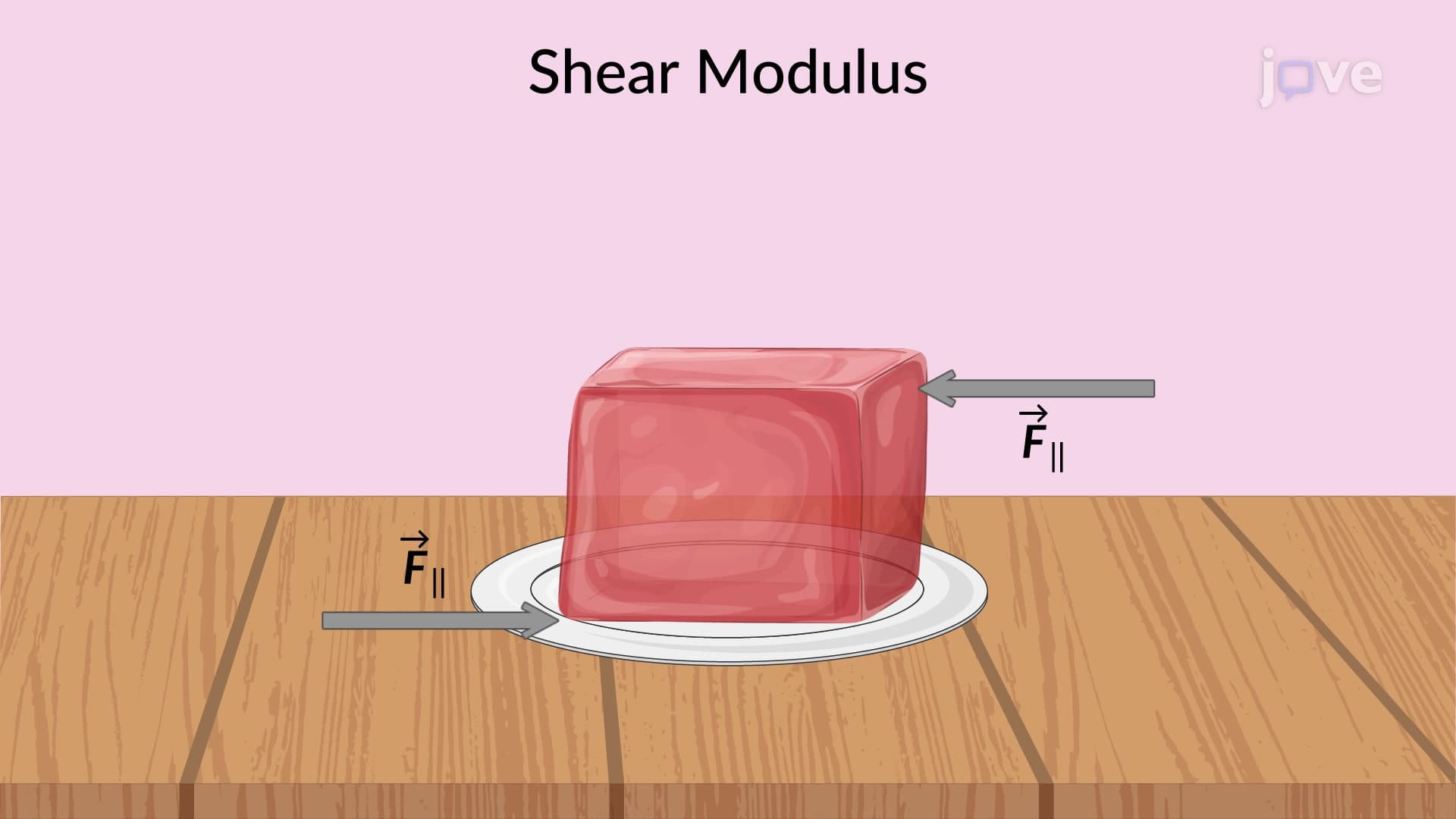

Video Summary: Problem Solving on Stress and Strain Explained
Ever wonder why gelatin desserts wobble when you touch them? Problem solving on stress and strain reveals the physics behind this everyday phenomenon. When engineers design earthquake-resistant buildings in California, they apply these same principles to understand how materials deform under force. The Problem Solving On Stress And Strain Explained approach breaks down complex material behavior into measurable quantities like shear stress, strain, and modulus. Watch the full video on JoVE Coach to master this concept with expert-led visuals and step-by-step explanations.
Stress and strain analysis forms the backbone of materials engineering and physics. When solving problem solving on stress and strain scenarios, we examine how materials respond to applied forces. Stress represents the internal resistance a material develops when subjected to external forces, while strain measures the resulting deformation. This fundamental relationship helps engineers design everything from smartphone screens to bridge cables.
Shear stress occurs when forces act parallel to a material's surface, causing layers to slide past each other. The formula is straightforward: shear stress = applied force ÷ cross-sectional area. In our gelatin example, a 0.50 N force applied to the top surface creates shear stress throughout the material. This concept appears frequently on AP Physics exams and college mechanics courses, where students must identify force directions and calculate stress magnitudes. Real-world applications include analyzing how wind forces affect skyscraper facades in Chicago or how tectonic forces create fault lines in California.
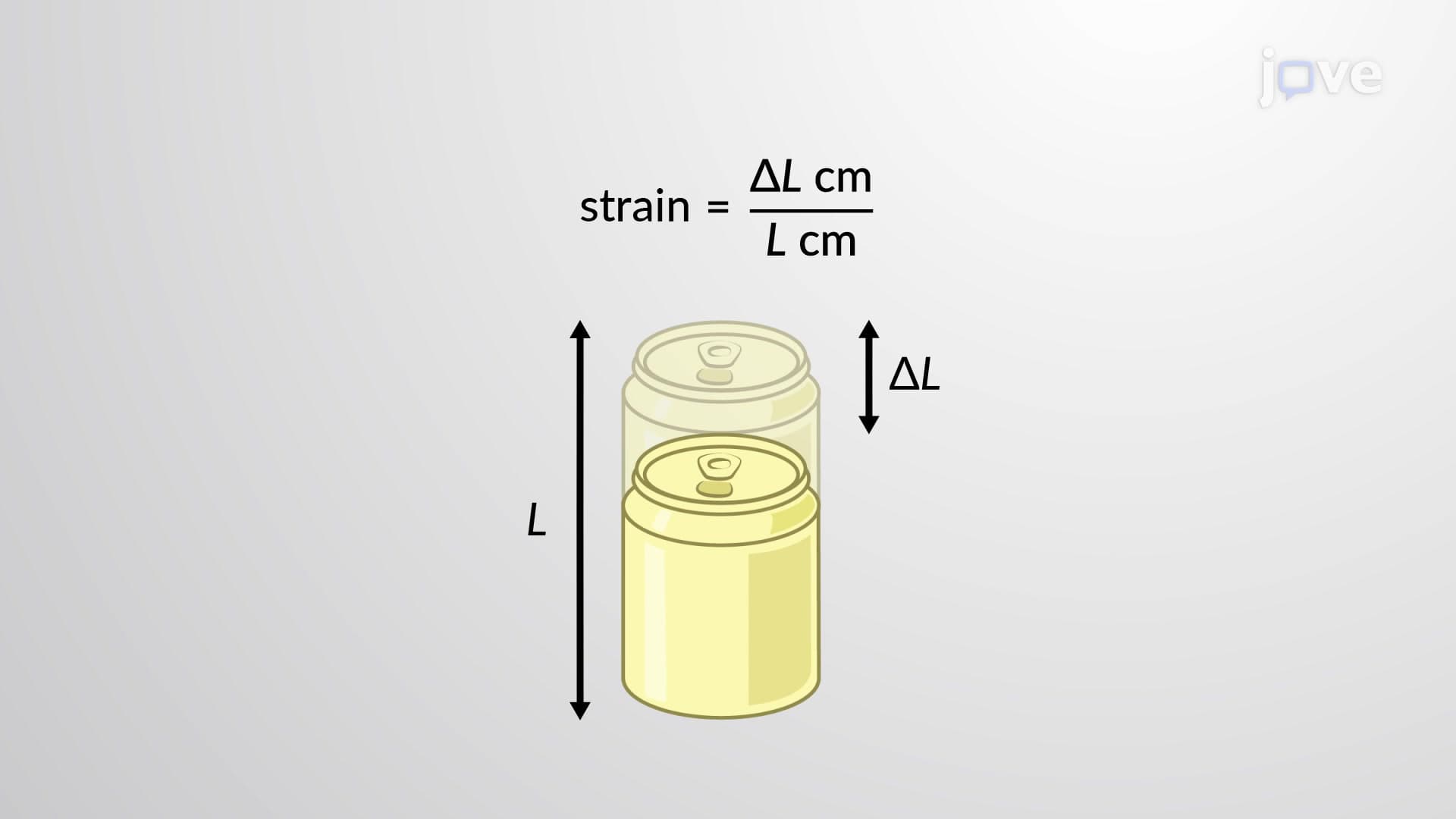
Shear strain quantifies how much a material deforms relative to its original shape. Unlike normal strain (stretching or compression), shear strain involves angular distortion. When the gelatin's top surface displaces 0.5 cm while the bottom remains fixed, we calculate strain as the displacement divided by the material's height. This dimensionless quantity helps predict material failure and appears in MCAT physics sections. NASA engineers use similar calculations when designing spacecraft heat shields that must withstand extreme thermal stress during atmospheric reentry.
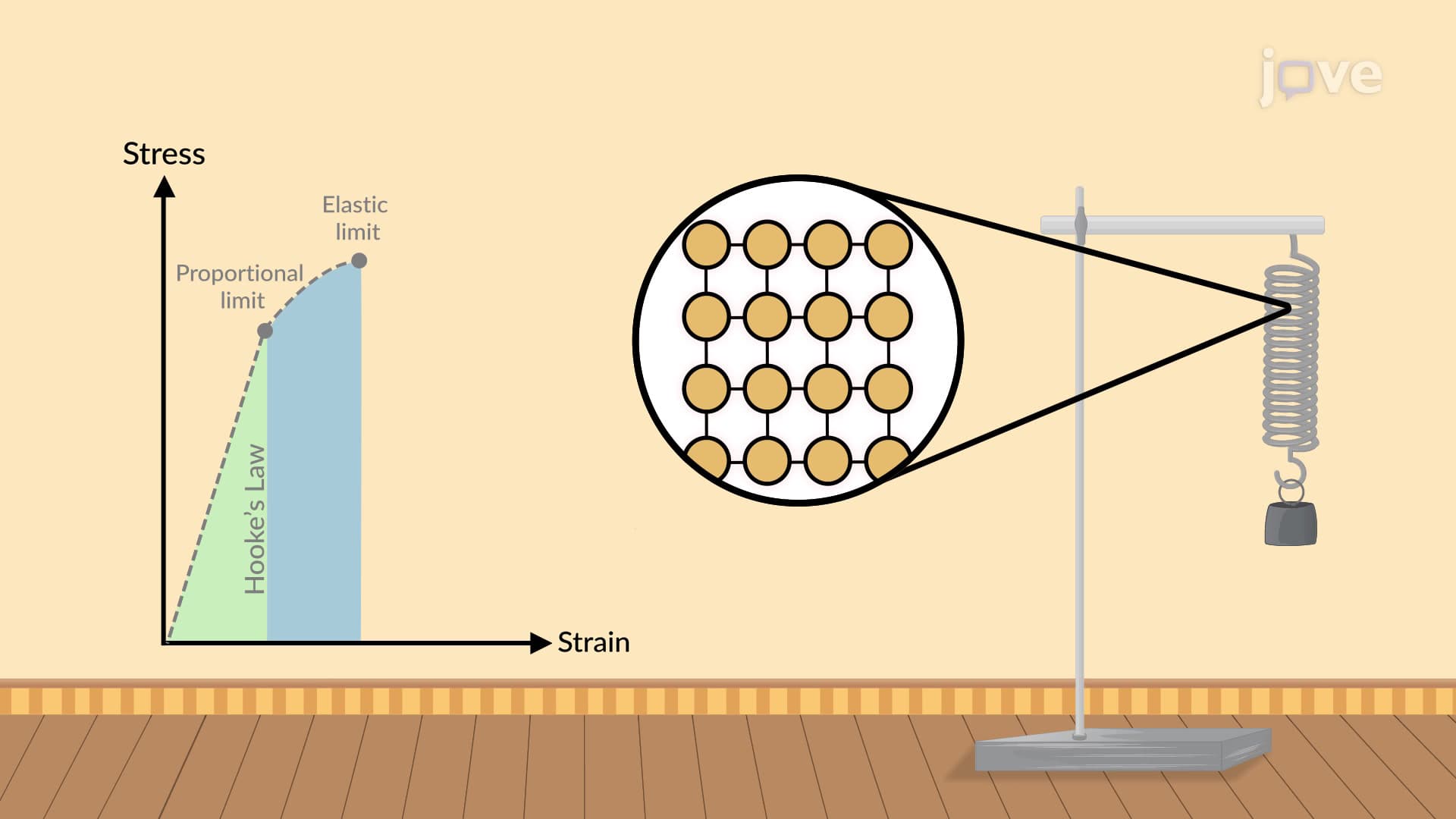
The shear modulus represents a material's resistance to shear deformation. By dividing shear stress by shear strain, we obtain a fundamental material property that remains constant for elastic deformation. High shear modulus materials like steel resist deformation, while low modulus materials like rubber deform easily. This problem solving on stress and strain concept helps students understand why different materials behave distinctly under identical loading conditions. Civil engineers rely on shear modulus values when selecting materials for earthquake-resistant construction in seismically active regions like the San Francisco Bay Area.
Related Micro-courses