Loading video…


 12 Concepts
 70.9K views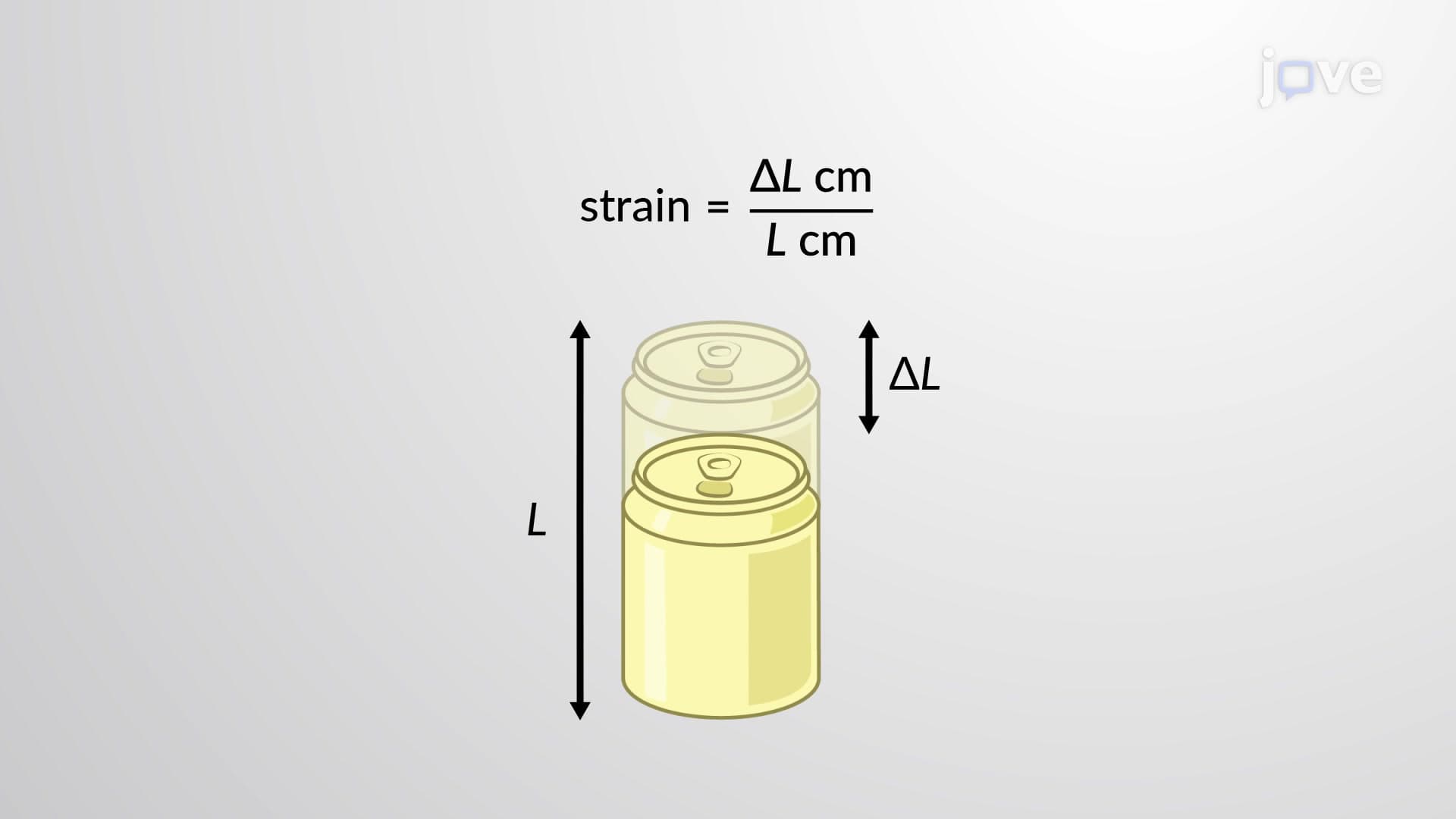

Video Summary: What Is Strain and Elastic Modulus
Ever wonder why a rubber band snaps back to its original shape but silly putty doesn't? The answer lies in understanding strain and elastic modulus, fundamental concepts that explain how materials respond to forces. When engineers design the Golden Gate Bridge in San Francisco, they must calculate how much the steel cables will stretch under load-this is strain analysis in action. Strain measures deformation relative to original size, while elastic modulus quantifies a material's resistance to that deformation. Watch the full video on JoVE Coach to master this concept with expert-led visuals and step-by-step explanations.
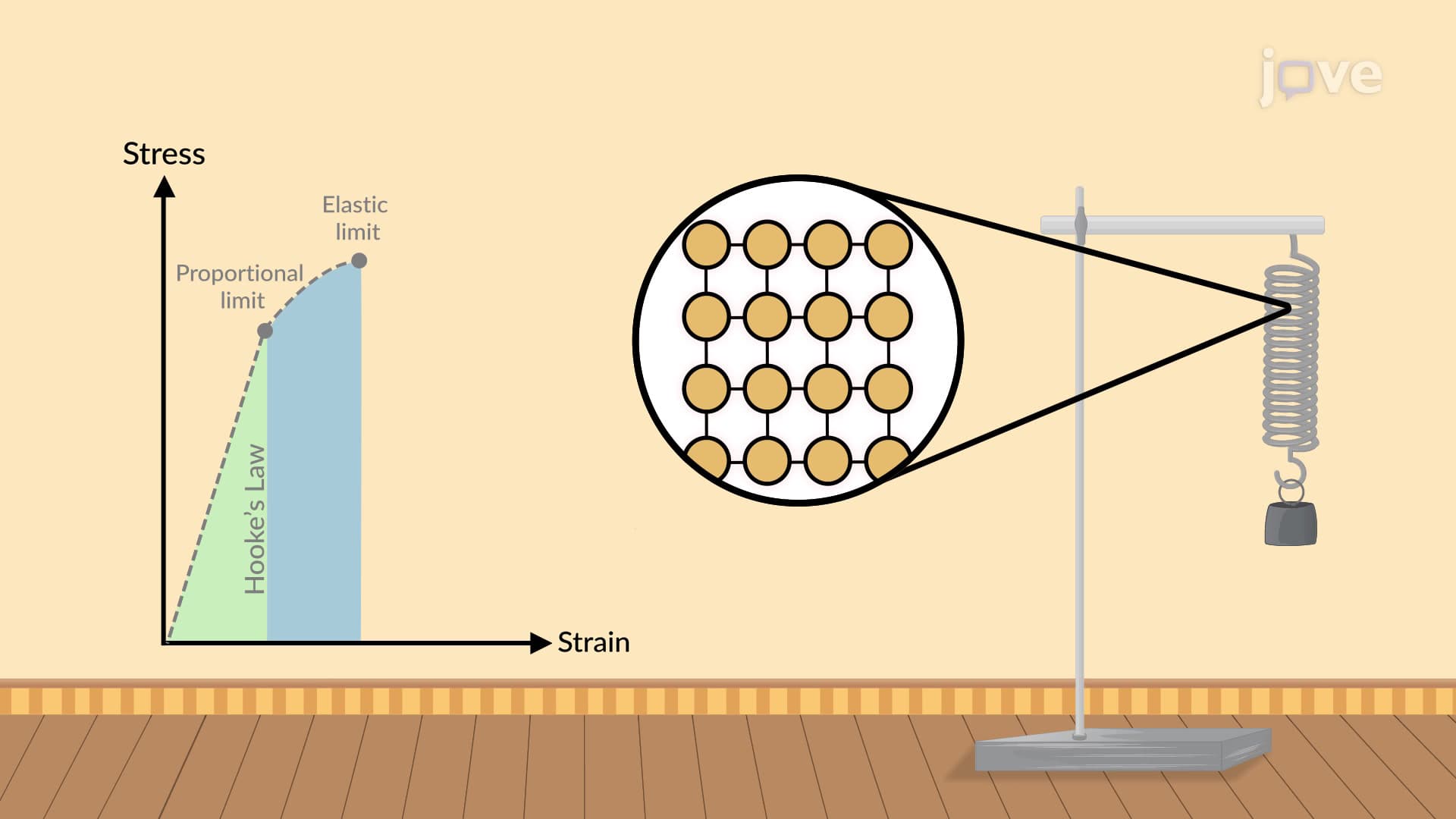
Strain and elastic modulus form the cornerstone of materials science and engineering mechanics. Strain quantifies how much an object deforms when forces act upon it, expressed as a ratio of change in dimension to original dimension. Since strain compares two lengths, it remains dimensionless-making it universally applicable whether measuring microscopic crystal deformation or massive structural elements.
The elastic modulus serves as a material's "stiffness fingerprint," revealing how resistant it is to deformation. Materials with high elastic moduli, like diamond or steel, barely deform under substantial forces. Conversely, materials with low moduli, such as rubber or biological tissues, deform significantly under modest loads.
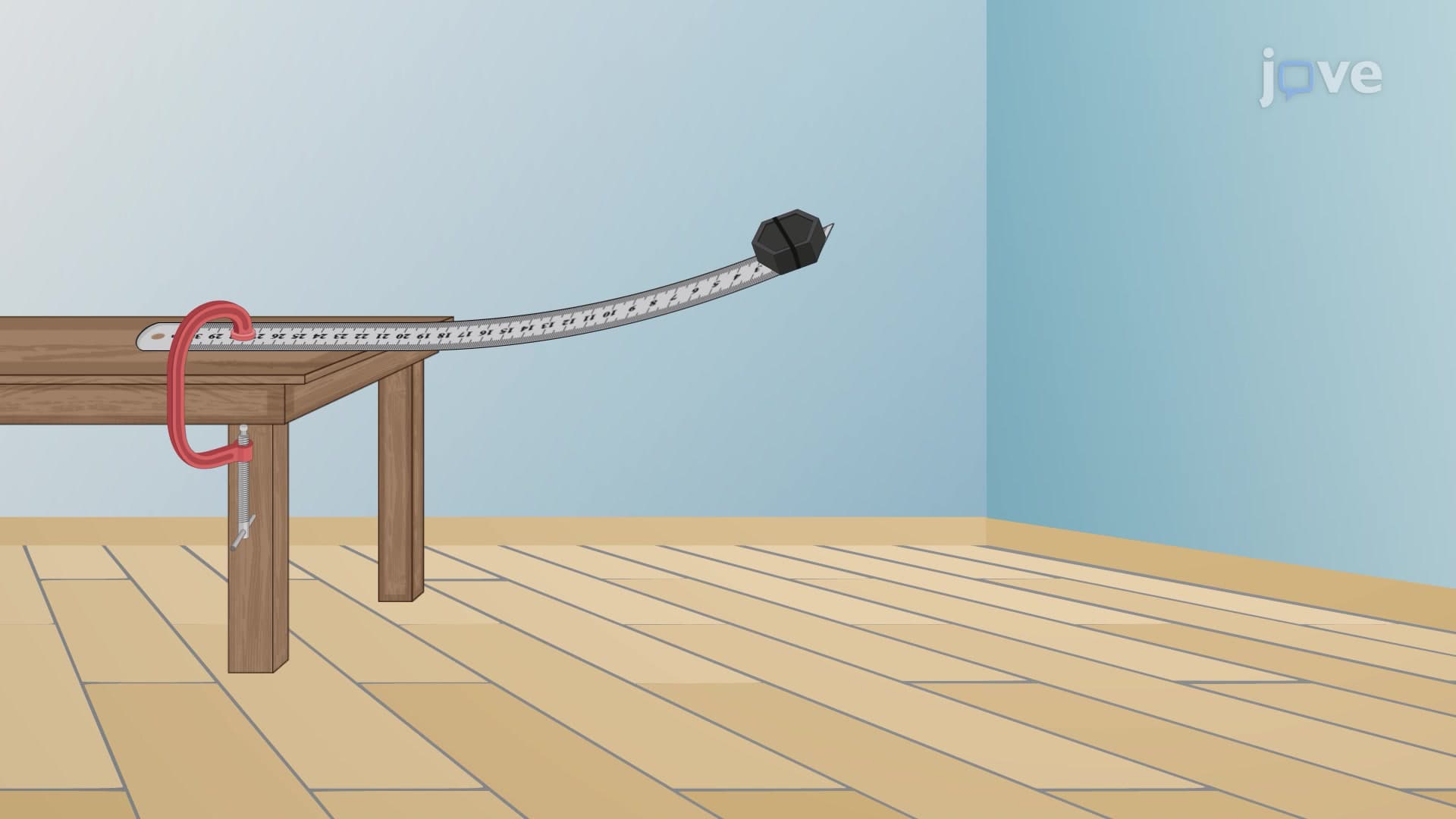
Tensile strain occurs when materials stretch, calculated as (final length - original length) / original length. Consider how suspension bridge cables in New York's Brooklyn Bridge experience tensile strain under traffic loads. Compressive strain happens during crushing or squeezing, common in concrete pillars supporting skyscrapers like Chicago's Willis Tower.
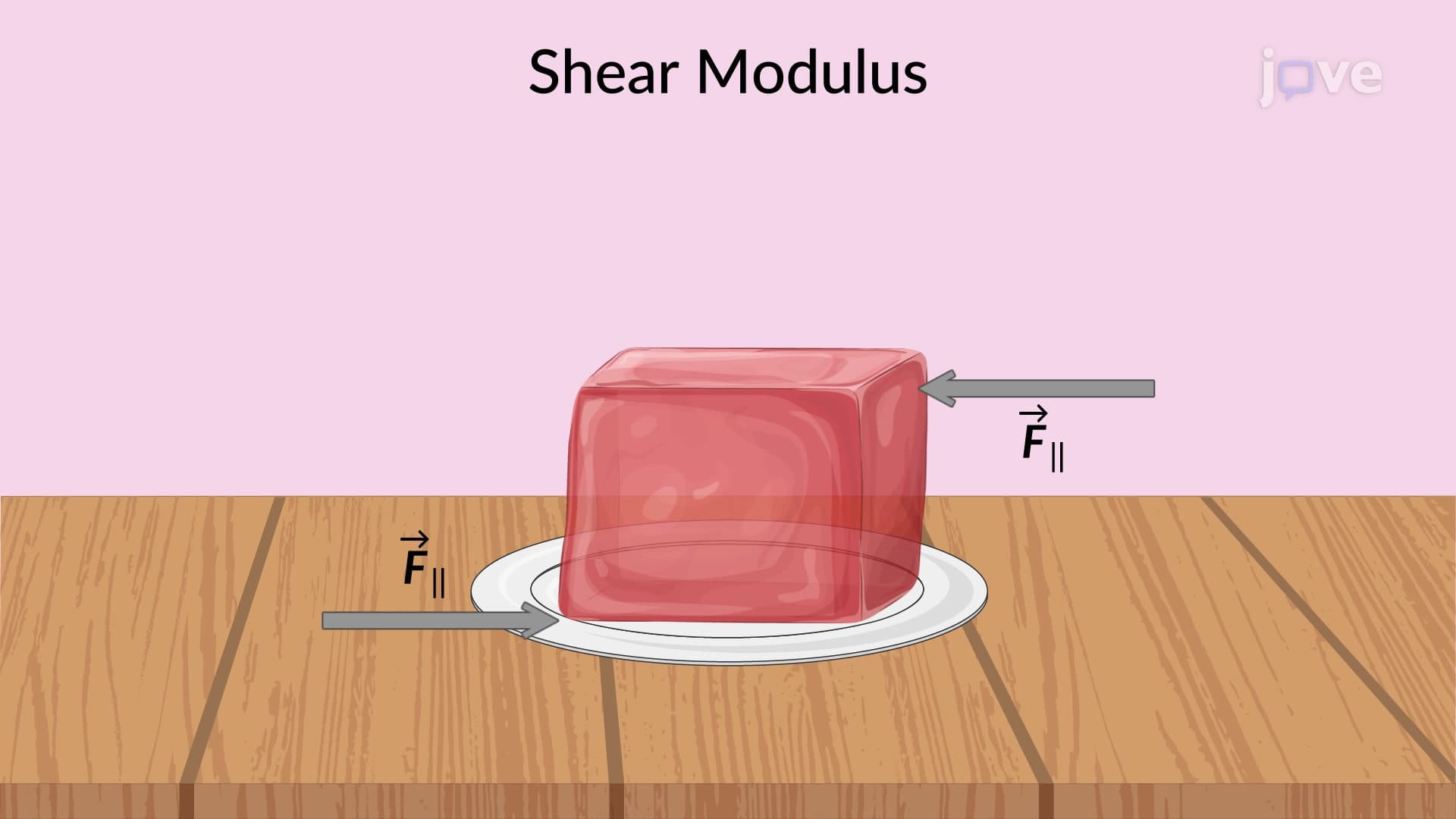
Bulk strain involves volume changes when pressure acts uniformly from all directions-imagine how deep-sea equipment shrinks under ocean pressure. Shear strain results from forces parallel to surfaces, like when tectonic plates slide past each other during California earthquakes, causing ground deformation.
Young's modulus specifically relates tensile stress to tensile strain, crucial for designing everything from aircraft wings to medical implants. Steel typically exhibits Young's modulus around 200 GPa, while human bone measures approximately 15 GPa-explaining why orthopedic implants require careful material matching.
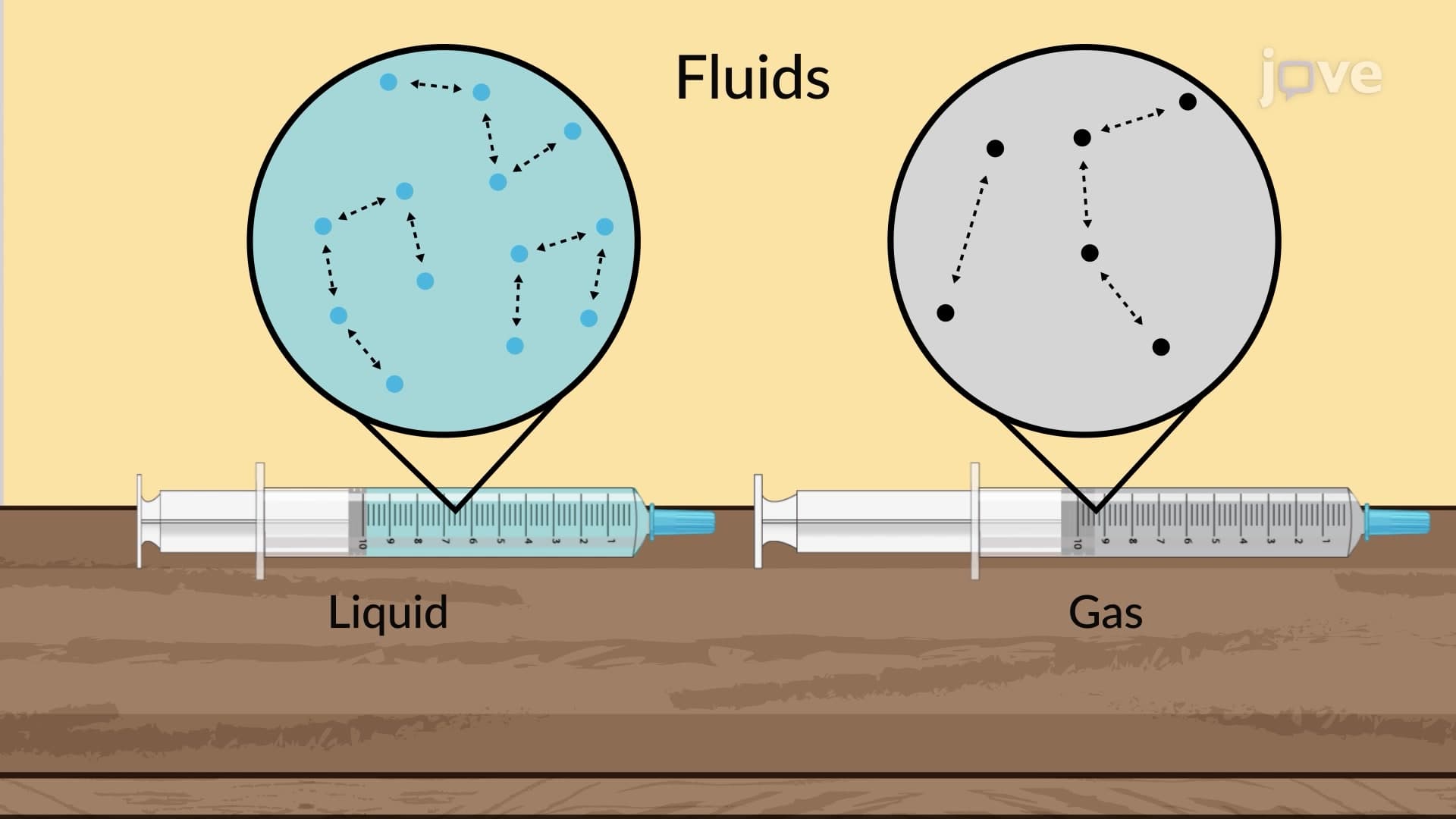
Bulk modulus connects volumetric stress to volumetric strain, essential in fluid mechanics and geophysics. Shear modulus links shear stress to shear strain, fundamental in analyzing earthquake wave propagation and mechanical vibrations.
These concepts frequently appear in AP Physics, MCAT passages, and college engineering courses. Students encounter strain-stress problems in mechanics, where calculating beam deflections or spring constants requires mastering elastic modulus relationships. NASA engineers use these principles when designing spacecraft components that must withstand launch stresses while maintaining dimensional stability in space's extreme environment.
Understanding strain and elastic modulus in detail prepares students for advanced coursework in materials science, mechanical engineering, and biomedical applications where material selection critically impacts performance and safety.
Related Micro-courses