Loading video…


 12 Concepts
 70.9K views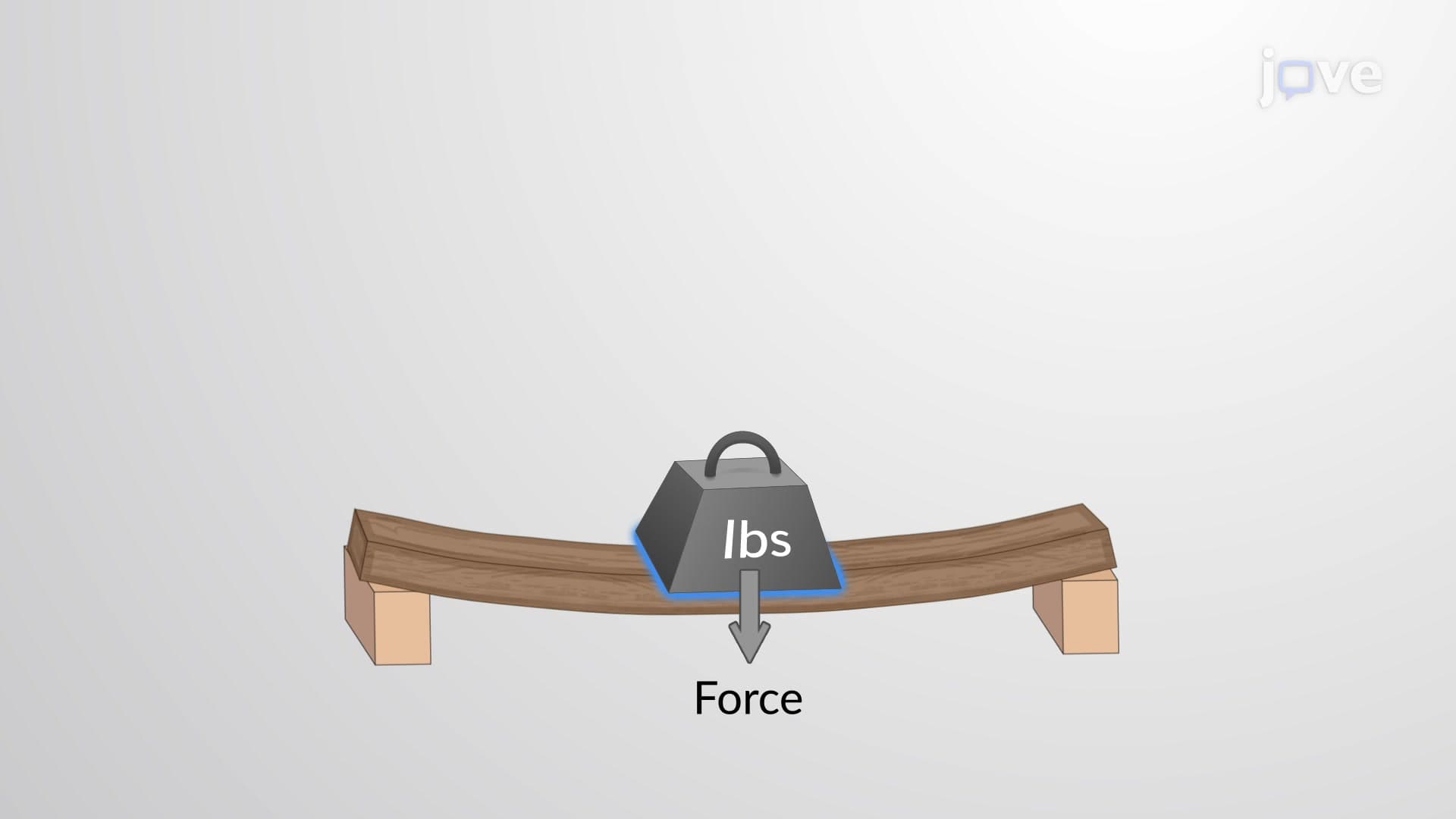

Video Summary: What Is Stress
Ever wonder why buildings don't collapse under their own weight or why a paper clip bends when you twist it? Stress is the fundamental force concept that explains these everyday phenomena. In engineering and physics, stress measures how much force acts on each unit of area within a material-imagine the pressure on each square inch of a bridge beam supporting traffic in San Francisco. From calculating load limits in construction projects to understanding material failure in aerospace engineering, stress analysis is crucial across industries. Watch the full video on JoVE Coach to master this concept with expert-led visuals and step-by-step explanations.
What is stress in the physical sciences? Stress represents the intensity of internal forces within a material when external forces cause deformation. Think of stress as the "crowding" of forces-when you pull a rubber band, every tiny section experiences internal forces trying to resist that stretching. Mathematically, stress equals the applied force divided by the cross-sectional area over which that force acts: stress = F/A.
This concept appears extensively in AP Physics courses, college-level mechanics, and engineering programs across the United States. Students encounter stress problems in SAT Subject Tests and standardized engineering exams, making it essential foundational knowledge.
Tensile stress occurs when forces pull an object apart, attempting to increase its length. Picture a suspension bridge cable supporting the Golden Gate Bridge-each cable experiences enormous tensile stress as it stretches slightly under the bridge's weight. The formula remains stress = F/A, where F represents the pulling force and A is the cable's cross-sectional area.
Compressive stress happens when forces push inward, trying to decrease an object's length or volume. Consider the concrete pillars supporting a highway overpass in Texas-they experience compressive stress from the roadway's weight above. Concrete excels under compression but fails easily under tension, explaining why engineers use steel reinforcement bars.
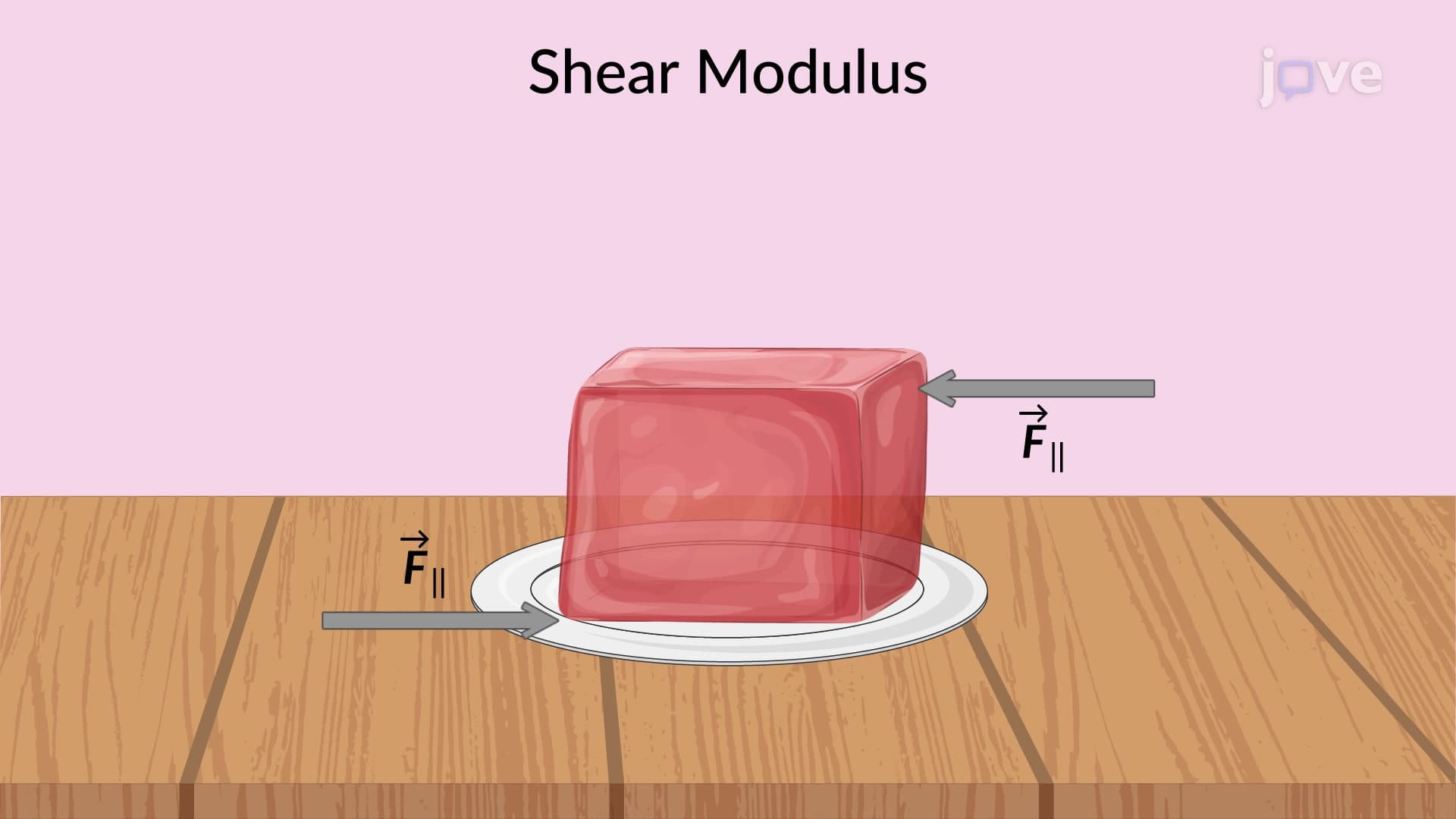
Shear stress develops when forces act parallel to a surface, causing layers to slide past each other. Imagine cutting paper with scissors-the blades create shear stress by applying parallel forces that cause the paper fibers to slip and separate. Bolt connections in steel structures must withstand shear stress to prevent catastrophic failure.
Volume stress (bulk stress) occurs when forces act uniformly from all directions, changing an object's volume without altering its shape. Submarines diving in deep ocean waters experience volume stress as water pressure increases, compressing the hull uniformly from every direction.
Stress analysis proves critical in numerous US industries. Aerospace engineers at Boeing calculate stress distributions in aircraft wings to ensure safety margins. Civil engineers designing skyscrapers in New York must consider wind-induced stress patterns. Biomedical engineers developing artificial hip joints analyze stress concentrations to prevent implant failure.
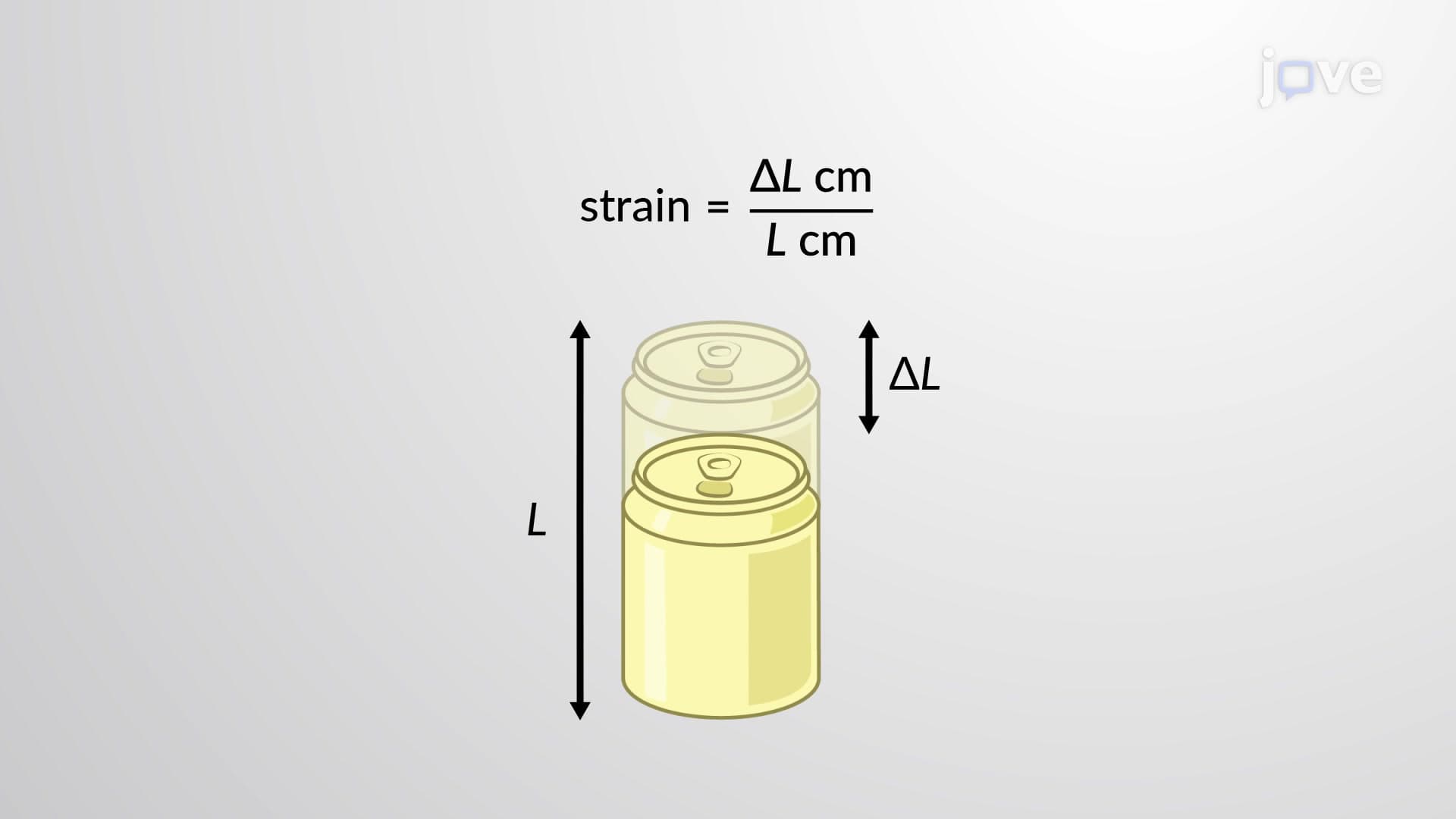
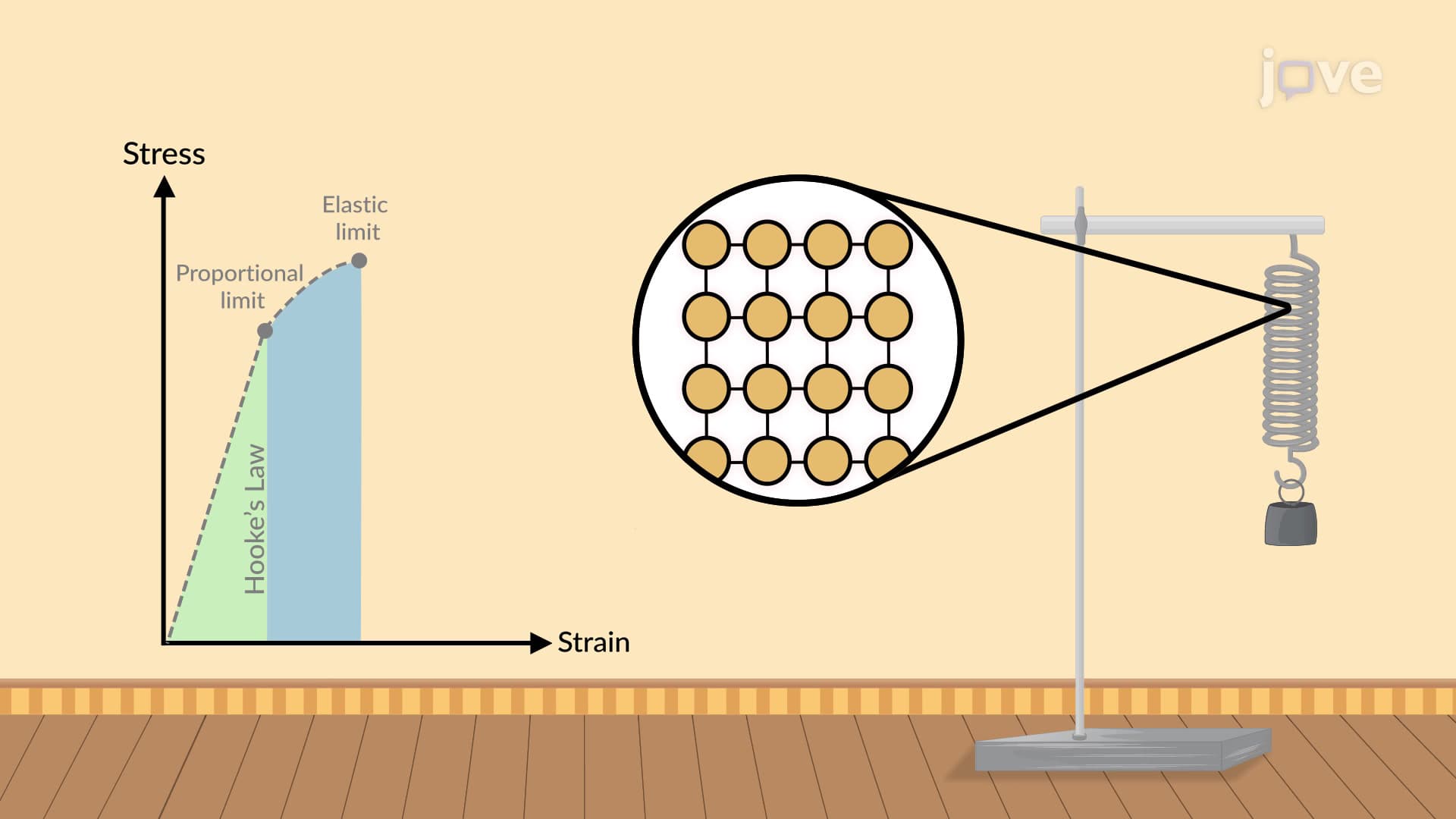
For standardized exams, stress problems often combine with concepts like Young's modulus, strain, and Hooke's law. MCAT passages might describe bone stress during athletic activities, while AP Physics exams frequently test stress calculations in structural scenarios.
Related Micro-courses