Loading video…


 12 Concepts
 70.9K views

Video Summary: What Is Plasticity
Ever wondered why a paperclip stays bent after you twist it, but a rubber band snaps back to its original shape? Plasticity explains this fascinating material behavior that engineers at Boeing rely on when designing aircraft components that must withstand extreme forces without breaking. What is plasticity reveals how materials permanently deform under stress, transitioning from elastic behavior at the yield point to ultimate failure at the fracture point. Watch the full video on JoVE Coach to master this concept with expert-led visuals and step-by-step explanations.
What is plasticity represents one of the most crucial concepts in materials science and engineering mechanics. Unlike elasticity, where materials return to their original shape after force removal, plasticity describes the permanent deformation that occurs when materials exceed their elastic limits. This fundamental property governs how everything from skyscrapers to smartphone cases respond to applied forces.
When materials undergo plastic deformation, their atomic structure fundamentally changes. Atoms become permanently displaced from their original lattice positions, creating new crystal arrangements that persist even after external forces disappear. This atomic-level transformation explains why a bent car fender maintains its deformed shape-the metal's atomic structure has been permanently altered.
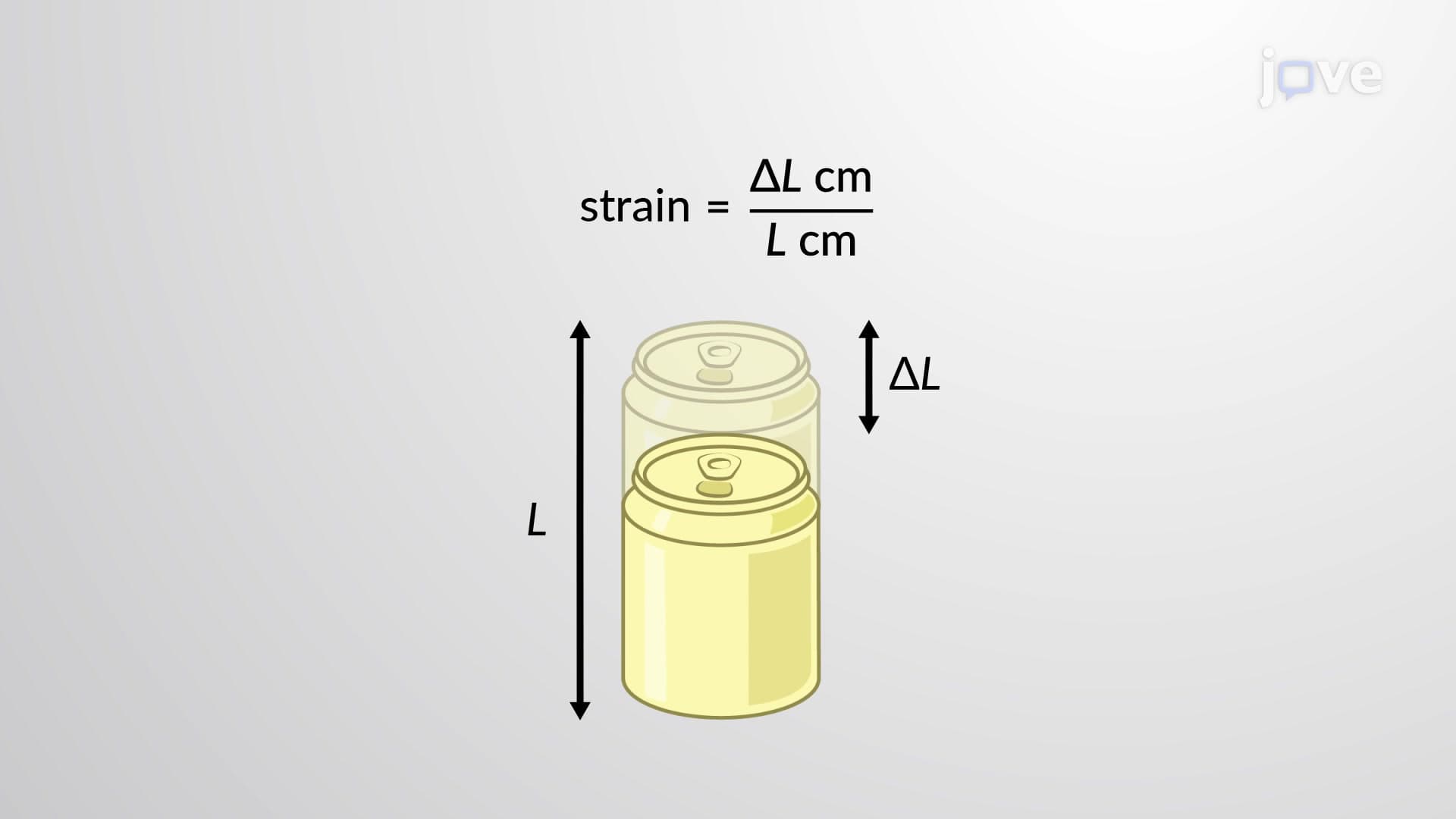
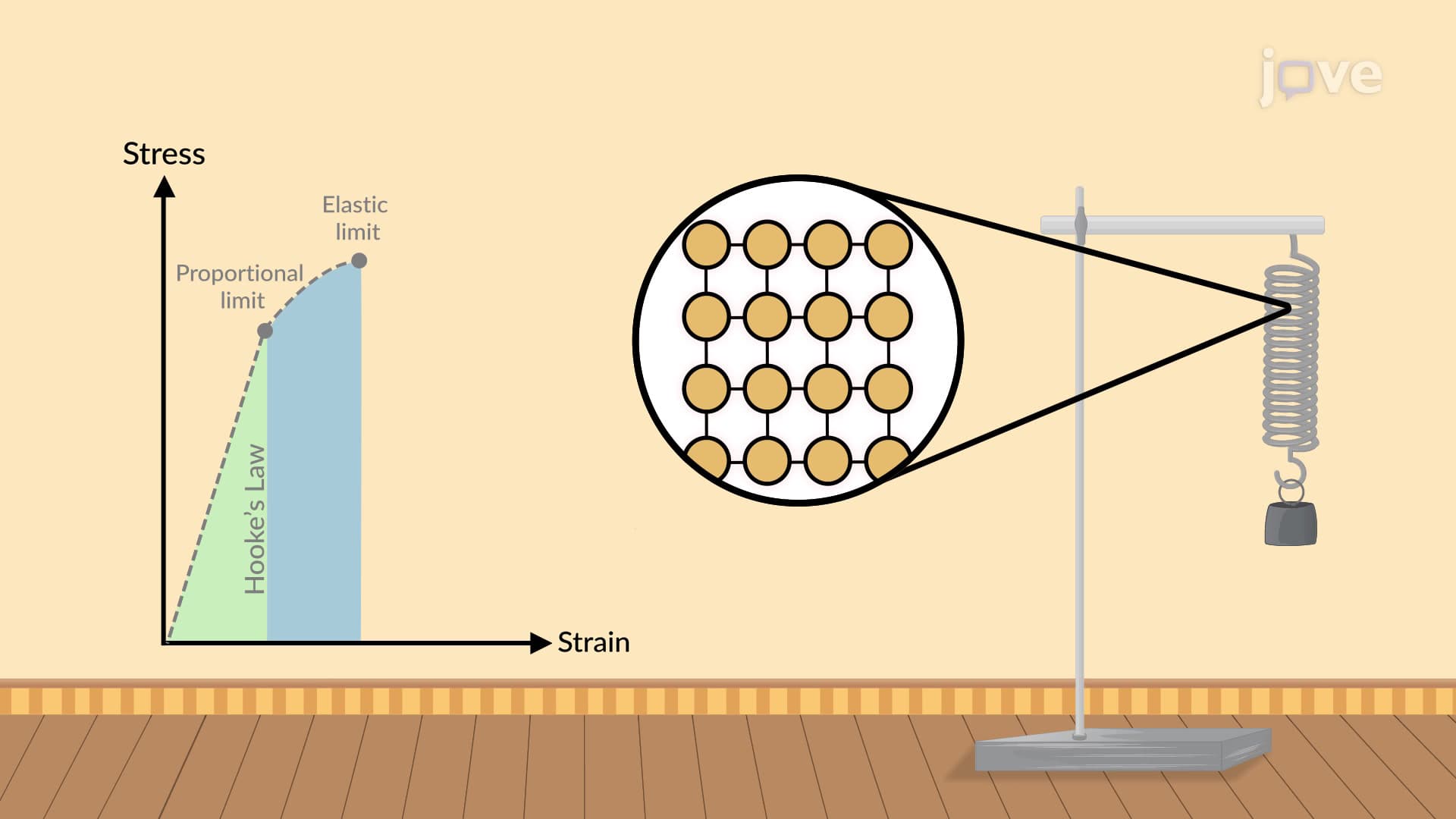
The plasticity definition becomes clearer when examining the stress-strain relationship. Initially, materials behave elastically, following Hooke's Law where stress equals the elastic modulus times strain. However, once stress reaches the yield strength, plastic deformation begins. This transition point varies dramatically between materials: structural steel yields around 36,000 psi, while aluminum alloys typically yield between 20,000-40,000 psi.
Understanding what is plasticity in detail requires mastering three key points on the stress-strain curve. The yield point marks where elastic behavior ends and plastic deformation begins-this threshold determines a material's suitability for specific applications. The ultimate stress point represents maximum load-bearing capacity before necking occurs in tensile specimens. Finally, the fracture point indicates complete material failure.
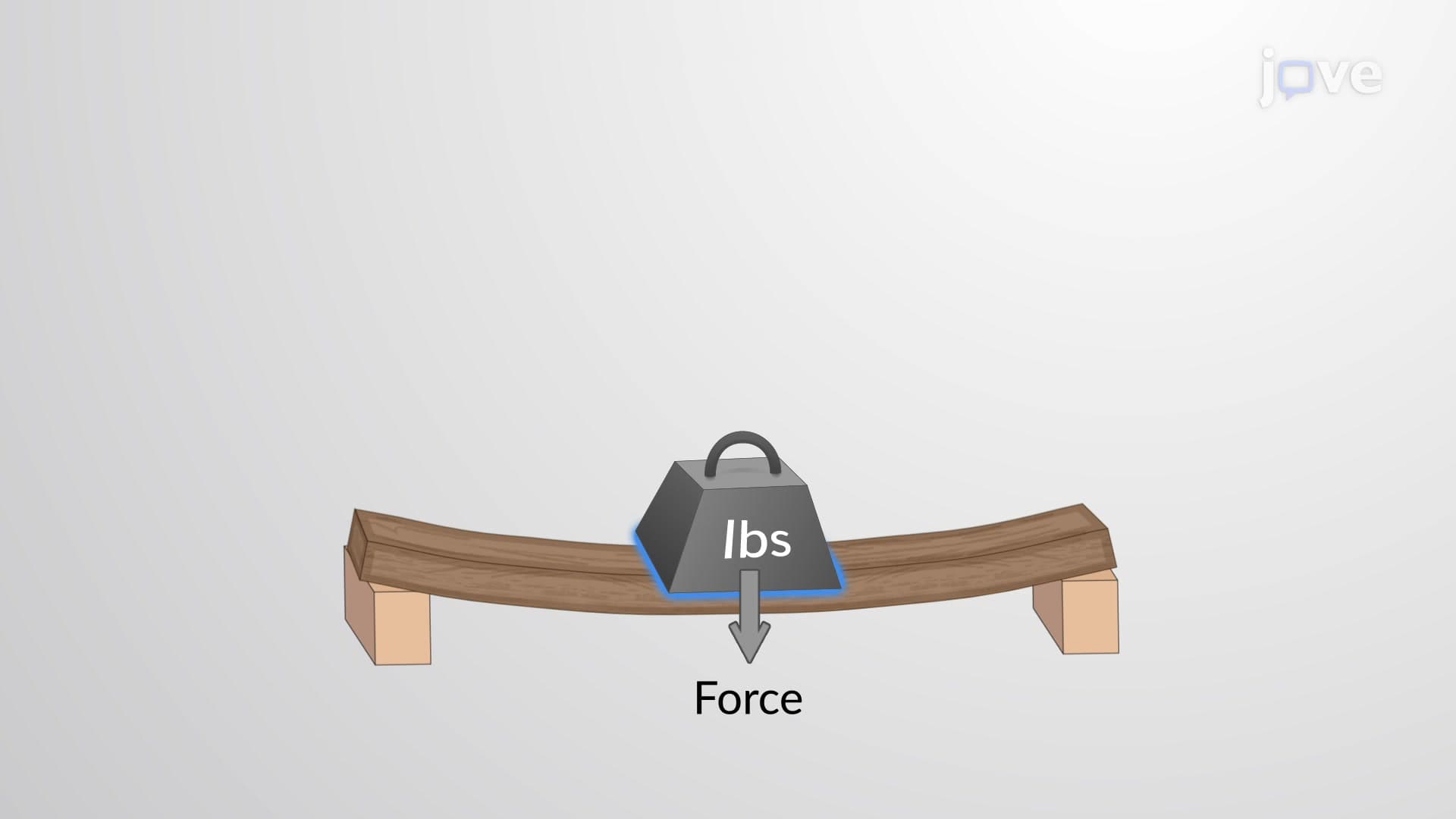
These concepts appear frequently on AP Physics exams and college-level materials science courses. Students often encounter plasticity problems involving beam bending calculations, where determining yield stress prevents structural failure in bridge design scenarios.
American industries leverage plasticity principles daily. Automotive manufacturers use controlled plastic deformation in metal stamping to create car body panels. The aerospace industry relies on plasticity calculations to ensure aircraft components can withstand turbulence without permanent damage. Even construction projects depend on plasticity-concrete's plastic behavior allows it to be poured and shaped before hardening.
Manufacturing processes like forging, rolling, and extrusion deliberately induce plastic deformation to shape metals into desired forms. These applications demonstrate why understanding plasticity remains essential for engineering students preparing for professional practice and standardized exams like the Fundamentals of Engineering (FE) exam.
Related Micro-courses