Loading video…


 14 Concepts
 114.6K views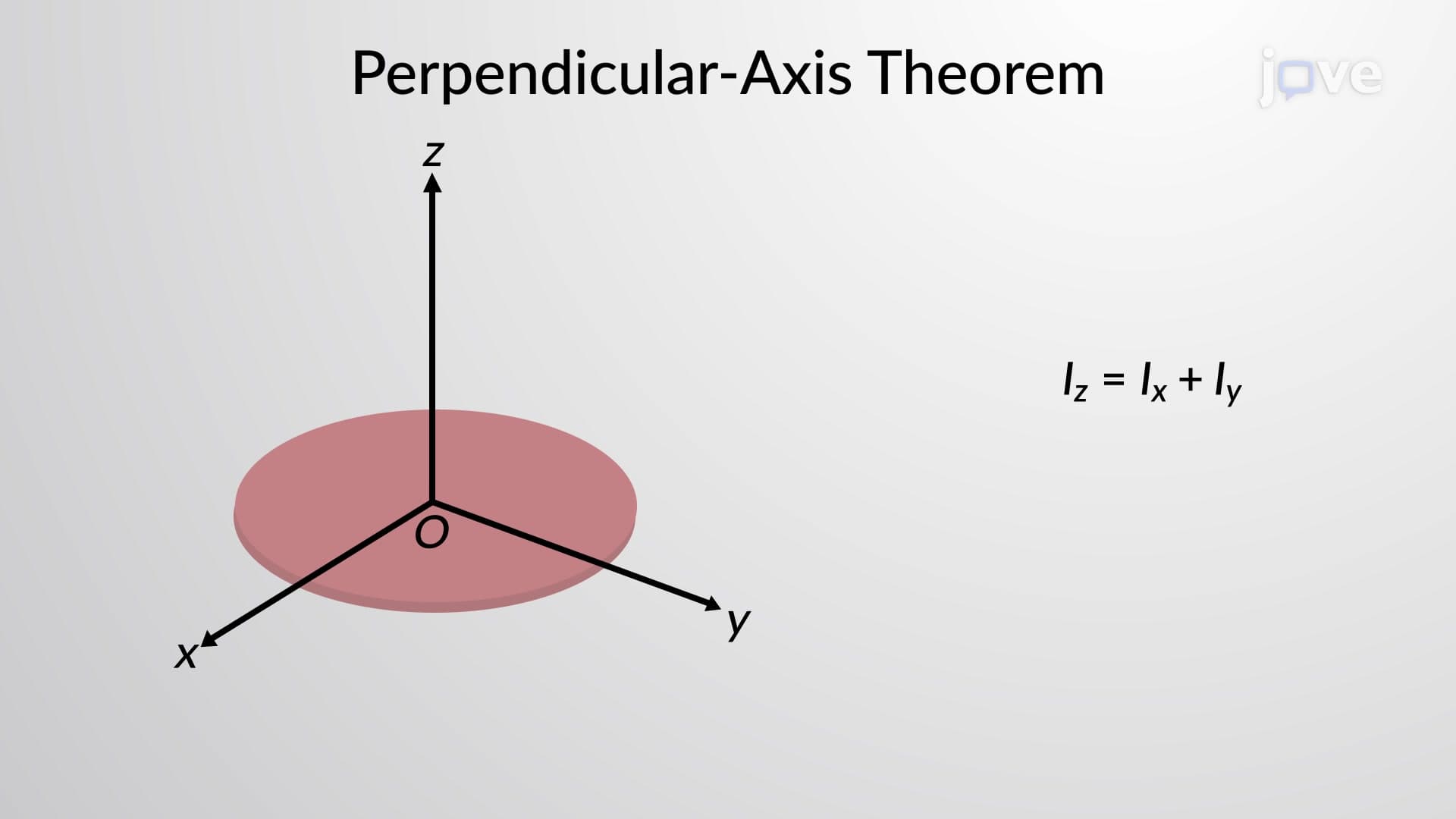

Video Summary: What Is Perpendicular Axis Theorem
Ever wondered how engineers calculate the spin stability of helicopter rotors or figure skaters' rotation speeds? The perpendicular axis theorem provides the mathematical foundation for understanding rotational motion in flat objects. This fundamental physics principle relates moments of inertia across three perpendicular axes, with applications ranging from NASA's satellite design to analyzing the rotational dynamics of a spinning basketball. Watch the full video on JoVE Coach to master this concept with expert-led visuals and step-by-step explanations.
The perpendicular axis theorem serves as a cornerstone principle in rotational mechanics, specifically addressing how planar objects behave when rotating about different axes. This theorem establishes that for any flat object lying in a plane, the moment of inertia about an axis perpendicular to that plane equals the sum of moments of inertia about two mutually perpendicular axes within the plane itself.
Mathematically, if an object lies in the xy-plane, then: Iz = Ix + Iy, where Iz represents the moment of inertia about the z-axis (perpendicular to the plane), and Ix and Iy are moments of inertia about the x and y axes respectively.
Consider the engineering challenges faced by Boeing engineers designing aircraft propellers. When calculating how a propeller blade will respond to rotational forces, they must understand moments of inertia about multiple axes. The perpendicular axis theorem allows them to determine the blade's resistance to rotation about the propeller shaft (perpendicular axis) by knowing its resistance to bending in two perpendicular directions within the blade's plane.
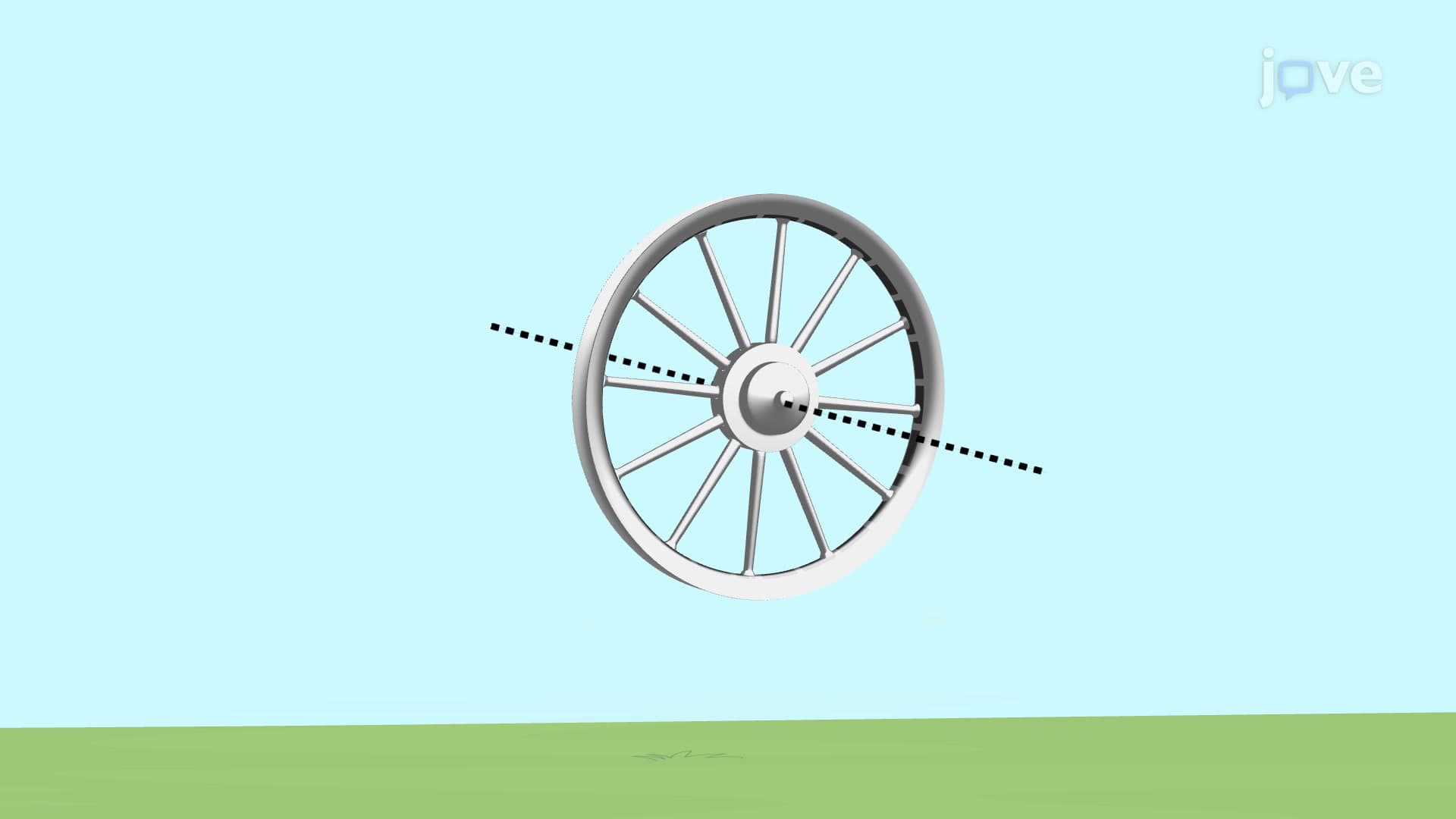
Similarly, NASCAR engineers analyzing wheel dynamics use this theorem when designing race car wheels. The wheel's moment of inertia about its rolling axis directly affects acceleration performance, and the perpendicular axis theorem provides crucial calculations for optimizing wheel design.
Students encounter this concept extensively in AP Physics C: Mechanics, where it frequently appears in free-response questions involving rotating systems. The theorem proves particularly valuable when solving complex problems involving compound objects or when direct integration would be computationally intensive.
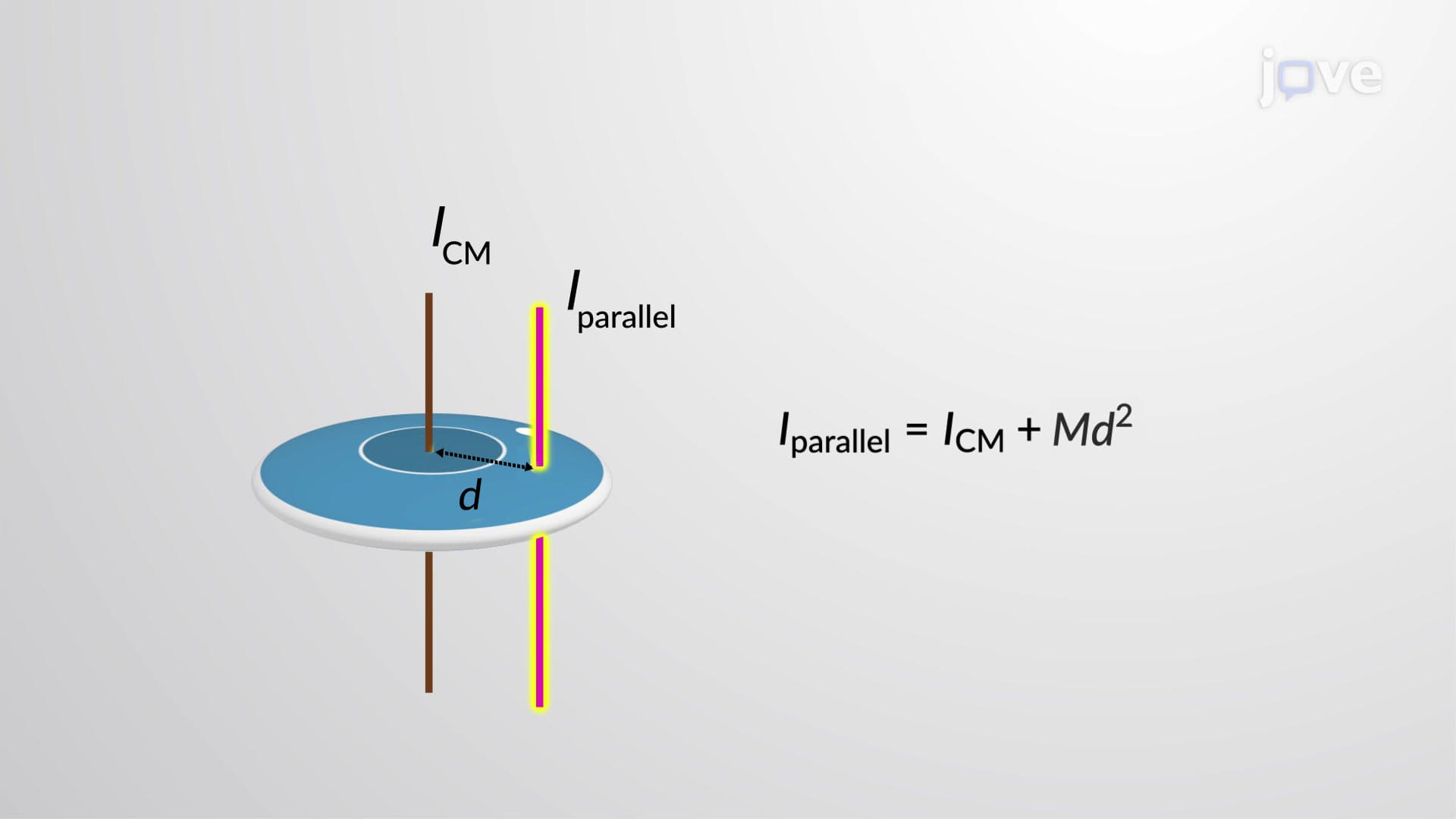
In college-level physics courses, professors often present this theorem alongside parallel axis theorem problems, requiring students to combine both concepts. MCAT preparation frequently includes rotational motion scenarios where understanding this theorem helps solve biological applications, such as analyzing limb rotation during athletic movements.
The theorem's primary strength lies in its computational efficiency. Rather than performing complex integrations for irregular shapes, students can often use symmetry arguments combined with the perpendicular axis theorem to reach solutions more quickly. However, it's crucial to remember this theorem applies exclusively to planar objects-attempting to use it with three-dimensional objects leads to incorrect results.
Related Micro-courses