Loading video…


 14 Concepts
 114.6K views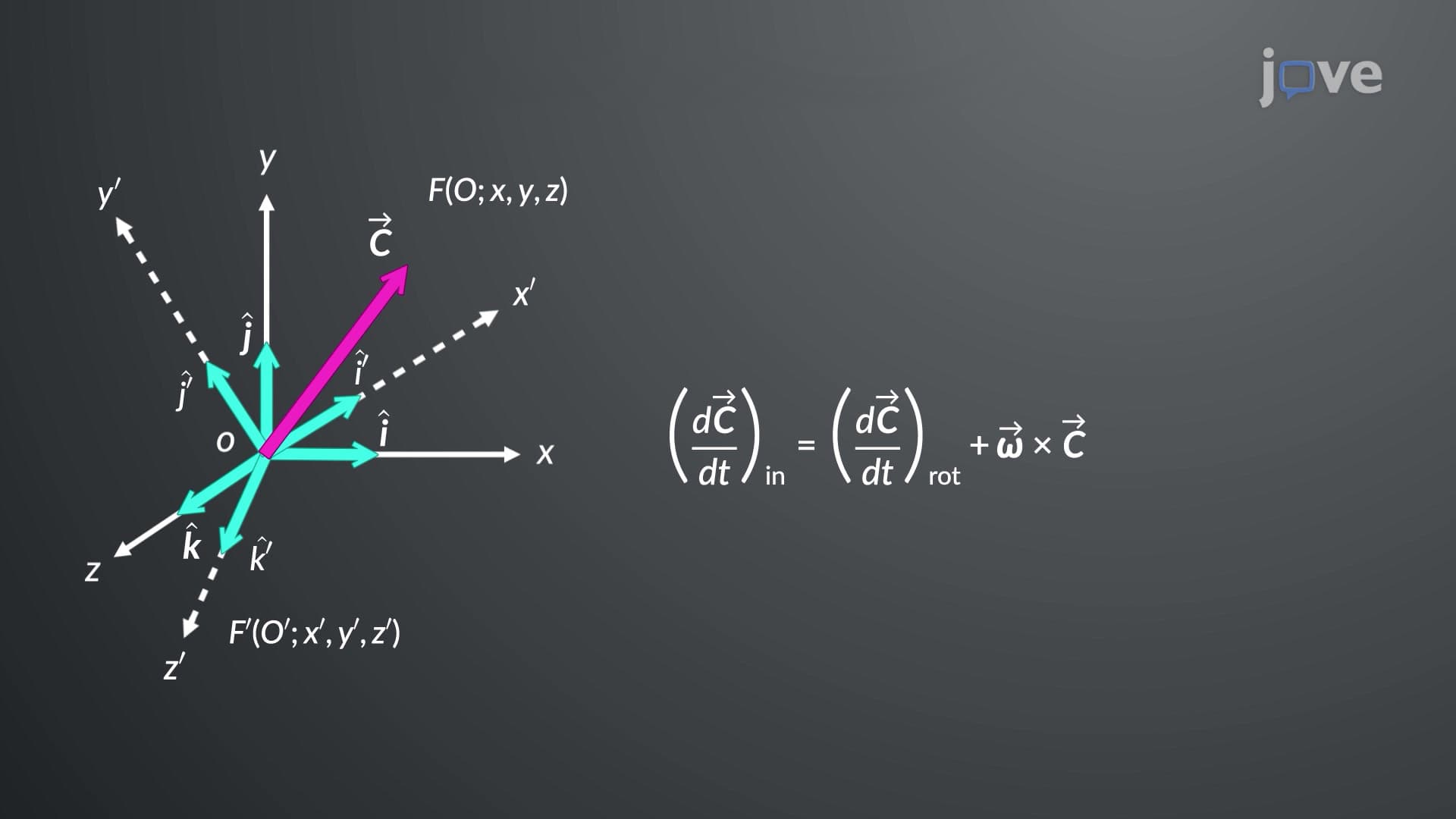

Video Summary: What Is Vector Transformation
Ever wonder how GPS navigation systems calculate your exact position while you're speeding down Interstate 95? Vector transformation is the mathematical foundation that makes this possible by describing how vectors change when viewed from different reference frames. NASA engineers use these principles daily when tracking satellites orbiting Earth, accounting for how vectors appear different from ground-based versus space-based perspectives. Understanding what is vector transformation helps explain everything from airplane navigation to robotic arm movements in manufacturing plants across the United States. Watch the full video on JoVE Coach to master this concept with expert-led visuals and step-by-step explanations.
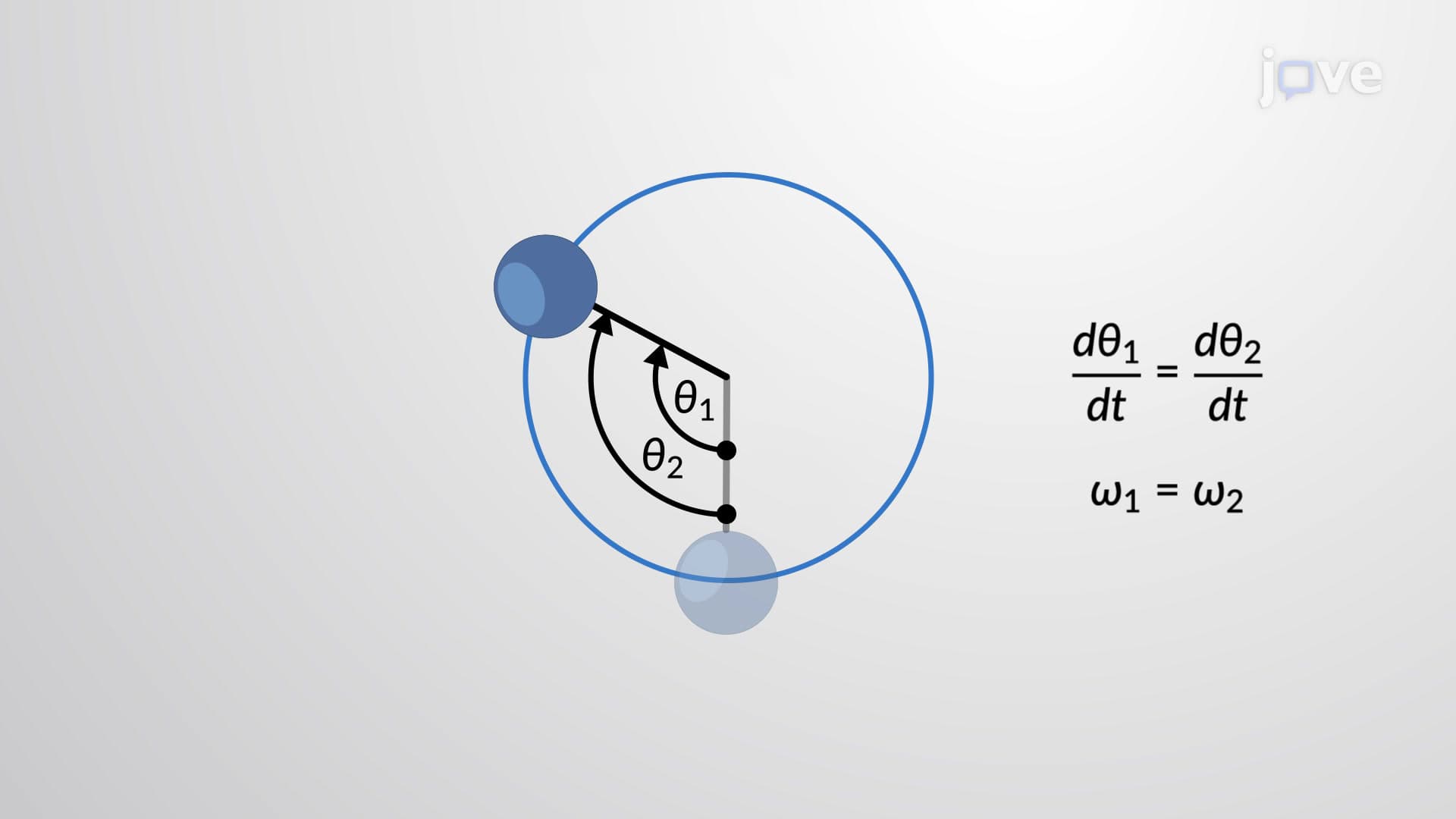
Vector transformation forms the mathematical bridge between how we observe physical quantities from different perspectives. When you're sitting in a moving car watching a helicopter overhead, the helicopter's velocity vector looks different to you than it does to someone standing on the sidewalk. This fundamental concept explains how vectors change their apparent values when observed from rotating or accelerating reference frames.
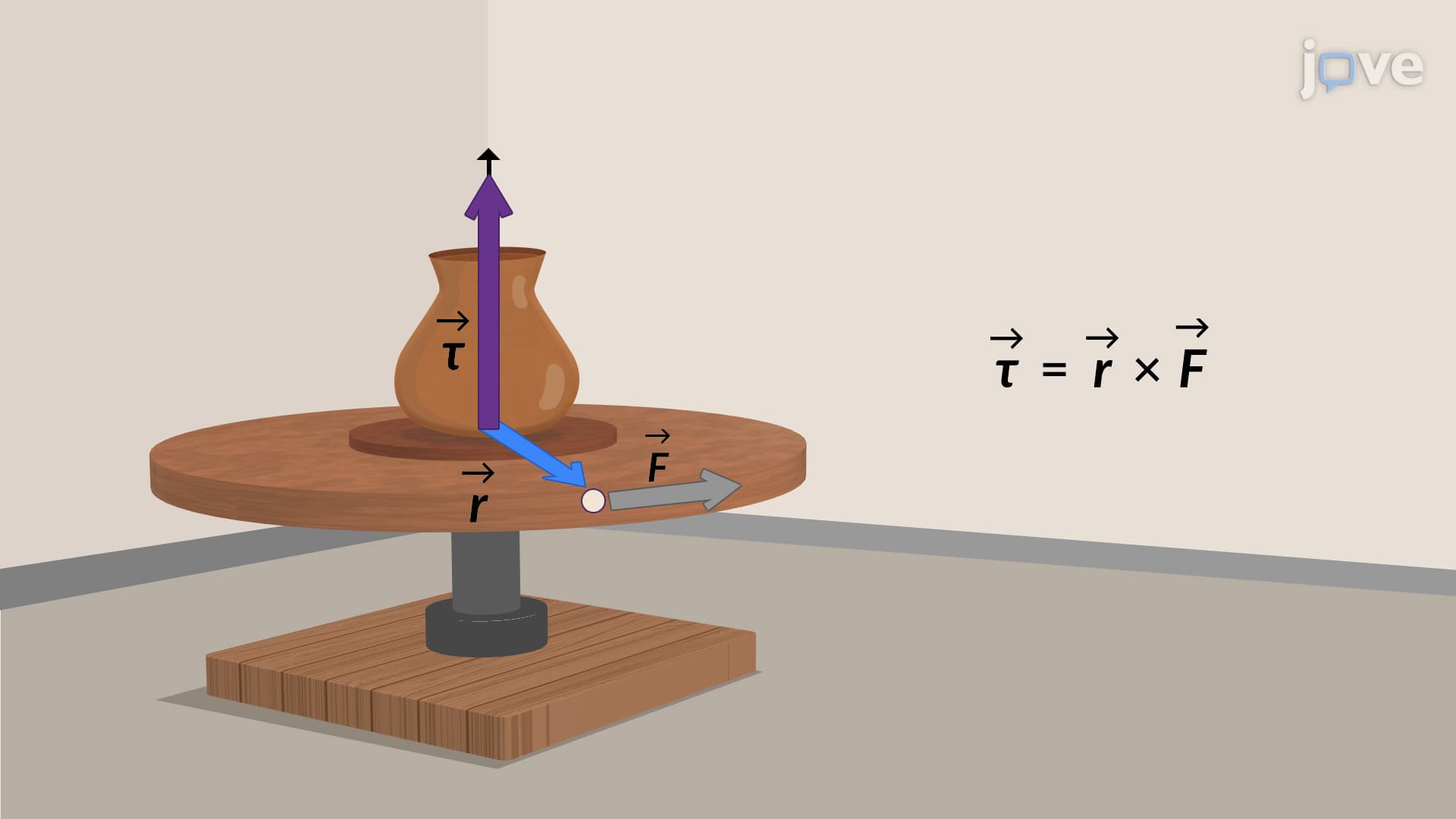
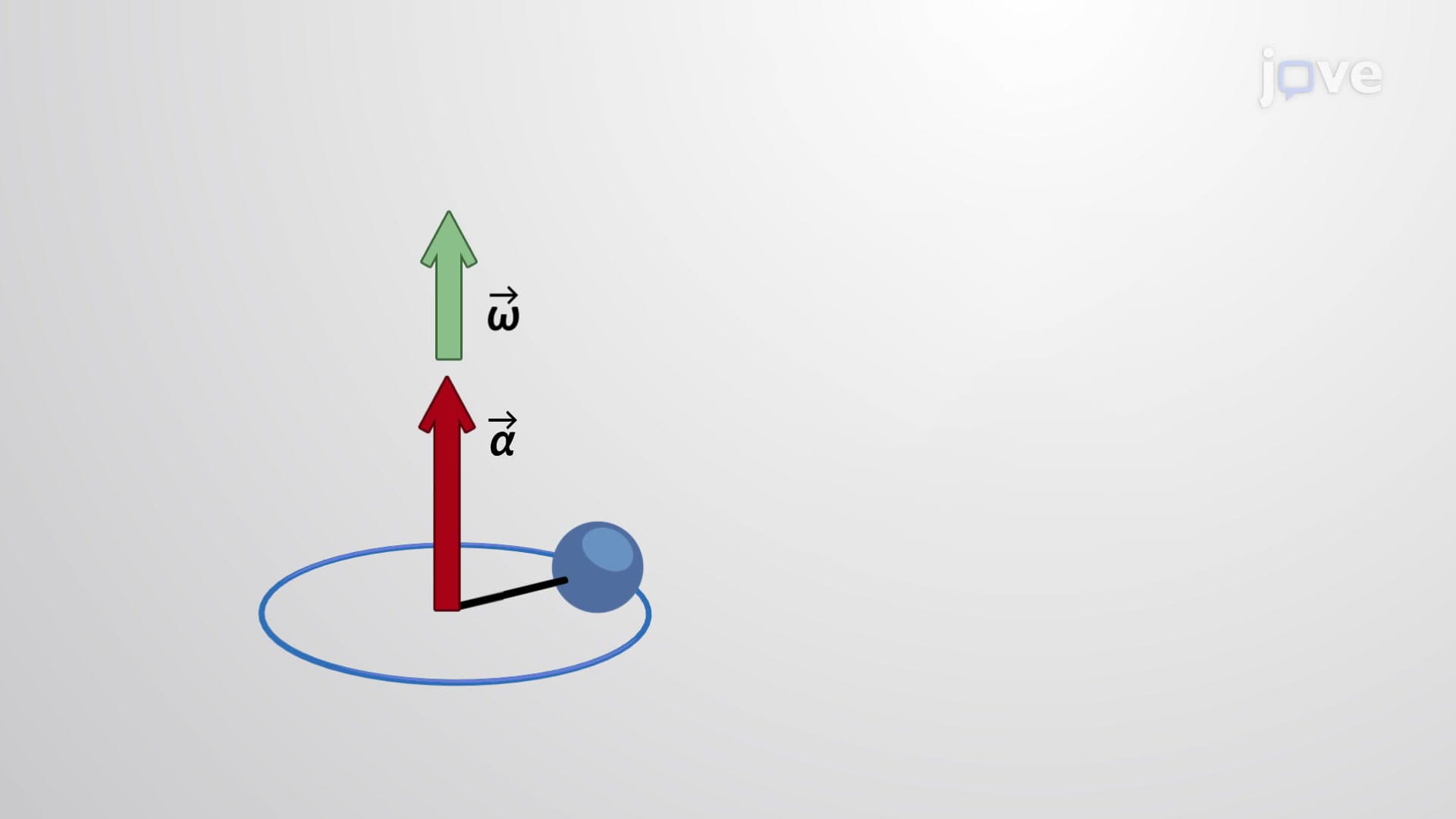
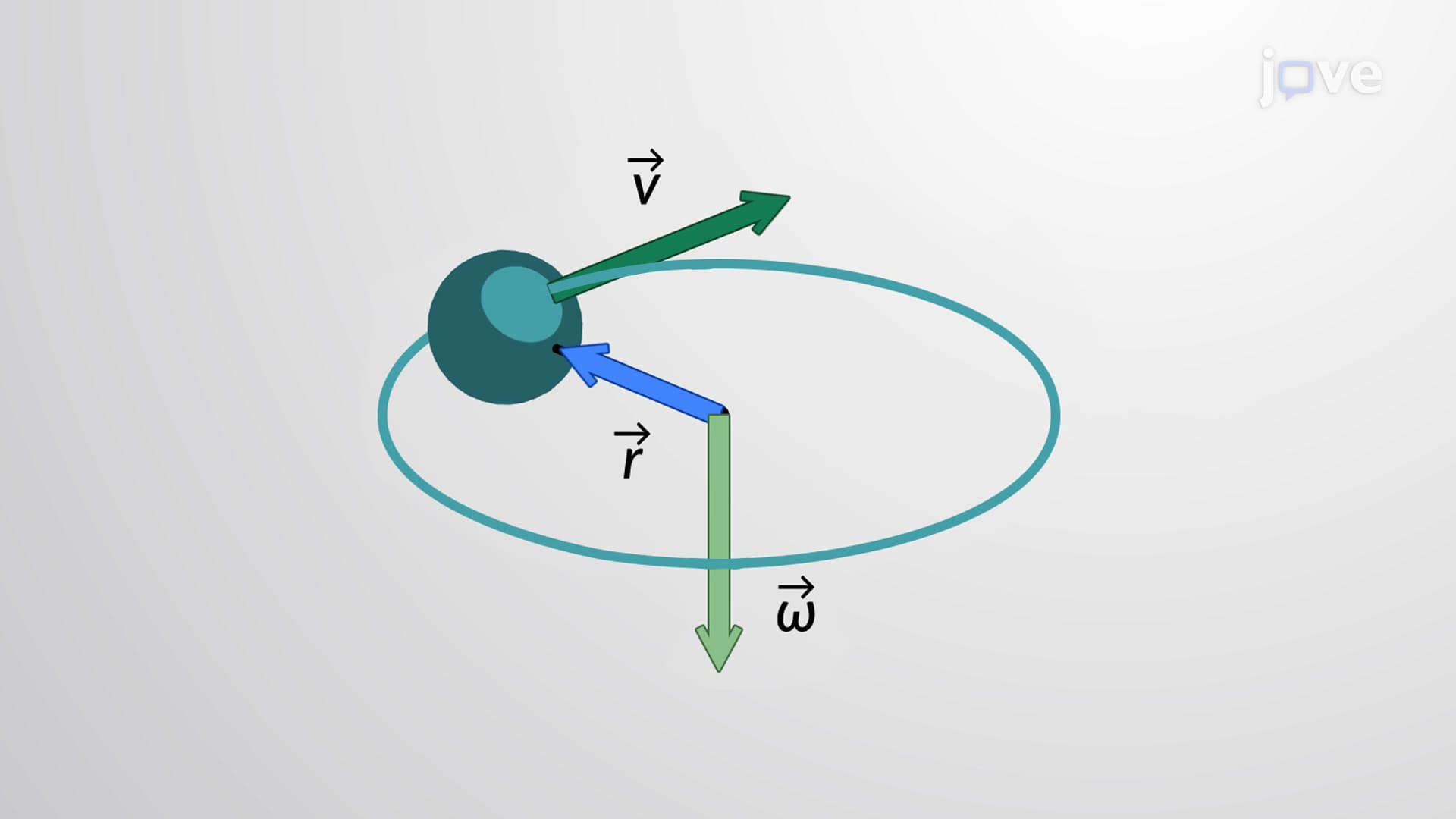
The core transformation equation reveals that a vector's time derivative in an inertial frame equals its time derivative in a rotating frame plus the cross product of angular velocity with the vector itself: dV/dt(inertial) = dV/dt(rotating) + ω × V. This elegant relationship captures how rotation affects our perception of vector quantities.
The cross product term ω × V represents the additional component that emerges purely due to the rotating observer's perspective. Students preparing for AP Physics C or college-level mechanics courses should recognize this as a fundamental principle that appears throughout rotational dynamics problems.
Vector transformation principles drive critical technologies across the United States. Boeing engineers use these concepts when designing flight control systems for aircraft like the 737 MAX, ensuring proper navigation regardless of the plane's orientation. Tesla's Autopilot system relies on vector transformations to process sensor data from multiple reference frames simultaneously, creating a coherent picture of the vehicle's surroundings.
In the medical field, MRI machines at hospitals like Mayo Clinic use vector transformation mathematics to convert between patient coordinate systems and machine coordinate systems, ensuring accurate imaging regardless of patient positioning.
For standardized tests like the MCAT or AP Physics, vector transformation problems often involve rotating coordinate systems or moving observers. Students should practice identifying when transformation equations apply-typically when the problem mentions "rotating frames," "spinning objects," or "observers in motion."
Common exam scenarios include satellites orbiting Earth, rotating machinery, or weather systems like hurricanes. The key is recognizing that what appears stationary in one frame may have significant velocity components when viewed from another frame.
Related Micro-courses