Loading video…


 14 Concepts
 114.6K views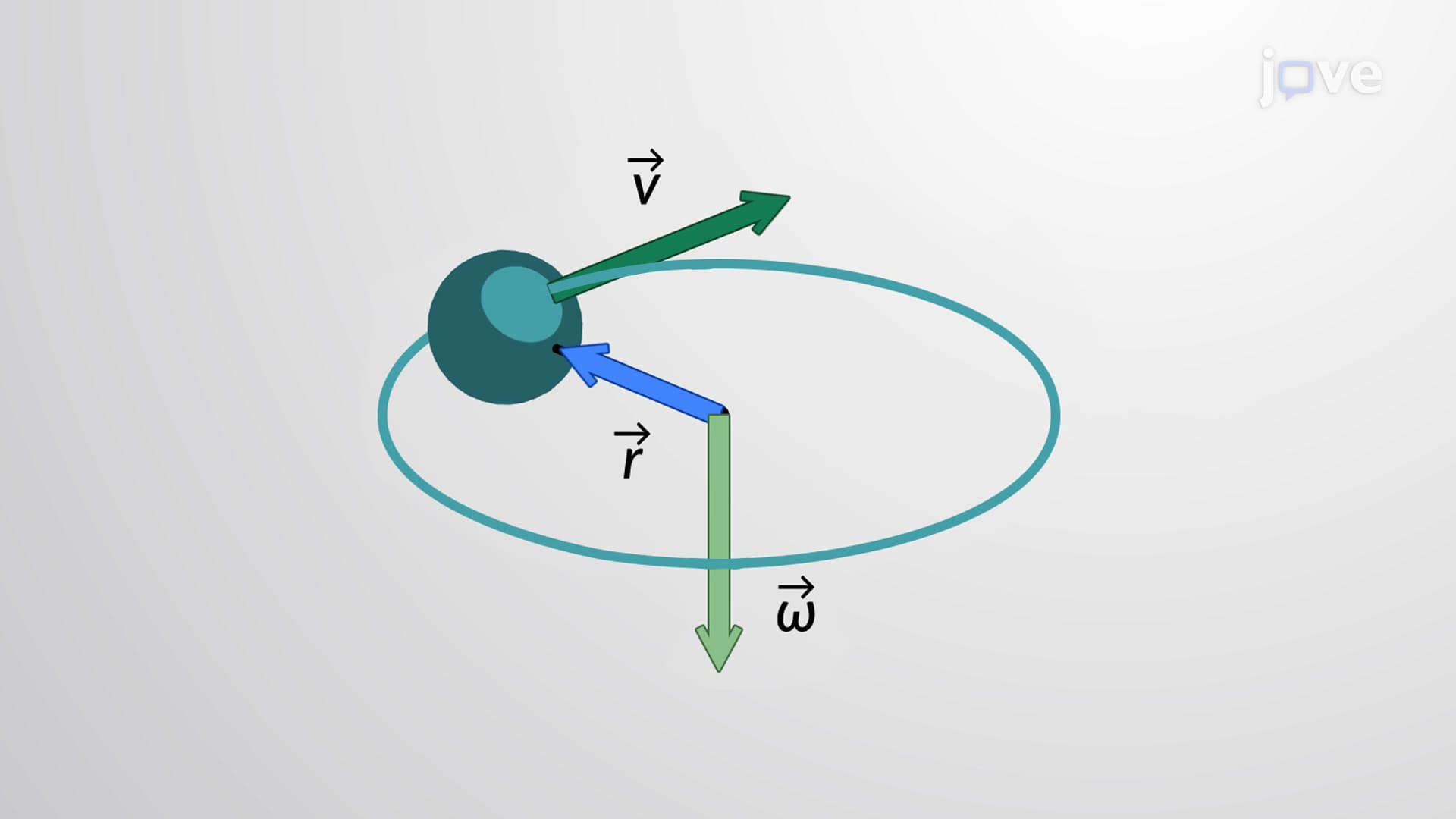

Video Summary: Relating Angular and Linear Quantities I Explained
Ever wondered why NASCAR drivers experience different forces at various points on a racetrack turn? Relating angular and linear quantities I reveals the fundamental connection between rotational and straight-line motion that governs everything from spinning wheels to planetary orbits. This concept explains how a figure skater's arm position affects their spin speed and why a Ferris wheel at Six Flags provides different experiences at different radii. Watch the full video on JoVE Coach to master this concept with expert-led visuals and step-by-step explanations.
The bridge between rotational and linear motion forms one of physics' most elegant relationships. When studying relating angular and linear quantities I, students discover that every linear motion variable has a rotational counterpart, connected through fundamental geometric principles that govern circular motion.
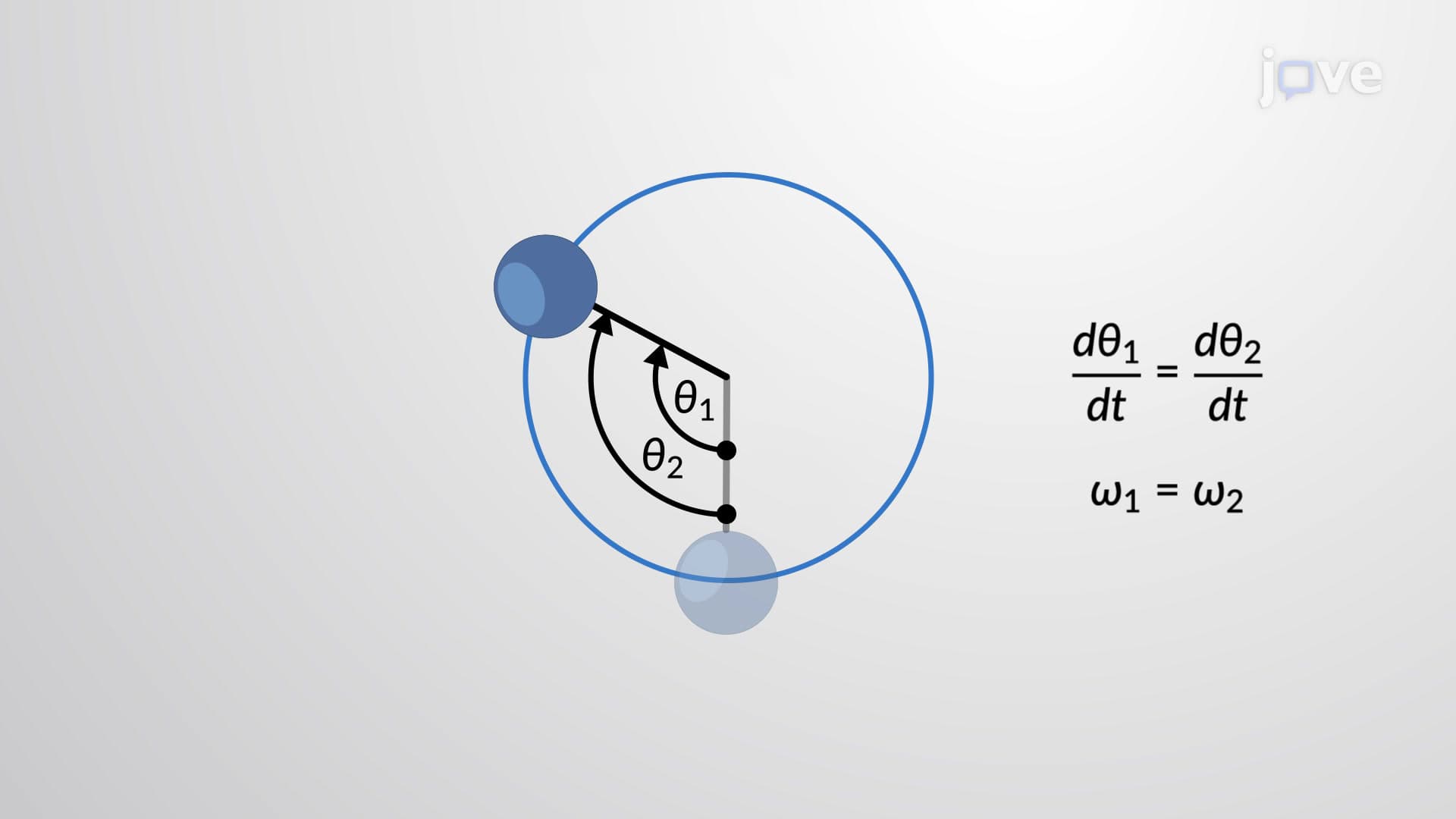
The foundation begins with the relationship s = rθ, where arc length (s) equals radius (r) multiplied by angular displacement (θ in radians). This seemingly simple equation reveals profound insights about rotational motion. When a point moves through an angular displacement of 2 radians, it travels a linear distance of 2r along the circular path. This proportional relationship means that doubling the angular displacement doubles the arc length traveled, regardless of the radius size.
Consider a practical example: when a car's wheel rotates through one complete revolution (2π radians), every point on the tire's edge travels a distance equal to the wheel's circumference. A larger wheel covers more ground per revolution than a smaller wheel, demonstrating how radius amplifies the linear effects of angular motion.
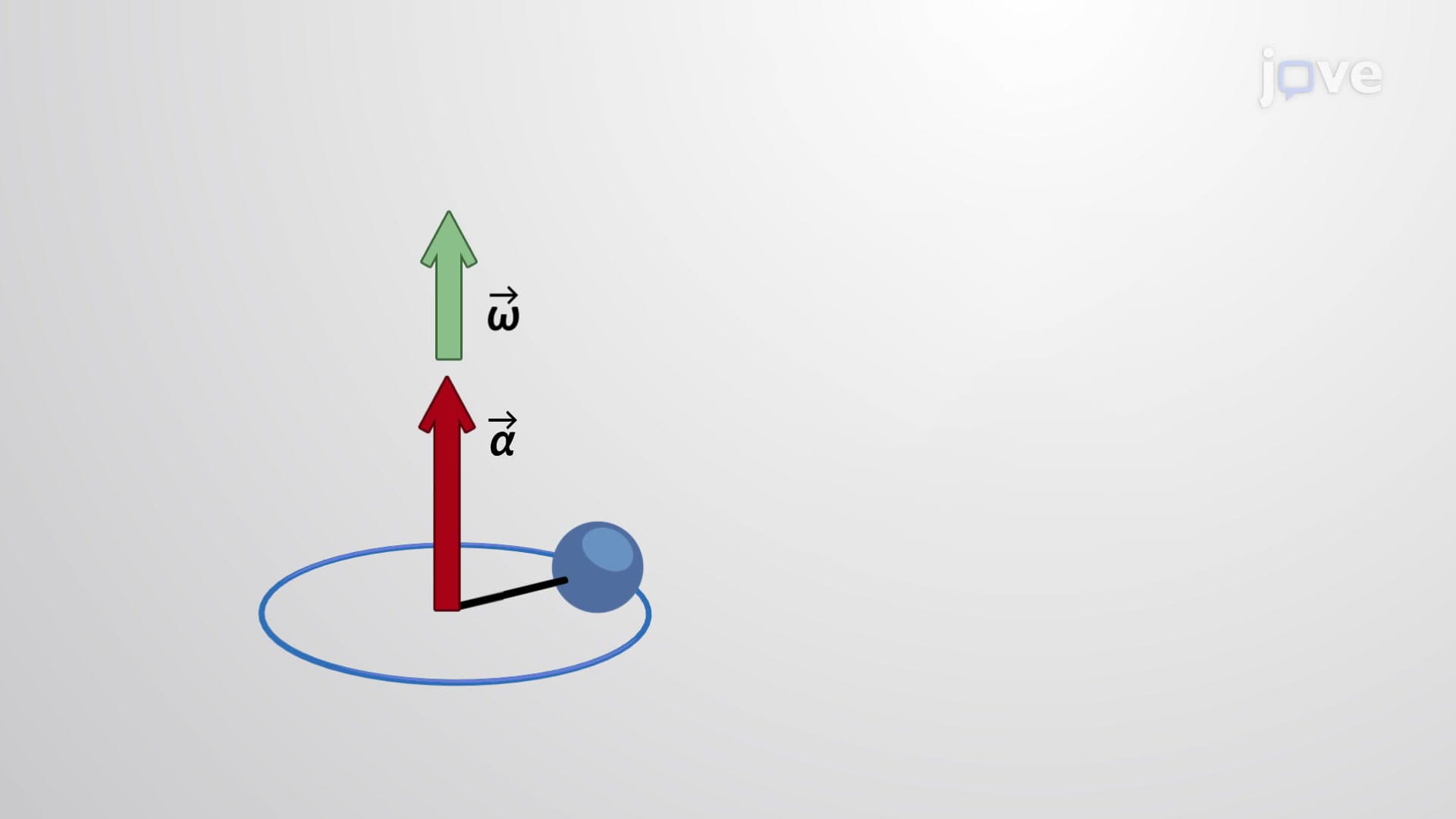
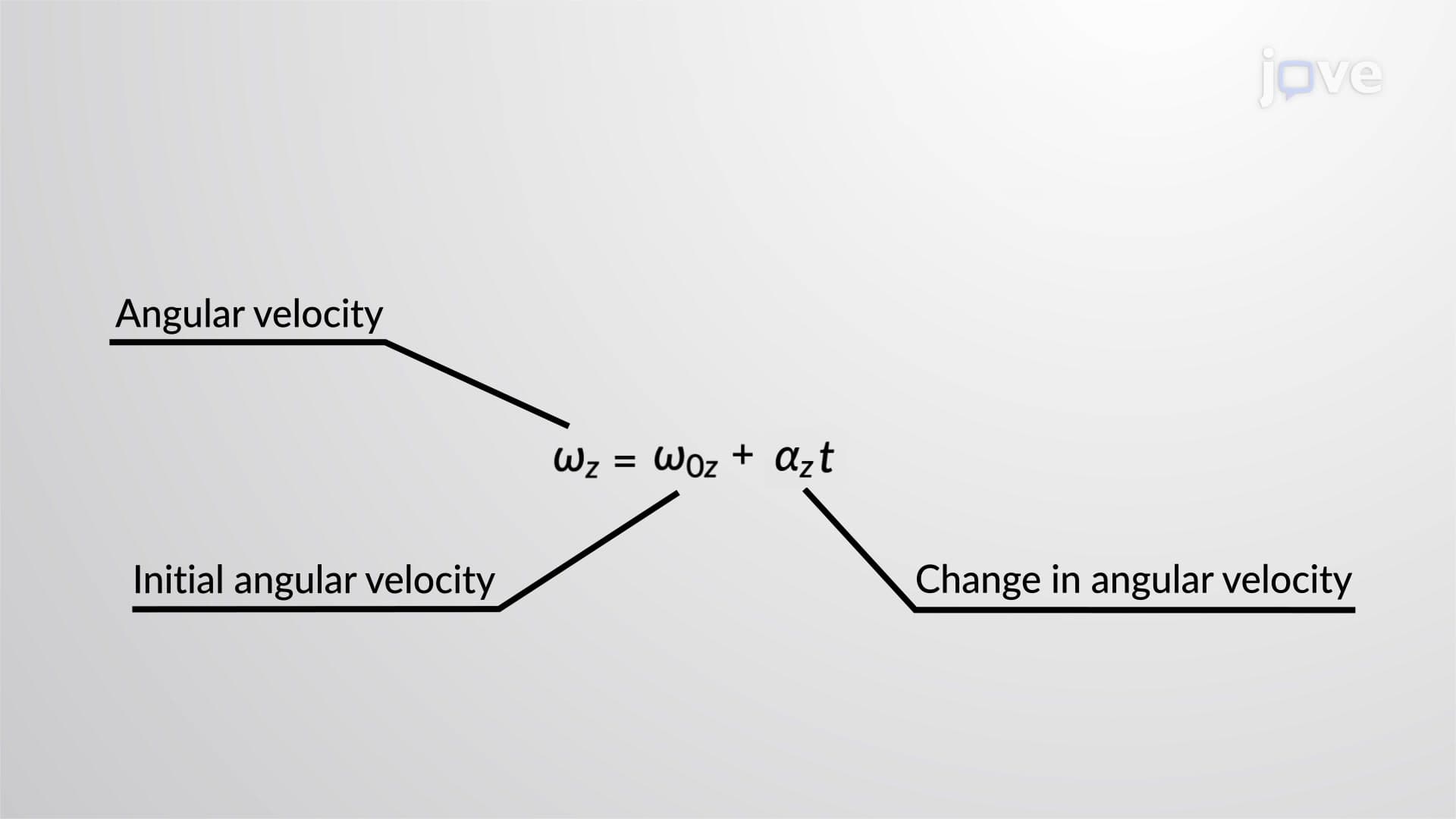
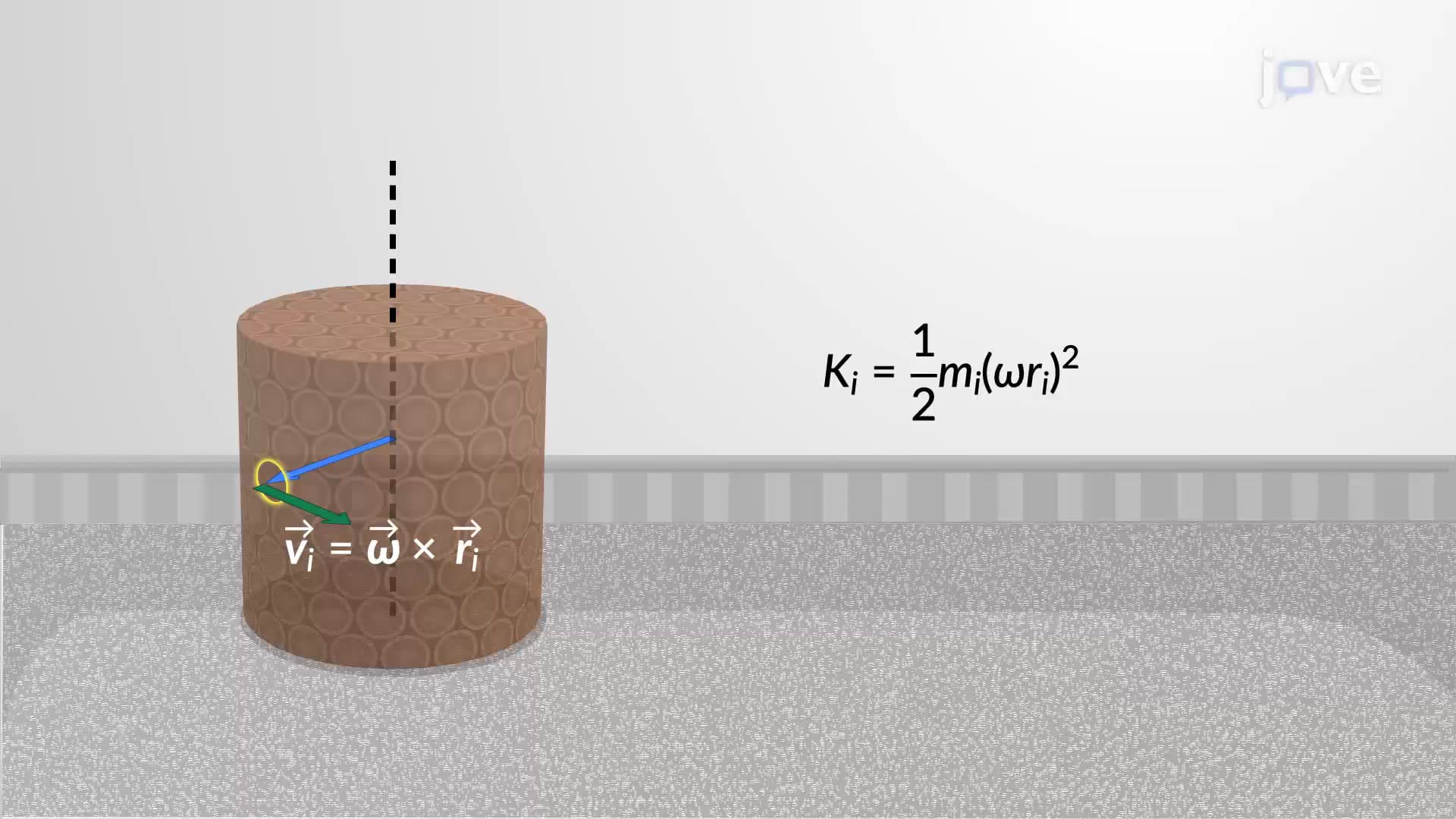
Taking the time derivative of s = rθ yields the velocity relationship: v = rω, where v represents tangential velocity and ω represents angular velocity. This mathematical operation reveals that linear velocity at any point on a rotating object is directly proportional to both the radius and angular velocity. The constant radius assumption simplifies this derivation, making it accessible to AP Physics students and college undergraduates studying introductory mechanics.
The tangential nature of this velocity is crucial for understanding circular motion dynamics. Unlike linear velocity that maintains a constant direction, tangential velocity continuously changes direction while potentially maintaining constant magnitude, creating the centripetal acceleration necessary for circular motion.
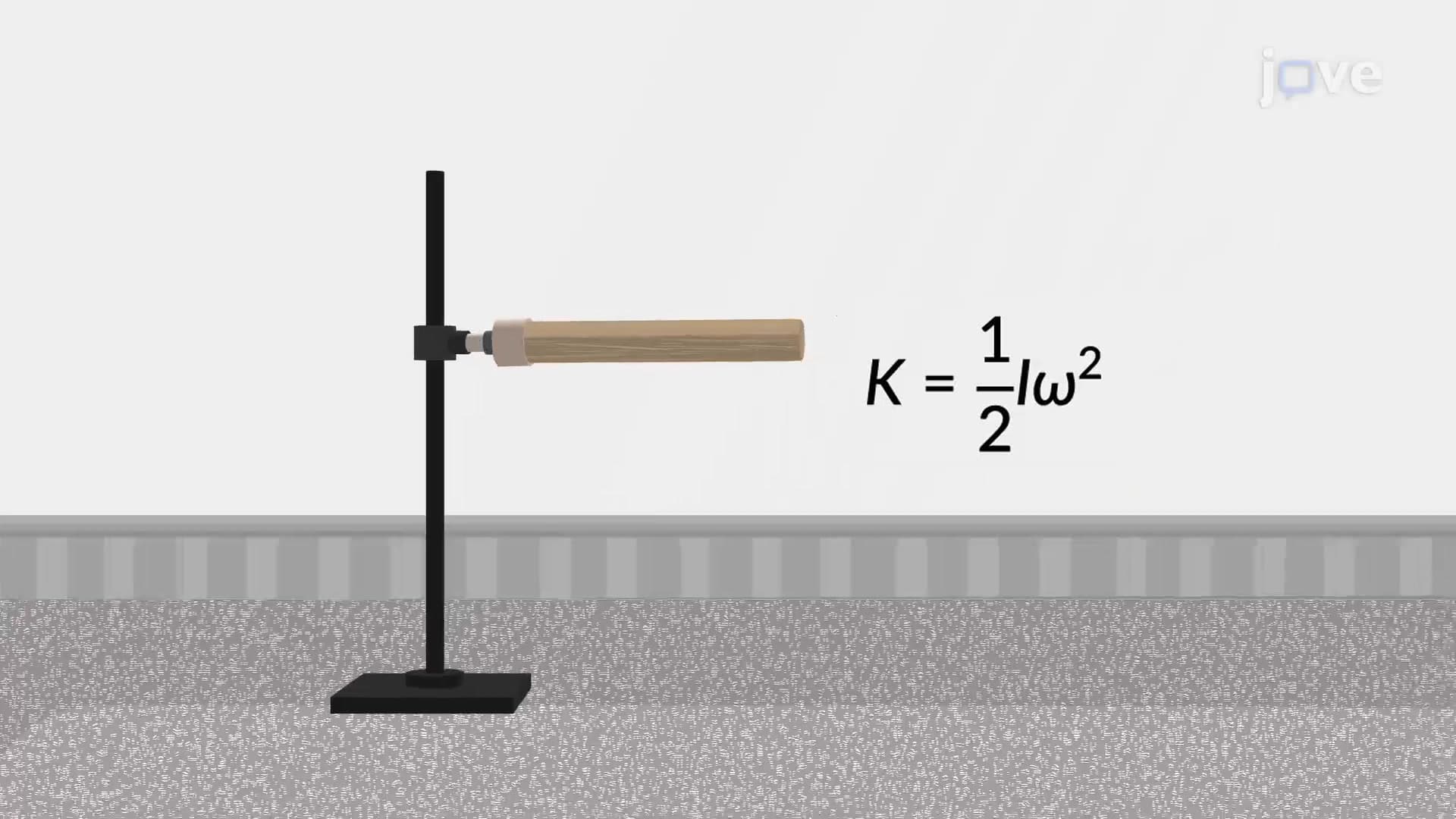
These relationships appear frequently in AP Physics C: Mechanics exams and college physics midterms. Students encounter problems involving bicycle wheels, rotating platforms, and planetary motion where converting between angular and linear quantities becomes essential. Understanding these concepts also prepares students for advanced topics like rotational kinetic energy and angular momentum conservation, both critical for MCAT physical sciences sections.
Related Micro-courses