Loading subject page…


174,900 views


Video Summary: What Is Bullying
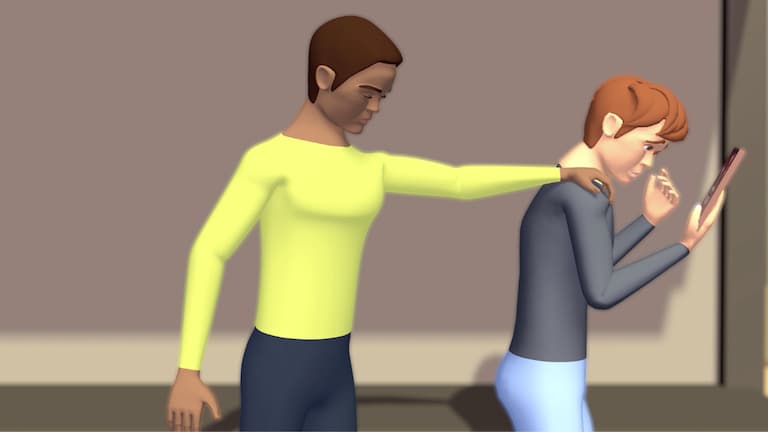
Did you know that 1 in 5 students report being bullied at school, making bullying one of the most pervasive issues in American education? Understanding what is bullying becomes crucial when we see real incidents like the 2019 assault at a Kentucky high school that went viral, highlighting how physical and psychological aggression creates lasting trauma. Bullying represents a complex pattern of intentional harm where power imbalances leave victims feeling isolated and helpless. Watch the full video on JoVE Coach to master this concept with expert-led visuals and step-by-step explanations.
Bullying represents far more than isolated conflicts between students. The bullying definition encompasses intentional, repeated aggressive behavior characterized by a real or perceived power imbalance. This bullying concept requires three essential elements: deliberate harm, repetitive occurrence, and unequal power dynamics. Unlike random acts of aggression, bullying creates systematic patterns of victimization that escalate over time.
The power imbalance distinguishes bullying from typical peer conflicts. Bullies leverage advantages like physical strength, social status, popularity, or access to embarrassing information. For example, when star athletes at a Texas high school repeatedly targeted a freshman for his accent, they exploited their social capital to maintain dominance. This bullying overview demonstrates how perpetrators derive psychological benefits while victims experience mounting distress.
Modern bullying manifests across multiple domains. Physical bullying involves direct bodily harm-hitting, pushing, or damaging property. Verbal bullying includes name-calling, threats, and discriminatory language. Relational bullying targets social connections through exclusion, rumor-spreading, and public humiliation. Each form creates distinct but equally damaging psychological impacts.
Cyberbullying has transformed the landscape entirely. Digital platforms enable 24/7 harassment, anonymous attacks, and viral humiliation. The 2019 case of a Massachusetts teenager who faced coordinated online harassment across multiple platforms illustrates how technology amplifies traditional bullying dynamics. Unlike face-to-face interactions, cyberbullying follows victims home, creating inescapable psychological pressure.
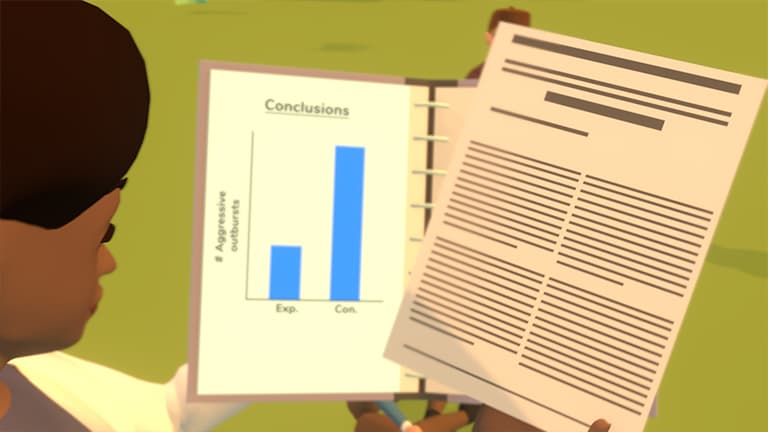
Understanding bullying requires examining the psychological motivations driving this behavior. Bullies often seek to establish dominance, gain peer approval, or deflect attention from their own insecurities. Research from Harvard Medical School shows that bullies frequently experience reduced empathy and increased aggression-related brain activity.
Victims typically exhibit characteristics perceived as vulnerabilities: physical differences, social awkwardness, or minority status. The psychological trauma extends beyond immediate incidents, potentially causing anxiety, depression, and academic decline. Bystanders-often the largest group-face moral distress from witnessing injustice while feeling powerless to intervene.
Effective anti-bullying approaches require comprehensive, multi-level interventions. Schools implementing evidence-based programs like Olweus Bullying Prevention Program have achieved 20-70% reductions in bullying incidents. These bullying study guide principles emphasize clear policies, consistent consequences, and positive school climate development.
Individual strategies include teaching assertiveness skills, building peer support networks, and developing emotional regulation techniques. For college students and AP Psychology learners, understanding these intervention frameworks becomes essential for both academic success and real-world application in education or counseling careers.
Related Micro-courses