Loading concepts…


15 Concepts
24 Concepts
13 Concepts
6 Concepts
18 Concepts
25 Concepts
6 Concepts
9 Concepts
7 Concepts
5 Concepts
4 Concepts
5 Concepts
6 Concepts
5 Concepts
19 Concepts
 19 Concepts
 348.6K Views
 Popular topics
















Research methods form the foundation of psychological science, providing systematic approaches to understand human behavior and mental processes. From experimental designs to statistical analysis, these evidence-based techniques enable researchers across universities like Stanford and Harvard to conduct rigorous studies. Master these methods through JoVE Coach's comprehensive coverage of scientific methodology, data collection, and ethical considerations in psychological research.
1. The Scientific Method and Hypothesis Testing Research begins with systematic observation and question formulation, leading to testable hypotheses within theoretical frameworks. The process involves operationalizing variables-independent variables that researchers manipulate (like meditation training) and dependent variables that measure outcomes (such as aggressive behaviors). This cyclical approach drives discovery at institutions like UCLA's Psychology Department, where researchers continuously refine theories through empirical testing. Understanding this foundation helps students design studies that contribute meaningful knowledge to psychological science while maintaining scientific rigor.
2. Observational Research Techniques Case studies provide in-depth analysis of unique individuals or small groups, offering rich qualitative insights but limited generalizability. Naturalistic observation captures authentic behaviors in real-world settings without participant awareness, ensuring high ecological validity. These methods excel when studying rare phenomena or sensitive topics where experimental manipulation would be inappropriate. For example, researchers at Yale might observe student interactions in dormitories to understand social dynamics naturally occurring on campus, avoiding the artificial constraints of laboratory settings.
3. Survey Research and Sampling Methods Surveys efficiently collect data from large populations using structured questionnaires and Likert scales. Random sampling ensures representative results by giving every population member equal participation chances, while convenience sampling may introduce bias through easily accessible participants. Effective survey design requires careful attention to question wording, response options, and potential self-report limitations. Universities like Michigan State regularly employ these methods for campus climate studies, gathering comprehensive data about student experiences across diverse demographics and academic programs.
4. Archival Research and Secondary Data Analysis Archival research utilizes existing records, databases, and historical documents to answer research questions without direct participant interaction. This approach offers cost-effective access to large datasets while eliminating observer bias concerns. However, researchers cannot control original data collection methods or ensure all relevant variables were measured. Examples include analyzing standardized test scores across decades to track educational trends or examining social media posts to understand communication patterns. This method proves particularly valuable for longitudinal questions spanning extended timeframes.
5. Longitudinal versus Cross-Sectional Designs Longitudinal studies track the same participants over extended periods, revealing developmental changes and individual growth patterns. Cross-sectional designs compare different age groups simultaneously, providing efficient snapshots of group differences. While longitudinal research offers superior insights into causation and individual development, it requires substantial time investments and faces higher attrition rates. Cross-sectional studies provide quick comparisons but cannot establish causal relationships. Harvard's Grant Study exemplifies longitudinal research, following participants for over 80 years to understand factors promoting lifelong well-being and success.
6. Experimental Design Principles Between-groups designs randomly assign different participants to experimental conditions, while repeated-measures designs use the same participants across all conditions. Factorial designs examine multiple independent variables simultaneously, testing both main effects and interaction effects efficiently. Each approach has distinct advantages: between-groups eliminates order effects but requires larger samples, while repeated-measures controls individual differences but risks carryover effects. Counterbalancing helps minimize order effects in repeated-measures designs. These principles guide research at institutions like Carnegie Mellon, ensuring valid conclusions about cause-and-effect relationships.
7. Bias Control and Blind Procedures Single-blind studies keep participants unaware of their treatment condition, while double-blind procedures also prevent researchers from knowing group assignments during data collection. These methods control expectancy effects and experimenter bias that could compromise results validity. The placebo effect demonstrates how participant expectations alone can produce measurable changes, requiring careful control procedures in treatment research. Institutional Review Boards at US universities mandate these protections to ensure research integrity. Understanding bias sources helps researchers design studies that produce reliable, replicable findings.
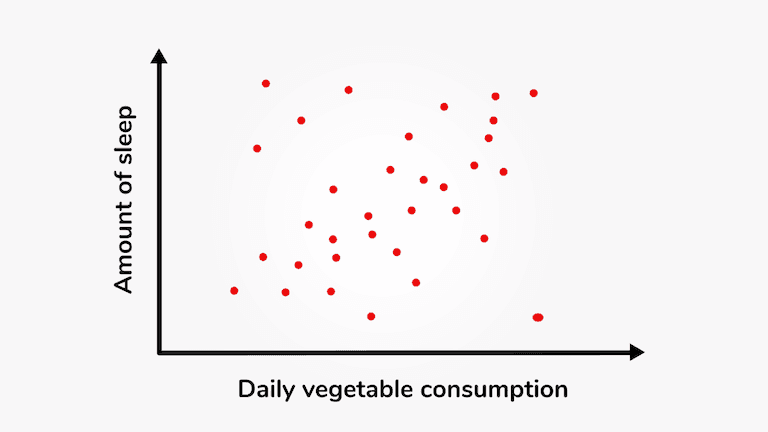
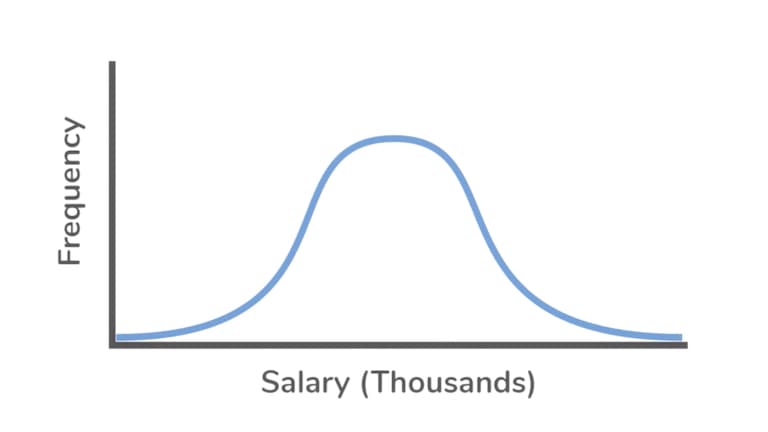
8. Statistical Analysis and Interpretation Correlational research examines relationships between variables using correlation coefficients ranging from -1 to +1, indicating association strength and direction. However, correlation never implies causation-additional experimental evidence is required to establish causal relationships. Measures of central tendency (mean, median, mode) and variability (standard deviation, range) describe data distributions. Statistical significance testing determines whether observed differences likely reflect true population differences rather than random chance. Normal distributions and regression toward the mean represent fundamental concepts for interpreting psychological research findings accurately.